Kamikochi’s clear river and forest paths make a fine contrast with the high, open country of Tateyama, where you cross the Alps on buses, a cable car and a ropeway. I like that this tour pairs two very different mountain days, and that reserved Alpine Route tickets take one purchase queue out of the plan.
I also like the practical setup: transport from Nagoya, one night at Hakuba Sun Valley Hotel, dinner and breakfast are included. Guides on past departures have included Amy, Kris and Zhang, though you cannot choose who leads your trip.
The trade-off is a long schedule with limited time at each stop. Weather can hide the views or alter operations, and the Alpine Route ticket costs extra, so budget for it on top of the advertised price.
- Key things to know before you book
- Two mountain regions, one busy trip
- Day one: following the Azusa River in Kamikochi
- Day two: crossing the Tateyama Kurobe Alpine Route
- What the ticket arrangement really means
- Guides, group rhythm and practical preparation
- Who should choose this Nagoya tour?
- Should you book it?
- FAQ
- Where does the tour depart from?
- When does the tour return to Nagoya?
- Are Tateyama transportation tickets included in the price?
- What is included in the tour price?
- Which meals are included?
- Where does the group stay overnight?
- How much time is set aside for Kamikochi?
- How many transport modes are used on the Alpine Route?
- Can I bring luggage?
- What happens if weather affects the route?
- The Best Of Nagoya!
- More Tickets in Nagoya
- More Tours in Nagoya
- More Tour Reviews in Nagoya
Key things to know before you book
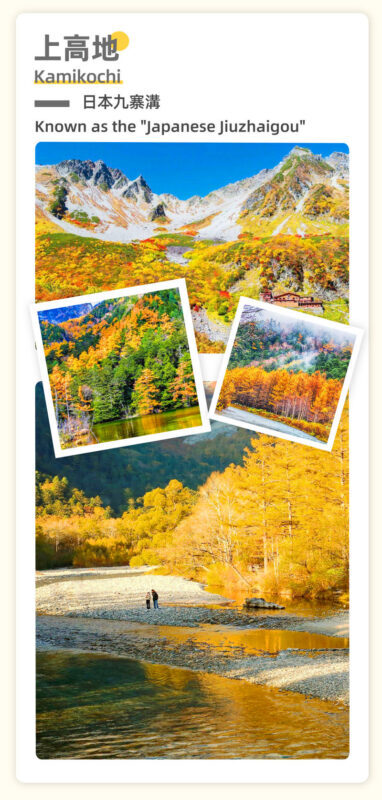
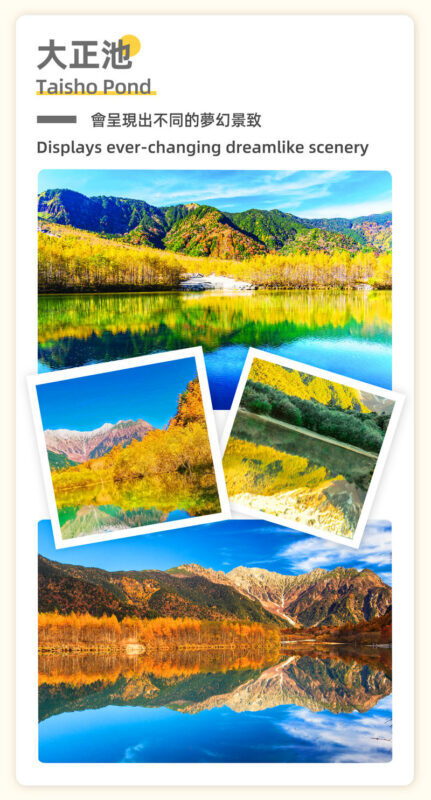
- Kamikochi is a walking day: The stop lasts about four hours. You can follow the river to Kappa Bridge, or choose a longer walk toward Myojin Pond.
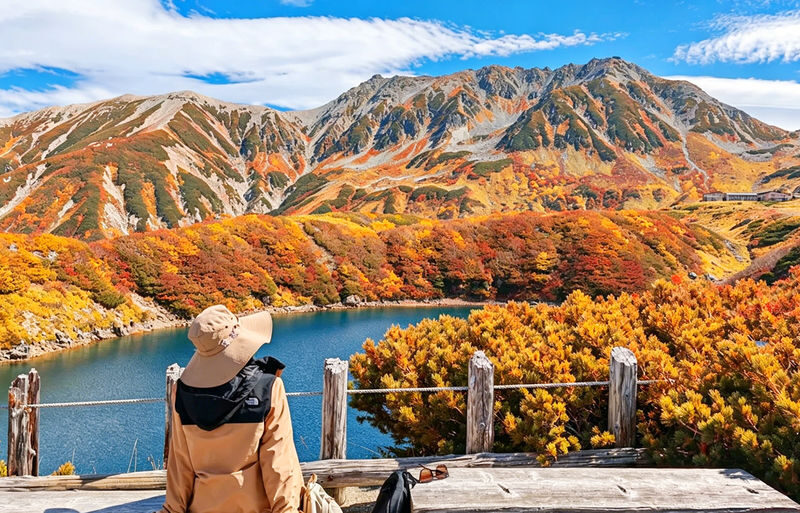
- Six transport modes make Tateyama the main event: The route crosses between Ogizawa and Tateyama, with stops including Kurobe Dam, Daikanbo and Murodo.
- Tickets are reserved, not included: Pay the guide in cash on site, 10,900 yen per adult or 5,400 yen per child aged 6 to 11.
- The overnight stay is functional: Hakuba Sun Valley Hotel and dinner and breakfast are included. The accommodation is described as clean and comfortable, though some find the hotel older or average.
- Timing depends on weather and traffic: The tour can change its order or reduce stops if conditions or delays require it.
- Pack for a full two days: Bring suitable clothing for mountain weather, and tell the operator in advance if you need to bring luggage.

👉 See our pick of the 13 Best Workshops & Classes In Nagoya
Two mountain regions, one busy trip
This tour is built around contrast. On day one, you walk through Kamikochi, a protected mountain area known for the Azusa River, forest, ponds and views of the Hotaka range. Day two is more about the journey itself: a sequence of public transport links through the Tateyama Kurobe Alpine Route.
That pairing is appealing if you have a short stay in Japan and want to see both a well-known valley and the Northern Japan Alps without planning separate transfers and accommodation. The operator handles the Nagoya transport, hotel, and route-ticket reservation. You still need to pay for the Alpine Route ticket, and you will need to keep an eye on the clock.
Expect a group tour, not a private outing. The stated group size ranges from one to 48, and the vehicle type depends on the number of participants. A smaller group can make movement easier, but you cannot count on one. At busy stops, listen carefully to your guide’s meeting instructions and be ready to board on time.
You can also read our reviews of more tours and experiences in Nagoya


Day one: following the Azusa River in Kamikochi
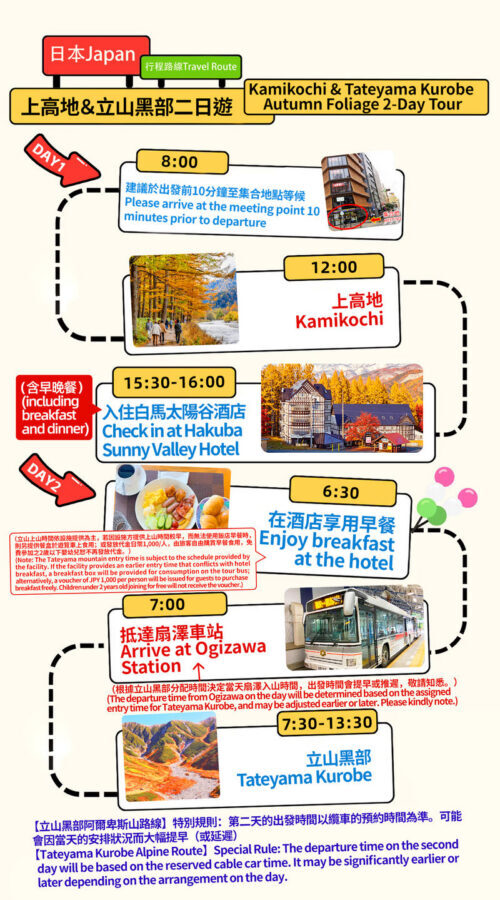
The tour leaves Nagoya at 8:00 a.m. and reaches Kamikochi around midday, with roughly four hours set aside for the visit. That is enough to enjoy a good walk and pause for views, but it is not enough to cover every path at a leisurely pace. Pick your route with the available time in mind.
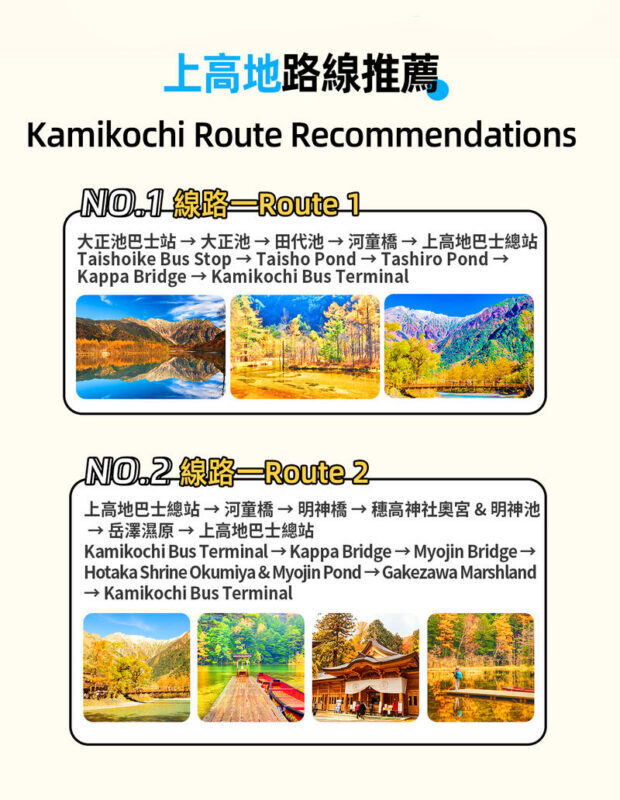
One option begins at Taisho Pond and continues past Tashiro Pond to Kappa Bridge, finishing near the Kamikochi bus stop. This route offers a gradual introduction to the valley, with water, woodland and open views toward the mountains. Taisho Pond is a particularly photogenic stop, though reflections and mountain visibility depend on the weather.
The second suggested route starts near the Kamikochi bus stop, passes Kappa Bridge and Takesawa Marsh, and continues toward Myojin Bridge, Hotaka Shrine Okumiya and Myojin Pond before returning. It takes you farther into the area and suits you if you want more walking. One past participant described an easy, mostly flat walk of about 7 to 8 kilometres, but your exact distance depends on the route and pace you choose.
Kappa Bridge is a natural place to stop and look back toward the surrounding peaks. Myojin Pond offers a quieter destination for those willing to walk farther. With only about four hours in the area, however, I would not try to do both routes in full. Choose the walk that matters most to you, leave room for the return to the bus and keep the guide’s time checks in view.
The scenery is a major part of the appeal, but mountain weather can change the experience. Clouds may cover the peaks, and rain can make a walk feel much longer. A raincoat or windbreaker is a sensible choice; an umbrella is another option mentioned by past participants. Comfortable footwear matters more than dressing for a city stroll.
By about 6:30 p.m., the group reaches the hotel. Rooms may be Japanese or Western style, with arrangements based on the number of people in your booking. Dinner is included, as is breakfast the next morning. The hotel is a practical overnight stop rather than a reason to book the tour: expect a simple stay, and keep your expectations flexible. Some past visitors found it clean and comfortable, while others felt the property was older or only average.
Day two: crossing the Tateyama Kurobe Alpine Route
Breakfast is scheduled for 6:30 a.m., followed by an early start. The group travels to Ogizawa, then crosses the mountain route toward Tateyama. The route links Nagano and Toyama prefectures, and its changes in transport are part of the attraction. You are not just riding to a viewpoint; each transfer brings a different angle on the mountains.
The planned sequence begins with the Kanden Tunnel electric bus from Ogizawa to Kurobe Dam. From there, you continue on foot beside Kurobe Lake, then take the Kurobe Cable Car to Kurobedaira and the Tateyama Ropeway to Daikanbo. A tunnel bus leads to Murodo, followed by a highland bus through Tengudaira and Midagahara toward Bijodaira.
That is a lot of movement in one day, and the six transport modes are a highlight for anyone who enjoys how mountain routes are engineered. Kurobe Dam gives you a chance to appreciate the scale of the route’s infrastructure. At Daikanbo and Murodo, the views open out over the high peaks, when the weather allows. Murodo is the highest and most anticipated stop for many, but cloud, rain or wind can change what you see and how long you can stay outdoors.
The route is sometimes described as a six-hour journey, but that should not be mistaken for six relaxed hours at every stop. The actual schedule can shift, and the time available for walking, photos or food may feel tight. One past visitor found the day rushed, while others felt the schedule was well paced. That difference is a reminder that weather, crowds, traffic and group timing all affect the day. If you want the freedom to linger at each station, independent travel may suit you better.
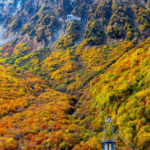
The autumn package is aimed at October and November foliage season. The colors and views depend on conditions at the time, and mountain weather can obscure the peaks. Do not book on the assumption that every stop will deliver a clear panorama. The route itself remains an unusual experience, but the scenery is the part you cannot control.
The return to Nagoya is listed for roughly 7:30 to 8:00 p.m. The exact departure from the route depends on the day’s arrangements, so treat the evening arrival as an estimate rather than a precise appointment. Avoid scheduling a tight connection or a nonrefundable evening plan.
What the ticket arrangement really means
The advertised starting price is $195.49, but the Tateyama transportation ticket is not included in that amount. You pay the guide in cash on site: 10,900 yen per adult, or 5,400 yen for a child aged 6 to 11. The operator reserves the tickets in advance, so you do not need to queue to buy them yourself. That is useful on a complex route, but it does not remove the extra cost.
The overall value depends on what you would otherwise arrange yourself. The package covers round-trip transport from Nagoya, tolls, parking, fuel, one night in Hakuba, dinner on day one, breakfast on day two, and a guide. You pay separately for the Alpine Route ticket, other meals and drinks, personal purchases, tips and insurance. Compare the full expected cost, not just the headline fare.
If you are comfortable with a group schedule, bundling the long transfers and overnight stay can be worth paying for. It saves you from coordinating the two mountain visits and their transport connections on your own. If you prefer a slower pace or want to choose exactly how long to walk, that convenience may not outweigh the limits of a fixed itinerary.
Guides, group rhythm and practical preparation
The guide can make a real difference on a trip with many transfers and strict meeting times. Guides on past departures have included Amy, Kris, Zhang, Frank and Mizuki. Some have been praised for clear explanations, careful headcounts and useful food tips. Names and languages are not guaranteed for your departure, but English- and Chinese-speaking guide support is included in the activity details.
Your guide will also manage the group’s pace. That matters most on day two, when missing a transfer or being late back to the meeting point can affect the rest of the schedule. Keep your phone or watch handy, confirm where and when to regroup, and do not wander off without checking first. The tour rules do not allow you to leave the group midway and rejoin later.
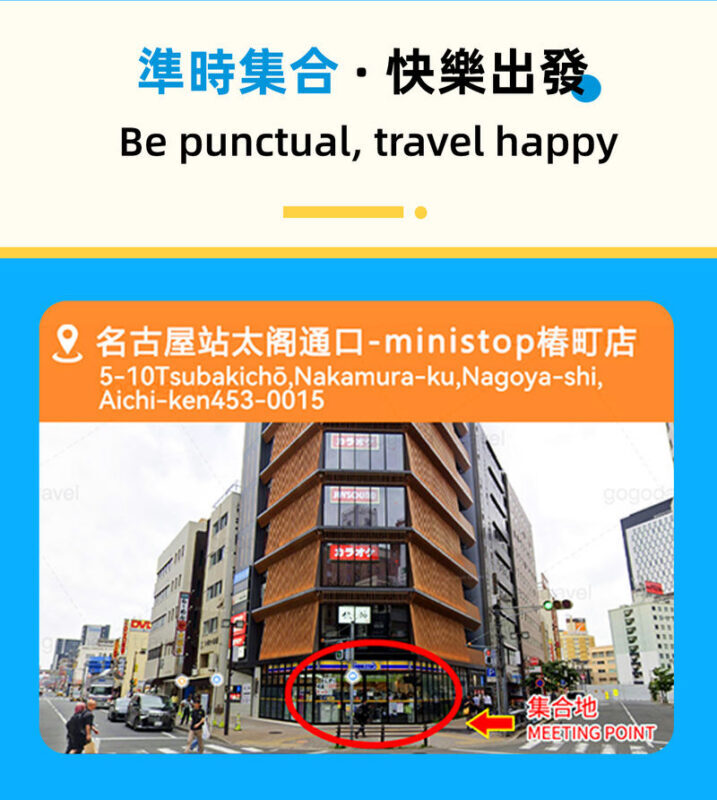
The day-before email is important. It is sent in the late afternoon or evening with guide and vehicle details, and it may land in your spam folder. Check your inbox and spam folder promptly. Arrive at the Nagoya Station Taiko-dori Exit meeting point at least 10 minutes before the 8:00 a.m. departure. The bus leaves on time, and late arrivals or no-shows are not refundable.
You may bring one piece of luggage per person at no charge, but you need to state this when booking. The operator may refuse luggage that exceeds the vehicle’s capacity, so do not assume that an unannounced bag will be accepted. The vehicle type is set according to the group size, not by personal request.
There is no age limit, but children aged 0 to 18 must travel with a paying adult. An infant aged 0 to 1 can join free if they do not need a separate seat; children aged 1 and over are charged at the adult tour rate. The separate Alpine Route ticket price for children aged 6 to 11 is lower.
You can also read our reviews of more tours and experiences in Nagoya

Who should choose this Nagoya tour?
I would consider this tour if you want to see both Kamikochi and Tateyama in a short window, are happy to walk, and value having transport and accommodation arranged. The days are long, but the mix of river paths, mountain views and unusual transport makes them feel varied rather than repetitive.
It is a less natural fit if you want long, unhurried hikes, control over every stop or a guaranteed clear view. You also need to be comfortable with the extra ticket payment and the possibility that weather or traffic will change the plan. A little flexibility is part of the bargain.
The cancellation terms allow a full refund if you cancel at least seven days before the activity date, based on local time. Once you are within that period, check the booking terms carefully before committing.
Should you book it?
Book this two-day trip if you want an efficient introduction to Kamikochi and the Tateyama Kurobe Alpine Route, and you are willing to follow a firm group schedule. The reserved tickets and included transfers are useful, especially if you are new to the route.
Skip it if your priority is to linger, hike at your own pace or avoid early starts and long travel days. Before booking, set aside the Alpine Route ticket money, check the weather close to departure, and pack for rain and changing mountain conditions. That preparation will make the tour’s best features easier to enjoy.
Alps – Tateyama Kurobe & Kamikochi Autumn Foliage Limited 2-Day Tour – Guaranteed transportation tickets and mountain entry guaranteed (Departing from Nagoya)
“Participated in the 2-day tour departing from Nagoya on October 5-6. Tour guide Ms. Zhang Jingjuan gave detailed and vivid explanations, and carefu…”
FAQ
Where does the tour depart from?
It departs from Nagoya Station Taiko-dori Exit Station Square. Be there at least 10 minutes before the 8:00 a.m. departure.
When does the tour return to Nagoya?
The expected return is around 7:30 to 8:00 p.m. on day two. Traffic and weather may affect the schedule.
Are Tateyama transportation tickets included in the price?
No. Tickets are reserved for you, but you pay the guide in cash on site: 10,900 yen per adult and 5,400 yen per child aged 6 to 11.
What is included in the tour price?
The package includes round-trip transfers from the meeting point, an English- or Chinese-speaking guide, the first night’s accommodation, dinner on day one, breakfast on day two, tolls, parking and fuel.
Which meals are included?
Dinner on the first day and breakfast on the second day are included. Other meals and drinks are not included.
Where does the group stay overnight?
The accommodation is Hakuba Sun Valley Hotel. Room arrangements may be Japanese or Western style and depend on the number of people in the booking.
How much time is set aside for Kamikochi?
The schedule allows about four hours at Kamikochi. Suggested walks include Taisho Pond to Kappa Bridge, or a longer route toward Myojin Pond.
How many transport modes are used on the Alpine Route?
The planned crossing uses six types of public transport, including an electric bus, cable car, ropeway and highland bus.
Can I bring luggage?
One piece of luggage per person is allowed at no charge. You need to declare it when booking, and the operator may refuse luggage if the vehicle cannot accommodate it.
What happens if weather affects the route?
The operator may adjust the schedule, change the order of stops or reduce attractions. In severe conditions, some transport or outdoor activities may be delayed, changed or cancelled.