Wakayama packs an unusual range of sights into one long day: a castle keep, a seafood market, white sand, sea cliffs and wave-cut rock shelves. The bus from Osaka makes these far-flung stops practical without asking you to piece together local connections.
I like the mix of history and coast: Wakayama Castle gives the morning a cultural anchor, while Sandanbeki and Senjojiki bring you close to the Pacific. I also like the generous market stop, where you can choose your own lunch rather than settle for a fixed menu.
The trade-off is the pace. Five stops between roughly 7:20 a.m. and early evening mean plenty to see, but not much time to linger, and the bus journey takes up a good part of the day.
- What makes this Wakayama day trip worth considering
- A full day from Namba to Wakayama
- Wakayama Castle gives the day a historical start
- Toretore Market is the day’s lunch stop
- Sandanbeki brings the cliffs close
- Senjojiki is short, striking and exposed to the weather
- Shirahama Beach adds a softer finish
- The schedule is efficient, not leisurely
- Is the price good value?
- Who should book this tour?
- FAQ
- Where does the tour depart from?
- What time does the tour leave and return?
- Which stops are included?
- Is lunch included?
- Is Sandanbeki Cave admission included?
- What happens if the weather is bad?
- The Best Of Wakayama!
- More Shopping Tours in Wakayama
- More Tours in Wakayama
- More Tour Reviews in Wakayama
What makes this Wakayama day trip worth considering
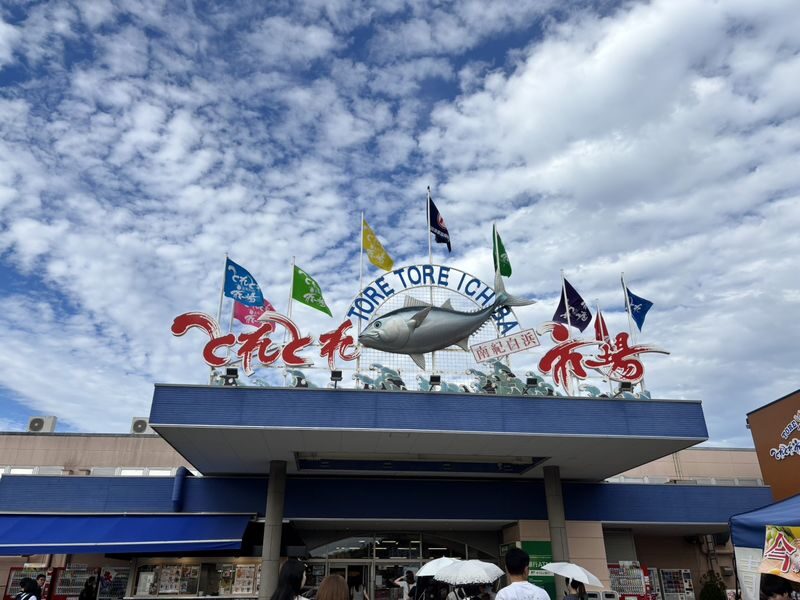
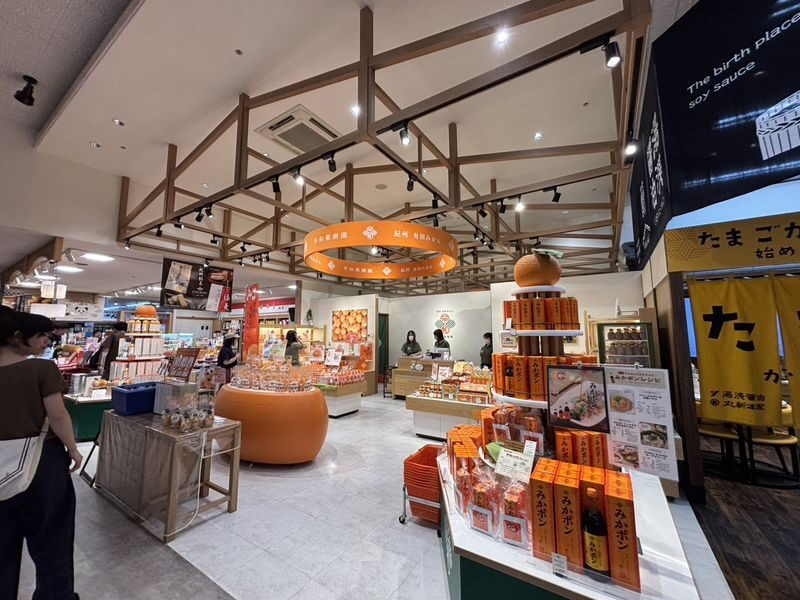
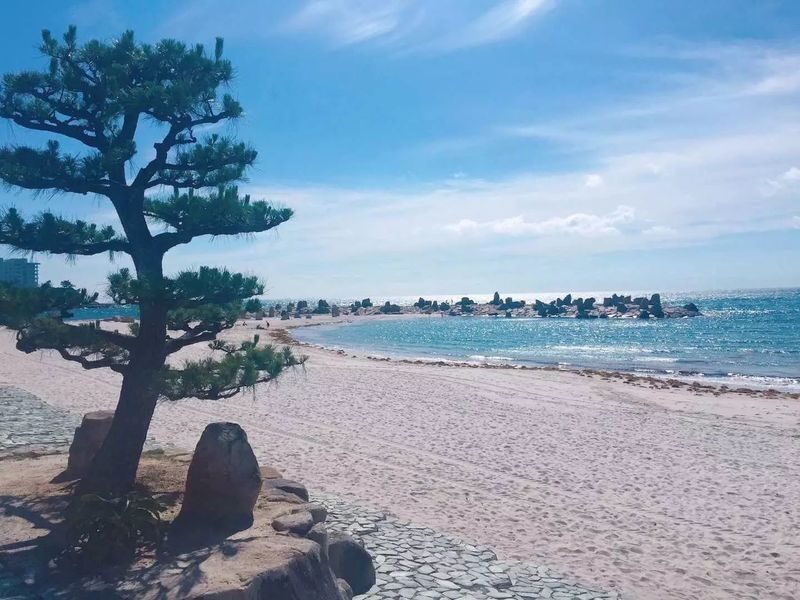
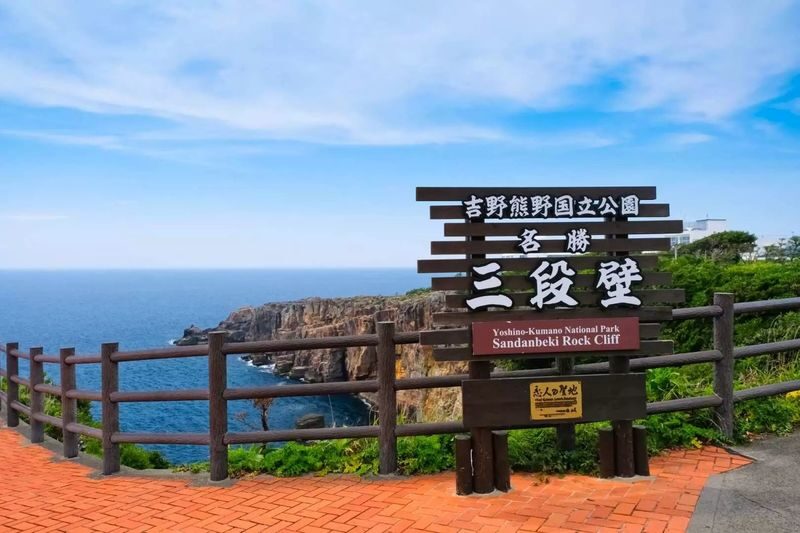

- A rare range of stops in one day: Visit Wakayama Castle, Toretore Market, Sandanbeki Cliffs, Senjojiki and Shirahama Beach.
- A useful market lunch window: The plan allows about 1 hour 40 minutes at Toretore Market, with meals paid separately on the no-meal option.
- Big Pacific views without a long hike: Sandanbeki’s cliffs and Senjojiki’s layered rock are visited on short, self-guided stops.
- A beach stop with a resort feel: Shirahama’s pale sand and clear water are the draw, though the time there is limited.
- Transport and a guide are included: A Chinese- or Japanese-speaking guide accompanies the group, with small-group arrangements sometimes using a driver-attendant.
- Time and weather can change the plan: Traffic, weather and temporary closures may alter the order or length of stops.

👉 See our pick of the The 7 Top Walking Tours In Wakayama: Which Is Best?
A full day from Namba to Wakayama
The tour starts early, with departure scheduled for 7:20 a.m. and the meeting window running to 7:30. The meeting point is about a two-minute walk from Kintetsu-Nippombashi Station. Look for the LION TRAVEL sign, and do not assume the spot is at the entrance of Kani Doraku Dotonbori East branch. Arrive ten minutes early: the bus leaves on time, and late arrivals or no-shows are not refunded.
The return is listed for 6:00 to 7:00 p.m. at Kani Doraku Dotonbori East Store. That makes this a long day, but it also means you can reach several places that would be awkward to combine by public transport. One guide, Li Xiang, was praised for managing time well, and guide names on recent trips also include Ming Ming and Wu Binghua. Names are not a promise of who will lead your departure.
The tour includes a Chinese- or Japanese-speaking guide. You explore the attractions on your own once you arrive, so think of the guide as help with the day’s flow and explanations, not someone who necessarily walks beside you at every stop. For smaller groups, the driver may also serve as the attendant, without a separate tour leader.
You can also read our reviews of more shopping tours in Wakayama


Wakayama Castle gives the day a historical start
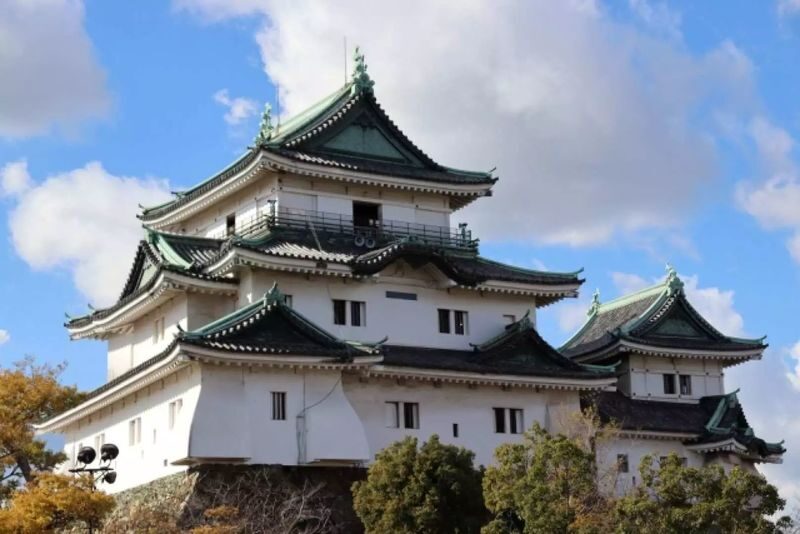
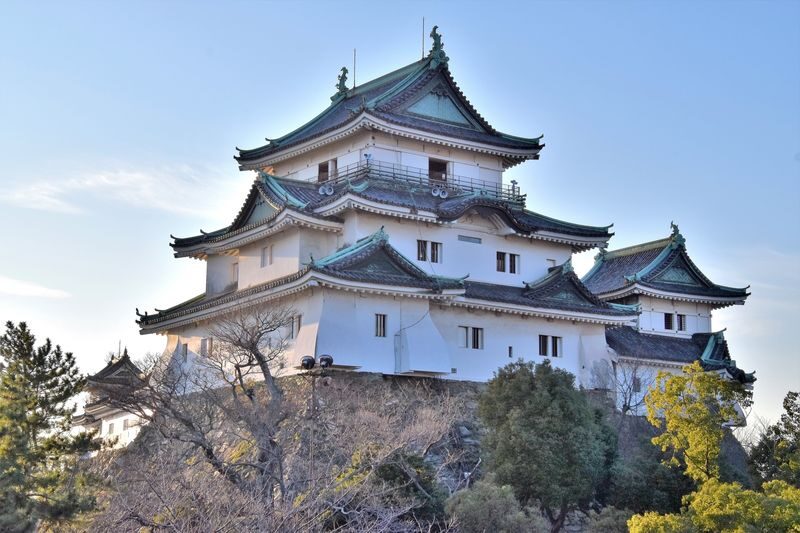
The first stop is Wakayama Castle, with about an hour to explore. The castle is known as one of Japan’s 100 famous castles and dates to the early Edo period. Its hilltop setting gives it a strong presence above the city, and the main keep is a good place to look out over Wakayama.
One recent visitor particularly enjoyed the 360-degree view from the keep. If that view matters to you, allow time to reach the main keep and take it in rather than spending the entire hour wandering the grounds. The stop also includes Nishinomaru Garden, a quieter counterpoint to the castle. In autumn, the garden is noted for its foliage.
An hour is enough for a focused visit, but not an exhaustive one. You will need to choose between lingering in the garden, exploring the castle grounds and going up to the keep. Admission details for the castle are not specified here, so check what is covered when booking rather than assuming every entrance is included.
Toretore Market is the day’s lunch stop
The bus continues to Toretore Market Nanki Shirahama, described as the largest seafood market in Nanki. You have about 1 hour 40 minutes here, and the time is set aside for a self-guided visit and lunch. A recent departure reportedly allowed 1 hour 50 minutes, but traffic and the day’s schedule can change the stop.
This is the most flexible meal of the day. You can browse the seafood stalls, choose a meal on site, and look for Wakayama specialties and souvenirs. The market is a practical place to sample local seafood without committing to a restaurant chosen in advance. Just remember that food and drinks are not included in the no-meal package.
The meal-included option costs more, but the supplied details do not specify exactly what the meal includes. If you care about choosing your own food or have particular preferences, the no-meal option gives you more control. Budget for lunch and any snacks or souvenirs separately.
Sandanbeki brings the cliffs close
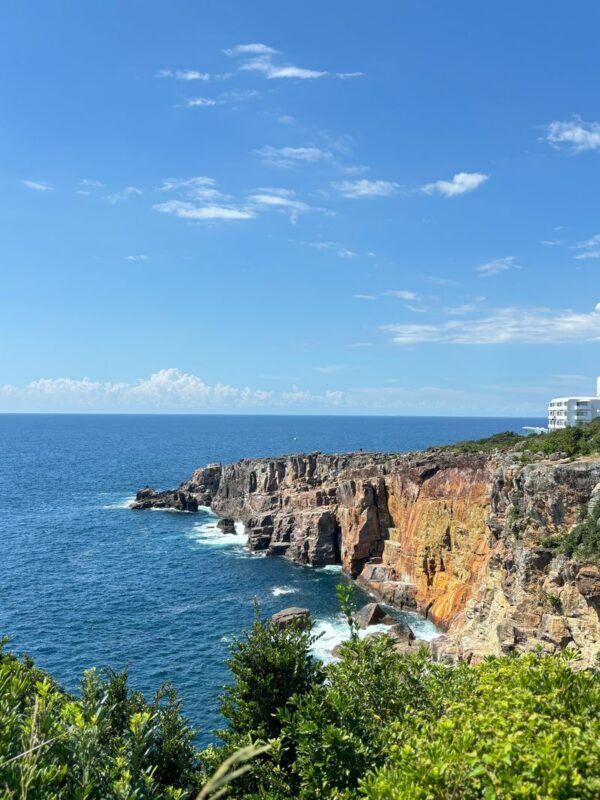
At Sandanbeki, the plan gives you about 40 minutes to see the sea-eroded cliffs. The rock face and open-water views make this one of the day’s most dramatic stops. There is also a footbath overlooking the sea, a welcome chance to pause if it is operating and you have time.
Sandanbeki Cave is optional and its admission fee is not included. The cave visit may be appealing if you want to see more of the site from below, but it takes time from a short stop. Decide at the site whether the additional visit is worth it to you, and check the current admission arrangements there.
The cliff edge is the main event, so give yourself time to look beyond the first photo point. Still, do not expect a leisurely coastal walk: the schedule allows less than an hour before the bus moves on.
Senjojiki is short, striking and exposed to the weather
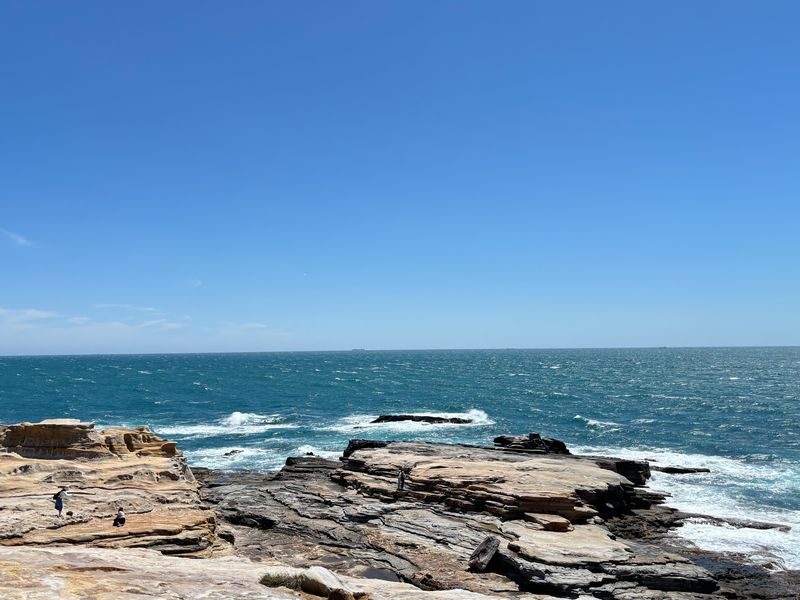
Senjojiki is a broad rock formation where the stone appears layered like a stack of flat slabs. The stop is around 20 minutes, enough for a walk over the rock and a few photographs, but not for a long wander. On a clear day, the waves and open coastline make this a particularly memorable pause.
The rocks are the attraction, not a developed promenade. Watch your footing and follow any local guidance, especially if the surface is wet or waves are rough. The short stop means you should take care of photos and sightseeing promptly, rather than saving everything for the last few minutes.


Shirahama Beach adds a softer finish
The final main stop is Shirahama Beach, with about 45 minutes to walk along the sand and take in the blue water. Its pale shore gives the tour a different mood from the rugged cliffs and rock shelves. In warmer weather, you may be tempted to swim or sunbathe, but the schedule is better suited to a beach walk and a quick look than a full beach day.
If you want to swim, check conditions and bring what you need in advance. The tour does not include meals or personal expenses, and there is no stated time for changing or renting equipment. The beach stop is best treated as a taste of Shirahama’s seaside atmosphere rather than a long resort break.
Engetsu Island, known for a crescent-shaped opening in its rock, is viewed from the bus window. That is a nice extra if you spot it, but it is not a scheduled stop. Keep your camera ready, and do not plan your day around getting out for a closer look.
The schedule is efficient, not leisurely
The planned stops add up to around five hours, with the rest of the day taken by travel and transitions. That balance is the tour’s central compromise: you get a broad introduction to Wakayama in one outing, but each place has a firm time limit. Some stops are self-guided, so you can set your own pace within the window.
The order and stop lengths can change with traffic or weather. Bad weather, including typhoons or blizzards, may lead the operator to cancel, with a decision expected by 6:00 p.m. local time the day before. If a site closes temporarily, the guide may adjust the plan. A clear day makes a difference at the coastal stops, especially Senjojiki, where the rock formations and sea views are the point.
This setup suits people who value seeing several highlights over spending half a day at any one of them. If you prefer slow travel, long beach time or independent stops at your own pace, a self-planned overnight in Shirahama may fit better.
Is the price good value?
The advertised starting price is $56.79, while the package details give the no-meal option from $70.95 and the meal-included option from $81.35. Prices can vary by package and date, so check the exact total for the option you select. The key value is not a low-cost lunch; it is having transport between Osaka and a cluster of attractions that are difficult to connect efficiently by public transport in a single day.
On the no-meal package, you pay separately for food, drinks, personal purchases and Sandanbeki Cave admission. You also have to make your own choices at the market, which can be a plus if you want to decide what and when to eat. The meal-included package may suit you if you prefer a planned meal, but confirm its details before paying more.
The tour has a strong recent service record, with a 5.0 rating from five supplied reviews and an overall good-review rate of 92 percent from 862 reviews for LION TRAVEL JAPAN. Five ratings for this specific outing are a small sample, so I would not treat the perfect score as a guarantee. The comments do, however, point to what matters most here: organized timing, clear explanations and a varied route. One guide, Ming Ming, was singled out for careful explanations and attention to comfort; another departure praised Li Xiang’s time management.
Who should book this tour?
I would choose this day trip if you are staying in Osaka and want a guided, transport-included way to see both Wakayama’s castle and Shirahama’s coast. It is especially suited to couples, friends and families who are happy with a full schedule and short visits. The market stop also gives you a welcome chance to choose your own lunch.
It is less suited to anyone who wants a slow beach day, a long visit inside Sandanbeki Cave or complete control over timing. For value, the no-meal option makes sense if you are comfortable buying lunch yourself. If you want a broad first look at Wakayama without arranging several transfers, this is a practical choice. If one particular stop matters more than the rest, consider visiting independently and giving it the time it deserves.
Departing from Osaka Namba: Wakayama Shirahama One-Day Tour: Wakayama Castle-Toretore Market-Shirahama Beach-Sandanbeki Cliffs-Senjojiki
“We had such a wonderful experience with our tour guide, Ming Ming, from Lion Travel Japan! She was incredibly knowledgeable and passionate, and she…”
FAQ
Where does the tour depart from?
The meeting point is about a two-minute walk from Kintetsu-Nippombashi Station. Look for the LION TRAVEL sign. The meeting point is not at the entrance of Kani Doraku Dotonbori East branch.
What time does the tour leave and return?
Departure is scheduled for 7:20 a.m., with a meeting window until 7:30 a.m. Return is listed between 6:00 and 7:00 p.m. The schedule may change with traffic or weather.
Which stops are included?
The planned stops are Wakayama Castle, Toretore Market, Sandanbeki Cliffs, Senjojiki and Shirahama Beach. Engetsu Island is viewed from the bus window.
Is lunch included?
Meals and beverages are not included in the no-meal package. Toretore Market is the planned lunch stop, and a meal-included package is also offered.
Is Sandanbeki Cave admission included?
No. Admission to Sandanbeki Cave is at your own expense.
What happens if the weather is bad?
For severe conditions such as typhoons or blizzards, a decision on cancellation is expected by 6:00 p.m. local time the day before departure. The operator may also adjust stop order or timing due to weather.