A bowl of matcha is more than a drink here: you’ll learn the basic movements for preparing it, then whisk your own and taste the result. The class is a relaxed introduction, not a long formal ceremony, which makes it an easy cultural pause in a busy Nagoya day.
I like two things in particular: you get to make the matcha yourself, and you can add a nerikiri workshop to shape traditional Japanese sweets. Instructors such as Ueno and Saki have been warmly praised for patient, clear teaching, with English explanations often available.
One consideration: the traditional tea-only option can feel brief if you expect an extended ceremony. If you want more hands-on time, choose the sweets-making package, and check the selected option and schedule before booking.
- At a glance
- A first taste of tea ceremony, not a formal marathon
- What happens during the tea session
- Why the nerikiri option adds value
- Instructors, language, and the pace of learning
- Finding the venue in central Nagoya
- Is .05 good value?
- Who will enjoy this class most
- Booking details worth checking
- Should you book it?
- FAQ
- Where does the tea ceremony take place?
- What is included in the tea-only package?
- Can I make Japanese sweets as well?
- How long does the experience take?
- Is the class suitable for beginners?
- Is English instruction available?
- What is the minimum age?
- How much does the activity cost?
- Can I change or cancel my booking?
- What happens if the operator cancels?
- The Best Of Nagoya!
- More Tours in Nagoya
- More Tour Reviews in Nagoya
At a glance
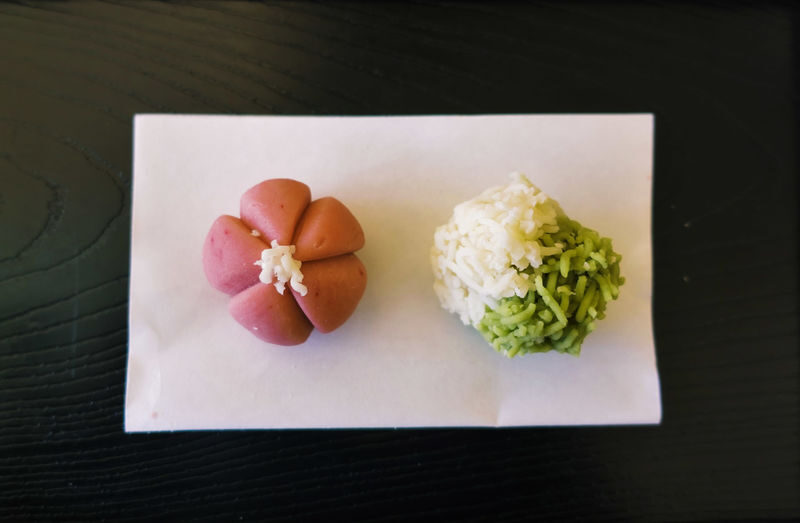
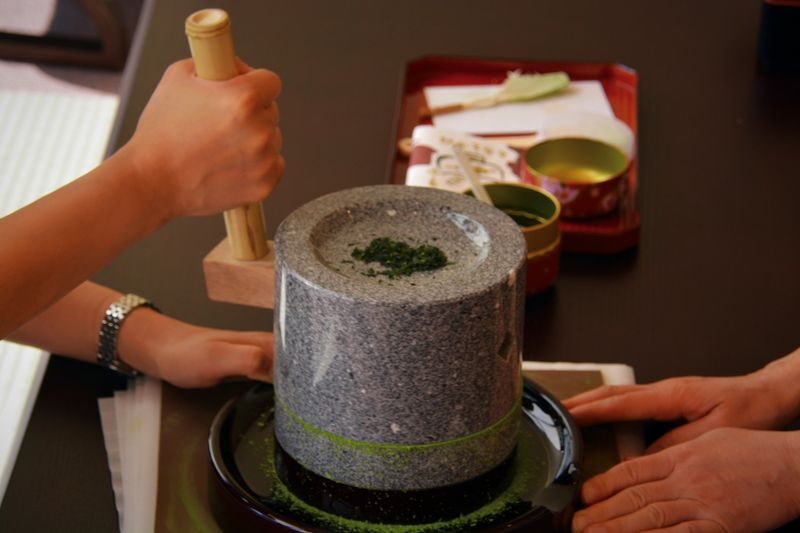
- Whisk your own matcha: A short introduction leads into hands-on preparation, so you do more than simply watch.
- Add nerikiri making: The larger package pairs the tea ceremony with a sweets workshop, often the more substantial choice.
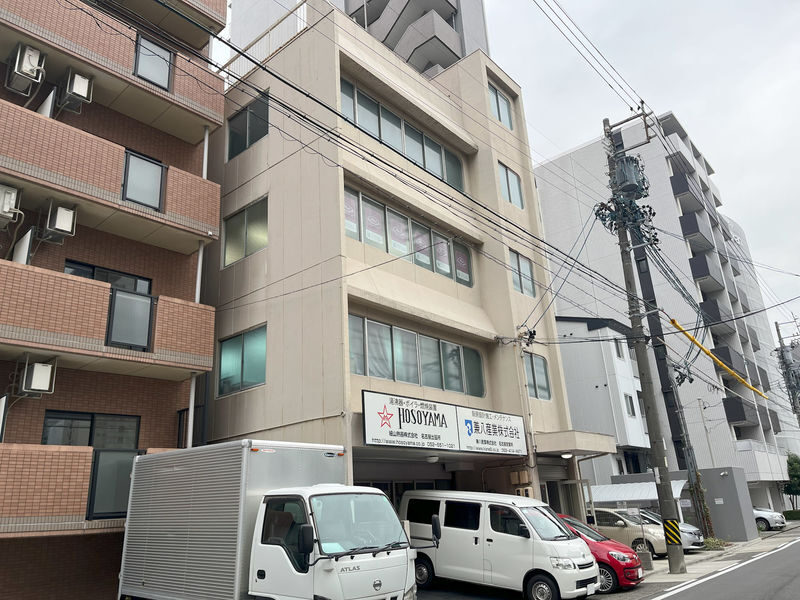
- A calm break near Nagoya Station: The venue is at Uezen Building, 3F, 5-22-23 Meieki, Nakamura-ku.
- English help is often available: Instructors have explained the steps in both Japanese and English, and demonstrations help if you miss a word.
- A quick cultural introduction: The tea-only experience is a compact lesson, while the combined class has been described as taking around 1.5 hours.
- Low entry price: The experience starts from $8.05, though the price depends on the package you select.

👉 See our pick of the 13 Best Workshops & Classes In Nagoya
A first taste of tea ceremony, not a formal marathon
AN NAGOYA Japanese Culture Experience gives you a practical introduction to matcha preparation and the customs around serving it. After a brief explanation, you make your own matcha and drink it. The focus is on taking part and learning the basic sequence, rather than sitting through a lengthy ceremony.
That makes the class useful for a first visit to Japanese tea culture. You can ask what the movements mean, watch a demonstration, and try the steps yourself. Some sessions include context about matcha and how tea is served and enjoyed. The precise depth of the cultural explanation can vary, but the format is approachable and does not require previous knowledge.
I see the main value in doing the preparation yourself. Watching someone whisk tea is one thing; handling the tools and making a bowl gives you a clearer sense of the care involved. It also leaves you with a small, memorable ritual to connect with the rest of your time in Japan.
You can also read our reviews of more tours and experiences in Nagoya.


What happens during the tea session
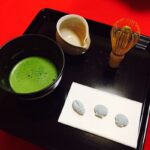
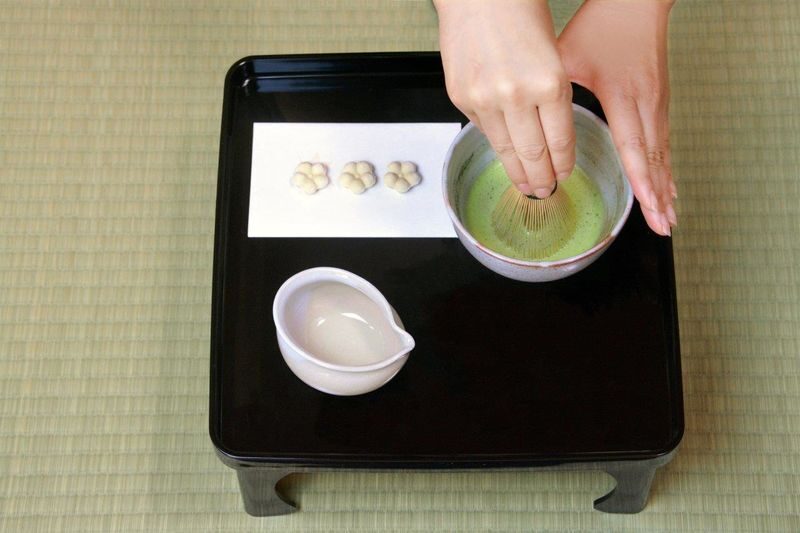
The tea-only package begins with a short lesson. Your instructor introduces matcha and the basic steps, then demonstrates the preparation so you can follow along. The class is intended for beginners, and the instruction is hands-on rather than a lecture from start to finish.
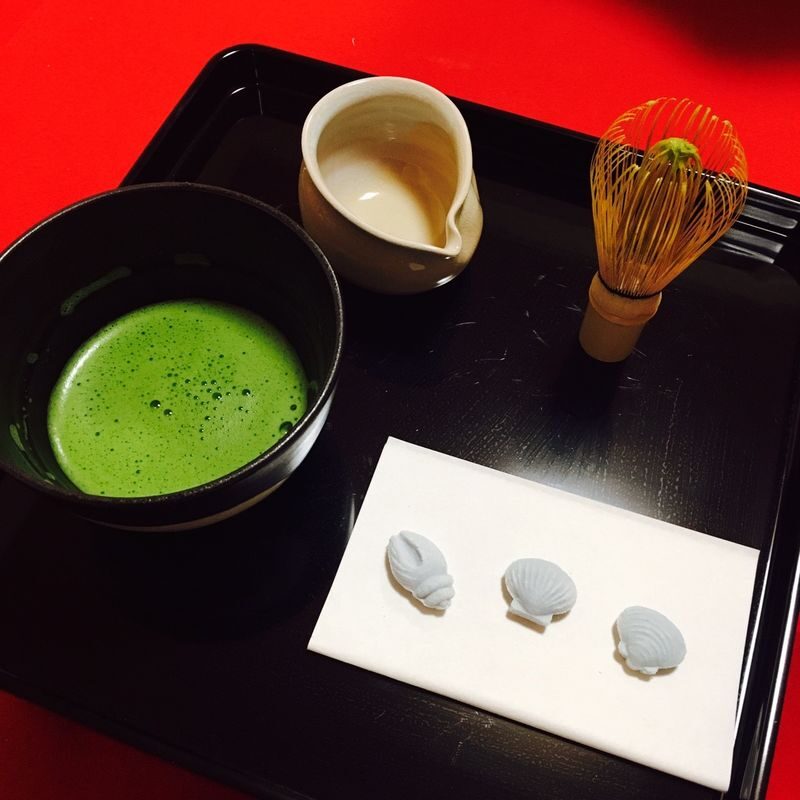
You then whisk your own matcha and enjoy it. The preparation is the center of the activity, but the setting and service matter too: attention goes to the bowl, utensils, and the way tea is presented. One instructor has explained that the length of fermentation is what separates green tea from black tea, a useful example of the small bits of context that can make a simple cup more interesting.
Expect a simplified introduction, not a full study of the many schools and forms of tea ceremony. One participant found the tea-only ceremony very quick and wanted more. If you are hoping for a long, highly formal session, this may not meet that expectation. If you want a short lesson and a chance to make matcha, the compact format is a strength.
Why the nerikiri option adds value
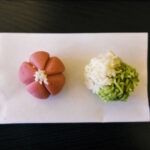
The second package combines the tea ceremony with nerikiri, a Japanese sweet you shape yourself. It gives the visit a second activity and more time to work with your hands. One account describes about an hour for sweet-making followed by 20 to 30 minutes for the matcha ceremony, with the whole session taking roughly 1.5 hours. Treat that as a useful guide, not a guaranteed schedule.
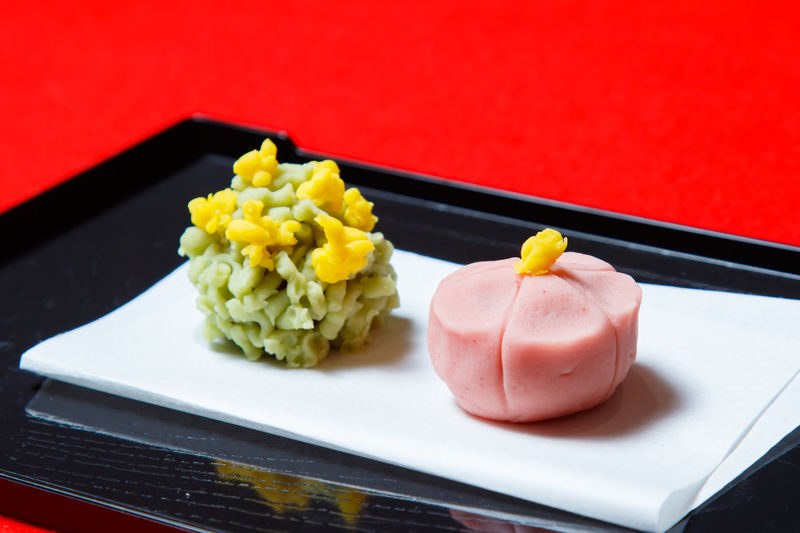
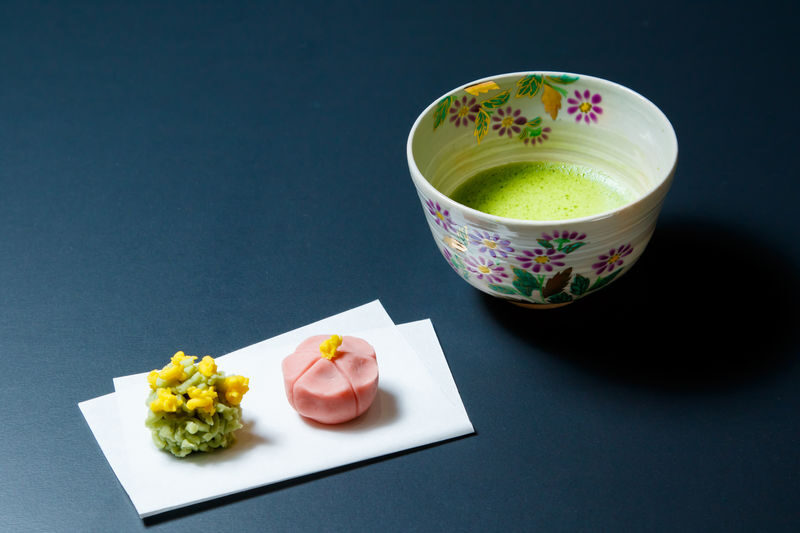
The sweets are shaped around seasonal or themed designs. A class has used motifs such as a rabbit, a full moon, and a chrysanthemum. You follow the instructor’s demonstration, work the sweet into shape, and then enjoy it with matcha. The making can be challenging, but the step-by-step format is designed for beginners, and you do not need to arrive with craft skills.
This is the better pick if you want an activity that fills a larger part of your day or if you enjoy food workshops. It also makes the tea ceremony feel less like a quick sampler and more like a complete cultural outing. The tea-only option remains a sensible choice if your schedule is tight or matcha is your main interest.
Instructors, language, and the pace of learning
The teaching style is a major part of the experience. Ueno and Saki are names associated with especially warm, patient instruction, though you should not assume either will lead your particular session. The general approach described is friendly and practical: the instructor demonstrates, explains, and gives you time to try.
English explanations are often available. Instructors have used both Japanese and English, and have slowed down or simplified their wording when needed. Even if you do not understand every explanation, you can follow the teacher’s movements and copy the steps. That makes the class workable for visitors with different levels of English, though the finer cultural details may be harder to follow if you are not comfortable with the language.
The classes can be small. One session had four students, which allowed room to watch and ask questions. Group size is not guaranteed, but a small class can make a hands-on activity easier to follow than a large demonstration.
Most descriptions of the teaching are positive, but the experience is still instructor-led and personal. One participant reported a poor interaction and felt the guidance was impatient. That appears to be an exception among the comments provided, but it is fair to note that your experience depends in part on the person teaching that day.
Finding the venue in central Nagoya
The meeting point is AN NAGOYA Japanese Culture Experience, at Uezen Building 3F, 5-22-23 Meieki, Nakamura-ku, Nagoya. It is in the Meieki area, and the location has been described as walkable from Nagoya Station. One person instead took a taxi from the station and paid about ¥1,300, so the choice depends on your preference, luggage, and comfort navigating the area.
Use the address and map supplied with your booking rather than relying only on the venue name. A participant noted that the class was up stairs, so keep that in mind if stairs are a concern. The listing gives the address as the third floor; one account described reaching a fourth floor by stairs, so confirm the exact entrance and floor information before setting off if it matters for your plans.
This central location works well between sightseeing stops. You can fit in a tea class without making a separate day trip, and the short format leaves room to continue exploring Nagoya afterward.
Is $8.05 good value?
The advertised starting price of $8.05 is low for a guided cultural activity, but it applies to the listed starting option. The total price depends on what you choose, so check the final cost for the tea-only or combined tea-and-sweets package before paying.
For the tea-only session, value rests on the guided introduction and the chance to prepare matcha yourself. It is a modest, low-commitment way to try a Japanese cultural activity. The trade-off is time: if you expect a long ceremony, the brief format may feel too slight.
The nerikiri package offers more activity and a longer visit. You learn to shape sweets as well as prepare tea, and get a snack to enjoy with the matcha. If you enjoy food and making things, that extra hands-on time can justify choosing the larger package. The best value is not necessarily the cheapest option; it is the one that matches how much time and participation you want.
Who will enjoy this class most
This is a good fit if you are curious about matcha but want a friendly, beginner-level introduction rather than a formal, in-depth course. It also suits families and mixed-age groups: children aged one and older are eligible, and children aged 12 and 13 have enjoyed the combined sweets and tea session.
Food-minded visitors may prefer the nerikiri option. It adds a creative task and gives you a chance to learn about Japanese sweets alongside tea. Couples, families, and small groups can take part, while solo visitors are welcome too.
You may want to skip it if you are looking for a long ceremony, extensive instruction in tea traditions, or a guaranteed English-speaking instructor. English guidance is frequently available, but the supplied details do not promise it for every session. If the cultural background matters as much as the hands-on activity, check what language will be used before booking.
Booking details worth checking
Participants must be at least one year old. The voucher is valid only on the date booked, and at the specified time if one is shown. Changes are generally allowed until 24 hours before the activity, but restrictions apply to some bookings, including certain passes, pre-sales, freebies, vouchers not yet issued, and bookings made with SG Culture Pass or Taiwan Culture Points.
You can cancel for a full refund at least 24 hours before the activity date, using destination local time. If extreme weather or another unforeseen event leads the operator to cancel, you can reschedule or request a full refund. The activity includes the traditional tea ceremony; other personal expenses are not included.
Should you book it?
Book the tea-only class if you want a short, affordable introduction and are happy to spend most of your time learning to prepare matcha. Choose tea and nerikiri if you want a fuller session, enjoy making sweets, or are travelling with children who like practical activities.
I would treat this as a pleasant cultural break, not a substitute for a formal tea ceremony course. Its strengths are accessible instruction, hands-on matcha preparation, and the option to add Japanese sweets. Check the package, price, language, and venue details before you commit, then leave yourself enough time to enjoy the class without rushing to your next stop.
Tea Ceremony Experience (Nagoya)
“Ueno was very kind to me and made me feel welcome. She was so patient teaching me how to whisk the matcha and shape the nerikiri sweets. I was nerv…”
FAQ
Where does the tea ceremony take place?
The meeting point is AN NAGOYA Japanese Culture Experience at Uezen Building 3F, 5-22-23 Meieki, Nakamura-ku, Nagoya.
What is included in the tea-only package?
The listed inclusion is a traditional tea ceremony experience, where you receive a brief lesson, make matcha, and enjoy it.
Can I make Japanese sweets as well?
Yes. You can select a package that combines the tea ceremony with nerikiri, a Japanese sweet-making activity.
How long does the experience take?
The tea-only session is described as quick, but no fixed duration is provided. The combined sweets and tea session has been described as taking around 1.5 hours.
Is the class suitable for beginners?
Yes. The session includes an introduction and demonstration, followed by a chance to make your own matcha. No previous experience is listed as a requirement.
Is English instruction available?
English explanations have been provided in sessions, often alongside Japanese. English is not stated as a guaranteed language for every class.
What is the minimum age?
Participants must be at least one year old.
How much does the activity cost?
The advertised starting price is $8.05. The exact price depends on the package selected.
Can I change or cancel my booking?
Changes are generally allowed until 24 hours before the activity, with some booking restrictions. A full refund is available if you cancel at least 24 hours before the activity date, using destination local time.
What happens if the operator cancels?
If unforeseen events or extreme weather lead to cancellation, you can reschedule or request a full refund.