Toyokawa Inari’s thousand stone foxes make a striking start to a day that also takes you to a miso brewery with roots in the 1300s and the maple-lined paths of Korankei Gorge. I like this tour’s mix of shrine, food, and rural craft traditions, and the chance to see several destinations that are awkward to connect by public transport in one day.
The main trade-off is time on the bus: the schedule includes about five hours of driving, plus considerable walking and stairs. Korankei’s famous autumn color usually peaks in mid-to-late November, so the season can shape the day’s biggest scenic payoff.
- Key points to know before you go
- A full day beyond Nagoya
- Toyokawa Inari and its fox-filled grounds
- Hatcho Miso: a taste of Aichi’s food culture
- Korankei’s maple paths and rural Asuke
- How the pace and transport affect the day
- Is 4.79 good value?
- Who should book this Aichi day trip?
- FAQ
- Where does the tour leave from?
- What time does the tour return to Nagoya?
- What is included in the price?
- Is lunch included?
- When is Korankei’s autumn foliage usually at its best?
- Can I visit Korankei outside autumn?
- How much walking is involved?
- Is the tour wheelchair-accessible?
- Are children allowed on the tour?
- What happens if I need to cancel?
- The Best Of Nagoya!
- More Tours in Nagoya
- More Tour Reviews in Nagoya
Key points to know before you go
 1 / 8
 2 / 8
 3 / 8
 4 / 8
 5 / 8
 6 / 8
 7 / 8
 8 / 8
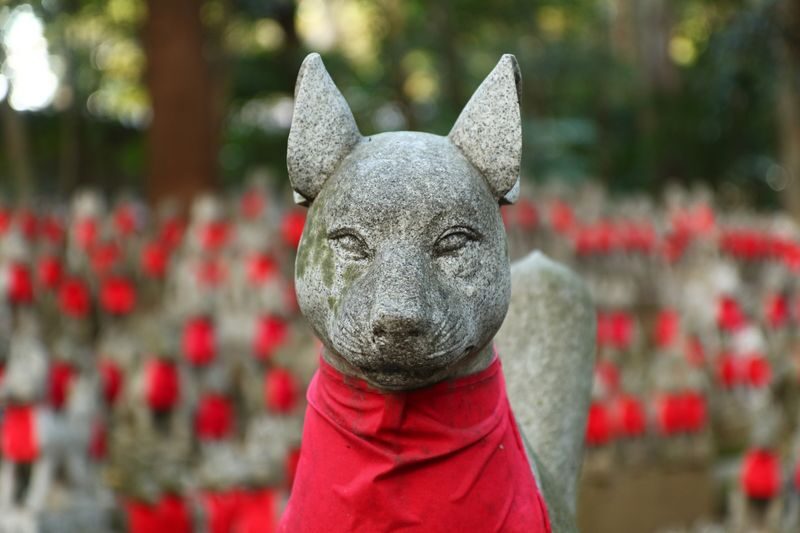
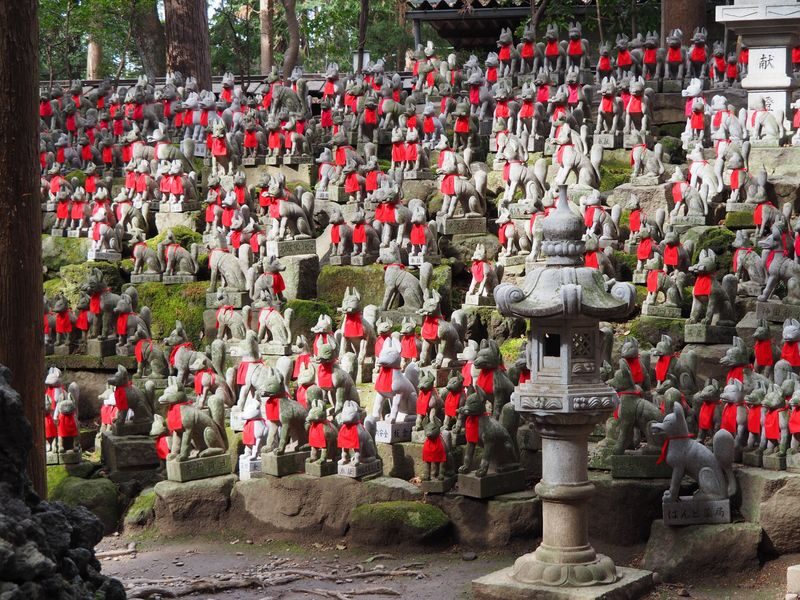
- Toyokawa Inari has a thousand stone foxes, with a guide-led visit to one of Japan’s major Inari sites.
- Hatcho miso is made on site, and the visit includes a tasting and time to browse miso-based products.
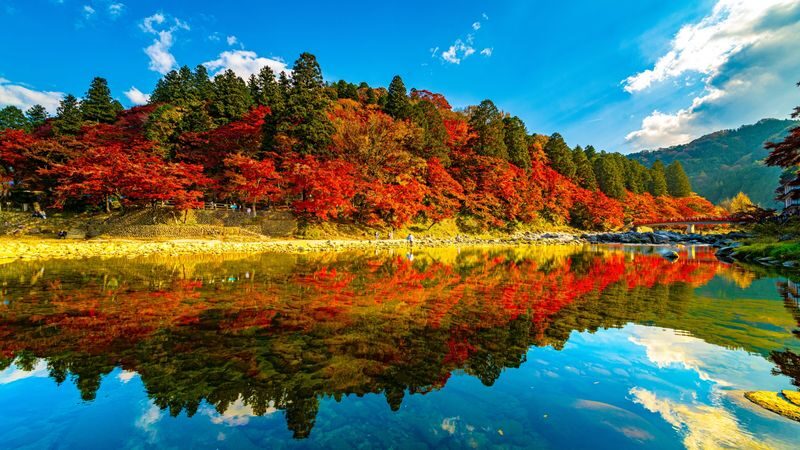
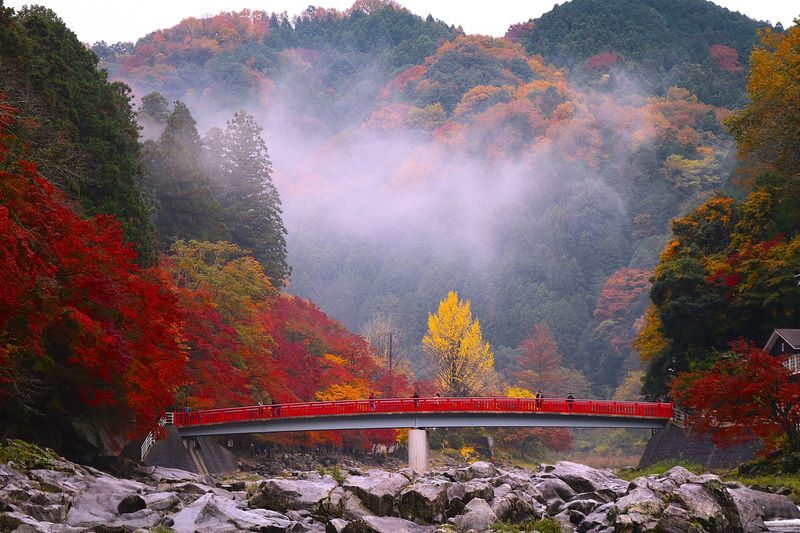
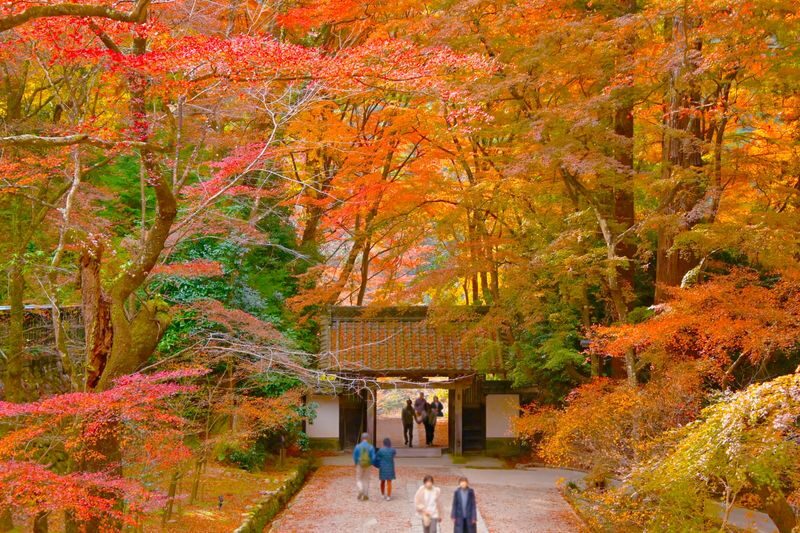
- Korankei has more than 4,000 maple trees, with autumn color typically strongest in mid-to-late November.
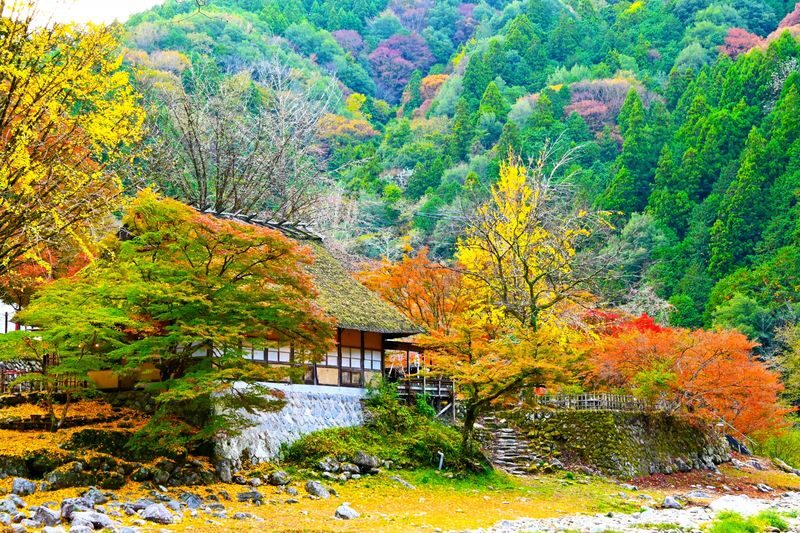
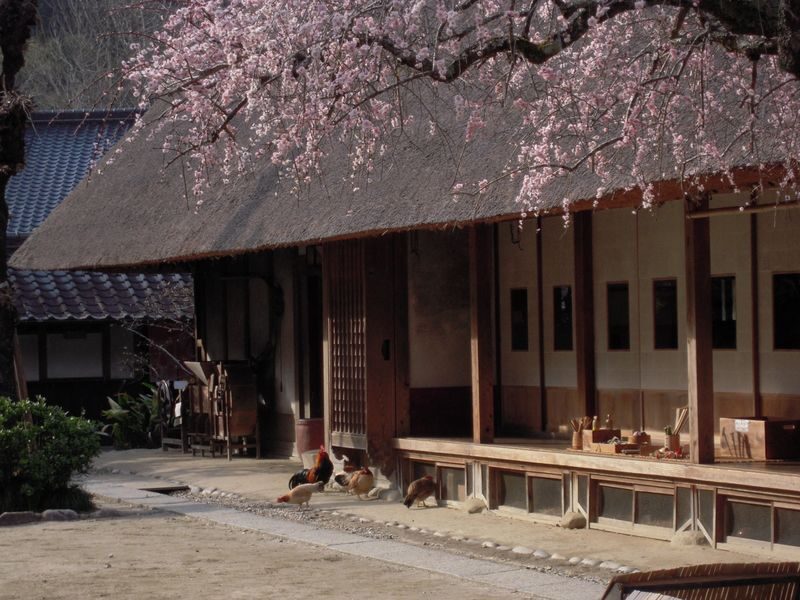
- Sanshu Asuke Yashiki shows rural crafts and traditions in a preserved village setting.
- The day runs from 9:00 a.m. to around 6:00 p.m., though traffic can affect the return time.
- The tour costs from $184.79, with transport, admissions, and an English-speaking guide included. Meals are extra.

👉 See our pick of the 13 Best Workshops & Classes In Nagoya
A full day beyond Nagoya
This trip links three different sides of Aichi: religious devotion, regional food, and traditional rural life. That variety is its real strength. You are not spending the day at one site, but seeing places with distinct stories and scenery, while leaving the driving and route planning to someone else.
The schedule is tight but gives each stop a purpose. Toyokawa Inari gets a guided introduction, the miso visit pairs production with tasting, and Korankei takes the largest block of time. You also have some unscheduled time for browsing and lunch, though neither is long enough to turn the day into a leisurely wander.
Expect to leave Nagoya Station at 9:00 a.m. and return around 6:00 p.m. The drive segments add up to roughly five hours, so this is best for you if you are comfortable with a long coach outing and want to cover several destinations in one day. Traffic and weather can change the timings, and the return time is not guaranteed.
You can also read our reviews of more tours and experiences in Nagoya.

Toyokawa Inari and its fox-filled grounds
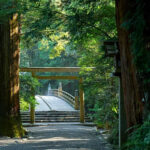
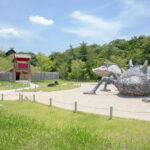
The first stop is Toyokawa Inari, also known as Myogon-ji Temple. It is counted among Japan’s three major Inari sites, alongside Fushimi Inari Taisha in Kyoto and Yutoku Inari Shrine in Saga. A guide leads a 45-minute visit, helping you place the site and its traditions in context rather than simply walking past the shrine buildings.
The best-known feature is the thousand stone foxes. Foxes are associated with Inari worship, and the many figures give this visit a distinctive character. The sheer number makes for memorable photographs, but it is worth taking time to notice the differences in their poses and expressions instead of treating the grounds as a quick photo stop.
After the guided visit, you get 15 minutes to explore Toyokawa Omotesando shopping street on your own. That is enough for a short look or a quick souvenir purchase, but not for a long browse. If a particular shop or snack matters to you, keep the time limit in mind.
Hatcho Miso: a taste of Aichi’s food culture
The next stop brings the tour from shrine traditions to one of the region’s best-known flavors. At Hatcho Miso no Sato, a guide explains how miso is made at a factory that has been operating since the 1300s, dating back to the time of Tokugawa Ieyasu. The guided portion lasts about 30 minutes, followed by a tasting and 45 minutes set aside for lunch and shopping.
Hatcho miso is known for its bold flavor, and the tasting gives you a direct way to understand why it is used so widely in the Nagoya area. You can also browse products made with miso, including ramen, beer, and popcorn. These make more unusual souvenirs than the usual sweets or keychains, though you will need to decide what to buy within the available break.
A practical note: lunch is not included in the tour price, even though the schedule allows time for it. The stop combines eating, tasting, and shopping in 45 minutes, so keep your plans simple. If you want a full sit-down meal, check what is available before the day or be prepared to use the time efficiently.
Korankei’s maple paths and rural Asuke
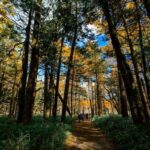
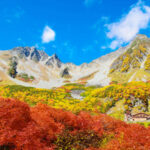
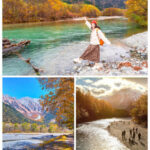
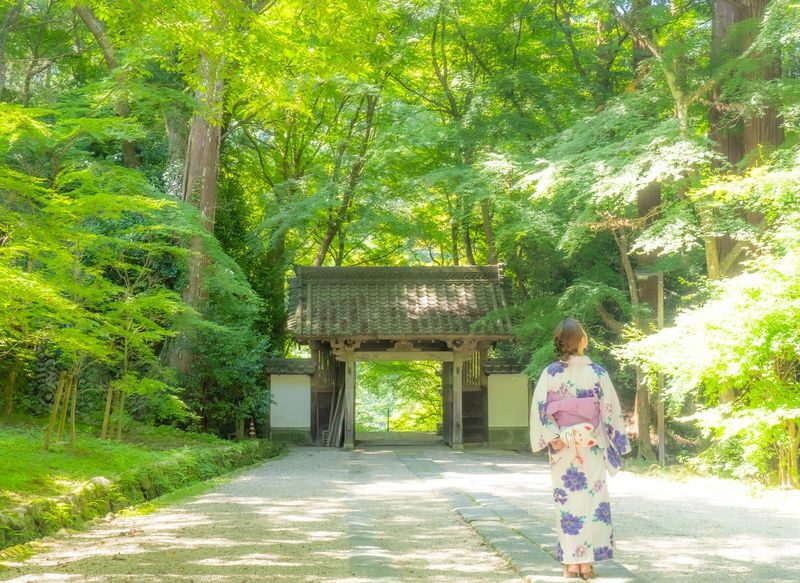
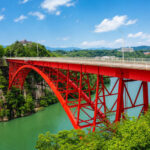
Korankei Gorge is the day’s main nature stop, with two hours scheduled for a guided visit. More than 4,000 Japanese maple trees line the area, making it one of Japan’s best-known destinations for autumn foliage. The peak period is usually mid-to-late November, when leaves turn shades of red and gold. If you are booking for those weeks, this is likely to be the trip’s headline attraction.
Korankei is not limited to autumn, though. Spring brings wildflowers, summer offers green foliage, and winter can bring snowy scenery. The exact appearance depends on the season and weather, so do not expect peak fall color outside its usual window. Even so, the gorge is presented as a year-round stop, not a one-season destination.
The two-hour block also includes Sanshu Asuke Yashiki Village, a preserved rural setting where local craftspeople keep traditional skills alive. This adds a human element to the scenic walk. Rather than seeing only trees and paths, you get a glimpse of the work and daily traditions associated with rural Japan.
The main caution here is physical effort. The tour involves considerable walking and stairs, and it is not wheelchair-accessible. Wear walking shoes and dress for the day’s weather. If you have limited mobility or find uneven paths and steps difficult, this may not be the right outing.
How the pace and transport affect the day
The coach is what makes this itinerary possible without organizing several separate journeys. From Nagoya, the day moves first to Toyokawa, then to the miso factory, and finally to Korankei before returning to the city. The trade-off is clear: the destinations are spread out, and sitting on the bus is a meaningful part of the experience.
There are four main activity blocks: 45 minutes at Toyokawa Inari, 15 minutes on its shopping street, a 30-minute factory visit with time for lunch and shopping, and two hours at Korankei and the village. The arrangement favors seeing a useful range of places over lingering at any one of them.
A guide can make those transitions more rewarding. Kim has been praised for lively explanations and for adding historical stories to the stops. The guide’s role matters especially at the shrine and factory, where context helps explain what you are seeing. A careful driver and a comfortable minibus have also been noted on a departure, although group size and vehicle arrangements may vary.
Do not plan a tight connection or evening reservation after the scheduled 6:00 p.m. return. Traffic can delay the bus, and the tour does not guarantee an exact end time. Keep water and cash with you, as advised, and arrive at Nagoya Station early enough to find the meeting point without rushing.


Is $184.79 good value?
At a starting price of $184.79, this is not a cheap way to visit one attraction. Its value comes from combining transport between several distant stops, admissions, an English-speaking guide, and a full day of organized sightseeing. If you tried to connect the shrine, factory, gorge, and rural village independently, you would need to manage the route and timing yourself.
Meals, drinks, and personal purchases are not included. Keep that in mind when comparing the price, especially if you plan to buy lunch or take home miso products. The tour’s strongest value is the variety: you get a major shrine, a working food producer, seasonal scenery, and a traditional craft setting in one outing.
There are only two published ratings in the information provided, both five out of five, so that is a small sample rather than a broad measure of consistency. The specific positives attached to those experiences are useful, though: engaging explanations from Kim, a comfortable minibus, careful driving, and a pace that did not feel hurried. One departure had only a single group, which made it feel private, but you should not assume every date will have the same group size.
Who should book this Aichi day trip?
I would consider this tour if you want a guided introduction to several parts of Aichi and are happy to trade some flexibility for simple transport. It suits photographers, people interested in shrine culture and traditional food, and visitors who want to see Korankei without arranging the journey themselves.
It is especially appealing if your dates line up with Korankei’s usual autumn color period in mid-to-late November. But the tour still has reasons to go in other seasons, from spring flowers to summer greenery and winter scenery. Just keep your expectations tied to the season rather than assuming every visit will look like peak autumn.
Skip it if you want a slow day, dislike long bus rides, need a wheelchair-accessible route, or prefer to choose your own meal stops and time at each site. The schedule covers a lot, but the fixed timings mean you cannot linger wherever you like.
For the right person, the combination is worthwhile: fox statues, a working miso maker, and a scenic gorge, all with a guide to explain what connects them to the region. Book it for the range of experiences, and make sure you are ready for the walking and the full day away from Nagoya.
From Nagoya: Korankei Gorge &Toyokawa Inari
“Our guide for the day was the effervescent Kim and we were the only group that day so it felt like a private tour! The tour was paced well and neve…”
FAQ
Where does the tour leave from?
It departs from Nagoya Station, at the base of the Silver Clock outside the Shinkansen gates. The meeting point is near the Taiko-Dori exit. Arrive 15 minutes before the 9:00 a.m. departure and look for the guide holding a Snow Monkey Resorts sign.
What time does the tour return to Nagoya?
The scheduled return is around 6:00 p.m. Traffic can cause delays, so the exact finish time is not guaranteed.
What is included in the price?
Admission to attractions, transport, and an English-speaking guide are included. Accommodation, meals, drinks, and personal expenses are not.
Is lunch included?
No. The schedule allows 45 minutes for lunch, tasting, and free time at Hatcho Miso no Sato, but the meal itself is not included.
When is Korankei’s autumn foliage usually at its best?
The usual period is mid-to-late November. The timing and appearance can vary with the weather.
Can I visit Korankei outside autumn?
Yes. The tour information describes spring wildflowers, green summer foliage, and winter snow scenery as other seasonal possibilities.
How much walking is involved?
The tour involves considerable walking and stairs, particularly at Korankei and the village. Walking shoes are recommended.
Is the tour wheelchair-accessible?
No. The activity is listed as not wheelchair-accessible.
Are children allowed on the tour?
Yes. Children aged 0 to 5 can join for free, but infants and children must still be included in the passenger headcount. Children aged 13 and older are charged the adult rate.
What happens if I need to cancel?
A full refund is available if you cancel at least 24 hours before the activity date, using the destination’s local time.