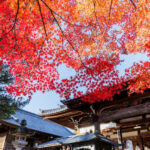
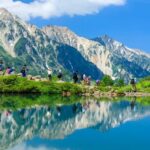
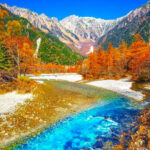
Kamikochi’s mountain air, Shirakawa-go’s steep thatched roofs, and Takayama’s old town make an appealing trio for a short trip from Nagoya. You spend the first day among historic streets and a traditional village, then the second walking beside the Northern Japan Alps.
I like the balance between village time and mountain scenery, and the chance to explore each stop at your own pace. I also like that the overnight stay in Takayama saves you from returning to Nagoya after the first day, while breakfast and bus transport are included.
The main caveat is that this is not always a guided sightseeing tour. Staff arrangements can vary, and some departures may provide a Chinese-speaking driver rather than a guide who walks with you and explains the sights. If you want commentary at every stop, check that detail before booking.
At a glance
- Three very different stops: Walk Takayama’s old streets, see Shirakawa-go’s gassho-zukuri houses, and spend time on Kamikochi’s alpine paths.
- Useful free time: Shirakawa-go gets about three hours, Takayama two, and Kamikochi four, all for self-guided exploring.
- A night in Takayama: The hotel stay breaks up the journey and includes breakfast the next morning.
- Kamikochi has two possible drop-off points: You may be able to get off at Taishoike Pond or the Kamikochi Bus Terminal. Taishoike may not be available on every departure.
- Bring money for meals: Breakfast is included, but lunch, dinner, drinks, and personal expenses are not.
- Staffing is not uniform: Chinese-, English-, and Japanese-speaking staff are listed, but a dedicated guide is not guaranteed.

👉 See our pick of the 13 Best Workshops & Classes In Nagoya
- At a glance
- Three stops, each with a different Japan
- Meeting at Nagoya Station before 8:10
- Shirakawa-go: three hours among steep thatched roofs
- Takayama: old-town streets and Hida beef
- Kamikochi: four hours for paths, peaks, and Kappa Bridge
- How much guidance should you expect?
- Price and what the package covers
- Who should book this two-day route?
- FAQ
- Where does the trip depart from?
- What time does the bus return to Nagoya?
- How much time is allocated to each stop?
- Where is the overnight accommodation?
- Is breakfast included?
- Are lunch and dinner included?
- What languages can staff speak?
- Where can I get off in Kamikochi?
- Is the trip free for young children?
- The Best Of Nagoya!
- More 2-Day Experiences in Nagoya
- More Tours in Nagoya
- More Tour Reviews in Nagoya
Three stops, each with a different Japan
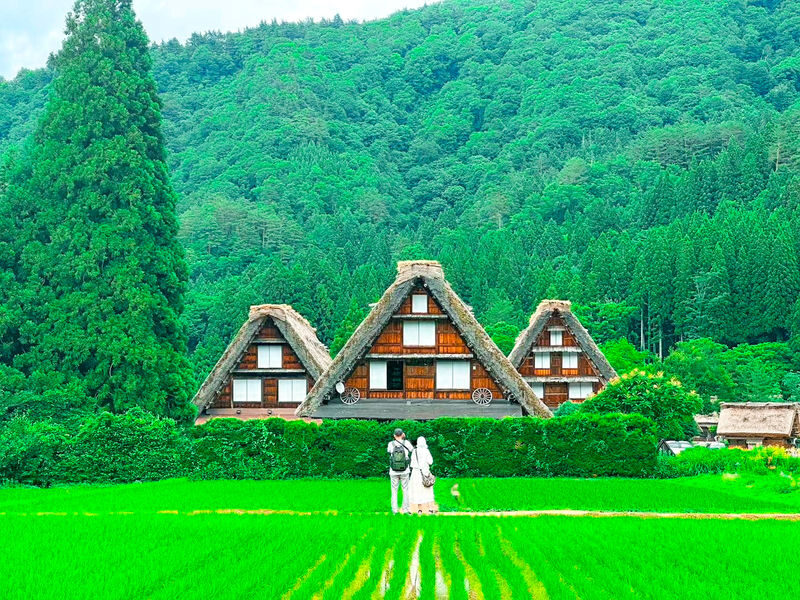
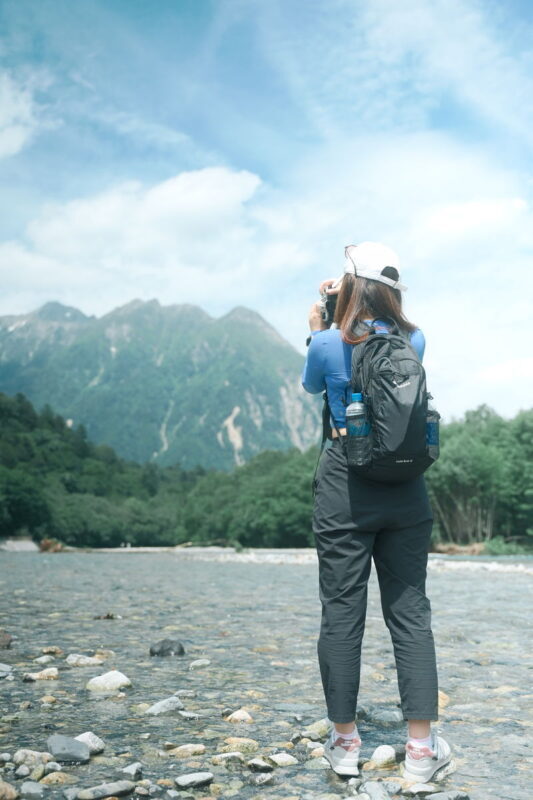
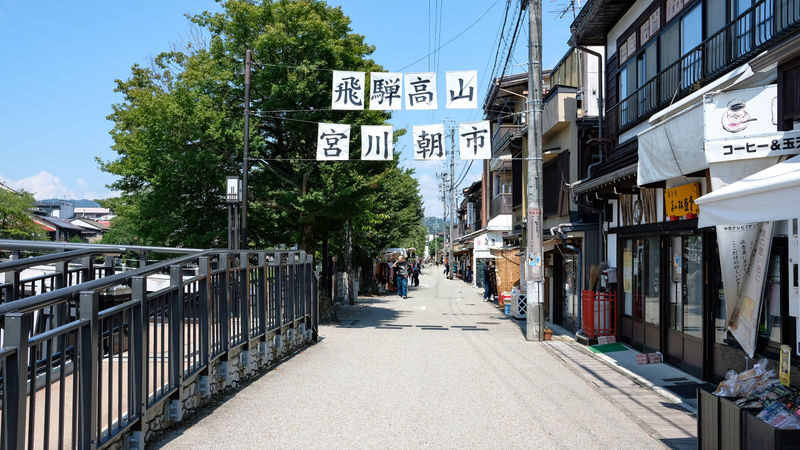
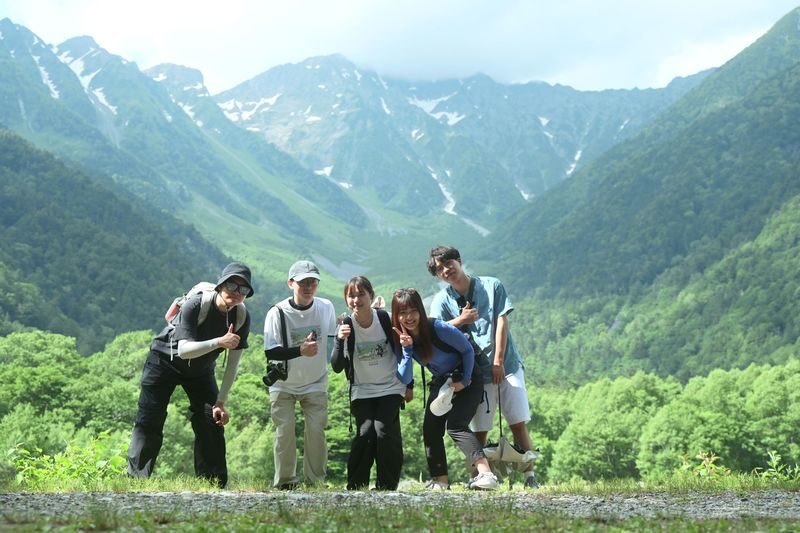
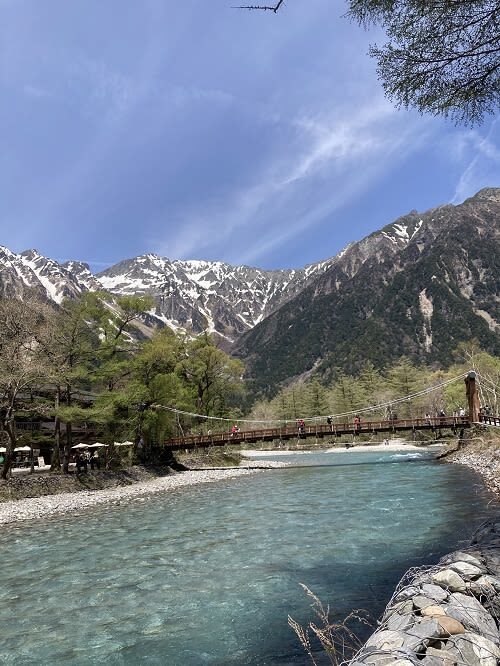
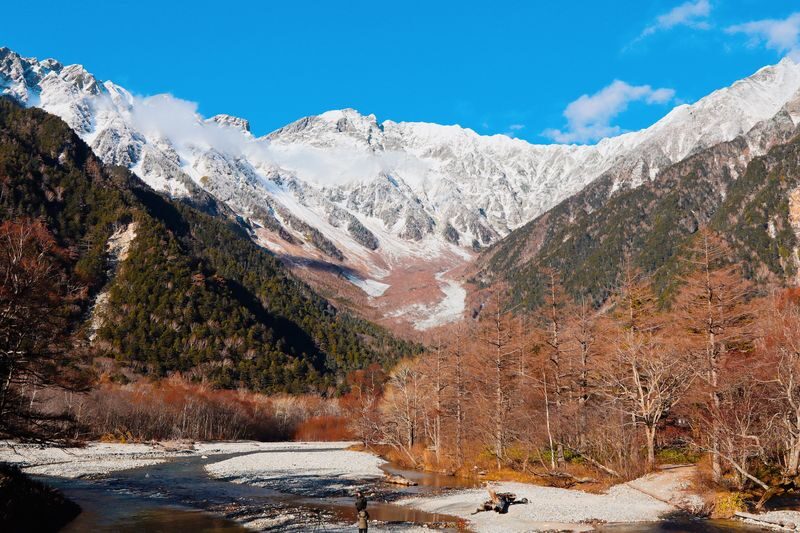
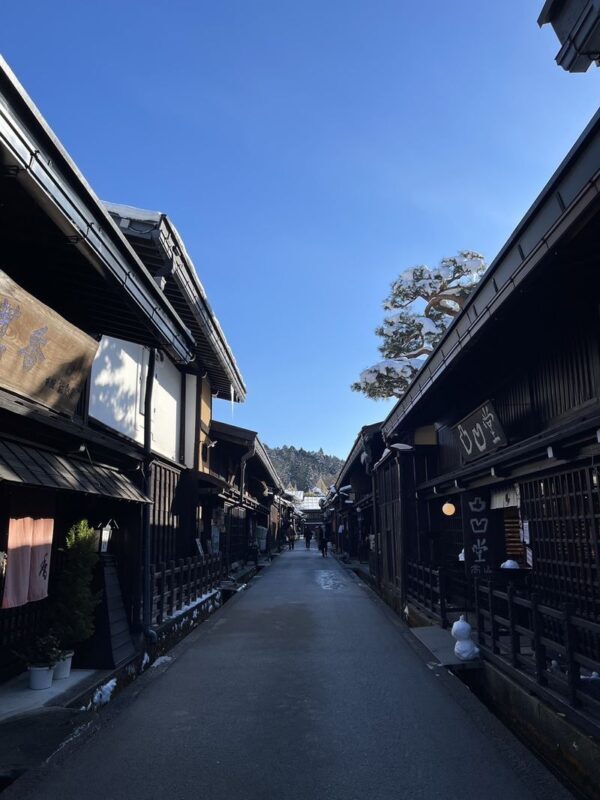
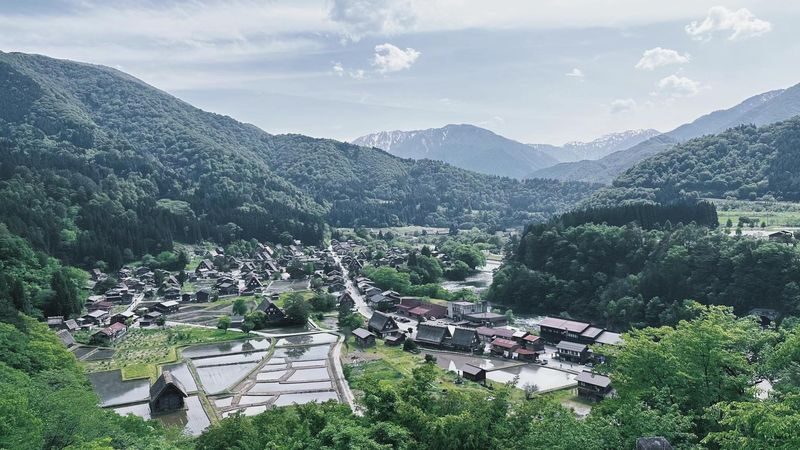
This two-day trip works because the places are distinct. Shirakawa-go is known for its traditional gassho-zukuri houses, with steep thatched roofs built to shed snow. Takayama offers historic buildings and old-town streets, while Kamikochi shifts the focus from architecture to mountain views, riverside paths, and alpine scenery.
You get free time rather than a guided walk at each stop. That suits you if you like setting your own pace, choosing where to pause, and finding lunch on your own. It is less suited to you if you expect a guide to explain every site or lead the group along a fixed route.
The tour is based around bus transport from Nagoya, with a night in Takayama. That makes it a practical option if you want to visit several places without arranging separate transport and accommodation. It also means you should be comfortable with a fairly full schedule and time limits at each stop.
You can also read our reviews of more tours and experiences in Nagoya

Meeting at Nagoya Station before 8:10
The bus leaves from the Silver Clock at JR Nagoya Station’s Taiko Exit. Look for the EasyGo logo and arrive at least 10 minutes early. That small buffer matters: the departure is early, and late arrivals or no-shows are not eligible for a refund.
Your return is scheduled for 19:00 at the same station area. The schedule can change because of traffic or weather, so avoid making tight plans for that evening. You will be travelling between destinations by bus, including a roughly two-hour ride to Kamikochi on the second day.
The experience includes round-trip transfers from the meeting point. That is a useful part of the value, especially if you would otherwise need to piece together bus connections between Nagoya, the mountain area, and the villages. The trade-off is less flexibility than travelling independently: you follow the group’s departure times and allocated stop lengths.
Shirakawa-go: three hours among steep thatched roofs
The first stop is Shirakawa-go, where you have about three hours to explore on your own. The village is best known for its gassho-zukuri houses, whose steep thatched roofs give the settlement its distinctive look. You can take your time walking through the village and looking closely at the traditional buildings.
Three hours gives you a meaningful visit, but you will still need to make choices. If you want a slow wander, time for a meal, and a visit to more than one site, keep an eye on the clock. The trip does not specify a guided village walk, so plan to explore independently unless your departure staff provide additional direction.
One useful piece of advice from past departures is that you may be able to walk from the Shirakawa-go Observation Deck down to the village without retracing your steps. Treat that as a route suggestion, not a guaranteed arrangement, and make sure you know where the bus will collect you before setting off. Clear directions matter more than squeezing in one extra view when the group has a fixed departure.
Takayama: old-town streets and Hida beef
After Shirakawa-go, you get about two hours in Takayama. The old town’s historic buildings and traditional architecture are the main draw. The time is enough for a focused stroll and a meal, but not an unhurried tour of every corner of the town.
Lunch is not included, so this is a good place to budget for food. Hida beef is a local specialty highlighted for the free-time meal, and trying it can make the stop feel more rooted in the region than a quick snack grabbed between bus rides. You pay for your own meal and drinks.
The short visit calls for a simple plan: walk the old streets, choose a place to eat, and keep the meeting time in mind. If you prefer to linger over lunch or browse at length, two hours may feel tight. If your priority is a first look at Takayama rather than an exhaustive visit, the stop fits well into a two-day route.
At around 17:00, the group checks in at a three-star hotel or a similar-class property in Takayama. The exact hotel is not specified, so do not book around a particular address or assume a particular set of facilities. The important practical benefit is the overnight break: you do not have to make the full return to Nagoya after the first day.
Kamikochi: four hours for paths, peaks, and Kappa Bridge
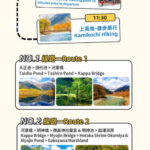
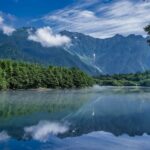
Day two begins with breakfast, followed by checkout and a bus ride of about two hours to Kamikochi. You have roughly four hours there, the longest stop on the trip. That gives you time to walk some of the scenic trails, cross or visit Kappa Bridge, and take in views of the Northern Japan Alps.
Kamikochi is the trip’s nature-focused day. The area is known for alpine peaks and plant life, and the walking is the point rather than a sequence of indoor attractions. The tour also notes that wild monkeys may be seen along the way. They are a possible encounter, not something you should count on or approach.
You can get off at either Taishoike Pond or the Kamikochi Bus Terminal. Taishoike may be unavailable on some departures, so do not build your whole route around that stop unless it is confirmed. If you do have a choice, think about where you want to start your walk and how much ground you can cover before returning to the bus.
Four hours sounds generous compared with the other stops, but it is still a limited visit to a large natural area. Choose a manageable walk, leave time to get back to the pickup point, and follow staff instructions about the meeting location. If you want a long hike, this is not a substitute for an overnight stay in the mountains.

How much guidance should you expect?
The listed languages for staff are Chinese, English, and Japanese. That does not necessarily mean you will have a multilingual guide leading you through every stop. Staffing experiences have varied: some departures have had a trilingual guide who offered introductions and answered questions, while another had a Chinese-speaking driver and no dedicated guide.
That difference is important. The trip is best understood as organised transport, accommodation, breakfast, and free time, with staff support that may include useful information. A driver can handle the practical work of getting the group between destinations, but that is not the same as a guide explaining local history or walking with you.
Past positive feedback has highlighted careful driving, helpful answers, and clear advice for planning the Kamikochi walk. One liaison staff member, Yanzi, was specifically praised for being friendly and responsible. Still, names and staff assignments can change, so treat those examples as a sense of what good service may look like, not a promise that the same person will be on your bus.
If detailed guiding matters to you, confirm the service before paying. If you are happy to explore on your own and mainly want transport between three hard-to-combine stops, the format may suit you well.
Price and what the package covers
The starting price is shown as US$160.60, while the named two-day package is also shown from US$187.60. Because both amounts appear in the supplied pricing details, check the price for your chosen date and package before booking. The final value depends on what is available for that departure.
The package includes round-trip transfers from the Nagoya meeting point, one night in a three-star hotel or similar in Takayama, and breakfast. It also covers staff support in Chinese, English, and Japanese, though the level of guided commentary may vary. Lunch, dinner, other meals, drinks, and personal expenses are extra.
For a two-day outing, the price can make sense if you value having transport and a hotel arranged together. You also get three contrasting stops without having to organise the connections yourself. On the other hand, the trip is not an all-inclusive experience: you will pay separately for most food, and you have limited time at each destination.
Children aged 0 to 4 are listed as free. Confirmation is expected within 48 hours; if it does not arrive, contact customer support. The voucher is valid only for the selected date and time. Cancellation charges depend on how close to departure you cancel, so check the current terms before you commit.
Who should book this two-day route?
I would consider this trip if you are based in Nagoya, want to see both traditional villages and mountain scenery, and prefer a bus-and-hotel plan to arranging each leg yourself. It is especially useful if you are comfortable exploring independently and can make the most of fixed blocks of free time.
It is a weaker fit if you want a dedicated guide throughout, a slow visit to Takayama, or a long hike in Kamikochi. The short stop in Takayama calls for choices, and the level of commentary may vary. For a first look at these places, though, the combination is appealing: village roofs, old-town streets, alpine trails, and a night in Takayama all in two days.
2D1N Kamikouchi & Shirakawa-go Trip from Nagoya
“The tour guide is really trilingual, taking care of everyone with introductions in different languages, and is very patient in answering all questi…”
FAQ
Where does the trip depart from?
It departs from the Silver Clock at JR Nagoya Station’s Taiko Exit. Look for the EasyGo logo and arrive 10 minutes before the 08:10 departure.
What time does the bus return to Nagoya?
The scheduled return is 19:00 at JR Nagoya Station’s Taiko Exit, near the Silver Clock. Traffic and weather may affect the schedule.
How much time is allocated to each stop?
You have about three hours in Shirakawa-go, two hours in Takayama, and four hours in Kamikochi. Each stop is self-guided.
Where is the overnight accommodation?
The overnight stay is at a three-star hotel in Takayama or a similar-class hotel. The specific hotel is not named.
Is breakfast included?
Yes. Breakfast is included on the second day, before checkout.
Are lunch and dinner included?
No. Meals and beverages other than the included breakfast are not included. Personal expenses are also extra.
What languages can staff speak?
Chinese-, English-, and Japanese-speaking staff are listed. A dedicated guide is not guaranteed, and staff arrangements may vary by departure.
Where can I get off in Kamikochi?
The two possible disembarkation points are Taishoike Pond and the Kamikochi Bus Terminal. Taishoike may not be available on some departures.
Is the trip free for young children?
Children aged 0 to 4 are listed as free.