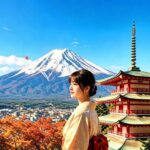
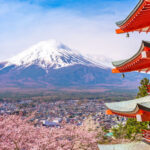
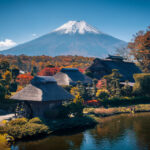
Mt. Fuji gives this day its theme, but the best part is how many sides of the mountain it reveals: as art, a sacred presence, a source of spring water, and a companion to local food. Rather than heading for a summit trail, you visit cultural sites around Shizuoka and Fujinomiya, with a sake tasting to round out the day.
I like the hands-on Ukiyo-e printmaking at the Hiroshige Museum, where you build a multicolor image one shade at a time. I also like the mix of shrine, regional lunch choices, and brewery visit, made easier by private transport and an English-speaking guide.
The trade-off is a full schedule, with limited time at each stop and no lunch included. Traffic, weather, and crowds can change the order or shorten visits, so this suits you best if you value variety and flexibility more than a slow, unhurried day.
At a glance
- Make a print at the Hiroshige Museum: Try traditional multicolor Ukiyo-e printing, adding one color at a time.
- See Mt. Fuji through its heritage: The World Heritage Centre explains the mountain’s cultural and artistic importance.
- Visit the shrine at Fujinomiya: Fujisan Hongu Sengen Taisha and Wakutama Pond connect the mountain with local religious practice.
- Taste sake made with Fuji spring water: The brewery stop gives you a local flavor beyond the usual sightseeing circuit.
- Travel privately, with a flexible plan: Your group rides with an English-speaking guide, and you can request changes.
- Bring lunch money and keep an eye on the clock: Meals are not included, and delays may trim time at a stop.

👉 See our pick of the 8 Most Highly Rated Private Driver Services In Fujiyoshida
- At a glance
- A cultural day, not a summit expedition
- Hiroshige’s colors, applied one at a time
- Reading Fuji at the World Heritage Centre
- Lunch near the shrine, on your own tab
- Sengen Taisha and the water at Wakutama Pond
- Sake made with Fuji spring water
- The guide and the value of a private car
- What the price covers, and who gets good value
- Should you book this Fuji day?
- FAQ
- Where does the tour start and finish?
- How long is the tour?
- What is included in the price?
- Is lunch provided?
- Can I change the itinerary?
- How many people can join the private plan?
- The Best Of Fujiyoshida!
- More Tours in Fujiyoshida
- More Tour Reviews in Fujiyoshida
A cultural day, not a summit expedition
 1 / 9
 2 / 9
 3 / 9
 4 / 9
 5 / 9
 6 / 9
 7 / 9
 8 / 9
 9 / 9
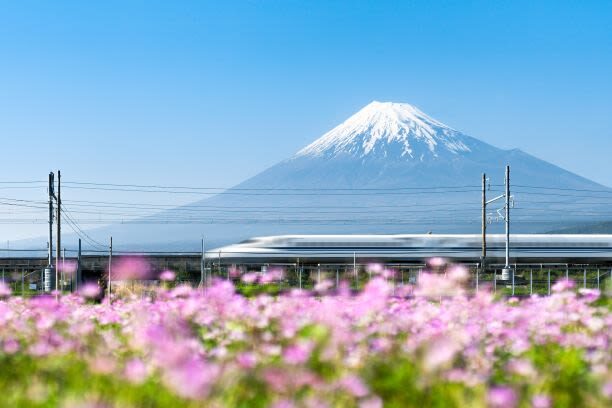
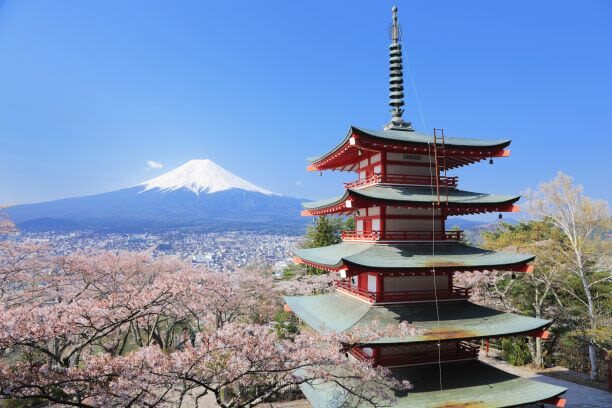
This tour is a good fit if you want to understand Mt. Fuji’s place in Japanese life without making the day a hike. The stops move from Edo-period art to UNESCO heritage, shrine worship, and sake production. Together, they turn the mountain from a famous silhouette into a subject people have pictured, honored, and used as a source of water for generations.
The route starts at Shin-Fuji Station and centers on Shizuoka and the Fujinomiya area. Despite the tour’s broad Fuji framing, the listed schedule is not a visit to Fujiyoshida or a climb up the mountain. Keep that distinction in mind when comparing it with tours based around the Fuji Five Lakes or mountain trails.
You have a private tour, so your group is not joined by strangers. The package is listed for two to three people, with a vehicle capacity of three passengers besides the driver. That small setup can make stops and questions easier to manage, though it is not a roomy group minibus.
You can also read our reviews of more tours and experiences in Fujiyoshida.

Hiroshige’s colors, applied one at a time
The day begins at the Shizuoka City Tokaido Hiroshige Museum of Art, Japan’s first museum dedicated to Hiroshige Utagawa, the celebrated Edo-period Ukiyo-e artist. The planned visit lasts about an hour, including a hands-on polychrome printing activity.
The appeal is in seeing how a finished print comes together. You apply color in stages, rather than treating the image as a single drawing. That simple exercise helps explain the care behind traditional multicolor prints and gives you a more active start than a quick walk through display cases.
This stop is especially worthwhile if you enjoy art but do not want a lecture-heavy museum visit. You get an introduction to the technique by trying it yourself. The limit is time: an hour is enough for the planned experience, but not a long, leisurely museum session.
The museum is in Yui, and the tour information allows about 15 minutes by private car from the station area. The schedule is tight, so arrive on time and be ready to move when the guide calls the next stop.
Reading Fuji at the World Heritage Centre
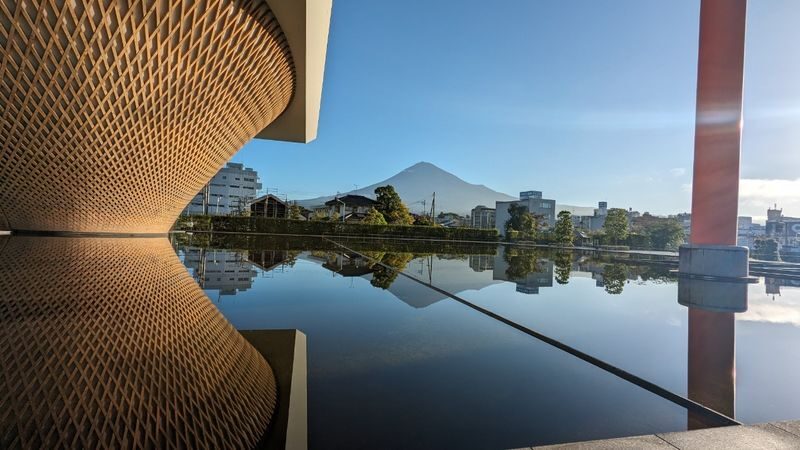
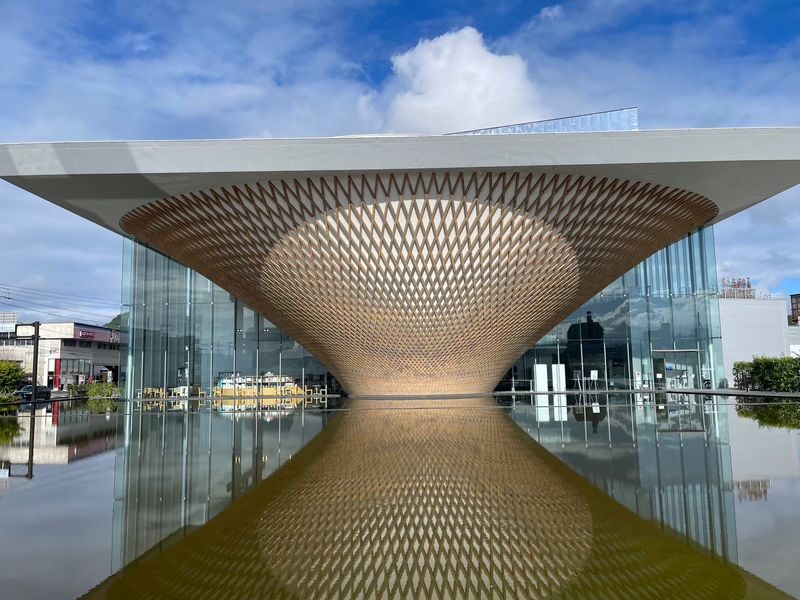
Next is the Mt. Fuji World Heritage Centre, with about an hour and 15 minutes scheduled. Its purpose is to preserve, present, and pass on the mountain’s heritage. UNESCO recognized Mt. Fuji in 2013 as a sacred place and a source of artistic inspiration, a pairing that helps explain why the mountain matters well beyond its height or appearance.
I like the centre’s role in the day because it gives context to the places you see afterward. The printmaking stop shows Fuji as an artistic subject; the centre broadens that picture to include the mountain’s cultural significance. It is a useful pause before visiting a shrine where that reverence is expressed in practice.
Do not confuse this with a mountain ascent. The visit is an interpretive stop, not a trek, and the schedule does not include a summit climb. If your main goal is a long stretch outdoors or a particular viewpoint, ask in advance whether the route can be adjusted. Visibility of the mountain itself can depend on weather, while the centre remains the main place to learn about its heritage.
Lunch near the shrine, on your own tab
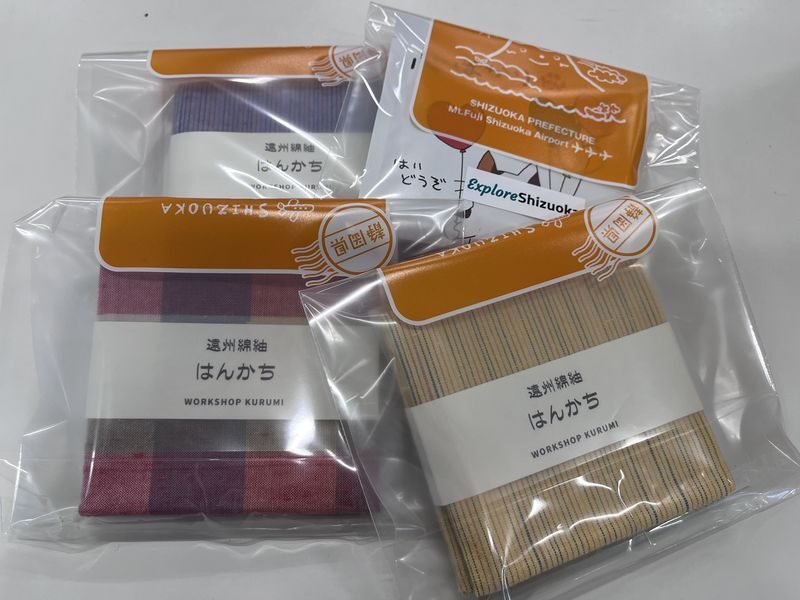
Lunch is planned for about an hour and is not included in the tour price. Omiya Yokocho, near Sengen Taisha Shrine, is suggested for affordable local food, including Fujinomiya yakisoba noodles.
This is a practical choice: you can try a regional specialty without setting aside a separate trip to a restaurant elsewhere. But keep an eye on the clock. A one-hour lunch stop has to cover choosing food, eating, and getting back to the group, and weekends, holidays, or local events can bring congestion.
Bring money for your meal and drinks. Food and beverages are excluded, as are other personal expenses. If you have dietary needs or want a longer lunch, contact the operator before the tour and ask what can be changed; flexibility is offered, but any altered route still has to fit the day.
Sengen Taisha and the water at Wakutama Pond
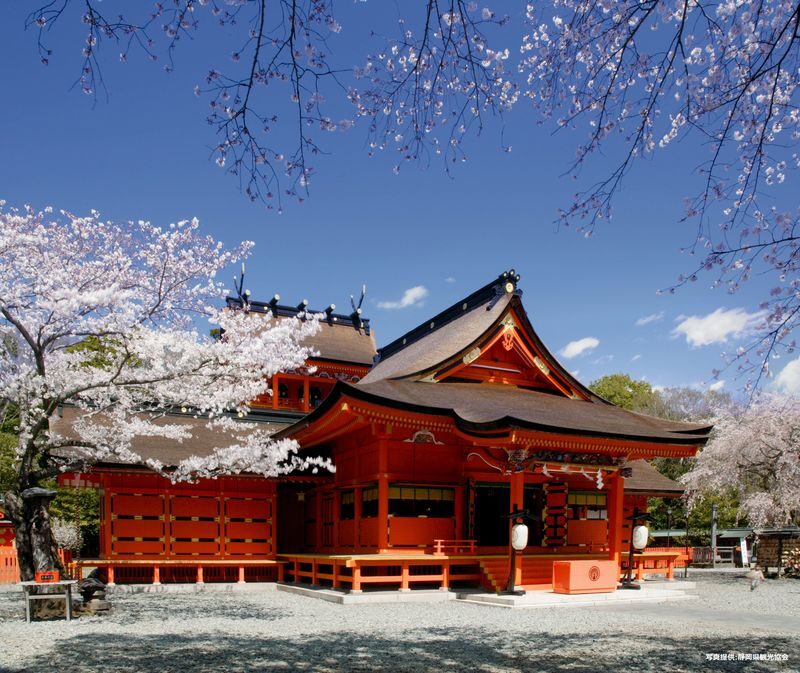
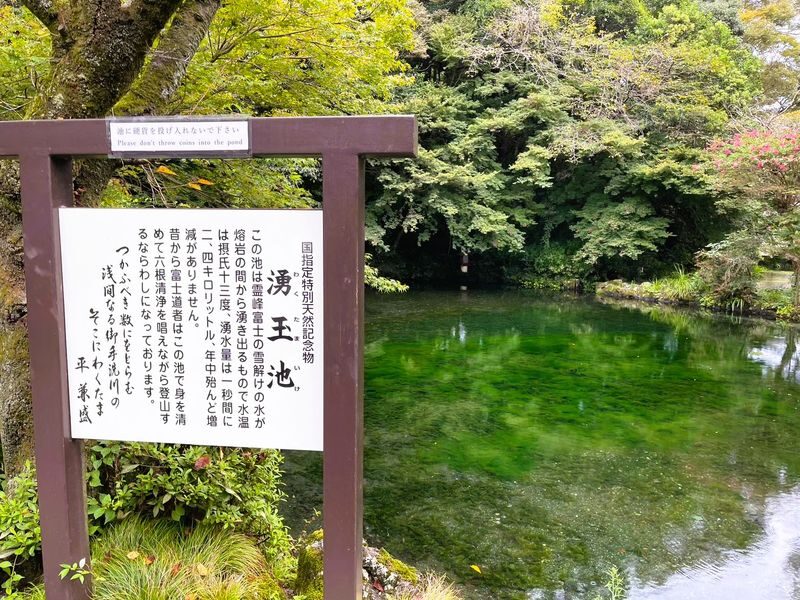
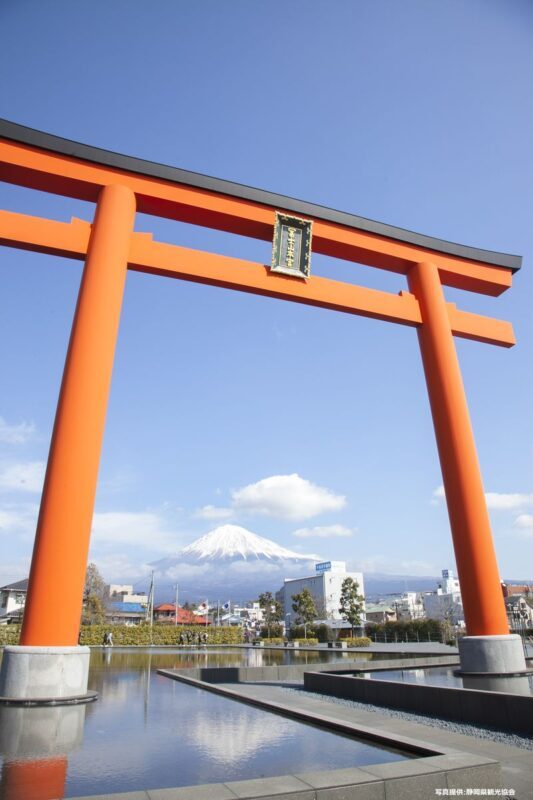
After lunch, the schedule allows an hour at Fujisan Hongu Sengen Taisha Shrine and Wakutama Pond. The shrine is described as the main shrine at the heart of Mt. Fuji faith. Its place in the itinerary gives you a chance to see the mountain not only as a natural landmark but as a sacred presence.
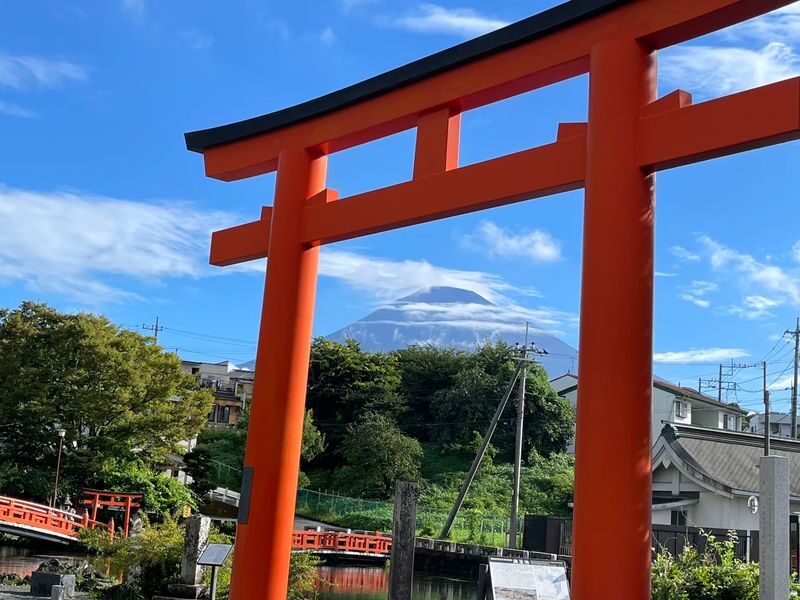
Wakutama Pond adds a quieter counterpart to the shrine visit. It is associated with the spring water that feeds the area, and the tour’s later sake stop makes that local water theme feel especially relevant. The schedule does not promise a formal ceremony or a specific guided ritual, so think of this as a visit to a significant religious site, not a staged performance.
One hour is enough to see the shrine and pond at a measured pace if the day is running on schedule. If you would rather linger, mention that to your guide. The tour allows you to skip or exchange stops, but skipping a site does not result in a refund, and adding a new location can bring extra admission or transport costs.
You can also read our reviews of more private tours in Fujiyoshida

Sake made with Fuji spring water
The last major stop is Fuji Takasago Sake Brewery, where you have a brewery visit and tasting. The planned time is about an hour. You get a direct link between the mountain’s water and a regional product, a fitting finish after the heritage centre and shrine.
A tasting is a useful way to compare local sake with what you may have tried elsewhere, though the specific pours and tasting format are not detailed. Beverages are not included in the tour price, so check what the tasting itself covers and whether any extra purchases cost more. Do not assume every bottle or drink is part of the package.
This is the stop that will matter most if you enjoy sake or want a local food-and-drink experience. If you do not drink alcohol, the visit may be less compelling, though you can ask the guide about your options. The tour information does not specify nonalcoholic alternatives.
The guide and the value of a private car
An English-speaking guide and round-trip transfers are included, which is a real advantage on a day with several stops. You do not have to work out each connection yourself, and you can ask questions as the route unfolds. The available feedback names guide Hero for fluent English, patient answers, a warm manner, and arranging last-minute requests. If you have a special interest or want to adjust the pace, it is sensible to raise it early rather than count on fitting it in at the last minute.
The tour is described as customizable. You may skip a stop or request a replacement, but the price is not reduced if you skip a site. New stops can add admission charges and possibly transport fees. That makes flexibility useful, but not unlimited: the day still has a fixed return time and several planned visits.
The schedule begins with a 9:30 meeting at Shin-Fuji Station, with instructions to arrive 15 minutes early. The tour start is also listed as 9:45, followed by a 16:30 return to Shin-Fuji Station. Confirm the exact meeting point and time in your booking details, since the tour information gives more than one station address.
Traffic, weather, weekends, holidays, and event days can affect the order or length of visits. If you are joining from Shimizu port instead, the schedule may change, and a delayed cruise ship could mean fewer places visited. The tour is canceled with a full refund in the event of a natural disaster such as a typhoon.
What the price covers, and who gets good value
The private plan for two to three people starts at US$422.69. It includes attraction admission, an English-speaking guide, and round-trip transfers. Lunch, drinks, and personal spending are extra. Because the price is shown as a package option, check the booking page to confirm how the total is charged for your dates and group before comparing it with per-person tours.
For a small group, the value comes from combining several cultural stops with transport and a guide in one day. You are paying for a private route and reduced planning work, not just entry tickets. If you would otherwise hire a car or arrange separate transport between the museum, heritage centre, shrine, and brewery, that convenience can matter.
It is less compelling if you want to spend half a day at one site, hike, or keep costs low by using public transport and choosing only one or two stops. The package is aimed at two or three passengers, and children aged zero to five are listed as free. Confirm how children fit within the stated vehicle capacity when booking.
A small free gift of a hand towel and tea is offered while supplies last. Treat it as a nice extra, not a reason to book. Your core value is the private transport, guide, admissions, and a varied route.
Should you book this Fuji day?
Book it if you want a compact introduction to Fuji’s art, heritage, shrine culture, local food, and sake, and you value having a guide and private car. It is particularly well suited to a pair or small group that likes variety and is comfortable with a full day on a schedule.
Think twice if your priority is a mountain climb, long time outdoors, a relaxed lunch, or guaranteed clear Fuji views. The route is cultural, and traffic or weather may shorten a stop. If that trade-off works for you, this is a practical way to connect several sides of the Fuji region in one day.
Feel Mt.Fuji and Sake tasting 1D Private Tour in Shizuoka
“We had the best day ever with our very knowledgeable and accommodating guide Hero!! There wasn't a question he couldn't answer, and always with pat…”
FAQ
Where does the tour start and finish?
The stated departure and return point is Shin-Fuji Station. Meet at 9:30 and arrive 15 minutes early; the schedule also notes that the tour starts at about 9:45.
How long is the tour?
The tour runs from the morning meeting at Shin-Fuji Station to a planned return at 16:30. Traffic, weather, and crowd levels can change the schedule or shorten visits.
What is included in the price?
Admission to the listed attractions, an English-speaking guide, and round-trip transfers are included. Meals, beverages, and personal expenses are not included.
Is lunch provided?
No. Lunch is at your own expense. Omiya Yokocho near Sengen Taisha Shrine is suggested for local food such as Fujinomiya yakisoba.
Can I change the itinerary?
Yes. This is a private tour, and you can request changes, skip a stop, or ask to replace one. There is no refund for a skipped stop, and new stops may involve extra admission or transport costs.
How many people can join the private plan?
The listed package is for two to three people. The vehicle holds up to three passengers, not counting the driver.