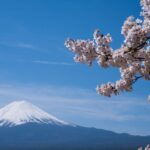
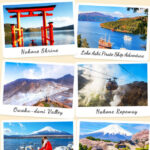
Mount Fuji is the star, but this day trip makes a point of showing you five very different ways to frame it: above Fujiyoshida from Arakurayama Sengen Park, at the end of a Japanese shopping street, reflected in clear spring pools, beside a Lawson sign, and over Lake Kawaguchi. It is a practical choice if you want the famous views without piecing together regional transport yourself.
I like two things in particular: the range of stops gives the day more texture than a string of lookout points, and the guides often help with photos and timing, which matters at busy picture spots. Guides named Linda, Hou Jing, Jack, Kanazawa, and Lee Han-san have been praised for clear explanations, cheerful care, and finding photo chances.
The main drawback is the pace. You have about 20 minutes at the clock shop and Lawson, and roughly an hour at Arakurayama, so this is a highlights tour, not a slow visit. And Mount Fuji can hide in cloud, even when the rest of the day runs smoothly.
- Five useful things to know before you go
- A full day of Fuji views, with transport handled
- Arakurayama Sengen Park: Fuji from above
- Hikawa Clock Shop: a street aimed at the mountain
- Oshino Hakkai: eight clear spring pools
- Lawson near Kawaguchiko Station: a quick, famous frame
- Lake Kawaguchi and the seasonal final stop
- Lunch, language, and the guide’s role
- Timing, meeting points, and what to bring
- Is this the right Fuji day trip for you?
- FAQ
- How long is the tour?
- Is lunch included in the starting price?
- Which stops are included?
- Is Mount Fuji guaranteed to be visible?
- Is a Korean-speaking guide guaranteed?
- How many stairs are there at Arakurayama Sengen Park?
- Can I bring luggage?
- Can I cancel or change my booking?
- The Best Of Fujiyoshida!
- More Lunch Experiences in Fujiyoshida
- More Tours in Fujiyoshida
- More Tour Reviews in Fujiyoshida
Five useful things to know before you go
 1 / 10
 2 / 10
 3 / 10
 4 / 10
 5 / 10
 6 / 10
 7 / 10
 8 / 10
 9 / 10
 10 / 10
- Arakurayama means stairs: The famous viewpoint involves a climb of 397 steps near the main hall.
- The photo stops are popular: The clock shop street and Lawson are brief visits, so be ready to take your shot without lingering.
- Oshino Hakkai offers a change of pace: The eight spring-fed ponds invite a slower stroll and a snack break.
- The final park depends on the season: Most dates use Oishi Park; the Maple Corridor is substituted during a seasonal period.
- Lunch is optional: The basic package does not include a meal. Other versions include eel rice or Wagyu beef.
- The mountain may disappear: The tour still visits its stops in poor weather, but no clear view of Fuji is guaranteed.

👉 See our pick of the 8 Most Highly Rated Private Driver Services In Fujiyoshida
A full day of Fuji views, with transport handled
The advertised price starts at $49.29, and the day lasts about 11 hours, from a Tokyo departure to an evening return. For that price, you get round-trip transport, a guide, tolls, parking, fuel, and commentary on board. Compared with arranging several regional connections on your own, the main value is simple: you can reach a string of well-known Fuji-area stops without managing the transfers.
That convenience comes with a trade-off. You follow a group schedule, and the time at each attraction is limited. The day is best for a first visit, a tight Tokyo-based itinerary, or anyone who would rather watch the scenery from a coach than plan the route. If you want long walks, unhurried meals, or time to explore side streets, consider a slower or private option instead.
There are several package types. The least expensive meeting-point version excludes lunch, while other choices include eel rice or Wagyu beef. Hotel pickup and drop-off options are also offered, with or without a meal, as is a private charter. Check exactly which option you are selecting: the starting price does not mean lunch is included.
The standard outing uses a shared vehicle. The vehicle type depends on the number of bookings and the fleet’s allocation that day. For groups of 14 or fewer, the driver may also act as guide; larger groups get a separate guide. This can affect how much live commentary you receive while moving between stops.
You can also read our reviews of more tours and experiences in Fujiyoshida
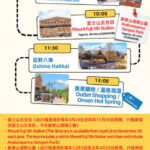
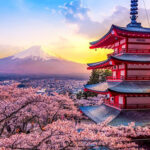
Arakurayama Sengen Park: Fuji from above
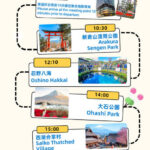
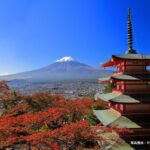
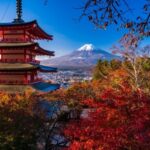
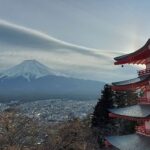
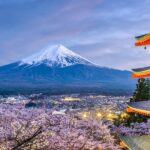
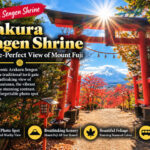
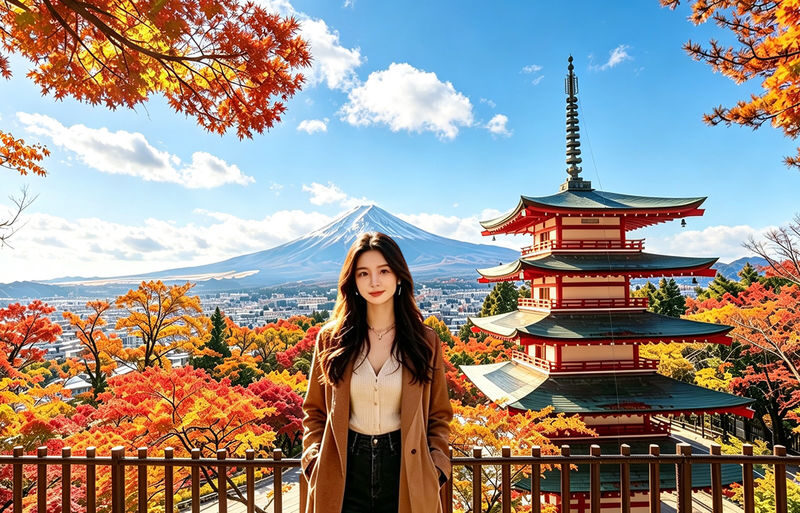
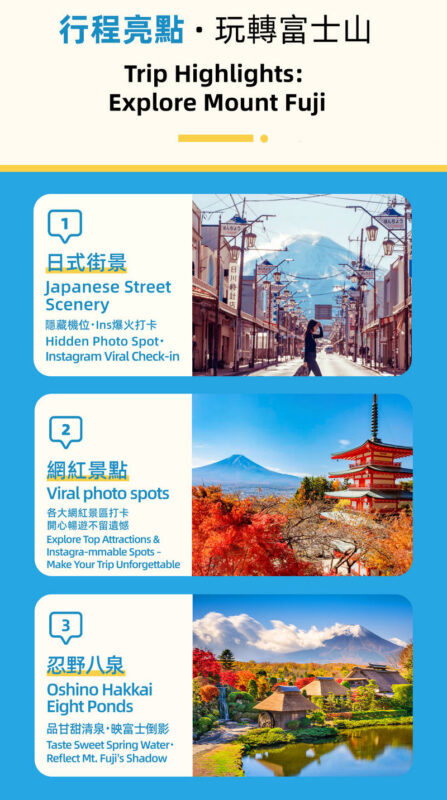
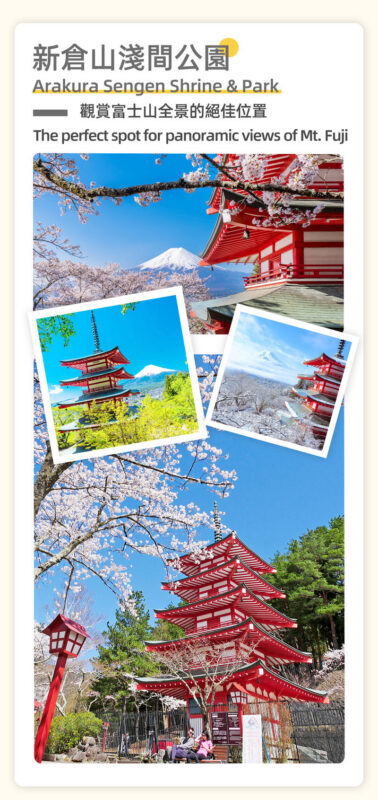
The first stop is Arakurayama Sengen Park, scheduled for about an hour. It is the classic panorama: Mount Fuji rises beyond Fujiyoshida, with the town spread below. The familiar view pairs the mountain with the Chureito Pagoda, making this the stop most likely to match the postcard image many people have in mind.
The viewpoint takes effort. The route includes 397 steps near the main hall, and the time allowance includes getting up, taking in the view, and returning to the vehicle. If stairs are difficult for you, or you have a health condition that makes a climb unsuitable, take the tour’s stated caution seriously. The activity is not recommended for people with high blood pressure, epilepsy, heart disease, asthma, other serious medical conditions, or for pregnant women.
This is also a stop where weather can make the difference between a memorable panorama and a view of cloud. A guide cannot change the forecast, but guides have been praised for pointing out brief glimpses of Fuji along the road and helping people make the most of photo opportunities. Bring patience as well as your camera: a clear view is a gift, not a promise.
One variation matters if you are booking from mainland China. The tour information says the route may visit Fujikawaguchiko Town and its Stairway to Heaven instead of Arakurayama Sengen Park for those customers. Confirm the planned route for your own booking if this stop is a priority.
Hikawa Clock Shop: a street aimed at the mountain
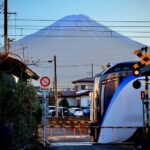
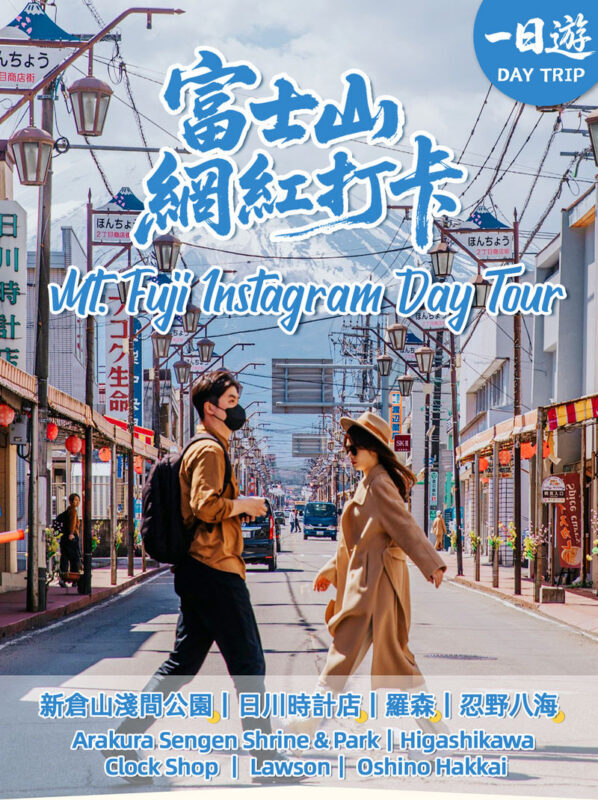
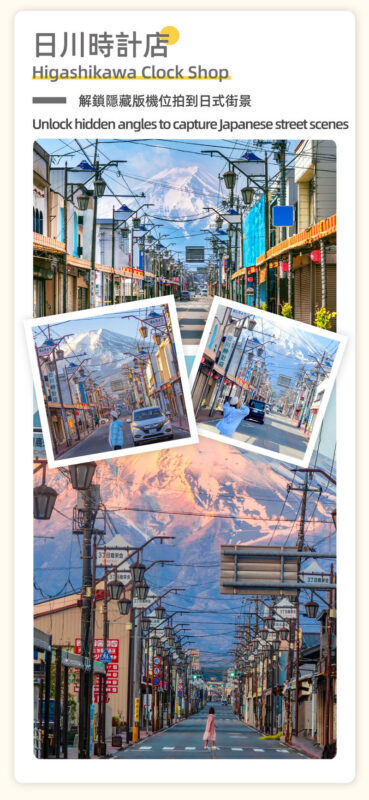
Next comes Hikawa Clock Shop, a short visit of about 20 minutes. The attraction is the street itself: a Japanese town scene with Mount Fuji visible at the far end. It is a striking composition because the mountain appears to sit directly beyond the street, turning an everyday town view into a carefully framed picture.
The short stop means you should have your camera ready before you arrive. This is not a long shopping visit, and the appeal is mostly visual. Follow the guide’s directions, keep clear of traffic, and be considerate of people who live and work nearby. The location’s popularity is part of its appeal, but it also means you may need to wait for a clear moment.
Oshino Hakkai: eight clear spring pools
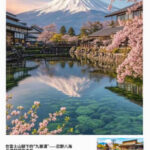
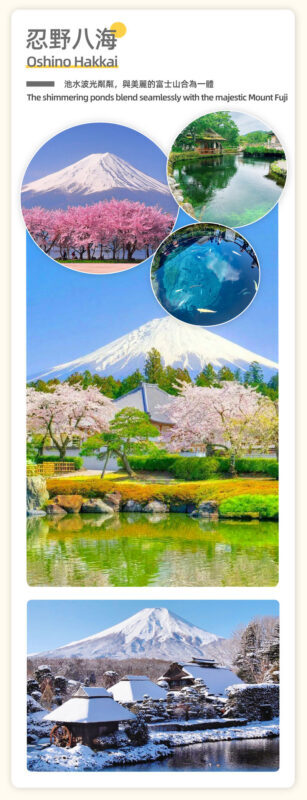
Oshino Hakkai gets about an hour and a half, the longest stop on the route. Its eight ponds are fed by Mount Fuji snowmelt filtered through layers of earth, and the water is known for its clarity. After the quick photo stops, this is where the itinerary gives you room to stroll, look closely at the pools, and browse nearby snacks.
I would use this time for more than a fast photo. The water and its natural setting offer a quieter counterpoint to the busy roadside viewpoints. You can also pick up food here, though lunch arrangements depend on the package you booked. If you have a meal included, check where and when it is served; the tour information offers eel rice or Tobanyaki Wagyu beef, but does not specify the restaurant or precise lunch timing.
The springs are popular, so expect other people around the ponds. Keep the visit relaxed, but watch the clock. The coach still has more stops to make, and the schedule can shift with traffic or weather.
Lawson near Kawaguchiko Station: a quick, famous frame
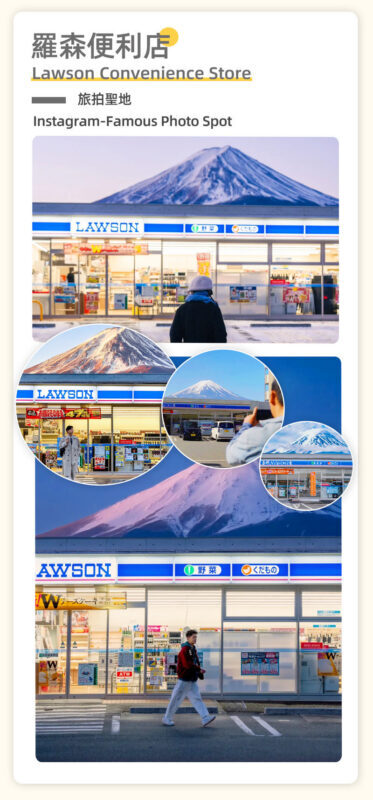
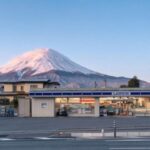
The Lawson stop is about 20 minutes. Here the familiar convenience store, the street, and Mount Fuji create a contrast that has become a popular travel photograph. The tour’s suggested approach is to photograph from across the street and wait for a gap in the foot traffic.
That makes this a photo stop, not a chance to browse at length. Keep your attention on traffic and people around you, and follow any directions from the guide. The location’s visual appeal is clear, but it is also the stop most likely to feel crowded or overly staged if you expect a quiet view of the mountain.
Lake Kawaguchi and the seasonal final stop
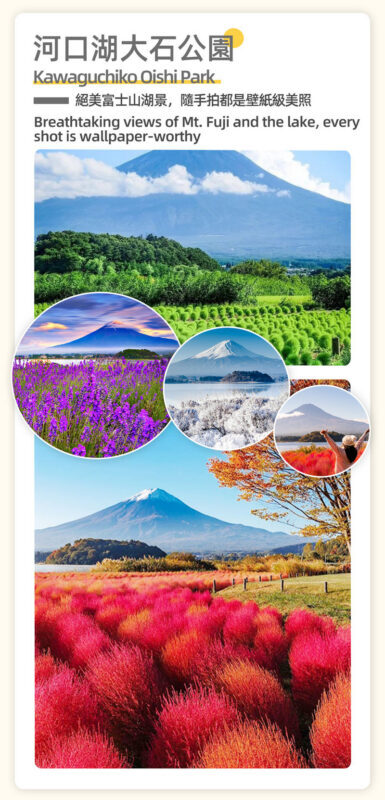
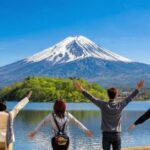
The route includes a short scenic drive along Lake Kawaguchi’s northern shore, followed by about 50 minutes at either Oishi Park or the Maple Corridor. The drive is mainly viewed from the vehicle, not a separate lakeside visit, so treat it as a bonus stretch of scenery rather than a chance to get out and explore the shore.
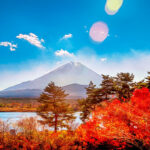
Oishi Park is the usual destination outside the seasonal Maple Corridor period. It gives you a broad view of Mount Fuji and the lake, with plants and colors changing through the year. Summer lavender and autumn kochia are among the seasonal features described for the park. In clear conditions, this is a strong place to end the day with a more open view after the close-up town scenes.
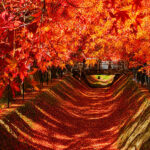
The Maple Corridor offers a different mood, pairing autumn leaves with Fuji. The seasonal dates are not stated consistently: one part of the tour information gives November 1 to 30, while another gives October 26 to November 20. Since the exact window may change, confirm which stop is planned for your travel date rather than assuming you will see the corridor.
Lunch, language, and the guide’s role
The no-lunch option offers flexibility and keeps the starting price down, but you will need to budget for your own food and drink. If you prefer not to spend part of a packed day deciding where to eat, the meal package is the easier choice. The offered meals are classic Japanese eel rice or Tobanyaki Wagyu beef; the exact choice and serving arrangements may depend on the package.
Guides are offered in English, Chinese, Hindi, Japanese, and Korean. Korean-speaking service is not guaranteed; if one cannot be arranged, an English-speaking guide will be provided. The guide’s contribution can be more than translation. Guides named Linda and Hou Jing have been praised for clear explanations and photo help, while Jack, Kanazawa, and Lee Han-san have been singled out for upbeat hosting, local stories, and careful handling of a busy schedule. The person assigned to your departure will vary.
Expect practical help as well as commentary. Guides may adjust the order of stops when traffic or weather changes the day, and the tour information allows for attractions to be reduced in special circumstances after consulting the group. That flexibility can protect the day from turning into a race, though it also means the printed order is not guaranteed.
Timing, meeting points, and what to bring
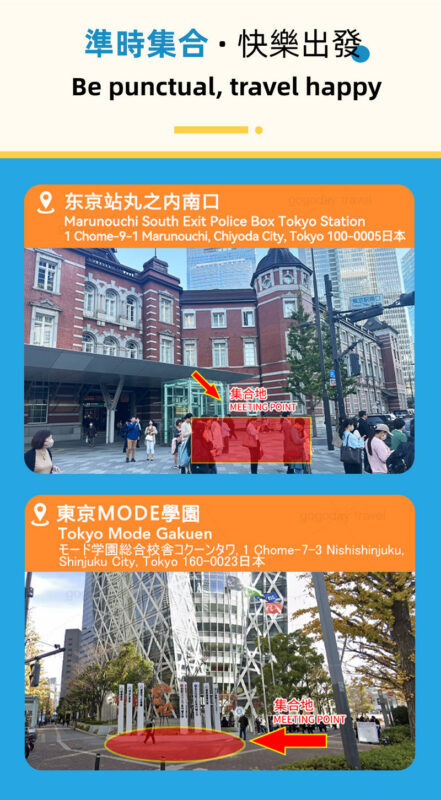
The listed day begins at either 8:00 or 8:30, depending on the departure option. Meeting points include the area in front of the police station at Tokyo Station’s Marunouchi South Exit and the Shinjuku MODE Gakuen Building bus stop. The information also gives an approximate 18:50 return to Tokyo, while noting that the return time can shift. Check your voucher and the message sent the evening before for the exact meeting place and time, and arrive at least 10 to 15 minutes early. Late arrivals and no-shows are not refundable.
You should receive guide and vehicle details by email the night before, roughly between 18:00 and 21:00, though another notice gives 20:00 to 21:00 and warns that peak-season delivery may be delayed. Check your spam folder and use the latest message if more than one arrives. Because the vehicle is assigned based on the day’s group, you cannot specify a particular vehicle type.
If you are bringing luggage, one piece per person is allowed free, but you must declare it in the special requests section when booking. The operator may refuse boarding if you arrive with undeclared luggage, with no refund. You also cannot leave the group early or partway through the tour. Children aged 0 to 2 ride free if they do not need their own seat; children 3 and older pay the adult rate, and anyone under 18 must travel with a paying adult. Pets are not allowed.
Is this the right Fuji day trip for you?
Book this if you want a convenient sampler of Fuji-area sights, value round-trip transport, and are happy with short visits built around photographs. The variety is the point: a hilltop panorama, a town street, clear spring ponds, a famous convenience-store view, and a lakeside park all fit into one day. Strong guides can add local context and help you use the limited time well.
Choose another plan if you want to hike, spend hours at one location, or have a guaranteed view of Mount Fuji. The mountain is weather-dependent, and the schedule is shaped by traffic, group needs, and legal limits on vehicle operating time. For many people, that is a fair exchange for seeing several signature stops from Tokyo without organizing each leg alone.
Mount Fuji Popular Instagrammable spots tour with Lunch Option
“Although the traffic made it a bit difficult, thanks to guide Lee Han-san's smooth guidance, we were able to successfully finish the Mount Fuji tou…”
FAQ
How long is the tour?
The tour lasts about 11 hours. The listed schedule starts at 8:00 or 8:30, depending on the departure option, and gives an approximate return time of 18:50.
Is lunch included in the starting price?
No. The starting-price package is the meeting-point departure without lunch. Other packages include eel rice or Wagyu beef.
Which stops are included?
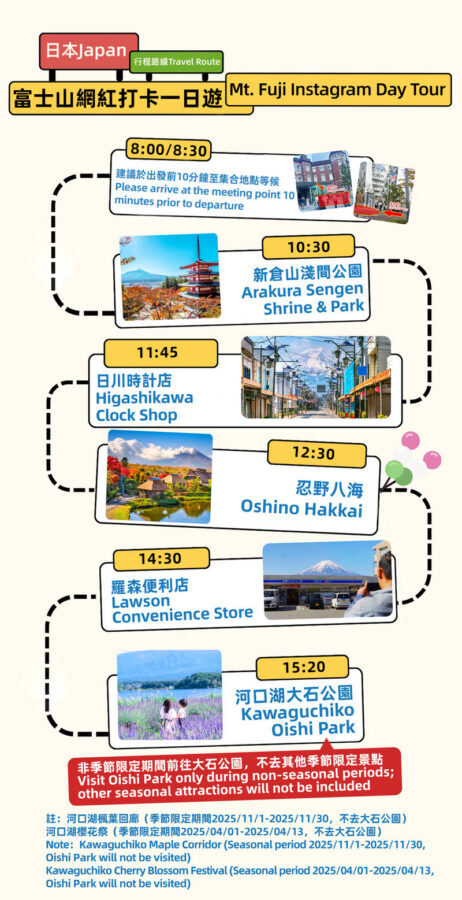
The planned stops are Arakurayama Sengen Park, Hikawa Clock Shop, Oshino Hakkai, Lawson near Kawaguchiko Station, and Oishi Park or the seasonal Maple Corridor. The Lake Kawaguchi portion is mainly a scenic drive.
Is Mount Fuji guaranteed to be visible?
No. Weather can hide the mountain, and the tour does not guarantee clear views.
Is a Korean-speaking guide guaranteed?
No. Korean-speaking guides may not be available for every departure. If one cannot be arranged, an English-speaking guide will be provided.
How many stairs are there at Arakurayama Sengen Park?
The route to the viewpoint includes 397 steps near the main hall.
Can I bring luggage?
One piece of luggage per person is allowed free, but you must declare it in the special requests section when booking. Undeclared luggage may result in refusal to board without a refund.
Can I cancel or change my booking?
The activity allows a full refund if you cancel at least 24 hours before the activity date. Changes are allowed until 24 hours before the activity starts, with some stated exceptions, including certain pass bookings and bookings whose voucher has not yet been issued.