
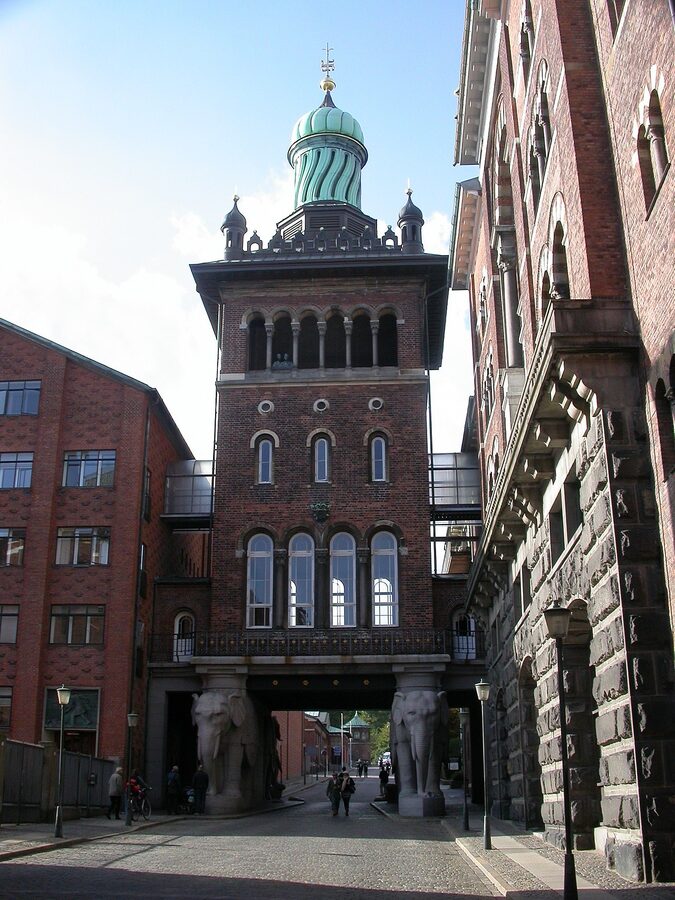
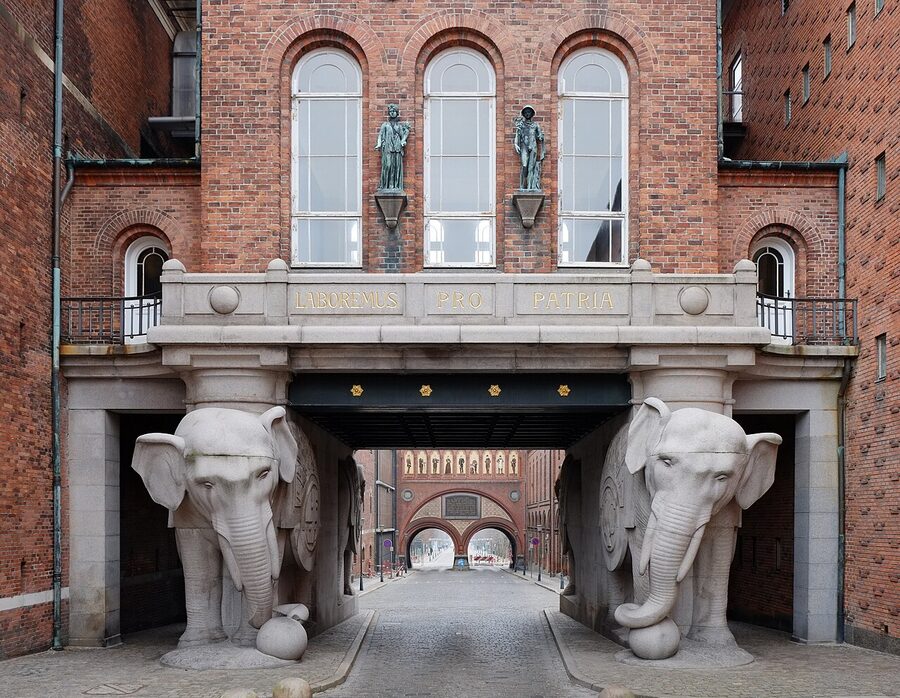
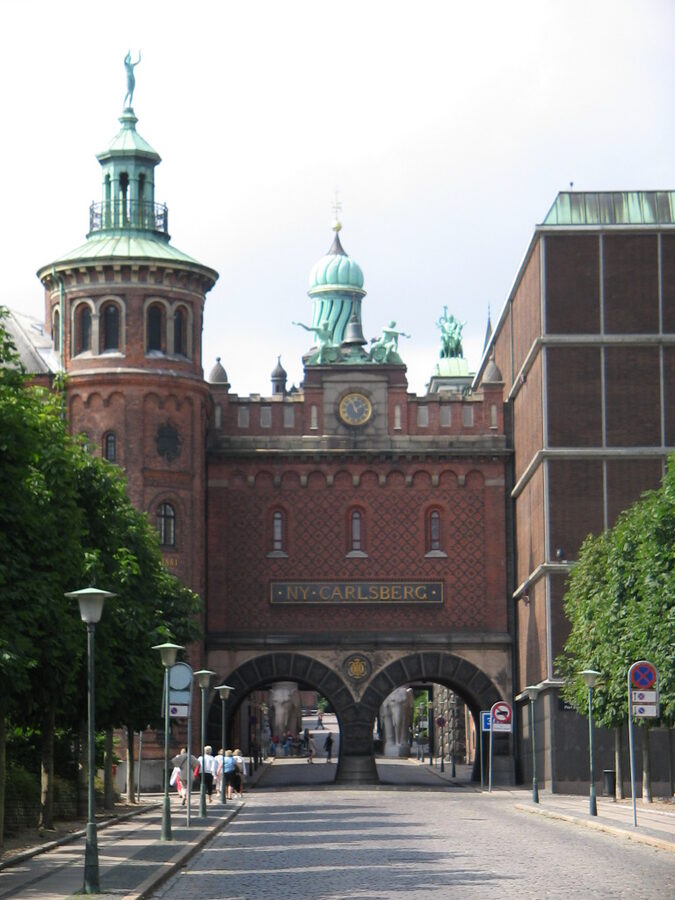
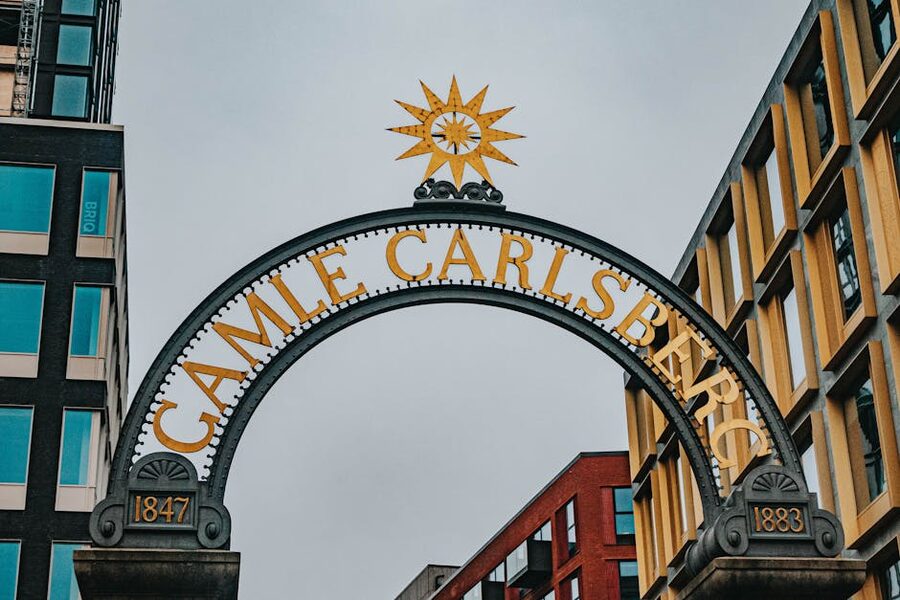
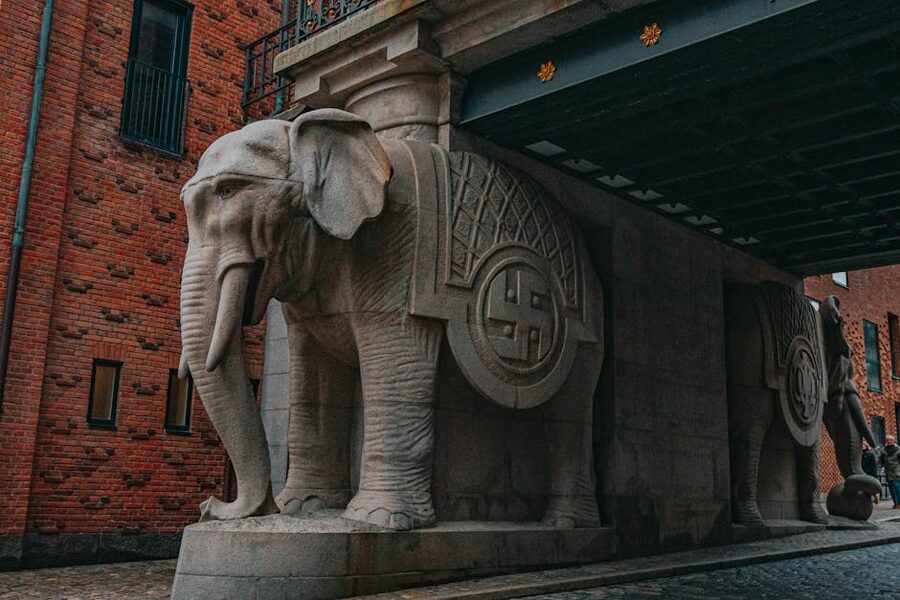
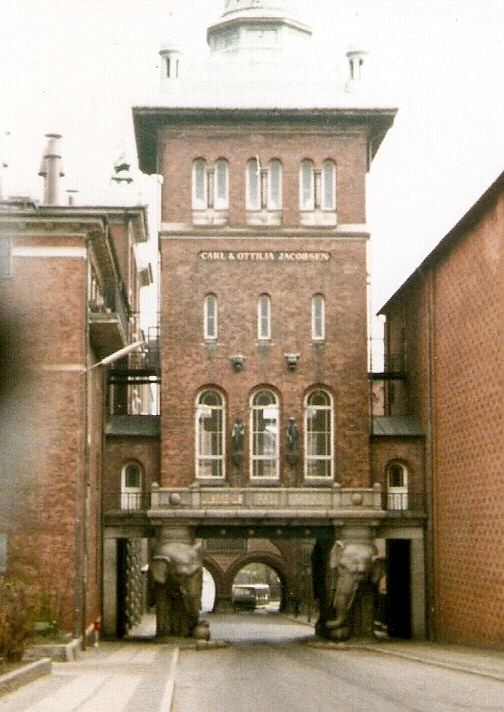
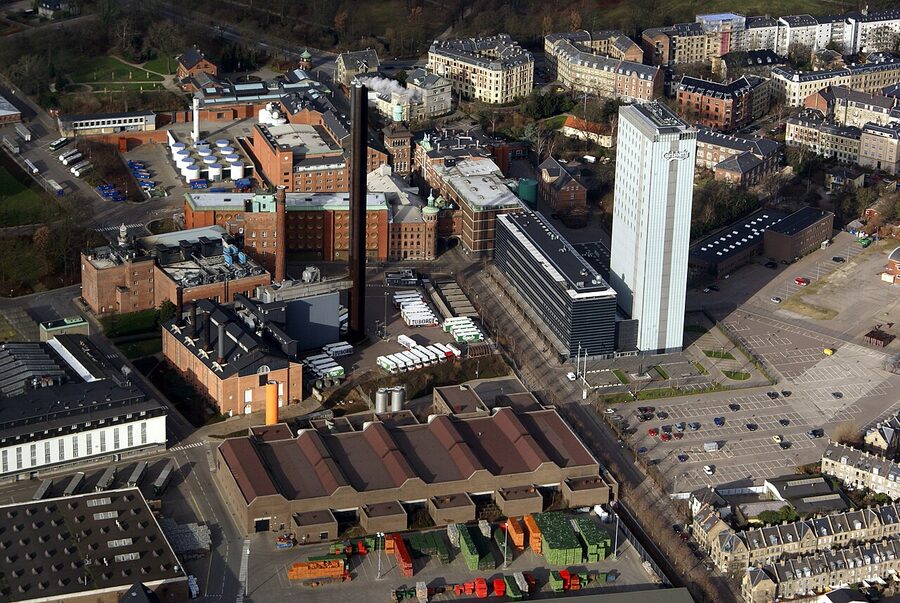
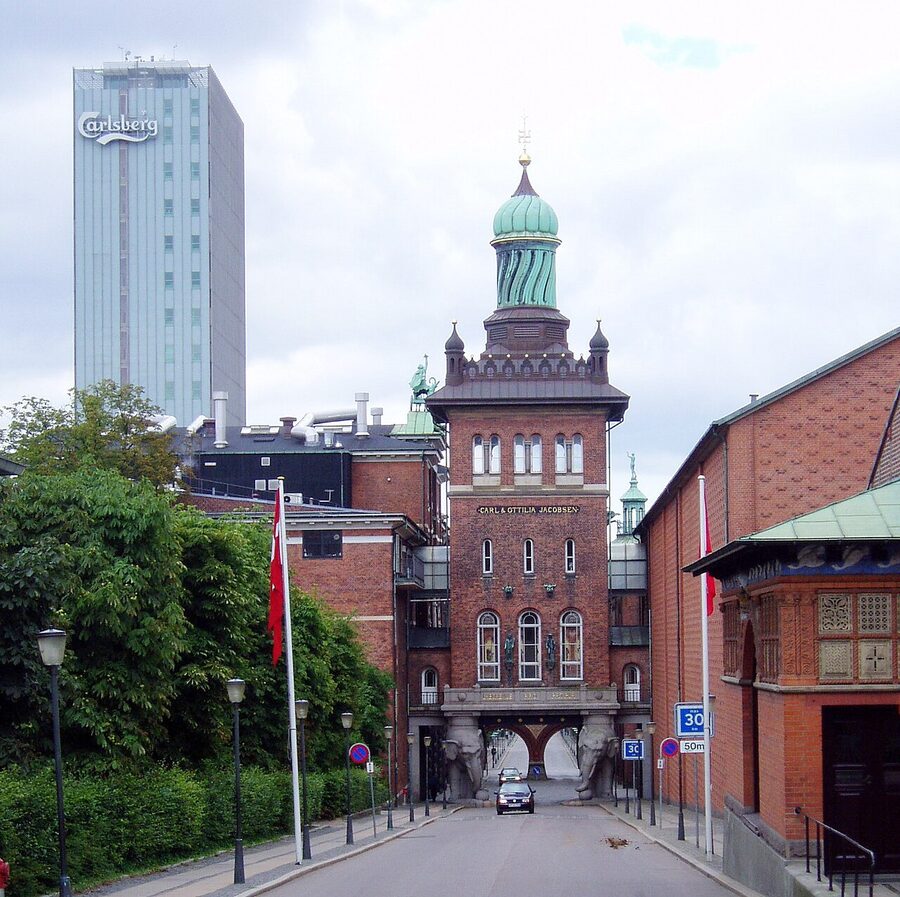
You smell the brewery before you see it. Walk up Gamle Carlsberg Vej from Carlsberg Station and the air goes warm and yeasty, that wet-bread, slightly sweet smell of malt drifting out of the old maltings. Then you turn the corner and the four granite elephants are right there above the gate, looming over you with the tower behind them, and the only sensible thing to do is stop and look up.
Home of Carlsberg sits inside the original 1847 brewery in Vesterbro, a 15-minute walk from the centre of Copenhagen. The Elephant Gates and the bottle wall are the headline attractions, but the experience is more interesting than that. You learn how a single Danish chemist accidentally invented the concept of pH while trying to make better beer, you walk through a 19th-century cellar that’s noticeably colder than the rest of the building, and you finish with a Carlsberg pilsner that tastes properly different at the source. Below is everything you need to actually book a ticket without overpaying or getting stuck on the wrong day.


- In a Hurry? Three Quick Picks
- What “Home of Carlsberg” actually is
- Three tours worth booking
- 1. Home of Carlsberg Experience Entry Ticket:
- 2. Welcome to Home of Carlsberg (Viator): .63
- 3. Bundle with the Copenhagen Card
- How the visit actually flows
- The bottle wall is genuinely something
- Down in the cellar
- The science you didn’t expect
- The horses, the sculpture garden and the bits people skip
- Booking the right ticket type
- Getting there from central Copenhagen
- Best time of day to go
- How it pairs with the rest of Copenhagen
- If you’re combining with day trips out of the city
- The food situation
- A few downsides worth knowing
- Tips that actually save you time
- Other Copenhagen tour guides worth a look
In a Hurry? Three Quick Picks
Best overall: The full Home of Carlsberg Experience entry ticket covers the bottle wall, the brewing exhibition, the sculpture garden and your tasting beer. Around $35 per person.
If you want a guide: Book the Welcome to Home of Carlsberg ticket via Viator for the same access at around $36 with the Viator booking guarantee. Useful if you already use Viator vouchers for the rest of your trip.
Beer pass option: Pair Carlsberg with the Copenhagen Card, which covers Tivoli, the canal cruise and most museums in one prepaid bundle. Better value if you’re staying three days or more.
What “Home of Carlsberg” actually is
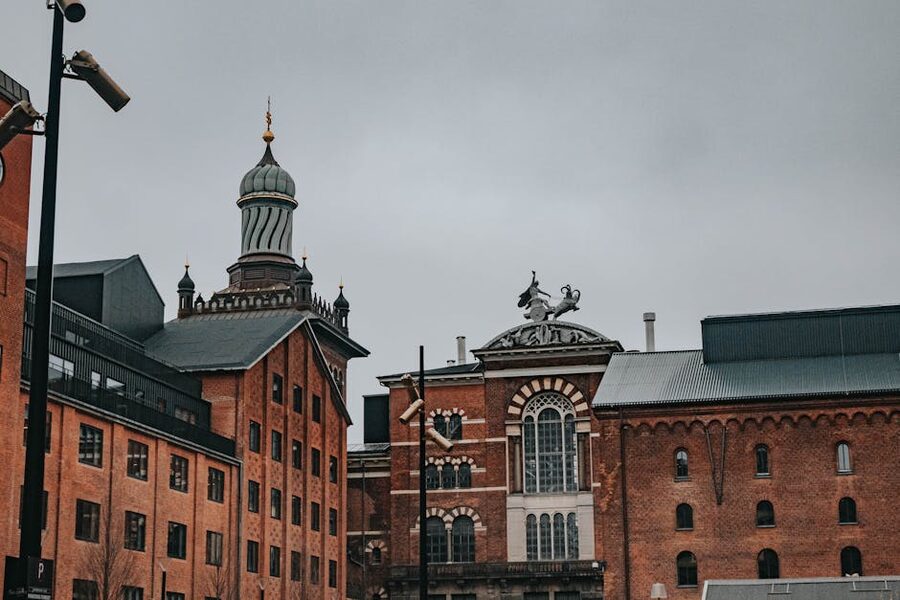
The name confuses people. This is not a working brewery any more, the actual Carlsberg beer you drink in Denmark is brewed at Fredericia in Jutland. The Copenhagen site closed for production in 2008. What reopened in 2024 after a major rebuild is a 3,000-square-metre experience inside the original 19th-century buildings. Think museum, exhibition, tasting room and sculpture garden, all stitched together inside the historic brewery walls.
.jpg)
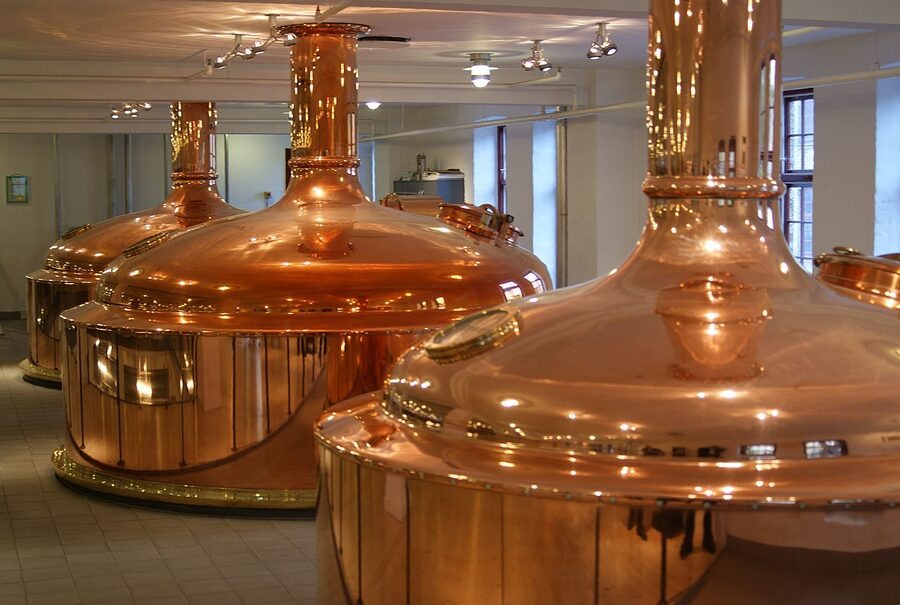
That distinction matters when you’re deciding whether to come. If you’re hoping to see beer being made in real time, with the smell of fermentation and rolling conveyor belts, this is not that. The brewing equipment on display is historical, the copper kettles are decorative now. If you want a working brewery experience, you’d need to visit Jacobsen Brewhouse for one of the small-batch sessions, or look at one of the smaller Copenhagen craft breweries.
What Home of Carlsberg is really good at is telling the story of one of the most influential beer companies in the world, in the actual building where it happened. The exhibits are interactive, there’s a section where you literally smell different brewing ingredients out of jars and try to identify them, you brew a virtual beer on a screen, and you can sit in the cellar surrounded by 24,000 unopened bottles of beer.
Three tours worth booking
There aren’t many distinct Carlsberg products on the booking platforms because the venue itself only sells one ticket. What varies is the platform, the cancellation policy and whether you bundle anything else. Here are the options that actually make sense.
1. Home of Carlsberg Experience Entry Ticket: $35
This is the one most people actually buy. Standard entry covers the brewing history exhibition, the bottle collection, the sculpture garden, the Jacobsen Brewhouse and a tasting beer at the end. It’s the same ticket sold at the door, but booking through GetYourGuide gets you free cancellation up to 24 hours and a mobile voucher that skips the ticket window. Our full review of the Home of Carlsberg experience ticket walks through what’s covered in each room and where to start if you only have an hour. I’d pick this option for any first visit.
2. Welcome to Home of Carlsberg (Viator): $36.63
If you already book most of your trip through Viator and have credit on the platform, this is the same ticket on a different system. Our take on the Viator Carlsberg exhibition ticket covers the booking flow and what the voucher looks like at the entrance. The brewery doesn’t care which platform you came in on, you’ll be standing in the same queue with everyone else. Pick whichever ecosystem you’re already in.
3. Bundle with the Copenhagen Card
The third option isn’t a Carlsberg-specific tour, it’s the city pass that includes Carlsberg as one of more than 80 attractions. If you’re doing the brewery on a multi-museum day along with Tivoli, the Round Tower or the National Museum, the maths usually tips in favour of the pass. We unpack the breakeven in our Copenhagen Card guide, but the short version is, if Carlsberg + Tivoli + the canal cruise are all on your list, you’re already ahead.
How the visit actually flows
You enter through the original brewery building and pick up a self-guided audio link on your phone. Most people start at the bottle wall, which is dramatic enough that it’s hard to walk past. From there the route moves through the brewing history exhibition, into the cellars, out into the sculpture garden, past the stables where the Jutlandic horses still live, and finally into the Jacobsen Brewhouse for your tasting.
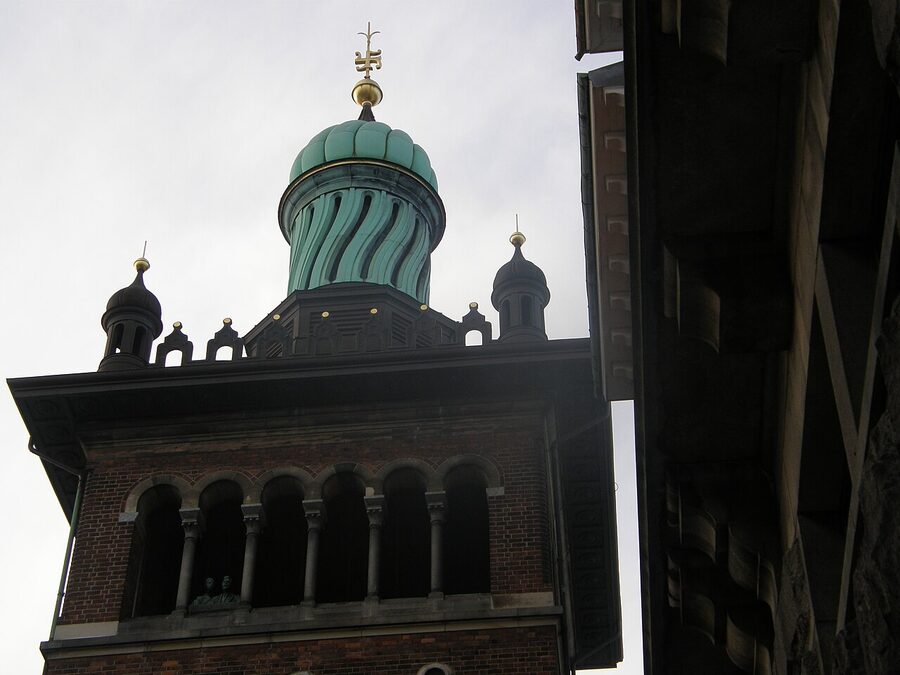

The whole thing takes between 90 minutes and two and a half hours depending on how much you read. We took just under two hours and felt we’d done the place properly. If you sprint, you can do it in 60 minutes, but you’ll miss the cellar and that’s the most atmospheric part.
One specific tip the staff don’t really advertise: there’s a free historical guided tour at 1pm, 2pm and 3pm most days, included in your ticket. It runs about 35 minutes and the guides are Danes who actually know the family history rather than reading off a script. Time your arrival so you catch one. We missed ours by four minutes and regretted it for the rest of the visit, you can hear groups discussing things in the cellar that the audio guide doesn’t cover.

The bottle wall is genuinely something
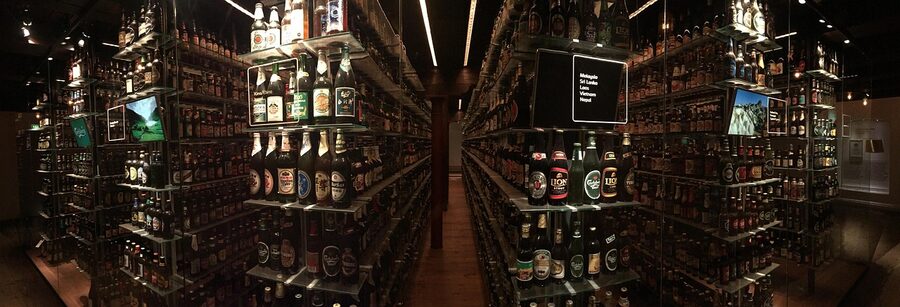
I’ve been to a lot of breweries. Heineken, Guinness, Pilsner Urquell, the lot. The bottle collection at Home of Carlsberg is the single most impressive room I’ve seen in any of them. There are 24,000 unopened beer bottles arranged from floor to ceiling on every wall, in every direction, sorted roughly by country and decade. It’s the largest unopened beer bottle collection in the world according to Guinness World Records.
The story behind it is almost as fun. A Danish engineer called Leif Sonne started collecting unopened beer bottles in 1968. By 1993 he’d run out of space in his house and donated the lot to Carlsberg. They kept adding to it. There are bottles in there from breweries that closed half a century ago, with labels that have faded to ghost colours, dust thick on the shoulders. You can see Pilsner Urquell bottles from the 1970s if you look in the right corner, which is a fun nod for anyone who’s been to the original brewery in Plzeň.
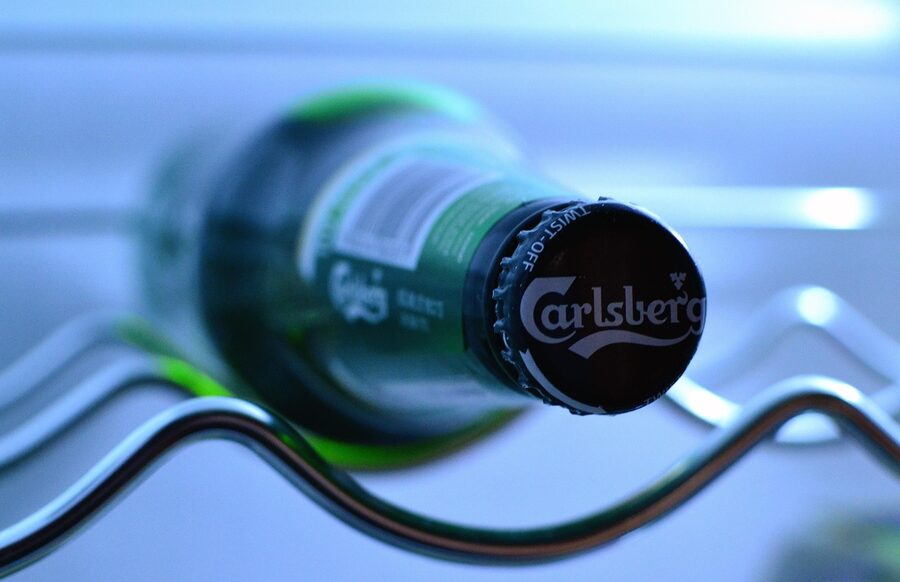
Photographing it is harder than it looks. The light is dim, the shelves go back further than your phone wants to focus, and the room is narrow. Bring a phone with a proper night mode if you have one, or just stop trying and stand there a while. It’s better to look than to shoot.
Down in the cellar
The cellar drops you about ten degrees Celsius below the rest of the building. Step through the doorway and the temperature change hits you straight away, the same way it does in a wine cave. Stone floor, brick vaulted ceiling, a permanent damp smell that’s not unpleasant. This is where the beer was lagered in the 19th century, before refrigeration could do the job at room temperature.
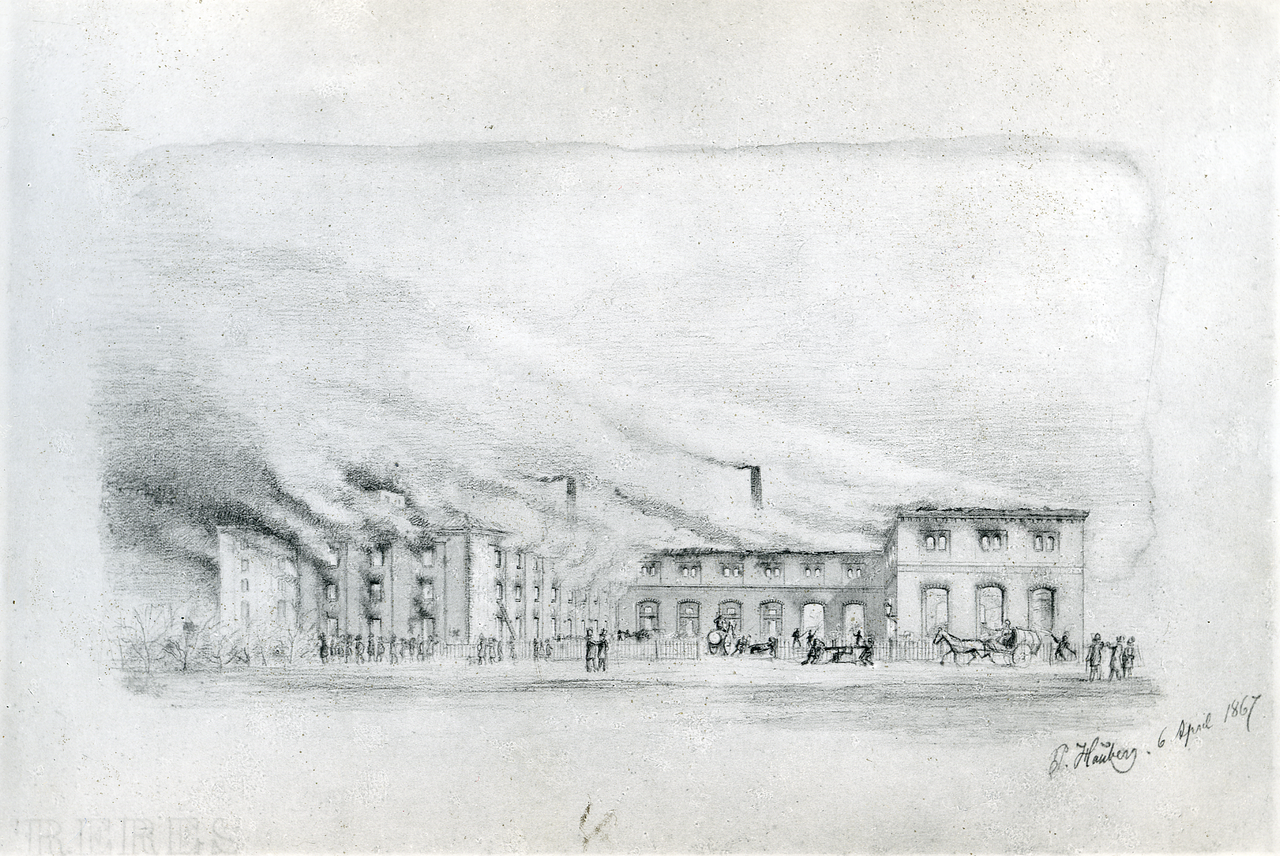
The exhibition uses the cellar to tell the brewery’s harder stories. The 1867 fire that nearly ended the company. The bitter rivalry between J.C. Jacobsen and his son Carl in the 1880s when they ran competing breweries on the same site, refused to speak to each other for years, and only reconciled when Carl’s son started visiting his grandfather in secret. There’s a wall of letters between father and son and they don’t make for happy reading.
Bring a layer if you run cold. Even in summer the cellar sits around 12 degrees and you’ll want sleeves. I went in February in a hoodie and was fine, my partner went in July in a t-shirt and was visibly cold by the end of the room.
The science you didn’t expect
The thing that sets Carlsberg apart from every other big brewery is that it ran a proper scientific laboratory from 1875 onwards, and the work that came out of it changed beer worldwide. Two big examples sit in the exhibition.
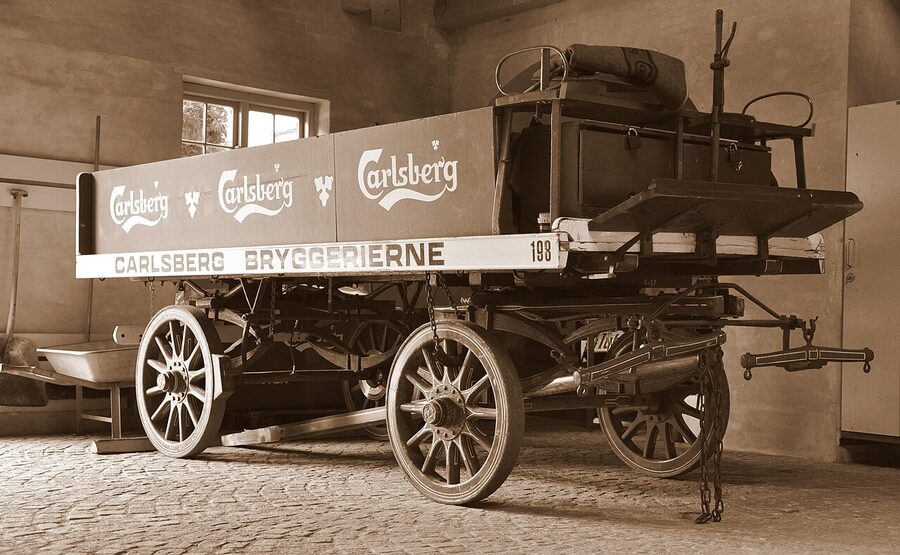

One: in 1883 a Carlsberg scientist named Emil Christian Hansen worked out how to isolate a single strain of yeast and propagate it in a pure culture. Before that, every brewery in the world was effectively brewing with a wild mix of yeasts and the result varied batch to batch. After Hansen, beer became consistent. Modern lager exists because of the work done in this building.
Two: in 1909 a chemist called Søren Sørensen, working in the Carlsberg Laboratory, defined the pH scale that every chemistry textbook uses today. He was trying to understand the acidity of the brewing process. The number you see on shampoo bottles, soil tests and swimming pools traces back to this lab. The exhibit makes a small thing of it, but it’s genuinely a big deal, and you can stand in the room where it happened.
The horses, the sculpture garden and the bits people skip
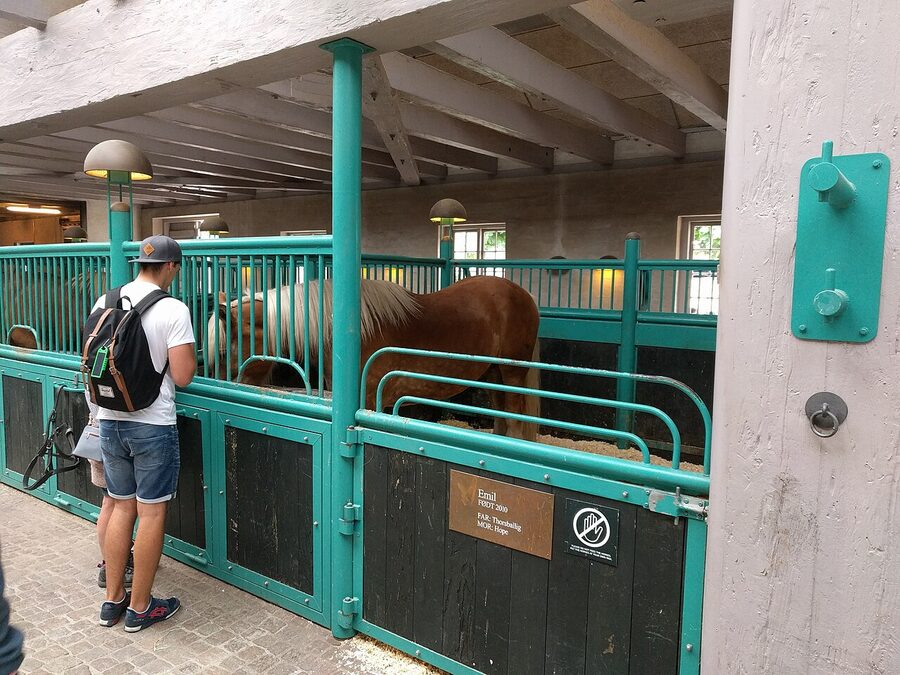

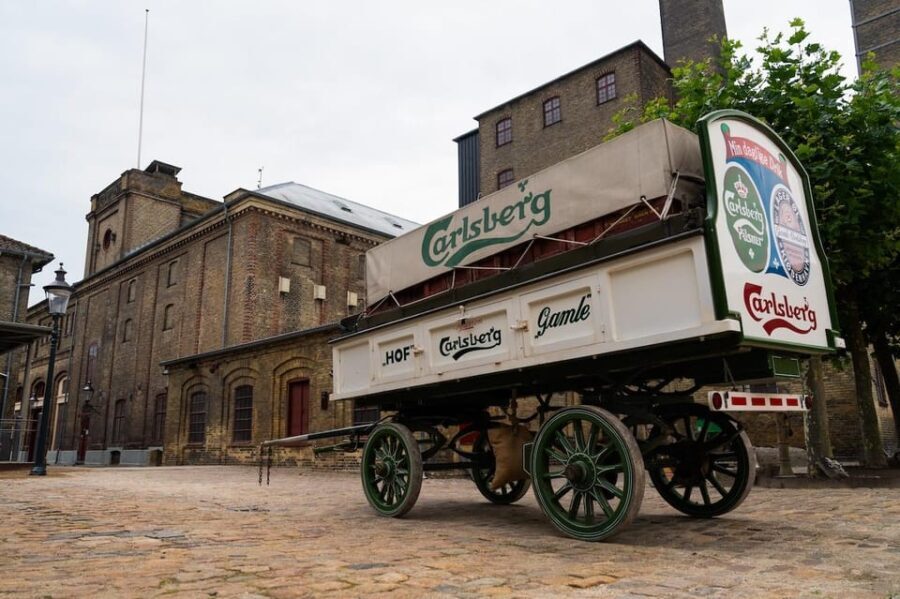
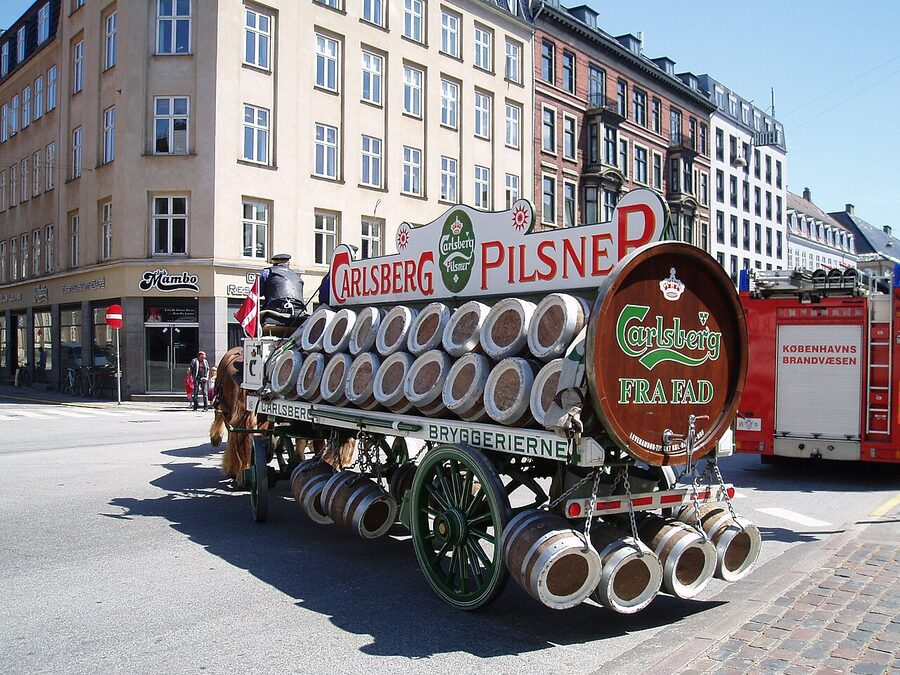
The stables are the part most visitors blow past on their way to the tasting bar, and that’s a mistake. Carlsberg still keeps a small string of Jutlandic draught horses on the original brewery site. They were the workhorses of beer delivery in Copenhagen for a hundred years and the breed nearly went extinct in the 1980s. The brewery’s stable is one of the reasons they didn’t. They’re calm, enormous animals with feet the size of dinner plates, and you can usually see them in the yard before midday.

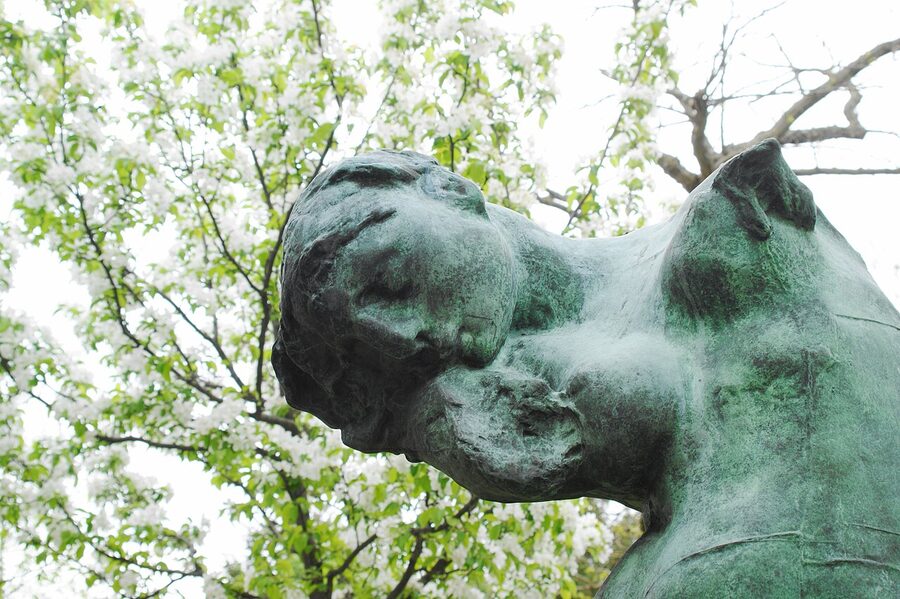

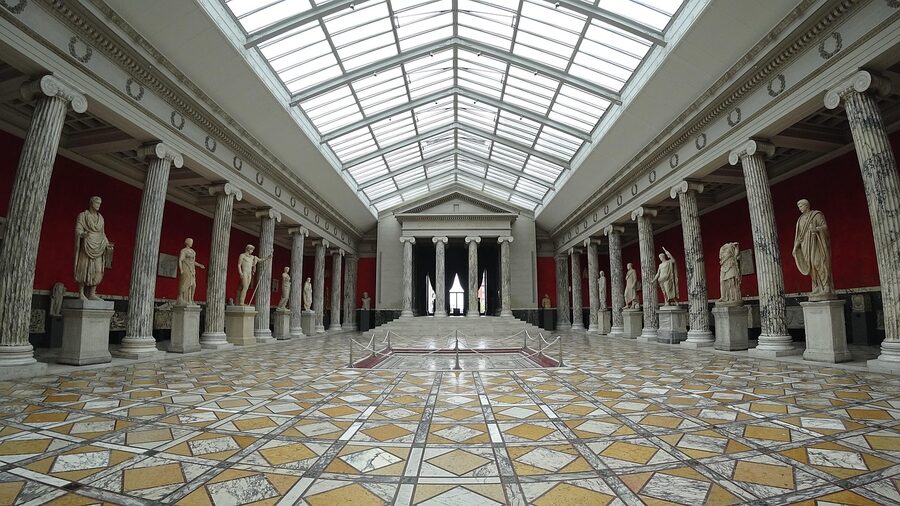
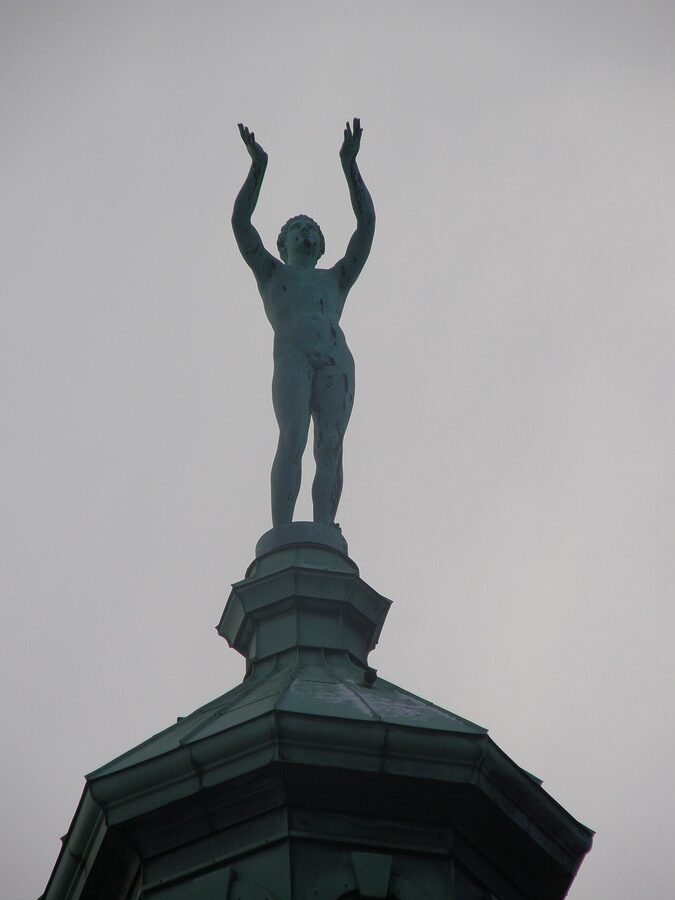
The sculpture garden tells you something about Carl Jacobsen the son. He was obsessed with classical art and spent the brewery’s profits collecting Greek and Roman pieces. He believed that beauty made for better workers, so he scattered marble nymphs and Greek warriors all around the brewery yard. When his collection outgrew the place he founded the Ny Carlsberg Glyptotek in central Copenhagen to house it. The Glyptotek is one of the best small art museums in Europe, free on Tuesdays, and it makes a brilliant pairing with a Carlsberg morning.

Booking the right ticket type
Here’s the practical breakdown. The standard adult ticket is around 295 DKK at the door, which works out to about $35 to $37 USD depending on the exchange rate. Booking online through GetYourGuide or Viator costs the same or a hair more, but you get free cancellation, a mobile voucher and a slightly faster entry. For a popular venue with timed entry, that’s worth the extra dollar.

Children under six go free. Kids between six and 17 pay about 175 DKK. The ticket includes a soft drink at the bar instead of a beer, which is a nice touch, you can sit together at the end and have a proper drink stop. Family tickets save a small amount on combined entry but only if you have two adults plus two kids exactly.
Annual passes exist if you’re local, around 595 DKK, which pays for itself in two visits. Useful if you’re an expat in Copenhagen, less useful if you’re a tourist with one shot at it.
One trap to watch: Carlsberg sells last entry as 90 minutes before closing. If the website says it closes at 6pm, the last entry is 4:30pm. If you turn up at 5pm with a ticket the staff will turn you away. Book a slot at least two and a half hours before closing, three is safer.
Getting there from central Copenhagen
The address is Gamle Carlsberg Vej 11, 1799 Copenhagen V. From Copenhagen Central Station the easiest way is the S-train, lines B or C, two stops to Carlsberg Station. From there it’s a five-minute walk uphill following the brown signs. The station was built specifically to serve the brewery and you can see the Elephant Gates as you come up the platform stairs.
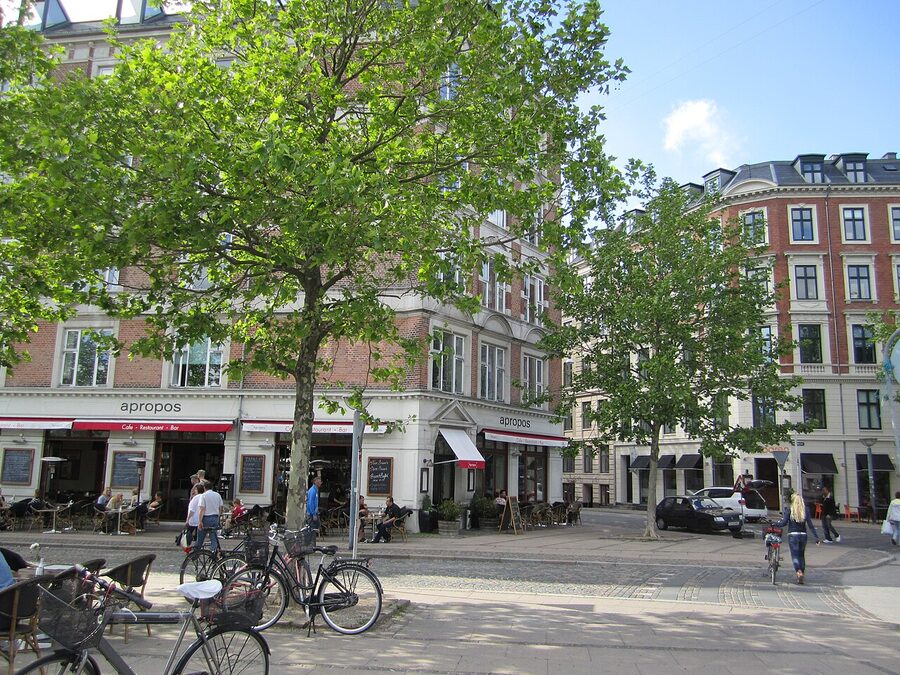

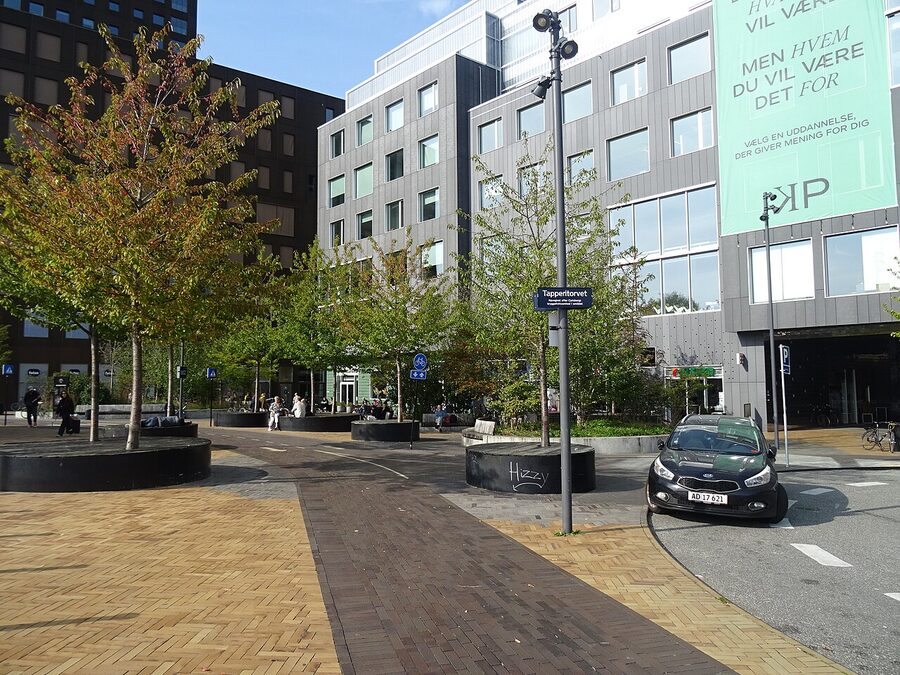
Cycling works well too. Copenhagen is famously bike-friendly and the cycle route from the centre takes about 15 minutes via the Vester Voldgade and the Tapperitorvet. If you’re already on a Copenhagen bike tour, you can usually divert here, several of the half-day routes pass within a hundred metres of the brewery gates. There are bike racks just inside the courtyard, free, no time limit.

By bus, the 1A and 26 both stop at Carlsberg. The 1A links the brewery to Tivoli and the central station, useful if you’re rolling through several attractions on a city day. By taxi the trip is around 90 DKK from Nyhavn, more in evening traffic, faster than the train when you’re tired but not really worth it for the distance.
Don’t try to walk it from the centre. It’s about 4km from Nyhavn and the route mostly cuts through traffic-heavy roads with not much to see. Save your legs for the brewery itself.
Best time of day to go
The brewery opens at 10am most days. First slot is the quietest, the bottle wall is yours alone for about half an hour and you can hear yourself think in the cellar. By noon the place fills with cruise ship groups and family parties and the bar gets a queue.

If you’re a beer person who wants to linger over the tasting, aim for late afternoon instead. The crowds thin around 4pm and the bar is calm. You won’t have the bottle wall to yourself but you’ll get table space at the Jacobsen Brewhouse and the staff have time to talk about which beers go with what.
Weekday morning is the sweet spot if you can manage it. Tuesday or Wednesday at opening is significantly quieter than weekends. Weekends are busy from 11am onwards, especially in summer.
How it pairs with the rest of Copenhagen
Carlsberg sits in southwest Copenhagen, slightly off the main tourist axis. That’s both a feature and a bug. It means it’s quieter than central attractions, but it also means you should plan how to fit it in.
The natural pairing is a morning at Carlsberg, lunch in Vesterbro at one of the natural wine bars, and an afternoon at Tivoli or the Glyptotek. The Tivoli Gardens are a 15-minute train ride away and the contrast is fun, brewery cellars in the morning, fairground rides in the afternoon. The Glyptotek route ties the day together thematically because everything you saw at Carlsberg connects back to Carl Jacobsen’s wider legacy.
If you’re doing Copenhagen in two days, slot Carlsberg into the Vesterbro half. Your other day can take in Nyhavn, Amalienborg and the canal cruise on the eastern side of the city. The Copenhagen canal cruise works particularly well as an afternoon thing if you’ve spent the morning indoors at the brewery.
If you’re combining with day trips out of the city
Plenty of visitors do Copenhagen as a base and run day trips out from there. Carlsberg works well as a half-day around the day-trip schedule, you can hit the brewery in the morning, grab lunch in Vesterbro and still catch a 2pm departure for somewhere further afield. Our guide to the Copenhagen castle day trip covers the Kronborg, Frederiksborg and Roskilde route, which leaves the brewery clear for your morning.
The other natural combination is Sweden. The Lund and Malmö day trip across the Øresund Bridge takes most of a day, but you can usually fit Carlsberg in either before you leave or after you get back. Beer-spotting on the train into Malmö is a fun little game, Tuborg dominates Sweden the way Carlsberg dominates Denmark, and they’re owned by the same company.
The food situation
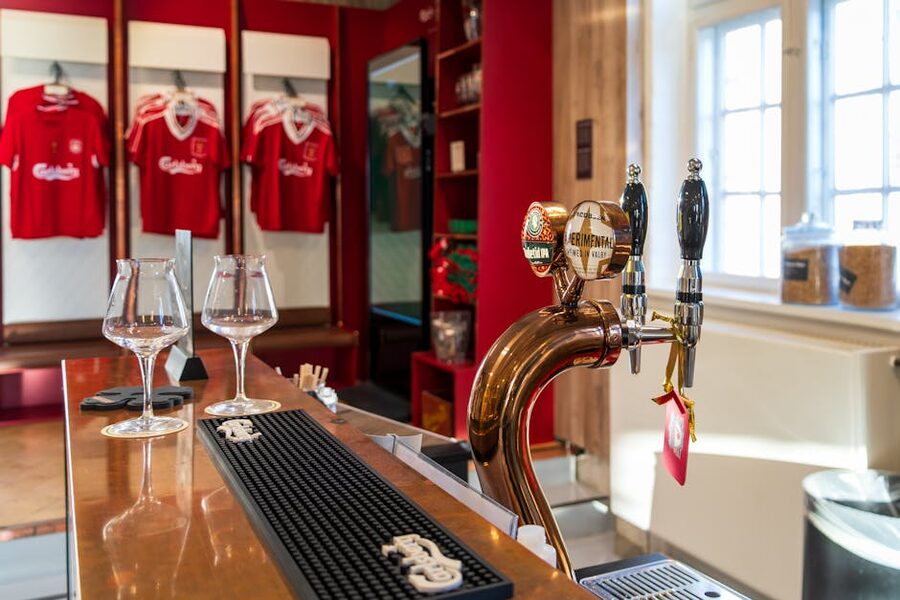
The Jacobsen Brewhouse and Bar serves a small Nordic menu alongside the beer. Smørrebrød (open-faced rye sandwiches) with hot-smoked salmon, herring with potato, and the brewery’s own cheese plate are the standouts. Prices are tourist-area but not insane, around 90-130 DKK per dish, expect to pay around 165 DKK ($24) for a smørrebrød lunch with a beer.
If you want a proper Carlsberg-themed lunch, this is the spot. If you’re hungry for something more substantial, walk five minutes east into Vesterbro and you’ll find half a dozen excellent independent kitchens. Kødbyen, the meatpacking district, is a 15-minute walk from the brewery and has some of Copenhagen’s best modern Danish places. Walk a Vesterbro walking tour beforehand and you’ll already know which places are worth a stop.
A few downsides worth knowing
It’s not all elephant gates and pH revelations. A few things worth knowing before you book.
The new exhibition leans heavily on screens. Some of the rooms feel more like a tech demo than a brewery, and if you wanted a proper sniff-the-yeast, see-the-machinery industrial tour, this isn’t quite it. The aroma room and the bottle wall are the most physical parts of the experience and they’re brilliant. The brew-your-own-beer interactive screen is fun for kids, less essential for adults.
The price has climbed steadily since reopening. For comparison, the Heineken Experience in Amsterdam runs slightly cheaper for a similar concept, the Guinness Storehouse in Dublin is more expensive but with a flashier finish and a city-view bar at the top. Carlsberg sits middle of the pack on price and middle on flash. You’re paying for history and the bottle wall, not for the latest experiential design.
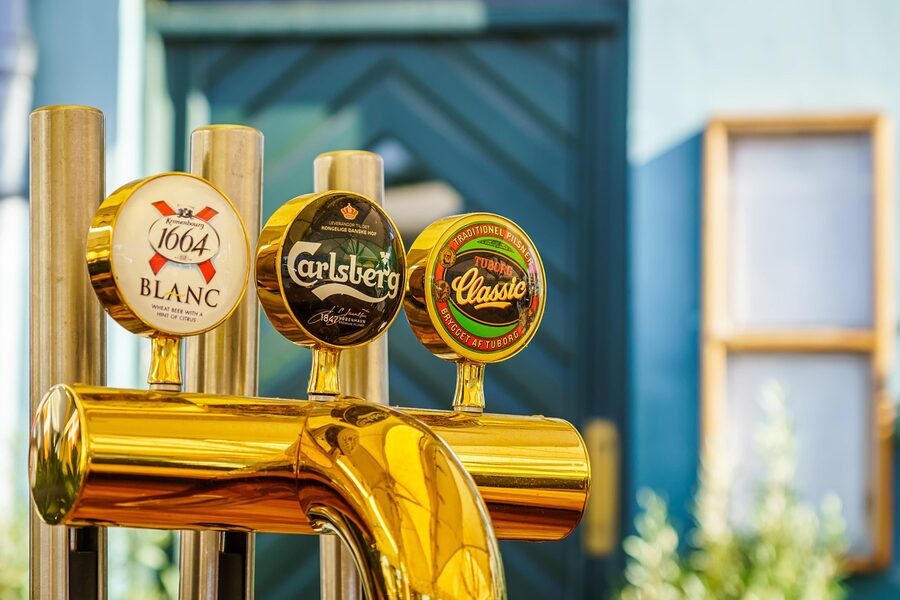
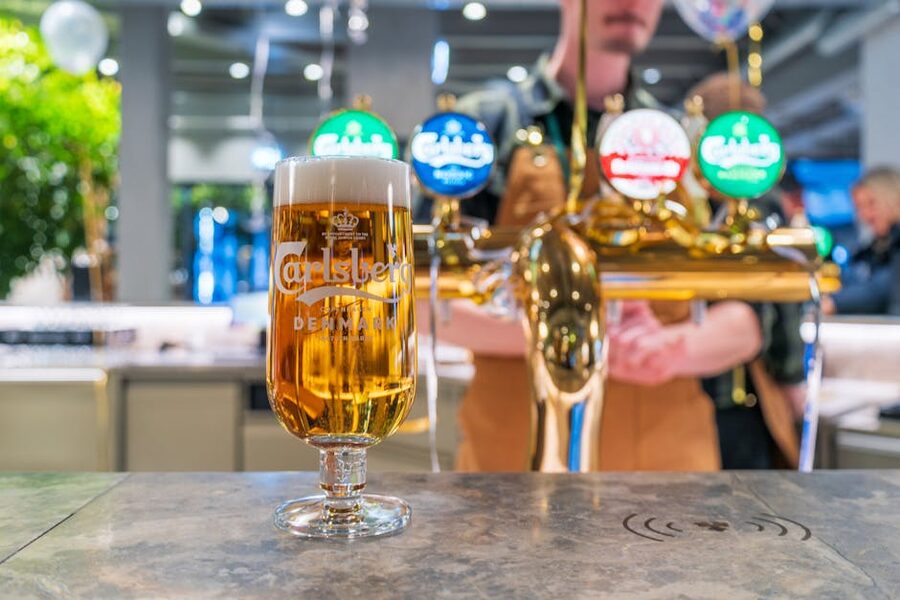
The “tasting” is one beer. If you want flights, you pay for them at the bar, around 80 DKK for four 0.15L samples. Worth it if you’ve come this far, but don’t expect a brewery tour with five tasters built in like some American craft places.
Finally, the gift shop is hard to escape. The route deliberately funnels you through it on the way out and it’s stocked with Carlsberg-branded everything. Resist or don’t, but be ready for it.
Tips that actually save you time
Book the morning slot, ideally 10am or 10:30am. The bottle wall and the cellar are best in the first hour before crowds arrive, and you can usually catch the 1pm guided history tour after you’ve done the self-guided loop, which works out to a full visit in about three hours.
Bring a cardigan. The cellar is around 12 degrees year-round.
Don’t bother with the audio guide upgrade. The free phone-based guide that comes with the ticket is good enough, the upgraded one adds extras you can mostly read on the wall plaques.
Photograph the elephants from the inside courtyard, not the street. Most people stand outside on Gamle Carlsberg Vej with the road behind them and end up with traffic in the shot. Walk under the gate and look back, you get the elephants and the inside of the arch with no cars.
If you have time, save 30 minutes at the end for the sculpture garden and the stables. Most people skip both, the garden in particular is nicely overgrown and quiet.
Other Copenhagen tour guides worth a look
If you’re booking Carlsberg, you’re probably building out a full Copenhagen itinerary. A few related guides on the site that pair naturally: our Copenhagen hop-on hop-off bus guide covers the city’s spread-out sights and includes a Carlsberg stop on the main route, useful if you don’t want to deal with the train at all. The canal cruise from Nyhavn covers the eastern half of the city by water in about an hour and pairs well with a brewery morning. For day trips out, the three-castle day trip to Kronborg, Frederiksborg and Roskilde and the Lund and Malmö day trip into Sweden both give you a longer adventure once you’ve done the city. And if you’re working out city-pass maths, the Copenhagen Card nearly always pays off if Carlsberg, Tivoli and the canal cruise are all in your plan. For something more on foot, the Copenhagen walking tour covers the centre on foot in about three hours and gives the best context for everything you’ll see at the brewery. If beer is your thing more broadly, our Pilsner Urquell brewery tour guide in Prague is a good companion read, the two breweries share more history than you’d think.
Some links in this article are affiliate links. If you book through them we earn a small commission at no extra cost to you, which helps keep the site running. We only recommend tours we’d genuinely book ourselves.