
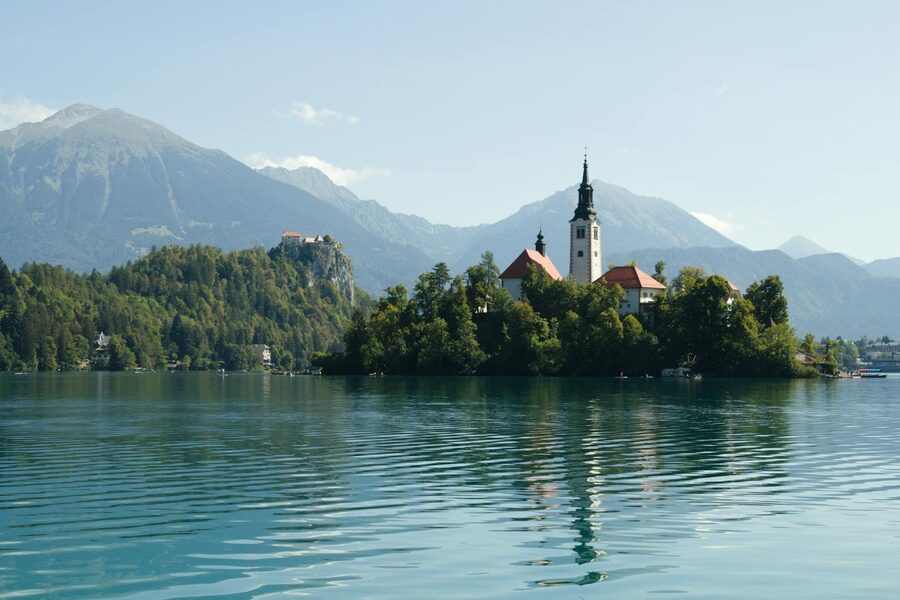
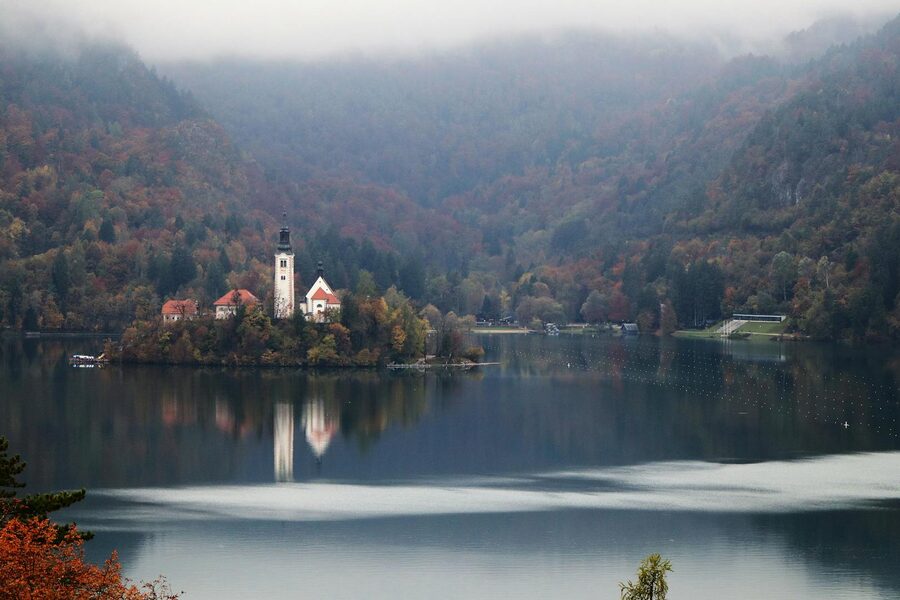
The first thing you notice on a pletna is the rhythm. Wooden oar strokes pulling slowly, the dip and lift of the bow, distant cowbells from the hills, and somewhere across the water the faint sound of the wishing bell ringing inside the church on Bled Island. Mountains box you in on three sides. The water is so clear you can see the lake bed shifting from green to deep teal as the boat pulls into the shadow of the Church of the Assumption.
That moment is why most people come to Slovenia, and the easiest way to live it is to base yourself in Ljubljana and book a day trip. The drive takes about an hour. The lake takes the rest of your day.
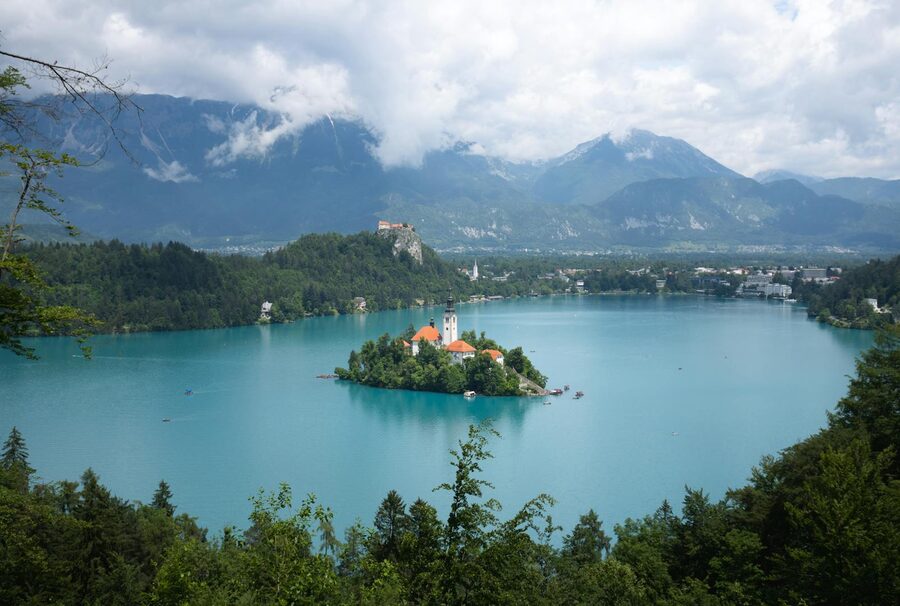
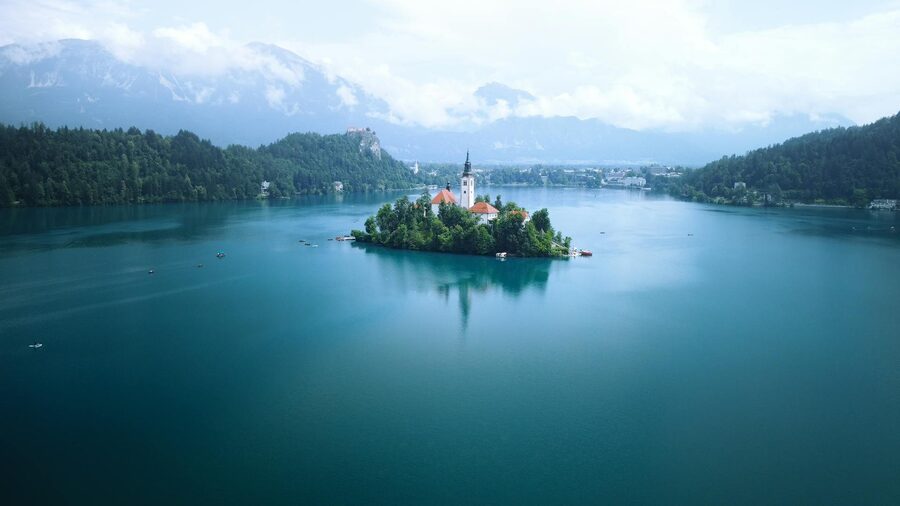
Best value: Savica Waterfall, Lake Bohinj and Lake Bled Tour, $94. The proper Slovenia day, three stops with a guide and pickup from central Ljubljana.
Most ground covered: From Ljubljana: Lake Bled and Postojna Cave with Entry Tickets, $173. Two of Slovenia’s biggest hits in one long day, with cave tickets included.
- What an actual day looks like
- The two day trips worth booking
- 1. Savica Waterfall, Lake Bohinj and Lake Bled Tour:
- 2. From Ljubljana: Lake Bled and Postojna Cave with Entry Tickets: 3
- Booking the pletna ride to Bled Island
- The 99 steps and the wishing bell
- Bled Castle and the cliff-edge view
- Mala Osojnica, the photo people actually want
- Don’t skip the cream cake
- Adding Bohinj and Savica
- Vintgar Gorge if you have an extra hour
- When the lake is best
- Crowds, briefly
- How day trips compare to going by yourself
- Practical bits
- A bit on Lake Bled itself
- If Bled isn’t enough Slovenia
What an actual day looks like
Ljubljana to Bled is about 55 km on the E61 motorway. By car, an hour. By organised bus tour, closer to 75 minutes once they finish hotel pickups. By public bus from Ljubljana’s main station, also around 75 minutes if you get a non-stopping service. The drive itself isn’t scenic, mostly flat farmland and the occasional industrial estate, until you crest the last hill and the Julian Alps appear all at once.
Most day trips run a similar shape. You arrive at Bled around 9:30 or 10am. You walk a stretch of the lakeside path. You take a pletna boat to Bled Island and climb the 99 steps. You eat a slice of kremna rezina, the local cream cake. You go up to Bled Castle for the cliff-edge view. Some tours stop there. Others continue 30 minutes west to Lake Bohinj and the Savica Waterfall and pull back into Ljubljana around 6 or 7pm.
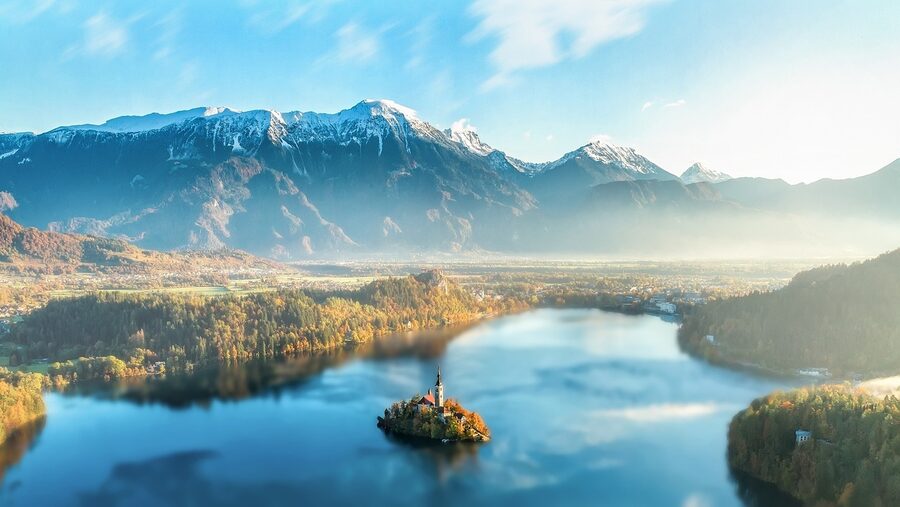
The tradeoff is direct. A short tour means more breathing room at the lake. A long tour gets you to Bohinj and Savica, which most people skip and then regret. There isn’t really a wrong answer. You’re picking the version of Slovenia you want to bring home.
The two day trips worth booking
I’ve narrowed this down to two products. Both leave from central Ljubljana. Both come back the same evening. They cover different ground, so the right one for you depends on whether you want a full Slovenian day in the Alps or a hits package that pairs Bled with the country’s biggest cave system.
1. Savica Waterfall, Lake Bohinj and Lake Bled Tour: $94
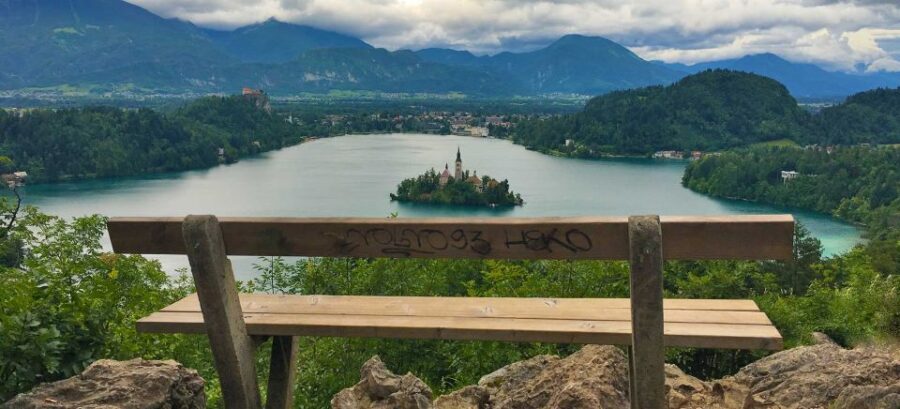
This is the one I’d pick if it’s your only day outside Ljubljana. The eight-hour route puts the Savica Waterfall and Lake Bohinj before Bled, which means you arrive at the famous lake when the morning bus crowds have thinned out. Our review covers the small-group setup and how the guide handles the Bohinj photo stops. Bring a light jacket for the waterfall path, the air at the base of Savica is genuinely cold even in July.
Check Availability
Read our full review
2. From Ljubljana: Lake Bled and Postojna Cave with Entry Tickets: $173
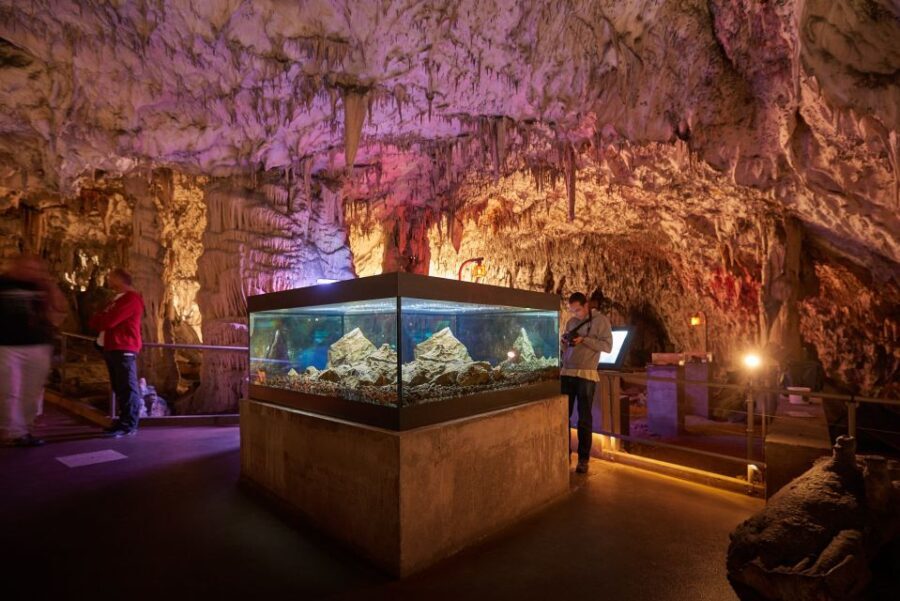
Pricier and longer, but it bundles the Postojna cave train ticket (around €31 on its own, see our Postojna and Predjama guide) and saves you a separate trip on a different day. Our review walks through the time split, you get about 90 minutes at Bled and the rest at the cave system. Honestly it’s a long day and you’ll feel it on the bus back, but if you’re tight on Slovenia time it solves the problem of fitting in both. Pair it with our Postojna Cave and Predjama Castle guide if you want the cave-only alternative.
Check Availability
Read our full review
Booking the pletna ride to Bled Island
This part isn’t usually included in the day-trip price. The pletna boat is its own ticket, paid in cash to the rower at the dock.
The current return fare is €18 to €20 per person. Some tours throw it in, most don’t. Read your booking confirmation. If it lists “boat to island included,” you’re sorted. If not, plan to pay on the day. There are ATMs in central Bled but none right at the boat docks, so pull cash before you leave Ljubljana or in Bled town.
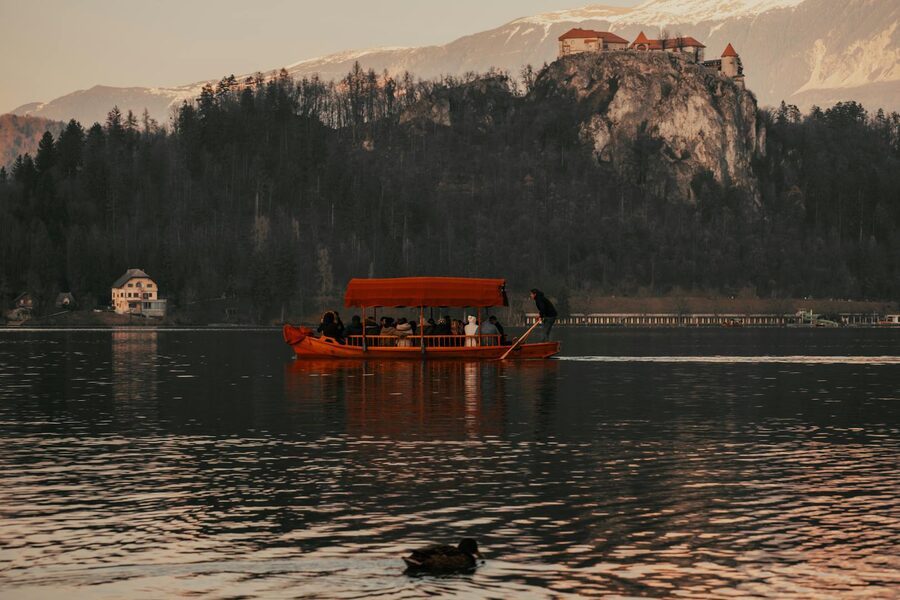
Pletnas leave from several spots around the lake. The most popular departure is by Hotel Park on the eastern shore, the same side as the bus station. Boats also run from Mlino on the south shore (slightly closer to the island, slightly fewer crowds) and from below Vila Bled, the former Tito villa, on the north shore. None of them run to a published timetable. Boats leave when the next one fills up, usually every 20 to 30 minutes in summer, every hour or so in shoulder season.
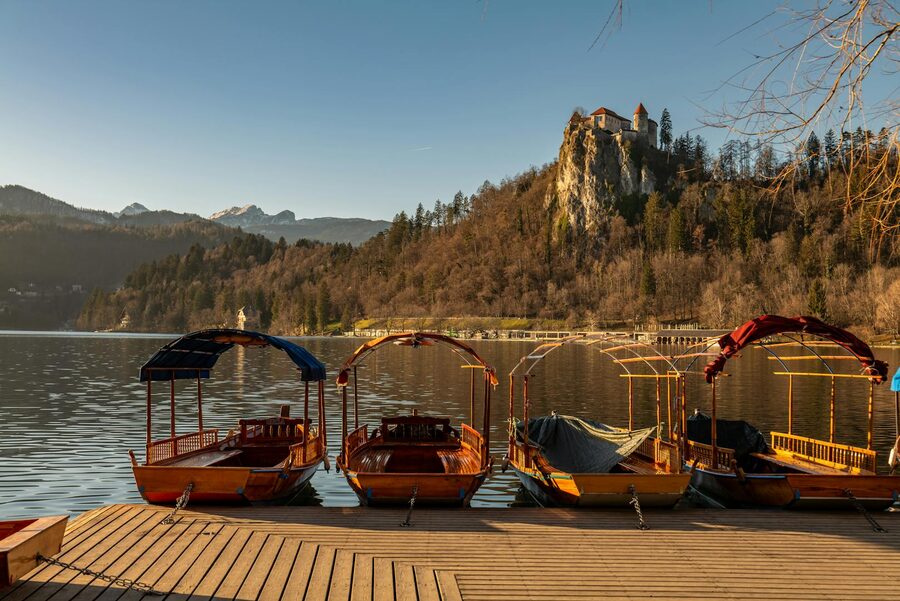
The crossing takes 15 to 20 minutes each way. You get 30 to 40 minutes on the island. If you cut it short, the rower waits for everyone before heading back, so don’t wander off. There’s a small restaurant on the island if you need a coffee while you wait.
The 99 steps and the wishing bell
From the dock at Bled Island, you climb 99 stone steps up to the church. They’re steep and uneven, original 17th-century construction, slippery when wet. There’s no railing on most of the climb. Take it slow if you’ve got bad knees.
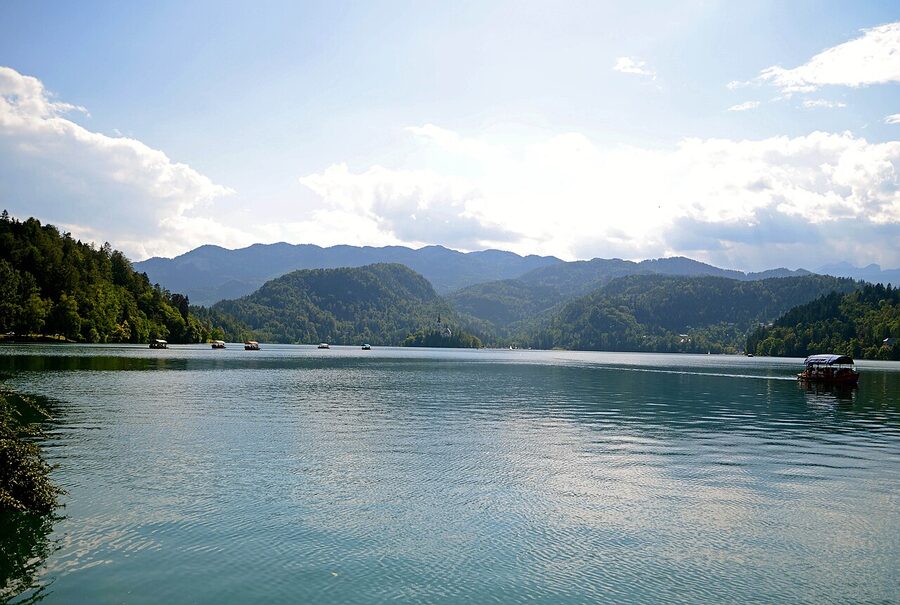

Local tradition says a groom carries his bride up all 99 steps before the wedding. You see it happen most Saturdays in summer. It’s harder than it looks, ask anyone who’s tried.
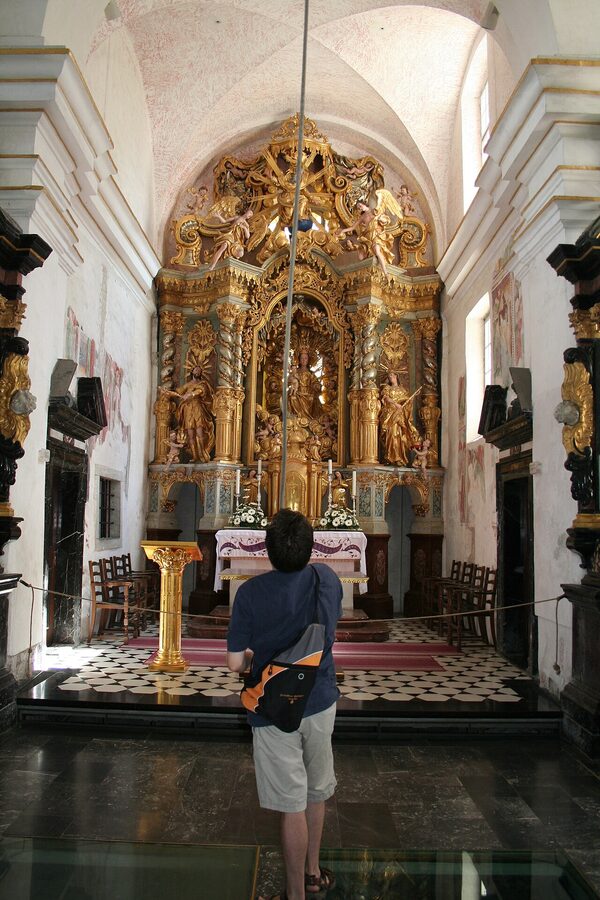
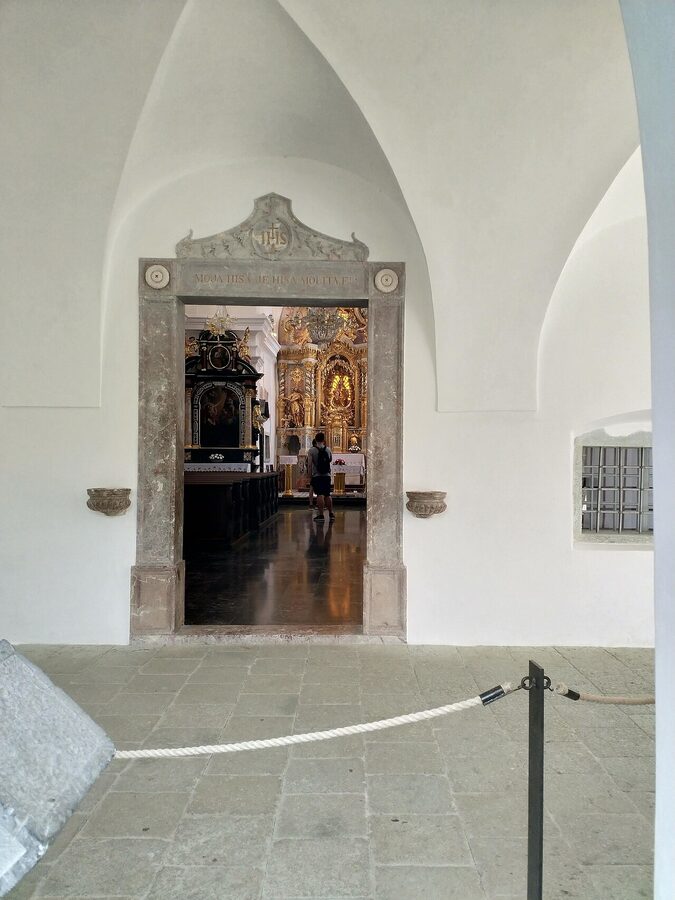
Inside the Church of the Assumption you’ll find the wishing bell. The story goes: ring it three times, hold a wish in mind, and the wish comes true. There’s usually a small queue. Entry to the church costs €12 (2025), which most day-trip tickets don’t include either. If you skip the church, the rest of the island is still pretty much the only place in Slovenia where you can stand on a natural island and look back at a castle on a cliff.
.jpg)

Bled Castle and the cliff-edge view
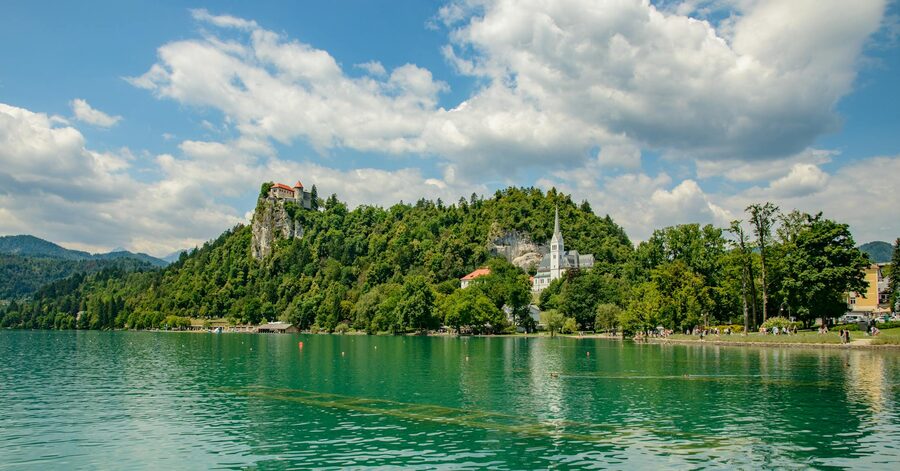
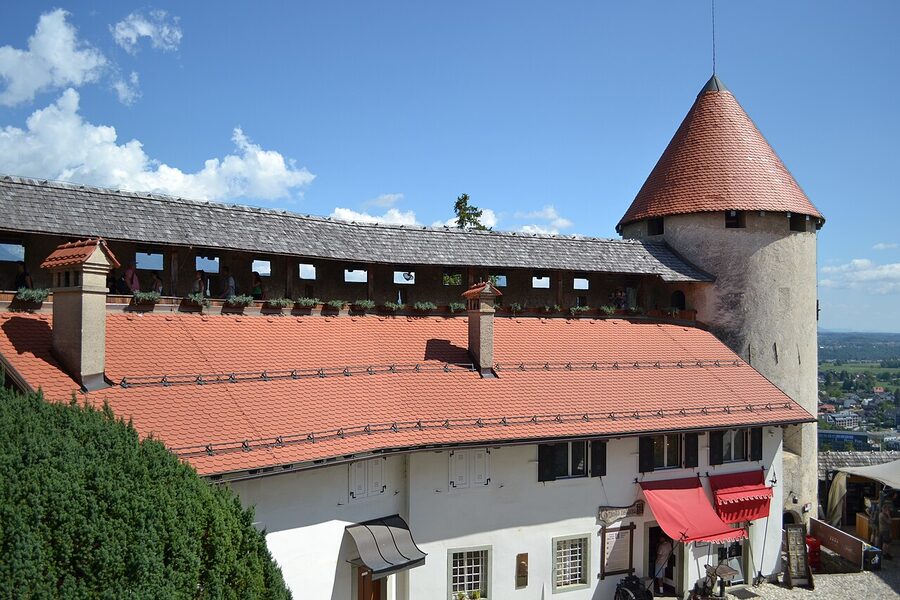
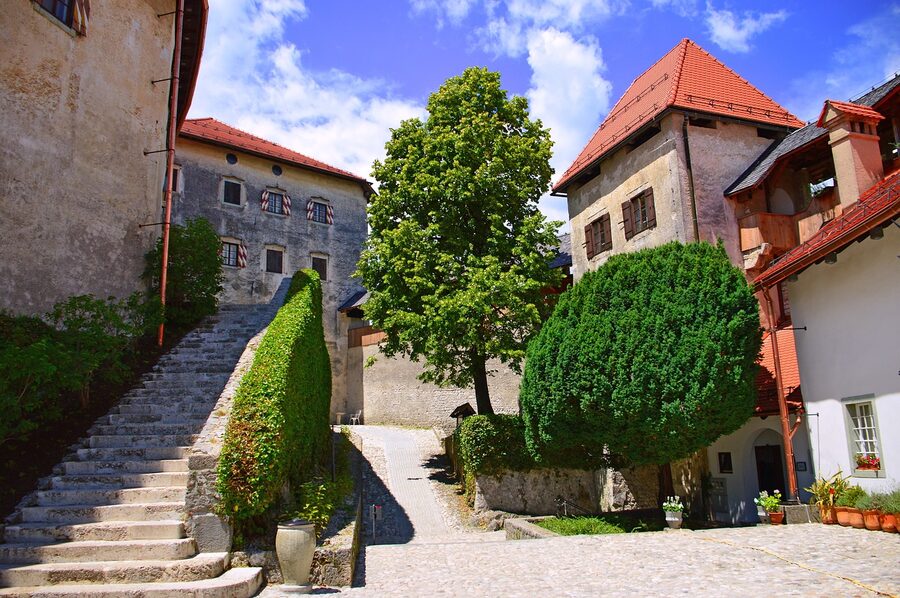
Bled Castle sits on a 130-metre cliff above the eastern shore. It’s Slovenia’s oldest castle, with a recorded founding date of 1011. Most of what you actually see is 16th and 17th-century renovation work over the medieval foundations, but a couple of original Romanesque towers survive at the back.
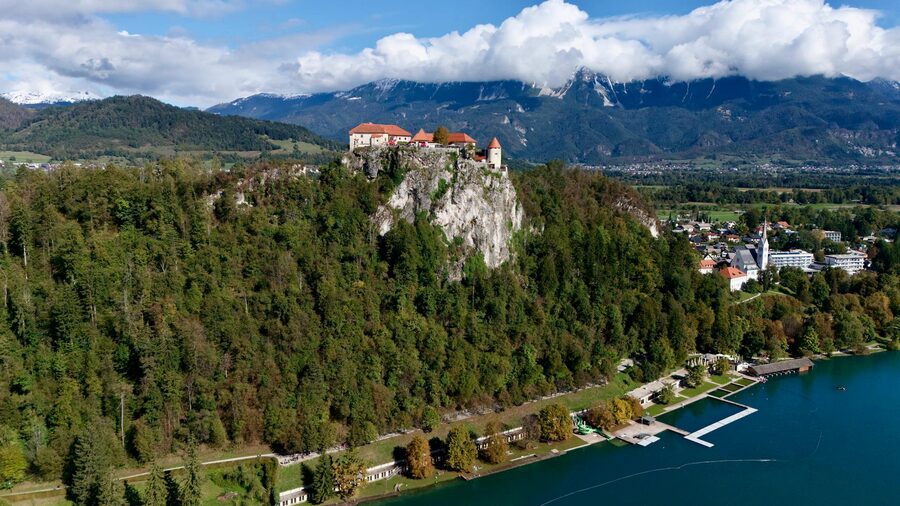
The standard adult ticket is €18 (2025). It gets you the upper and lower courtyards, the chapel, the small museum, and the herb garden. Andrea at Rearview Mirror calls the entry fee a bit steep for what’s inside and I’d agree, you’re paying for the view, not the museum exhibits. The view does the heavy lifting.
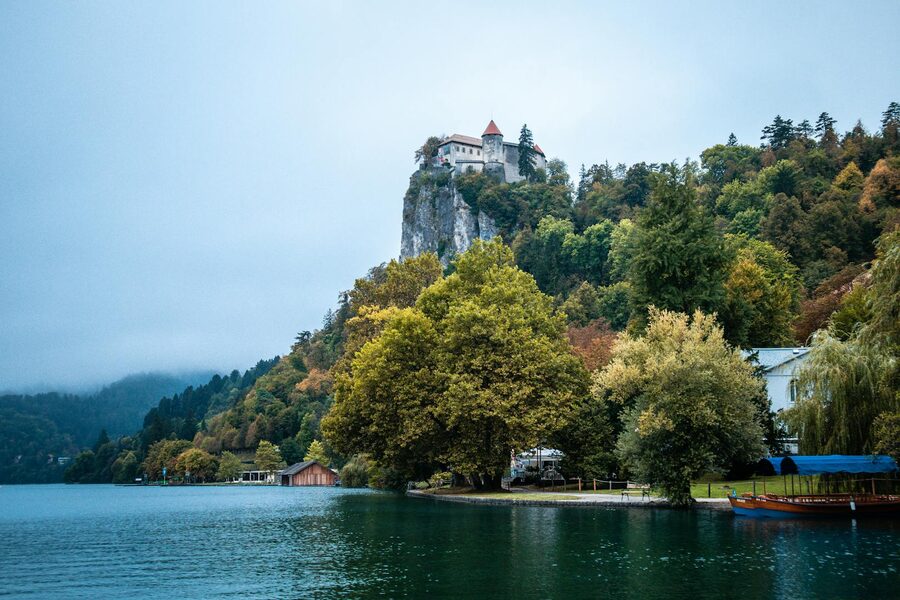
The walk up takes 15 to 20 minutes from the eastern path, mostly through forest. It’s steep enough that you’ll feel it. There are two routes, the longer (and gentler) zigzag from the bus station car park, and the shorter (and steeper) staircase that starts behind St Martin’s Church in the lakeside town. Either way, decent shoes matter. People in flip-flops slip down the gravel sections every summer, embarrassingly often.
_(52679560256).jpg)
The terrace at the upper courtyard is the payoff. You’re looking down at the lake, the island, and the Julian Alps stacked up behind. On a clear morning you can see Triglav, Slovenia’s highest peak, way off to the west. On a grey day you see grey. Bled in cloud is still beautiful, just less photographable.
The castle is open daily, 8am to 6pm in winter and 8am to 8pm in summer. Most day trips don’t include castle entry, so it’s another €18 you’ll spend on top of the tour price if you go inside.
Mala Osojnica, the photo people actually want
The famous Lake Bled photo, the one with the island centred and the castle off to the right, is taken from Mala Osojnica, a small hill on the south-west side of the lake. It’s a 30 to 40-minute uphill walk from the southern lakeshore. Steep, sometimes muddy, mostly through trees. Worth it on a clear morning.
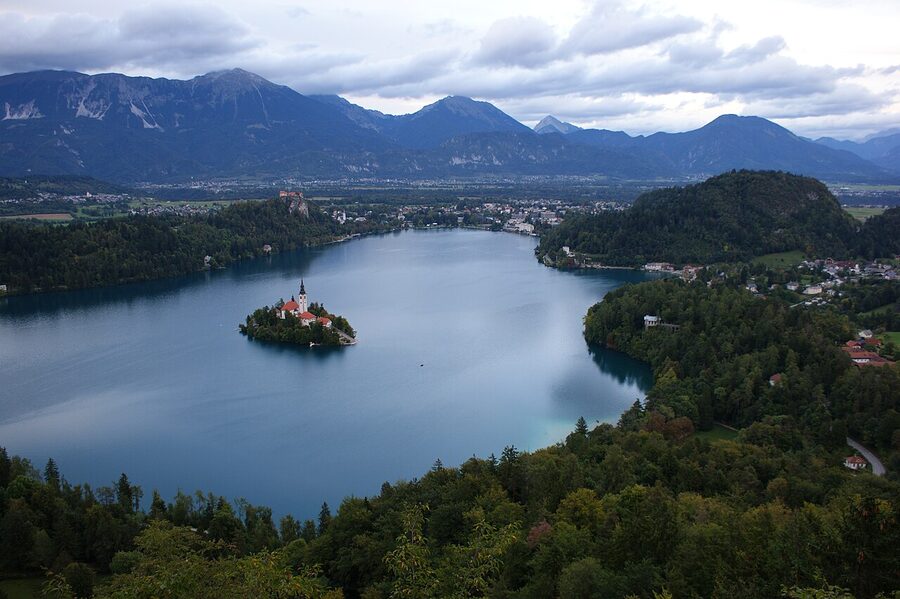

Day-trip tours never go up Mala Osojnica. There isn’t time. If you want this shot, you either need to drive to Bled yourself and start early, or stay overnight. Skip it if you’re on a one-day visit, you’ll get plenty of good lake views from castle level instead.
Don’t skip the cream cake
Kremna rezina is Bled’s signature dessert. It’s a stack of vanilla custard and whipped cream sandwiched between two squares of flaky pastry, dusted in icing sugar. Each portion is the size of a small brick. You won’t finish it.
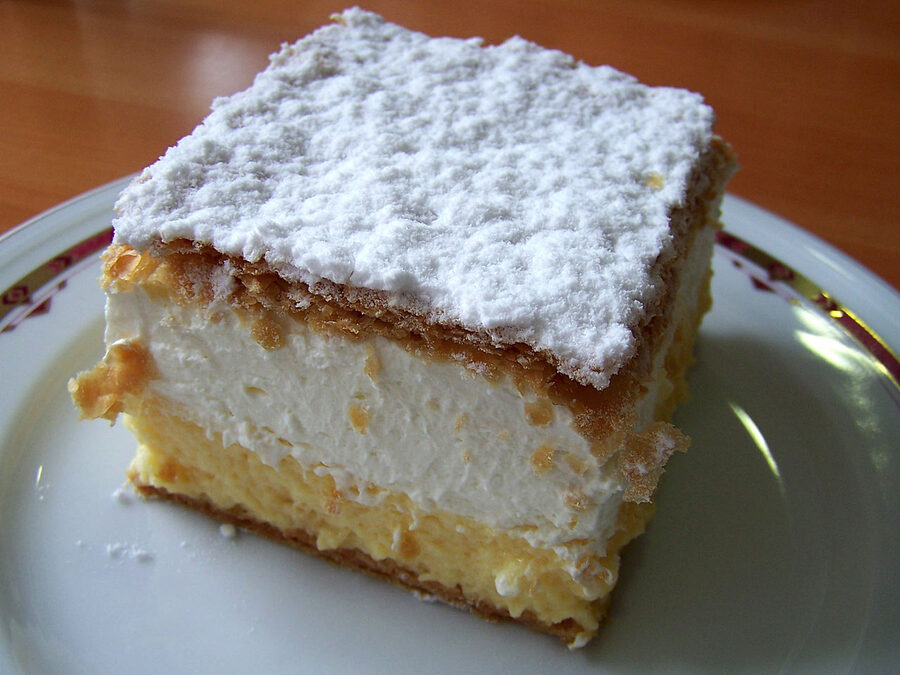

The original is at Park Cafe inside Hotel Park, eastern lakeshore. €6.50 a slice. The terrace looks straight at the island. Order it with a coffee, pretend the day is longer than it actually is, and watch a few pletnas come and go.
Several other Bled cafes serve their own version. Some are honestly fine. None are quite the same as the original. If you only have one cake-stop in you, make it the Park.
Adding Bohinj and Savica
About 30 minutes west of Bled, Lake Bohinj is the bigger, quieter, less-photographed cousin. It’s inside Triglav National Park, surrounded by proper alpine peaks, and the swimming here is much better than at Bled itself (Bled water is warmer in summer, but Bohinj is the one I’d actually swim in).
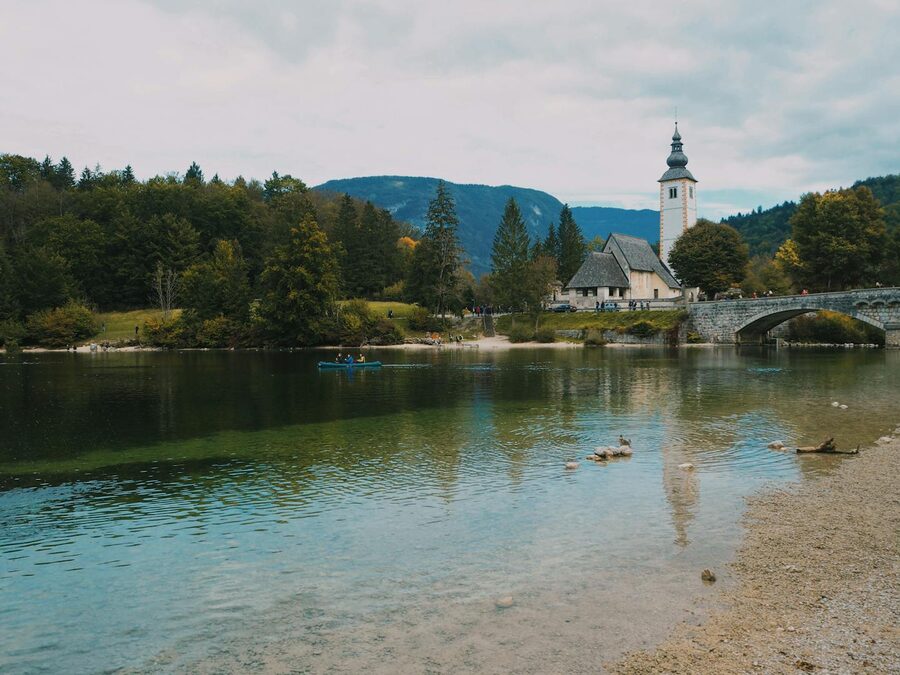
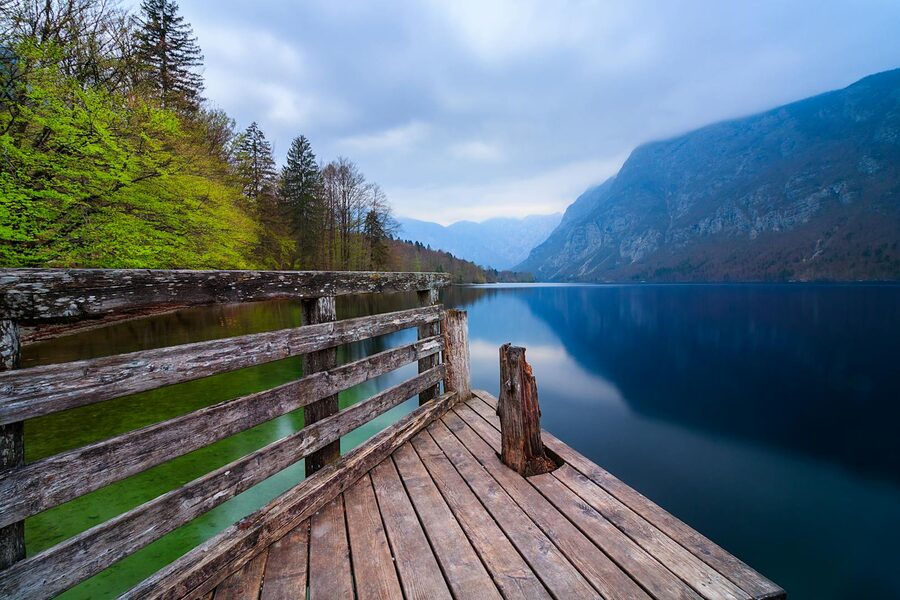
Most Bohinj day trips combine it with the Savica Waterfall, a 15-minute drive from the lake’s western end. Savica is a 78-metre two-tier fall that drops out of a cliff face into a small pool. There’s a 20-minute walking path up from the car park, with a couple of hundred stone steps and one wooden footbridge. Decent shoes, again. The viewing platform is wet and slippery, so leave the camera-strap on.
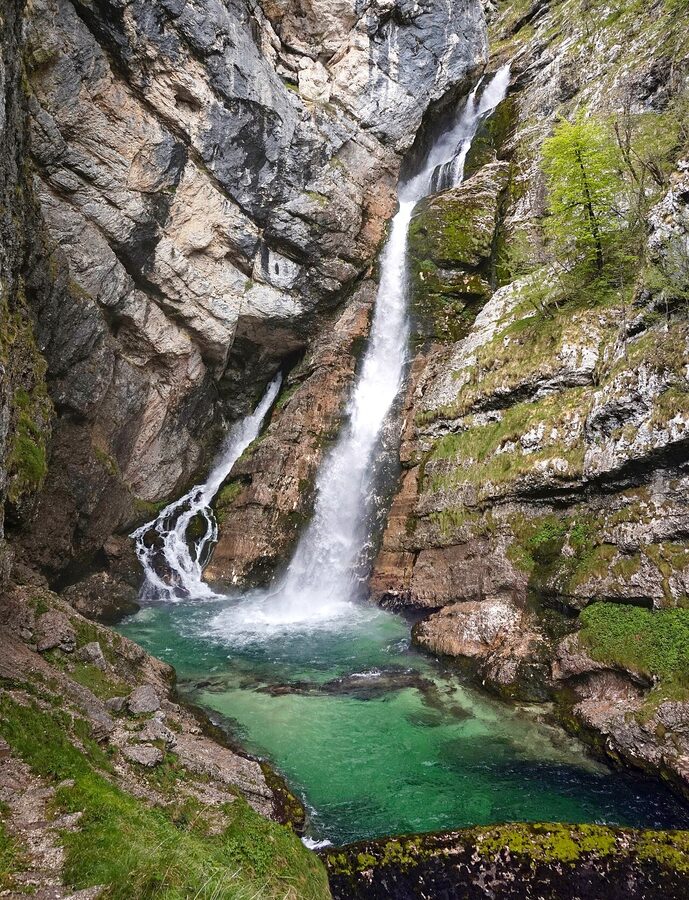

If you’re booking the Savica Waterfall and Lake Bohinj tour above, both stops are baked in. If you’re doing Bled solo and want to add Bohinj after, public buses run a few times a day from Bled to Bohinjsko Jezero, the lake-end stop. About 45 minutes one way. Last bus back leaves around 6pm in summer, earlier in winter, double-check the day before.
Vintgar Gorge if you have an extra hour
Vintgar Gorge is a 1.6 km wooden boardwalk through a karst canyon, four kilometres from Bled town. It cost €15 entry in 2025. The walk takes about an hour each way and ends at the Sum Waterfall. It’s not on most standard day trips, but if you’ve driven yourself or you have a long-stop tour, it slots in cleanly between Bled Castle and lunch.
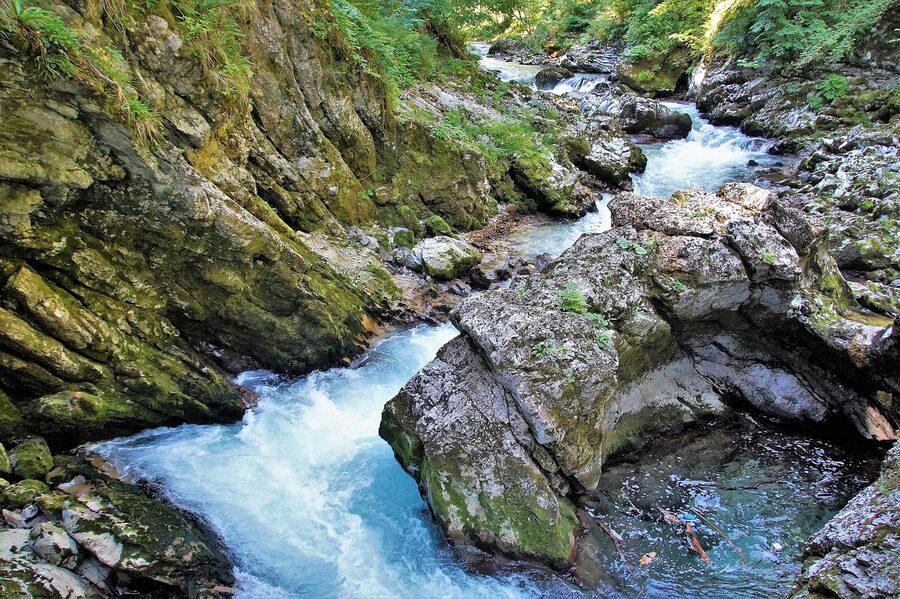
One thing that catches people out, the gorge is one-way. You walk to the end, then take a bus or a 40-minute walking loop back to the entrance. Plan for 2.5 hours total if you want to do the gorge properly. That’s roughly the time you’d spend on Bled Castle plus the kremna rezina stop, so if you’re on a day trip, pick one or the other.
When the lake is best
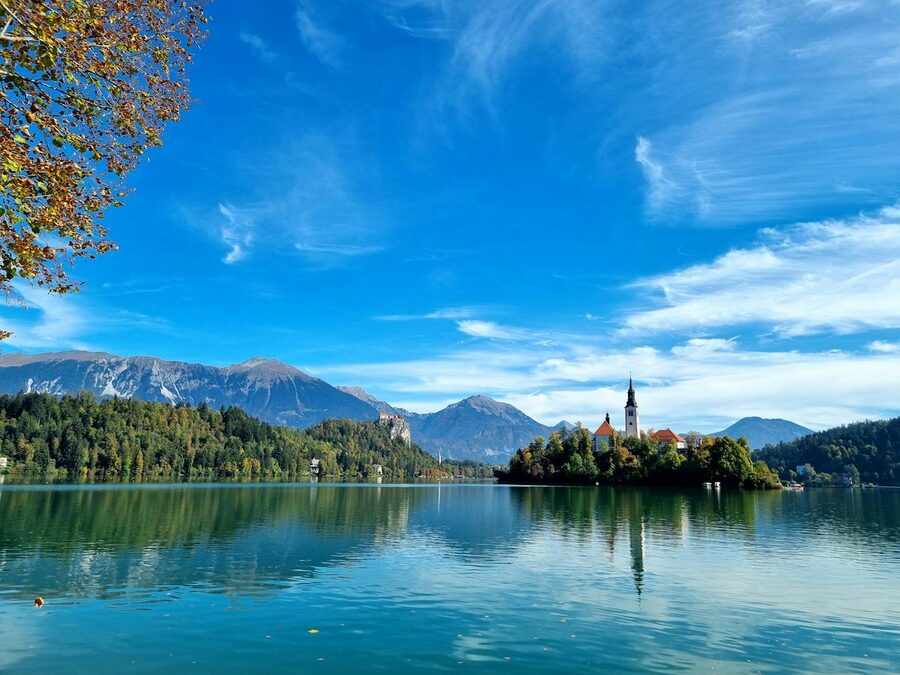
The peak window is late May to mid June and again in September. Daytime temperatures are 20 to 25°C, the surface water is swimmable, and the tour buses haven’t fully arrived yet (in May) or have started to thin (in September).
July and August are the busy months. The lake is genuinely beautiful in summer, but the path around it gets crowded by 11am and the pletna queues can run 45 minutes. If you’re going in August, get to the lake as early as you can. Aim for an 8am start from Ljubljana on a self-drive day, or pick the earliest pickup time on an organised tour.
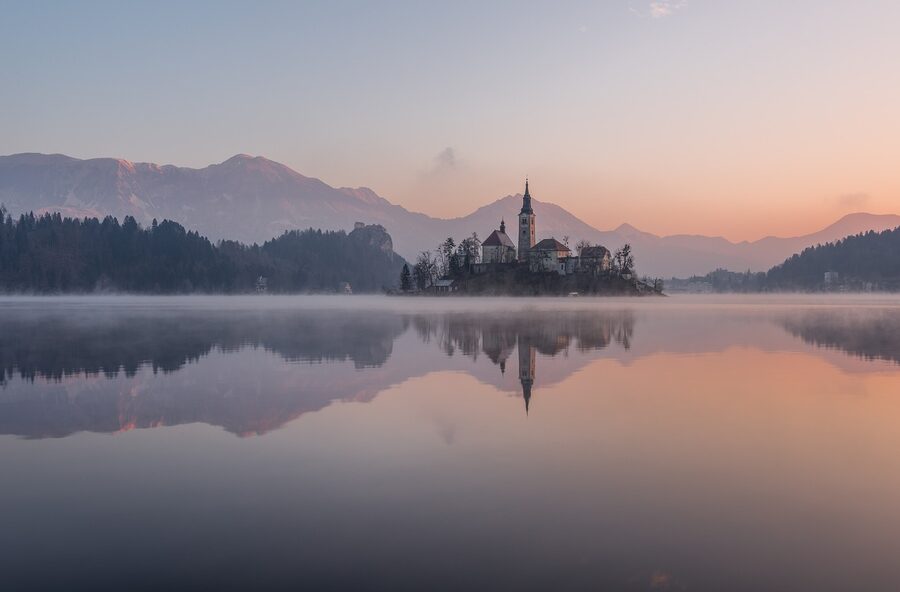
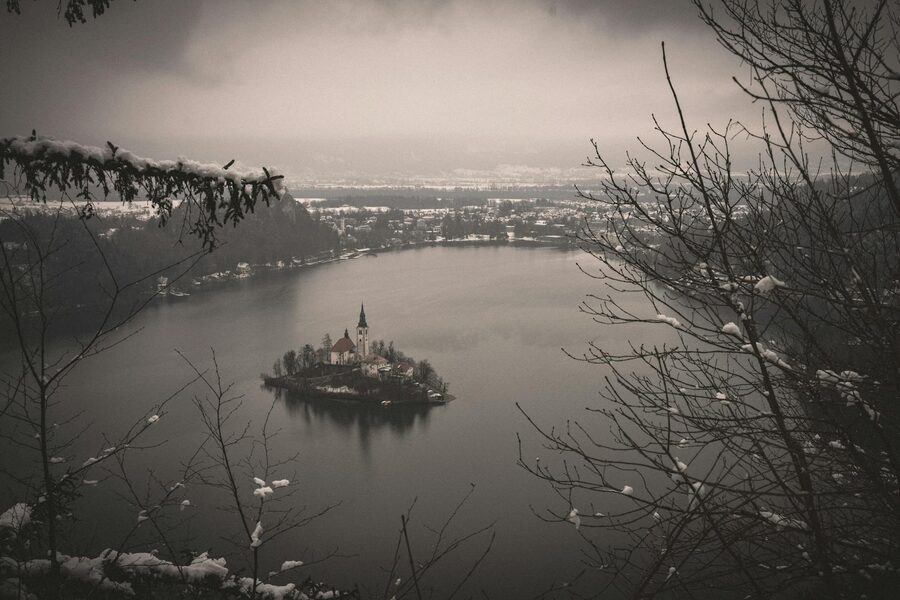
Winter does something different. The lake doesn’t always freeze over but the surrounding peaks usually carry snow from late November to early April. The light is softer, the crowds disappear entirely, and the kremna rezina at the Park hotel feels like the right thing to be eating. Tours run year-round, with reduced schedules in January and February. The pletnas don’t run reliably between mid-November and early March, so check before you go if the boat ride matters to you.
Crowds, briefly
Lake Bled has a reputation for being too busy to enjoy in peak season. It’s overstated. The crowds concentrate in three spots: the path between Park Cafe and the bus station, the boat dock at Hotel Park, and the castle ticket gate. Walk the western or south shore instead and you’ll find stretches with almost nobody. The path is 6 km around, and most day-trip tourists don’t walk more than half of it.
How day trips compare to going by yourself
If you’re already comfortable on European public transport, you can do Bled DIY. Buses run every hour from Ljubljana’s Avtobusna Postaja main station to Bled. Tickets cost €6 to €7 each way. The trip takes around 75 minutes. Get off at “Bled” (not “Lesce-Bled” station, which is on the train line and 4 km from the lake). Buses fill up fast in summer, so buy ahead online or get to the station 30 minutes early.
The DIY case: cheaper, more time at the lake, you set your own pace. Maybe €30 total for round-trip bus, pletna, lakeside lunch and kremna rezina. The tour case: zero logistics, English-speaking guide, hits Savica and Bohinj which the bus doesn’t reach, you can sleep on the way home.
If your Slovenia time is short or you don’t want to think about timetables, take the tour. If you’ve got two days in Ljubljana and want to slow down, do the bus and the lake yourself, then think about a separate cave trip the next day, see how to book a Postojna Cave and Predjama Castle tour for that.
Practical bits
A few things that aren’t obvious until you’re there.
Cash for the pletna. Many rowers don’t take cards. €20 per person, exact-ish change preferred. There are two ATMs in central Bled town near the Mercator supermarket, that’s your last chance once you’re at the lake.
Castle entry isn’t usually included. Most day trips drop you in the lake town and give you free time, not castle access. Budget €18 if you want to go inside.
Entry to the church on the island is separate too. €12 in 2025. If you only want to see the island and ring the bell from outside, you don’t need to pay.
Toilets. There are public ones at the bus station, at Park Cafe, and inside Bled Castle. The pletna boats and the island church have none. Plan accordingly.
Walking shoes. Not hiking boots, but proper walking shoes. The path around the lake is flat but the castle climb and the Mala Osojnica viewpoint are not.
Slovenia uses the euro, not the tolar (which it replaced in 2007). Tipping isn’t expected, 5% on a sit-down restaurant meal is a friendly gesture but not required.
A bit on Lake Bled itself
The lake is glacial. Kind of. The basin was carved by an Alpine ice tongue during the last ice age, about 14,000 years ago, and it’s now fed by warm springs and rainwater rather than direct glacier-melt. That’s why it warms up enough to swim in summer (around 23°C in July), unlike the proper glacier-fed Soca river half an hour to the west.
Bled Island sits in the western half of the lake. It’s the only natural island in Slovenia. The first Christian chapel here was Romanesque, replaced in the 15th century by a Gothic church, then renovated in baroque style in the 17th century, which is the church standing today. The 99 steps go back to that 17th-century rebuild. Earlier visitors arrived by smaller boats and paddled up to a different landing point.
The pletna trade is older than you’d think. Empress Maria Theresa of Austria gave 23 local families exclusive boat rights in 1740, and that license has been passed down through the same families ever since. There are still about 20 active pletna boatmen on the lake. If you watch closely on the way over, the rower works both oars from a standing position with a particular crossing rhythm, that technique is taught father-to-son and you can spot it from the way the boat tracks straight even in crosswind.
Bled Castle’s first written mention is from 1011, in a charter from Henry II of Germany. The early structure was a wooden donjon on the cliff, replaced over the next 500 years with the stone footprint you see now. The castle was a working defensive site through the medieval period and only became a tourist destination in the late 19th century, when the lake itself got promoted as a health resort and royalty started showing up to “take the waters.”
If Bled isn’t enough Slovenia
The country is small enough to do a few things in three days. With Bled checked off, the obvious next moves from Ljubljana are the cave system at Postojna (south-west, 50 minutes from Ljubljana) and the Soca Valley adventure capital, Bovec (north-west, 2.5 hours by car). Postojna and Bled actually pair into one long day with the second tour above. Bovec is a different trip, the Soca river is glacial-cold and turquoise, and the rafting sections there are some of the most fun in central Europe. Our Soca rafting guide has the operator breakdown.
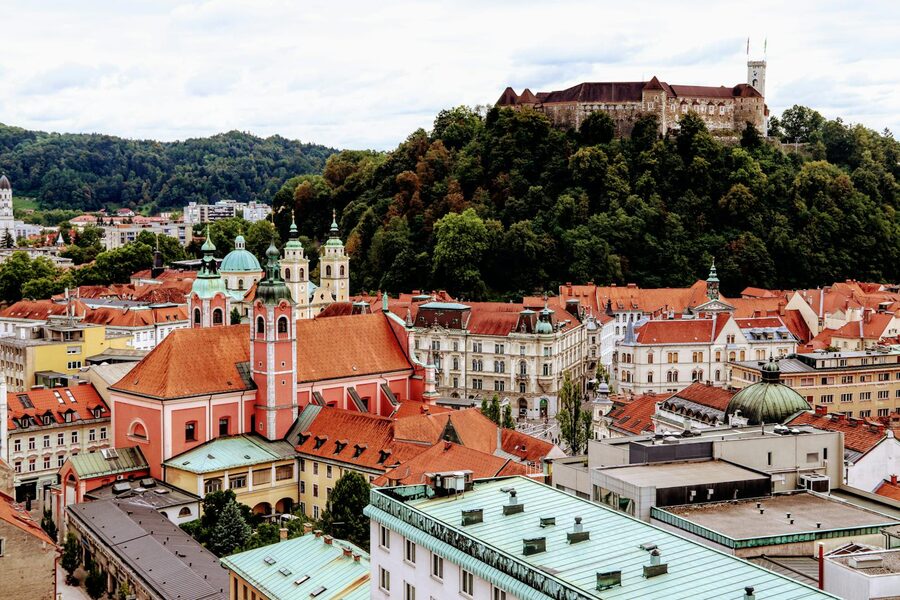
Back in Ljubljana, the city itself rewards an unhurried day. The funicular up to Ljubljana Castle gives you a different version of the cliff-top-castle experience, smaller scale, more central, with a 360 view over the city instead of a single famous lake. Our Ljubljana Castle ticket guide covers the funicular versus walk question if you’re trying to decide.
If lakes are your thing, similar day-trip patterns work well in northern Italy, see our Lake Como from Milan piece for the closest parallel. For day trips with multiple stops in a single ticket, the Segovia, Avila and Toledo run from Madrid follows a similar three-stop logic, and the Windsor, Stonehenge and Bath day trip from London is the British equivalent.
Affiliate disclosure: this article contains affiliate links to GetYourGuide. If you book through one of these links we earn a small commission at no extra cost to you. It helps keep the site running.