
Should you bother with a guided walking tour in a city that’s basically built for wandering on foot? I asked myself that exact question on my first morning in Budapest, sitting at a café on the Pest side of the river with a map and a coffee. The short answer is yes — but not for the reason you’d think. Budapest is two cities glued together along a river, and walking it without a guide means you’ll see the pretty buildings and miss the stories that turned them into landmarks.
This guide covers the broad-orientation Budapest walking tour — the kind that takes you across both Buda and Pest in one go. If you want something narrower (just the Castle District, just the Jewish Quarter, just food), I’ll point you to better-fit options at the end. Three to four hours, two riverbanks, one guide who hopefully knows what they’re doing — that’s the format.
In a Hurry? Three Picks
Cheapest legit option: Budapest City Landmarks Walking Tour in 2 Hours — about $4. A short Pest-side loop with a real guide, not a free-tour-with-mandatory-tip.
Best for first-timers: 3-Hour Orientation Walking Tour of Buda and Pest — about $41. Both sides of the river, good for getting your bearings on day one.
Best small-group option: Budapest All in One Small Group Walking Tour with Strudel Stop — about $100. Slower pace, fewer people, a strudel break baked in.
I’ve done three of these walks now across two trips. The good ones are very good. The bad ones are pleasant but forgettable. Below is what I learned about how to pick, where they actually go, what to expect, and which booking platform tends to deliver what.
- In a Hurry? Three Picks
- What “general walking tour” actually means in Budapest
- Where exactly do these tours go?
- Common stops you might miss if you don’t ask
- The three tours I’d actually recommend
- 1. Budapest City Landmarks Walking Tour in 2 Hours — about
- 2. 3-Hour Orientation Walking Tour of Buda and Pest — about
- 3. Budapest All in One Small Group Walking Tour with Strudel Stop — about 0
- Booking platforms compared
- How far in advance should you book?
- What to wear and what to bring
- Free walking tours: should you bother?
- What general walking tours don’t cover (and how to fix it)
- A bit of history (the version your guide will skim)
- Tipping, group size, and a few practical reads
- Combining a walking tour with the rest of your trip
- A few common questions
- Can you really see Budapest in 3 hours?
- What’s the best month for a walking tour?
- What if it rains?
- If you’d rather plan your own walk
- Other Budapest guides worth your time
What “general walking tour” actually means in Budapest
Locally, the term covers a few different products. They’re all called “walking tours” and the marketing photos look identical, so it pays to know what you’re booking before you click.
The first kind is the two-hour Pest-side landmark loop. These cover roughly the area between Vörösmarty tér, Parliament, and St. Stephen’s Basilica. You stay on one side of the river. They’re cheap, fast, and a sensible pick if you’ve only got an afternoon free.

The second kind is the three-hour Buda-and-Pest combo. This is what most people mean when they say “Budapest walking tour.” You start in Pest, walk across one of the bridges (usually the Chain Bridge or Elisabeth Bridge), spend an hour or so on Castle Hill, then cross back. Don’t expect to enter buildings — you’ll stand outside Parliament, the Basilica, the Opera, and walk past Fisherman’s Bastion. The interior tour of the Castle District is a separate product entirely.

The third kind is the “free” walking tour. There’s no fixed price. The guide tips out at the end, and you pay what you think it was worth. Tour operators like Trip to Budapest, Generation Tours, and Free Budapest Tours run these. They usually meet at Vörösmarty tér or near St. Stephen’s. The catch: tip culture in Budapest now expects 3,000–5,000 HUF (about $8–14) per person for a three-hour walk, so the “free” tour costs about as much as a paid one once you factor in what’s expected.
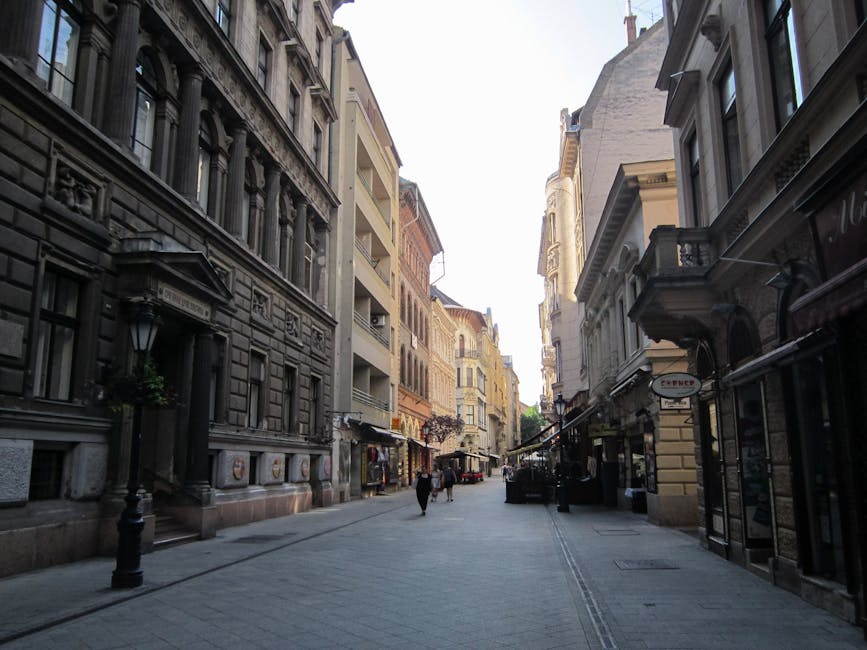
The fourth kind is the themed walking tour — communism, Jewish heritage, food, ruin bars, ghosts, Buda Castle history. These are narrower in scope and won’t give you the city-wide overview. Useful as a second walk on day two or three. Skip them if it’s your only walking tour.
Where exactly do these tours go?
Routes vary by operator, but there’s a common spine. Most general Buda-and-Pest tours hit the same dozen or so points in slightly different orders. Here’s what to expect.

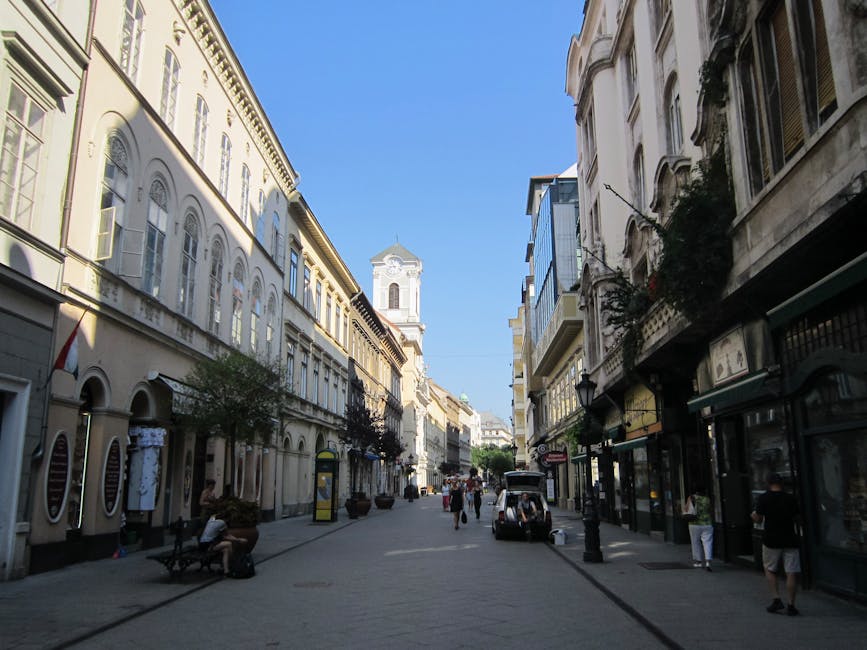
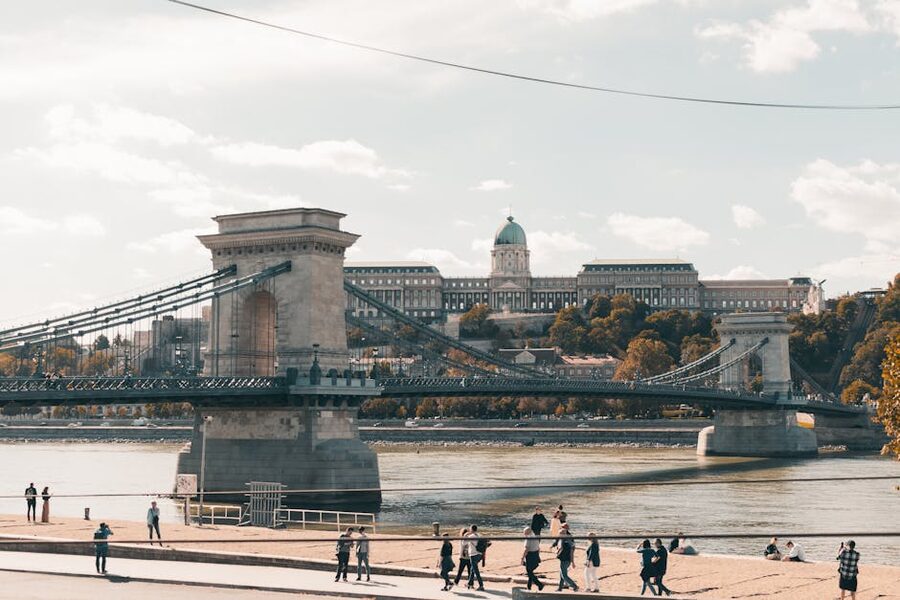
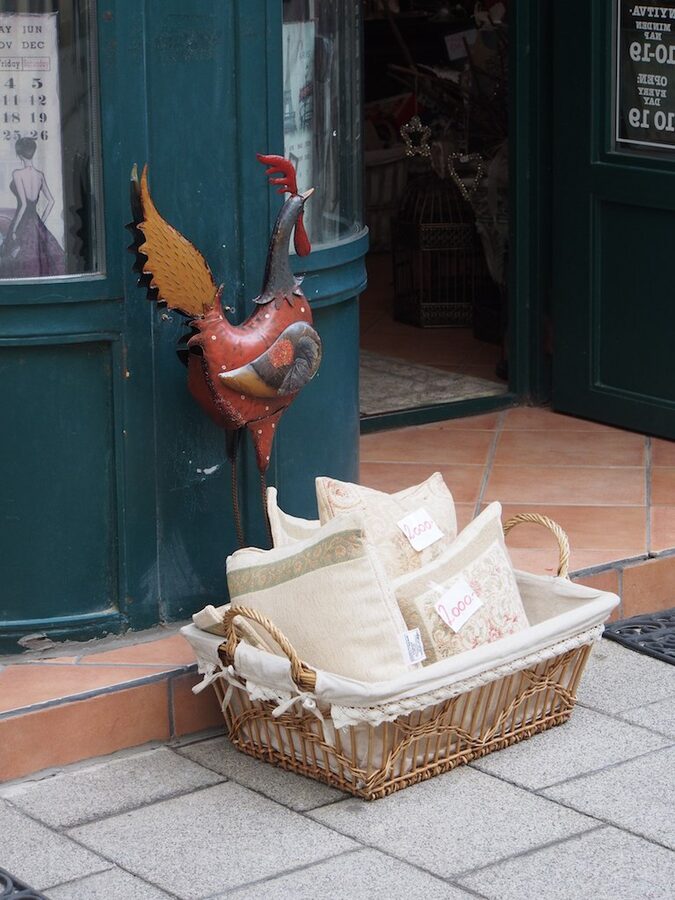
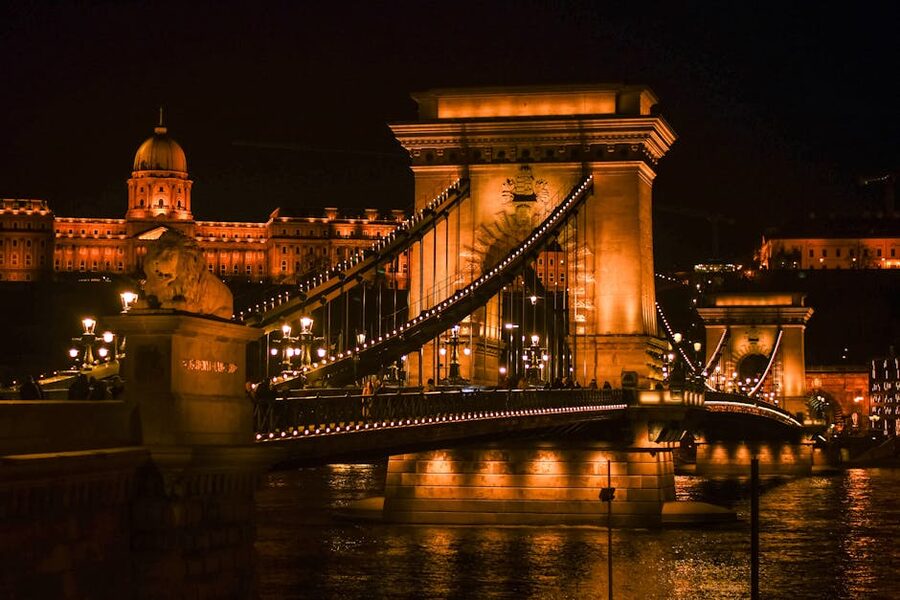
Starting point is usually Vörösmarty tér — the big square at the end of Váci Street, easy to find, close to the M1 yellow metro line. From there you walk north along the river to Roosevelt tér, where you’ll hear about the Gresham Palace (now the Four Seasons hotel) and the Chain Bridge.
.jpg)
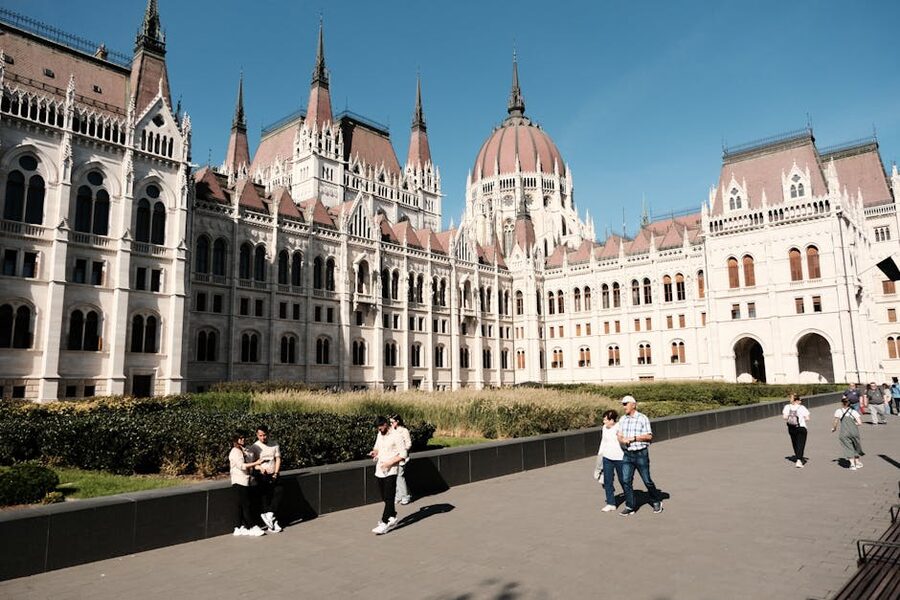
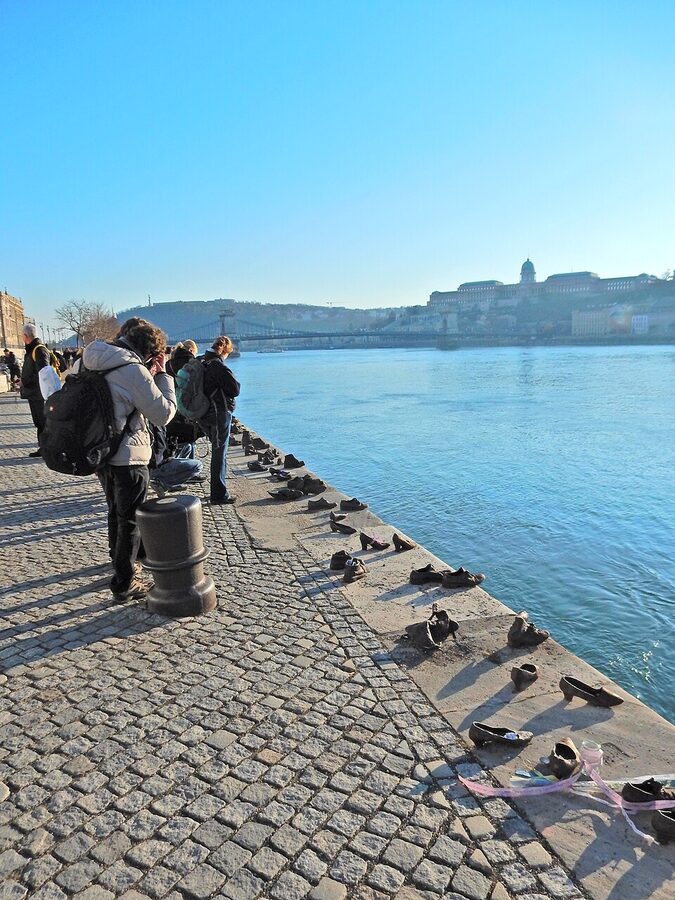
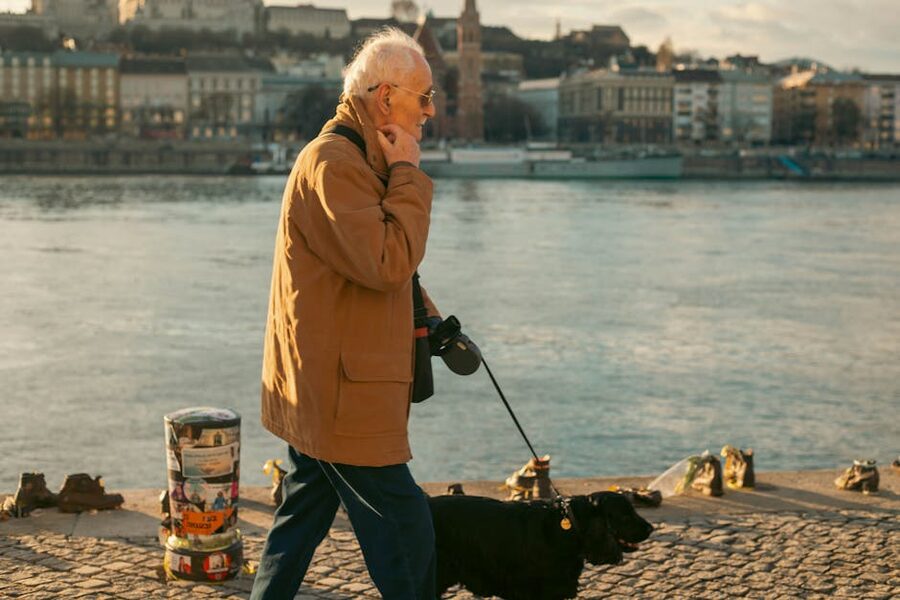
Then you walk up to Kossuth Lajos tér for the Parliament view, and a short detour to the Shoes on the Danube Holocaust memorial. Some guides skip the memorial. The good ones don’t — it’s one of the few moments on the walk where the group actually goes quiet.
.jpg)
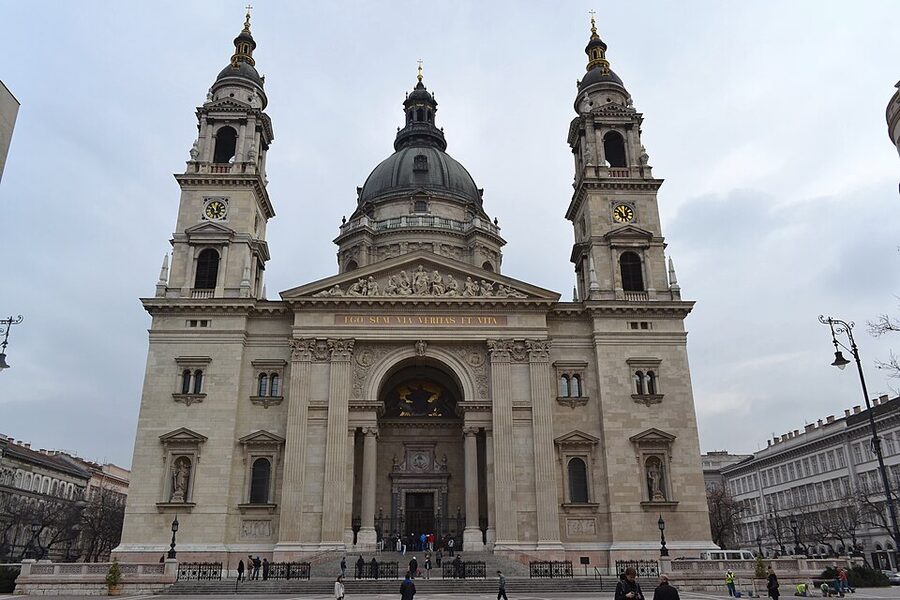
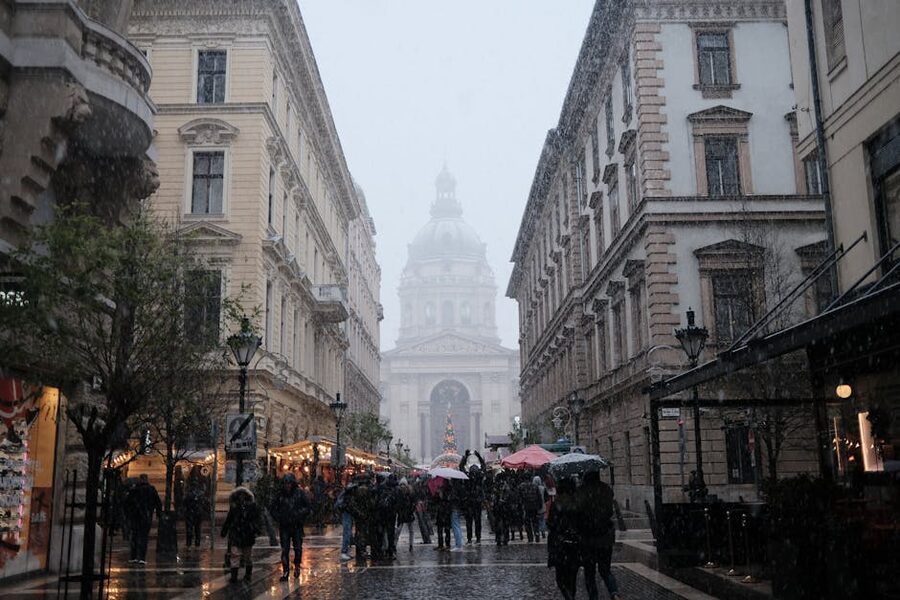
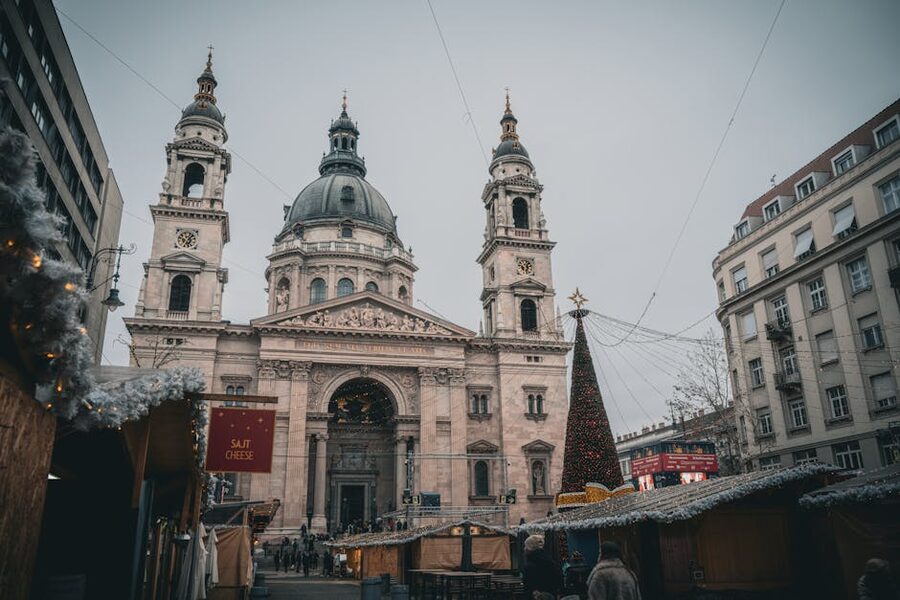
From the memorial, the route doubles back toward St. Stephen’s Basilica on Szent István tér. Guides usually pause in the square for ten minutes — long enough for photos, not long enough to go inside. After the Basilica, most tours either head down Andrássy Avenue for a few blocks, or push west toward the river to start the bridge crossing.
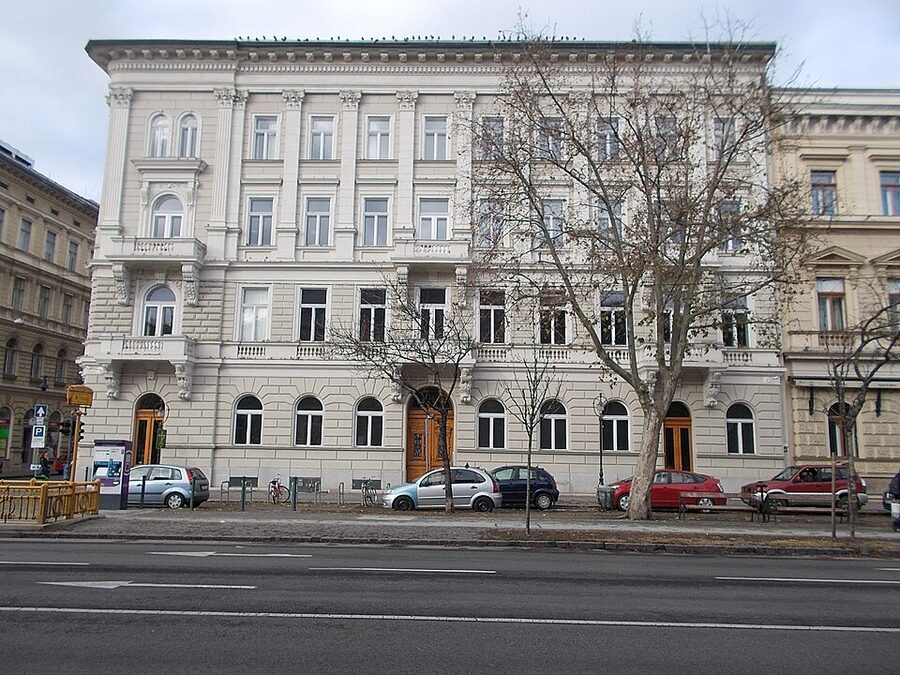

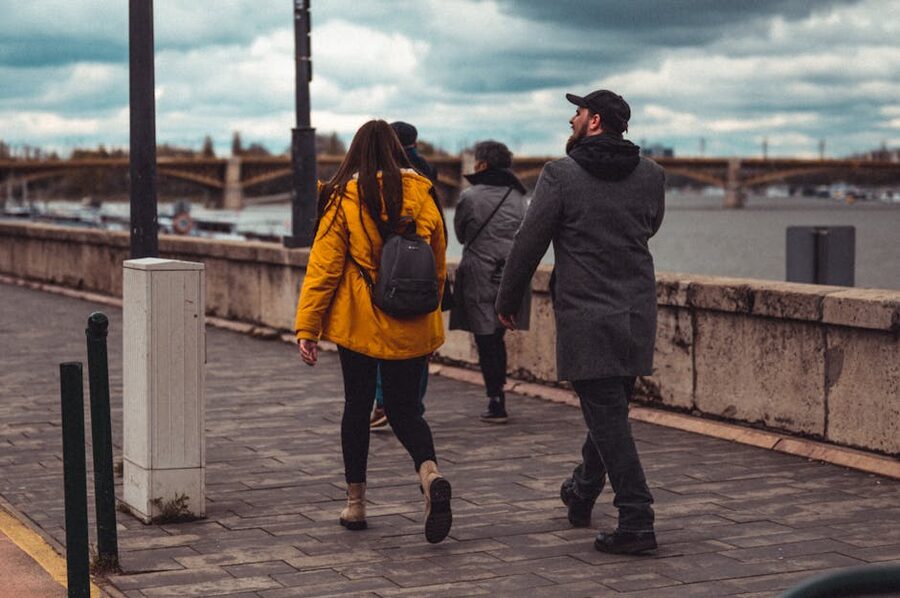
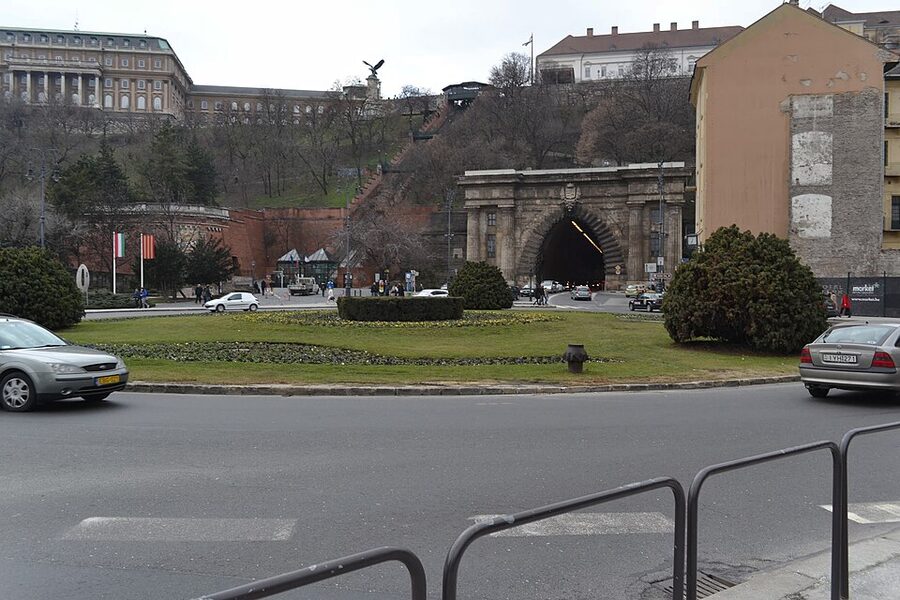
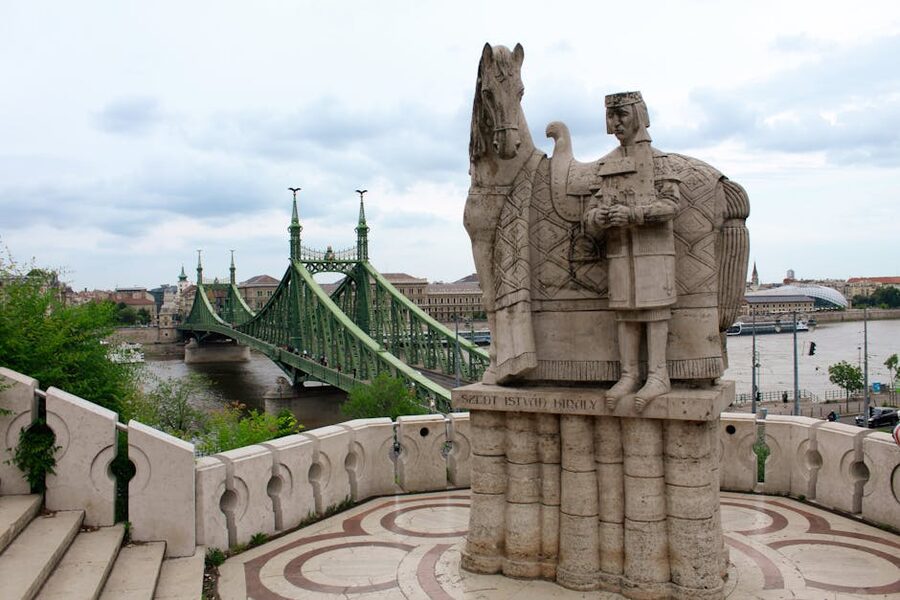
The bridge crossing is usually the Chain Bridge. It’s the most famous and the most photogenic. Some operators use the Elisabeth Bridge instead because there’s less foot traffic, but you lose the view. On the Buda side, you have two options: walk up Castle Hill on foot (steep, takes about 15 minutes), or take the funicular (extra cost, usually not included). A few tours include the funicular price; most don’t. Read the inclusions before you book.
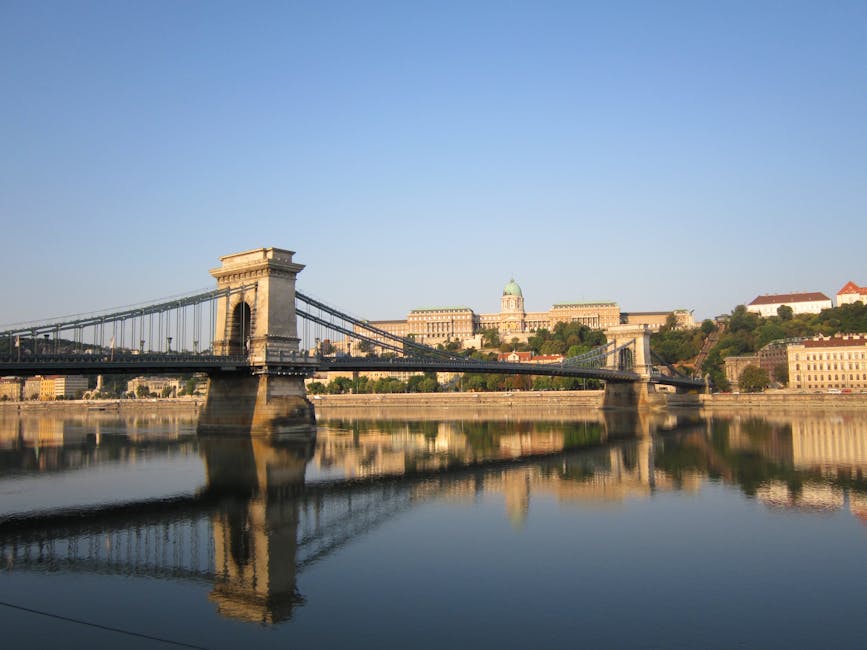
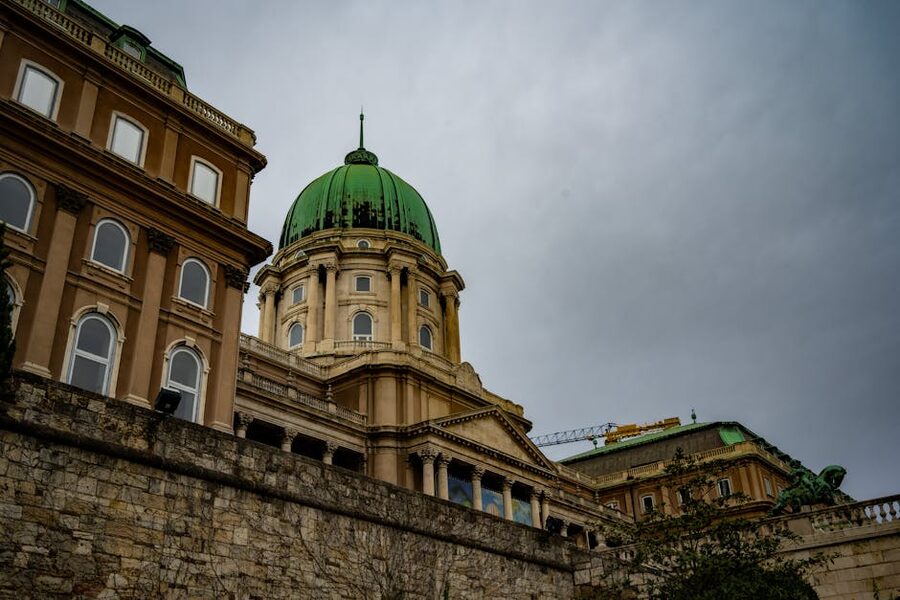
Up top in the Castle District, the typical stops are: the Royal Palace courtyard, the Sándor Palace (the president’s residence), Trinity Square, Matthias Church, and Fisherman’s Bastion. Guides will spend most of their time at Trinity Square and the Bastion overlook. You won’t go inside Matthias Church on a general tour. Same for the Royal Palace — the museums (Hungarian National Gallery, Budapest History Museum) are separate tickets and not included.
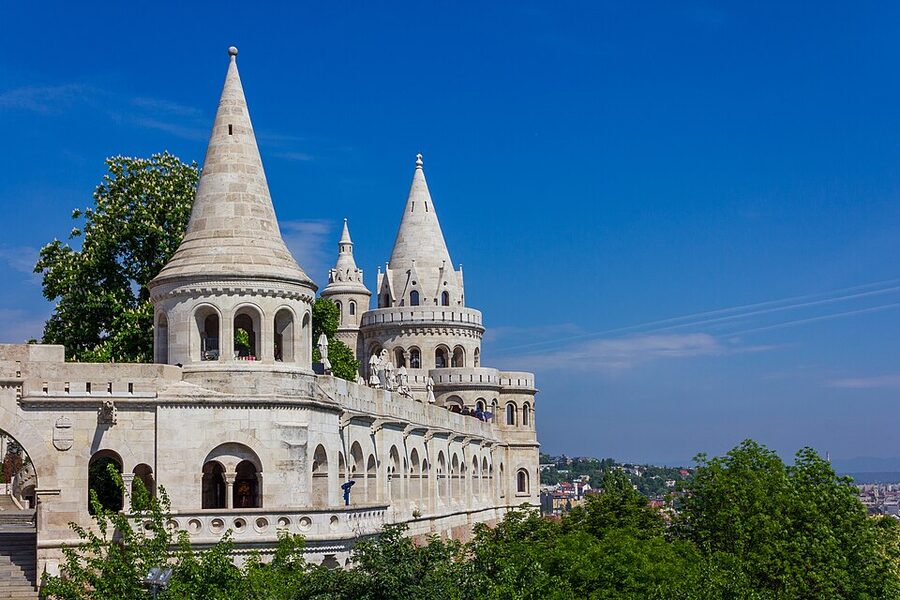
From the Bastion, tours either walk back across the Chain Bridge or end up on Castle Hill (in which case you make your own way down). I’ve had both. The walk-back-to-Pest version feels more complete; the end-on-Buda version dumps you somewhere awkward. Ask before booking.
Common stops you might miss if you don’t ask
Most tours fly past these without stopping. If you’re interested, mention it to the guide before you start — most are happy to add a 5-minute detour.
- Liberty Square (Szabadság tér) — the controversial 2014 monument to the German occupation, plus the Soviet War Memorial that nobody quite knows what to do with.
- Hungarian State Opera House — the exterior is on Andrássy. Worth standing in front of even if you don’t go in.
- Vajdahunyad Castle — only if you’re doing an extended Hősök tere stop, which most general tours skip.
- The seven-headed dragon at Szabadság tér — actually a fountain, but local guides love it as a stop because it’s hilariously specific.


The three tours I’d actually recommend
I’ve narrowed the picks to three different products covering three different price points and group sizes. None are perfect. Here’s what each one does and doesn’t do well.
1. Budapest City Landmarks Walking Tour in 2 Hours — about $4
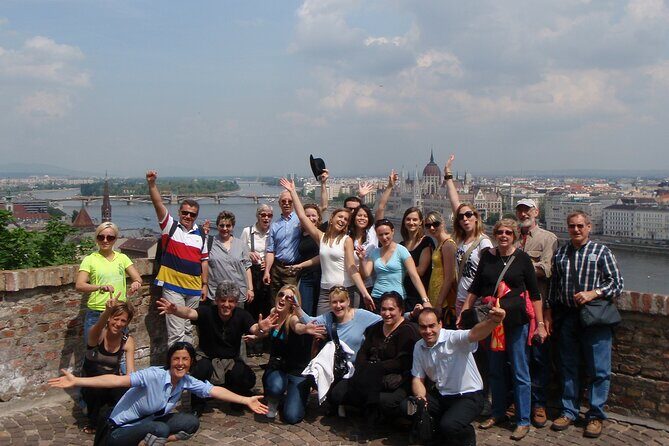
This is the cheapest legitimately-paid walking tour in Budapest. Our full review goes deeper on what’s covered. It’s two hours, Pest only, no river crossing. You’ll walk past the Budapest Eye, Parliament, the Basilica, and Erzsébet tér. Don’t expect deep history — at this price point the guide moves quickly. But for a first-day orientation, it works.
2. 3-Hour Orientation Walking Tour of Buda and Pest — about $41
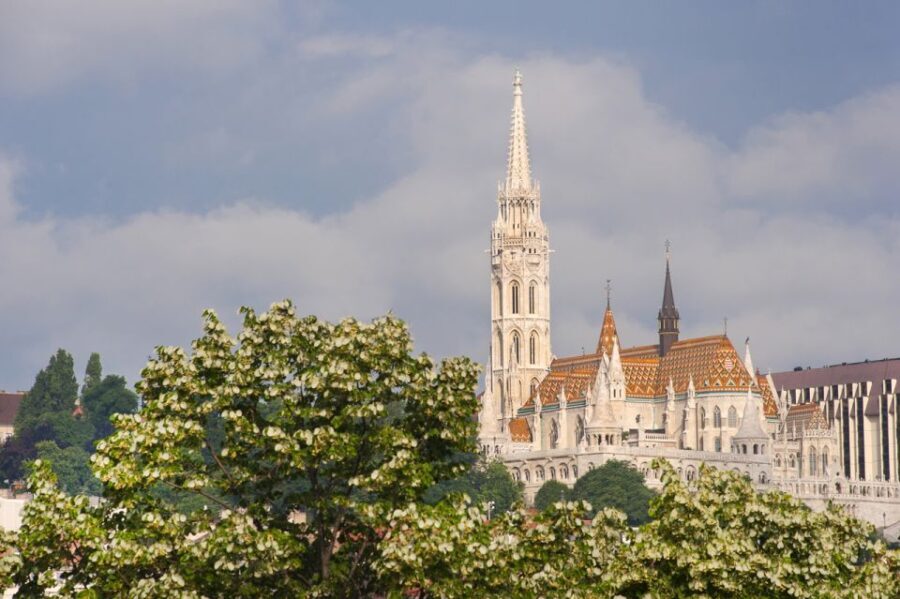
This is what I’d book on a first trip if I had three hours and wanted to see both sides. The guide takes you from Pest across the Chain Bridge, up to Castle Hill, and back. Our review covers the route in more detail. Smaller groups than the free tours, real licensed guides, and they’ll usually tip you off on which restaurants nearby are tourist traps and which are decent. That alone is worth the price.
3. Budapest All in One Small Group Walking Tour with Strudel Stop — about $100
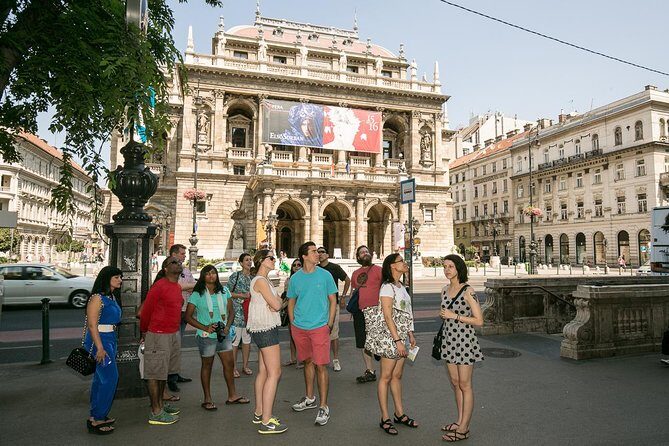
If you can stretch to it, this is the version that turns a walking tour into something memorable. Our full write-up details what’s included. You get the same general route — Heroes’ Square, Andrássy, the Castle District — but at a pace that lets you ask questions, take photos without being herded, and actually hear the guide. The strudel stop is at a working bakery, not a tourist trap. Not cheap, but the only one of the three I’d consider in summer when the cheap tours get crowded.
If those three are sold out (common in July and August), there’s a fourth option I’d consider: the Budapest 3-Hour Live Guided Sightseeing Tour. It’s a similar route at about $35, and runs daily even in shoulder season. The reason it didn’t make my main three is that the route quality varies more by guide — some are excellent, some rush. Worth a look if dates are tight.
Booking platforms compared
Most walking tours are sold on four major platforms. They look identical. They aren’t.
GetYourGuide is my default — most operator variety, free cancellation up to 24 hours on most products, clean app for finding meeting points. The downside: the cheapest sub-$10 tours sometimes aren’t listed here because operators stick to Viator or local platforms.
Viator covers more of the bargain-bin tours. The Budapest City Landmarks 2-hour tour is Viator-exclusive at the rock-bottom price. Cancellation windows are stricter than GYG’s — some are 24 hours, some are non-refundable.

Civitatis is strongest for free walking tours and English-language ones too. Meeting-point reliability is high. Watch the price field — free tours with a $0 booking fee still expect a tip in cash on the day.
GuruWalk aggregates free walking tours globally. Selection is large. If you go this route, bring small forint notes — guides often can’t make change for a 10,000 HUF bill, and card-only tip rarely works.
Skip direct booking through tour operator websites unless you’ve researched the operator. A few are excellent (Trip to Budapest, Generation Tours), but plenty of small ones have flaky confirmation emails or change meeting points without notice. The platforms exist for a reason.
How far in advance should you book?
For peak season (June through August), book at least a week ahead. The cheap Pest-only tours sell out faster than the premium small-group ones because the price difference puts them in everyone’s budget.
For shoulder season (March–May, September–October), three to four days ahead is fine. Same-day booking sometimes works on free tours but you can’t guarantee a slot.
For winter (November–February), you can usually walk up. The big exception is the week between Christmas and New Year, when the Christmas markets pull tourist numbers up to summer levels. Book ahead for that window.
One thing platforms don’t tell you: cancellation windows kick in 24 hours before the tour, but the tour itself runs rain or shine. I’ve been on a Budapest walking tour in driving sleet that nobody cancelled because they’d already passed the refund window. Bring a waterproof jacket if the forecast looks shaky and you’re already inside the cancellation window.
What to wear and what to bring
Cobblestones, hills, and at least 6–8 km of walking. The single biggest mistake I see on these tours is people wearing dress shoes or sandals on the Castle District cobbles. By the second hour they’re hobbling.

Bring water — most tours don’t include it and the only stops with affordable bottles are the metro station kiosks (Spar at Deák Ferenc tér is fastest). The cafés along the route mark up bottles to 800 HUF or more.
Bring some Hungarian forint in cash. Card payments are fine almost everywhere in Budapest, but tipping in cash is the norm and it has to be HUF, not euros. ATMs in the centre have decent rates if you skip the dynamic currency conversion option (always click “without conversion”).
If your tour starts on Castle Hill, work out the funicular vs walk-up question before you arrive. The funicular costs 4,000 HUF one way as of 2026 and the queue can be long. Walking up takes 15 minutes via the path next to the funicular tracks and is free.
Free walking tours: should you bother?
Usually no. The economics don’t work the way the marketing suggests.
Here’s what happens. The “free” tour costs nothing to book. You show up, the guide does a great job, and at the end they’ll tell you that 5,000 HUF (~$14) per person is the going rate. Most people pay it. So you’ve paid as much as a paid tour, except:
- The group is bigger (often 25–40 people)
- The guide can’t deviate from the standard route because they need to keep the group together
- You can’t ask questions easily — by the time you reach the front of the group, the guide is already talking about the next thing
- If you tip less than expected, you can feel the awkwardness
The exception: if you’re genuinely on a tight budget and won’t tip more than 1,000 HUF, a free tour is fine. The guides are mostly good, the routes are sensible, and you’re not under any contractual obligation to tip a particular amount. But the social pressure is real and most people fold.
If you go this route, the free tours run by Trip to Budapest have the best reputation among the people I’ve spoken to in hostels. Generation Tours is also reliable. Book the slot online (it’s still free) so they don’t show up overbooked.
What general walking tours don’t cover (and how to fix it)
A general tour is exactly that — general. After three hours you’ll have a working map of the city in your head and a few stories. You’ll have seen no interiors, eaten nothing, and missed entire neighbourhoods.

Things you’ll need separate plans for:
The Jewish Quarter and ruin bars. District VII is its own world. A general walking tour might wave at the Dohány Synagogue from a few blocks away, but you won’t enter the quarter. Our ruin bar pub crawl guide covers what to do here at night.
The actual interior of Buda Castle. The Royal Palace is now a museum complex (Hungarian National Gallery, Budapest History Museum, National Library). General tours don’t enter. If you want the inside of Castle Hill, see our Buda Castle tickets guide or the dedicated Castle District walking tour.
The thermal baths. No walking tour will dip into a bath. Széchenyi and Gellért are the headliners, and the modern Mandala Day Spa is a quieter alternative.
The Danube from the water. Walking tours stay on land. For the river view that includes Parliament from below, a Danube cruise is the standard add-on. Or, if you want both at once, the floating bus tour drives the streets and then enters the river.
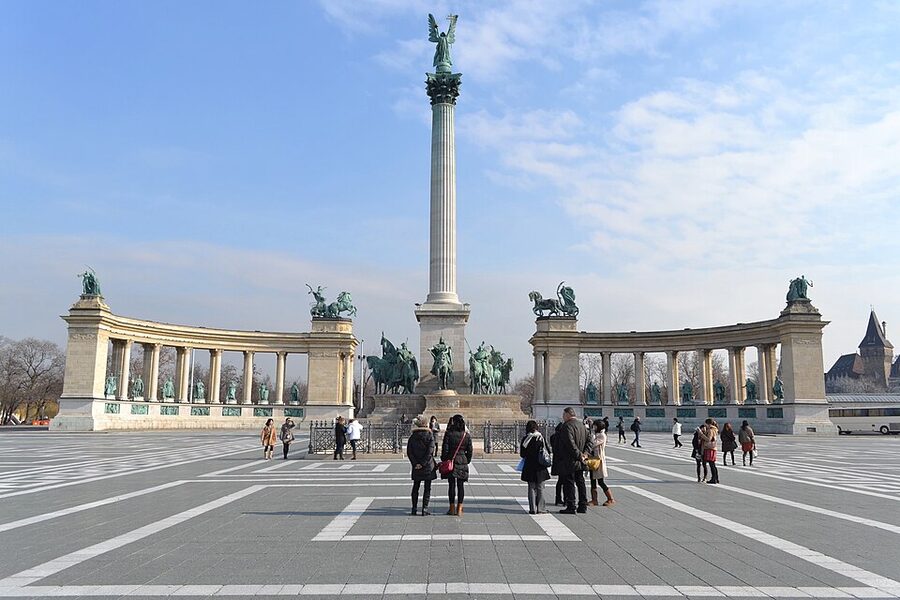
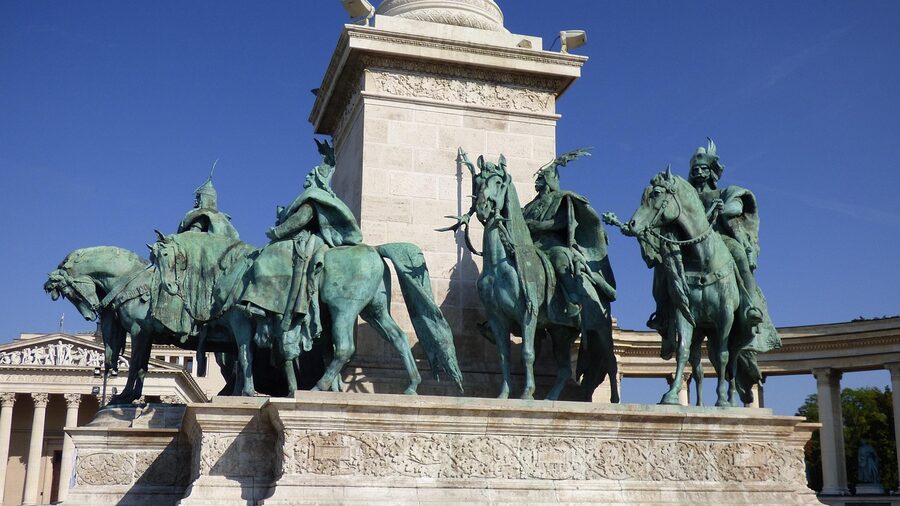
Heroes’ Square and City Park. A general Pest tour might mention them, but rarely walks there. Take the M1 yellow metro from Deák tér to Hősök tere — it’s eight minutes and the metro line itself is a UNESCO heritage thing.

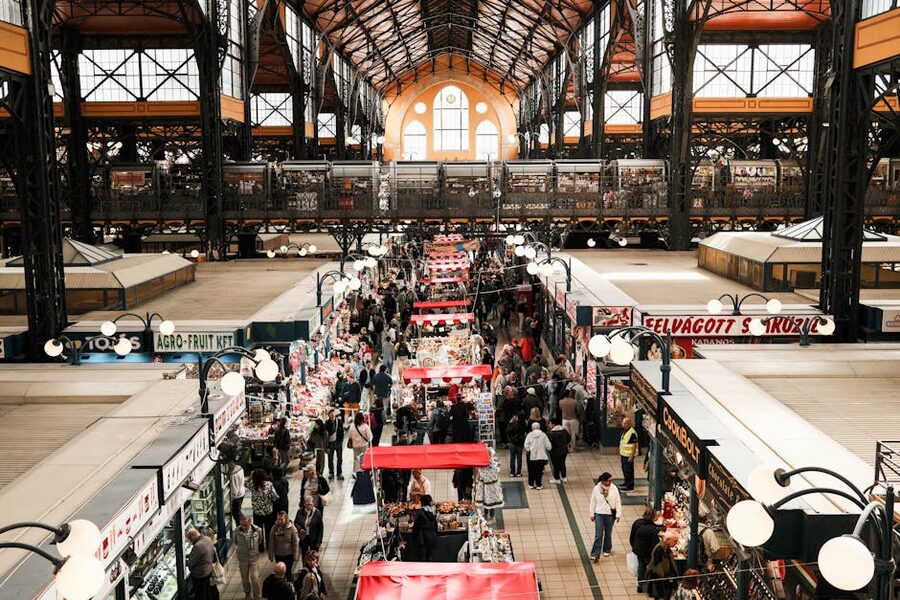
The Central Market Hall. Sometimes mentioned, rarely entered. The hall is a 5-minute detour from Liberty Bridge and the upper floor is much better for food souvenirs than Váci Street.
A bit of history (the version your guide will skim)
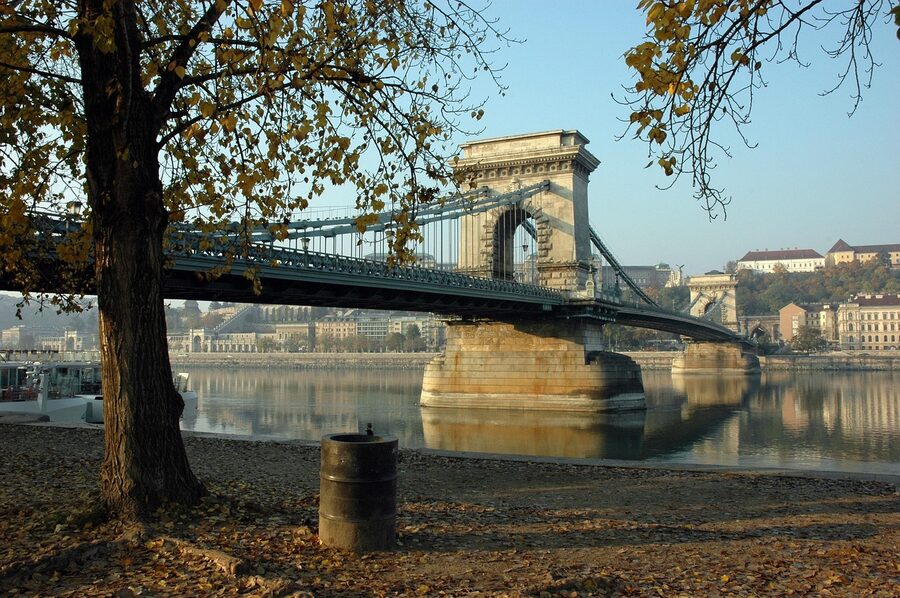
Budapest as a single city is younger than you’d think — only since 1873. Before that, Buda, Pest, and Óbuda were three separate towns, with Buda the royal seat and Pest the merchant town. The bridges across the Danube were the unification — the Chain Bridge, opened in 1849, was the first permanent crossing and the engineer who designed it (William Tierney Clark) and the chief construction engineer (Adam Clark, no relation) became local heroes.
The buildings on Andrássy and around Parliament are mostly from the 1880s and 1890s — a building boom timed to the millennium of Hungarian statehood in 1896. That’s also why so much of central Pest looks like Vienna or Paris: the architects of the era were studying both. The Opera, the Basilica, the Parliament Building, and the M1 metro all opened or completed within about 15 years of each other for the millennium celebrations.
The 20th century was unkind. The Holocaust killed roughly two-thirds of Budapest’s Jewish population. The 1944–45 Siege of Budapest destroyed every Danube bridge and most of Castle Hill. Forty years of communism left a layer of grey concrete on the edges of the centre. Then, since 1989, the city has been steadily restoring what was lost — Castle District is mostly post-war reconstruction; Parliament is original; Andrássy is original-ish; the Opera was restored 2017–2022.
A good guide will work some of this in. A bad guide will tell you the Chain Bridge lions have no tongues. They do. It’s the best-known fake fact about Budapest and you’ll hear it from at least one guide on any given day.
Tipping, group size, and a few practical reads
Tipping etiquette: 10–15% on a paid tour, 3,000–5,000 HUF per person on a free tour. Always in cash, always in HUF. Guides here aren’t insulted by smaller tips when service is thin — they’re insulted by zero.
Group size matters more than route quality. A 10-person group with a mediocre guide beats a 35-person group with a brilliant guide every time — you can hear, ask questions, and not get physically separated from the explanation. If an operator advertises “small group” but the cap is 25, that’s not small. Real small groups cap at 12.
Fitness check: most general tours involve about 6–8 km of walking with a stretch of uphill. If you have knee or hip issues, the funicular up Castle Hill is the move (worth the 4,000 HUF). Coming back down is harder than going up — the stairs are irregular.
Combining a walking tour with the rest of your trip
Day one is the right slot for a general walking tour. You’ll spend the rest of the trip retracing parts of it on your own, and the orientation pays off. Don’t book it for day three — by then you’ve already worked out where things are and the value drops.
If you’ve only got 36 hours in Budapest, the order I’d run is: walking tour day one morning, thermal bath afternoon, river cruise at sunset, ruin bars at night. Day two, hop-on hop-off in the morning to catch what the walking tour skipped (Heroes’ Square, City Park, Margaret Island), then a themed afternoon — either Buda Castle caves or Cinema Mystica if it’s wet. Wrap with whatever you missed.
If you have three days or more, save the walking tour for later in the trip and do an orientation by hop-on hop-off bus first. Our hop-on hop-off guide compares the operators. The HoHo gives you the lay of the land at vehicle speed, then a walking tour goes deeper into the same area on foot.
If you’re cycling-curious, a Budapest bike tour covers more ground than a walking tour and gets to areas (Margaret Island, City Park, the riverside paths) that walks don’t reach. The trade-off is you can’t really stop and absorb the buildings — you’re moving.
A few common questions
Can you really see Budapest in 3 hours?
Not properly. You’ll get a working orientation. You can see the headline buildings from the outside. You can’t see anything in depth. Three hours buys you a map in your head, not deep understanding.
What’s the best month for a walking tour?
May and September. April and October work but weather is unreliable. June through August is good but hot — start before 10am or after 5pm. Winter walking tours work for the Christmas markets window (mid-November to early January) and are surprisingly nice the rest of winter if you dress for it.
What if it rains?
The tour runs unless lightning is involved. Bring a packable rain jacket. Umbrellas are a pain on the bridges because of crosswinds — a hood is better. Castle District has limited shelter, so dress for the worst of the day’s forecast.
If you’d rather plan your own walk
Self-guiding works in Budapest because the layout is logical. The standard self-guided route goes: Vörösmarty tér → Chain Bridge → Buda Castle (funicular up) → Fisherman’s Bastion → walk down Castle Hill → cross Margaret Bridge → walk south along the Pest promenade → Parliament → Shoes on the Danube → St. Stephen’s → Andrássy → Heroes’ Square (metro back).
That’s roughly 4 hours and 10 km. You’ll miss the stories — but you’ll save the tour fee and you can stop wherever you want. A good downloadable audio guide (GPSmyCity, Voicemap) bridges the gap for about $5–7 per route.
The self-guide trade-off: you’ll see what you saw, but you won’t know why it matters. For a city as story-heavy as Budapest, that’s a real loss. Guided wins on a first visit. Self-guided wins on a third visit.
Other Budapest guides worth your time
If you’re working out a multi-day itinerary, here’s what fits with a general walking tour. Day one is the orientation walk and your first thermal bath — start with Széchenyi if you want the giant outdoor pool experience or Gellért if you’d rather have the Art Nouveau interiors. Evening one is best spent on the water — a Danube cruise at sunset is the standard pick, and the views from below the bridges complete the picture you got from above on the walk.
Day two, expand outward. The hop-on hop-off bus covers ground that walking tours don’t reach, and pairs well with a deeper-dive Castle Hill experience like the Buda Castle walking tour or the Buda Castle cave tour for something underground. If you want a relaxed evening, the Mandala Day Spa is the modern alternative to the historic baths.
For something less obvious on day three, the Cinema Mystica immersive show works in bad weather, the floating bus tour is unhinged in the best way, and the Vampires & Myths night tour covers Pest’s quieter corners after dark. Or if you’ve got an evening to fill and want something inside, an Opera House tour is shorter than a performance but lets you see the auditorium.
Some links in this article are affiliate links. If you book through them, we may earn a commission at no extra cost to you. We only recommend tours we’d take ourselves.