
Most people walking past the FIFA Museum in Zurich do not know it is there. The building is mostly underground — what you see from the street is a small glass cube — and the entrance is set back from the road. Even people who live in Zurich for years often miss it because nothing on the surface signals what is inside. That is the museum’s biggest unfair advantage: it gets the football fans who came specifically for it, but rarely the casual tourist crowd, which means the place is unusually quiet for a major international museum.

This guide covers how to book FIFA Museum tickets in Zurich: what the three floors actually contain, who the museum genuinely works for, and the small detour worth taking to combine it with the FIFA headquarters building 20 minutes away.

The FIFA Museum opened in 2016 in a purpose-built complex about 15 minutes south of central Zurich by tram. It contains the actual original World Cup trophy (along with the Jules Rimet replica), every World Cup ball going back to 1930, jerseys from every winning side, an interactive area with skill challenges, and a 200-seat cinema that runs football documentaries on rotation. Three floors. Allow 2-3 hours if you are interested, more if you are obsessed.
In a Hurry? The Three Tickets Worth Knowing
- Most reviewed pick: FIFA Museum Entry Ticket — around $32, valid all day, the standard admission.
- Same ticket, alternative reseller: FIFA Museum Tickets via Viator — around $33, identical experience.
- Pair with city walking tour: Zurich Old Town Walking Tour 2-Hours — around $16, the natural pairing for a half-day in central Zurich.
- In a Hurry? The Three Tickets Worth Knowing
- Which Ticket to Book
- 1. Zurich: FIFA Museum Entry Ticket — from
- 2. FIFA Museum Tickets (Viator) — from
- 3. Zurich Old Town Walking Tour: 2-Hours — from
- What’s Actually Inside
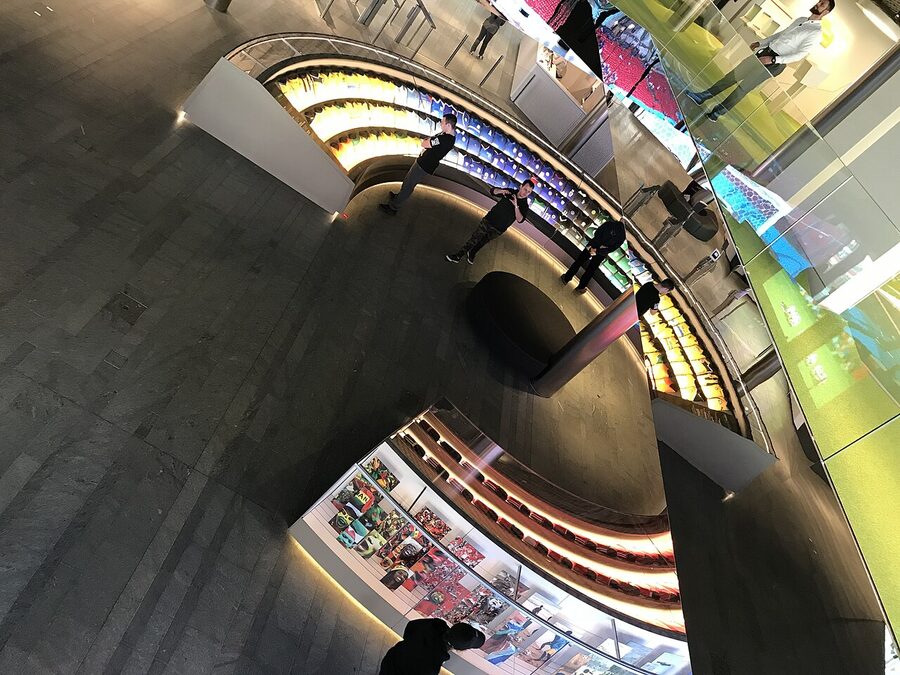
- The Ball Collection — Underrated Highlight
- The Interactive Floor — Skip or Stay?
- Who the Museum Genuinely Works For
- Getting There
- When to Go
- What to Pair It With
- The FIFA Headquarters Detour
- Practical Stuff Worth Knowing
- Pairing With the Rest of Your Switzerland Trip
Which Ticket to Book
The two FIFA Museum tickets are the same product sold by different platforms — pick whichever has the time slot you want. The walking tour is a useful pairing because the FIFA Museum takes 2-3 hours and most travellers have time for one more thing in central Zurich the same day.
1. Zurich: FIFA Museum Entry Ticket — from $32
The most-booked option for the FIFA Museum. Standard admission to all three floors, the cinema, and the temporary exhibition that rotates every six months. Skip-the-line valid — you bypass the small queue at the kiosk. Open daily except Mondays. Our full review covers the museum experience floor by floor and how long to budget for each.
2. FIFA Museum Tickets (Viator) — from $33
Same ticket as option 1, sold via Viator instead of GetYourGuide. The ground experience is identical — same museum, same kiosks, same staff. Worth choosing based on which platform’s calendar fits your day better. Our full review covers the booking mechanics and any small platform differences.
3. Zurich Old Town Walking Tour: 2-Hours — from $16
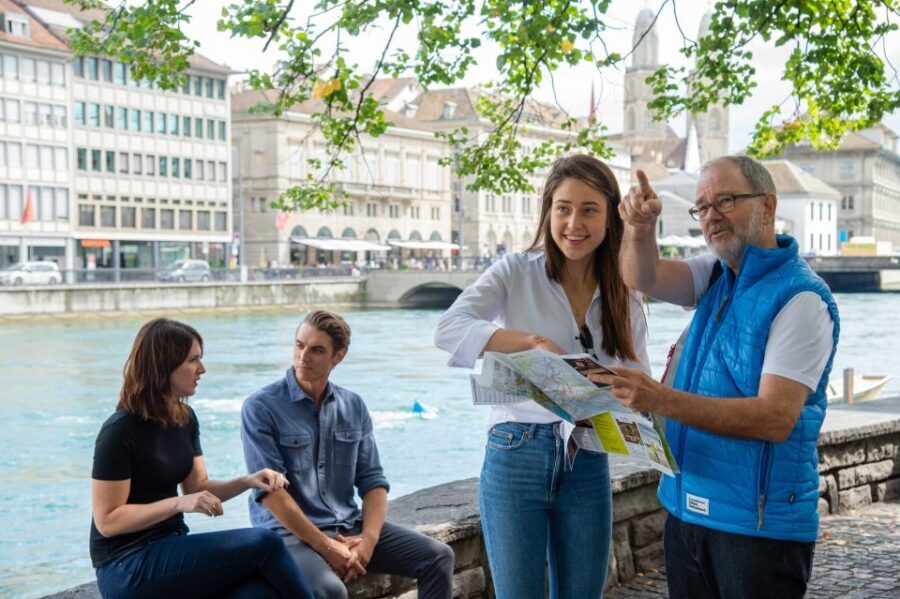
The walking tour pairs naturally with a FIFA Museum visit because both fit into a half-day in Zurich. Do the museum in the morning (avoiding the post-lunch tour bus crowds), then the walking tour in the afternoon for a complete Zurich half-day. Cheap, well-rated, and the guide will give you context about the city you cannot get from the museum. Our full review covers the walking tour route and timing.
What’s Actually Inside

The museum is built around a clear narrative: how a Victorian English schoolyard sport became the most-watched single-event in human history. Floor one tells the origin story — the formation of FIFA in 1904, the early World Cup history, the rules and equipment evolution. Floor two is the World Cup deep-dive: every tournament, every winning team, every iconic moment with original artefacts. Floor three is contemporary — current trends, women’s football, the future, plus the temporary exhibition area.

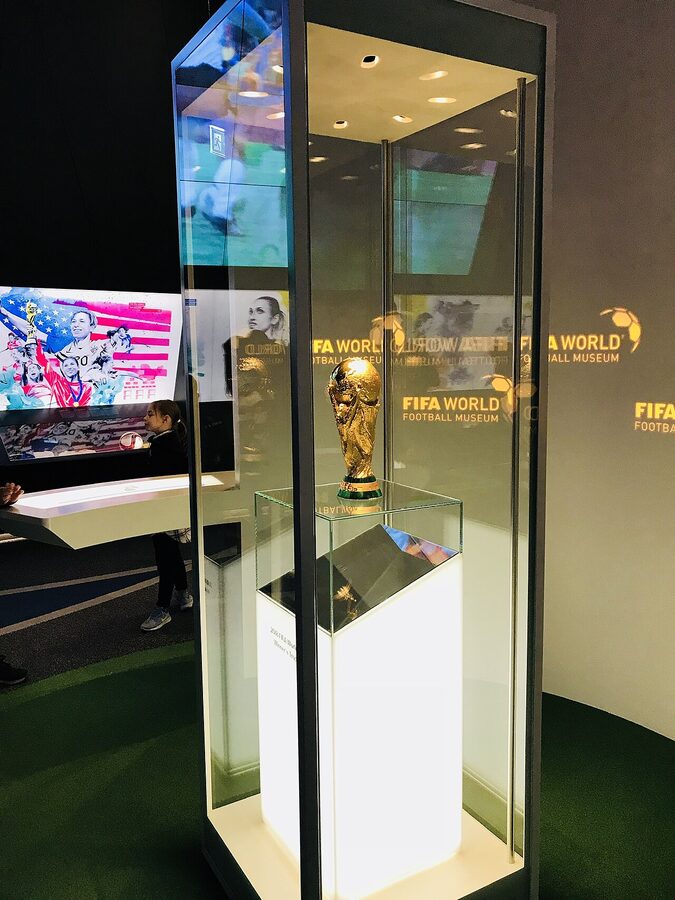
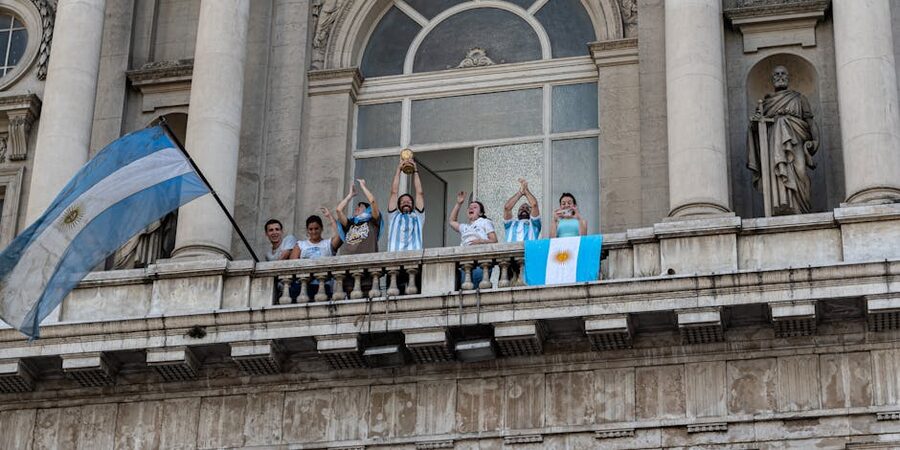
The headline artefact is the actual World Cup trophy — the same one held aloft by the captain of every winning team since 1974. It sits in a glass case under controlled lighting. You can stand in front of it. You cannot touch it. This is the most-photographed object in the entire museum and the moment most fans came specifically for.

The Ball Collection — Underrated Highlight
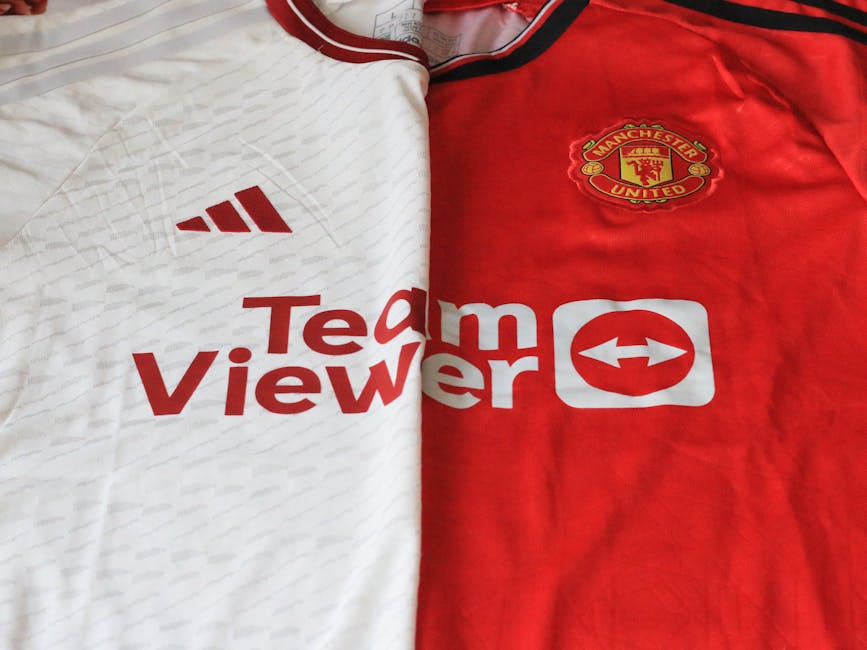
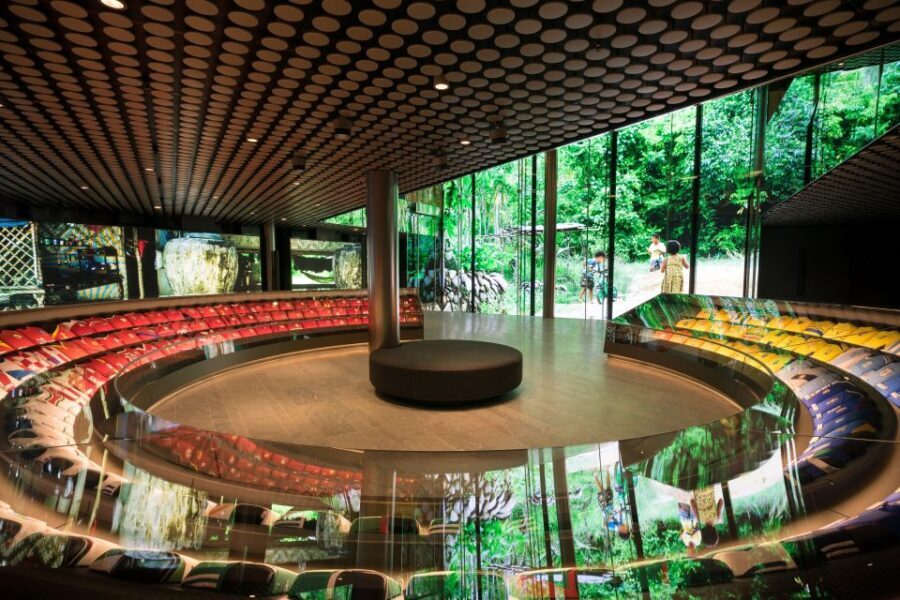
The museum has every official World Cup match ball going back to 1930. Each one sits in its own display with the year, the host country, the manufacturer, and the design notes. The progression from leather lace-up balls to modern engineered geometries is genuinely interesting even if you are not a football person. The 1970 Telstar (the first ball with the iconic black-and-white pentagon pattern) is on display next to its modern descendants.
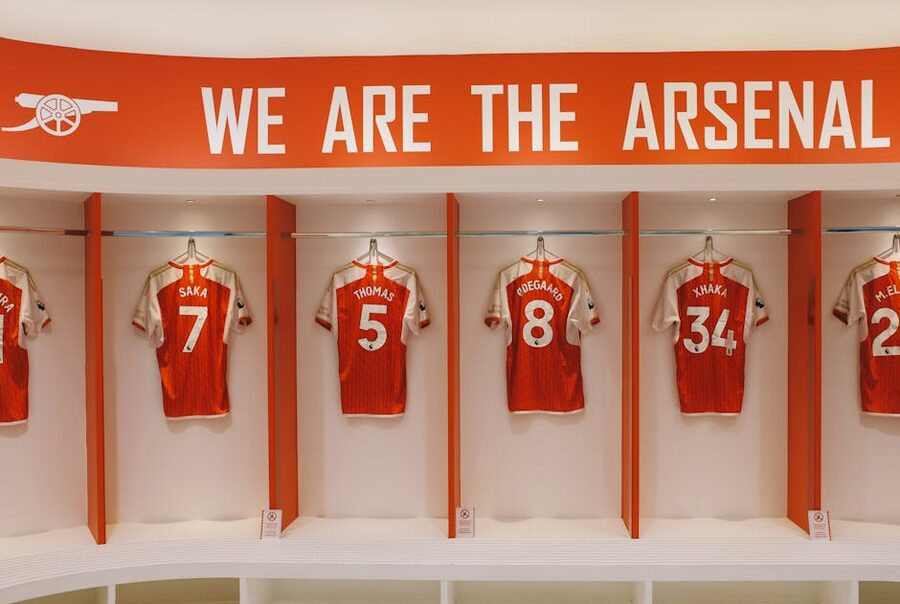
The jersey collection runs alongside. Every winning team’s match-worn shirts from every World Cup final, framed and labelled with the player who wore it. Combined, the ball-and-jersey progression is the visual timeline of the sport’s evolution. Some of these shirts are worth tens of thousands of dollars at auction; here they are behind glass for $32.
The Interactive Floor — Skip or Stay?
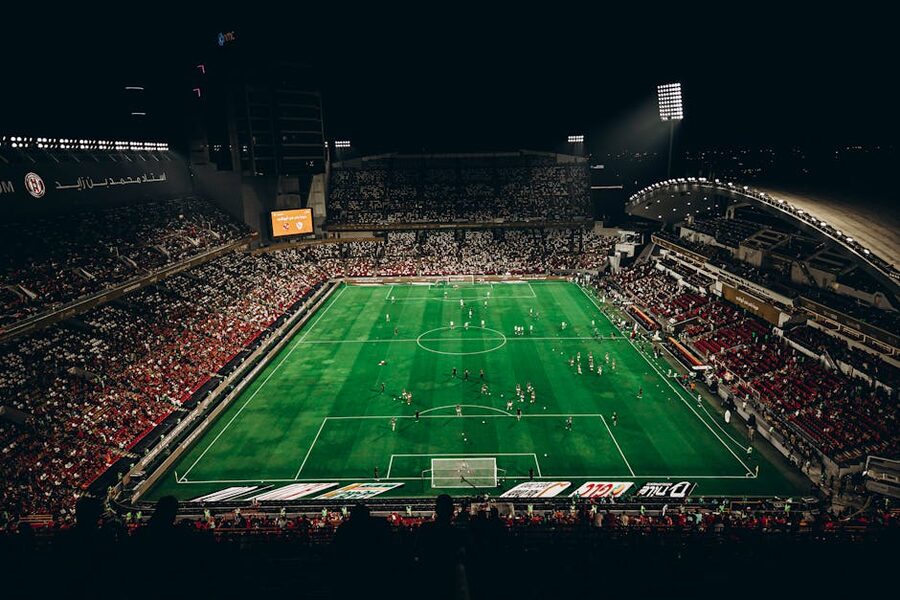
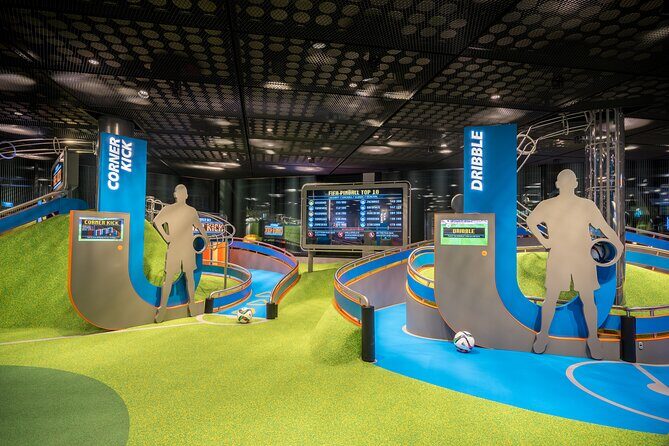
The basement floor has the interactive section: a small football pitch where you can take penalty shots against a screen-projected goalkeeper, a foosball table area, a virtual-reality booth that drops you into a stadium tunnel, and a “broadcast booth” where you can call commentary on a real World Cup match. Most adults skip these. Kids cannot get enough of them — if you are travelling with under-12s, this is where they will lose track of time.
The cinema on the same floor runs a rotating schedule of football documentaries — typically 15-30 minute films on the women’s game, individual player profiles, FIFA’s own history, or the upcoming tournaments. Films are subtitled in multiple languages. Worth dropping in for one if you have time, especially if it is raining outside or you have already done the standing-around-display floors.
Who the Museum Genuinely Works For
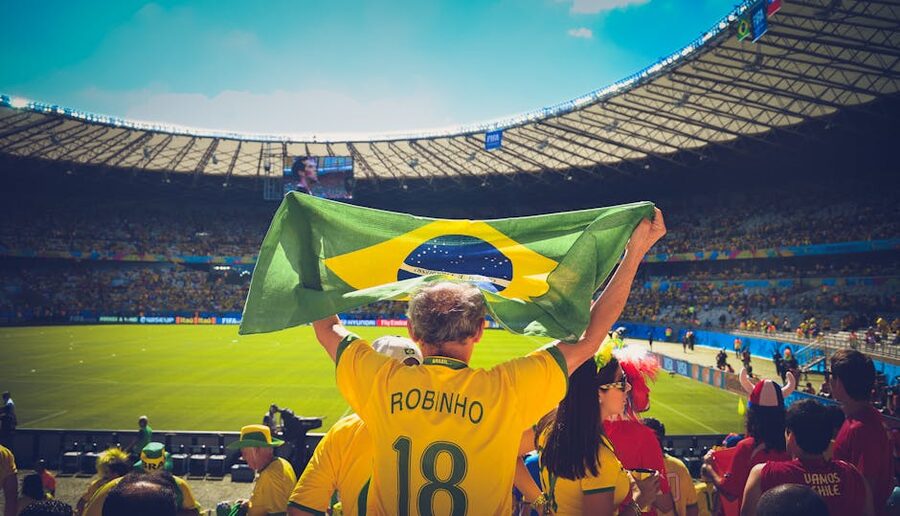
Honest answer: the FIFA Museum works best for football fans. If you watch the sport, follow a club, know the names of past World Cup winners — the museum will absorb you for hours and feel cheap at $32. If you do not watch football, the museum is a competently presented history museum with extensive displays, but the emotional payoff that football fans get from seeing original artefacts is not there for you.
Specific traveller types: Football-mad solo travellers or couples — yes, absolutely, this is the trip. Kids over 8 with even mild interest in the sport — yes, the interactive floor is built for them. Mixed group with one football fan and three non-fans — let the fan visit alone for 90 minutes while the non-fans do the walking tour or coffee in the old town. Travellers with no interest in football at all — skip and visit Lindt instead.
Getting There
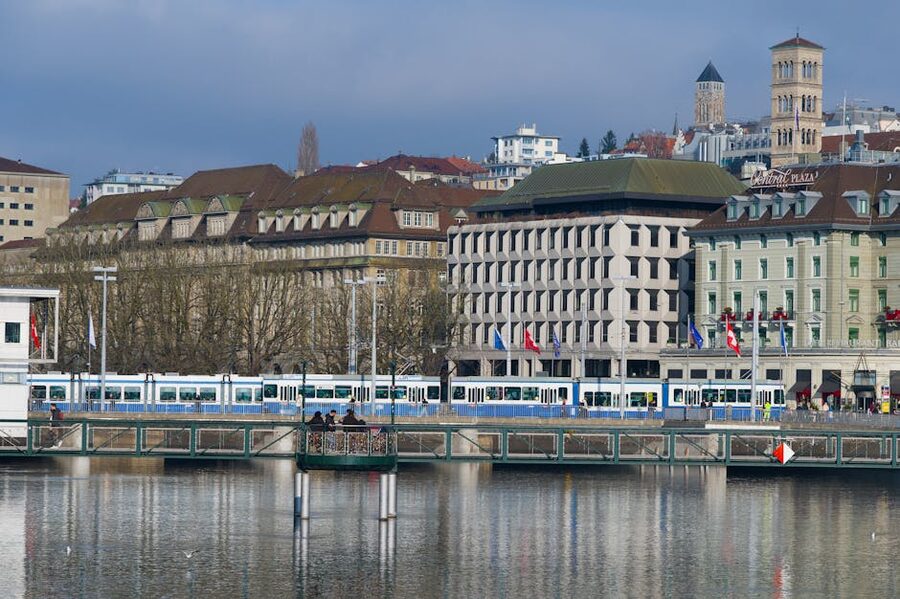
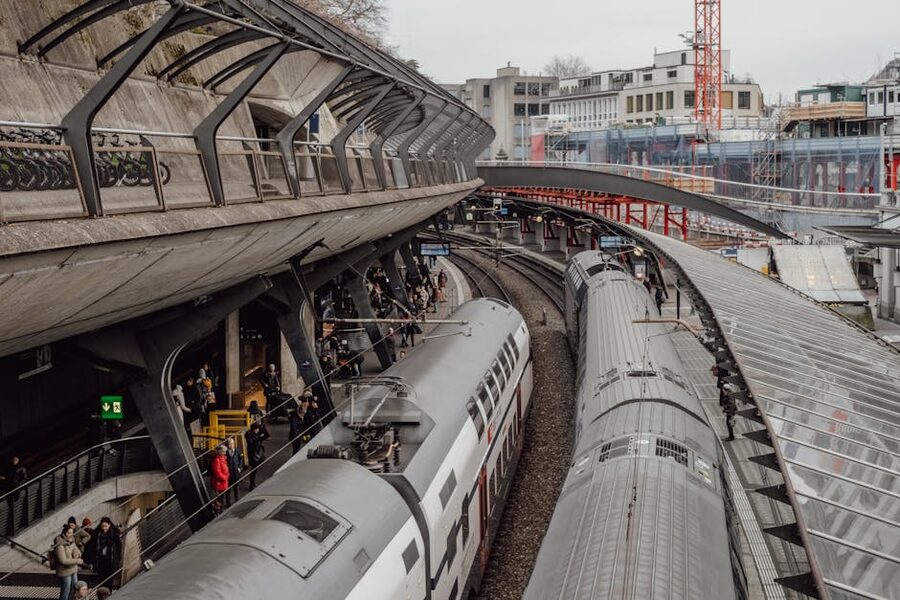
The museum address is Seestrasse 27, in the Enge district south of central Zurich. Easy to reach by tram — the number 7 from Zurich Hauptbahnhof takes about 20 minutes and stops directly outside the museum. Walking from central Zurich takes about 35 minutes along the lake and is a pleasant route in good weather. There is no dedicated parking; if you drive, use the Sihlcity garage and walk five minutes.
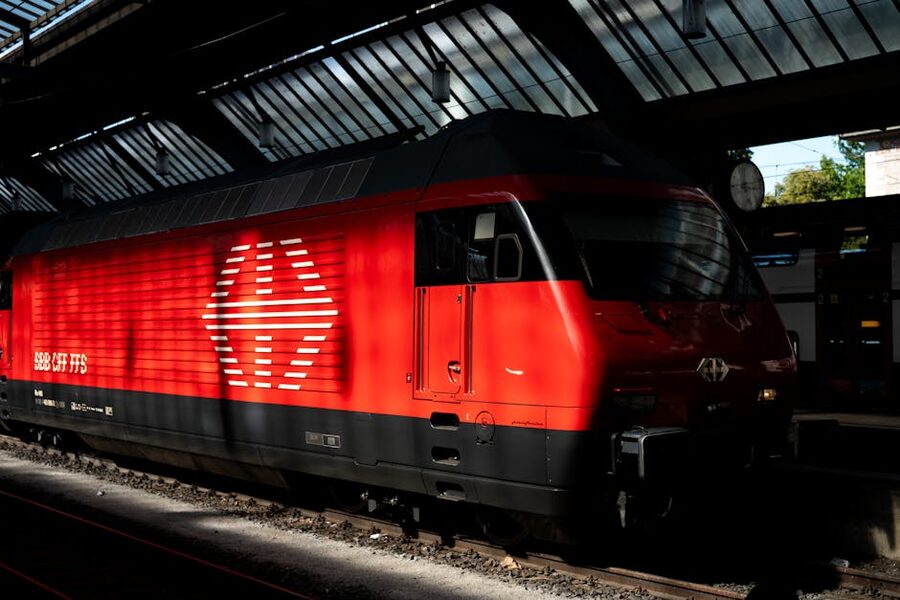
The FIFA headquarters itself — the actual office building where world football administration happens — is at Sonnenbergstrasse 1, about 20 minutes by tram from the museum. You cannot enter the headquarters but you can stand outside it and take a photograph of the building. The building is a 2007 architectural piece that looks like a half-buried bunker, and the football fan pilgrimage to “the actual headquarters” is sometimes worth the small detour.
When to Go
The museum is open Tuesday through Sunday, closed Monday. Standard hours are 10am to 6pm. Quietest times are weekday mornings just after opening (10-11am) and Sunday afternoons after the lunch crowd. Busiest times are Saturday afternoons and the weeks immediately after major tournaments (the 2022 World Cup spike lasted about three months).
Allow 2-3 hours for the standard visit, 3-4 if you are taking time at every display, 4-5 if you are doing the cinema films and the interactive floor extensively. The museum has a small café on the entry level for coffee and snacks; full lunch options are 5 minutes’ walk in the surrounding Enge neighbourhood.
What to Pair It With
The natural Zurich half-day pairing: FIFA Museum in the morning, Zurich Old Town walking tour in the afternoon, dinner along the Limmat. This works because the museum is on the south end of central Zurich and the Old Town is on the north — you cover both halves of the city in a single day without backtracking.
For a longer Zurich stay, pair the FIFA Museum with the Lindt Chocolate Museum — the two together fill a full day with two completely different museum experiences. Lindt in the morning, FIFA in the afternoon (or vice versa), dinner in town. Both are reachable by tram.

For travellers doing a wider Switzerland trip, the FIFA Museum is the obvious “rest day” attraction during a Zurich-based week. Pair with day trips to Mount Titlis, Rhine Falls, or Heidiland and Liechtenstein on either side, with the museum as the indoor day in the middle.
The FIFA Headquarters Detour
The FIFA headquarters complex sits at Sonnenbergstrasse 1, on a hill above the city, about 20 minutes by tram from the museum. The building was designed by Tilla Theus and opened in 2007 — a modernist concrete-and-glass structure that looks like a half-buried bunker. You cannot enter (it is an active office building with serious security) but you can walk up to the gates, photograph the exterior, and read the small explanatory signage at the entrance.
The interesting part is the contrast: the museum down by the lake is built for the public; the headquarters on the hill is built to be impenetrable. FIFA’s actual decision-making — billion-dollar broadcast contracts, World Cup hosting decisions, the bureaucratic machinery of global football — happens in the building you cannot enter. The museum is the polished consumer-facing version of an organisation that mostly operates in private.
The detour adds 90 minutes to your day if you tram both ways from the museum. Worth doing if you are a serious football fan with extra time; skippable if you are not. The headquarters has no visitor centre, no cafe, no museum extension — you literally just look at the building and leave.
Practical Stuff Worth Knowing
Tickets are best bought online. The museum holds back roughly 20% of daily capacity for walk-up sales but in peak summer this can run out by mid-morning. The pre-purchased QR code lets you skip the kiosk queue and walk straight in.
Inside, photography is allowed in all permanent exhibits but tripods and selfie sticks are banned. The trophy room has a no-flash rule. Phone cameras work fine throughout. There is a free cloakroom for jackets and small bags; large luggage can be stored at Zurich Hauptbahnhof before you head over.
Audio guides are included in the standard ticket and available in 8 languages — pick up the device at reception. The audio is genuinely good and adds about an hour to your visit if you listen to most stops.
Pairing With the Rest of Your Switzerland Trip
The FIFA Museum is best slotted into a Zurich-based Switzerland trip rather than a transit-day visit. The Swiss Travel Pass covers the tram to the museum (free), so if you have the pass, the only cost is the museum entry. Pair with the Lindt Chocolate Museum for a full Zurich-based day; both are open on Sundays which is useful since many other Zurich museums close.
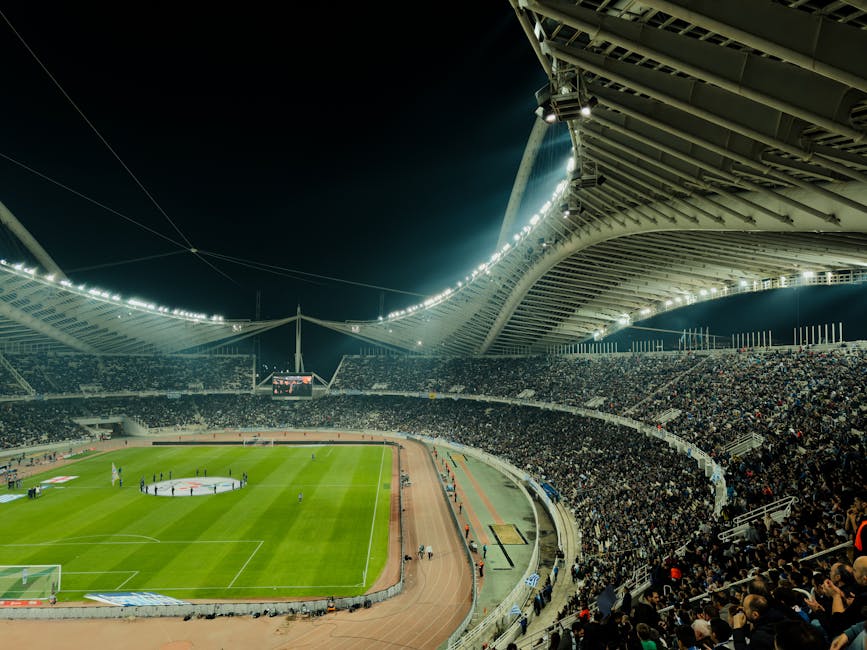
One last note. If you are visiting Zurich during the European football season (August-May) and there is a home FC Zurich or Grasshoppers match scheduled, combine the museum morning with the match in the evening. Tickets to either club are typically $30-60 and the matches are well-attended without being sold out. This is the complete Zurich football fan day — museum, headquarters detour, and a real Swiss match in the same 24 hours.
The museum gift shop is also surprisingly good for a sports museum. Replica match balls, branded jerseys, signed memorabilia, and a strong selection of FIFA-licensed books that cover the World Cup history in more depth than the museum itself. Prices are reasonable by Zurich standards. The kids’ section has FIFA-branded football kit at much lower prices than the same items would cost at retail. Worth browsing on your way out even if you did not plan to buy anything. The shop also carries the only place in Zurich that sells official FIFA-branded match balls — a useful souvenir for the football-fan kid you are travelling with or for yourself if your home league has switched to a different official ball, or as a memorable gift for a friend back home.
This article contains affiliate links. If you book through our links, we may earn a small commission at no extra cost to you. This helps us keep producing detailed travel guides.