At 2,305 meters, Mount Fuji’s 5th Station puts you close to Japan’s most famous peak, with the lakes below sometimes visible on clear days and clouds sometimes swirling around the mountain instead. The day then shifts from high-altitude views to Hakone’s steaming volcanic ground, an aerial ropeway and a boat crossing on Lake Ashi.
I like the contrast between the stops: Fuji’s scale and quiet presence make a strong pairing with Owakudani’s sulfurous steam and bubbling geothermal terrain. I also like that you can choose how to return, by bus or by Shinkansen from Odawara, and that some packages include lunch and the Lake Ashi pirate ship.
The main trade-off is time. This is a long day with brief stops, substantial road travel and scenery that depends on weather. The 5th Station is not available in winter, and the ropeway or boat can be suspended, so book this as a convenient overview, not a slow-paced visit with guaranteed views.
- At a glance
- Fuji first, with a seasonal change of plan
- Lunch is a short pause, not a leisurely meal
- Owakudani brings steam, sulfur and black eggs
- Lake Ashi by ropeway and pirate ship
- Two ways back to Tokyo
- What the price buys, and what it does not
- Guides, vehicle space and small-group realities
- Is this the right Fuji and Hakone day trip for you?
- FAQ
- Is Mount Fuji’s 5th Station visited all year?
- Is lunch included in the .19 package?
- Is the Lake Ashi pirate ship included?
- Can I return to Tokyo by Shinkansen?
- Where does the tour depart from?
- What happens if the ropeway or boat is suspended?
- Can I bring luggage or an infant?
- The Best Of Fujiyoshida!
- More Tours in Fujiyoshida
- More Tour Reviews in Fujiyoshida
At a glance
 1 / 9
 2 / 9
 3 / 9
 4 / 9
 5 / 9
 6 / 9
 7 / 9
 8 / 9
 9 / 9
- Fuji changes with the season: The 5th Station is scheduled from April 26 to November 30; the World Heritage Centre takes its place from December 1 to April 25.
- Owakudani is the geothermal highlight: Expect sulfurous air, white steam and a chance to buy the local black eggs.
- The ropeway ticket is included: The Lake Ashi pirate ship is not included in the lowest-priced package.
- The return choice affects the price: Bus return starts at $49.19; Shinkansen and meal packages cost more.
- Keep the day flexible: Traffic, poor visibility, strong winds and maintenance can change the order or shorten stops.

👉 See our pick of the 8 Most Highly Rated Private Driver Services In Fujiyoshida
Fuji first, with a seasonal change of plan
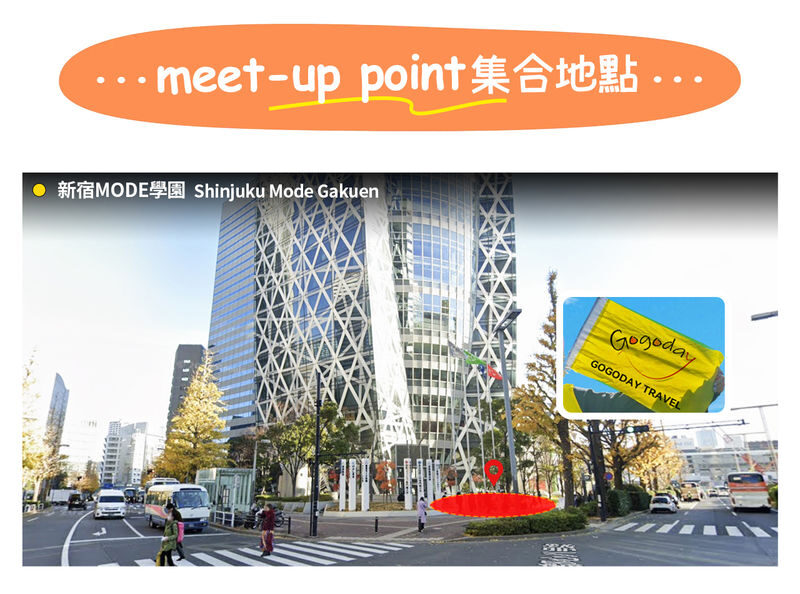
The coach leaves Tokyo at 8:00 a.m. from Mode Gakuen Cocoon Tower in Shinjuku. Allow time to find the meeting point and arrive 15 minutes early. The supplier sends vehicle and guide details by email between 8:00 and 9:00 p.m. the night before, so check your spam folder as well as your inbox.
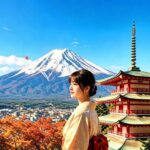
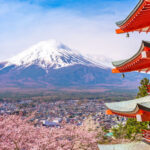
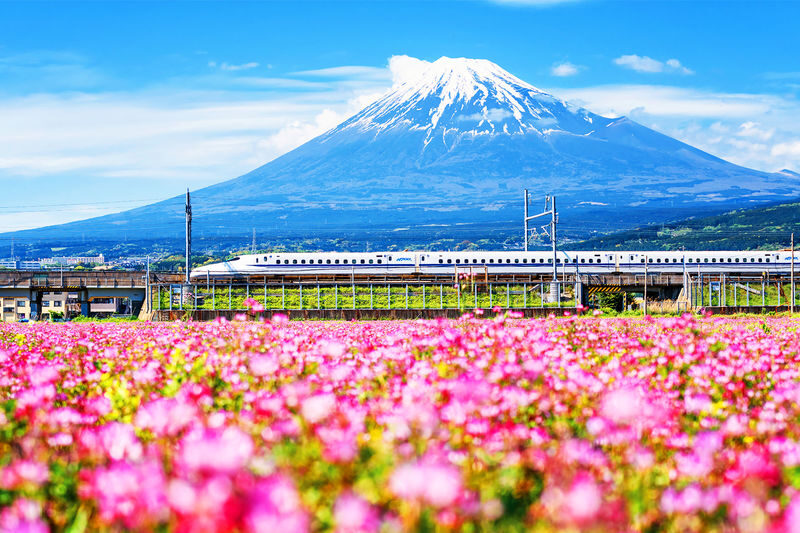
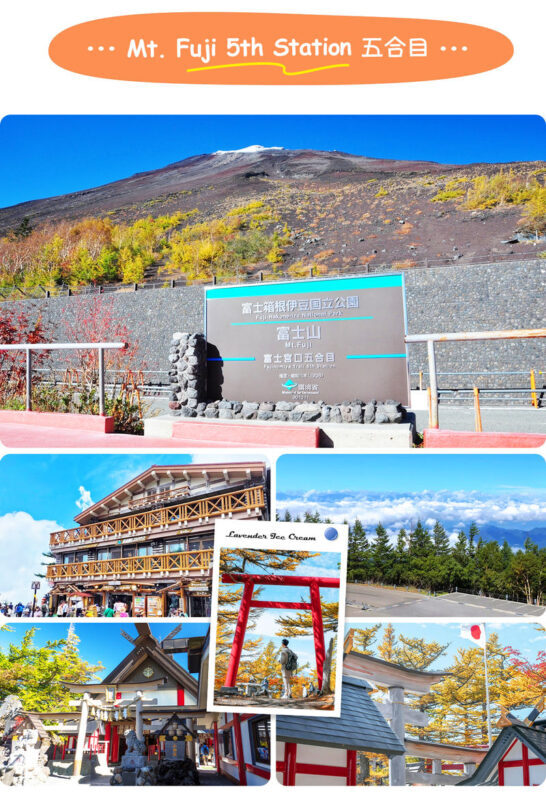
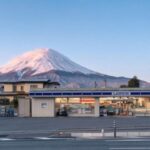
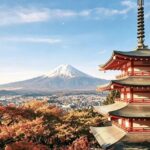
The drive takes you toward Yamanashi Prefecture and the first major stop. From April 26 through November 30, the planned visit is the Fuji Subaru Line 5th Station, high on the mountain at 2,305 meters. You have about 40 minutes there, enough to look toward the summit, take in the mountain setting and appreciate how quickly the air and views can change at altitude.
Clear weather may reveal lakes below and a snow-capped peak. But Fuji is often hidden by cloud, and visibility tends to be poorer in summer. A view of the mountain is a welcome possibility, not something the tour can promise. Check the forecast before booking, and go in ready to enjoy the surroundings even if the summit stays out of sight.
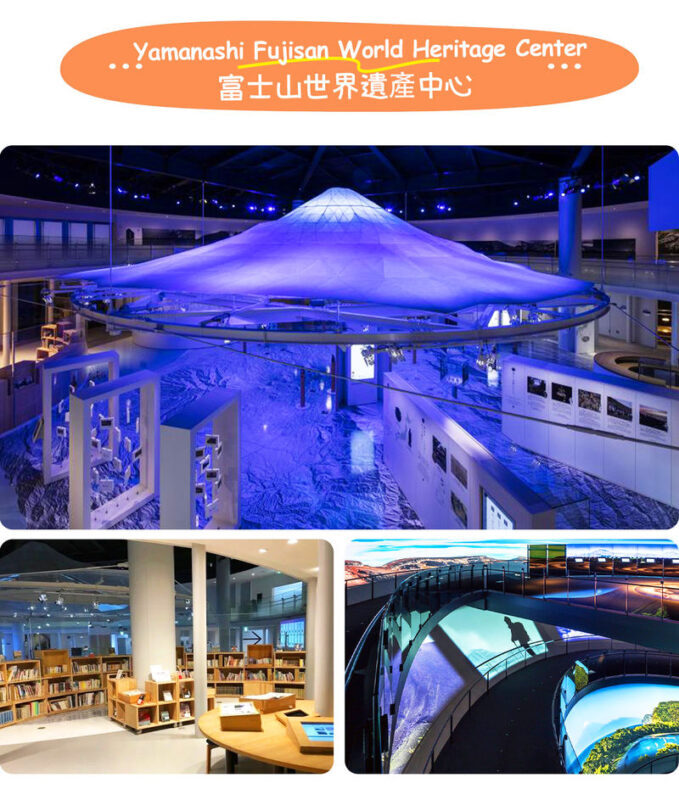
From December 1 through April 25, the tour instead visits the Yamanashi Mt. Fuji World Heritage Centre. Its winter program uses light and multimedia to tell stories about Fuji and show its changing seasons. The large Fugaku 360 display and virtual climbing activity offer a different kind of visit: more cultural and indoors, less about standing close to the mountain itself.
Road closures, accidents and severe weather can also prevent access to the 5th Station. The schedule may be adjusted, and some stops can be skipped if conditions or capacity require it. If seeing Fuji up close is your main reason for booking, this seasonal and weather uncertainty matters.
You can also read our reviews of more tours and experiences in Fujiyoshida.

Lunch is a short pause, not a leisurely meal
Lunch is scheduled for about 11:00 a.m. and lasts around 50 minutes. It is optional in the base package, while a higher-priced package includes a meal. The food options can feature Japanese dishes; a recent meal package included a bento with wagyu and karaage. The available menu and venue may vary, so treat that example as a possibility rather than a guarantee.
The early timing may feel odd if you normally eat later. Still, it gives the group a planned break before the afternoon in Hakone, where the timetable is tight. If lunch is not included or the set meal does not suit you, plan for the additional cost of food and drinks.
The meal package is worth considering if you prefer a more settled lunch arrangement and want the main costs bundled in advance. If you would rather choose your own food, the lower-cost option leaves that decision to you. Either way, the scheduled stop is not long enough to turn lunch into an extended restaurant visit.
Owakudani brings steam, sulfur and black eggs
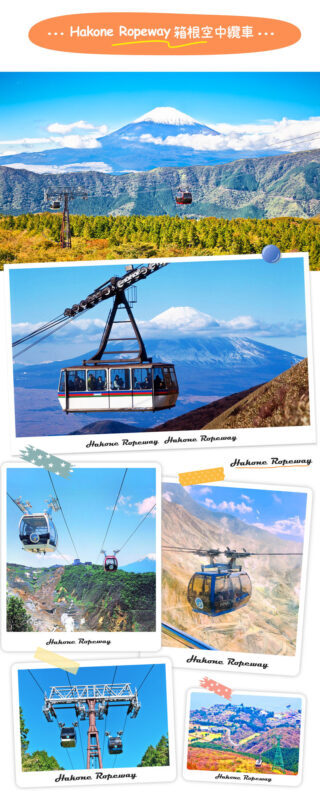
In the afternoon, the group heads to Sounzan Station for the Hakone Ropeway. The first ride to Owakudani takes about 15 minutes. From above, you can look across Hakone’s volcanic terrain and, when visibility cooperates, may even see Fuji in the distance.
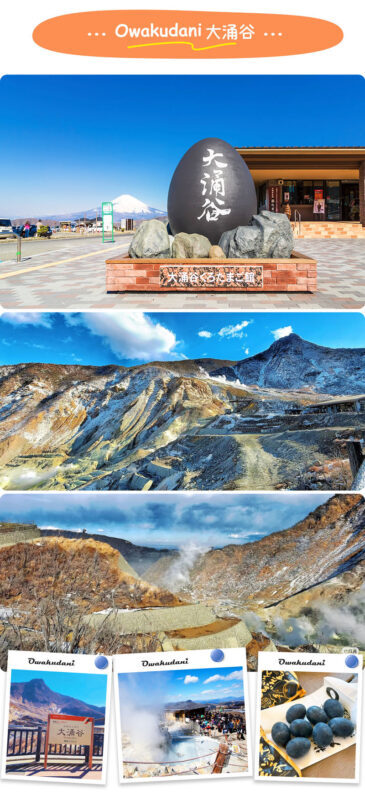
Owakudani is the day’s most elemental stop. White steam rises from the geothermal area, and the air can smell strongly of sulfur. That smell is part of the place, not a sign that anything has gone wrong. You have about 40 minutes to walk around the volcanic remains and take in the views.
You can also buy Owakudani’s famous black eggs, cooked in the area’s hot springs. Local lore says eating one adds seven years to your life. It is a fun regional tradition, but the eggs are at your own expense and are not part of the included ropeway ticket.
Conditions and mobility needs are worth keeping in mind here. The tour information describes a self-guided visit, so you will be responsible for keeping to the group’s timing. The visit is brief, and the volcanic setting is exposed to the weather. Bring a layer you can put on or take off, especially if you are visiting outside summer.
Lake Ashi by ropeway and pirate ship
After Owakudani, the ropeway continues to Togendai, with about 30 minutes scheduled for this section. The view shifts from steam and rock to Lake Ashi, a crater lake surrounded by Hakone’s mountains. This is the quieter half of the afternoon, though visibility and wind can shape what you see.
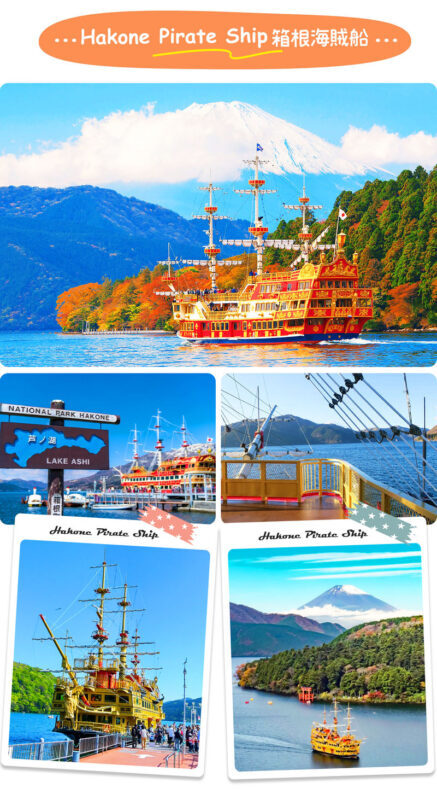
From Togendai, the planned route continues by Hakone Pirate Ship to Hakone-machi Port, a crossing of about 25 minutes. The ship gives you a different angle on the lake and its mountain backdrop. Its pirate styling adds a playful note, though the main appeal is the water-level view and the change of pace after the ropeway.
Check the package details closely. The ropeway is included, but the sightseeing cruise is listed as an extra in the base package. One higher-priced option bundles the ropeway and pirate ship with a meal. If the boat ride matters to you, confirm that your selected package covers it or budget to pay separately.
Strong winds, heavy rain and maintenance can stop the ropeway or boat. If that happens, the plan may shift to places such as Hakone Shrine or the Lake Ashi floating torii gate. These are sensible alternatives, but they are not the same route or experience, and the tour may adjust the order or reduce time at some stops.
Two ways back to Tokyo
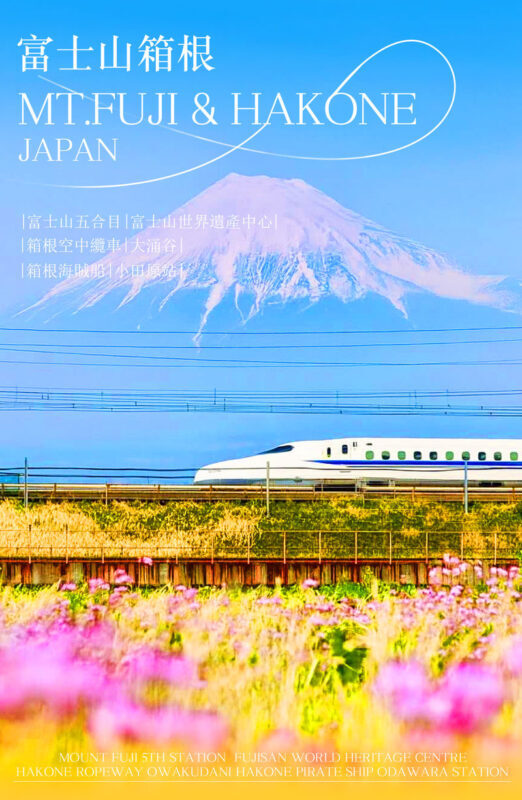
The group reaches Odawara Station at about 4:00 p.m. If you have chosen the Shinkansen option, you leave the tour here and take an unreserved train back to Tokyo Station. You can use only the non-reserved seating cars, and the guide does not accompany you on the train. The ride adds a satisfying final contrast to the day: after hours on the road, Japan’s high-speed rail gets you back to the city quickly.
The bus-return package keeps the return journey with the group. The advertised return to the Tokyo meeting area is around 6:30 to 7:30 p.m., but this is an estimate, not a firm appointment. Traffic and weather can delay the drive, so avoid scheduling a dinner reservation, show or other fixed activity that evening.
The Shinkansen costs more, but it may be a good fit if you value speed and want to try the bullet train. The bus option is cheaper and keeps the day in one group, but involves more road time. Compare the actual package inclusions before deciding: the return mode, lunch and pirate ship are separate choices, not automatic features of every fare.


What the price buys, and what it does not
Prices start at $49.19 for bus return with the ropeway. That is an appealing price for a day trip linking Fuji and Hakone, especially if you want transport arranged rather than piecing together a long route yourself. But the lowest price does not include meals, drinks, personal expenses, the Lake Ashi sightseeing cruise or a Shinkansen ticket.
The Shinkansen-return option starts at $87.05 for cable car only. A package with Shinkansen, meal, ropeway and pirate ship starts at $116.69. For a fair comparison, add up what you would otherwise pay for lunch, the boat and the train, then consider whether you prefer one bundled booking or more flexibility on the day.
The tour’s value is mainly convenience and range. In a single outing, you get a seasonal Fuji stop, Hakone’s volcanic area, a ropeway ride and a chance to cross Lake Ashi. The cost of that range is limited time at each place. You are getting an introduction to several sights, not a deep visit to any one of them.
Guides, vehicle space and small-group realities
Guide assignments vary. Departures have included guides named Rachel, Leonard, Alex, Ko and Peter. English and Chinese-speaking guides are offered, but you may share the vehicle with people using other languages, and the amount of commentary can vary. The guide and vehicle details arrive the evening before departure.
The vehicle is assigned according to the group size. This can mean a smaller vehicle, with less room and comfort than a large coach, and the tour notes that commentary may be simpler on small-group or private-charter formats. If you are sensitive to road noise or need extra space, take that into account before booking. One departure also drew a complaint about uncomfortable seating and driving, so it is sensible to raise any safety concern with the guide promptly.
One carry-on-sized bag per person is permitted if you tell the operator at least a day ahead. Large suitcases are discouraged because space is limited. Infants under three who do not need their own seat still count toward vehicle capacity, so include them in the booking details. Children aged three and older pay the adult rate.
The tour requires participants aged 70 or older and pregnant participants to sign a waiver in advance. Seating is generally first come, first served, and the group cannot wait for late arrivals. If you leave the tour early, the remaining itinerary is treated as voluntarily abandoned, with no refund.
Is this the right Fuji and Hakone day trip for you?
Book this if you want a practical, broad introduction to Fuji and Hakone without arranging the transfers yourself. It suits first-time visitors with limited time, people keen on the ropeway and volcanic scenery, and anyone who likes the option of returning by bullet train. The Fuji stop, steaming Owakudani and lake crossing give the day a welcome variety.
Think twice if you want long, unhurried stops, a guaranteed view of Mount Fuji, or a relaxed meal. Weather, road conditions and transport closures can change the plan, and the group schedule calls for prompt movement between sights. For the best value, choose your package based on what you actually want included: the base fare covers the ropeway, while the boat, meal and Shinkansen require a higher package or separate payment.
Mount Fuji & Hakone Day Trip: 5th Station/World Heritage Center & Owakudani & Hakone (Includes Ropeway Experience, Lunch & Return Bullet Train Options)
“Ko, is the greatest, we had a fantastic day,food great, sulphur smelly, scenery beautiful, highly recommend”
FAQ
Is Mount Fuji’s 5th Station visited all year?
No. The 5th Station is scheduled from April 26 through November 30. From December 1 through April 25, the tour visits the Yamanashi Mt. Fuji World Heritage Centre instead. Weather, road closures or accidents can also prevent access.
Is lunch included in the $49.19 package?
No. The lowest-priced bus-return package does not include meals or drinks. A higher-priced package includes a meal.
Is the Lake Ashi pirate ship included?
Not in the base package, which includes the Hakone Ropeway but excludes the sightseeing cruise. A higher-priced package includes the pirate ship.
Can I return to Tokyo by Shinkansen?
Yes. Selected packages include a Shinkansen return from Odawara to Tokyo Station. The seat is unreserved, you must use a non-reserved seating car, and the guide does not accompany you on the train.
Where does the tour depart from?
It departs from Mode Gakuen Cocoon Tower at 1-7-3 Nishi-Shinjuku, Shinjuku-ku, Tokyo. Arrive 15 minutes before the departure time.
What happens if the ropeway or boat is suspended?
The itinerary may be adjusted, with alternatives such as Hakone Shrine or the Lake Ashi floating torii gate. The order of stops may change or some stops may be reduced.
Can I bring luggage or an infant?
One carry-on-sized piece of luggage per person is allowed if you notify the operator at least one day in advance. Infants under three who do not need a seat must still be included in the passenger count when booking.