Mount Fuji’s best-known views come in a memorable mix here: the red pagoda at Arakurayama Sengen Park, clear spring pools at Oshino Hakkai, and a lakeside frame of Fuji at Kawaguchiko. On a clear day, the mountain does much of the talking. On a cloudy one, it may keep its profile to itself.
I like two things in particular: the route links several far-flung sights without asking you to decode local transport, and the seasonal stops give you a reason to consider the trip in spring or autumn. The Chinese-speaking driver-guide and small-group option can also make a long day easier to manage.
The trade-off is the same one that comes with any Fuji day trip: weather can hide the mountain, and you have limited time at each stop. The advertised routes also vary by season and package, so check which sights are planned for your date before booking.
- At a glance
- What this Mount Fuji day trip is best at
- Leaving Tokyo and getting oriented
- Arakurayama Sengen Park: Fuji, pagoda, and stairs
- Hikawa Clock Shop: a street-level Fuji frame
- Oshino Hakkai: eight clear pools and a village pause
- Kawaguchiko’s seasonal colors
- Lawson and the final photo stop
- The value of transport, group size, and price
- Weather, pace, and who should book
- Should you book this Mount Fuji tour?
- FAQ
- Where does the tour depart from?
- What time does the tour leave and return?
- What language is the driver-guide service in?
- Is hotel pickup included?
- Which attractions are included?
- Are meals and drinks included?
- What should I bring?
- What are the age and cancellation conditions?
- The Best Of Fujiyoshida!
- More Tours in Fujiyoshida
- More Tour Reviews in Fujiyoshida
At a glance
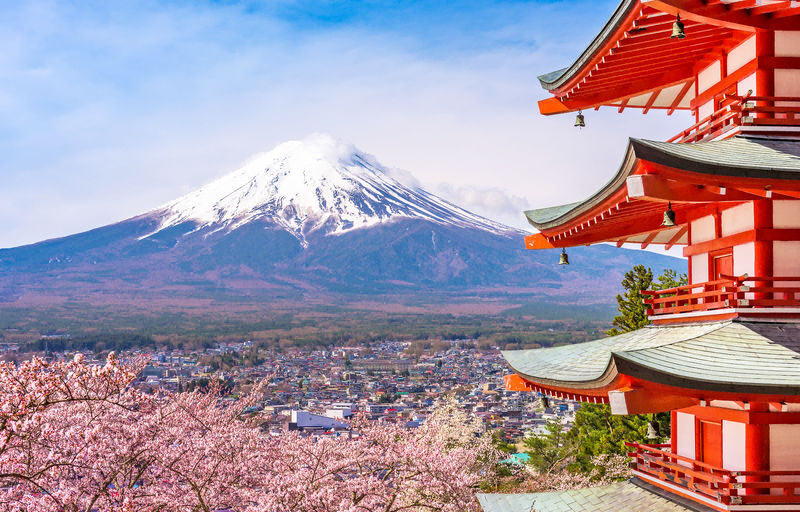
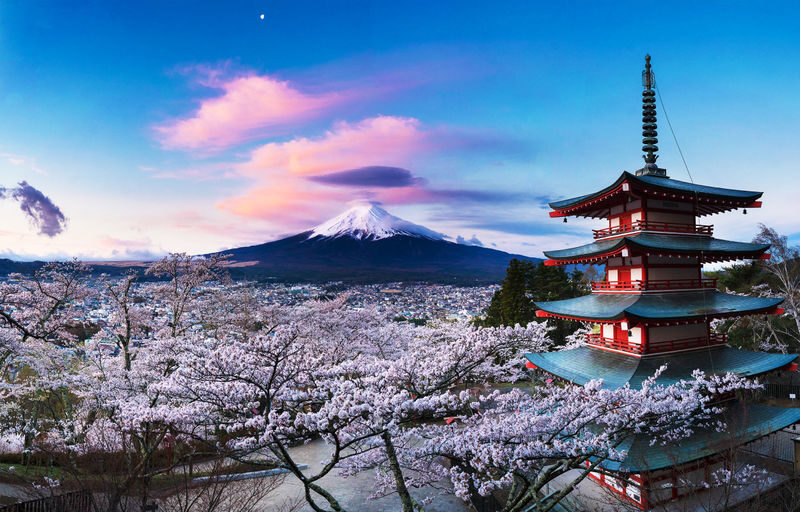
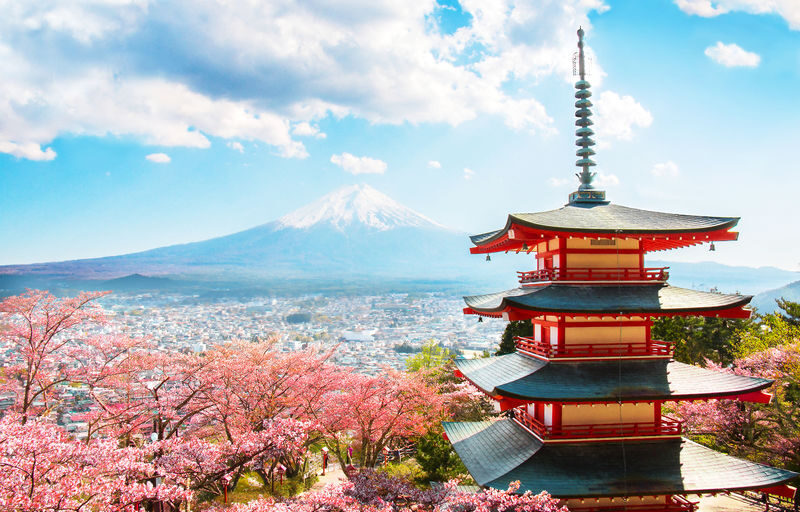
- Arakurayama’s pagoda and Fuji view: Allow time for the climb to the classic viewpoint. Spring cherry blossoms add a seasonal flourish, though crowds and weather affect the scene.
- Oshino Hakkai’s spring-fed ponds: Walk among eight clear pools in an old village setting, with local snacks such as kusamochi and soba nearby.
- A seasonal Kawaguchiko stop: The route may include cherry blossoms, summer flowers, autumn leaves, or, in some summer versions, Mount Fuji’s 5th Station.
- Transport does the hard work: Round-trip travel from Tokyo links scattered sights, with tolls, parking, and fuel included.
- Choose your service carefully: Options include Chinese service, English or Korean service, a small group of up to nine, and hotel pickup on selected packages.
- Fuji views are never guaranteed: Cloud can cover the mountain for much of the day, even when the rest of the itinerary runs smoothly.

👉 See our pick of the 8 Most Highly Rated Private Driver Services In Fujiyoshida
What this Mount Fuji day trip is best at
This is a sightseeing circuit, not a slow country escape. You leave Tokyo in the morning, move between several popular Fuji-area stops by vehicle, and return in the early evening. The appeal is simple: you see a range of views and places in one day without planning each train, bus, and connection yourself.
That convenience matters here. The stops are spread across the area, and the day includes both Fujiyoshida and Lake Kawaguchiko sights, with Oshino Hakkai along the way. A driver who knows the roads can keep the route moving, particularly when traffic or weather forces a change.
The product is offered in several forms. The lowest listed fare starts at US$49.30 for the Chinese-service Ginza collection option. Other choices include an English or Korean service from Ginza, a Chinese-service small group meeting at Tokyo Station, and a small group with hotel pickup and drop-off. Those prices start higher, so compare the exact package rather than assuming that the lowest fare includes a hotel transfer or a group of nine.
You can also read our reviews of more tours and experiences in Fujiyoshida.

Leaving Tokyo and getting oriented
The stated day begins with an 8:00 gathering and an 8:20 departure. Arrive at least five minutes early, and leave some breathing room for finding the correct meeting point. The package details use different departure descriptions, including Ginza and Tokyo Station, while the meeting-point information also gives the name Xincangshan Park. Check the meeting address in your confirmation for the specific option you buy.
The small-group version is described as a nine-person tour. That can make it easier to get on and off quickly and to ask the driver-guide questions than on a large coach. But the product also offers a classic bus-tour option, so don’t assume every package has the same vehicle or group size.
Round-trip transfers, tolls, parking, and fuel are included. Meals, drinks, accommodation, personal expenses, and any applicable admission fees are not. You have one standard-size luggage allowance, although this is mainly a day trip, so a small bag is usually more convenient than bringing a suitcase.
Communication before departure is worth watching for. Tour-guide details are sent by email around 18:00 the day before, and the operator says to check the spam folder too. If you use WeChat, expect a group message around midday to evening the day before; LINE users are sent a group link by email and need to join it themselves.
Arakurayama Sengen Park: Fuji, pagoda, and stairs
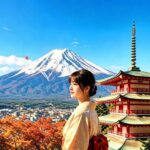
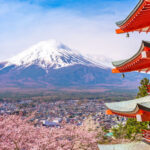
The first major stop is Arakurayama Sengen Park, with about 1 hour and 20 minutes for independent exploring. Its familiar view brings together Mount Fuji and the vermilion five-story pagoda, with cherry blossoms in spring and autumn color in fall. It is the kind of scene that explains why this park fills camera rolls.
The famous viewpoint involves a climb up steps. Give yourself time to go at your own pace, take breaks if needed, and enjoy the park rather than treating the summit as a quick photo errand. The stop is self-guided, so there is no fixed walking tour to follow, but the time limit means you should keep an eye on the clock.
This is also one of the most weather-dependent moments of the day. If clouds obscure Fuji, the pagoda and park still make a worthwhile visit, but the postcard composition may not appear. A driver on one trip showed photos of the mountain when it was clouded over; that is a kind gesture, not a substitute for seeing Fuji in person.
Hikawa Clock Shop: a street-level Fuji frame
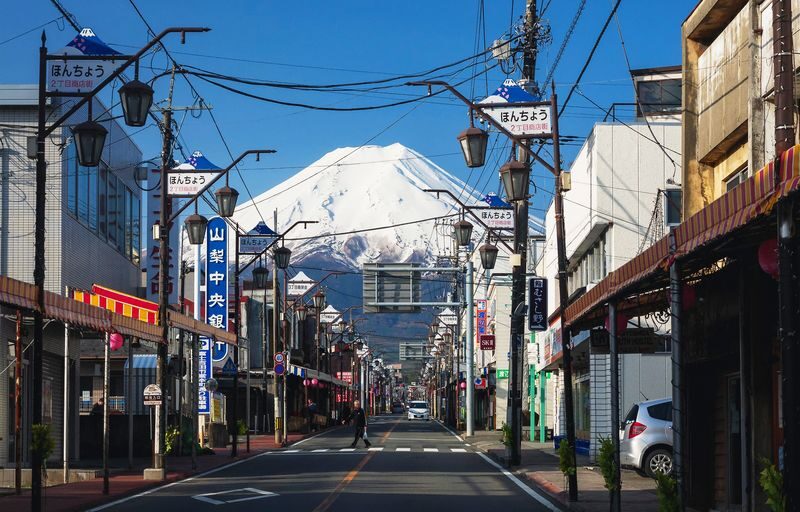
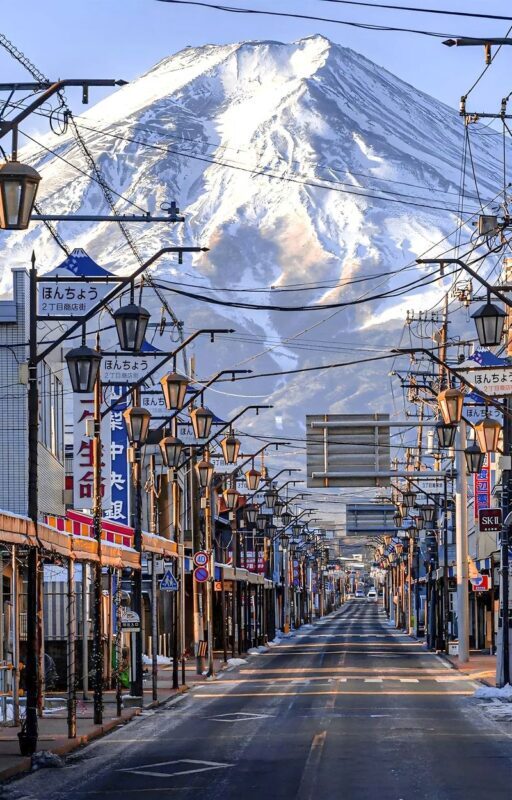
Next comes a short, roughly 20-minute stop at Hikawa Clock Shop. The attraction is not a grand monument but the view along a street, where the road lines draw your eye toward Mount Fuji. It has a retro Japanese feel and makes a different kind of picture from the pagoda viewpoint.
Keep expectations in proportion. This is a brief photo stop, not time for a long wander through town. If Fuji is visible, the street gives you a striking frame; if it is hidden, the street scene remains, but the central attraction is diminished.
Oshino Hakkai: eight clear pools and a village pause
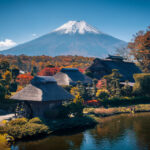
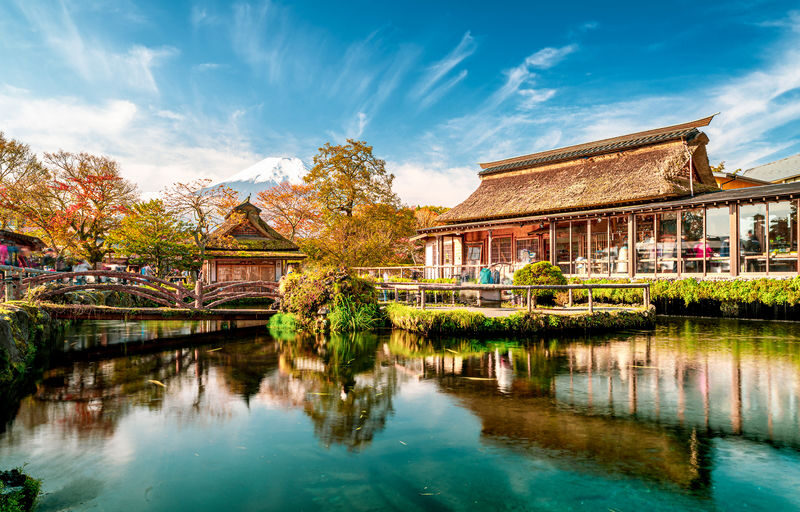
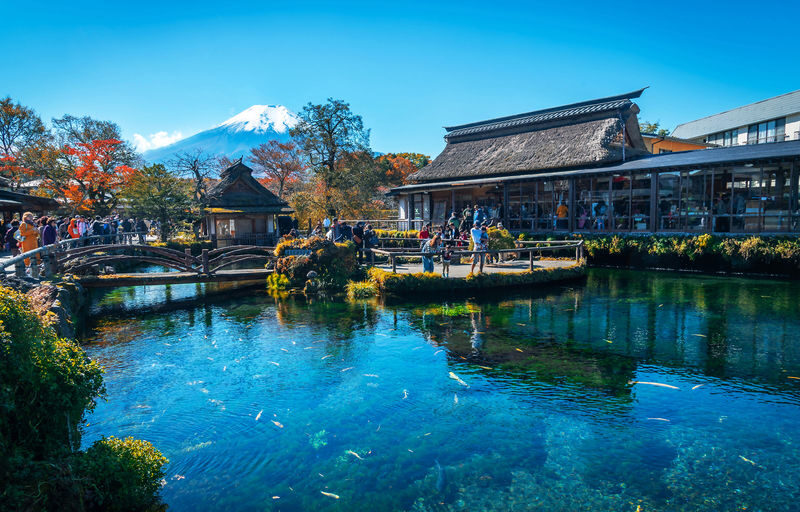
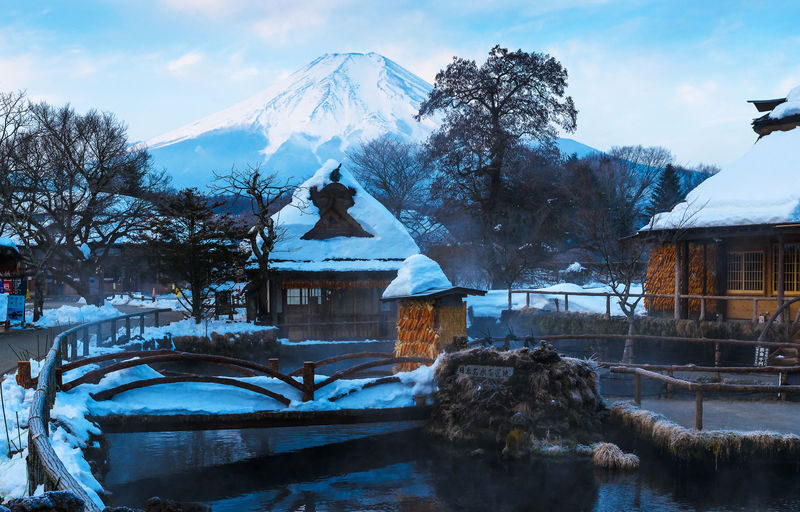
Oshino Hakkai gets about an hour, a useful stretch in the middle of a busy day. Its eight spring pools are fed by snowmelt from Mount Fuji, and the clear water is the main draw. The setting feels more grounded than the famous Fuji photo spots: you can stroll through the village, look into the pools, and stop for a simple local bite.
Use this stop for lunch as well as sightseeing. Soba and kusamochi are among the suggested local foods, and grilled mochi is another snack worth looking for. One useful tip is to bring an empty bottle if you want to try the spring water. Food and drinks are at your own expense, so budget a little time and money for a snack rather than expecting a meal to be included.
The hour passes quickly if you want to see all eight springs and eat. Pick a few pools to linger over, then keep moving; this is one place where a little self-restraint helps you avoid rushing back to the vehicle.


Kawaguchiko’s seasonal colors
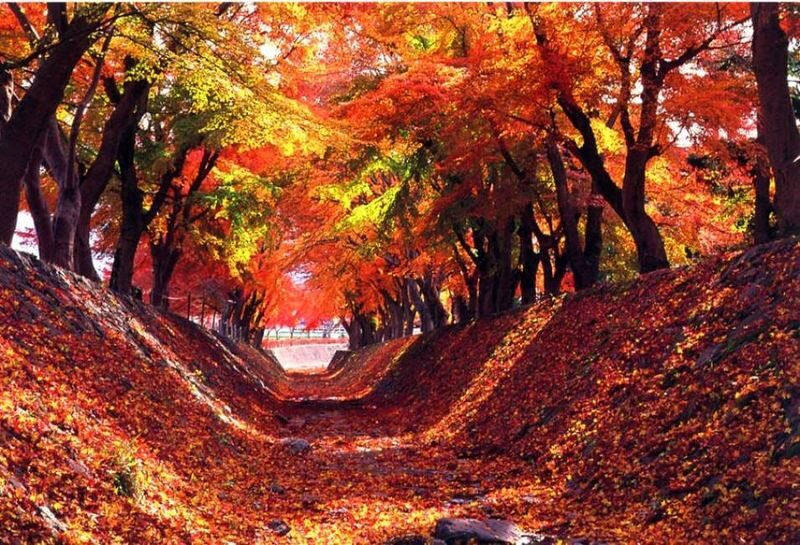
A seasonal stop is scheduled for about 30 minutes. The exact destination changes with the calendar and conditions. In spring, the route may include the Kawaguchiko Cherry Blossom Festival; in summer, seasonal flower fields such as lavender are described; and in autumn, the Maple Leaf Corridor is a featured option. From November 1 through November 23, the stated destination changes to the Maple Leaf Corridor.
These are attractive additions, but blossom and leaf color depend on the season’s timing. A tour date cannot guarantee that flowers are at peak bloom or leaves at their brightest. Treat the seasonal stop as a chance to catch the area in its current mood, not a promise of a perfectly timed postcard.
There is also an important route distinction. The promotional description mentions Mount Fuji’s 5th Station as a summer-limited option, with the chance to reach the mountain’s halfway point and look out over cloud and mountain scenery. The detailed day schedule instead lists a seasonal flower stop and does not show the 5th Station as a regular stop. Ask which version runs on your date if the 5th Station is your main reason for booking.
Lawson and the final photo stop
The schedule gives about 20 minutes at Lawson Fujikawaguchiko Town Hall. Here the familiar convenience-store signs are set against Fuji, creating an amusing contrast between everyday Japan and a famous mountain view. It is an easy stop for a quick photo, not a place to spend a large part of the day.
The composition only works as intended when Fuji is visible, and the short visit leaves little time for lingering. Still, it offers a change of pace from parks and ponds, and the store can be handy for a drink or small snack if you have time. Any purchases are personal expenses.
The itinerary’s attraction list can vary. Some descriptions also mention Oishi Park, with seasonal flower beds and a broad view across the lake, while the detailed schedule names Lawson and a seasonal stop. Because capacity, weather, and route conditions can lead to skipped or changed attractions, confirm which stops are planned rather than counting on every name in the tour description.
The value of transport, group size, and price
At the starting price of US$49.30, this can be a good-value way to see several Fuji-area sights, particularly if the alternative is arranging multiple connections and paying for each leg separately. The price includes the vehicle, tolls, parking, and fuel. It does not include meals, drinks, accommodation, or personal spending, and package prices vary by language, pickup arrangement, and group format.
The tour’s value is strongest if you want a ready-made route and a driver-guide to manage the day. It is less suited to you if you want a long lunch, hours at one viewpoint, or the freedom to change plans on a whim. One person who enjoyed the day still found there was not quite enough time to explore each place thoroughly. That is a fair description of the bargain: more stops, less lingering.
Reports of clean, comfortable vehicles, smooth driving on winding roads, clear pre-trip instructions, and well-kept timing point to the practical strengths of the service. Those details matter on a full-day road trip. So does the driver-guide’s help with directions and photo spots. No individual guide names are provided, so you cannot request a specific person.
Weather, pace, and who should book
Mount Fuji is the main character, but it does not take requests. Rain and cloud can obscure it for much of the day. A clear forecast improves your odds, but it cannot guarantee a view. If the mountain is hidden, the village, ponds, parks, and seasonal scenery still give the day other points of interest, though the signature photos may be missing.
The schedule can also shift with road traffic and weather, and attractions may be skipped because of capacity or conditions. Plan for a full day, with a return to Tokyo expected around 18:00 to 18:30 rather than at a guaranteed minute. If you have an evening booking, leave a buffer.
This trip fits first-time visitors who want several classic Fuji views in one outing, people who prefer not to arrange regional transport, and anyone who values a Chinese-speaking driver-guide. It is also a sensible choice if your priority is taking photos at multiple well-known locations. Independent explorers who prefer a slow pace may be happier making their own way and spending longer at fewer stops.
Participants must be under 70, and infants and children count as passengers and pay the same rate as adults. The activity is not recommended for pregnant women. Bring rain gear, sun protection, a power bank, and a little food if you like having a snack on hand.
Should you book this Mount Fuji tour?
Book it if you want a convenient, photo-focused day from Tokyo and are content to keep moving. The mix of Arakurayama, Oshino Hakkai, and seasonal Kawaguchiko stops gives you more than one way to experience the Fuji area, and the included transport saves the work of linking distant sights.
Before you pay, confirm the exact meeting point, language, group size, pickup arrangement, and seasonal route. In particular, ask whether the 5th Station or Oishi Park is part of your date’s itinerary if either is a must-see. If you can accept a weather gamble and a brisk pace, the tour offers a practical way to make a full day of Mount Fuji.
Mount Fuji Classic Day Tour: Arakurayama Sengen Park/5th Station & Lake Kawaguchiko for Cherry Blossoms in Spring and Autumn Leaves in Autumn. Round trip from Tokyo. Hotel pickup and drop-off can be added. (Chinese service)
“bad weather.. rain whole day.. cannot see anythinh..”
FAQ
Where does the tour depart from?
The available packages list Ginza or Tokyo Station meeting options, and a hotel-pickup package is also offered. Check your selected package and confirmation for the exact meeting address, since the meeting-point details vary across the tour information.
What time does the tour leave and return?
Gather at 8:00, with departure at 8:20. The expected return to Tokyo is around 18:00 to 18:30, but traffic can change the arrival time.
What language is the driver-guide service in?
The package options include Chinese service and an English or Korean service. Choose the language option that matches your needs.
Is hotel pickup included?
Hotel pickup and drop-off are available with a specific small-group package. They are not included in every option, so check the package details before booking.
Which attractions are included?
The detailed schedule names Arakurayama Sengen Park, Hikawa Clock Shop, Oshino Hakkai, a seasonal stop, and Lawson Fujikawaguchiko Town Hall. Routes may change because of weather or capacity, and other descriptions mention Oishi Park and a summer 5th Station option.
Are meals and drinks included?
No. Meals and beverages are not included. Oshino Hakkai has nearby options for local snacks such as kusamochi and soba.
What should I bring?
Rain gear, sun protection, a power bank, and simple food are suggested. You may also bring an empty bottle if you want to try the spring water at Oshino Hakkai.
What are the age and cancellation conditions?
Participants must be under 70. Infants and children count in the passenger total and are charged the same rate as adults. The tour is not recommended for pregnant women. A full refund is available if you cancel at least 24 hours before the activity date; late arrivals of five minutes or more are not eligible for a refund.