Mount Fuji can change the mood of a whole day with one clear view. This private-car outing gives you several ways to seek that view, from the Fuji Subaru Line 5th Station to lakeside photo stops, with separate options for Hakone or Kamakura. I like the door-to-door transport and the choice of routes, which save you from stitching together a long day by train and bus.
I also like the freedom built into some versions: the classic Fuji route lets you choose between Gotemba Premium Outlets and a hot spring, while the Hakone route pairs a shrine, boat, and ropeway. The main caveat is that these are different tour options, not one giant day covering Fuji, Hakone, and Kamakura. Weather, traffic, and operating conditions can change the plan, and guide commentary in English may vary.
- Key points before you book
- First, choose the day you actually want
- The classic Fuji day: mountain, springs, then your choice
- Hakone’s shrine, boat, and volcanic steam
- Fuji’s panoramic route and its photo stops
- Kamakura: a Buddha, a coastal train, and old streets
- What a private car changes, and what it does not
- Timing, communication, and small practical details
- Who should book this tour?
- FAQ
- Does one tour visit Mount Fuji, Hakone, and Kamakura?
- When does the classic Fuji tour visit the 5th Station?
- Is hotel pickup included?
- What time does the tour return to Tokyo?
- Are meals included?
- Can I bring luggage?
- Is the tour commentary available in English?
- The Best Of Fujiyoshida!
- More Private Tours in Fujiyoshida
- More Tours in Fujiyoshida
- More Tour Reviews in Fujiyoshida
Key points before you book
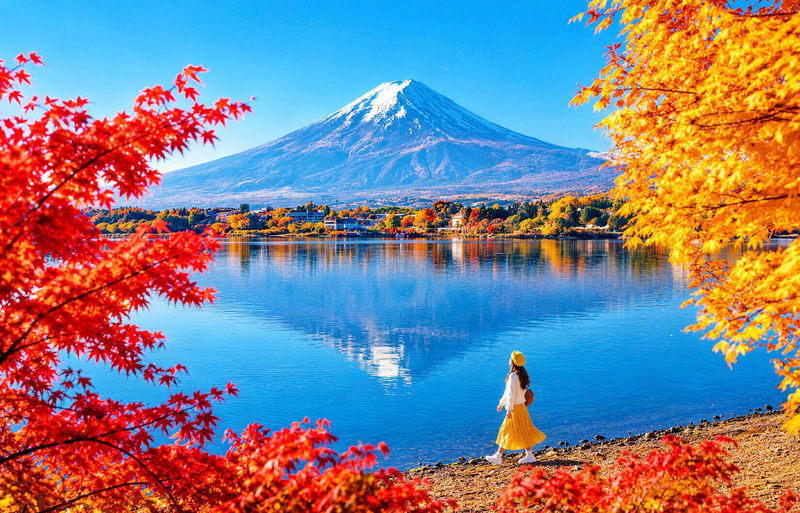 1 / 9
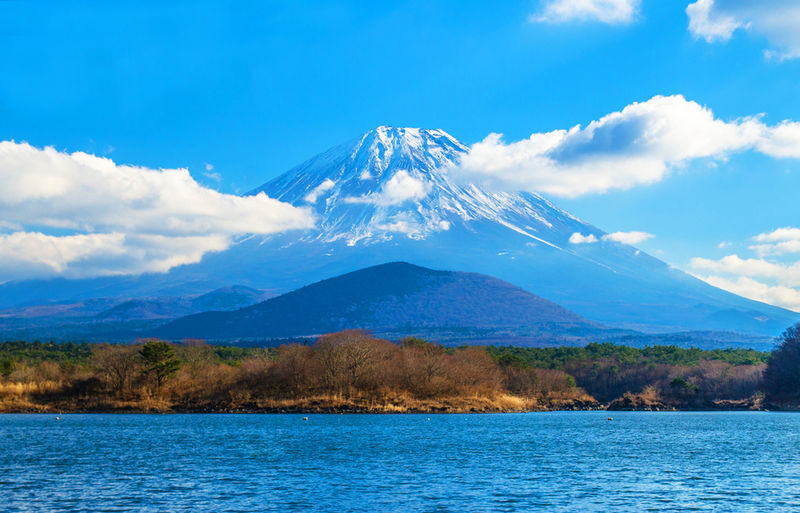 2 / 9
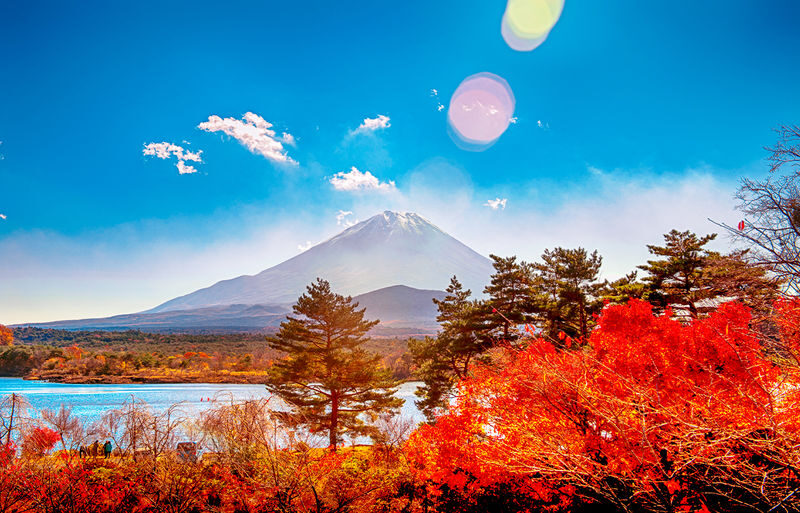 3 / 9
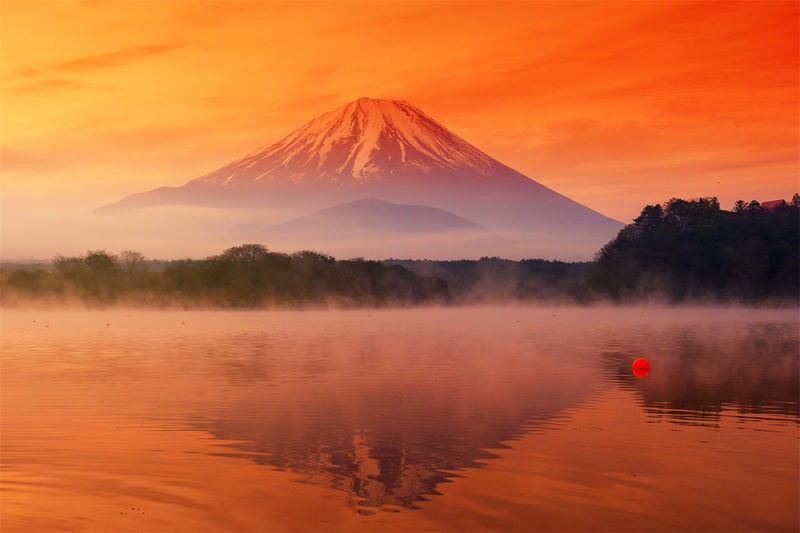 4 / 9
 5 / 9
 6 / 9
 7 / 9
 8 / 9
 9 / 9
- Five distinct day-trip options: Choose a Fuji shopping and hot spring route, Hakone cruise and ropeway, Fuji panoramic ropeway, Fuji photo stops, or Kamakura and Enoshima.
- Season changes the first Fuji stop: The classic route visits the 5th Station from April 26 to November 30, and Arakurayama Sengen Park from December 1 to April 25.
- A long day with a private vehicle: The classic itinerary starts around 7:00 and aims to return between 17:30 and 19:00, depending on traffic and weather.
- Pickup is arranged in advance: You can enter your hotel details when booking, or use one of the listed Tokyo meeting points.
- English service is advertised, but not guaranteed to be detailed: Some trips have had strong English explanations, while others had little or none.
- Plan for limited vehicle space: Each person may bring one piece of luggage if noted ahead of time. Large suitcases are discouraged.

👉 See our pick of the 8 Most Highly Rated Private Driver Services In Fujiyoshida
First, choose the day you actually want
The title brings together three famous destinations, but the product is better understood as a menu of five separate routes. A single outing focuses on one plan. The classic Fuji tour includes Oshino Hakkai and a choice of outlet shopping or a hot spring; the Hakone option centers on Lake Ashi, the ropeway, and Owakudani; and the Kamakura option follows the Great Buddha, Enoden railway, Enoshima, and old-town streets.
The other two Fuji routes lean toward views and photographs. One combines the Kachi Kachi Yama Ropeway, Oishi Park, Lawson, and Oshino Hakkai. The photo-focused plan adds Arakurayama Sengen Park and Hikawa Clock Shop. Before booking, check the exact package name: the listed 7:00 itinerary and seasonal 5th Station swap apply to the Mount Fuji Classic Shopping Hot Spring Tour, not automatically to every option.
At a starting price of US$454.05, the appeal is less about getting the cheapest ride and more about having a vehicle and driver-guide for a full day outside Tokyo. The value depends on your party size, selected vehicle, route, and the costs of any activities or purchases along the way. Meals, drinks, and personal expenses are not included. Check the price shown for your chosen option and vehicle before confirming.
You can also read our reviews of more private tours in Fujiyoshida
The classic Fuji day: mountain, springs, then your choice
The classic route begins early. Pickup is scheduled within a 7:00 to 8:30 window, with the exact time confirmed by email the evening before. The day’s first major stop is scheduled around 10:00, but the exact destination depends on the season: from April 26 through November 30, the route heads to Fuji Subaru Line 5th Station; from December 1 through April 25, it visits Arakurayama Sengen Park instead.
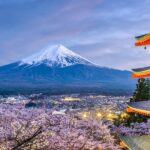
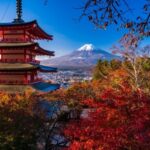
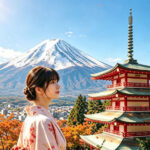
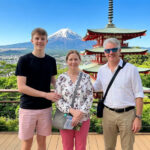
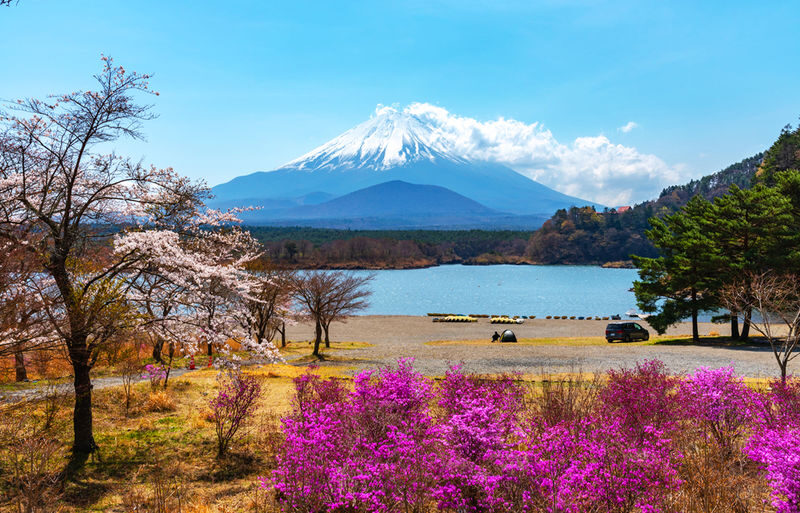
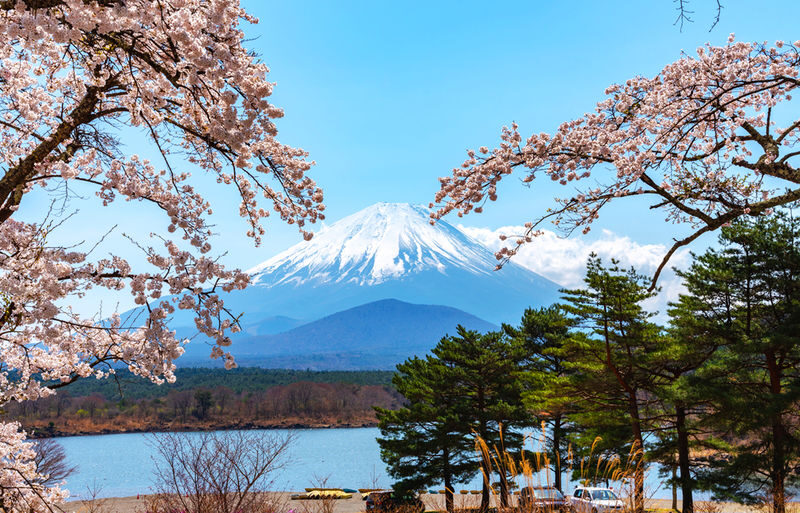
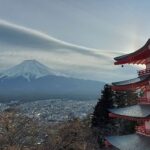
At the 5th Station, you get a high-altitude view toward Mount Fuji, Lake Kawaguchiko, and, when conditions allow, a sea of clouds. It is the closest mountain-focused stop in this route, but clouds and weather can obscure the very view you came for. The park alternative offers a different classic composition, Mount Fuji behind the five-storied Chureito Pagoda and the town below. Reaching the viewpoint involves climbing 397 steps, so factor that into your energy and footwear.
The next scheduled stop is Oshino Hakkai, with about an hour to explore independently. The village is known for clear spring ponds fed by Mount Fuji snowmelt. This is a gentler change of pace after the mountain stop, with water, village scenery, and views of Fuji when skies cooperate. You have time to wander, but not an open-ended visit, so keep an eye on the agreed departure time.
Around 13:00, the classic tour gives you roughly two hours for one of two choices: Gotemba Premium Outlets or a Mount Fuji hot spring. The outlet stop suits you if shopping is part of the holiday; the hot spring is the better fit if you want a quieter break after several hours on the road. The supplied details do not specify which admission or bathing costs are covered, so confirm those before departure.
The route aims to return around 17:30, with arrival in Tokyo estimated between 17:30 and 19:00. That is a target, not a promise. Traffic and weather can stretch the drive, so leave the evening free rather than booking a timed dinner or show.
Hakone’s shrine, boat, and volcanic steam
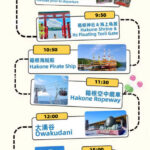
The Hakone Ropeway Cruise option makes a more varied day of transport part of the fun. It begins at Hakone Shrine, beside Lake Ashi, where the red torii gate in the water creates one of the region’s signature views. From there, the plan includes a pirate-ship cruise across the lake, followed by an aerial ropeway with views over volcanic terrain.
At Owakudani, volcanic steam and geothermal features give the day a markedly different feel from Fuji’s lakes and spring ponds. The area is associated with black eggs, a local food tradition tied to the hot springs. The ropeway section can offer broad views toward Mount Fuji, but visibility depends on the day. Weather can also affect the operation of attractions, so keep expectations flexible.
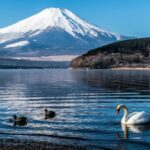
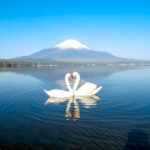
The advertised highlights also include Yamanakako’s Swan Lake and Oshino Hakkai, where swans, Fuji, and clear springs make a quieter finish. Because routes and timing can change, ask how these stops fit into the specific Hakone package when you book. This is a full day with several moving parts, not a leisurely stay at any one site.
Guide quality matters here. Ko was praised for clear explanations, good timing, and a warm manner on one outing, while other English-language departures had limited commentary or difficulty communicating in English. Xiao Hu and driver Cao Lixin were also named positively on a Fuji tour. These names are useful examples, not a promise of who will lead your trip. If detailed interpretation is important to you, confirm the language arrangement directly.
Fuji’s panoramic route and its photo stops
The Mount Fuji Panoramic Ropeway Matcha Experience Tour is built around Lake Kawaguchiko and the view from Kachi Kachi Yama Ropeway. The cable car climbs to an observation area at about 1,075 meters, giving you a broad look over the lake and Mount Fuji when the weather is clear. The route also mentions lakeside time and matcha culture, followed by Oishi Park, Lawson, and Oshino Hakkai.
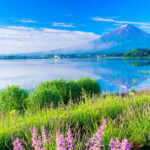
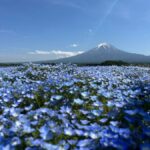
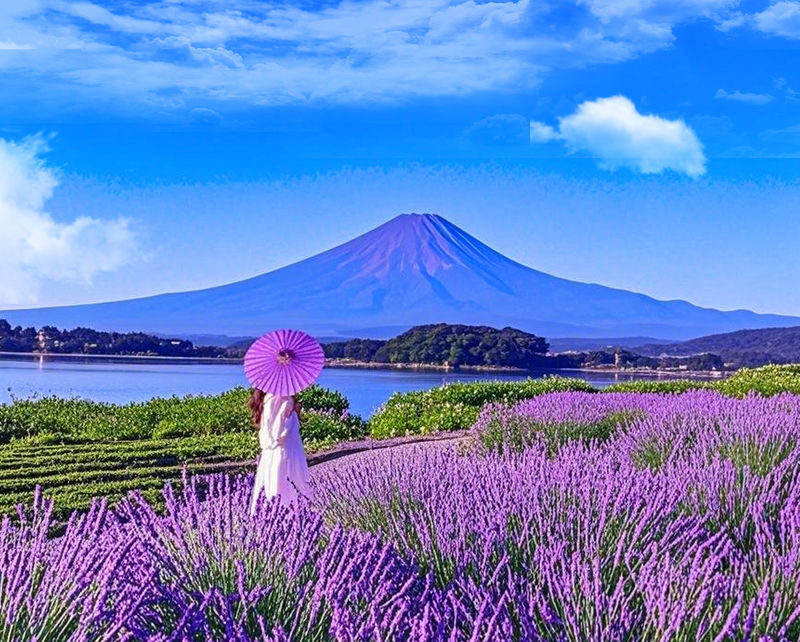
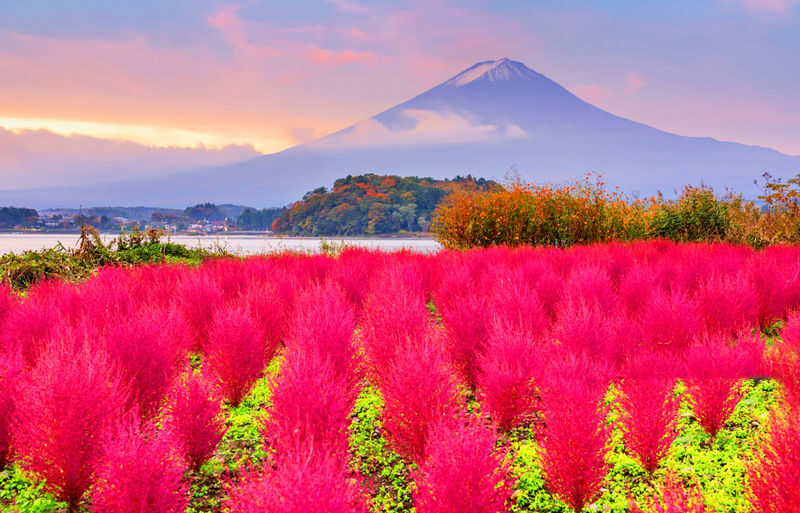
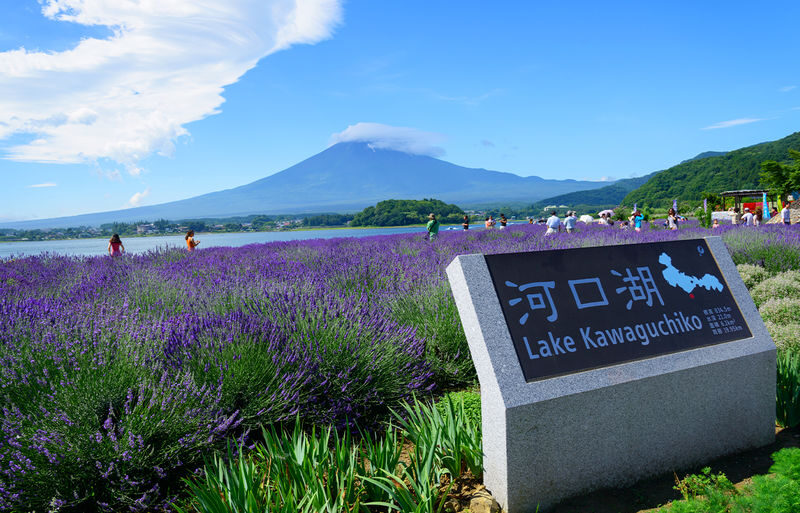
Oishi Park is known for seasonal flower displays, including lavender and kochia, with Fuji as a backdrop. The flowers are not guaranteed to be at their best on your date: bloom timing shifts with weather and season, and no refund is offered if a seasonal display falls short of expectations. The stop is still useful for a lakeside walk and a chance to frame the mountain from a different angle.
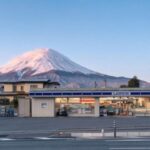
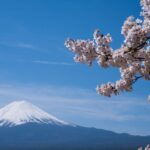
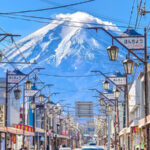
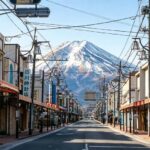
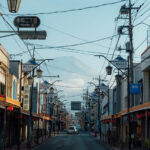
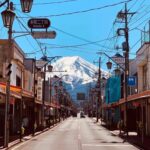
The Lawson convenience store near Lake Kawaguchiko is a popular photo stop because its street scene and Fuji view make a striking contrast. It is a quick snapshot, not a secluded viewpoint. The photo-focused option adds Arakurayama Sengen Park and Hikawa Clock Shop, whose street leading toward Mount Fuji has a familiar Japanese-town feel. Cherry blossoms and autumn leaves may add seasonal color, but their timing is never certain.
These routes suit you if you want a sequence of recognizable views without planning each transfer yourself. They are less ideal if your priority is a long hike, a slow visit to one village, or guaranteed clear mountain views. The driver can adjust the order for traffic and conditions, but a cloud-covered Fuji is still a possibility.
Kamakura: a Buddha, a coastal train, and old streets
The Kamakura Anime Memory Journey trades mountain scenery for a mix of history, coast, and pop culture. The route includes the Great Buddha of Kamakura, the Enoden train, Kamakura High School Mae, Enoshima, Tsurugaoka Hachimangu Shrine, and Komachi-dori. It is a useful choice if the coast and anime references appeal more than another Fuji viewpoint.
The Enoden is a local railway that passes through streets and along the Shonan coast. The planned stop at Kamakura High School Mae recalls scenes associated with Slam Dunk. This is a photo and atmosphere stop, rather than a dedicated anime attraction. Enoshima adds sea air and shrine traditions, while Komachi-dori offers a more everyday contrast: a shopping street near the historic core.
The Great Buddha and Tsurugaoka Hachimangu provide the route’s strongest historical focus. Together they give you a glimpse of Kamakura’s religious and samurai-era associations, though the day’s schedule also includes several other stops. If you want a deep, unhurried visit to temples and museums, this packed combination may feel too quick. If you want a first look at the town and coast without arranging separate transport, it makes practical sense.
You can also read our reviews of more tours and experiences in Fujiyoshida
What a private car changes, and what it does not
The biggest gain is convenience. These destinations are spread across the Kanto region, and a car lets you move between stops without managing each train or bus connection. Hotel pickup and drop-off are included, although the operator may instead use a designated Tokyo meeting point. The listed options include the Shin-Marunouchi Building by Tokyo Station and Tokyo Mode Gakuen in Shinjuku.
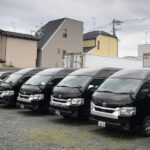
The vehicle is described as a private charter, with several vehicle types available. Space can be limited, particularly in smaller vehicles, and the service is not designed for large suitcases. Each person can bring one piece of luggage free if you note it in the booking’s special requirements. Tell the operator about extra bags at least a day ahead; otherwise, the driver may refuse boarding if the vehicle is too crowded.
A driver-guide is included, with English- or Chinese-speaking service listed. In practice, the level of spoken explanation may vary. Some outings have had detailed, patient guidance; others have felt more like transport with brief commentary. If you mainly need a safe ride and help keeping the day on schedule, that may be fine. If you want in-depth cultural explanation, do not assume the driver will provide a full guided tour.
The vehicle-use limit under Japanese law is ten hours. If the day runs overtime, an extra charge of 5,000 to 10,000 yen per hour may apply. That makes punctuality and realistic expectations important. Stops can be rearranged for traffic or weather, and some attractions may be skipped because of capacity or operating conditions.
Timing, communication, and small practical details
The operator sends the guide and vehicle information by email between 20:00 and 21:00 on the evening before departure. Check your spam folder, and use the latest message if more than one arrives. One departure had a stressful start when the meeting point was crowded and the guide was hard to locate; the driver eventually found the party. Arrive ten minutes early, verify the exact location, and keep the contact details from the confirmation email handy.
The advertised pickup period is 7:00 to 8:30, but the listed Tokyo meeting points show 8:00 at the Shin-Marunouchi Building and 8:30 at Tokyo Mode Gakuen. Your specific confirmation should settle which applies. Do not change the pickup location at the last minute, since missing the vehicle for that reason does not qualify for a refund.
Weather can alter outdoor plans or facility operations, while traffic affects both stop lengths and the return time. Seasonal flowers, blossoms, and autumn color are also dependent on conditions. The tour may adjust its sequence, but a seasonal highlight is never guaranteed. Participants aged 70 or older and pregnant participants must arrange a liability waiver with the operator before departure.
Who should book this tour?
I would choose this day trip if you value a simple route, hotel transfer, and several well-known stops more than a slow, independent day. It is especially useful for a family or small party that wants to avoid coordinating a long regional journey, or for anyone with one clear priority: Fuji views, Hakone’s lake and volcanic sights, or Kamakura’s coast and historic center.
Think twice if you expect a detailed English-speaking guide on every departure, need ample luggage space, or want to spend hours at one attraction. The best way to get value is to select the package that matches your main interest, pack light, keep your evening open, and treat clear Fuji views as a welcome bonus rather than a guarantee.
Mount Fuji/Hakone/Kamakura Private Car Day Tour (Hotel pick-up and drop-off/Multiple vehicle options available)
“I had an amazing time sightseeing with great people in beautiful weather. Since the group was small, the driver also served as the guide. However,…”
FAQ
Does one tour visit Mount Fuji, Hakone, and Kamakura?
No. The experience offers separate package choices focused on Fuji, Hakone, or Kamakura. Choose the route that matches the places you most want to see.
When does the classic Fuji tour visit the 5th Station?
From April 26 through November 30, the classic route plans to visit Fuji Subaru Line 5th Station. From December 1 through April 25, it visits Arakurayama Sengen Park instead.
Is hotel pickup included?
Round-trip transfers to and from your hotel are listed as included. Designated meeting points at Tokyo Station and Tokyo Mode Gakuen are also provided. Check your confirmation email for the pickup arrangement and exact time.
What time does the tour return to Tokyo?
The estimated return window is 17:30 to 19:00. Traffic and weather can delay arrival, so avoid booking another activity that evening.
Are meals included?
No. Meals, beverages, and personal expenses are not included.
Can I bring luggage?
Each person may bring one piece of luggage at no charge if it is noted when booking. Large suitcases are discouraged because vehicle space is limited. Tell the operator about extra luggage at least one day in advance.
Is the tour commentary available in English?
English-speaking driver-guide service is listed, but the amount and quality of English commentary may vary. If detailed English explanations are essential, confirm the language arrangement with the operator before booking.