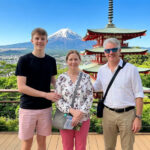
In one long day, you can move from Hakone’s volcanic steam to a pirate-ship ride on Lake Ashi, then finish among the spring ponds at Oshino Hakkai. I like that the route joins two very different parts of the region without asking you to work out mountain transport connections yourself.
I also like the included Owakudani Ropeway ticket and the chance to see Lake Yamanaka as well as Lake Ashi. Guides such as Yaya and Will have been singled out for clear explanations, practical help, and keeping groups on schedule.
The trade-off is time: this is a full circuit with several stops, not a slow day in one place. The Lake Ashi boat costs extra on the basic package, and Mount Fuji may be hidden by cloud, so come for the whole day’s scenery rather than a guaranteed Fuji portrait.
- The useful details at a glance
- A long loop that saves you the transport puzzle
- Hakone Shrine and the Peace Torii
- Lake Ashi by pirate ship, if you choose to pay
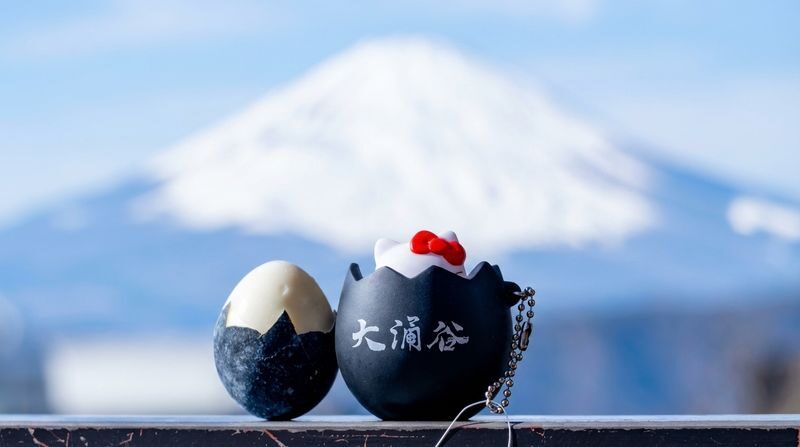
- Owakudani: steam, sulfur, and black eggs
- Lake Yamanaka and a close look at the Fuji foothills
- Oshino Hakkai’s clear spring ponds
- What the price covers, and what it does not
- Before you reserve your seat
- Should you book this Mount Fuji and Hakone tour?
- FAQ
- Is the Owakudani Ropeway ticket included?
- Is the Lake Ashi pirate ship included?
- How long is the tour?
- Which places does the tour visit?
- Is Mount Fuji guaranteed to be visible?
- Are meals included?
- What languages does the guide speak?
- Can I bring luggage on the bus?
- Are children allowed on the tour?
- What happens if the weather or traffic changes the route?
- The Best Of Fujiyoshida!
- More Tickets in Fujiyoshida
- More Tours in Fujiyoshida
- More Tour Reviews in Fujiyoshida
The useful details at a glance
- Two regions, one bus outing: Visit Hakone and the foothills of Mount Fuji without arranging separate transport.
- Owakudani ropeway fare included: The ticket is complimentary, but it cannot be refunded or changed if you do not use it.
- Choose your Lake Ashi boat option: The pirate ship ticket costs 1,700 yen one way, unless you book the package that includes it.
- A busy but varied route: Expect a shrine, lakes, volcanic ground, and clear spring ponds in the same day.
- Guides help manage the pace: Guides including Yaya, Will, and Sakuragi have been noted for useful explanations and keeping the group on time.
- Weather and traffic can change the day: Fuji visibility is not guaranteed, and the return time may shift with road conditions.

👉 See our pick of the 8 Most Highly Rated Private Driver Services In Fujiyoshida
A long loop that saves you the transport puzzle
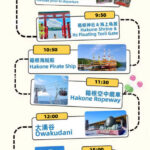
The tour lasts about nine and a half hours, with departure options around 7:30 or 8:00 and a return to Tokyo scheduled for roughly 17:10 or 17:40, depending on the drop-off point. You travel by round-trip bus and meet the group rather than joining from a hotel. That is a real advantage here: Hakone and the Fuji foothills are not a simple pair of destinations to connect by local transport in a single day.
The route starts in Hakone, then heads toward Lake Yamanaka and Oshino Hakkai. That order helps avoid unnecessary backtracking and gives the day a natural change of scene, from shrine and lake to volcanic valley and mountain springs. The vehicle may be a large tour bus or a smaller vehicle, depending on the group. Group size can reach 49, so expect a shared outing rather than a private tour.
Your guide speaks English or Chinese. The guide’s style and the amount of commentary can vary; on smaller departures, the driver may also act as the attendant, with less narration. Past guides include Yaya, Will, and Sakuragi, among others. The most useful job a guide does here may be less grand than delivering a lecture: keeping everyone together, explaining where to go, and making sure you return to the bus on time.
You can also read our reviews of more tours and experiences in Fujiyoshida

Hakone Shrine and the Peace Torii
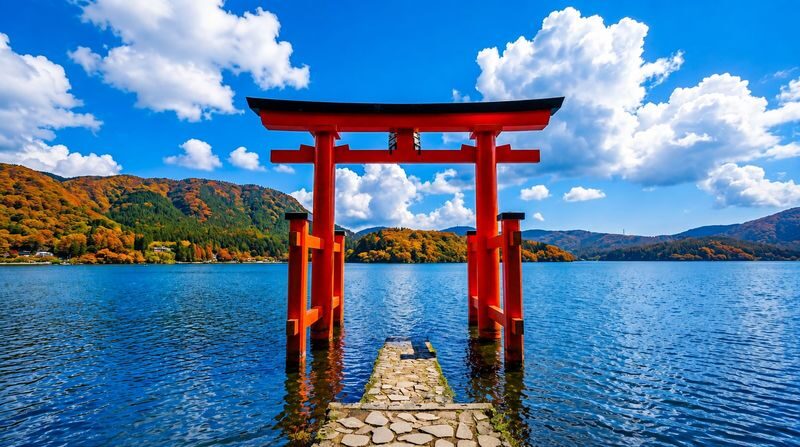
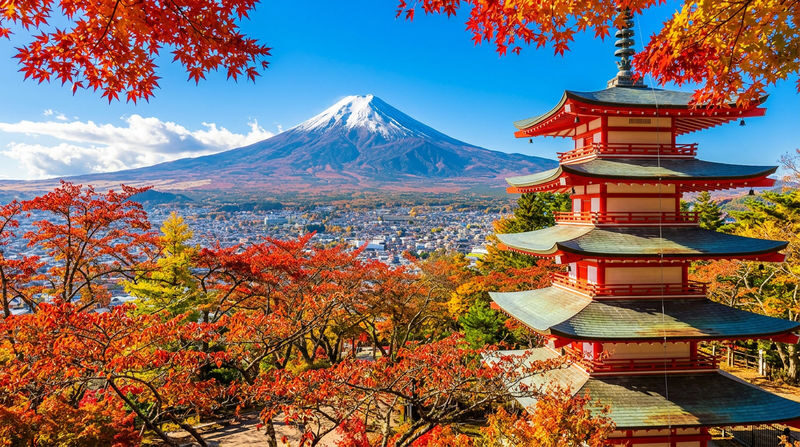
The morning begins at Hakone Shrine, founded in 757 and set among the wooded shores of Lake Ashi. The shrine’s vermilion gates are the main draw, especially the Heiwa no Torii, which stands in the water. The arrangement of red gate, lake, and surrounding mountains makes this one of Hakone’s most recognizable photo stops.
You have about 40 minutes for the shrine, followed by a separate 20-minute stop at the Peace Torii. This is enough for a look and some photos, but not a leisurely visit to every corner. The torii can be especially appealing if you want a classic Hakone image; if you prefer quiet time at shrines, the group schedule may feel brisk.
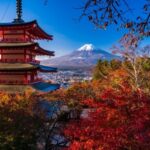
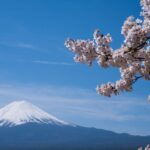
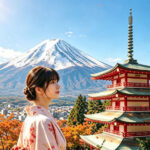
The tour describes Mount Fuji as part of the view, but visibility depends on weather. Even when the mountain is covered, the shrine and its lakeside setting are still worth seeing. Keep your camera ready, but don’t make the whole day depend on one distant peak.
Lake Ashi by pirate ship, if you choose to pay
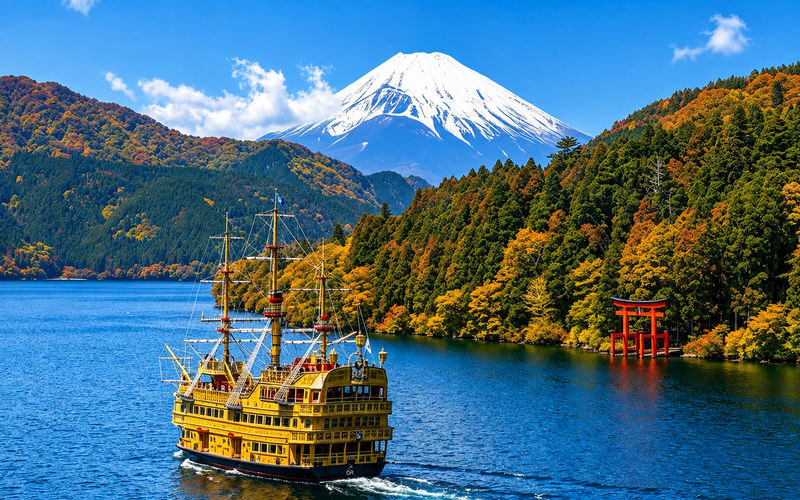
Next is Togendai Port, where the Hakone pirate ship crosses Lake Ashi. Designed to resemble an 18th-century European warship, it is a playful contrast to the shrine and mountain scenery. The boat gives you a different vantage point on the lake and, when conditions allow, views toward the surrounding mountains and Fuji.
The standard package does not include the boat fare. A one-way ticket is listed at 1,700 yen, while another package option includes the pirate ship ticket. Check which version you are booking before you set your budget. The tour’s description includes about 30 minutes at the port, so if you plan to ride, follow the guide’s instructions closely and keep an eye on the departure time.
I would lean toward the boat option if you like being on the water and want the day to feel more than a sequence of roadside photo stops. If you are watching costs, the tour still includes plenty of scenery without it. One practical point: the ropeway, boat, and other facilities can be suspended because of weather or other conditions, and the route may then be adjusted.
Owakudani: steam, sulfur, and black eggs
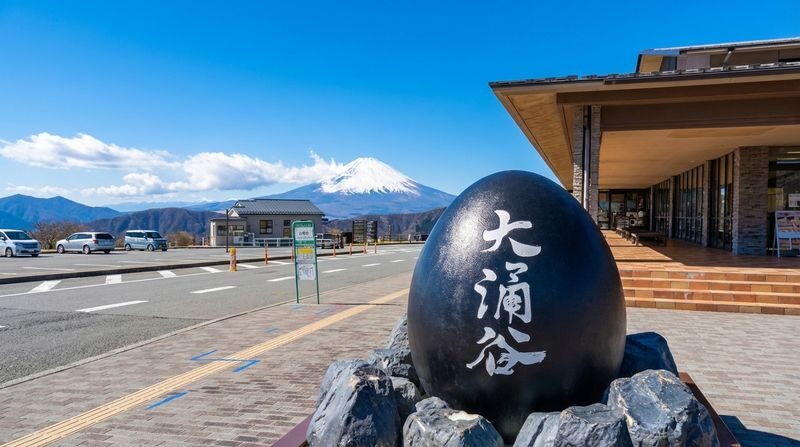
Owakudani is the tour’s most unusual stop. The volcanic valley formed after an eruption about 3,000 years ago, and geothermal activity still sends sulfurous steam from the ground. The exposed rocks and fumaroles give this stop a stark, active feel, quite unlike the shrine or lakes.
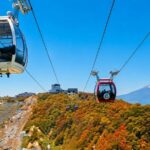
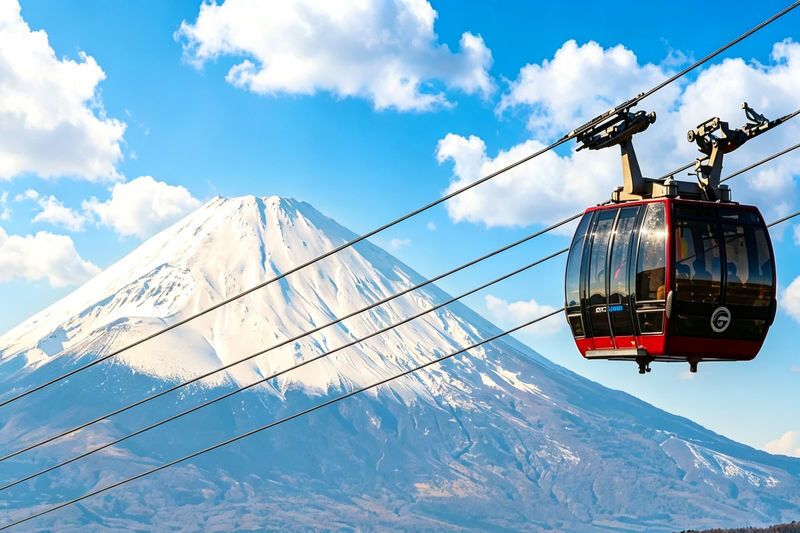
The ropeway ride is included in the base package, and its cabins have panoramic glass for views across the area. On a clear day, you may also see Lake Ashi and Mount Fuji. At the top, the schedule allows roughly 30 minutes for the ropeway stop and another 40 minutes at Owakudani. That gives you time to look around and try the famous black eggs if you wish, though food and drinks are not included.
The air here can smell strongly of sulfur, which is part of the place rather than a flaw in the tour. Stay on designated paths and follow any local safety directions. The ropeway ticket is complimentary but non-refundable and non-changeable if you cannot use it, so treat it as a useful inclusion, not a guaranteed ride in every condition.
Lake Yamanaka and a close look at the Fuji foothills
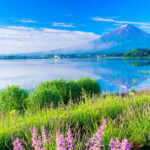
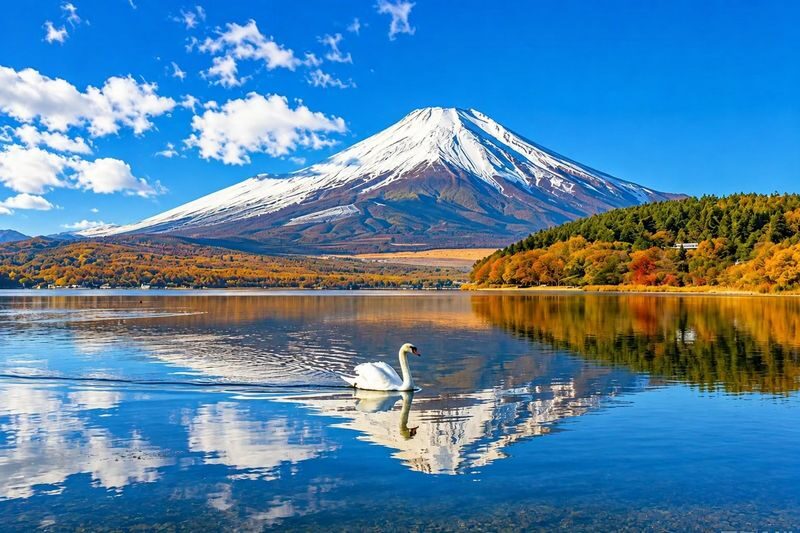
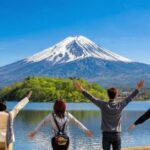
After Hakone, the route continues to Lake Yamanaka, the largest and highest-altitude of the Fuji Five Lakes. It is known for views of Mount Fuji and for the swans along its shore. The tour includes a special arrangement for feeding swans, giving you a chance to get closer to the birds and the lakeside environment.
The schedule does not give a fixed stop duration here, so use the guide’s timing rather than assuming you can linger. If Fuji is visible, this is one of the day’s better opportunities to frame the mountain with a lake in the foreground. If clouds hide it, the setting still offers an open change of pace after the volcanic ground at Owakudani.
Season affects the view, and summer is noted as a time when Fuji visibility is lower. Cherry blossoms, autumn color, and snow scenes also depend on the year’s weather. The tour will proceed even if the seasonal display is early, late, or absent, so book for the variety of places rather than one particular bloom or view.

Oshino Hakkai’s clear spring ponds
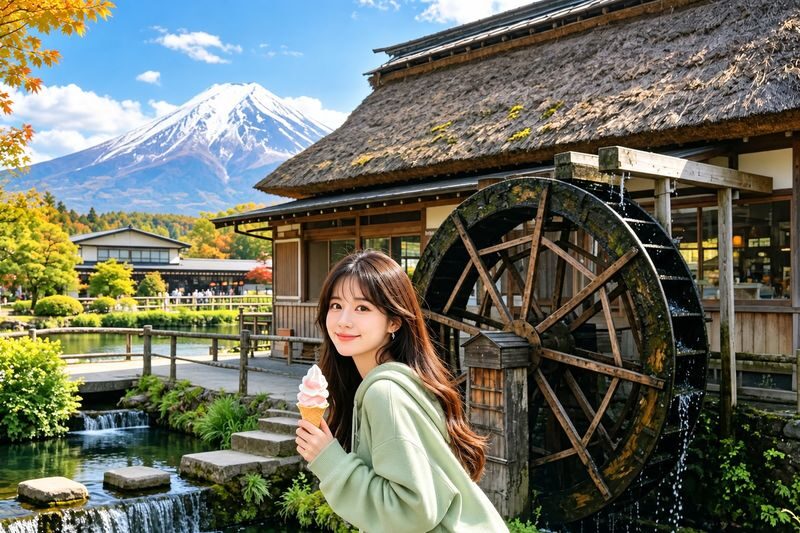
The last sightseeing stop is Oshino Hakkai, a village known for eight natural spring ponds fed by Mount Fuji meltwater filtered through the ground over many years. The water stays around 13°C throughout the year, and visitors can taste it directly. The ponds are small, clear, and very different from the broad views at the lakes.
You have about 50 minutes here. That is enough for a walk around some of the ponds and time to take in the village, but it is not an extended rural visit. The setting can be a welcome, quieter finish to a day that has included several major stops. If you want to see every pond at a leisurely pace, you may find the allocated time short.
Bring a refillable bottle if you want to taste the spring water, and keep a little cash or a payment card handy for any personal purchases. Meals and drinks are not included, so plan to buy food during the day or bring a light snack. Eating and drinking are not allowed on the bus.
What the price covers, and what it does not
Prices start at $49.29, with the final cost depending on the package you choose. For that starting price, the core value is the round-trip bus, an English- or Chinese-speaking guide, and the Owakudani Ropeway ticket. The bus makes this route practical: you avoid piecing together separate trains, buses, and mountain connections across a wide area.
The pirate ship is the key extra cost on the basic option. If you already know you want the cruise, compare the package that includes it with the basic fare plus the listed 1,700-yen one-way ticket. Meals, beverages, personal expenses, and insurance are also outside the price. The tour does not include luggage storage or delivery, so ask in advance if you need to bring luggage; an unapproved bag may be refused, without a refund.
For a first trip to the area, the value is less about spending a long time at each attraction and more about seeing several distinct places in one day. You get shrine architecture, a lake cruise option, geothermal activity, swans, and spring ponds without changing hotels or planning the route yourself. If you prefer a slow visit or want to hike and explore one area in depth, a self-planned trip may suit you better.
Before you reserve your seat
Arrive at the exact meeting point at least 10 minutes early. The day before departure, the operator sends guide and vehicle details by email, so check your inbox and spam folder. Confirm the meeting time and return drop-off shown for your date, since the tour information gives more than one departure and return option.
Traffic can add time, particularly on public holidays and peak weekends. Avoid booking a same-evening flight, Shinkansen, or dinner reservation that depends on a precise arrival time. Carry a power bank and a light snack, and dress for the mountain weather. The operator may change the order of stops or reduce visits because of road conditions, weather, maintenance, or facility closures.
Infants and children count toward the passenger headcount, and participants must be under 70. Seating is assigned on a first-come basis according to the tour’s arrangements, but arriving early does not guarantee a particular seat. Cancellation is available for a full refund up to 24 hours before the activity, subject to the stated conditions; late arrivals and no-shows are not refundable.
Should you book this Mount Fuji and Hakone tour?
Book it if you want an efficient first look at Hakone and the Fuji foothills, value a guide and round-trip transport, and are happy to keep moving. The mix of volcanic steam, lakeside scenery, shrine architecture, and spring ponds gives the day real variety, while the included ropeway fare helps make the starting price more attractive.
Think twice if you want long, unstructured stops, need a guaranteed Mount Fuji view, or have a tight evening connection in Tokyo. Choose the pirate-ship package only if you want the cruise and have confirmed that it is included in your selected option. For most visitors with one day to spare, this is a practical way to cover a lot of ground without turning the trip into a transport-planning exercise.
(Includes Owakudani Ropeway Ticket) Mount Fuji & Hakone Panoramic Photo Spot Day Tour: Owakudani, Lake Ashi Pirate Ship, Lake Yamanaka, Oshino Hakkai (Departing from Tokyo)
“A great day filled with a variety of amazing sights and experiences even though Mt Fuji was a little shy. Will, our tour guide, was amazing: knowle…”
FAQ
Is the Owakudani Ropeway ticket included?
Yes. The tour includes a complimentary Owakudani Ropeway ticket. It is non-refundable and cannot be changed if you do not use it.
Is the Lake Ashi pirate ship included?
Not in the basic package. The one-way ticket is listed at 1,700 yen, and a separate package option includes the pirate ship ticket.
How long is the tour?
The tour is listed as about 9.5 hours. Departure options are around 7:30 or 8:00, with return times listed around 17:10 or 17:40. Actual times can change with traffic and road conditions.
Which places does the tour visit?
Stops include Hakone Shrine, the Heiwa no Torii, Togendai Port on Lake Ashi, Owakudani, Lake Yamanaka, and Oshino Hakkai.
Is Mount Fuji guaranteed to be visible?
No. Fuji visibility depends on the weather, and the mountain may be hidden by cloud. Seasonal scenery such as blossoms, autumn color, or snow also varies.
Are meals included?
No. Meals and beverages are not included.
What languages does the guide speak?
The tour includes an English- or Chinese-speaking guide. Commentary may be brief on some smaller departures if the driver also serves as the attendant.
Can I bring luggage on the bus?
You must inform the operator in advance if you need to bring luggage. Luggage storage and delivery are not provided, and unapproved luggage may be refused without a refund.
Are children allowed on the tour?
Infants and children must be included in the passenger headcount. Participants must be under 70.
What happens if the weather or traffic changes the route?
The tour order, stop times, or attractions may be adjusted because of weather, traffic, facility maintenance, or other conditions. If facilities such as the ropeway or cruise are suspended, the operator may change the itinerary.