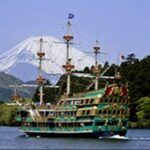
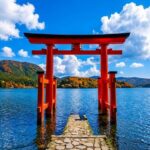
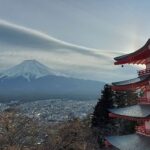
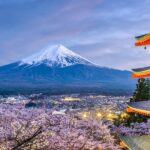
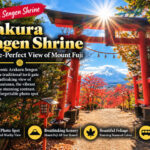
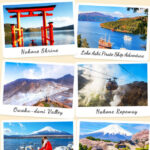
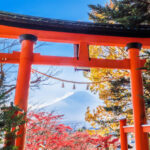
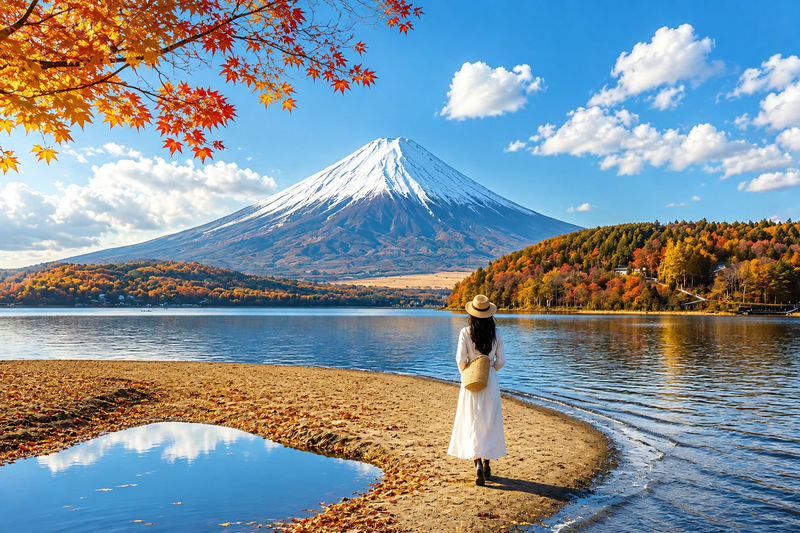
Mount Fuji is the star, but this is really a day of changing angles: swans on a lake, clear spring pools, a Lawson with the mountain behind it, and the classic view from Arakurayama Sengen Park. I like the range of scenes, and I like that a guide and round-trip transport take the strain out of linking these spread-out stops. The trade-off is a busy schedule, and clouds can hide Fuji altogether.
Three routes give you different ways to spend the day. The six-stop photo route is best for a quick sampler of the Fuji area; the Hakone option adds Owakudani and Lake Ashi; and the value route includes a small train and Kawaguchiko ropeway. Guide names vary by departure, but guests have praised guides including Mandy, Coco, Will, and Ohashi for clear explanations, helpful photo tips, and keeping groups on schedule.
- Six stops, several kinds of scenery: The photo-focused route links Lake Yamanaka, Oshino Hakkai, two Kawaguchiko-area stops, Hikawa Clock Shop, and Arakurayama Sengen Park.
- Three routes, three moods: Choose Fuji viewpoints, a Fuji and Hakone combination, or a small train and ropeway package.
- A guide makes the day easier: English, Chinese, or Korean-speaking guides are included, though the language mix and amount of commentary can vary.
- Brief visits mean a brisk pace: Most stops allow 20 to 70 minutes, so plan to choose a few priorities at each.
- Fuji visibility is never guaranteed: Weather, especially summer haze and cloud, can change the views without changing the tour price.
- From $49.29 for a full day: Shared transport and multiple stops can make this good value if you want broad coverage rather than a slow visit.
- Pick the Fuji day that fits your mood
- Lake Yamanaka brings Fuji and swans together
- Oshino Hakkai rewards a slow look at the water
- The Lawson stop is ordinary Japan with an extraordinary backdrop
- Oishi Park gives you a lake-and-mountain panorama
- Hikawa Clock Shop offers a town-street photo
- Arakurayama Sengen Park is the classic finale
- A packed day works best when you set priorities
- The price makes sense for coverage, not guaranteed views
- Book the route for its stops, not just its title
- FAQ
- How long is the tour?
- What is included in the price?
- Which Mount Fuji route should I choose?
- Are the small train and ropeway included on every route?
- Is Mount Fuji guaranteed to be visible?
- Where does the tour depart from?
- How early should I arrive at the meeting point?
- Are meals included?
- Can the schedule change?
- The Best Of Fujiyoshida!
- More Tours in Fujiyoshida
- More Tour Reviews in Fujiyoshida
Pick the Fuji day that fits your mood
 1 / 10
 2 / 10
 3 / 10
 4 / 10
 5 / 10
 6 / 10
 7 / 10
 8 / 10
 9 / 10
 10 / 10
This product brings together three different day trips, so check the exact package before you book. The six-view photo tour is the most straightforward choice if you want a succession of familiar Fuji-area sights. It combines nature, town scenes, and viewpoints without asking you to arrange local transport between them.
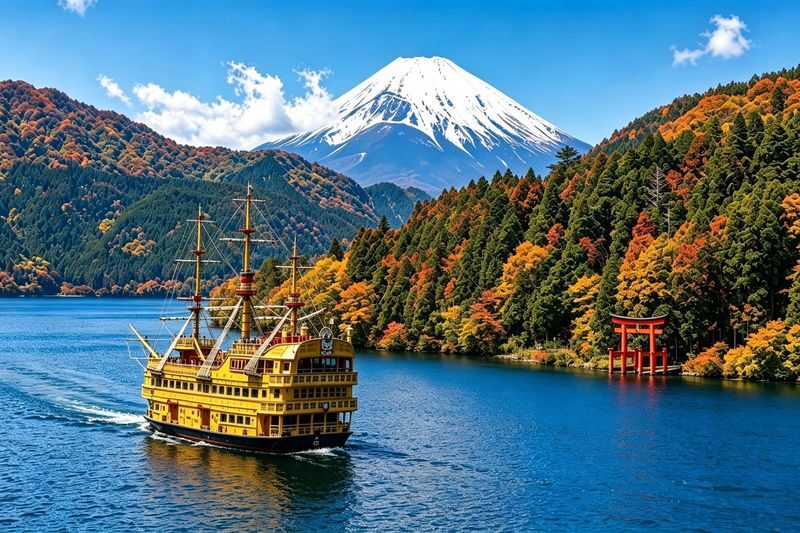
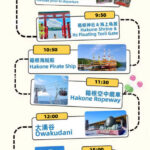
The Mount Fuji and Hakone route takes a different tack. It starts at Hakone Shrine and Lake Ashi, continues by ropeway to Owakudani, then heads to Lake Yamanaka and Oshino Hakkai. That mix gives you lakeside scenery and volcanic features in one day, but it is not the same route as the six-stop schedule described below.
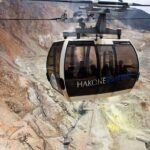
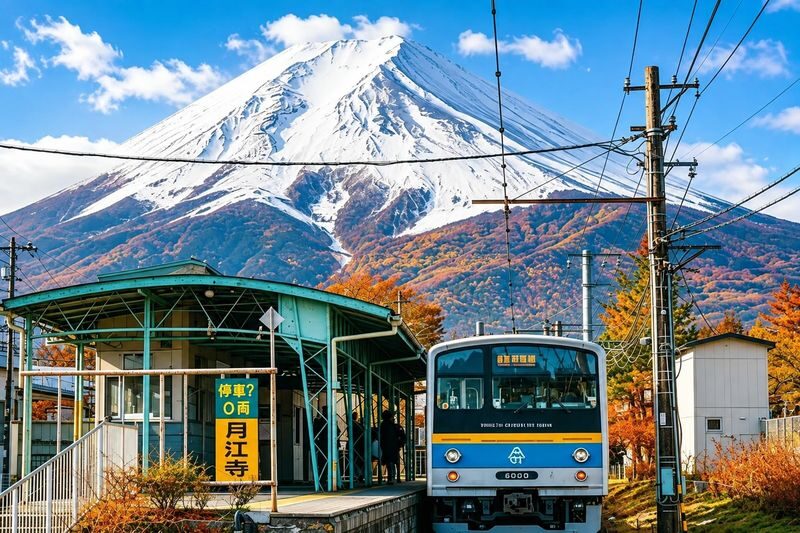
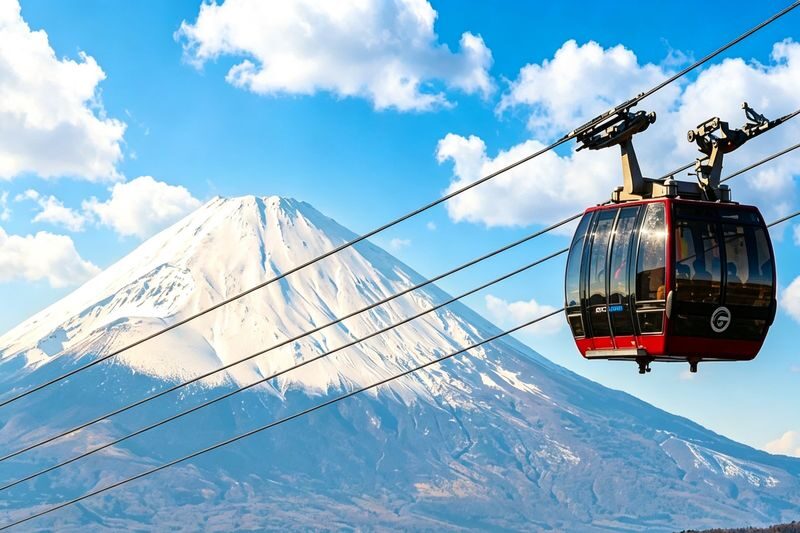
The value tour includes a small train ticket and a Kawaguchiko ropeway ticket. The train adds movement to the day, while the ropeway gives you a different way to take in the area. Those inclusions are specific to that package, so do not assume they come with the photo tour. The route name, included tickets, and stops matter more than the general product title.

👉 See our pick of the 8 Most Highly Rated Private Driver Services In Fujiyoshida
Lake Yamanaka brings Fuji and swans together
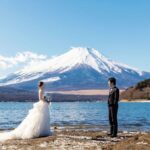
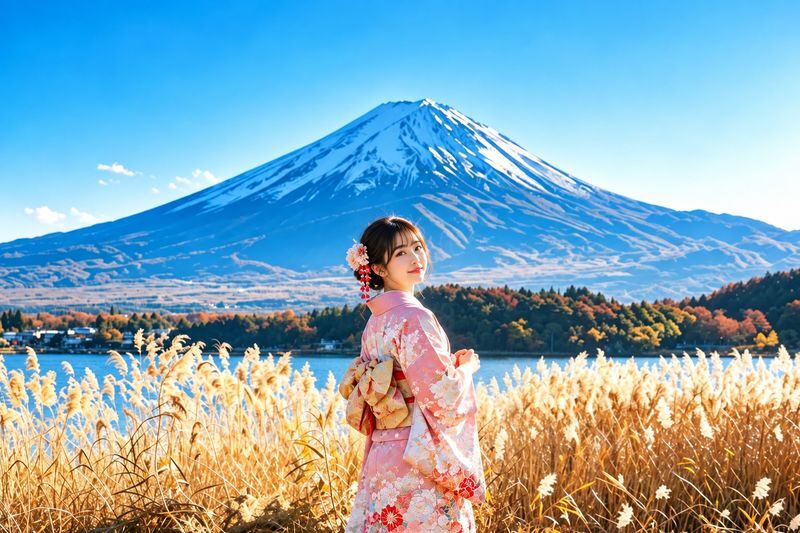
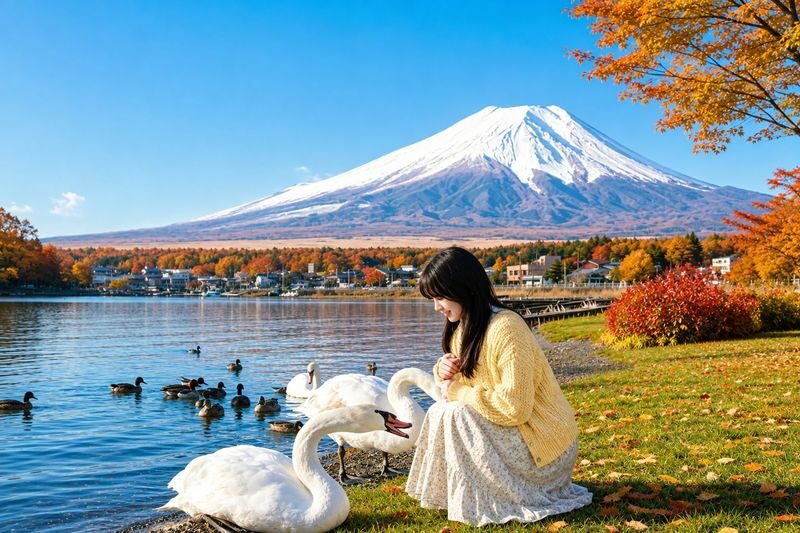
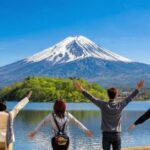
On the six-stop route, Lake Yamanaka is the first listed sight, with about 40 minutes to explore on your own. It is one of the Fuji Five Lakes and is also known as Swan Lake. In winter, white swans gather here; you can buy feed by the lake if you want to interact with them. Boat tickets are not included.
This is a good opening stop because the lake gives you space to look around before the day moves into tighter photo opportunities. But 40 minutes is a short visit. If you want a boat ride, feeding time, and photos, you may need to pick one or two rather than trying to fit in everything. Swans and Fuji are both subject to the season and weather, so treat them as possibilities, not guarantees.
You can also read our reviews of more tours and experiences in Fujiyoshida.

Oshino Hakkai rewards a slow look at the water
Next comes Oshino Hakkai, with about 70 minutes. Its eight clear spring ponds are fed by snowmelt from Mount Fuji, filtered through geological layers. The water and mountain make this one of the most distinctive stops on the route, and the ponds are a draw for photographers.
Here I would put the camera down for a moment and look into the water itself. The clarity is the point, and the place offers a change of pace from roadside viewpoints. Still, this is a self-guided stop in a tight day. If crowds gather around the most photographed pools, allow time to move between them rather than spending your whole visit at the first one.
The Lawson stop is ordinary Japan with an extraordinary backdrop
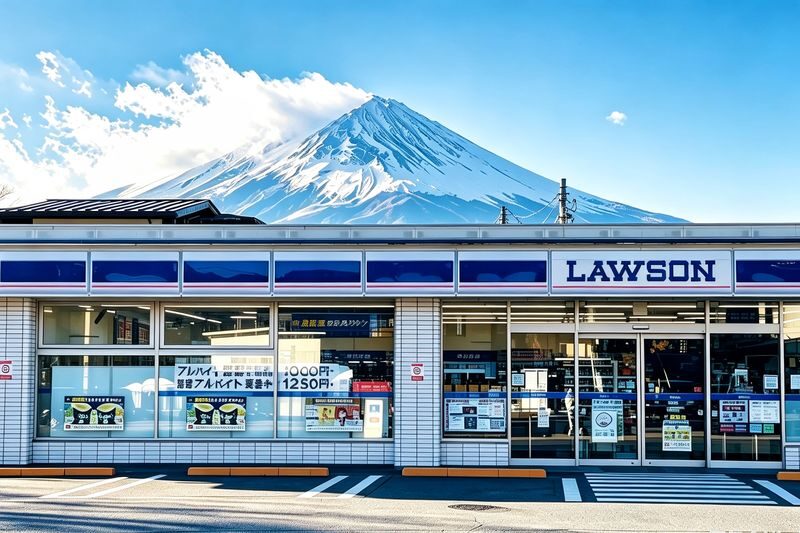
The route gives you roughly 20 minutes at a Lawson near Fujikawaguchiko Town Hall. Convenience stores are everyday fixtures in Japan, but the Fuji backdrop has turned local branches into popular photo stops. The listed location is the Town Hall store, while other nearby Lawson branches are also known for mountain views.
This is a quick, slightly playful contrast to the ponds and parks: a familiar shop, a snack or drink, and the chance to frame Fuji beside a slice of daily life. The practical caution is important. If weather or other conditions make the view unattractive, there is no refund for a disappointing photo. Think of this as a bonus stop, not the reason to book.
Oishi Park gives you a lake-and-mountain panorama
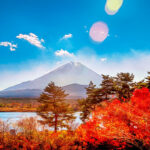
At Oishi Park, you have around 40 minutes. The park sits by Lake Kawaguchiko and is presented as one of the area’s strong viewpoints for seeing both lake and mountain. If Fuji is clear, this is one of the stops where the broader panorama can come together.
The route’s short window means you will not have much time to wander far or wait around for clouds to shift. That is the central compromise of a multi-stop coach tour: you get several chances at a view, but not the freedom to stay at one place until the light changes. If Fuji is obscured, the lake setting still gives the stop a reason to exist, but the headline view may be missing.
Hikawa Clock Shop offers a town-street photo
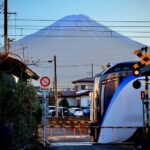
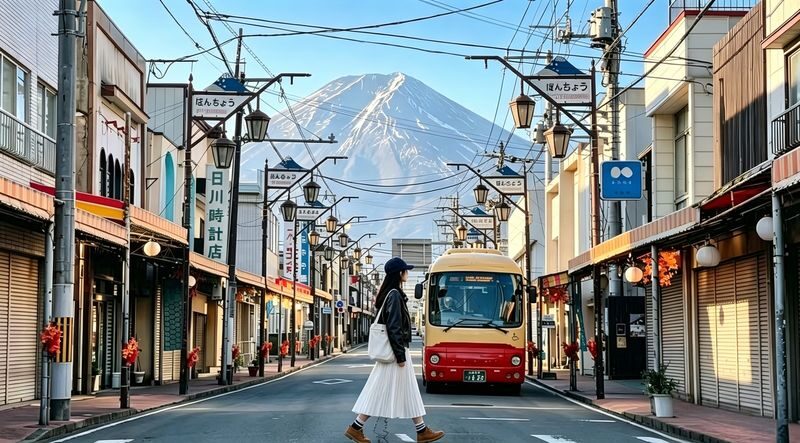
The Hikawa Clock Shop stop lasts about 20 minutes and is described as a photo spot on Fujisan Street. After open water and parkland, this is a compact urban scene, with the shop and street providing a different frame for the mountain.
Twenty minutes can be enough for a quick photo and a look around, but not for an unhurried wander. Keep an eye on the return time and follow your guide’s instructions. The stop works best as a brief visual change, rather than a major cultural visit.
Arakurayama Sengen Park is the classic finale
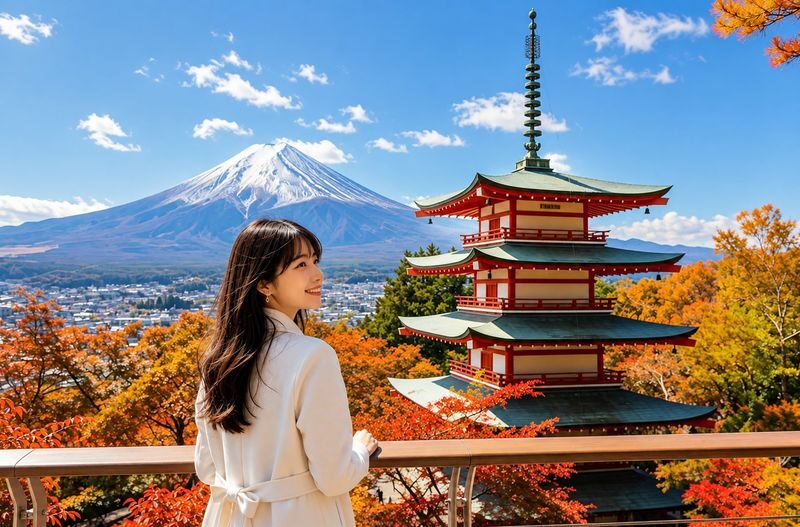
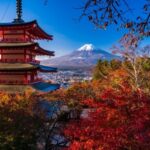
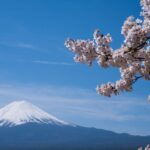
The final listed sightseeing stop is Arakurayama Sengen Park, where you get about an hour. The park is known for distant views of Mount Fuji and for cherry blossoms in spring, especially Somei Yoshino. It is a strong finish because it brings the mountain back into focus after the lake, spring, shop, and street scenes.
The park is on Mount Arakura, and an hour is still a limited visit. Give yourself time to enjoy the setting, but do not assume you can linger indefinitely or wait out changing weather. Cherry blossom timing varies with the season, and the tour proceeds even if bloom or foliage does not match your hopes. Bring shoes you can comfortably walk in, as advised for the outing.
A packed day works best when you set priorities
The listed photo route departs from 7:30 and returns around 18:00, though the stated meeting and return times vary by departure point. The stops are self-guided, and the schedule can change with traffic, weather, facility closures, or other conditions. This is a day for seeing a broad sweep of the Fuji area, not for settling into one village or taking a long lunch.
The strongest feature is the transport. Lake Yamanaka, Oshino Hakkai, Kawaguchiko, Hikawa Clock Shop, and Arakurayama are not one compact attraction. A shared bus tour lets you cover them without piecing together each connection yourself. The group can range from one to 49 people, and seats are assigned first come, first served. Smaller groups may have a driver who also handles tour assistance, with shorter commentary.
Guides are a real part of the experience. Specific guide assignments are not promised, but guests have praised Mandy for photo help and smooth timekeeping, Coco for patience and taking pictures, and Ohashi for detailed explanations and multilingual communication. Those are useful strengths on a day with several short stops. They do not change the fact that you need to be back at the bus on time.
The price makes sense for coverage, not guaranteed views
At a starting price of $49.29, this can be a practical way to see several Fuji-area sights in one day. Round-trip transfers and a guide are included, while meals, drinks, personal expenses, and insurance are not. The small train and Kawaguchiko ropeway tickets are included only in the package that specifies them; the Owakudani ropeway belongs to the Hakone option.
Value depends on what you want. If your priority is reaching several popular spots without managing transport, the price is appealing. If you prefer long walks, unhurried meals, or waiting for Fuji to emerge from cloud, a tightly timed group route may feel restrictive. The tour cannot guarantee the mountain will be visible, and no refund is offered just because weather spoils the view or seasonal flowers peak early or late.
There is also little time for a full meal along the route. Bring light food if you know you will need it, and carry a portable charger. During Japanese holiday and weekend peaks, traffic can be severe, and attractions may close early. Do not plan a flight, Shinkansen, or dinner for the same evening.
Book the route for its stops, not just its title
I would book this tour if I wanted a convenient first look at several Fuji-area sights and was content to move at a group pace. The six-stop photo route suits people who want a varied set of views; the Hakone route is the better match for Lake Ashi and Owakudani; and the small train and ropeway option makes sense if those included rides are part of the appeal.
I would be cautious if seeing Fuji clearly is the single reason for the trip. Visibility can be poor, especially in summer, and the tour goes ahead even when the mountain is hidden. Check the weather before booking, choose the exact package carefully, and keep your evening plans flexible. With those expectations, this is a useful-value day out, with enough variety to make even a clouded Fuji day more than a long drive.
Mount Fuji seasonal limited check-in, must-visit one-day tour for influencers: Mount Fuji Scenic Train & Lake Kawaguchiko & Arakurayama Sengen Park & Hikawa Clock Shop (multiple routes available)
“Tour guide Mandy was very attentive, taking us to beautiful photo spots and even helping us take pictures. The transportation arrangements were als…”
FAQ
How long is the tour?
The activity is listed as 10.5 hours. The photo-route schedule runs from a morning departure around 7:30 to an evening return around 18:00, with actual timing subject to traffic and itinerary changes.
What is included in the price?
Round-trip transfers from the meeting point and an English, Chinese, or Korean-speaking guide are included. Meals, beverages, personal expenses, and insurance are not included.
Which Mount Fuji route should I choose?
Choose the six-view route for Lake Yamanaka, Oshino Hakkai, Lawson, Oishi Park, Hikawa Clock Shop, and Arakurayama Sengen Park. The Hakone route includes Lake Ashi and Owakudani, while the value route includes a small train and Kawaguchiko ropeway ticket.
Are the small train and ropeway included on every route?
No. The small train and Kawaguchiko ropeway tickets are included in the Great Value Experience package. The Owakudani ropeway is listed with the Hakone package.
Is Mount Fuji guaranteed to be visible?
No. Visibility depends heavily on weather and can be lower in summer. The tour still runs if clouds or other weather conditions prevent a clear view, and no refund is given for an unsatisfactory photo.
Where does the tour depart from?
Meeting points include Shinjuku West Exit Mitsui Sumitomo Bank and JR Tokyo Station Marunouchi North Exit. The exact meeting details and departure time can vary, so check the information for your selected package.
How early should I arrive at the meeting point?
Arrive at least 10 minutes before the scheduled departure. Late arrivals and no-shows are not refunded, and the tour does not wait for latecomers.
Are meals included?
No. Meals and drinks are not included. Because the schedule is full and meal time may be limited, bring light food if you expect to need it.
Can the schedule change?
Yes. Traffic, weather, facility maintenance, and other conditions can change stop order, visit times, or the attractions visited. On crowded weekends and public holidays, delays are more likely, so avoid booking evening transport or dinner that depends on a precise return time.