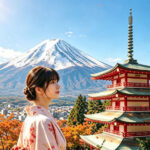
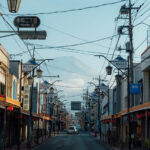
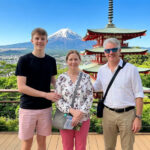
Mount Fuji can turn a simple view into the day’s main event, and this full-day trip strings together five of its best-known photo stops. At Arakurayama Sengen Park, the pagoda and mountain share the frame. At Lake Kawaguchi, a flower-lined park gives the mountain a softer setting.
I like the mix of famous viewpoints and smaller street scenes, especially the contrast between Oshino Hakkai’s spring-fed ponds and the Fuji view at Hikawa Clock Shop. I also like that the guide and round-trip transport take care of the long journey from Tokyo, with guides including Linda, Karen, and Yutaro named by past participants.
The main drawback is the pace: you have limited time at each stop, and weather can hide Fuji altogether. Traffic can also push the return past the scheduled 6:50 p.m., so don’t plan a tight connection or evening reservation.
- Five photo stops, five different Fuji views
- A full Fuji day without the driving
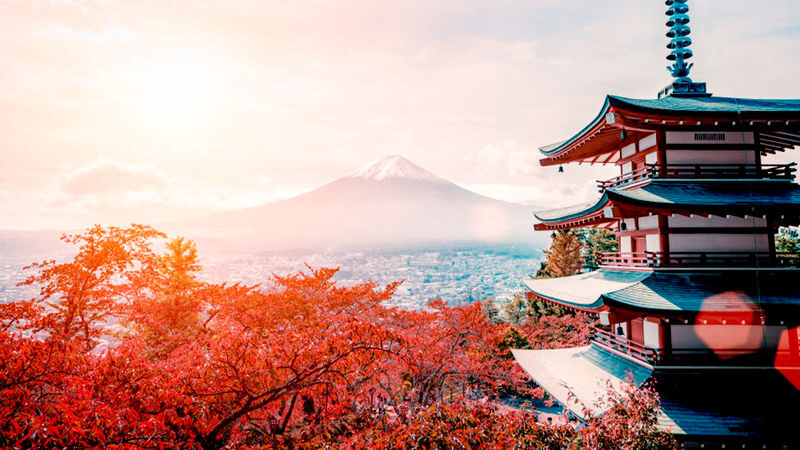
- Arakurayama Sengen Park: the famous pagoda view
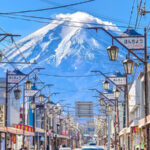
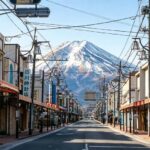
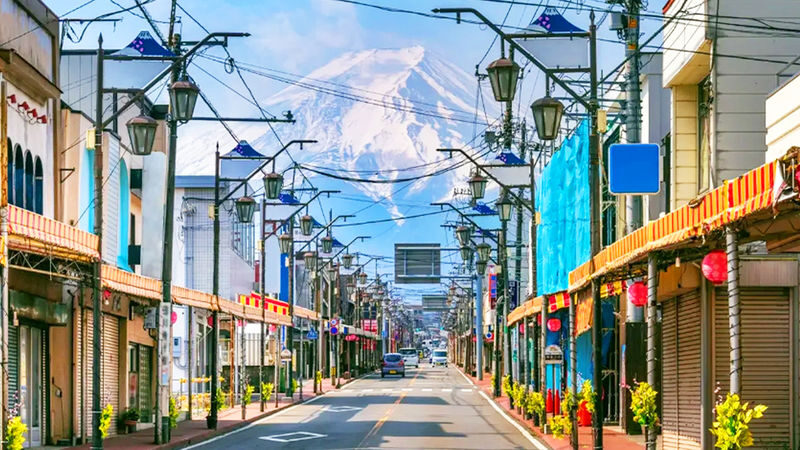
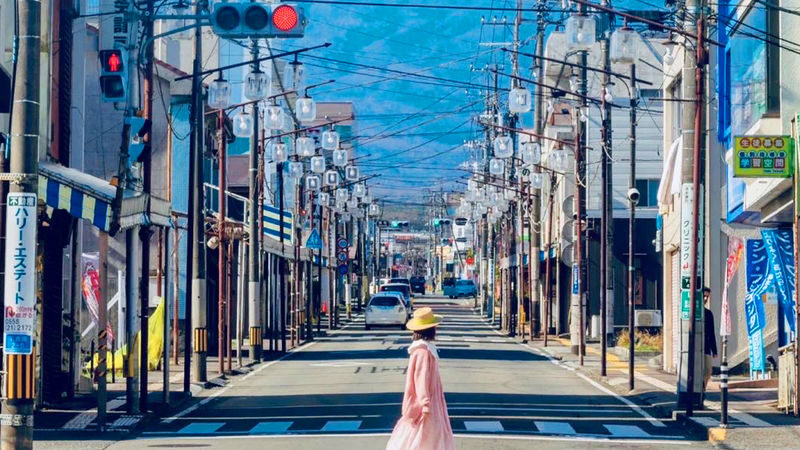
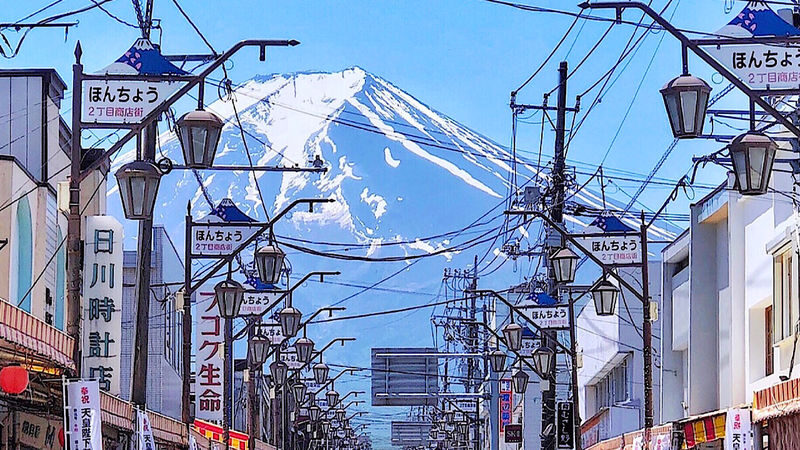
- Hikawa Clock Shop: Fuji at the end of the street
- Oshino Hakkai: clear water and village atmosphere
- Lawson Kawaguchiko: a playful roadside picture
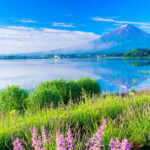
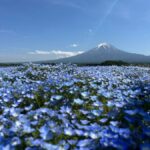
- Oishi Park: flowers against the mountain
- What the price includes, and what it does not
- Timing, weather, and small things to plan for
- Who should book this Mount Fuji day trip?
- FAQ
- Where does the tour depart from?
- What time does the tour return to Tokyo?
- Is Mount Fuji guaranteed to be visible?
- How many steps are there at Arakurayama Sengen Park?
- Are meals included?
- Can I bring a child?
- What should I bring?
- The Best Of Fujiyoshida!
- More Tours in Fujiyoshida
- More Tour Reviews in Fujiyoshida
Five photo stops, five different Fuji views
 1 / 10
 2 / 10
 3 / 10
 4 / 10
 5 / 10
 6 / 10
 7 / 10
 8 / 10
 9 / 10
 10 / 10
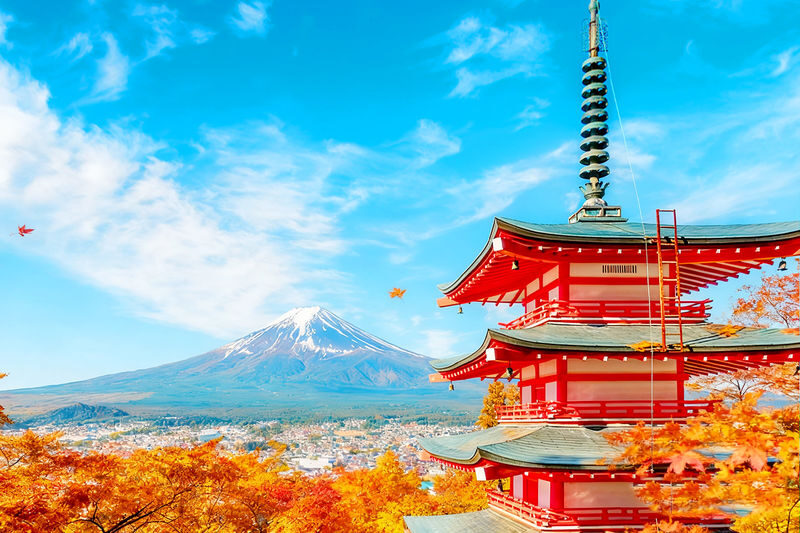
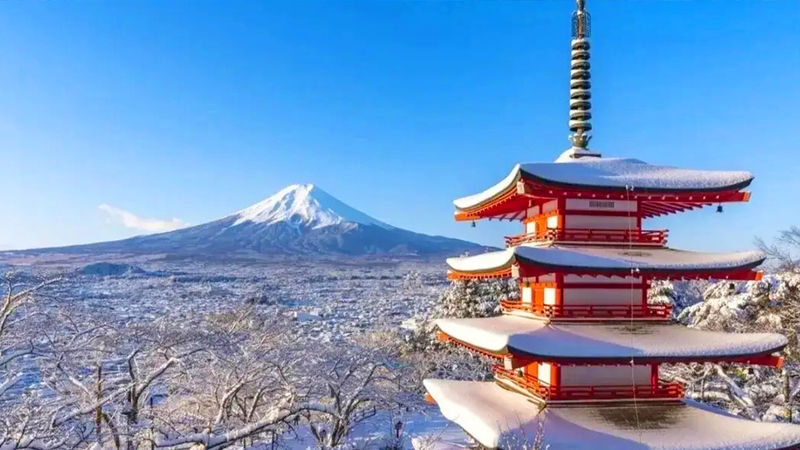
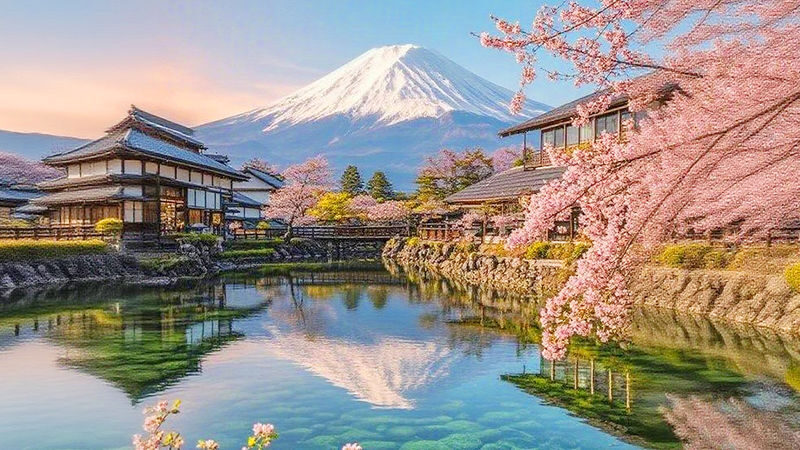
- Chureito Pagoda at Arakurayama Sengen Park: Climb 397 steps for the classic pagoda, cherry blossoms, and Fuji view.
- Hikawa Clock Shop: Find a nostalgic street scene with Mount Fuji at the end of the road.
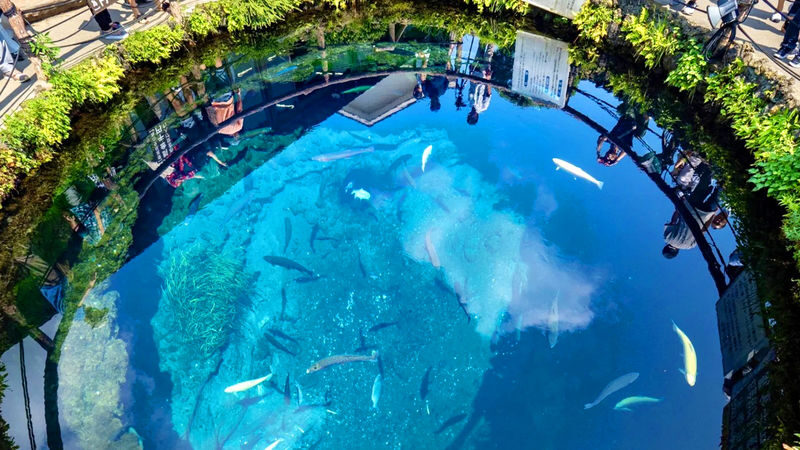
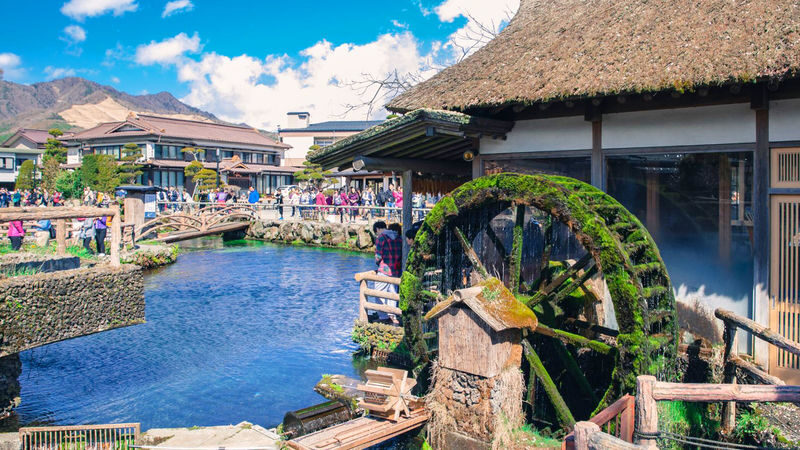
- Oshino Hakkai: See eight clear springs fed by snowmelt that has filtered through the ground.
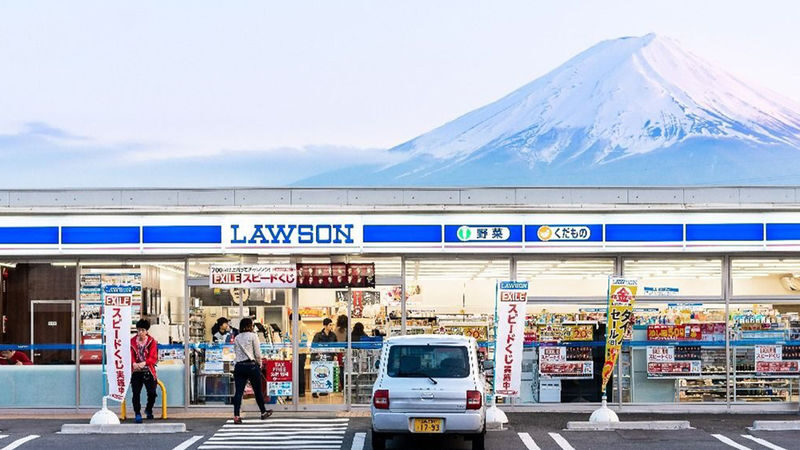
- Lawson Kawaguchiko: Take the playful convenience-store photo with Fuji behind it.
- Oishi Park: Look for seasonal flowers, including summer lavender and autumn kochia.

👉 See our pick of the 8 Most Highly Rated Private Driver Services In Fujiyoshida
A full Fuji day without the driving
The tour leaves Tokyo in the morning, with departure options at 8 a.m. from JR Tokyo Station’s Marunouchi South Exit or 8:30 a.m. from Tokyo Mode Gakuen in Shinjuku. You return to your selected Tokyo meeting point at about 6:50 p.m., though road conditions and weather can change the schedule.
That’s a long day, but the distance is part of the point. You can visit several sites around Fujiyoshida and Lake Kawaguchi without arranging trains, buses, or a rental car. The price includes round-trip transfers, fuel, tolls, parking, and an English-speaking guide. For a first visit to the Fuji area, that bundle can be good value, especially if you would otherwise need to piece together transport between stops.
The tour is shared with people from different countries, and the guide gives explanations in multiple languages. It is not a private photography outing: the group needs to keep moving, and the time at each stop is set. If you want to spend an hour waiting for a particular light or explore one village at your own pace, a small-group or private trip may suit you better.
You can also read our reviews of more tours and experiences in Fujiyoshida.

Arakurayama Sengen Park: the famous pagoda view
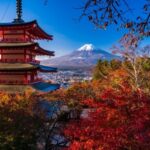
The day’s first major stop is Arakurayama Sengen Park, where the Chureito Pagoda sits above the town with Mount Fuji in the distance. It is one of Japan’s best-known compositions, and the view changes with the season: cherry blossoms in spring, fresh green surroundings later in the year, and autumn leaves when conditions allow.
Getting to the viewpoint means climbing 397 steps. That is the practical detail to weigh before booking, especially if you have limited mobility or want to avoid a steep stair climb. The stop lasts about an hour, including the guided visit, so you will want to use the time well: allow for the ascent, the view, photographs, and the walk back.
This is a rewarding place when Fuji is visible, but the mountain does not take requests. Clouds can obscure it even on a day that seems clear elsewhere. I’d treat the pagoda, town, and seasonal trees as part of the visit too, rather than judging the stop only by whether the summit appears.
Hikawa Clock Shop: Fuji at the end of the street
The next stop is brief, about 20 minutes, at Hikawa Clock Shop. The appeal is the street view: look along the road and Mount Fuji appears at the far end, framed by a distinctly Japanese town scene. It offers a different kind of photograph from the open mountain panorama at Arakurayama.
The short visit is enough to take a few pictures, but not much more. If you like street photography, notice how the ordinary shopfronts and road make the mountain feel part of daily life, rather than a distant backdrop in a park. Keep your camera ready, and follow the guide’s timing so the group can stay on schedule.
Oshino Hakkai: clear water and village atmosphere
Oshino Hakkai gets the longest stop, around an hour and a half. Its eight springs are formed by snow water from Mount Fuji filtering through the ground. That process helps explain why the water is so clear, and why this stop feels different from the tour’s photo-first viewpoints.
Take time to look at the spring pools and the traditional village setting. The water is the main attraction, but the stop also gives you a chance to slow down after the quick camera stops. You can browse the area and look for something to eat or drink, but meals and beverages are not included. Bring some cash, since some shops, restaurants, and scenic spots may not take other payment methods.
An hour and a half sounds generous beside the other visits, but it still goes quickly if you want to see the springs, take photographs, and shop. Keep track of the meeting time. The tour needs to continue to the lake area, and there is no refund for arriving late or missing the departure.
Lawson Kawaguchiko: a playful roadside picture
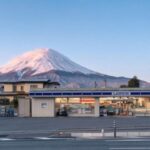
The Lawson store near Kawaguchiko Station is a brief, 20-minute photo stop. The familiar convenience-store frontage, with Fuji rising behind it, makes for a quirky picture that contrasts nicely with the pagoda and natural springs.
This is a quick photo opportunity, not a deep visit to the shop or station area. Follow the guide’s instructions and be considerate of people using the store and nearby streets. The photo is fun because of its everyday setting, so there is no need to treat it like a formal viewpoint.
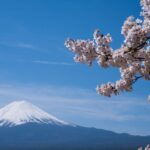
Oishi Park: flowers against the mountain
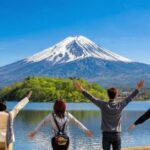
The final scheduled stop is Oishi Park, where Lake Kawaguchi and Mount Fuji meet a seasonal display of flowers. The visit lasts about 50 minutes. Summer brings lavender, while red kochia is a feature in autumn, giving the same view a different color and feel across the year.
Oishi Park is also subject to a seasonal change in the plan. During the Kawaguchiko Cherry Blossom Festival, scheduled for March 28 to April 12, 2026, the tour skips Oishi Park to enjoy cherry blossoms instead. If you are booking for those dates, expect a different final stop rather than the usual flower beds.
As at the other viewpoints, the mountain’s visibility depends on weather. If clouds roll in, you still have the park and lake setting, but the main Fuji photograph may not happen. That uncertainty is worth accepting before you book: this is a scenic outing, not a guarantee of a clear view.
What the price includes, and what it does not
The advertised starting price is $49.20, while the listed package choices show options from $70.29. The English-speaking guide option and the English/Korean-speaking guide option with complimentary fried chicken lunch are both shown from $70.29. Prices and package details can vary, so check the exact option and total when booking.
The standard inclusions are transport from and back to your selected Tokyo meeting point, an English-speaking guide, tolls, parking, and fuel. Meals, drinks, and personal purchases are extra. In practical terms, you are paying for a long-distance day with transport and several planned stops, rather than paying only for a guide at one site.
There is space for one standard-sized piece of luggage. Children aged 0 to 3 can join free if they do not need a separate seat; children aged 3 and older pay the adult rate. One parent with a two-year-old reported that there was room under the bus for a buggy, but it is still sensible to confirm any specific luggage needs with the operator.
The experience is shared, and the group includes people from different countries. Guides named on past outings include Linda, Karen, and Yutaro, but you cannot count on a particular person being assigned. Their practical role matters: they explain the stops, keep the schedule moving, and help make a busy day easier to follow.
Timing, weather, and small things to plan for
Arrive at your selected meeting point 10 minutes before departure. The Tokyo Station option meets at the Marunouchi South Exit; the other option meets at Tokyo Mode Gakuen in Shinjuku. Choose carefully when booking, because late arrivals and no-shows are not refundable.
You should receive the driver, guide, and vehicle details by email at about 9 p.m. the night before. Check your spam folder and keep your phone accessible. Bring cash for places that do not accept other payment methods, and pack for a full day outdoors.
The return time is listed as about 6:50 p.m. Bad weather, weekend traffic, and peak-season congestion can delay the trip, shorten time at stops, change the order, or lead to cancellations. I would leave the rest of the evening open rather than book a dinner or onward connection that depends on arriving exactly on time.
Cancellation terms allow a full refund when you cancel at least 24 hours before the activity date, based on local time. If extreme weather or another unforeseen event leads the operator to cancel, you can reschedule or request a full refund. Once you have taken part in an activity, visited an attraction, or used a ticket, refunds are not available.
Who should book this Mount Fuji day trip?
This tour suits you if you want to see several classic Fuji-area sights in one day without planning the transport yourself. It works especially well for a first visit, for anyone who values photo stops, and for families who want a fixed plan and a ride between locations. The stops offer variety: a pagoda view, a town street, clear springs, a convenience-store photo, and a seasonal park.
It is less suited to you if you prefer a slow day, need long periods at each location, or want full control over the route. The schedule is brisk, and the central view is weather-dependent. The 397-step climb at Arakurayama also deserves a realistic look before you commit.
I’d book it if convenience and variety matter more to you than lingering. You get a well-rounded day around Fujiyoshida and Lake Kawaguchi, with the main costs of getting there included. Just go for the places and the experience, not a promise of a cloud-free Mount Fuji.
Mt. Fuji Highlights – Top 5 Scenic Spots Day Tour
“linda was amazing!Very friendly and kind!”
FAQ
Where does the tour depart from?
You can choose JR Tokyo Station’s Marunouchi South Exit at 8 a.m. or Tokyo Mode Gakuen in Shinjuku at 8:30 a.m. Arrive 10 minutes before your selected departure.
What time does the tour return to Tokyo?
The scheduled return is about 6:50 p.m. Traffic, weather, weekends, or peak-season conditions can cause delays or changes, so leave your evening plans flexible.
Is Mount Fuji guaranteed to be visible?
No. Weather can affect visibility, and the mountain may be obscured during the tour.
How many steps are there at Arakurayama Sengen Park?
The climb to the viewpoint involves 397 steps.
Are meals included?
Meals and beverages are not included in the standard package. A listed English/Korean-speaking option includes complimentary fried chicken lunch.
Can I bring a child?
There is no age limit. Children aged 0 to 3 can join free if they do not occupy a separate seat; children aged 3 and older are charged the adult rate.
What should I bring?
Bring cash for places that may not accept other payment methods. You can bring one standard-sized piece of luggage.