
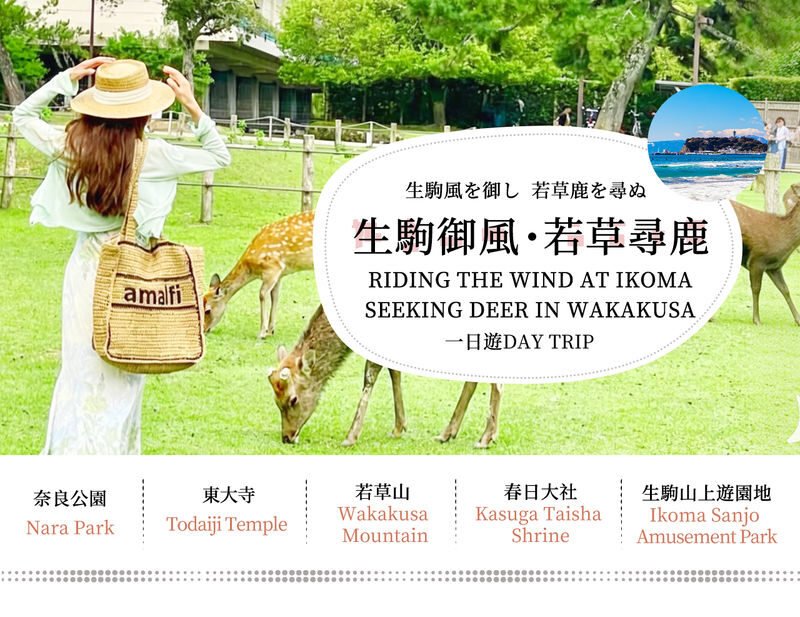
Nara’s deer, the great timber hall of Todai-ji and a pedal ride high above Kansai make an unusually varied day out from Osaka. I like that you get round-trip transport and time to explore Nara at your own pace, then finish with views across Osaka, Kyoto and Nara from Mount Ikoma.
The trade-off is that four hours in Nara is a tight window for several major sights, and the amusement park’s rides are aimed more at children than thrill-seeking adults. Admissions, food and drinks are extra, so the fare is not the whole cost.
- The day in a nutshell
- A two-part day out from Osaka
- Nara Park: deer, paths and a practical time limit
- Todai-ji: make room for the great wooden hall
- Wakakusa and Kasuga Taisha: choose your priorities
- Ikoma Sanjo: scenic pedals, modest rides
- When Ikoma is closed, the plan changes
- What the fare covers, and what you still pay
- Who will enjoy this day most
- Should you book it?
- FAQ
- Where does the tour depart from?
- When does the tour return to Osaka?
- Is the visit to Nara guided?
- Are Todai-ji admission and amusement park rides included?
- What happens if Ikoma Sanjo Amusement Park is closed?
- Is Ikoma Sanjo open during winter?
- How long do you spend at each main stop?
- Can infants and children join?
- What should I know about luggage and meeting details?
The day in a nutshell
 1 / 9
 2 / 9
 3 / 9
 4 / 9
 5 / 9
 6 / 9
 7 / 9
 8 / 9
 9 / 9
- Nara’s deer share the park with major landmarks: Plan for a lively encounter, and keep a close eye on food around the animals.
- Four hours gives you choices, not unlimited time: Todai-ji, Wakakusa and Kasuga Taisha are all on the menu, but weather, crowds or capacity may affect what you can fit in.
- Ikoma’s sky cycle is about the view: The pedal ride is a scenic attraction, not a strenuous mountain-bike outing.
- The tour includes transport costs: Round-trip transfers, tolls, parking and fuel are covered.
- Park admission and meals are extra: Ikoma Sanjo has free entry, but rides cost extra. Hirakata Park tickets are also at your own expense if the route changes.
- It suits families and mixed-age groups: Just check the ride options and seasonal park schedule before you go.
A two-part day out from Osaka
This tour pairs Nara’s established cultural sights with a small mountain amusement park. You leave Osaka around 9am, spend about four hours on a self-guided visit to Nara, then go to Ikoma Sanjo Amusement Park for roughly two hours. The return to Kintetsu-Nippombashi is expected between 6 and 7pm, though traffic and the day’s progress can shift the timing.
That variety is the main appeal. Nara offers temples, a shrine, park paths and deer; Ikoma adds a distinctly different outing, with rides and elevated views. You do not need to plan train connections between the stops or sort out a return route from the mountain.
The tour is a shared group trip, not a private guide walking with you at every attraction. Your driver-guide handles transport and may give explanations or suggestions, but the time at the sights is self-guided. That suits independent visitors who want a lift between places and freedom to choose their own pace. If you want a detailed guided tour inside each temple or shrine, this is not the format to book.
The guide’s language may be Chinese, English or Japanese. A smaller vehicle may be used depending on the group size; in that case, explanations may be briefer. Some guides have been praised for being punctual, helpful and good at translating, with names including Wang Hongfu, Bunny and Zhao. Guide assignments vary, though, so do not book expecting a particular person.
Nara Park: deer, paths and a practical time limit
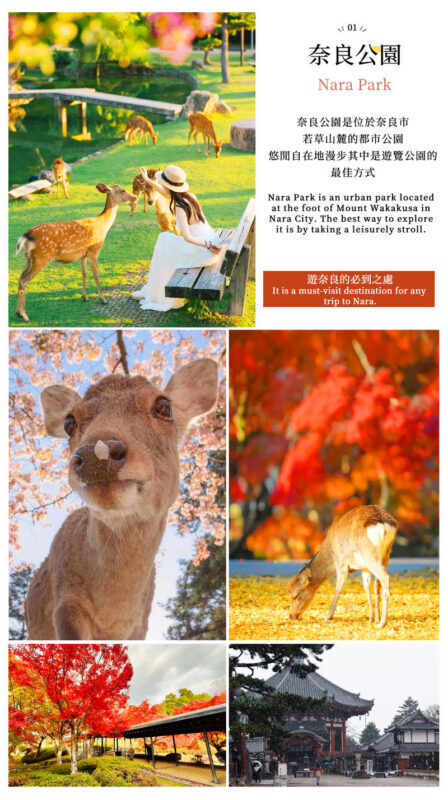
Nara Park sits at the foot of Mount Wakakusa, with deer roaming among its well-known sights. You have about four hours here, a generous-feeling block if you want a relaxed walk and one or two major stops, but a demanding one if you aim to cover every listed attraction.
The deer are a memorable part of the visit, especially for children. They are not simply decorative park wildlife: they may crowd around when food is present, and one visitor described them as chasing and even nipping for snacks. Keep your food secure, stay alert, and give yourself room to move away if an animal presses in. The encounter can be funny, but it is worth treating the deer as animals rather than props.
The schedule includes Todai-ji Temple, Mount Wakakusa and Kasuga Taisha Shrine, but it does not guarantee that you will see every stop. Capacity, weather and crowd conditions can lead to changes, and the four hours are self-guided. Decide in advance which sight matters most to you, then build the rest around it. That is better than rushing between landmarks and missing the pleasure of the park itself.
One practical plus is that the tour’s transport can make the day easier than arranging every leg yourself. A visitor particularly appreciated being driven up toward Mount Wakakusa, which can otherwise involve a long walk. The exact route and access can depend on conditions, so treat that as a possible convenience rather than a promise.
Todai-ji: make room for the great wooden hall
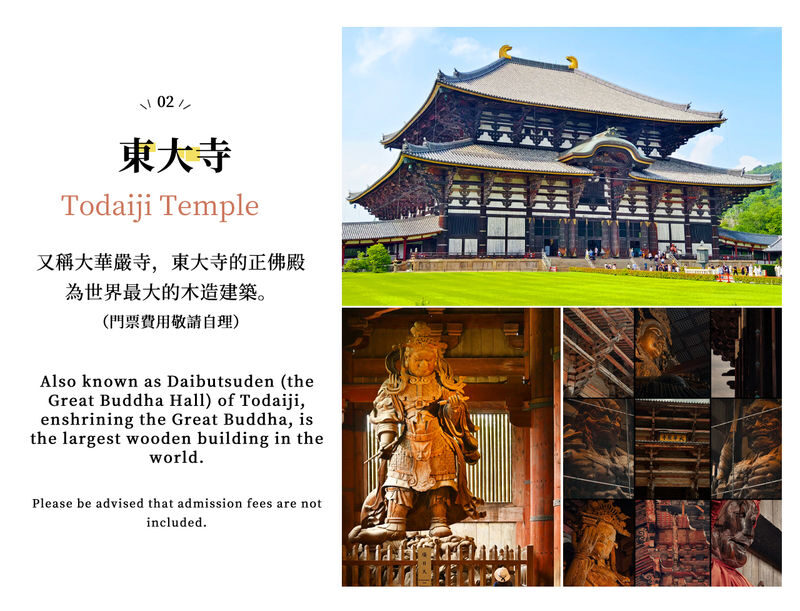
Todai-ji is the anchor for many first-time visits to Nara. Its main hall is described as the world’s largest wooden structure, and its scale makes the stop worthwhile even if you have already seen famous temples elsewhere in Japan. The building is the point: give yourself a little time to take in its size rather than treating it as a quick photo stop.
Admission to Todai-ji is not included. That means you should allow both time and money for the visit, rather than assuming the tour fare covers entry. If you are trying to fit the temple, the shrine and the mountain into a single four-hour Nara stop, be realistic about how long you want to spend inside and around the hall.
The day is not a temple tour with a guide leading you through the site. You choose how long to stay and how much to see, then need to be back at the agreed meeting point on time. Keep the guide’s directions handy and leave a margin for walking back. One visitor who had difficulty reaching the bus meeting point had to make their own way back by train and missed the final stop. The key lesson is simple: know exactly where the group meets, and do not wait until the last minute to return.
Wakakusa and Kasuga Taisha: choose your priorities
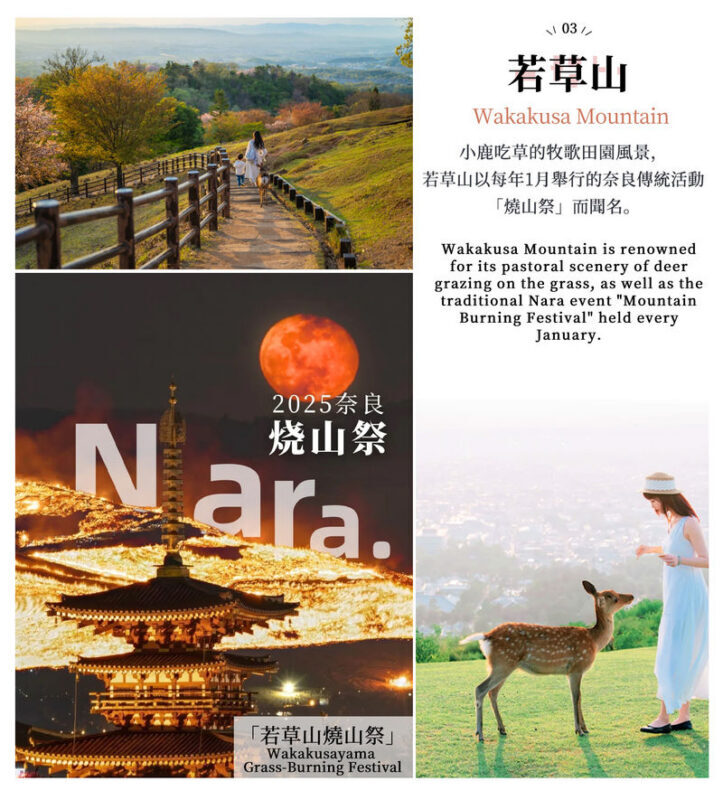
Mount Wakakusa offers a change of pace from temple halls and park paths, with a panoramic view over Nara City. The mountain is also associated with the annual Wakakusa Yamayaki, held in January. On an ordinary day, the draw is the open view and a chance to see Nara from above.
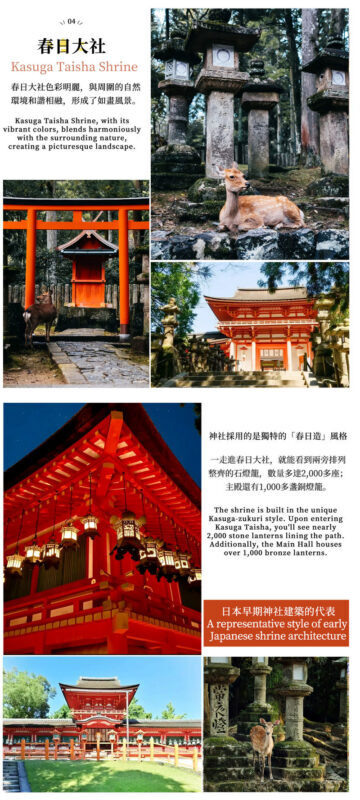
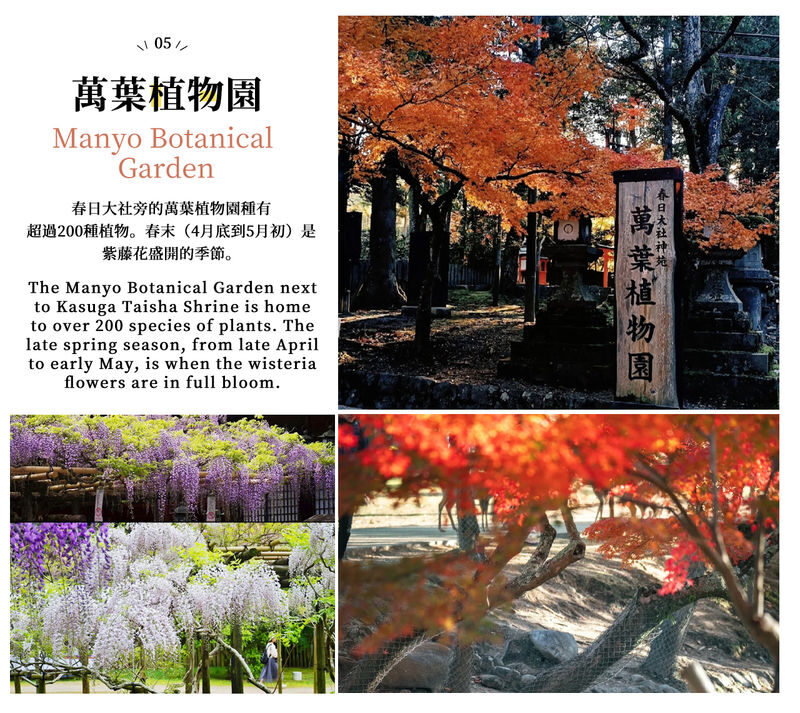
Kasuga Taisha brings a different mood. The shrine is known for its vermilion features and stone lanterns, and its Mantoro Festival is part of its identity. If shrine architecture and lanterns interest you, make it a priority instead of assuming you can comfortably fit every Nara stop into the allotted time.
You may need to choose between longer visits and a broader checklist. Some days allow a smooth sweep through several sights; weather, crowds or other conditions can reduce what is possible. The tour’s wording allows for attractions to be skipped, so keep your plans flexible and focus on the stops you most want to experience.
Ikoma Sanjo: scenic pedals, modest rides
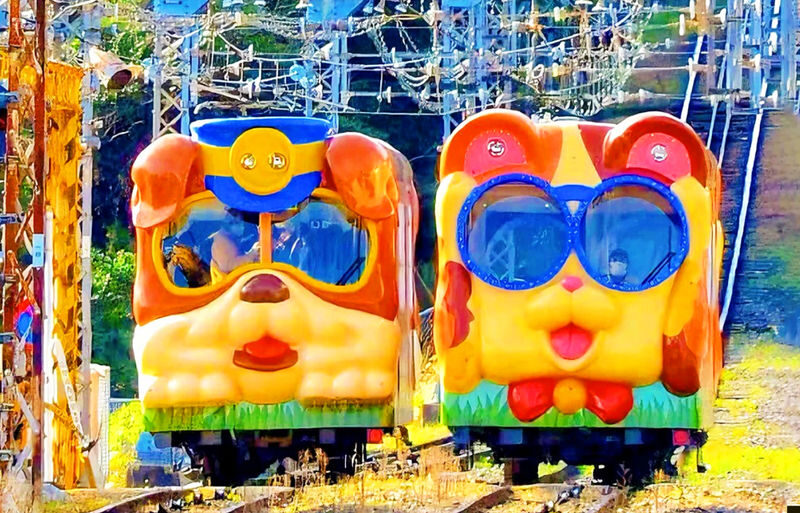
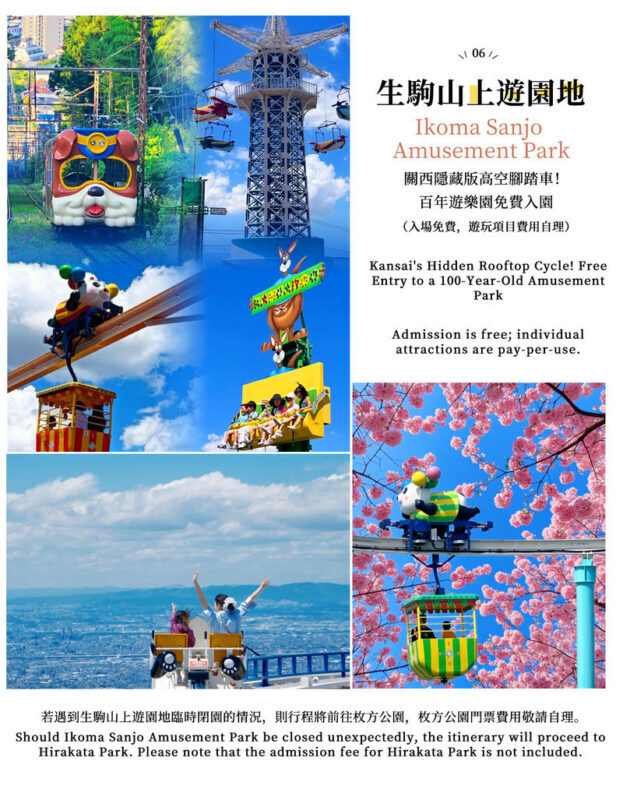
After Nara, the tour heads to Ikoma Sanjo Amusement Park, which has free admission and 27 types of attractions. The headline experience is its high-altitude pedal ride, where you cycle along a raised track and look out toward Osaka, Kyoto and Nara. For me, this is the unusual part of the day: the view gives the park its appeal, even if you are not keen on rides.
The park stop lasts about two hours. That is enough for a ride or two and time to look around, but may feel short if you are visiting with children who want to try many attractions. On a public holiday, queues can grow sharply; one family found that a long wait meant their child managed only a few rides despite having bought an unlimited-ride pass. If the rides are the main reason for your booking, avoid assuming you will have time for everything.
Adults should set expectations accordingly. The rides are generally more appealing to younger children, with one family suggesting the park suits children roughly three to twelve and another finding the attractions ordinary for adults. The mountain setting and views can still make the stop worthwhile for grown-ups, but it is not a major thrill-ride destination.
The pedal monorail has been scheduled for maintenance from March 7, with its return date to be announced separately. Because that is the signature attraction, check its operating status for your travel date if the sky cycle is a key reason for booking.
When Ikoma is closed, the plan changes
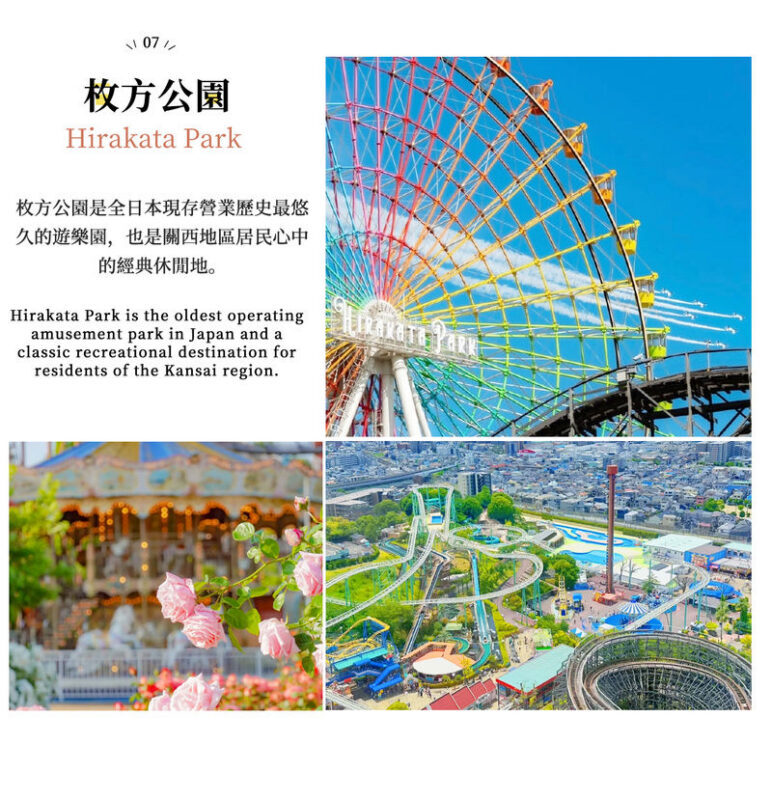
Ikoma Sanjo closes for its winter period from December 1 until March, with reopening expected in March. It can also close temporarily, including on some Thursdays. When it is unavailable, the tour switches to Hirakata Park, where you may find wooden roller coasters and a Ferris wheel.
That substitute is not included in the tour price. Hirakata Park admission is at your own expense, so a change of venue can add a meaningful cost, particularly for a family. The park also has fixed closure dates from December 1 to 5 and December 8 to 12, when tours are not available. Check the operating schedule for your date, and do not assume the replacement park is covered by the fare.
This is a point to weigh before booking, especially if you have children who strongly prefer one park over the other. The attraction change is not simply a different view from the same hill; it changes the style of the afternoon and may change your out-of-pocket costs.
What the fare covers, and what you still pay
The limited-time fare starts at US$56.09, while another package starts at US$76.75. Prices can vary by package and offer, so check the exact option you select. The fare includes round-trip transfers from the Osaka meeting point, tolls, parking and fuel, along with a driver-guide. Those included transport costs make the trip appealing if you would rather not coordinate the Osaka-to-Nara and Nara-to-Ikoma legs yourself.
Budget separately for Todai-ji admission, Ikoma rides, meals, drinks and personal purchases. Ikoma Sanjo itself has free entry, but its attractions are not included. If the tour changes to Hirakata Park, that admission is also extra. For a family, these additions can make the final cost quite different from the headline fare.
There are a few details worth sorting out before departure. Be at the meeting point 15 minutes early; late arrivals and no-shows are not refunded. Tour guide and vehicle details are sent by email between 4pm and 10pm Japan time on the day before departure, so check your inbox. The group returns to Kintetsu-Nippombashi, usually between 6 and 7pm, but traffic can affect arrival. Leave the evening unscheduled rather than booking a tight connection or activity.
Each person may bring one piece of luggage at no charge. Extra pieces cost JPY 2,000 each and must be noted when booking; the operator may refuse boarding if luggage exceeds the vehicle’s capacity. There are no child seats, and children aged three and older pay the adult rate. Infants aged zero to two travel free only if they do not need a separate seat.
Who will enjoy this day most
I would choose this tour if I wanted a low-fuss way to combine Nara’s headline sights with a mountain outing, especially if I were travelling with children or a group that values a shared ride over planning connections. It can also work for couples or solo visitors who enjoy a varied day and are comfortable exploring independently once dropped off.
It is less suitable if you want an in-depth guided visit to Nara, need a slow pace at each sight, or expect the afternoon to be packed with adult-scale rides. The four-hour Nara stop is a useful amount of time, but not a guarantee that every landmark will fit. The two hours in the amusement park are limited if queues are long, and winter or temporary closures can change the destination.
Weather matters, too. The schedule may shift with rain, traffic or crowds, and there is no compensation for partial changes or delays. Guides may adjust the order to avoid bad weather, which can help preserve the day, but you should bring clothing suited to the forecast and accept that the plan has some moving parts.
Should you book it?
Book this trip if you want the transport handled, like the freedom of self-guided stops, and find the contrast between Nara’s cultural sights and Ikoma’s mountain views appealing. It offers good value when you use the included transfers and are content to pay separately for admissions and rides.
Choose another option if your priority is a detailed guided tour, a full day at an amusement park, or a guaranteed visit to every Nara landmark. Before paying, check whether Ikoma Sanjo will be open, confirm the status of the pedal monorail if that is your must-do, and decide which Nara stop comes first on your list.
Mount Ikoma & Nara Fun Trip | Sky Cycle + Nara Park Deer Feeding + Todai-ji Temple + Wakakusa Mountain Overlook Day Trip | Depart from Osaka (Ikoma Sanjo Amusement Park or Hirakata Park Optional)
“Thank you very much for tour guide Zhao's thoughtful service this time. The guided commentary on the bus was excellent. It was a wonderful experience.”
FAQ
Where does the tour depart from?
The tour departs from the designated meeting point in the Nipponbashi area of Osaka at 9am. Arrive 15 minutes early.
When does the tour return to Osaka?
The listed return window is 6pm to 7pm at Kintetsu-Nippombashi. Traffic and the day’s progress can change the arrival time.
Is the visit to Nara guided?
The Nara stop is self-guided. A driver-guide handles transport and may provide explanations, but does not lead the group through each attraction.
Are Todai-ji admission and amusement park rides included?
No. Todai-ji admission and attractions at Ikoma Sanjo are extra. Meals, drinks and personal expenses are also not included.
What happens if Ikoma Sanjo Amusement Park is closed?
The destination changes to Hirakata Park when Ikoma Sanjo is closed or temporarily unavailable. Hirakata Park admission is at your own expense.
Is Ikoma Sanjo open during winter?
The park’s winter closure runs from December 1 until March, with reopening expected in March. It may also close temporarily on other dates.
How long do you spend at each main stop?
The schedule allows about four hours in Nara and about two hours at Ikoma Sanjo Amusement Park. Timing can change because of traffic, weather or crowds.
Can infants and children join?
Yes. Children must be included in the passenger headcount. Children aged zero to two are free if they do not occupy a separate seat; children aged three and older pay the adult rate. Child seats are not available.
What should I know about luggage and meeting details?
One piece of luggage per person is included. Extra pieces cost JPY 2,000 each and should be noted when booking. Guide and vehicle details are sent by email the day before the tour, between 4pm and 10pm Japan time.