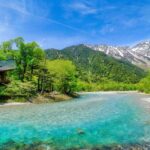
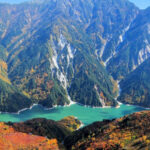
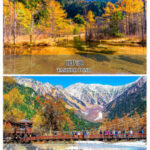
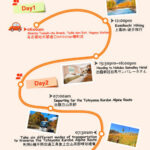
Korankei’s red maples and Obara’s autumn-blooming cherry trees make an appealing pair: one season, two very different colours. I like that the outing gives you time at both Obara Park and Korankei Gorge, rather than treating them as quick photo stops. I also like the practical bus ride, since reaching these Toyota-area sights on your own takes more planning.
The main catch is that the show depends on nature’s calendar. Peak colour and shikizakura bloom do not arrive on a guaranteed date, and the guide’s English can vary. If the trees are late or the schedule meets traffic, your day may not match the picture in your mind.
- Two autumn displays: Korankei’s maples share the season with Obara’s shikizakura, a rare chance to see cherry blossoms and fall colour together.
- Useful time at the sights: A reported schedule allows about 50 minutes at Obara Park and 2.5 hours at Korankei Gorge.
- Korankei after dark: Seasonal illumination can add a different mood, though the night view may not meet everyone’s expectations.
- A comfortable bus ride: The bus saves you from working out transport between sites, and has been described as clean and comfortable.
- Multilingual guiding varies: Guides have included Lily and Xiao Liu; some tours have explanations in Japanese, English, and Mandarin, but language quality is not uniform.
- From $71.99: The price can make sense if you value direct transport and time at both sights over arranging a trip independently.
- Two kinds of autumn in Toyota
- Obara Park and its shikizakura
- Korankei Gorge, the main event
- Temple stop and seasonal details
- A bus tour that saves the transport puzzle
- Timing, crowds, and the weather
- Does .99 offer fair value?
- Who should book this outing?
- Should you book?
- FAQ
- What places does the tour visit?
- What is shikizakura?
- How much time is spent at Obara Park?
- How long is the stop at Korankei Gorge?
- Is the Korankei foliage illuminated at night?
- How much does the tour cost?
- What languages does the guide speak?
- Is transport between the sights included?
- Can I cancel and receive a full refund?
- What happens if the tour is cancelled due to extreme weather?
- The Best Of Nagoya!
- More Half-Day in Nagoya
- More Tours in Nagoya
- More Tour Reviews in Nagoya
Two kinds of autumn in Toyota
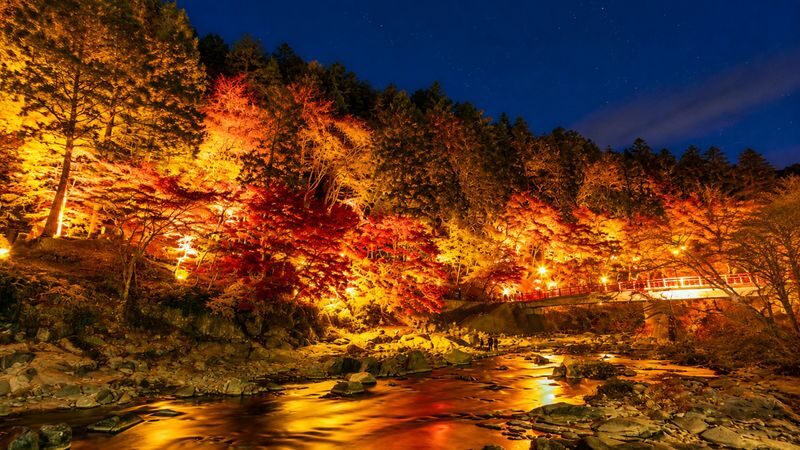
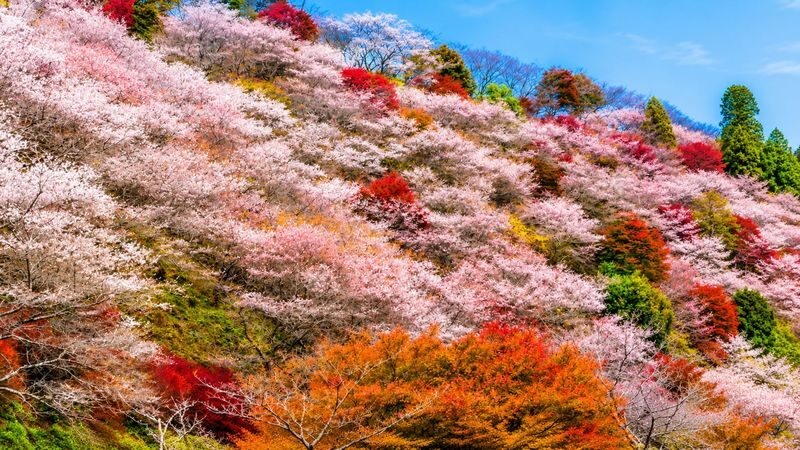
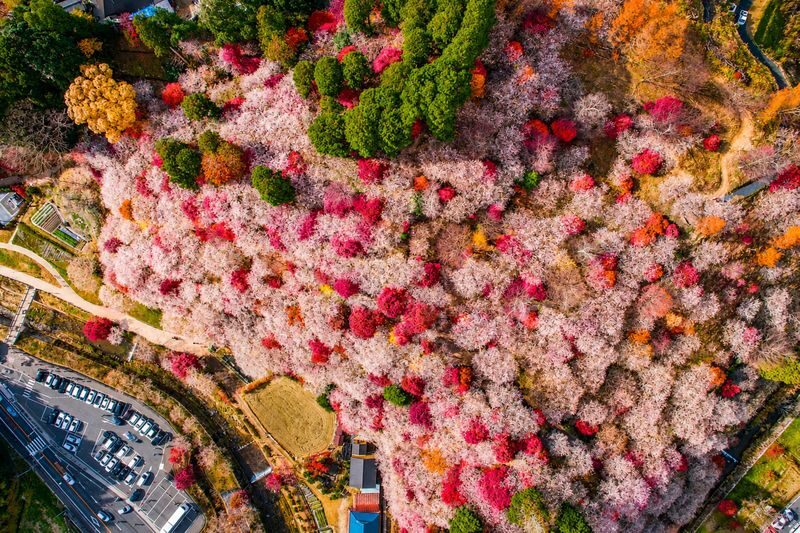
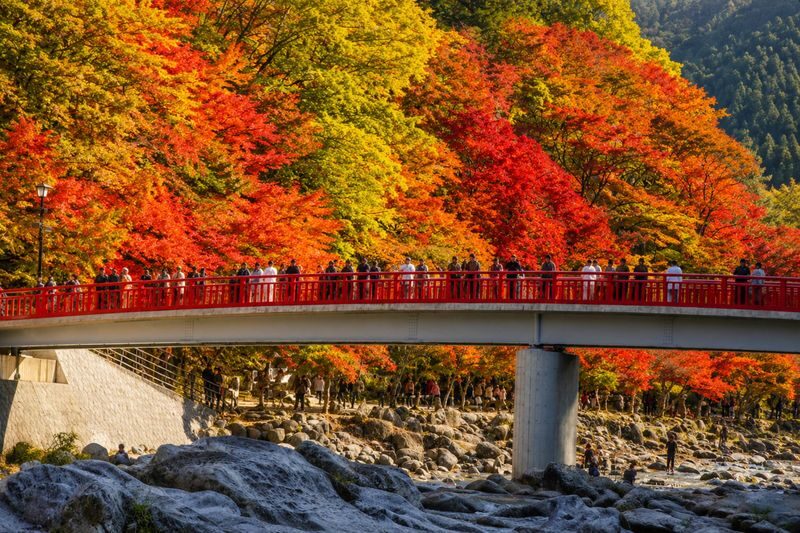
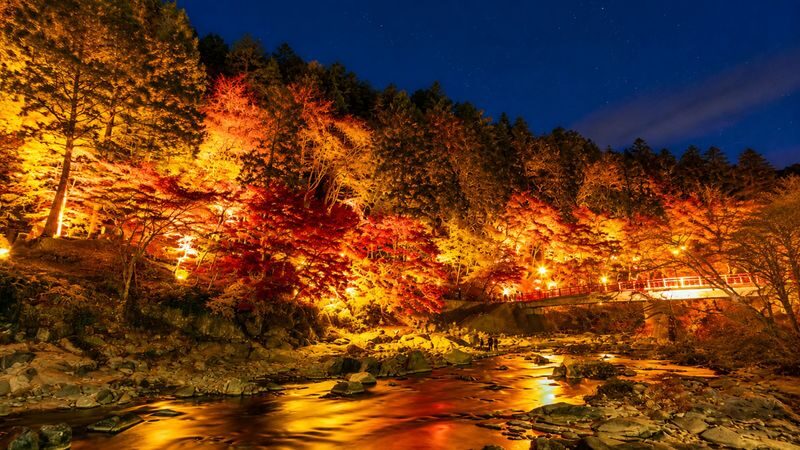
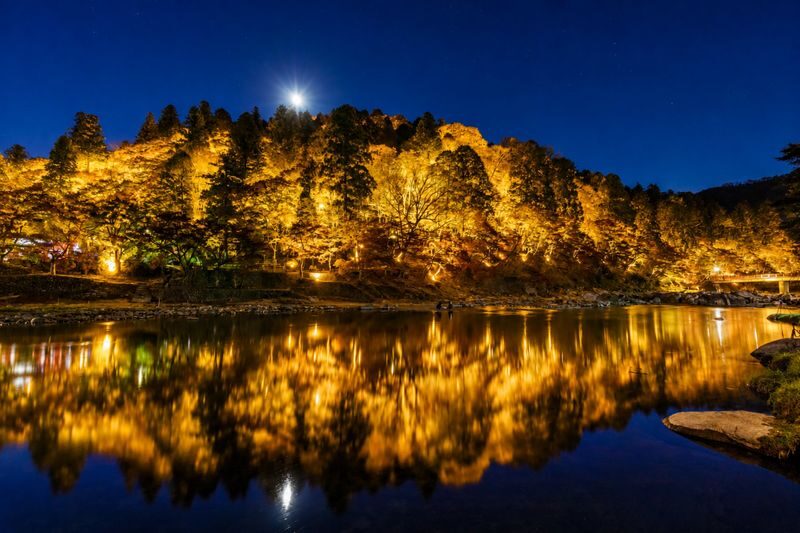
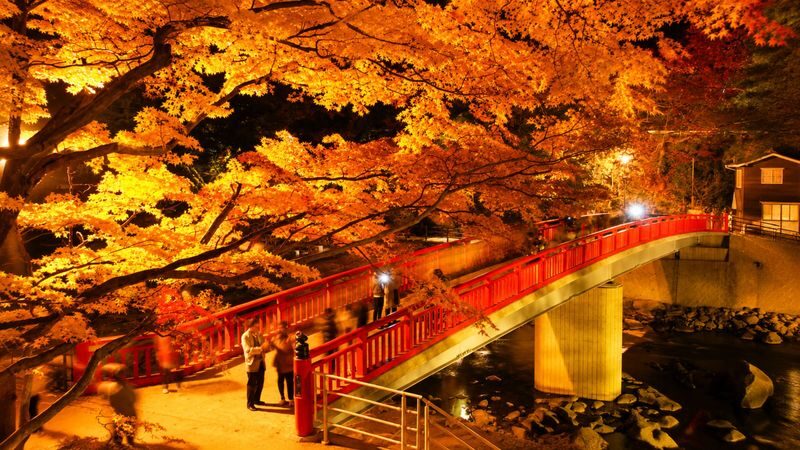
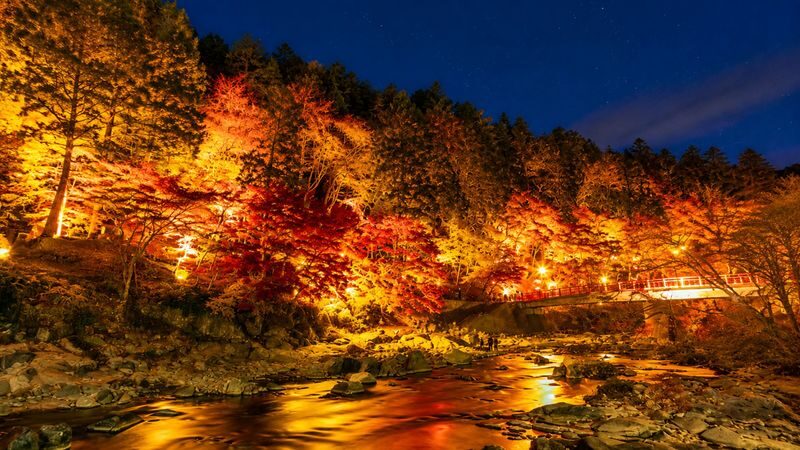
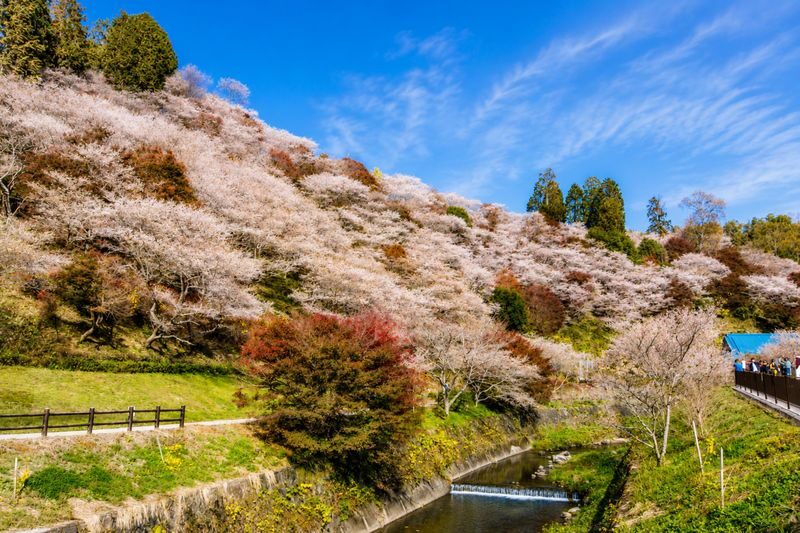
This trip’s central appeal is its unusual pairing. Korankei is known for autumn maples, while Obara’s shikizakura are cherry trees that can bloom in fall. When both are in season, you get a contrast that is hard to find in a standard maple-viewing outing: red and gold leaves alongside pale blossoms.
That combination is also the tour’s biggest seasonal gamble. Bloom timing varies from year to year. Some dates bring vivid colour at both stops; on others, the maples may be ahead or behind, or Obara’s blossoms may be sparse. Treat the pairing as a chance, not a promise. If seeing a particular tree at peak bloom is essential, a fixed-date tour cannot guarantee it.
The experience is based around Kokeizan Eiho Temple, Obara Shinki-Zakura, and Korankei Gorge. The tour name and activity summary point to these autumn sights, while past itineraries have included a temple visit and a notable old ginkgo. Exact stops and timing can change, so check the details for your chosen date before booking.

👉 See our pick of the 13 Best Workshops & Classes In Nagoya
Obara Park and its shikizakura
Obara is the quieter half of the outing, with its appeal centred on shikizakura. Seeing cherry blossoms during the autumn foliage season is the novelty here. It is not simply a second maple park: the blossoms give you a different colour and texture to look for, and make the trip worthwhile for anyone interested in Japan’s seasonal contrasts.
Allow around 50 minutes at Obara Park, based on a reported schedule. That is enough for a focused stroll, photos, and a look at the blossoms if they are out, but it is not a long visit. If you like lingering over gardens or want time to explore every path, the stop may feel brief.
Bloom conditions can disappoint when the trees are not at their best. Some dates have had lovely autumn colour but fewer cherry blossoms than expected. That is the nature of a seasonal display, not something a guide or operator can control. I would book for the overall outing and regard full shikizakura bloom as a bonus.
You can also read our reviews of more tours and experiences in Nagoya



Korankei Gorge, the main event
Korankei is the larger and more substantial stop. The reported schedule gives you about 2.5 hours here, far longer than at Obara. That extra time matters: there is room to walk, take in the gorge, browse food stalls, and decide how to spend your visit instead of rushing from one viewpoint to the next.
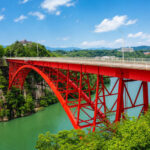
The maple foliage is the headline. At its best, the trees turn the area into a sweep of red and yellow, with the river and surrounding scenery adding to the view. The site is especially compelling in peak colour, but the timing can be tricky. Warm weather has delayed autumn colour in some years, while late-season visits may find the display already fading.
Korankei can also be visited after dark during the illumination period. The lights create a different atmosphere, and some dates have found the evening views magical. Others have found the illumination less impressive than expected, with the lit leaves appearing to have similar colours. If you have seen dramatic light displays elsewhere, keep your expectations measured. The daytime foliage is the safer reason to come; illumination is an extra.
There are food stalls at Korankei, a practical plus if you want a snack while exploring. You may also want to bring a goshuin book if collecting temple or shrine stamps is part of your trip. The area is not only a backdrop for foliage photos; it can offer small, local details that give the visit a little more character.
Temple stop and seasonal details
Kokeizan Eiho Temple is named among the tour’s sights. Temple visits can offer a quieter counterpoint to the busy foliage areas, and past versions of this trip have also highlighted a large, old ginkgo tree at a temple stop. The exact temple sequence and what you see may depend on the itinerary in effect for your date, so confirm the listed stops when you book.
The temple element is useful if you want more than a string of viewpoints. It adds a cultural stop to a day otherwise shaped by seasonal scenery. Still, the tour’s strongest draw is the contrast between Obara’s blossoms and Korankei’s maples, so do not book expecting an in-depth temple visit unless the specific schedule makes that clear.
A bus tour that saves the transport puzzle
The bus is a major part of the value. Obara and Korankei are difficult to connect smoothly without planning, and a guided bus outing removes the need to piece together separate transport. You can settle into the ride, follow the group’s schedule, and focus your energy on the places themselves.
The drive between attractions has been described as a little over an hour. That is useful context if you are hoping for a short ride between stops: this is an excursion beyond central Nagoya, not a quick hop across town. A comfortable bus and a steady driver make the travel time easier, but the road journey remains part of the day.
Guides have included Lily and Xiao Liu. Some have spoken Japanese, English, and Mandarin, and strong guides have helped people use their time well, suggested photo spots, and shared local information. The quality of English explanations has not always been consistent, though. Some guides have relied closely on prepared material, and the amount of local context can vary. If you mainly need clear meeting instructions and help navigating the schedule, the guide is likely to be useful. If detailed commentary in English is a priority, this is less certain.
Pay attention to the meeting instructions. At least one tour arrangement has involved checking in at one location before gathering at a second point to board the bus. That system can take time and may feel less straightforward than meeting directly beside the vehicle. Read the current directions carefully, and leave room for the check-in process.
Timing, crowds, and the weather
The tour is sold as a half-day outing, but the available information does not specify an exact total duration. The reported time at the two main parks adds up to around three hours, before travel and any temple stop. Check the date-specific schedule so you know how much of the day to keep free.
Traffic can affect the balance of the visit. A jam has cut into daylight viewing on one occasion, leaving more emphasis on the evening illumination. That is a real risk during a popular foliage season. A guided bus removes the stress of driving and route planning, but it cannot make traffic disappear.
Weather also changes the experience. Overcast skies and drizzle have still allowed for enjoyable scenery, but rain can make a walk less pleasant and may affect how the colours look in photos. Bring clothing suited to the forecast, and keep your plans flexible. The operator may cancel in extreme weather or other unforeseen circumstances.



Does $71.99 offer fair value?
The price starts at $71.99. Whether that is good value depends less on the ticket figure alone than on what you would otherwise spend in time and effort. If you are unfamiliar with the area, the bus links two destinations that are not especially simple to reach together. That convenience, plus a guide to keep the day organised, is the strongest case for paying.
The cost may feel less compelling if you prefer to set your own pace or want extended time at every stop. Obara’s reported 50-minute visit is relatively short, and the tour follows a shared schedule. You are paying for access and coordination, not a private car or an open-ended day.
The trip has received a 4.6 out of 5 rating across 55 reviews. That is a positive overall signal, but it should not obscure the two variables that matter most: seasonal timing and guide communication. The best value comes when the foliage is in season, you are happy with a group itinerary, and you would rather spend your planning time enjoying the sites.
Who should book this outing?
I would choose this tour if you are staying in Nagoya, want to see both shikizakura and autumn maples, and prefer not to organise transport to Toyota yourself. It also suits people who like a clear schedule and are content with a few hours at the main sights rather than a private, slow-paced visit.
It is less suited to anyone who needs guaranteed peak foliage, expects lengthy English-language commentary, or wants full control over when to arrive and leave. Nature does not follow a booking calendar, and a shared bus cannot offer the freedom of a private vehicle.
Cancellation is free with at least 72 hours’ notice before the activity date, using the destination’s local time. If the operator cancels because of extreme weather or an unforeseen event, you can request a full refund.
Should you book?
Book it if the unusual autumn pairing is your priority and you value transport that takes the hassle out of reaching both sites. Korankei gets the longer visit, Obara adds the distinctive shikizakura, and the bus makes a multi-stop day practical. Go with flexible expectations about bloom timing, illumination, and the guide’s level of English. If those trade-offs suit you, this is a sensible way to see two of Toyota’s seasonal highlights from Nagoya.
Nagoya Korankei & Shikizakura Autumn Maple Leaf Half-Day Tour
“We shortlisted this tour amongst others as more time was allocated at Obara Park (50 mins) and Korankei Gorge (2.5 hours). The shikizakura and autu…”
FAQ
What places does the tour visit?
The activity summary names Kokeizan Eiho Temple, Obara Shinki-Zakura, and other autumn viewing spots. Korankei Gorge and Obara Park are the two main locations described for the outing.
What is shikizakura?
Shikizakura are cherry trees that can bloom in autumn. At Obara, they offer the chance to see blossoms during the same season as Korankei’s maple colours.
How much time is spent at Obara Park?
A reported schedule allows about 50 minutes at Obara Park. The exact timing may vary by departure date.
How long is the stop at Korankei Gorge?
A reported schedule allows around 2.5 hours at Korankei Gorge. Confirm the current schedule for your date.
Is the Korankei foliage illuminated at night?
Seasonal illumination has been part of some visits. The night display depends on the timing and itinerary for the date you book.
How much does the tour cost?
The listed starting price is $71.99. The price may vary, so check the amount shown for your selected date and package.
What languages does the guide speak?
Guides have included people who spoke Japanese, English, and Mandarin. Language ability and the amount of explanation can vary by guide.
Is transport between the sights included?
The experience is described as a bus tour from Nagoya to the viewing locations, so it avoids arranging separate transport between the stops yourself.
Can I cancel and receive a full refund?
You can receive a full refund if you cancel at least 72 hours before the activity date, based on destination local time.
What happens if the tour is cancelled due to extreme weather?
The operator may cancel because of extreme weather or unforeseen events. If that happens, you can request a full refund.