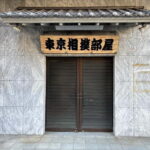
Tokyo: Sumo Morning Practice Viewing Tour at a Real Stable
Location: Honshu, Japan
Country: Japan
Rating: 5/5 (based on 5 reviews)
Price: $97 per person
Supplier: Local Guide Stars
Imagine stepping into a world usually closed off to the public—an early morning in Tokyo’s sumo district, watching the intense training of professional sumo wrestlers. For just $97, this tour offers a rare, behind-the-scenes glimpse into a living tradition that melds sport, spirituality, and centuries-old ritual.
Unique sumo wrestling experience with Mao who gave us very useful explanations throughout – a must do in Tokyo – very authentic
Mao was super informative and really well prepared and was great at answering all our questions. The session itself was incredible to see and you did really get a sense of the sumo lifestyle.
As an authentic experience as you are likely to have. Up front and personal with super athletic, flexible, tough and sweaty, flesh slapping Sumo. They were extremely professional and went about their training session like we weren’t there. We loved it. Tour guide Mao was terrific! Informative,…
Read more ›
What makes this experience stand out? First, the chance to witness a real sumo stable in action—something most visitors only see on TV or in documentaries. Second, the opportunity to learn directly from guides who are passionate and knowledgeable, making the complex rules and rituals clear and engaging.
On the downside, this is a morning activity, so it requires an early start, and you’ll need to stay until the end of practice around 9 or 10 AM. Also, given the nature of the stable environment, respectful, modest clothing is required, and loud noises or disruptive behavior are not allowed.
This tour is ideal for curious travelers and sports enthusiasts who want an authentic look at sumo, especially those interested in diving deep into Japan’s cultural traditions. If you’re OK with early mornings and want to see sumo in a genuine setting, you’ll likely find it well worth the price.
- Key Points
- What to Expect on the Sumo Morning Practice Tour
- The Venue: A Real Sumo Stable in Ryogoku
- The Guide: Knowledgeable and Passionate
- Observing Practice: From Intensity to Tradition
- Meeting the Wrestlers: Personal Connections
- Post-Tour: Enjoying the Sumō District
- Practical Details & Tips
- Transportation and Accessibility
- The Cost vs. Value
- Authentic Experiences and Authenticity
- Who will enjoy this tour?
- The Sum Up
- FAQ
- The Best Of Tokyo!
- More Morning in Tokyo
- More Tours in Tokyo
- More Tour Reviews in Tokyo
Key Points
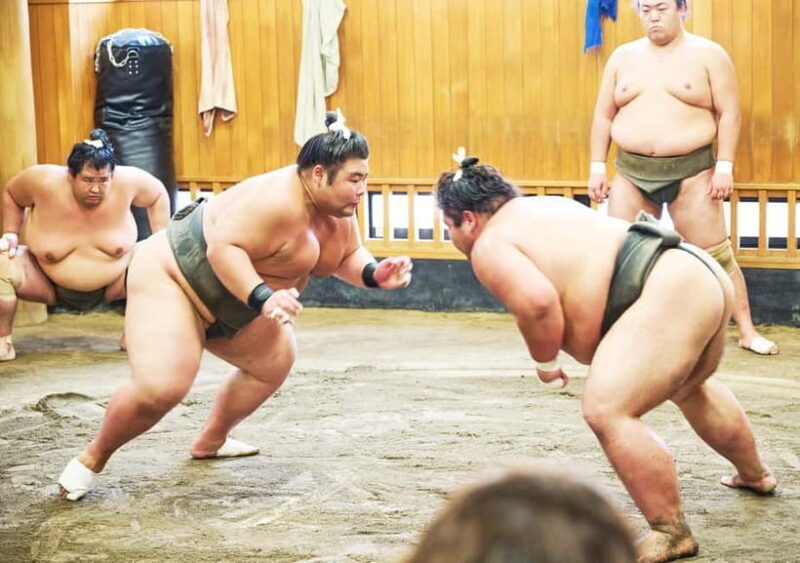
- Authentic Experience: Experience real sumo training, not just a staged show
- Deep Cultural Insight: Learn about the rituals, rules, and history of sumo
- Meet the Wrestlers: Talk with sumo wrestlers outside of training hours
- Location: Situated in the historic Ryogoku district, home to sumo’s heartland
- Respectful Atmosphere: Quiet, modest dress, and behavior are essential
- Limited Re-Entry: You must stay until the practice ends; exit means no re-entry
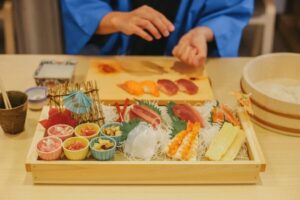
👉 See our pick of the Our Picks For The 11 Best Workshops & Classes In Tokyo
What to Expect on the Sumo Morning Practice Tour
You can also read our reviews of more tours and experiences in Tokyo

The Venue: A Real Sumo Stable in Ryogoku
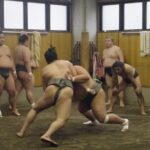
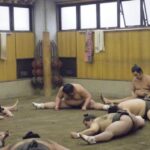
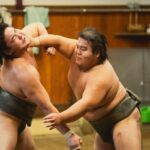
Our journey begins in Ryogoku, Tokyo’s sumo district, a neighborhood steeped in tradition. Unlike museums or staged performances, this is a working sumo stable—where wrestlers eat, train, and live. It’s a place that few outsiders get to see, making your visit all the more special.
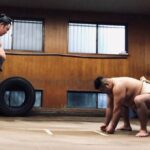
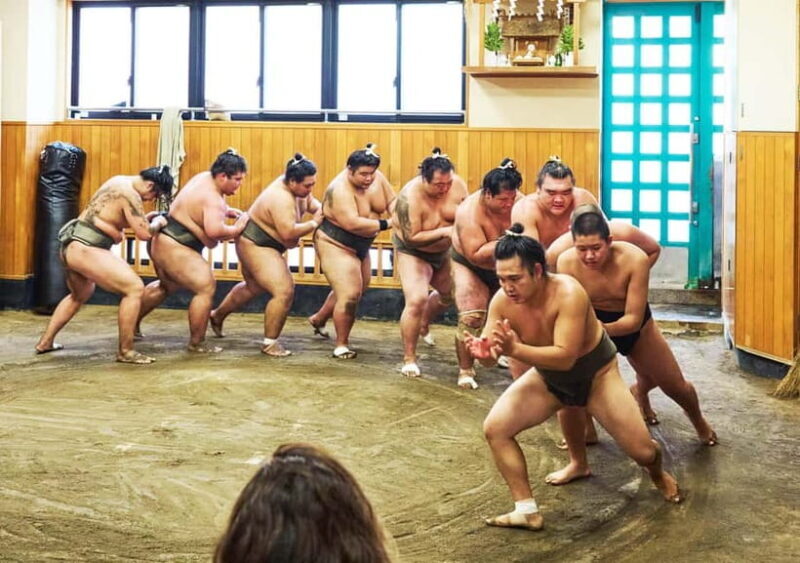
The stable likely features a training ring in the center, surrounded by the wrestlers’ living quarters and training equipment. This setting provides an intimate view of the daily routines that shape a sumo wrestler’s life.
The Guide: Knowledgeable and Passionate
Your English-speaking guide (mentioned positively in reviews) will explain the rules, rituals, and significance of sumo during your visit. They’ll clarify what you’re seeing—like the precise movements, rituals before matches, and the symbolism behind each gesture.
The tour was excellent, Mao was a great guide, her English was very good and her explanation of Sumo and its history was very imformative.
Great visit inside the sumo S Life and training. Kawa was very kind and gave us all the necessary information. It was a really interesting visit. Definitely worth!
I highly recommend this experience. Beforehand our guide Mao gave us a fantastic summary of sumo so we understood the sport better. We then entered the sumo stable and got to watch the practice session which was truly brilliant. You sit on the side of the ring so you’re very close to the action and…
Read more ›
According to reviews, guides like Mao and Angie bring enthusiasm and clarity to what can seem overwhelming at first glance. Their insights help you appreciate the discipline and tradition behind every throw and stance.
Observing Practice: From Intensity to Tradition
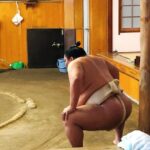
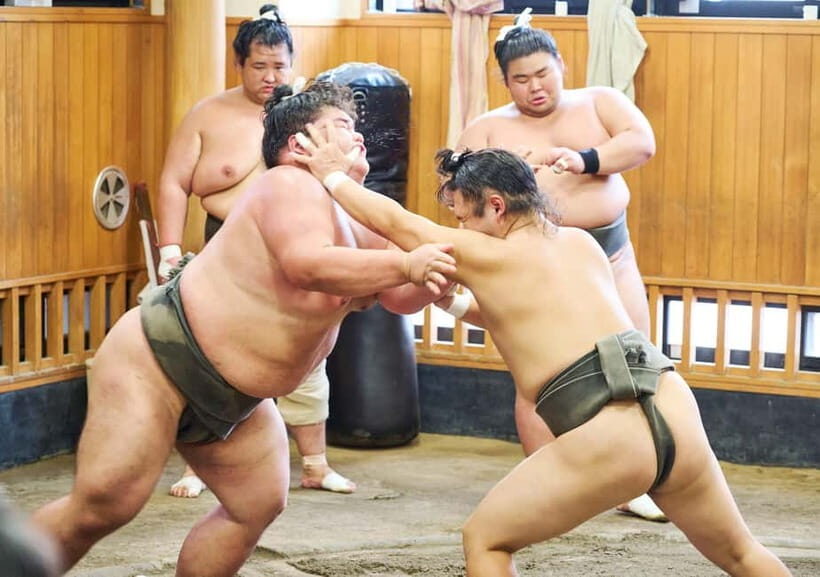
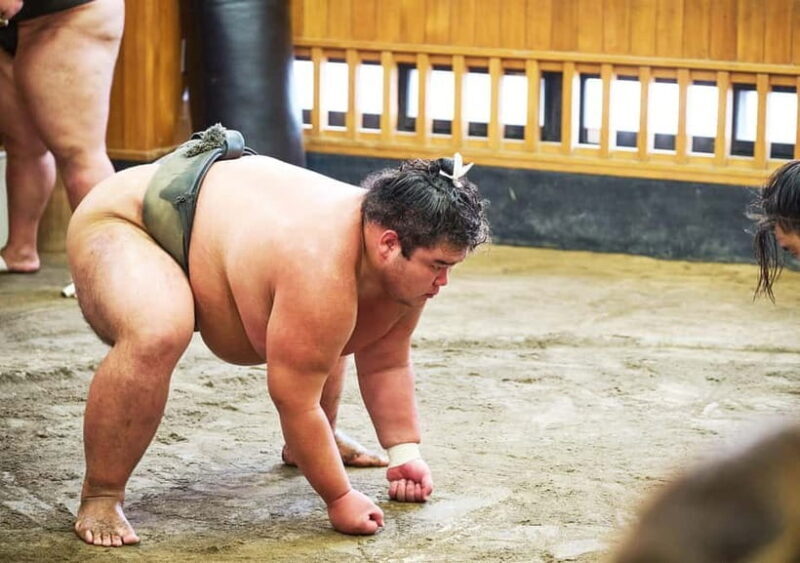
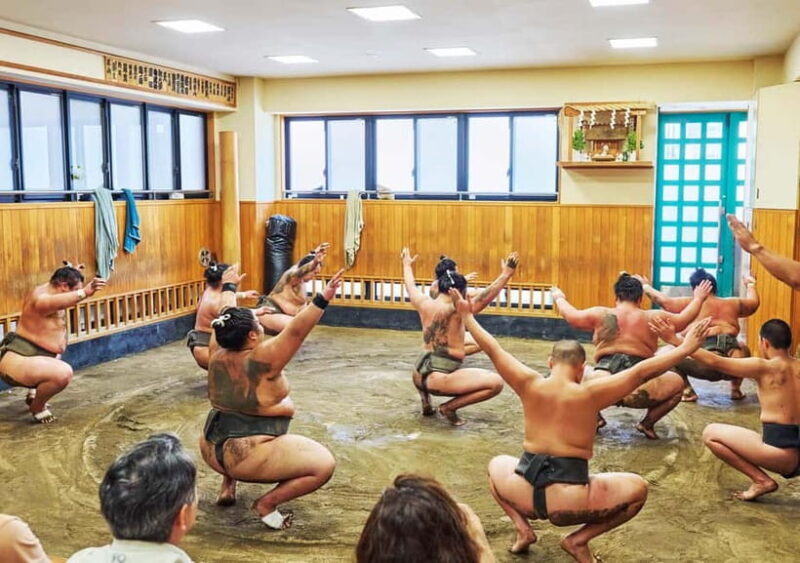
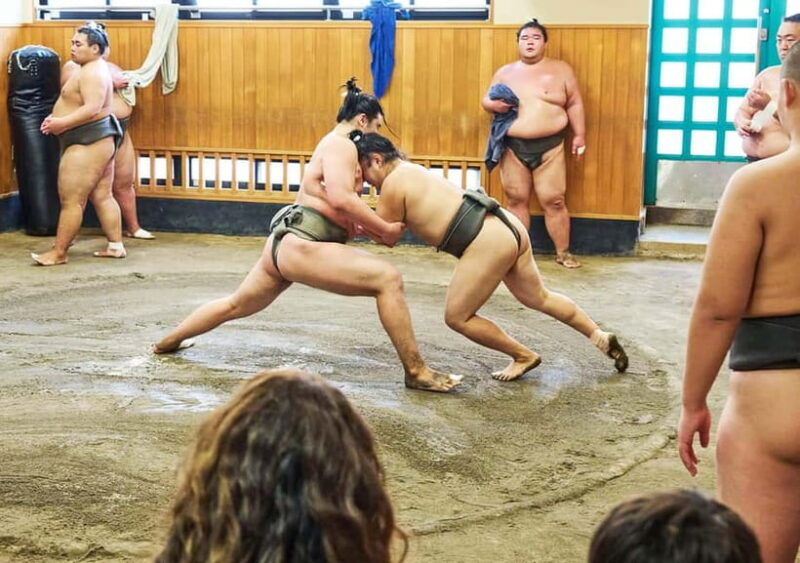
Once inside, you’ll witness young wrestlers giving their all—pushing themselves through rigorous routines that involve stamina, technique, and mental focus. The atmosphere is quiet and respectful, and you’re expected to remain silent during the training session.
The practice generally lasts until around 9 or 10 AM, so plan to be patient and attentive. The scene is often mesmerizing, with powerful athletes executing precise movements that have been refined over centuries.
More Great Tours NearbyMeeting the Wrestlers: Personal Connections
One of the tour’s highlights is the chance to speak with wrestlers outside of training hours, according to reviews. This personal interaction allows you to ask questions and gain insight into their lives, aspirations, and the demanding discipline of sumo.
While the stable is a working environment, guides typically ensure that guests are respectful and follow rules—so don’t expect a photo shoot or casual chatting during practice, but the opportunity to connect afterward adds a memorable personal touch.


Post-Tour: Enjoying the Sumō District
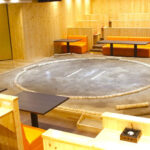
After the practice, you’re ideally located in Ryogoku’s traditional sumo district, famous for its chanko-nabe restaurants—the hearty sumo stew. Many visitors find this a perfect spot for a sumo-themed meal, adding a delicious and authentic ending to their morning.
Practical Details & Tips
- You must arrive on time; latecomers may be denied entry, as the stable is a workplace—timeliness shows respect.
- Please dress modestly, avoid loud noises, and silence your phone.
- The tour ends around 9–10 AM at the stable, but depending on the schedule, the ending location may differ from the meeting point.
- You need to stay until the practice concludes; re-entry after leaving is not permitted.
- This experience is not suitable for children under 11—the environment is quiet and disciplined.
Transportation and Accessibility
Guides often take a train to the stable after meeting, which makes for a smooth transition from the busy city streets to the quiet training hall. Since the stable is located in a historic area, expect some walking, but overall, the logistics are straightforward for travelers familiar with Tokyo’s transit system.
The Cost vs. Value
At $97 per person, this tour offers a cost-effective window into a world normally closed off. Considering the rare opportunity to observe daily training and interact with wrestlers, the price is quite reasonable—especially given the guides’ expertise and the authentic setting.
Authentic Experiences and Authenticity
Based on reviews, visitors consistently appreciated how genuine and respectful the experience felt. Mao and Angie received high praise for their knowledge, friendliness, and ability to make the experience engaging. One reviewer called it "a beautiful and unforgettable experience," while another said, "I highly recommend."
The stable environment emphasizes tradition, discipline, and respect for the sport, making this tour more than just a sightseeing activity—it’s an inside look at a cultural cornerstone of Japan.
Who will enjoy this tour?
This experience is best suited for adults or older teens with an interest in sports, culture, or Japan’s traditions. If you’re looking for a quiet, respectful, and authentic glimpse into sumo training, this tour ticks all those boxes.
It’s especially rewarding for those who appreciate guided explanations and want to connect a sport with its cultural roots. If you’re a fan of unique, off-the-beaten-path experiences and enjoy discovering local traditions firsthand, this sumo stable visit will likely be a highlight of your Tokyo trip.
The Sum Up
For anyone curious about sumo beyond the televised matches, this tour offers a rare and authentic opportunity to witness the discipline, rituals, and dedication involved in the sport. At just $97, it provides deep insights and personal interactions that make it a valuable experience for culturally-minded travelers.
While early mornings and a respectful atmosphere are required, the up-close view of training, combined with expert guides, ensures you'll leave with a greater appreciation for sumo as a spiritual tradition and athletic pursuit.
This experience is perfect for adventurous travelers eager to explore Japan’s traditional side—those who don’t mind a quiet, disciplined environment and value authentic, behind-the-scenes access.
FAQ
What is included in the tour?
You’ll get an English-speaking guide, visit to a sumo stable, explanations of sumo rules and rituals, and the chance to speak with wrestlers outside training hours.
How long does the tour last?
The practice typically ends around 9 or 10 AM, and the tour duration aligns with the training session, so plan for about 2–3 hours including transportation and explanations.
Is the tour suitable for children?
No, it’s not suitable for children under 11 due to quiet, disciplined environment and respect rules.
What should I wear?
Modest clothing is required; avoid revealing or overly casual attire. This respects the tradition of the stable.
Can I take photos during practice?
Quiet, respectful behavior is expected; taking photos during training is usually not allowed, but you might have opportunities outside of practice hours.
What if I arrive late?
Late arrivals may be denied entry, as the stable is a place of work. Punctuality is important to respect the environment.
Can I re-enter if I leave early?
No, once you leave, re-entry isn’t permitted, so plan to stay until the practice ends.
Is transportation arranged?
Guides typically take a train to the stable after meeting, making logistics straightforward and convenient.
What is the value of this experience?
For under $100, you gain a rare glimpse into a living tradition, with expert explanations, personal interactions, and an authentic environment—making it well worth the price.
Exploring sumo in Tokyo isn’t just about watching wrestlers in the ring—it's about understanding the deep roots of Japanese culture, the discipline of athletes, and the spirituality woven into everyday practice. This tour offers all that with minimal fuss and maximum insight.
You can check availability for your dates here: