- Discover the Power and Precision of Sumo: A Morning Practice Tour in Tokyo
- Key Points
- An In-Depth Look at the Tokyo Sumo Practice Tour
- Location and Duration
- What You Can Expect
- Photos and Questions
- Supporting the Wrestlers
- Why This Tour Is Special
- The Guide’s Role
- Why It’s Worth the Price
- Practical Considerations
- Who Should Take This Tour?
- Final Thoughts
- Frequently Asked Questions
- The Best Of Tokyo!
- More Morning in Tokyo
- More Tour Reviews in Tokyo
Discover the Power and Precision of Sumo: A Morning Practice Tour in Tokyo
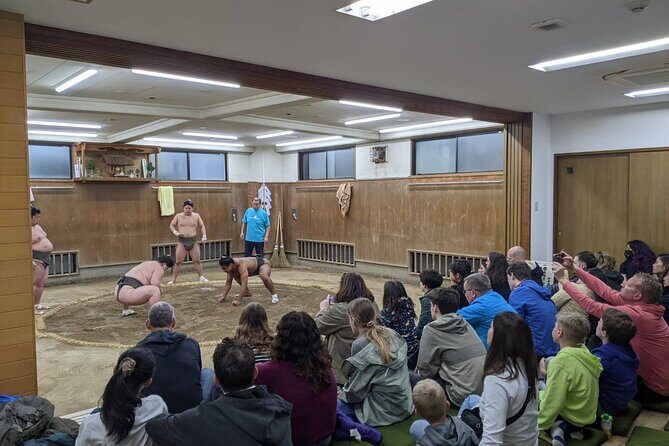
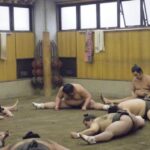
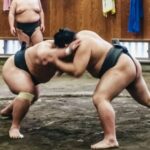
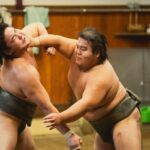
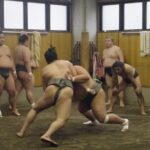
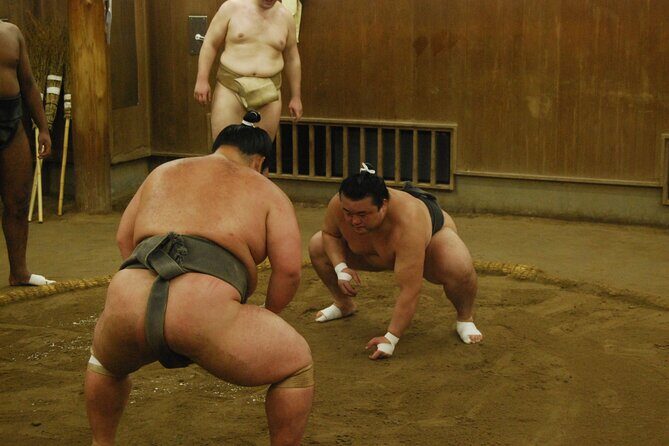
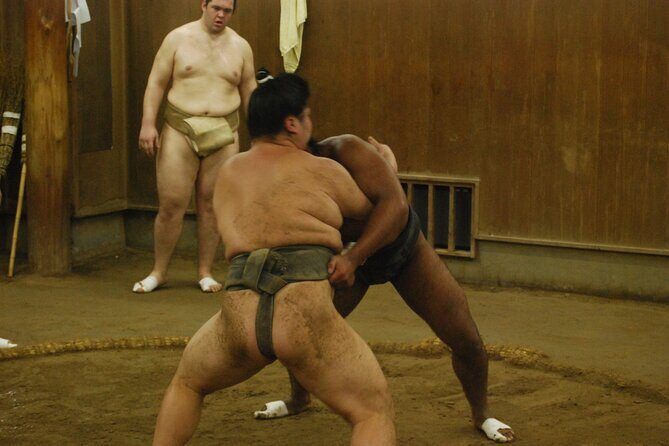
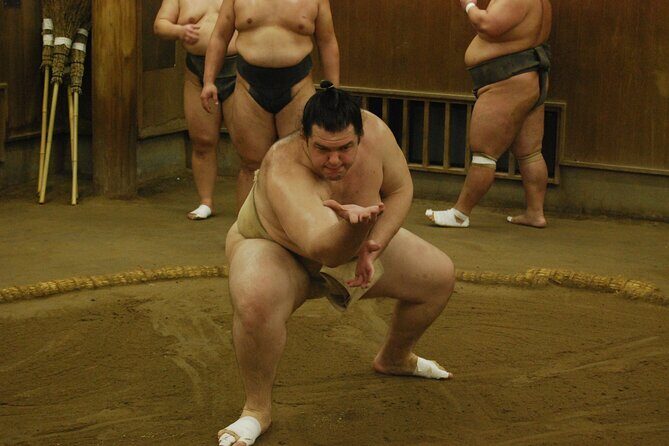
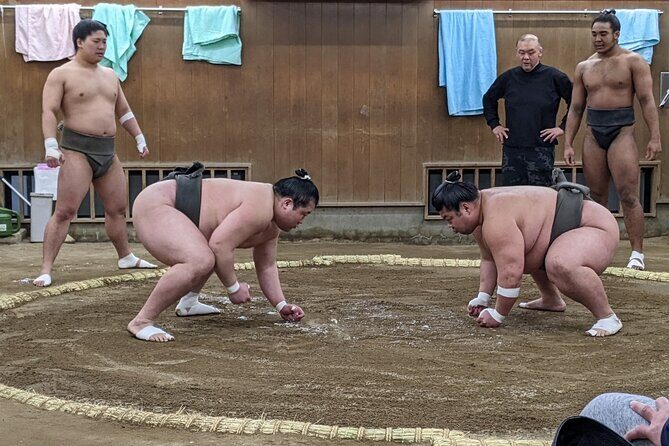
A visit to Tokyo isn’t complete without experiencing sumo wrestling, Japan’s national sport steeped in tradition and discipline. For just under $92, you can spend about two hours getting a close-up look at sumo wrestlers during their daily morning practice. This tour takes you inside a sumo stable, where you’ll observe the wrestlers’ intense training, see their raw expressions, and hear the sounds of bodies colliding—an experience that feels both authentic and surprisingly personal.
What we love most about this tour is how it offers a rare glimpse behind the scenes of sumo, far from the spectator-filled Kokugikan matches. You’ll appreciate the chance to take photos with wrestlers and even ask questions—something you simply can’t do at the official tournaments. Plus, the guide’s insights help you understand the discipline and dedication that go into this intense sport.
Loved it! Went with our kids. So fun and interesting. Question and answer at the end was good too. Very real sumo experience
A potential consideration? Photography inside the stable is limited to no-flash photos, so if you’re hoping for broad photo opportunities, be prepared to keep your camera steady and discreet. Also, as it’s a small-group experience—capped at 20 travelers—you’ll want to book in advance, with most people securing their spot about a week ahead.
This tour suits anyone curious about sumo’s traditions, those interested in Japanese culture, or travelers wanting an up-close, behind-the-scenes experience. It’s especially recommended for those who enjoy authentic, personal encounters over staged shows.
👉 See our pick of the Our Picks For The 11 Best Workshops & Classes In Tokyo
Key Points
- Authentic Experience: You’ll see sumo wrestlers training as they do daily, not during a staged tournament.
- Expert Guides: Knowledgeable guides like Tomoko and Hiroshi enhance understanding with insightful commentary.
- Close Interaction: Photos with wrestlers and the chance to ask questions make it very personal.
- Limited Photography: No-flash photography keeps the wrestlers focused and respectful.
- Cultural Insight: Learn the discipline, hierarchy, and routines behind sumo’s centuries-old traditions.
- Value for Money: At around $92, this tour offers a rare behind-the-scenes look that many travelers find well worth the price.
You can also read our reviews of more tours and experiences in Tokyo
- Tokyo: Sumo Morning Practice Viewing Tour
★ 4.8 · 570 reviews - Tokyo: Sumo Morning Training Visit
★ 4.4 · 370 reviews - Tokyo: Sumo Morning Practice Tour at Sumida City
★ 4.8 · 308 reviews
An In-Depth Look at the Tokyo Sumo Practice Tour
Location and Duration
This tour begins in the lively district of Sumida, specifically at a designated meeting point near Oshiage Station. It lasts about two hours, providing an intimate window into the daily life of sumo wrestlers. The small group size, limited to 20 travelers, ensures a relaxed, personalized experience. This is particularly valuable because it allows for more direct interaction with the guides and wrestlers.
What You Can Expect
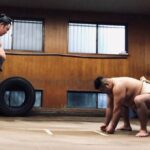
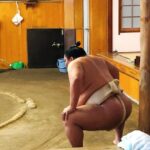
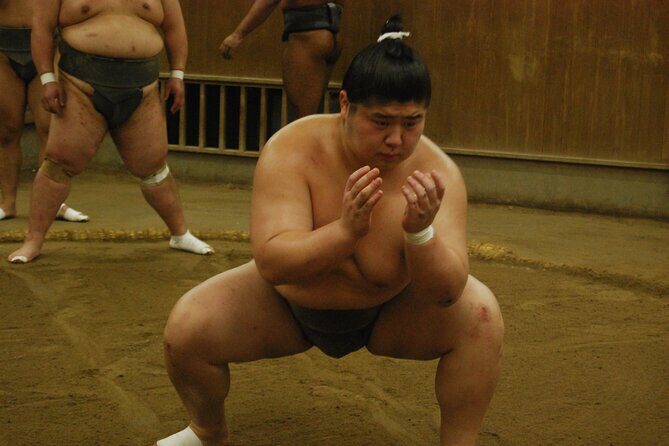
The tour kicks off with a visit to one of Tokyo’s strong sumo stables, where you'll witness a training session lasting approximately an hour and a half. Inside, the atmosphere is focused and intense, with the coach’s voice often loud, commanding, and harsh, which initially might surprise newcomers. This stern tone, however, is rooted in trust and discipline—something you’ll learn about from your guide, who will explain the importance of hierarchy and respect in sumo.
Watching the wrestlers breathe, grimace, or even smile during practice offers a rare human moment in a sport often associated with pageantry. As one reviewer put it, "Seeing them train so hard and they are very nice"—it’s this genuine effort that greatly enhances the experience.
Photos and Questions
You’ll have the opportunity to take photos with the wrestlers, though without flash, which encourages patience and attentiveness rather than flashbulb frenzy. You can also ask questions, making this a highly interactive session—something many reviewers appreciated. They mentioned guides like Tomoko and Hiroshi as being knowledgeable and friendly, adding depth and context to what you’re witnessing.
- Tokyo: Mt. Fuji, Hakone, Lake Ashi Cruise and Bullet Train
★ 4.4 · 5,024 reviews - From Tokyo: Mount Fuji Full-Day Sightseeing Trip
★ 4.5 · 4,970 reviews - Tokyo: Hop-On Hop-Off Sightseeing Bus Ticket
★ 3.9 · 4,207 reviews - Tokyo: Mt. Fuji Tour, Hakone Ropeway, Owakudani, Lake Ashi
★ 4.7 · 4,002 reviews - Tokyo Tower: Admission Ticket
★ 4.6 · 3,661 reviews - Tokyo: Sumo Show and Dining Experience
★ 4.8 · 2,742 reviews
Supporting the Wrestlers
Post-practice, if you feel inclined, leaving a tip for the rikishi (wrestlers) is encouraged, supporting their dedication. The tour brochure also offers additional insights into sumo, enriching your understanding of this revered sport.
Why This Tour Is Special
Unlike attending an official tournament, this experience offers an intimate look at the training process, giving you a better appreciation of sumo’s physical demands and discipline. As one reviewer said, “It’s very emotional and enlivening to see their life from a different angle.” It’s a chance to see athletes at work, not just in their moments on the ring.
The Guide’s Role
Guides like Tomoko and Hiroshi are praised for their enthusiasm, knowledge, and friendliness. They help bridge the cultural gap, explaining rituals, hierarchy, and traditions that might otherwise seem opaque. Their presence adds value beyond the visual spectacle, turning a sightseeing stop into an educational experience.
Why It’s Worth the Price
At $91.95, this tour is a solid investment for those interested in authentic Japanese culture. Compared to the costs of a typical tour, you’re paying for admission to a private training session, expert guidance, and personal interaction—not just a show. The value lies in witnessing sumo as a living tradition, rather than a staged event, and in the chance to ask questions directly to those involved.
Practical Considerations
Booking about a week in advance is recommended, as spaces fill quickly. The tour is easy to reach via public transportation near Sumida, making it accessible for most travelers. Remember, snacks and food are not allowed during practice, so bring drinks with lids to stay hydrated.
Who Should Take This Tour?
This experience is best suited for adults and older teens with an interest in Japanese sports, traditions, or martial arts. It’s perfect for curious travelers who want more than just spectator entertainment—those eager to see the discipline and dedication that sumo demands. If you enjoy authentic experiences that offer a personal connection with local customs, this tour will resonate. Families with children might find it less suitable due to the quiet, focused atmosphere, but older children with a keen interest in sports or culture could find it inspiring.
Final Thoughts
In summary, this sumo practice tour in Tokyo offers a rare, behind-the-scenes view of a sport that embodies Japan’s values of discipline and respect. It’s a worthy addition to any cultural itinerary, especially for those who appreciate the stories behind the spectacle. The guides’ expertise, the close-up view of wrestlers training, and the chance to ask questions combine to make it a truly memorable experience.
We believe this tour is most valuable for travelers seeking an authentic connection with Japanese tradition—something that’s increasingly rare in the age of staged performances. It’s a window into a world of strength, ritual, and perseverance that many visitors will cherish long after they leave Tokyo.
Frequently Asked Questions
Is this experience suitable for children?
This tour is generally geared toward adults and older teens interested in sumo and Japanese culture. Children who are curious about sports or martial arts may find it interesting, but the quiet, focused atmosphere may not suit very young kids.
How long does the tour last?
The tour runs approximately two hours, including the visit and training observation.
Can I take photos during the practice?
Yes, you can take non-flash photos inside the sumo stable. Flash photography is not permitted to respect the wrestlers’ concentration and privacy.
What language is the guide likely to speak?
Most guides are proficient in English, making the experience accessible for international travelers. Reviews highlight guides like Tomoko and Hiroshi as very knowledgeable and friendly.
How far in advance should I book?
Most travelers book about 7 days in advance, as spots tend to fill up quickly.
Is transportation included?
No, the meeting point is near public transportation in Sumida, which is convenient to reach from most parts of Tokyo.
Can I support the wrestlers after the practice?
If you wish, you can leave a tip for the rikishi, supporting their hard work and dedication.
Are there any restrictions on what I can bring?
Snacks and food are not allowed during training, so bring drinks with lids. Please refrain from bringing food into the stable.
What should I wear?
Comfortable, modest clothing is best. Since you'll be observing training, dress appropriately for a respectful, indoor environment.
Is this experience suitable for those with limited mobility?
It depends on individual mobility; the stable environment is generally accessible, but it's best to check with the provider for specific needs.
This sumo practice tour in Tokyo provides an intimate, behind-the-scenes look at one of Japan’s most iconic sports. Whether you’re a sports enthusiast, a culture seeker, or a curious traveler, this is a rare chance to witness raw athleticism and tradition in action—an experience you’ll remember long after you leave the city.