- An Authentic Taste of Tokyo: Tsukiji Food Strolling and Hama Rikyu Garden Walking Tour
- Key Points
- Exploring Tokyo’s Food and Nature: A Deep Dive
- The Itinerary Breakdown: What to Expect
- Why This Tour Works Well
- The Food and Sights: Authentic and Tasty
- Practical Considerations
- Authentic, Compact, and Culturally Rich
- Who Should Consider This Tour?
- FAQs
- Final Thoughts
- References
- The Best Of Tokyo!
- More Walking Tours in Tokyo
- More Tours in Tokyo
- More Tour Reviews in Tokyo
An Authentic Taste of Tokyo: Tsukiji Food Strolling and Hama Rikyu Garden Walking Tour
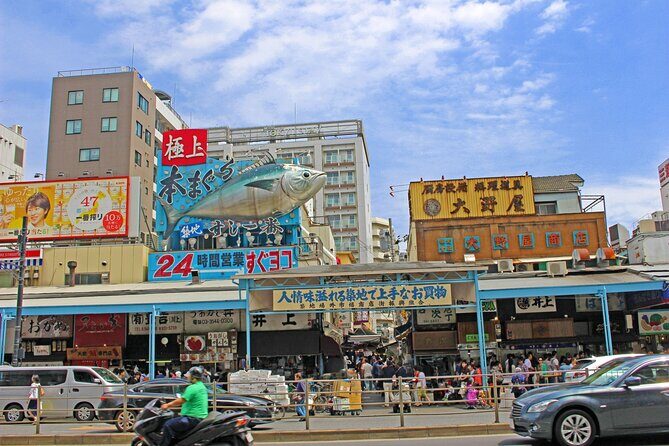
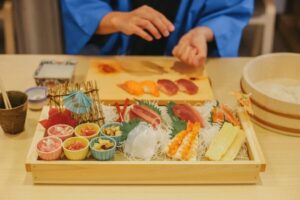
Imagine wandering through one of Tokyo’s most famous markets, sampling fresh sushi and wagyu, then strolling through a tranquil Edo-period garden with views of skyscrapers looming in the distance. That’s exactly what you get with the Tsukiji Food Strolling and Hama Rikyu Garden Walking Tour, a 2.5-hour experience that combines Japan’s culinary richness with its natural beauty.
For about $40.55 per person, this tour offers a blend of sensory delights and cultural insights. Expect to visit Tsukiji Market, where nearly 500 types of seafood and 270 varieties of produce create a vibrant, bustling atmosphere, and then escape to the elegant Hama Rikyu Gardens, a peaceful oasis right in the heart of Tokyo.
What we really appreciate about this tour is how it balances food exploration with cultural history. Our guides are friendly and knowledgeable, adding context to the sights and tastes. Plus, the optional matcha and wagashi tasting adds a traditional flavor to the day that feels authentic and relaxing.
One consideration worth noting: the food tasting is optional and paid on-site (~1,000 yen). If you’re not a big eater or have dietary restrictions, it’s good to plan for that. Also, this tour is best suited for those eager to see both lively markets and serene gardens in a short time, making it ideal for travelers who want depth without a full day commitment.
👉 See our pick of the Our Picks For The 11 Best Workshops & Classes In Tokyo
Key Points
- Balanced Experience: Combines vibrant market visits with tranquil garden strolls
- Local Guides: Friendly, informative guides enhance the experience
- Cultural Insights: Learn about Japanese etiquette and history along the way
- Food & Drink: Tasting options include matcha and wagashi, with plenty of fresh seafood
- Seasonal Beauty: Gardens showcase seasonal flowers and natural colors
- Affordable Value: Just over $40 for a rich, multi-sensory half-day tour
You can also read our reviews of more walking tours in Tokyo
- Tokyo: Shinjuku Local Bar and Izakaya Guided Walking Tour
★ 4.9 · 1,794 reviews - Tokyo: Asakusa Walking Tour with Sensoji Temple Visit
★ 4.8 · 1,583 reviews - Tokyo: Tsukiji Fish Market Food and Walking Tour
★ 4.9 · 1,397 reviews
Exploring Tokyo’s Food and Nature: A Deep Dive
The Itinerary Breakdown: What to Expect
Start at Tsukiji Hongwanji Temple—A peaceful spot near the market, this Buddhist temple features architecture inspired by Indian and Western styles. It’s a calm introduction before plunging into the lively market scene. At just 10 minutes, the visit sets a serene tone, offering a contrast to the bustling streets outside. Visitors note the tranquility inside, making it a worthwhile pause before the food frenzy.
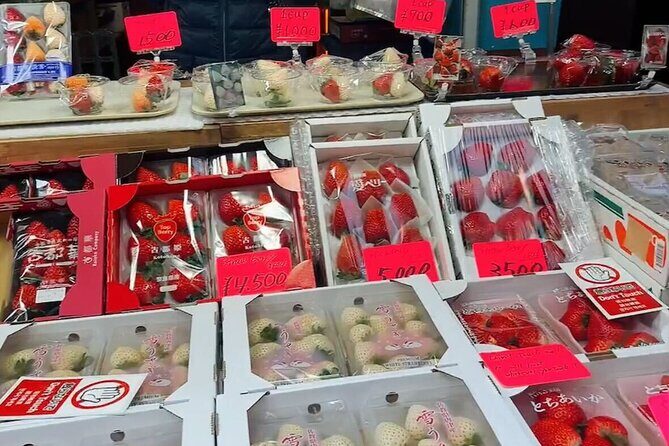
Next, Tsukiji Jogai Market—The heart of the tour, this historic wholesale market has operated for over 80 years. We loved how our guide’s commentary brought the scene to life: “Tsukiji Market boasts an 83-year history as one of Tokyo’s central wholesale markets, attracting a diverse range of ingredients from across Japan and around the world.” With approximately 480 types of seafood and 270 produce varieties, the sheer variety is overwhelming—and exciting. The narrow alleys are packed with vendors offering everything from fresh tuna to exotic fruits.
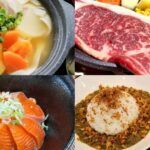
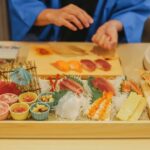
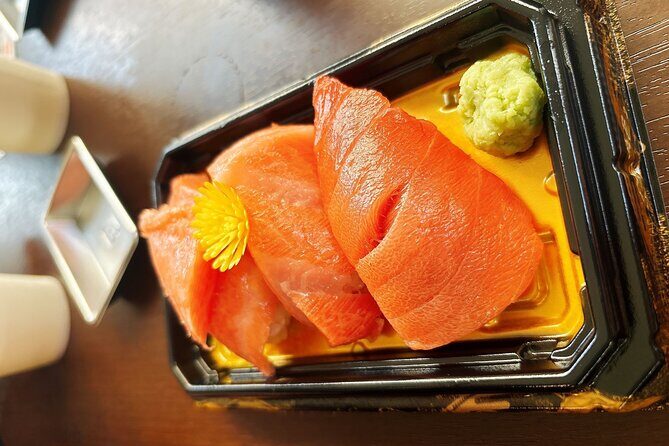
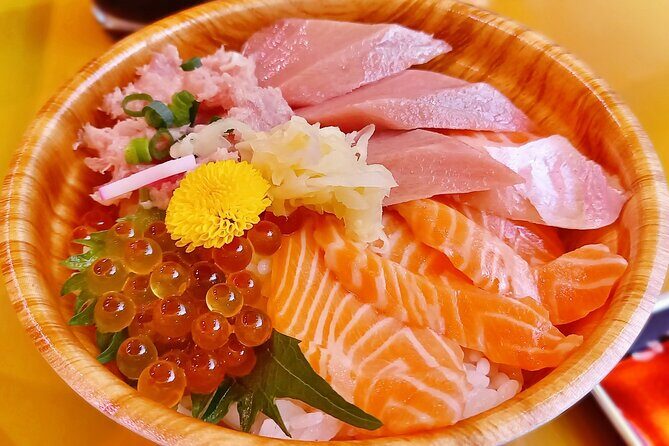
Most visitors find that sampling the market’s offerings is a highlight. From fresh sushi to wagyu beef, the taste tests are often described as “delicious” and “filling,” with one reviewer praising the experience as “completely full” after sampling a variety of treats. It’s a chance to see how local chefs and vendors work and to understand the importance of fresh, high-quality ingredients in Japanese cuisine.
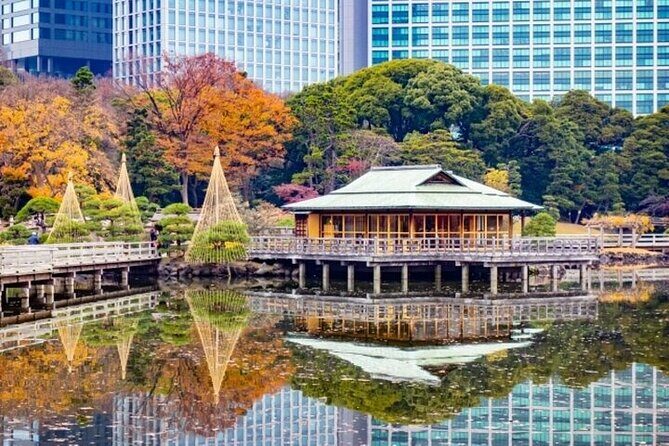
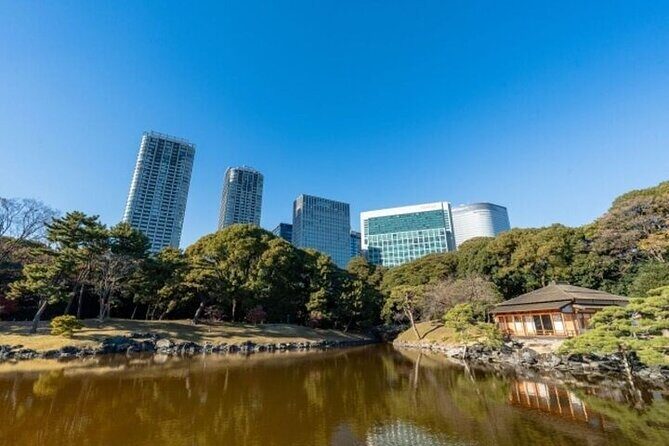
Hama Rikyu Gardens—After the market, the tour moves to this sprawling Edo-period landscape garden. We loved the contrast: the serenity of the gardens versus the hustle of the market. The gardens feature beautifully landscaped grounds, tidal ponds, and seasonal flowers—possibly even full-bloom cherry blossoms or vibrant autumn leaves, depending on the season.
The guide explains that the gardens were created over 370 years ago during the Edo period, offering a peek into Japan’s history of landscape design. You can enjoy a leisurely walk, admire traditional tea houses, and, if you choose, participate in the matcha and wagashi tasting ($10 on-site). This simple ritual offers an authentic taste of Japanese tea culture, and many find it both calming and educational.
Why This Tour Works Well
The small group size (max 12 travelers) fosters a friendly, personalized environment. Our guide was praised for her friendliness and local knowledge, making the experience feel genuine rather than commercial. Travelers mention her “impeccable French” and willingness to help, even escorting guests to train stations when needed.
The duration—about 2.5 hours—is perfect for those with limited time but who want to see a lot. The cost offers excellent value, considering the included entrance fee to Hama Rikyu Gardens and the guiding expertise.
The Food and Sights: Authentic and Tasty
Food tasting is a highlight, especially for those interested in Japan’s culinary traditions. While not included in the price, the optional wagashi and matcha experience allows you to appreciate the art of Japanese sweets and tea etiquette, normally costing around 1,000 yen (~$7-8). Reviewers noted their enjoyment of sampling fresh sushi and wagyu beef, describing the experience as “delicious” and “a great way to walk off the meal.”
You can also read our reviews of more food & drink experiences in Tokyo
- Tokyo: Shinjuku Food Tour (15 Dishes and 4 Eateries)
★ 4.9 · 2,033 reviews - Eat and Drink Like a Local: Tokyo Ueno Food Tour
★ 5.0 · 957 reviews - Tokyo: Shibuya Food Tour (13 dishes and 4 Eateries)
★ 5.0 · 770 reviews - Tokyo: Tsukiji Fish Market Street Food Tour with Tasting
★ 4.7 · 757 reviews - Tsukiji Fish Market: Food Culture, Street Food & Cutting Show
★ 5.0 · 669 reviews - Tokyo: Shinjuku Food Tour – 15 Dishes, 3 Drinks, 4 Eateries
★ 4.9 · 629 reviews
Practical Considerations
- The meeting point is at Starbucks near Tsukiji Station, easy to find and accessible via public transit.
- The tour ends at Hama Rikyu Gardens, with escorts for those needing directions or returning to nearby stations.
- Food and drinks are purchased separately, so consider bringing some cash or be prepared to buy at the market.
- The tour is suitable for most travelers, including those with service animals and varying levels of mobility, thanks to the manageable pacing.
Authentic, Compact, and Culturally Rich
This tour isn’t just about ticking off sights; it’s about experiencing Tokyo’s culinary and natural contrasts firsthand. The food sampling adds a delicious layer, while the garden walk grounds you in Japan’s history and appreciation for seasonal beauty. The guides’ friendliness and local insights elevate the experience from touristy to genuinely engaging.
Who Should Consider This Tour?
If you’re eager to taste authentic Japanese food in a lively setting, this tour is perfect. It suits travelers who enjoy small group experiences with personal attention. Those interested in garden scenery and traditional customs will find the garden visit a peaceful counterpoint to the market’s energy. It’s especially recommended for first-time visitors to Tokyo who want a broad, immersive introduction without committing a full day.
For food lovers, this tour offers a chance to sample sushi, wagyu, and Japanese sweets in an accessible context. For history buffs, the garden’s Edo-period design provides a glimpse into Japan’s past. It’s an experience designed to satisfy curiosity, appetite, and aesthetic sensibilities all at once.
FAQs
Is this tour suitable for vegetarians?
The tour focuses heavily on seafood and traditional Japanese cuisine like wagashi, so vegetarians might find limited options. It’s best to inquire beforehand or prepare to skip tastings.
How long do we spend at each site?
You’ll visit Tsukiji Hongwanji Temple for about 10 minutes, Tsukiji Market for around an hour, and Hama Rikyu Gardens for about an hour. The balance allows sufficient time to explore and sample.
Are the food tastings included?
No, tastings are optional and paid on-site (~1,000 yen). They typically include matcha and wagashi, with other snacks available at your discretion.
Can I join if I don’t speak Japanese?
Yes. Guides operate primarily in English and are friendly toward international travelers. The experience is very visual and sensory, so language barriers are minimal.
Is the tour good for families with kids?
While suitable for most travelers, the focus on food and gardens might appeal more to older children or teenagers. Be sure to consider their interest level.
What’s the best season to take this tour?
Spring for cherry blossoms or autumn for colorful leaves are ideal. However, the gardens are beautiful year-round, and the market is always lively.
Is the tour wheelchair accessible?
Most of the walkways and gardens are accessible, but some areas may be uneven. It’s best to check directly with the provider if mobility is a concern.
How far in advance should I book?
Most travelers book about 26 days ahead, ensuring availability, especially during peak seasons.
Final Thoughts
This Tsukiji Food Strolling and Hama Rikyu Garden Walking Tour offers a wonderfully compact, authentic slice of Tokyo life. It combines the energy of Japan’s most famous seafood market with the peaceful beauty of a centuries-old garden, making it a well-rounded experience for curious travelers. The knowledgeable guides, tasty tastings, and scenic settings make it a rewarding choice—whether you’re a foodie, a history lover, or simply looking to see Japan’s contrasting sides in a single morning.
If you want a taste of Tokyo that’s both flavorful and visually stunning, this tour is a smart pick. It’s especially ideal for first-timers or those with limited time, looking for a memorable, culturally rich experience that won’t break the bank.
References
Note: All factual details are based on the tour description and reviews provided.