
Kishi Station’s cat-themed trains and feline station staff are an unusual start to a day that ends among Shirahama’s rugged Pacific cliffs. Between the two, you’ll have time for a seafood market, an optional hot spring, and two striking coastal stops.
I like the included train ride, whose design changes from day to day, and the chance to pair a lively market lunch with the open-air scenery at Senjojiki and Sandanbeki. Guides named Tiger and Zhao have led departures, though your guide will vary.
The trade-off is a long day with substantial time in the vehicle and limited time at each stop. The onsen and cave also cost extra, so the $55.59 starting price is not the full cost if you want to visit both.
- The themed train is a daily surprise: The short ride from Kishi to Idakiso is included, but the train design and exact departure time can vary.
- Kishi’s cat staff change: Don’t count on meeting a particular cat. Current staffing schedules vary by day, and Nitama has been on indefinite leave since November 4, 2025.
- Lunch is a choose-your-own market stop: ToreTore Market has seafood stalls and a tuna-cutting show, but meals are not included and show times are random.
- The onsen is optional and extra: ToreTore no Yu sits beside the market and has open-air baths with Pacific views.
- Sandanbeki Cave costs extra: The cliff views are free to enjoy, but the cave ticket is 1,500 yen for adults.
- The coach makes the route possible: These stops are spread across Wakayama, so a group transfer saves you from piecing together a long day of public transport.
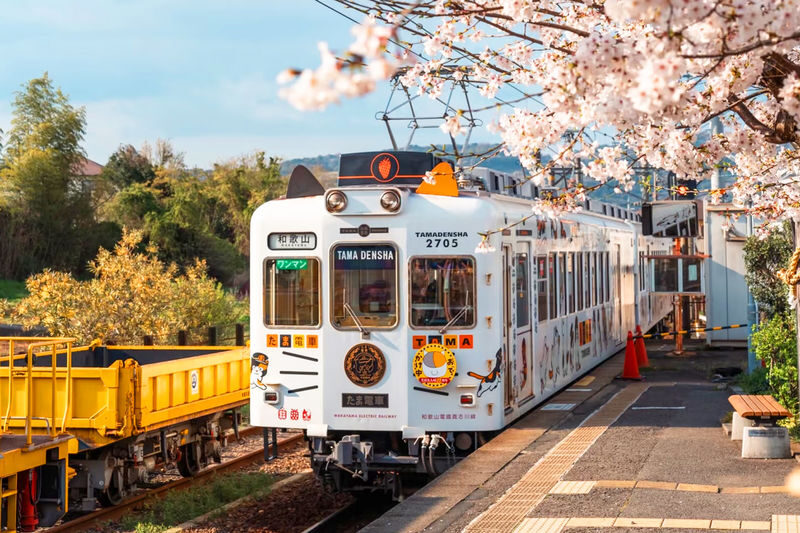
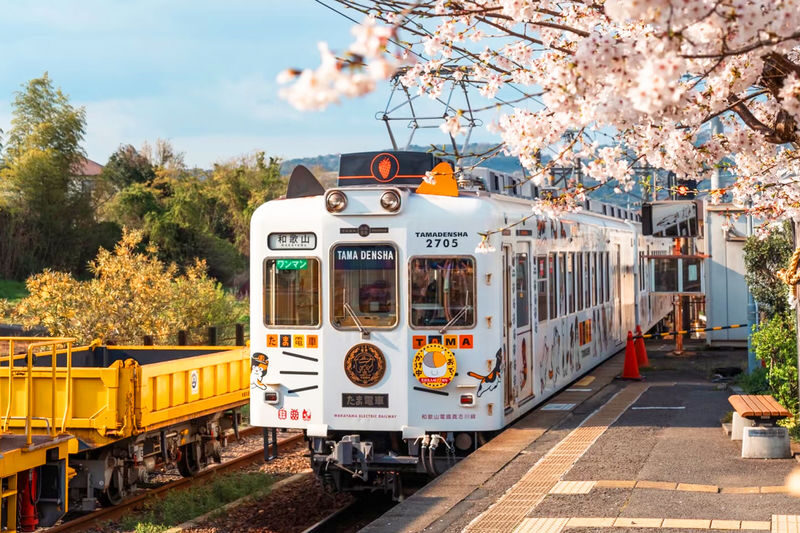
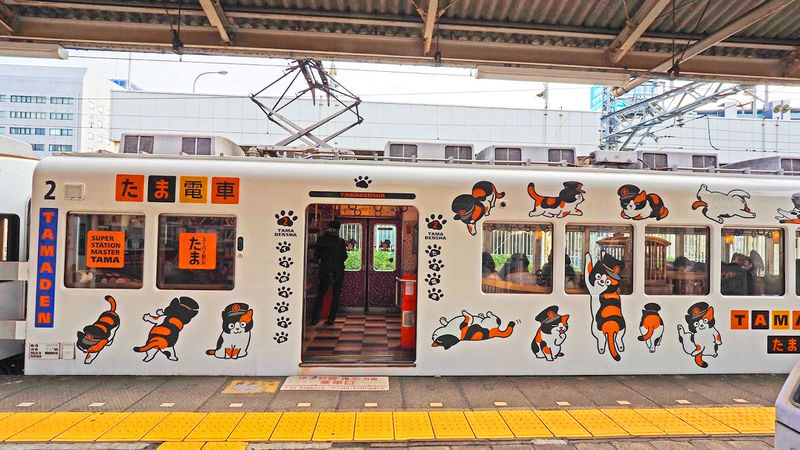
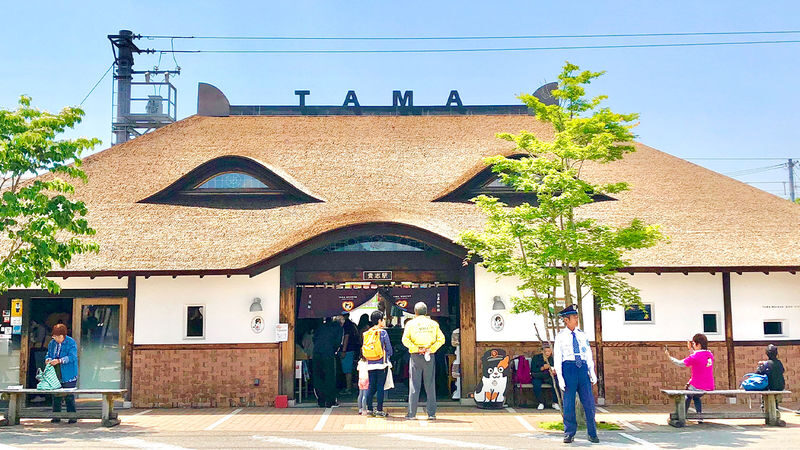
- A cat-themed train sets the tone at Kishi Station
- Two hours for seafood and a possible soak
- Senjojiki’s broad rock shelf and Sandanbeki’s cliffs
- What the Osaka coach saves, and what it costs you
- Is .59 a good starting price?
- Should you book this Wakayama day trip?
- FAQ
- Is the train ride included in the price?
- Will I meet a cat stationmaster at Kishi Station?
- Is lunch included?
- How much do the onsen and Sandanbeki Cave cost?
- Is the tuna-cutting show guaranteed?
- Where does the tour start and finish?
A cat-themed train sets the tone at Kishi Station
 1 / 6
 2 / 6
 3 / 6
 4 / 6
 5 / 6
 6 / 6
The day starts at 9:00 a.m. near Exit 2 of Kintetsu Nippombashi Station in Osaka. Be there 15 minutes early. This is a group departure, and late arrivals cannot join for a refund.
Kishi Station, in Kinokawa, is a small railway stop with an outsized following among cat lovers and railway fans. The station’s cat decor and resident station cats give it a playful, distinctly local feel. The draw is not a long visit or a formal show; it is the chance to see the station, take photos, and ride one of the Kishigawa Line’s changing themed trains.
The train ride between Kishi and Idakiso is included in the tour price. Its design changes daily, so you might ride a cat-themed carriage or another decorated train. It is a short trip, not a scenic rail journey across the prefecture, but it adds an appealing local detail to an otherwise coach-based day.
There is some variation in the published timing. The tour details give different departure times, including an 11:05 or 11:08 service in one place and a 10:38 service in another. Treat the exact time as subject to the day’s arrangement, and check the operator’s message the night before. The tour guide may not ride with you because Kishi is unmanned and the driver may be managing the group. You are expected to meet the guide again at Idakiso.
The cats’ schedule is worth checking if meeting one is a priority. The information provided says Nitama has been on indefinite leave since November 4, 2025. It names Yotama as on duty at Kishi Station from 10:00 a.m. to 4:00 p.m. on Monday, Tuesday, Friday, Saturday, and Sunday, and Gotama on Wednesday and Thursday. A separate note also lists Gotama at Idakiso Station on some days. Since the staffing details are not entirely consistent, consider the cat encounter a bonus, not a guarantee.
Two hours for seafood and a possible soak
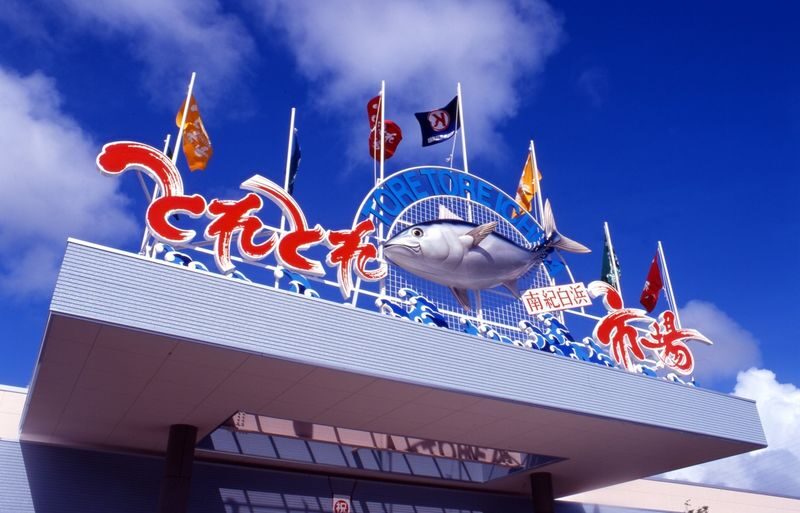
The next major stop is ToreTore Market in Shirahama, described as one of the Kansai region’s largest seafood markets. You have about two hours for the market and onsen, with the option to split your time between them.
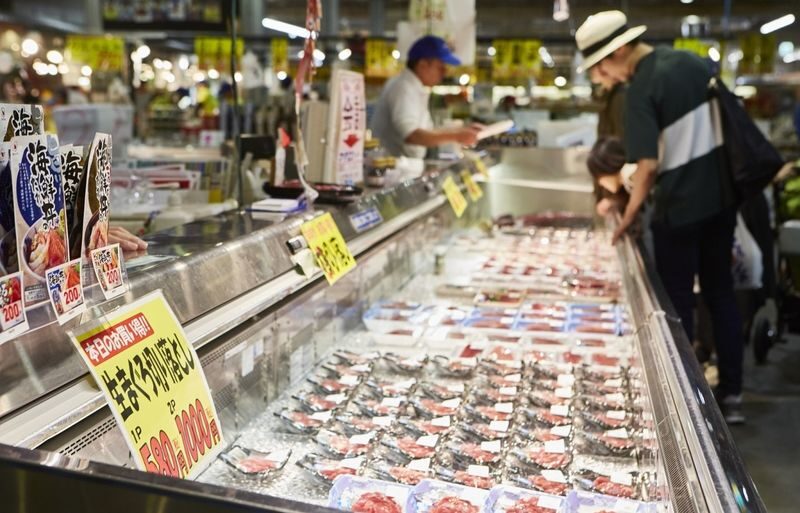
The market sells fresh fish and shellfish, including Ise lobster and abalone, as well as dried seafood and local goods. You can buy food to eat there, and the lively stalls make this a practical lunch stop as well as a chance to browse. Bring cash, and remember that meals and drinks are not part of the tour price.
A tuna-cutting show takes place two or three times a day, but the timing is random and the show can be cancelled in special circumstances. If watching the demonstration matters to you, keep some flexibility in your plans rather than assuming it will happen at a set hour. The market itself is still worth a look, even if your visit does not line up with a show.
Next door, ToreTore no Yu offers a different kind of break: natural hot spring baths, several bathing options, a sauna, and an open-air bath with views of the Pacific. The water and sea air can make a welcome pause in a busy day, especially if you enjoy Japanese hot springs. It is an optional visit, though, and two hours is not much time to linger over both the market and a full bath.
Admission is 980 yen for adults and 500 yen for children aged 3 to 12. Towels cost extra: 280 yen for a face towel, 500 yen for a bath towel, or 350 yen to rent one. The stone sauna costs another 1,000 yen for adults. If you want both market food and a soak, decide what matters most before you arrive; trying to do everything can make the stop feel hurried.
Senjojiki’s broad rock shelf and Sandanbeki’s cliffs
The afternoon takes you to two coastal sights, with about 30 minutes at Senjojiki and 40 minutes at Sandanbeki. The schedule may change with traffic, weather, and conditions at the attractions, so be ready to follow your guide’s timing.
Senjojiki is a broad platform of sandstone carved by waves over a long period. Its name refers to the appearance of a thousand stacked tatami mats. The attraction is the scale of the rock shelf and the open Pacific view. It is a good place for photos and a short walk, but the surface is exposed and uneven, so use care and wear shoes that suit rocky ground.
Sandanbeki is known for its roughly 50-meter-high cliffs and the force of waves breaking below. You can take in the coastal view from above, or pay to enter Sandanbeki Cave beneath the cliffs. The cave adds a closer look at the sea-carved rock and the sound of waves striking the coast. Admission is 1,500 yen for adults, 750 yen for children aged 6 to 11, and free for children under 6. The cave is listed as closed from December 9 to 12, so check whether your travel date falls in that period.
The tour description calls both places good sunset spots, but the scheduled visit is around 2:50 p.m. and daylight varies by season. Don’t book this outing solely for a sunset photograph; the sea views and rock formations are the dependable part of the stop.
What the Osaka coach saves, and what it costs you
The strongest practical case for this tour is transport. Kishi, the Shirahama market, and the coastal sights are far apart. Doing all four in one day without a car would take careful planning, and the coach transfer means you can spend your attention on the stops instead of route changes.
The advertised day runs from 9:00 a.m. to about 6:40 p.m., with roughly two and a half hours listed for the return bus leg. The timing is a guide, not a promise. Traffic, weather, and local conditions can lead the operator to change the order, shorten a stop, or skip an attraction. Avoid booking a flight, performance, dinner reservation, or other tight commitment for that evening.
Expect a group tour with people who may speak different languages. The driver-guide service is offered in Chinese, English, or Japanese, but the language mix and guide assignment vary. Guides named Tiger, Zhao, and Abigail have led trips; there is no guarantee you will have a particular person. Trip accounts describe guides sending reminders, explaining stops, helping with photos, and sharing food suggestions. That sort of hands-on coordination matters when a day has several timed stops, though the quality of communication in English or Japanese may vary.
Vehicle type depends on the number of people, and seats are allocated on a first-come basis. One account noted small, uncomfortable seats, a useful warning for anyone who finds long rides difficult. Bring water, and consider your comfort on a day that includes several hours on the road. If you have a seat request, note it when booking, but the final arrangement is up to the guide.
You may bring one standard piece of luggage if you declare it in the booking’s special requests. There are no child seats. Children aged 3 and older pay the adult rate; children aged 0 to 3 can travel free if they do not need a separate seat. Anyone over 70 or who is pregnant must sign a liability waiver, according to the tour information.
Is $55.59 a good starting price?
At a starting price of $55.59, the value comes mainly from the transport, the included themed train ticket, and the number of widely separated places covered in one day. Tolls, parking, and fuel are included, which makes the base price easier to compare with the cost and effort of arranging the route yourself.
It is not an all-inclusive day. You pay separately for the onsen, Sandanbeki Cave, meals, drinks, towels, and personal purchases. If you add the adult onsen admission and cave ticket, that is 2,480 yen before food or towels. Decide in advance if you want to pay for both, and budget accordingly.
This is a good fit if you want a broad introduction to Wakayama, enjoy scenery and seafood, and are comfortable moving on when the group’s schedule says it is time. It is less suited to a slow visit, a long hot-spring session, or an unhurried meal. The stops offer different pleasures, but each is a sampler rather than a deep visit.
Should you book this Wakayama day trip?
I’d choose this tour if you have one free day from Osaka and want to combine the cat station, a themed train, Shirahama seafood, and dramatic coastal views without renting a car. Its strongest value is the complicated route made simple, with a short railway experience and several very different stops in the same day.
Look elsewhere if you want to spend hours at the onsen, eat a leisurely lunch, or explore the coast at your own pace. The day is tightly organized, the cat encounter depends on who is on duty, and the tuna show is not guaranteed. If those limits suit you, this is an efficient and varied day out. The tour offers free cancellation with at least 24 hours’ notice, subject to the stated terms.
Wakayama Day Trip: Cat Stationmaster Kishi Station Train Experience, Tuna Cutting Show, Shirahama Onsen, Senjojiki Sandanbeki (Round trip from Osaka)
“The cat train is exquisite and gorgeous, and riding on it brings out my inner girl that I just can't hide. The seafood market is packed with delici…”
FAQ
Is the train ride included in the price?
Yes. The special train ride from Kishi Station to Idakiso Station is included. The themed train changes daily, and the exact departure time may vary.
Will I meet a cat stationmaster at Kishi Station?
A cat stationmaster may be on duty, but a specific cat is not guaranteed. The current staffing information gives different schedules for Yotama and Gotama, and Nitama has been on indefinite leave since November 4, 2025.
Is lunch included?
No. You arrange and pay for lunch yourself. ToreTore Market has seafood and other food options, and the tour allows time for the market and nearby onsen.
How much do the onsen and Sandanbeki Cave cost?
ToreTore no Yu costs 980 yen for adults and 500 yen for children aged 3 to 12. Sandanbeki Cave costs 1,500 yen for adults and 750 yen for children aged 6 to 11. Children under 6 enter the cave free.
Is the tuna-cutting show guaranteed?
No. It is usually held two or three times daily, but the time is random and the show may be cancelled in special circumstances.
Where does the tour start and finish?
The tour departs at 9:00 a.m. from Kintetsu Nippombashi Station Exit 2, near Daikoku Drug Store. It is scheduled to end in the Shinsaibashi area around 6:40 p.m., though traffic and weather can change the return time.