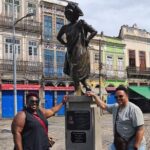
A Self-Guided Black History Audio Tour of Rio de Janeiro’s Little Africa offers a thoughtful, accessible way to uncover a crucial part of Rio’s past—and present. For just $11.99 per person, you get about 40 minutes to an hour of engaging narration as you explore key sites in Gamboa, the port area steeped in stories of resilience and struggle.
Led by Kelly Tavares, this tour guides you through locations like Valongo Wharf, where enslaved Africans first disembarked, and Pedra do Sal, a lively hub for Afro-Brazilian culture.
What makes this tour particularly appealing? First, it’s self-guided, giving you the flexibility to explore at your own pace, whether on your first visit or during a revisit. Second, the audio narration brings history to life, sharing not just facts but stories that connect you to the people behind the sites. It’s a journey that feels personal and authentic.
However, a possible consideration is that this experience doesn’t include physical access to sites or museum entries—so if you want to step inside specific museums or attractions, you’ll need to plan separately. Still, if you’re interested in cultural context and storytelling, this tour offers a compelling window into Rio’s Afro-Brazilian roots.
This experience suits travelers who enjoy self-guided explorations, value cultural depth, and are comfortable with a flexible, audio-led format. It’s especially ideal for those curious about Brazilian history beyond the typical tourist sights, eager to understand the ongoing impact of slavery and Afro-Brazilian resilience.
- Key Points
- A Detailed Look at the Tour Experience
- Location and Starting Point: Praça Mauá outside the Museu de Arte do Rio
- Stop 1: The Square with Slave History
- Stop 2: Pedra do Sal Square
- Stop 3: The Old Port remains
- Ending at Eduardo Kobra’s Murals
- What We Loved About This Tour
- Potential Drawbacks to Keep in Mind
- Who Should Consider This Tour?
- Final Thoughts
- FAQ
- The Best Of Rio de Janeiro!
- More Guided Tours in Rio de Janeiro
- More Tours in Rio de Janeiro
- More Tour Reviews in Rio de Janeiro
Key Points
 1 / 5
1 / 5 2 / 5
2 / 5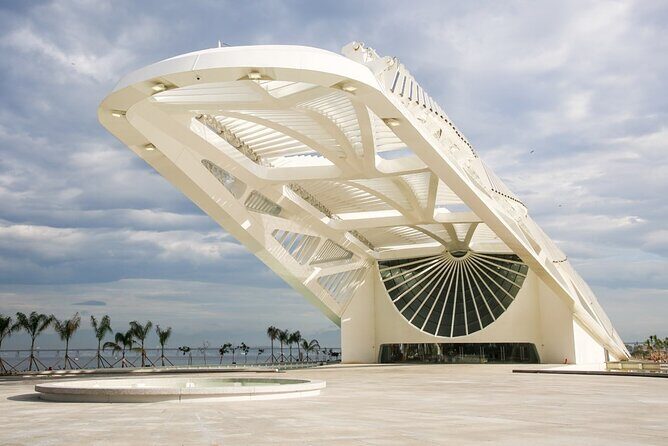 3 / 5
3 / 5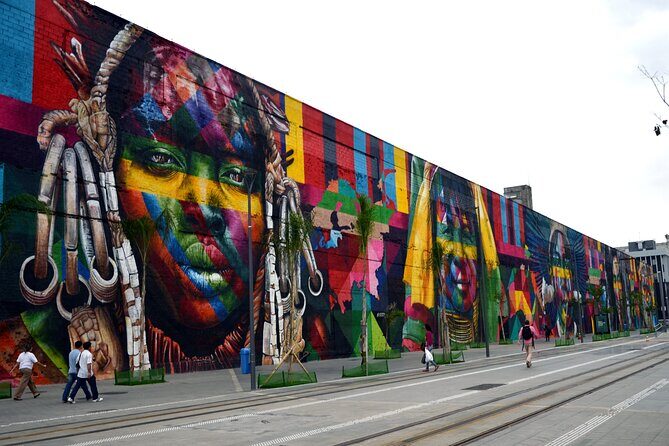 4 / 5
4 / 5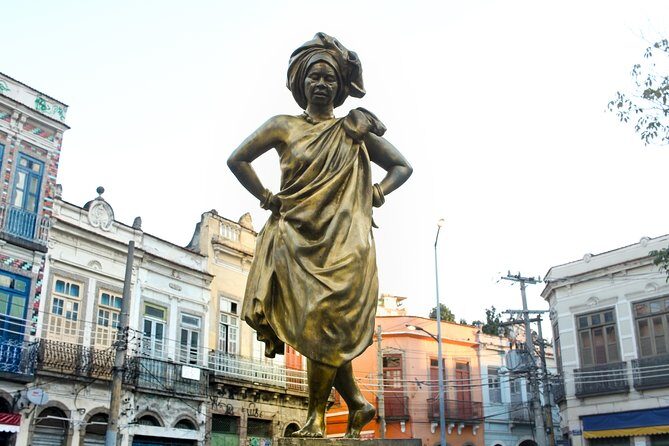 5 / 5
5 / 5- Self-guided and flexible: Explore at your own pace with offline access.
- Rich storytelling: Kelly Tavares offers personal insights into Rio’s African diaspora.
- Cultural landmarks: Visit iconic sites like Valongo Wharf and Pedra do Sal.
- Affordable: Priced at just under $12, offering good value for a culturally focused experience.
- Historical focus: Learn about the slave trade, sugar mills, and coffee farms.
- Authentic insights: The narration emphasizes sharing stories and community empowerment.

👉 See our pick of the What Are The Best Tours In Rio De Janeiro? Our Top 3 Picks
A Detailed Look at the Tour Experience
You can also read our reviews of more guided tours in Rio de Janeiro



Location and Starting Point: Praça Mauá outside the Museu de Arte do Rio
The tour kicks off in Praça Mauá, a central, vibrant spot near the Museu de Arte do Rio. Here, Kelly Tavares sets the scene with a brief introduction to Rio’s complex history, preparing you to see the city through a different lens. As you listen, you’ll gain a deeper understanding of how the port area, once a hub of commerce and suffering, now hosts powerful stories of resilience.
What’s especially useful about starting here is the contextual backdrop—you get a snapshot of Rio’s broader history before heading into specific sites. This helps frame the stories you’ll encounter for a more meaningful connection.
Stop 1: The Square with Slave History
The tour briefly pauses in a small square where you’ll learn about the slave trade and the arrival of Africans into Brazil. Kelly shares insights into the Valongo Wharf area, where millions disembarked. If you’re like us, it’s sobering to imagine the journeys and hardships endured—yet vital to understanding Rio’s cultural fabric.
Stop 2: Pedra do Sal Square
Next, the tour takes you to Pedra do Sal, a lively cultural space historically associated with Afro-Brazilian traditions like candomblé, samba, and capoeira. Kelly paints a vivid picture of this neighborhood as a site of resisting oppression and celebrating identity. Today, Pedra do Sal remains a gathering place for music, dance, and community, making it a living monument to Brazil’s resilient Afro-descendant populations.
Stop 3: The Old Port remains
Moving along, you’ll briefly stop in front of the Old Port, where the history of slave labor intertwines with the development of Rio’s infrastructure. Kelly emphasizes the importance of recognizing this past to understand the city’s current vibrancy.
You can also read our reviews of more historical tours in Rio de Janeiro



Ending at Eduardo Kobra’s Murals
The final stop is in front of Eduardo Kobra’s murals, most notably the Etnias piece, a vivid celebration of cultural diversity. As you stand before the artwork, you’re invited to reflect on the ongoing struggle for racial equality and how art continues to serve as a powerful voice for social change.
What We Loved About This Tour
One aspect that stood out is the knowledgeable narration by Kelly, who shares personal insights and stories that breathe life into historical sites. Her focus on sharing stories fosters a sense of connection—and we loved the way she highlighted the resilience of Afro-Brazilian communities.
Another highlight is the inclusion of cultural sites like Pedra do Sal, which are active today. You’re not just learning history; you’re experiencing a living, breathing part of Rio that continues to celebrate its African roots through music, dance, and community gathering.
Potential Drawbacks to Keep in Mind
While the tour provides a compelling narrative, it doesn’t include entry tickets to museums or attractions along the route. If you’re eager to step inside places like the Museu de Arte do Rio or other sites, you’ll need to buy tickets separately. Plus, as a self-guided tour, it requires you to navigate and interpret the sites largely on your own—so it’s best suited for travelers who enjoy independent exploration.
Who Should Consider This Tour?
If you’re interested in deepening your understanding of Rio’s complex history, especially regarding African influence and slavery, this tour is a perfect fit. It’s well-suited for independent travelers, cultural explorers, or groups who want to learn without the pressure of a guided group. The affordable price point combined with the offline accessibility makes it a practical choice for budget-conscious visitors.
For those wanting a more immersive experience, combining this with visits to museums or cultural venues would enhance your understanding. But if you’re short on time and want a meaningful, authentic narrative of Rio’s African roots, this tour hits the mark.
Final Thoughts
The Self-Guided Black History Audio Tour of Rio’s Little Africa offers a meaningful glimpse into a vital part of the city’s history—through compelling storytelling and thoughtfully chosen sites. Its flexible format and affordable price make it accessible for most travelers, especially those keen to understand the African diaspora’s influence on Rio’s culture.
We appreciated the authentic insights shared by Kelly Tavares, which help you see the city through a lens of resilience and community strength. While it doesn’t replace visiting museums or engaging with local guides, it’s a valuable and respectful way to connect with Rio’s layered past.
This tour is ideal for curious, independent explorers eager to learn about Brazil’s racial history and vibrant Afro-Brazilian traditions. It’s a reminder that understanding the past enriches our appreciation of the present—and helps shape a more inclusive future.
A Self-Guided Black History Audio Tour of Rio de Janeiros Little Africa
FAQ
Is this a guided tour?
No, it’s a self-guided audio tour that you download onto the VoiceMap app, giving you flexibility to explore independently.
How long does the tour take?
It lasts approximately 40 minutes to an hour, but you can take longer if you wish to linger at certain sites.
What sites are included in the tour?
Key sites include Praça Mauá, Valongo Wharf, Pedra do Sal, and the Old Port, ending at Eduardo Kobra’s murals.
Does the tour include entrance fees?
No, tickets for museums or attractions along the route are not included. You’re responsible for any entrance fees if you choose to visit those sites separately.
What equipment do I need?
A smartphone with the VoiceMap app and headphones are required; the tour has offline access once downloaded.
Is the tour suitable for all ages?
Yes, most travelers can participate, especially those interested in history and culture; it’s a self-paced experience.
Can I do this tour virtually?
Yes, the narration can be enjoyed virtually at home if desired, offering a flexible, educational experience.
Is this tour accessible for people with mobility issues?
Since it’s a walking tour in an outdoor city setting, accessibility depends on the specific sites visited—consider your mobility needs.
How does this tour compare to other Rio experiences?
It offers a focused, culturally significant narrative that complements other major attractions like Christ the Redeemer or Sugarloaf, which are more about sightseeing than history.
This self-guided tour provides a powerful, respectful look into Rio’s African roots, making it a must for those eager to understand the city’s deeper stories and ongoing struggles.