
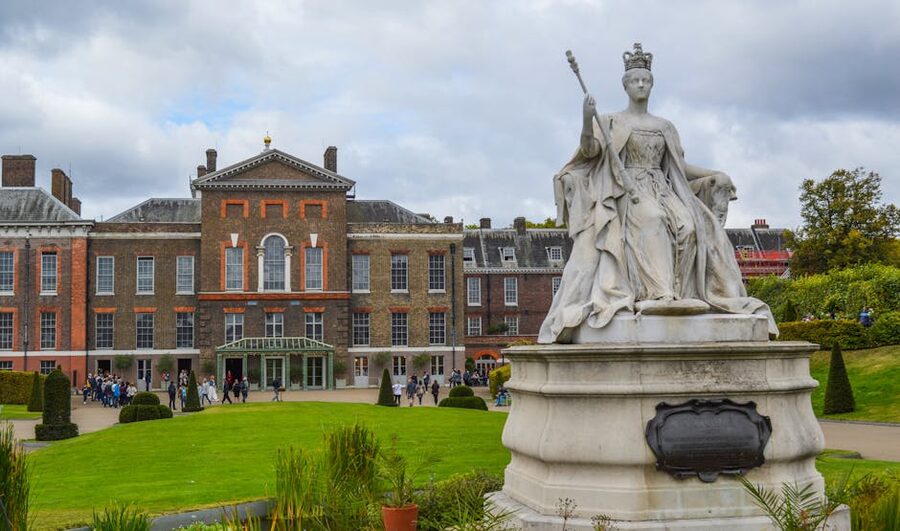
Queen Victoria was born at Kensington Palace in 1819 and lived there for 18 years. She was woken at dawn on 20 June 1837 by the Archbishop of Canterbury and the Lord Chamberlain to be told her uncle was dead and she was now Queen of the United Kingdom. She appeared in the palace’s Red Saloon later that morning for her first Privy Council meeting, still wearing nightclothes under a dressing gown. That room is open to visitors.
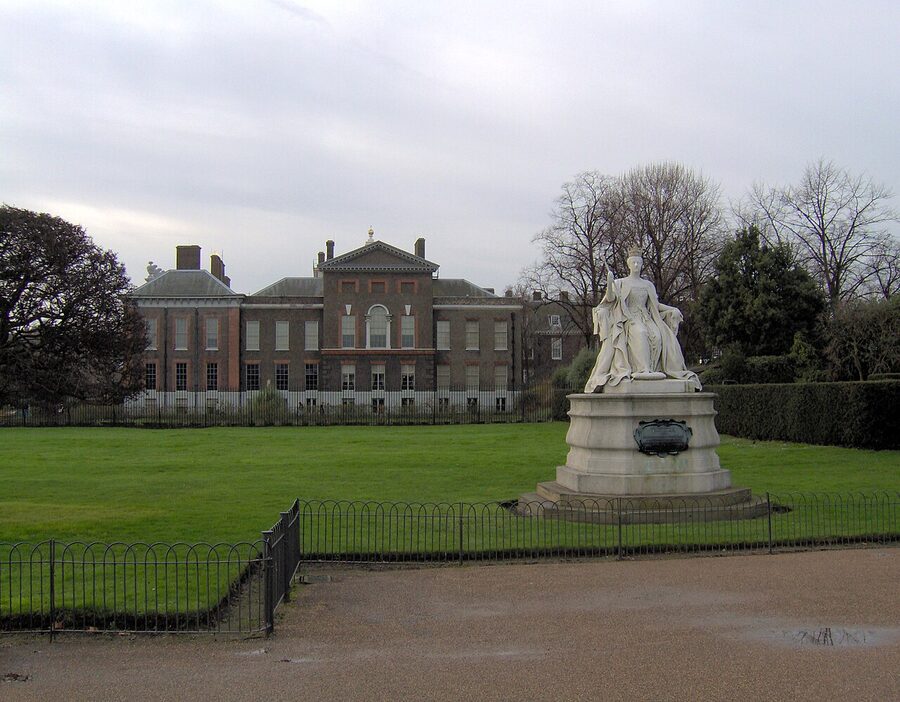

Kensington Palace is the overlooked royal residence in London’s west end. Visitors queue for Buckingham Palace and the Tower of London and skip this one — which is a pity, because Kensington is where the personal royal stories happened. Victoria grew up here. Princess Diana lived here for 15 years. Prince William and Kate Middleton still live here today.
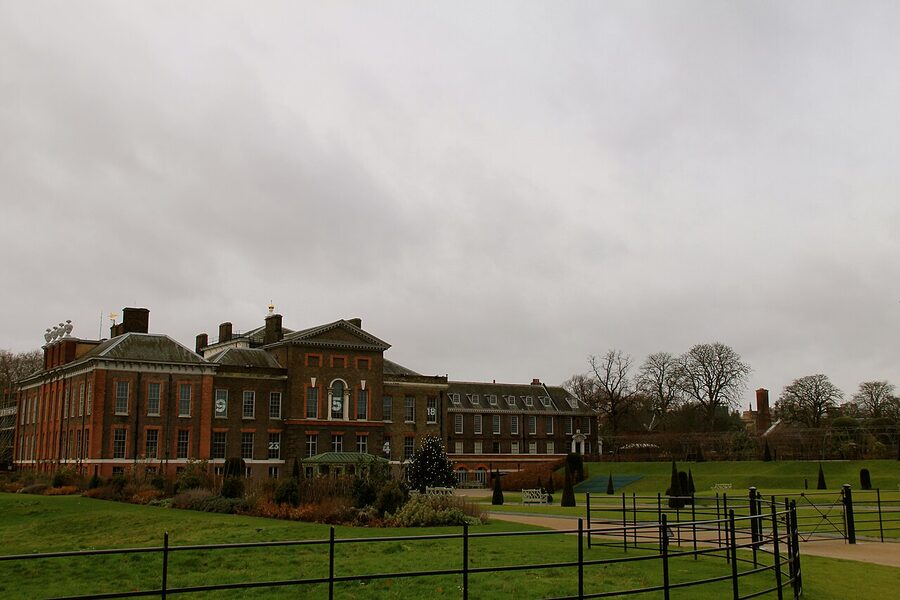

This guide covers what’s actually inside, how the ticket works, and whether the £151 afternoon tea upgrade is worth it.
- In a Hurry? Here Are the Top Picks
- What’s Actually Inside
- The King’s State Apartments
- The Queen’s State Apartments
- Victoria: A Royal Childhood
- Diana: Her Fashion Story
- Kensington Gardens
- The Best Tickets to Book
- 1. London: Kensington Palace Sightseeing Entrance Tickets —
- 2. Kensington Palace Afternoon Tea & Guided Walk — 1
- 3. Buckingham Palace: The Royal Mews Entrance Ticket — .90
- A Short History of the Palace
- Kensington Gardens: The Extra You Pay For
- The Sunken Garden
- The Italian Gardens
- The Albert Memorial
- The Serpentine
- The Peter Pan Statue
- When to Visit
- Pairing with Other London Attractions
- What to Wear and Bring
- Worth Knowing Before You Book
- Worth the Ticket or Skippable?
- More UK Guides
In a Hurry? Here Are the Top Picks
The essential: London: Kensington Palace Sightseeing Entrance Tickets — $27 per person. Full access to all State Rooms and the gardens. The main ticket.
Best for special occasions: Kensington Palace Afternoon Tea & Guided Walk — $151 per person. Palace entry plus afternoon tea at the Kensington Orangery.
Best royal add-on: Royal Mews Entrance Ticket — $22.90 per person. Buckingham Palace’s working stables — the Gold State Coach, carriages, and royal cars.
What’s Actually Inside
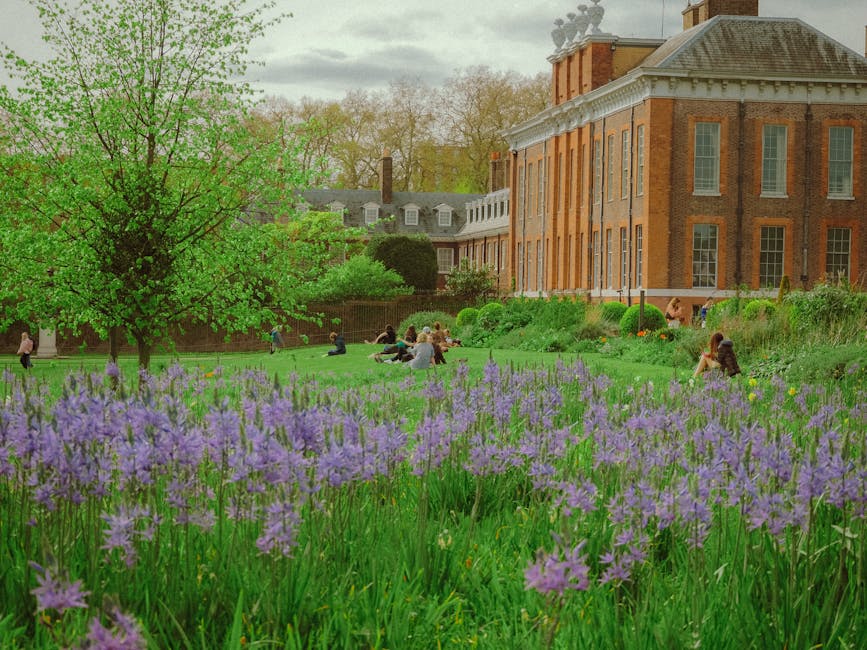
The ticket gets you access to four main sections of the palace.
The King’s State Apartments
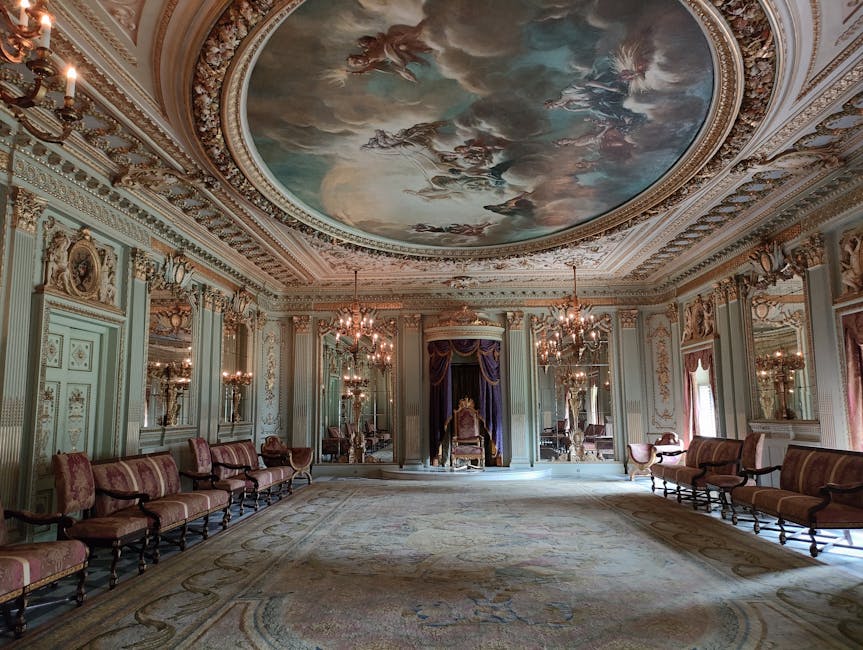
Wide, formal rooms from the reign of George I in the 1720s. Ornate ceilings painted by William Kent, original silver and furniture, and the famous King’s Grand Staircase. The rooms were designed to overwhelm Georgian visitors; they still work on modern ones.
The Queen’s State Apartments
More modest rooms on the north side of the palace. These were Queen Mary II’s private apartments in the 1690s — much smaller and more liveable than the King’s grand rooms. Mary actually lived here rather than using them for state business.
Victoria: A Royal Childhood
The permanent exhibition about Queen Victoria, housed in the rooms where she was born, slept, and learned she had become Queen. Personal objects — her dolls, her diary (open to June 20, 1837), and a reconstruction of her childhood bedroom. Genuinely moving if you’re the kind of person who finds childhood objects moving.
Diana: Her Fashion Story
The permanent Diana exhibition. Not in every period — it rotates — but usually includes her wedding dress, several state occasion dresses, and personal items like her tiara. Crowd-draw exhibit; get here early if you want to see without queuing.
Kensington Gardens
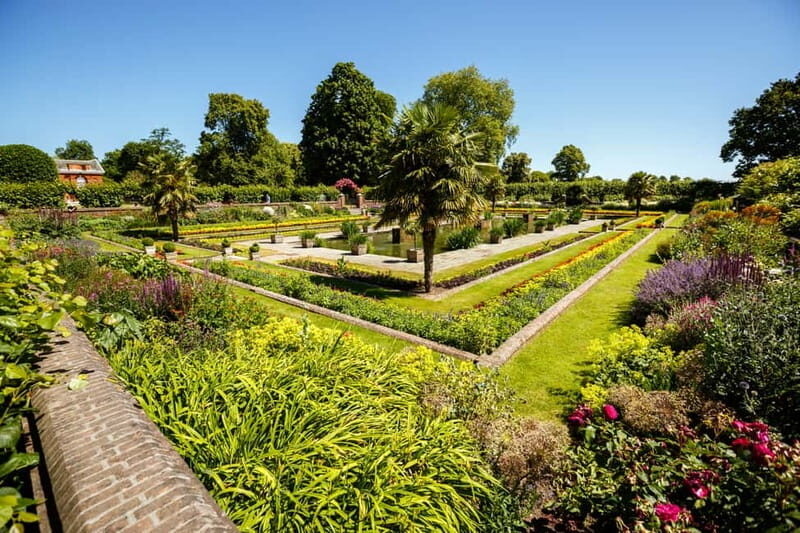
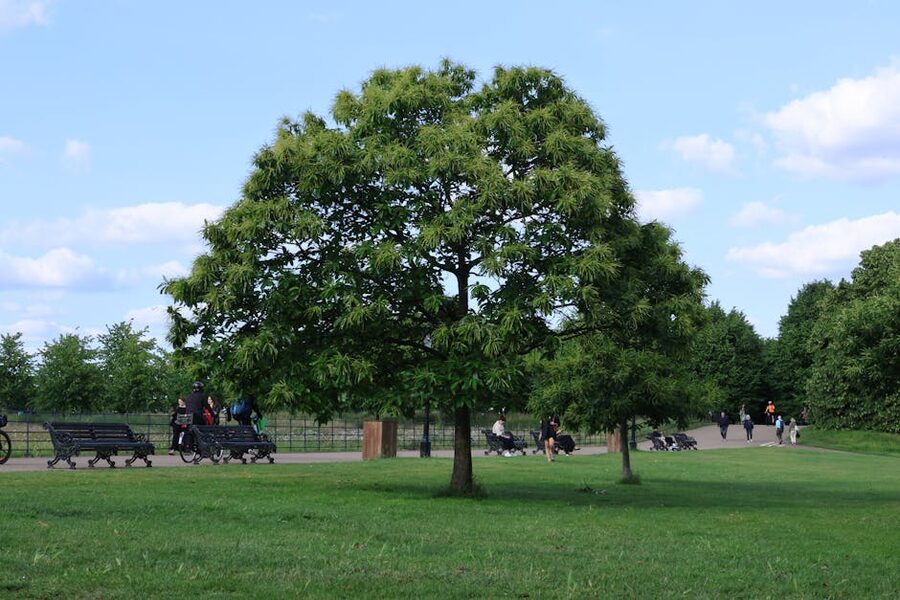
Included in the ticket, technically free without one. 111 hectares of park surrounding the palace. The Sunken Garden (replanted in 2021 as a Diana memorial), the Italian Gardens, the Serpentine, and the Albert Memorial. A proper two-hour walk in its own right.
The Best Tickets to Book
1. London: Kensington Palace Sightseeing Entrance Tickets — $27
The main entry ticket. 90-minute to 2-hour visit recommended, though you can stay all day — entry is timed but exit is flexible. Includes access to all four main exhibitions (State Apartments, Victoria, Diana Fashion Story, current special exhibit) plus the audio guide. Our review covers exactly what’s included and when the Diana exhibit runs. At $27 it’s cheaper than Westminster Abbey, St Paul’s, or the Tower of London.
2. Kensington Palace Afternoon Tea & Guided Walk — $151
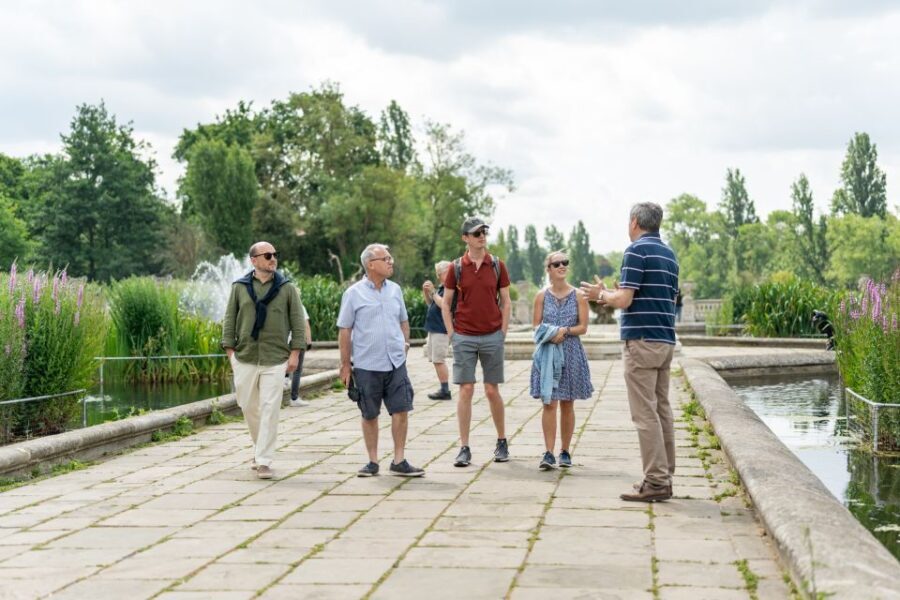
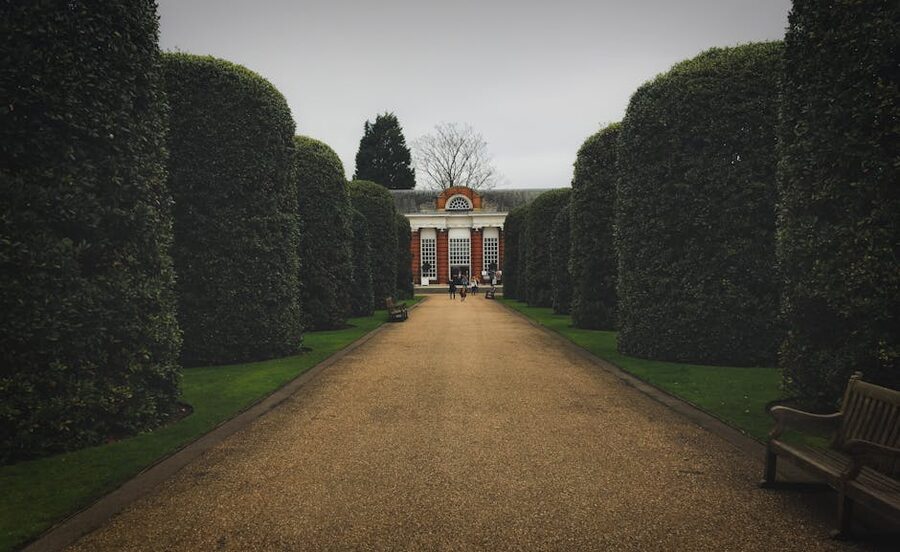
The grown-up option. A 2-4 hour guided walk through the palace and the Kensington Gardens, followed by afternoon tea at the Orangery — a 300-year-old greenhouse next to the palace that’s now a formal tea room. The guide is typically a Blue Badge-certified London specialist who knows the royal history in detail. Our review covers exactly what you get for $151. The afternoon tea alone costs £45 at the Orangery, so the guide adds real value at this price point.
3. Buckingham Palace: The Royal Mews Entrance Ticket — $22.90
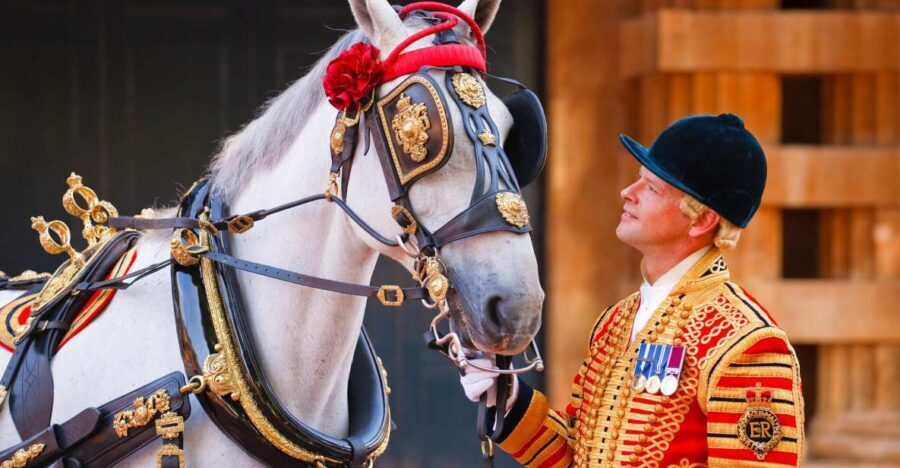
The complementary royal pick. Not Kensington Palace — but a perfectly paired add-on for anyone doing a royal-London day. The Royal Mews is the working stables at Buckingham Palace where the King’s horses, carriages, and state cars live. The Gold State Coach (used for every coronation since 1821) is here, plus the carriage William and Kate used at their wedding. Our review covers exactly what the Mews visit includes. Takes 45-60 minutes. Perfect for post-Changing-of-the-Guard visitors.
A Short History of the Palace
Kensington Palace was built in 1605 as a private country house called Nottingham House. William III bought it in 1689 because he had asthma and couldn’t breathe in the polluted air of central London — Kensington was country then.
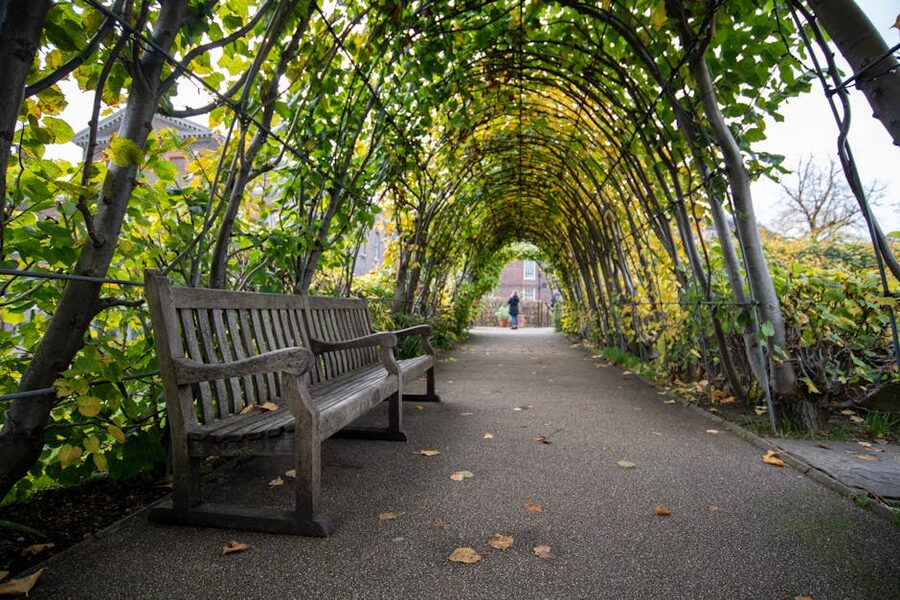
Christopher Wren (same architect as St Paul’s Cathedral) was hired to modify and expand the house into a proper royal residence. Wren’s work is visible in the King’s Gallery and the Grand Staircase. The palace’s last major expansion was by the architect William Kent in the 1720s for George I.
From 1837, when Victoria moved out to Buckingham Palace (which she preferred), Kensington fell out of main royal use. It was turned into a grace-and-favour residence for various royals without palaces of their own — Princess Margaret lived here for 40 years, Princess Diana lived here from 1981-1996, and today William and Kate (now the Prince and Princess of Wales) live in Apartment 1A.
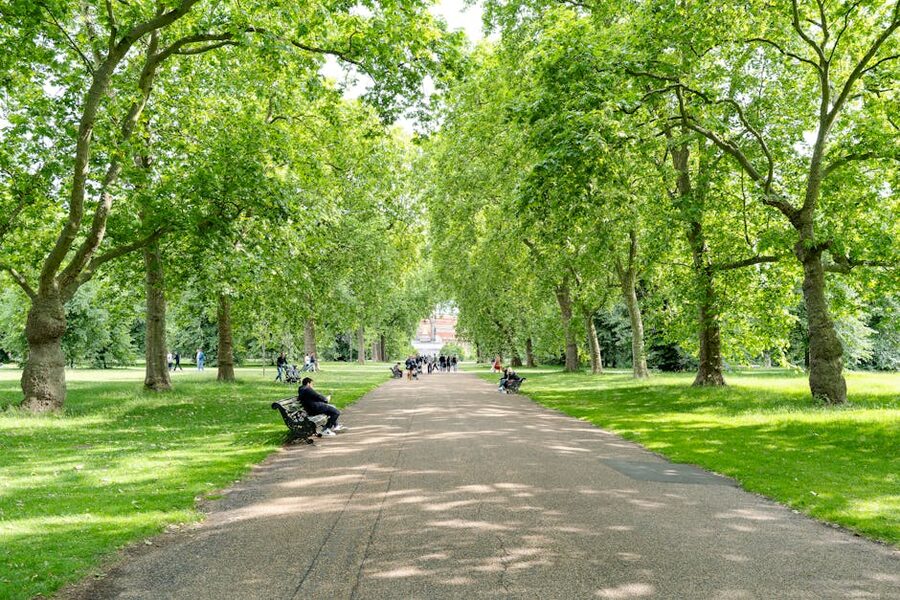
The palace opened to the public in the 1890s. Today it’s a mix of public museum spaces and private royal apartments — you can visit the State Apartments but not the Wales family’s residence (which is in a separate wing with its own entrance).
Kensington Gardens: The Extra You Pay For
The gardens are free to enter without a palace ticket, but included free with one. 111 hectares, designed initially by Capability Brown in the 1720s and modified in the Victorian era.
The Sunken Garden
Redesigned in 2017 as a tribute to Princess Diana on the 20th anniversary of her death. Formal flowerbeds surround a statue of Diana commissioned by William and Harry. Best visited in April-May when the tulips are in bloom.
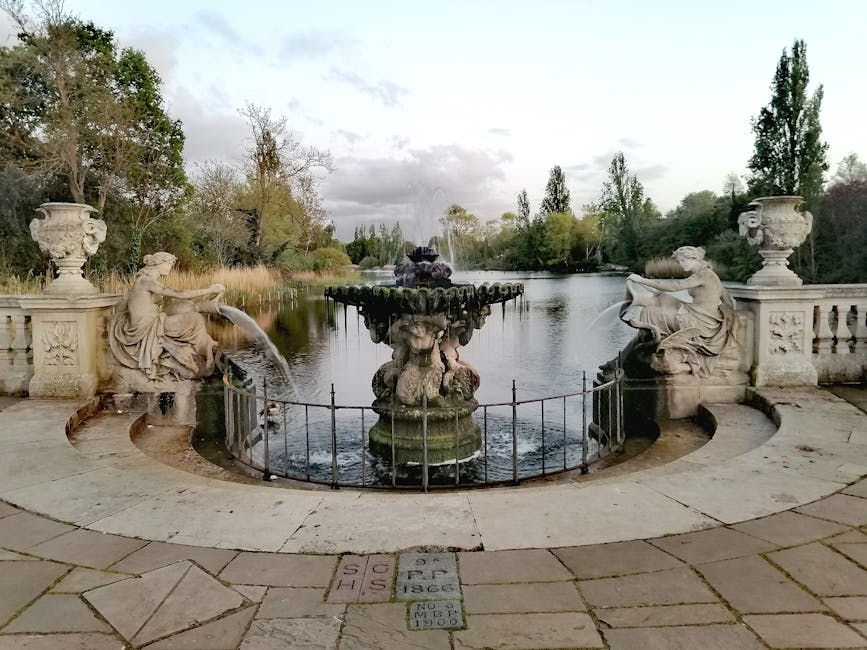
The Italian Gardens
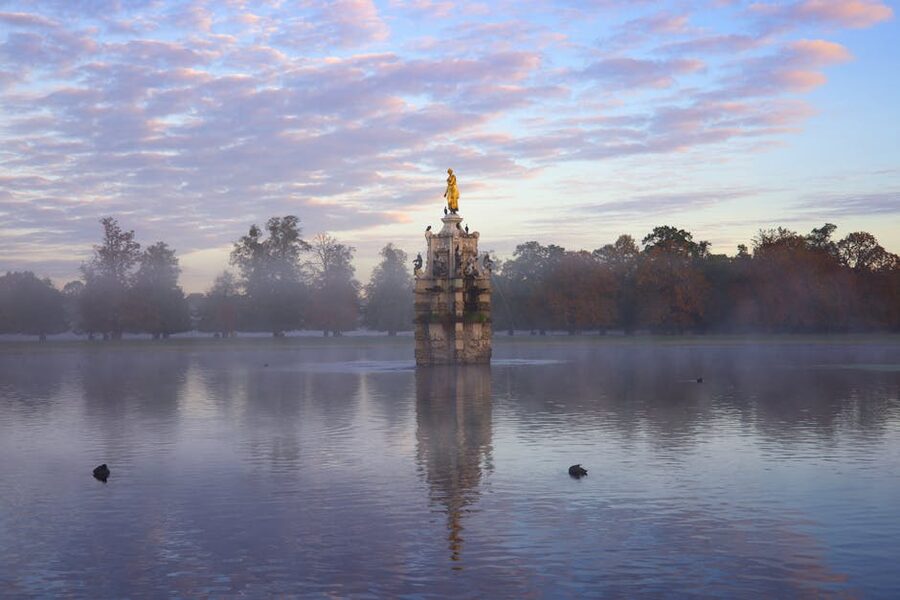
Five fountains at the north end of the Serpentine, built by Prince Albert for Queen Victoria in 1860. Ornate stonework, classical statues, regular water features. A quiet spot in summer.
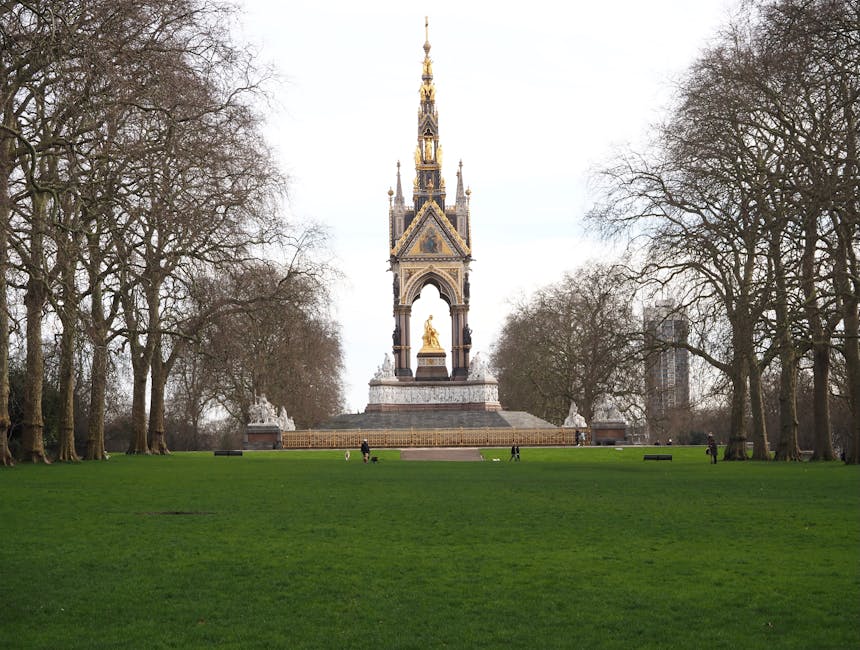
The Albert Memorial
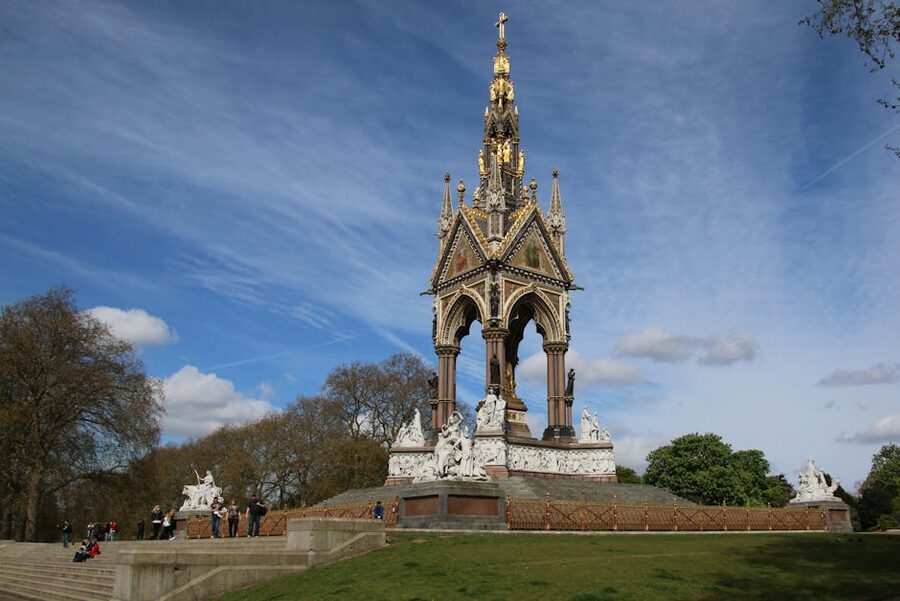
Gothic Revival monument to Prince Albert, who died in 1861. Designed by George Gilbert Scott, completed 1872. Features a 54-metre spire and a bronze statue of Albert sitting reading the catalogue of the 1851 Great Exhibition (which he organised). The statue was gilded with real gold in 1998 at a cost of £11 million.
The Serpentine
The large lake running through the centre of Hyde Park and Kensington Gardens. You can rent pedalboats (summer only), swim at the Serpentine Lido (hardy souls; the water is genuinely cold), or just walk the 4 km perimeter.
The Peter Pan Statue
A bronze statue of Peter Pan stands near the Italian Gardens. J. M. Barrie, who wrote Peter Pan, lived nearby and set parts of the story in Kensington Gardens. The statue was erected overnight in 1912 as a surprise.
When to Visit
The palace is open daily 10am-6pm (4pm in winter, last entry 3pm). Closed Christmas Day and Boxing Day.
April-May: Best season. Tulips in the Sunken Garden, mild weather, thinner crowds than summer. My pick.
June-August: Peak tourist season. Morning slots fill up; the State Apartments get very busy by 11am.
September-October: Autumn colours in the gardens, mild weather, quieter.
November-March: Lower crowds inside the palace, bare gardens. The Orangery is a particularly good winter venue for afternoon tea (it’s heated).
Timed entry is enforced. Arrive within 30 minutes of your booked slot. Late arrivals can sometimes be accommodated but not reliably.
Pairing with Other London Attractions
Kensington Palace sits in the richer side of west London, surrounded by several other major attractions.
Natural History Museum (15 min walk): free entry, dinosaur skeletons, genuine world-class museum. Best morning activity before an afternoon at Kensington Palace.
Victoria and Albert Museum (15 min walk): free entry, decorative arts, extraordinary range. Parallel option to the Natural History Museum.
Royal Albert Hall (5 min walk): worth a walk-around for the exterior. Tours run 10am-3pm daily.
Hyde Park: the other half of Kensington Gardens, continuous parkland extending east. Adds 160 hectares to the experience.
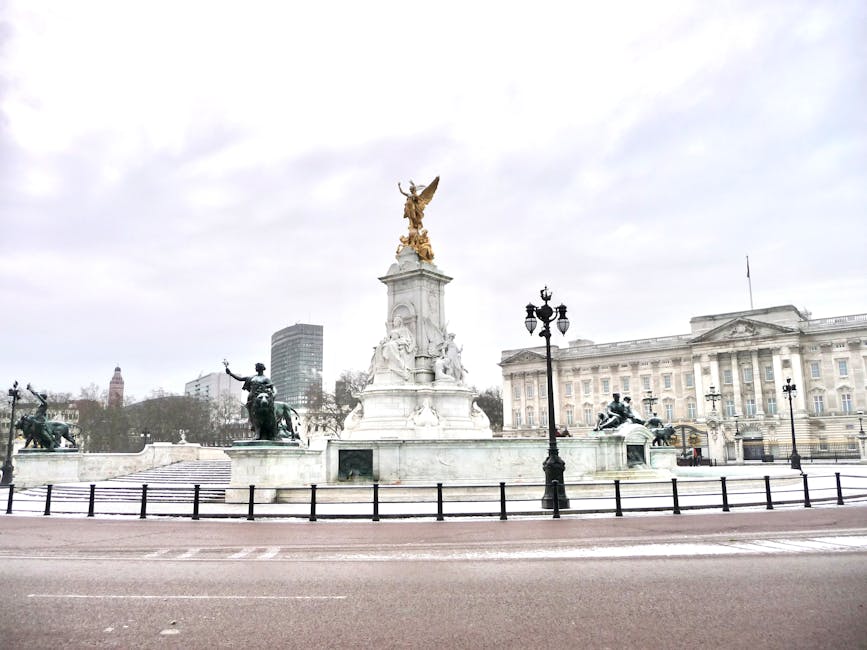
For a full day combining royal sites, do Kensington in the morning, walk through Hyde Park to Buckingham Palace for lunch, then catch the Changing of the Guard at 11:00 if your date has one. Or work the other way: Changing of the Guard at 11, afternoon at Kensington, Orangery tea at 3pm.
What to Wear and Bring
Comfortable walking shoes. You’ll do 2-3 km inside the palace plus another 2-3 km in the gardens.
Layers. The palace is heated but the gardens are not — and the walk between palace sections involves covered but unheated corridors.
Camera or phone. Photography is allowed in the State Apartments but not in the Victoria or Diana exhibitions (photos of the queen’s personal items are prohibited).
Water. A limited café is inside; more options in the gardens at the Orangery and the Broadwalk Café.
Cash for the Orangery if you’re not booked on the afternoon tea tour — walk-in afternoon tea is £50 and takes card only.
Small bag only. Airport-style security at entry; bags over 40 litres are refused.
Worth Knowing Before You Book
The Diana exhibits rotate. The Fashion Story has been running since 2017 but specific items change. Check the current list on the Historic Royal Palaces website if you’re visiting specifically for a particular dress.
Children under 5 are free. Ages 5-15 are discounted. Historic Royal Palaces membership (£65/year, one person) gives you free entry to Kensington, Tower of London, Hampton Court, and two other palaces — pays for itself in 2 visits.
Photography restrictions are strict. Flash is never allowed. Video is prohibited. The exhibition rooms have staff who monitor and politely enforce.
Access is good. Lifts to all major exhibition floors, accessible toilets on each level, and the gardens are mostly flat paths. The Grand Staircase has 38 steps but an alternative route is available.
The Orangery is the palace’s main café and is genuinely the best place to sit for an hour after your visit. Without afternoon tea it’s a £5 coffee and a pastry; with afternoon tea (book ahead) it’s £45-55.
Timed entry means pre-booking. Same-day tickets are available but limited. Book 24-48 hours ahead for peak summer dates.
Worth the Ticket or Skippable?
Worth the ticket if: you’re interested in British royal history, you like small house-museums more than vast ceremonial palaces, or you’re a Diana fan.
Skippable if: you’re on a 2-3 day London trip and have already booked Buckingham Palace — you’ll hit royal-palace fatigue at that point. In that case, the Royal Mews is a better short add-on.
For most visitors with 5+ days in London, Kensington is the royal residence most worth including. It’s less grand than Buckingham but more personal; the Victoria exhibits are genuinely memorable; and the gardens are a free bonus that many visitors skip entirely.
More UK Guides
For a full royal-London day, pair Kensington with the Changing of the Guard ceremony at Buckingham Palace, the Buckingham Palace interior guide, and the Windsor Castle guide for the countryside royal residence. For London landmarks, the Tower of London, St Paul’s Cathedral, and Westminster Abbey are the three essential indoor attractions. For a day out of London, the Windsor-Stonehenge-Bath day trip is the classic full-day coach tour, and the Cambridge punting guide is the alternate slow-day choice.
Affiliate disclosure: We may earn a small commission from bookings made through the links on this page. It doesn’t change the price you pay and helps keep the site running.