
A friend of mine went to Porto last spring with her partner. Neither of them were wine people. They didn’t think they cared about port. They booked the Cálem tour as a “we should probably do one cellar” thing — a way to kill ninety minutes between lunch in Ribeira and a sunset boat trip on the Douro.
She came back convinced port wine is the most underrated drink on earth. Specifically, she came back evangelising about Cálem’s 10-year tawny — which she described, unprompted, as “the warmest thing I’ve ever drunk.” That cellar tour did it. The interactive museum at the start, the guide walking them through dim aisles of stacked barrels, the two glasses at the end in a tasting room above the cellars with the river out the window. Ninety minutes. Done.
This guide is for booking a Cálem-specific tour: which version to pick, how the experience actually runs, what the tasting selection looks like, and how to find the entrance once you’re across the bridge. If you’re trying to decide between Cálem and one of the other big houses (Taylor’s, Sandeman, Cockburn’s, Graham’s), I’ll touch on that too — but the short version is that Cálem is the easiest first port cellar to visit, the cheapest of the big-name brands, and the one most likely to convert someone who didn’t think they liked the drink.
.jpg)
.jpg)
In a Hurry? Here Are the Three Cálem Tours Worth Booking
Best value: The standard Cálem Cellar Tour with Interactive Museum and Two Tastings — about $23 per person, one hour, a guided walk through the cellars and museum followed by two ports in the upstairs tasting room.
Best evening pick: The Cálem Cellar Tour with Fado Show — about $33 per person, 75 minutes, swaps the museum for a live fado performance after the cellar walk.
Best for foodies: The Cálem Cellar Tour with Chocolate and Cheese Pairings — about $53 per person, similar cellar walk but with a longer, more involved tasting that pairs three ports with cheese and chocolate.
- In a Hurry? Here Are the Three Cálem Tours Worth Booking
- What Actually Happens on a Cálem Tour
- How to Pick Between the Three Cálem Tours
- 1. Cálem Cellar Tour with Interactive Museum and Tastings — about
- 2. Cálem Cellar Tour with Fado Show and Tasting — about
- 3. Cálem Cellar Tour with Chocolate and Cheese Pairings — about
- The Cálem Tasting — What’s Actually in the Glass
- How to Book a Cálem Tour
- Where Cálem Sits and How to Find It
- Combining Cálem with other Porto things
- A Quick Cálem Backstory
- Cálem vs the Other Big Houses — Which Should You Pick?
- What to Eat With Cálem Port After
- Practical Stuff
- One More Thing About the Cálem Experience
- Other Porto Guides Worth a Read
What Actually Happens on a Cálem Tour
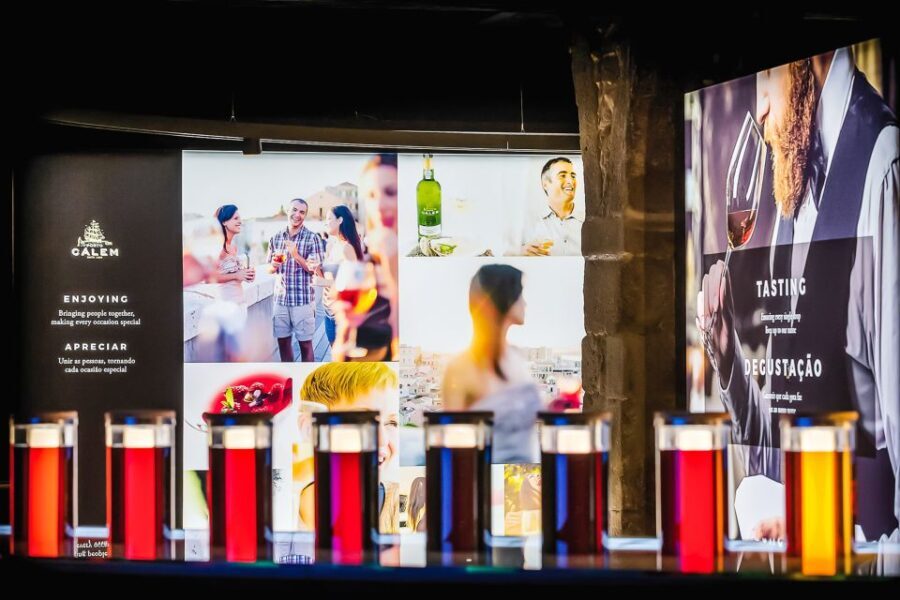
The Cálem visitor experience is split into three pieces, and you do them in order: museum, cellar walk, tasting. The whole thing takes about an hour for the standard tour. It’s tightly run — small groups, fixed start times, English guides on most slots.
.jpg)
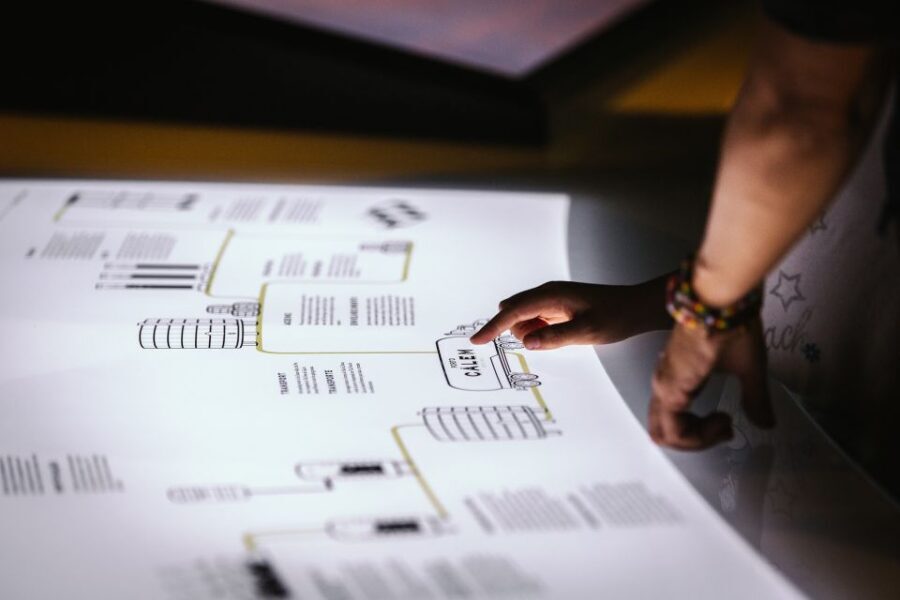
The museum is the part most other Porto cellars don’t have, and it’s why I’d recommend Cálem as a first stop. Most people who book a port cellar tour have no real idea how port is made — they know it’s sweet, they know it’s stronger than regular wine, and that’s about it. The Cálem museum walks you through the Douro Valley, the grape varieties, the fortification process (the bit where they add brandy to stop fermentation early), and the difference between the styles you’re about to taste. It takes maybe fifteen minutes. By the time you’re walking into the cellar itself, you actually understand what you’re looking at.
.jpg)
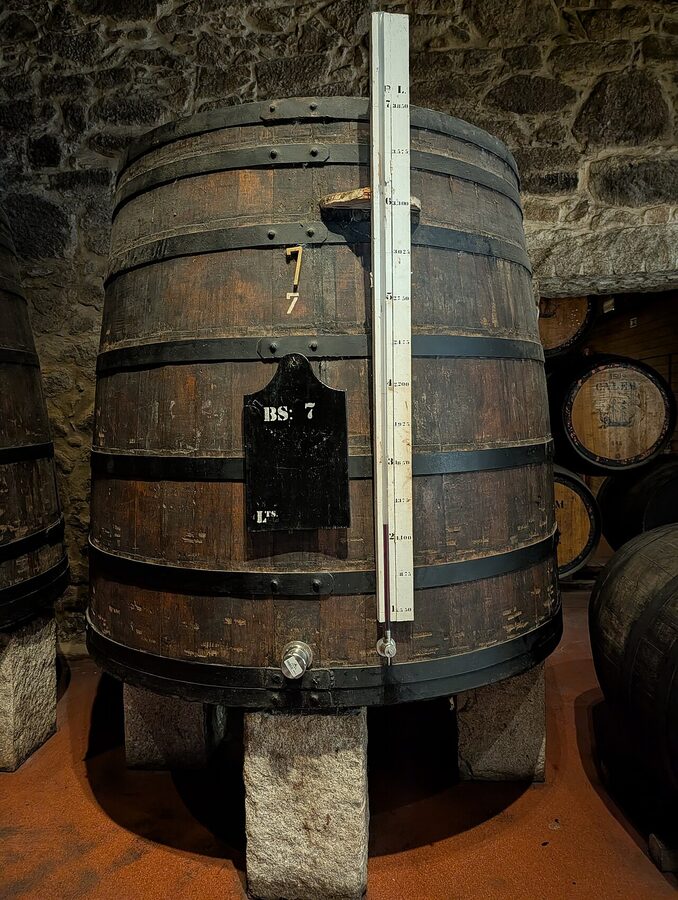
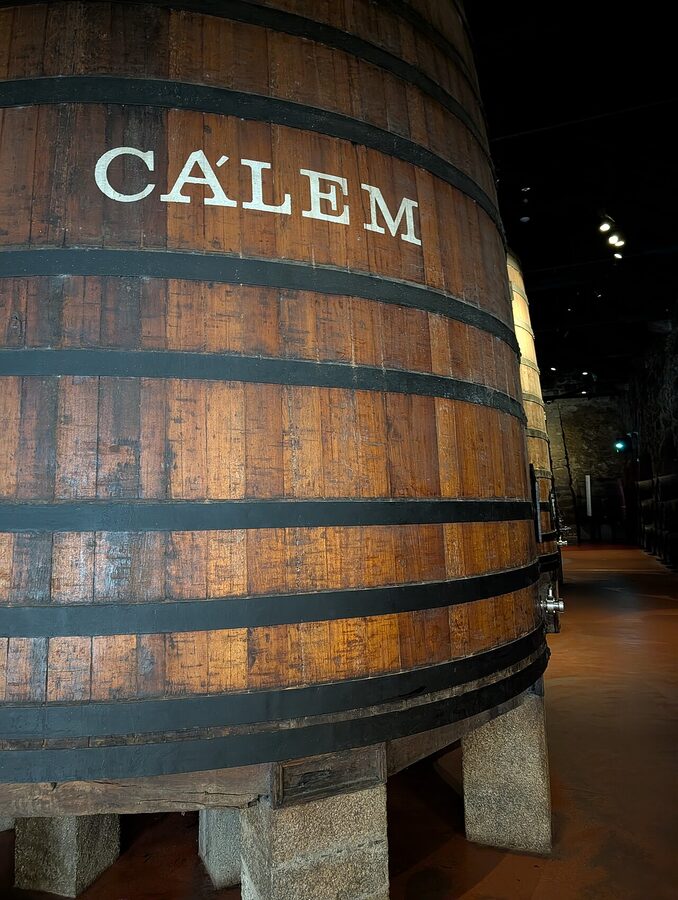
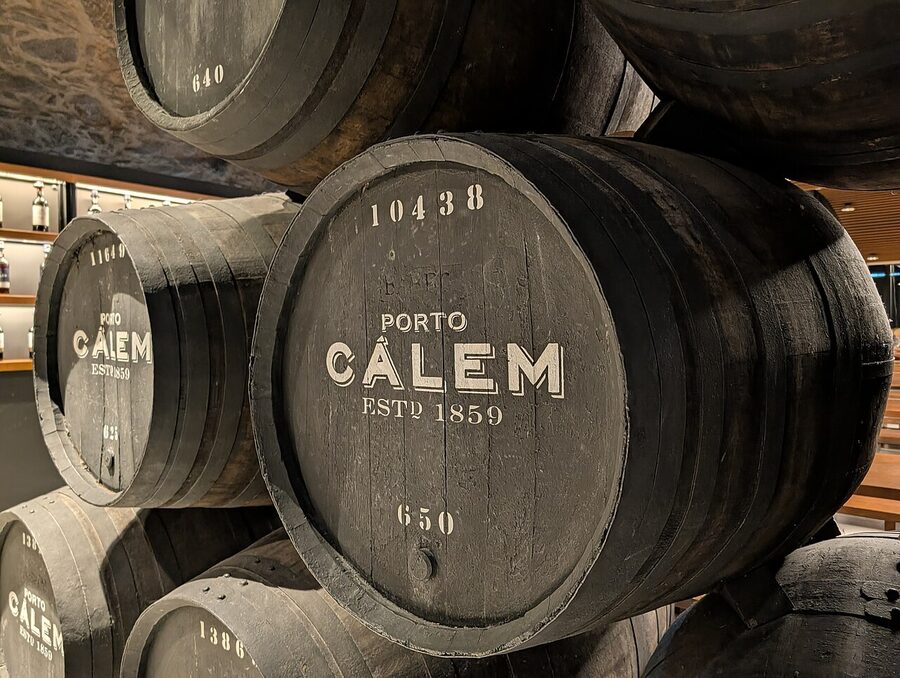
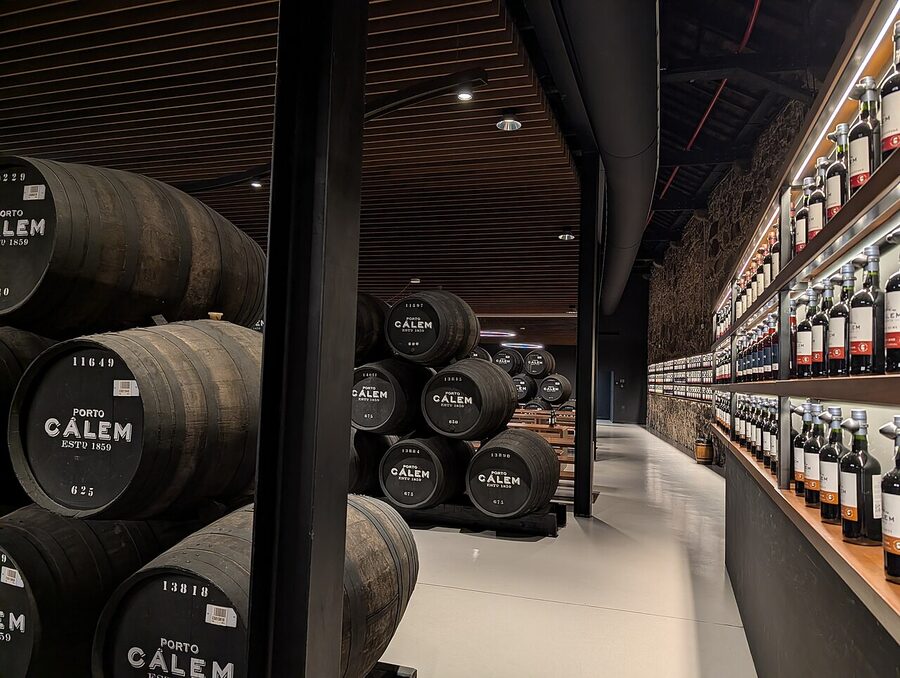
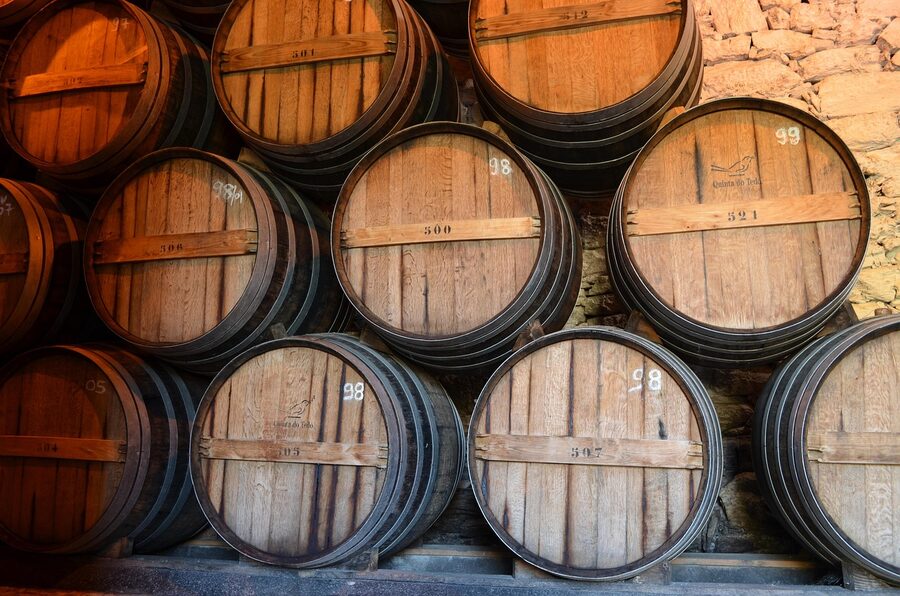
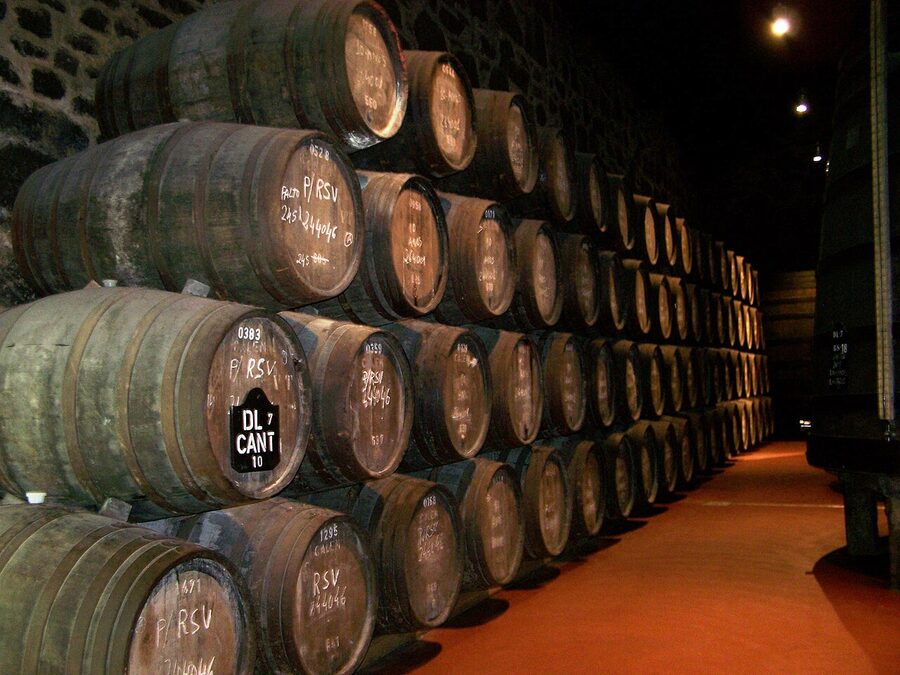
The cellar itself is exactly what you’d hope for. Long, low-ceilinged stone aisles. Barrels stacked three or four high. Brass plaques marking the year a particular barrel was filled. The temperature drops about five degrees the moment you walk in — the cellars are kept naturally cool by the Atlantic breeze that runs up the Douro, which is the whole reason port houses set up in Gaia rather than Porto proper. You’ll spend maybe twenty minutes down there with the guide explaining the difference between tawny (aged in wood, oxidative, nutty) and ruby (aged in big neutral tanks, fruity, younger).
.jpg)
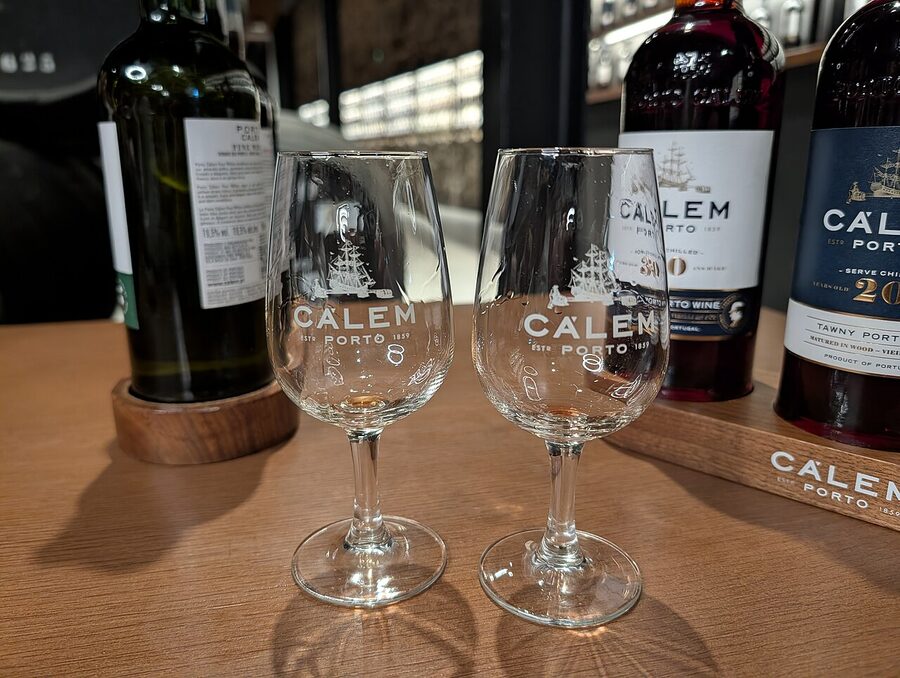
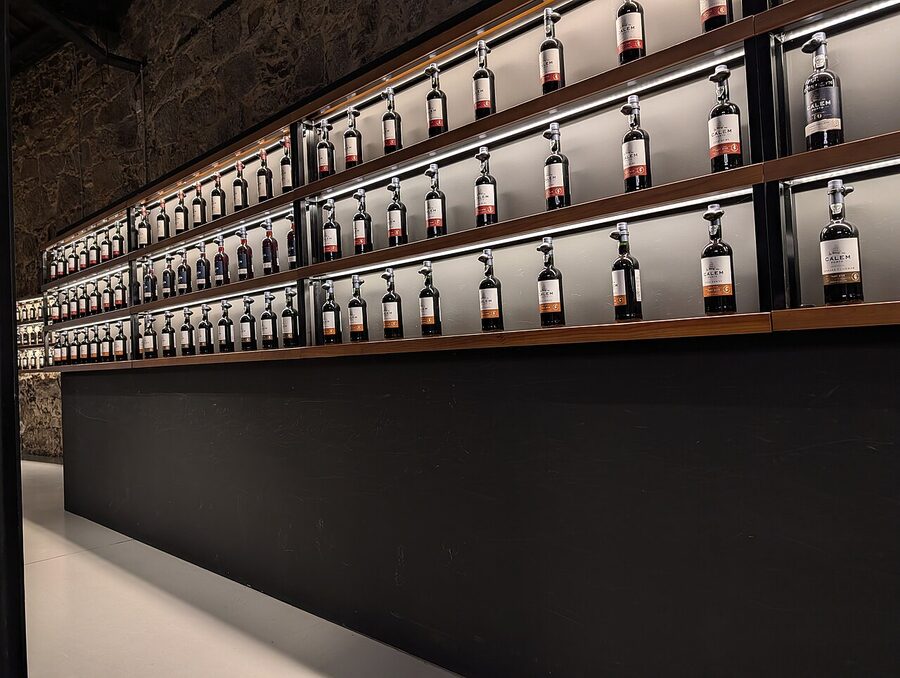
Then you come back up and the tasting starts. For the standard tour you get two pours — usually a white port and a 10-year tawny. The tasting room sits above the cellars with windows looking down onto the river. It’s not fancy. Wooden tables, stools, a bar where the staff are pouring. But the wine is good and the room has the right mood for it.
.jpg)
How to Pick Between the Three Cálem Tours
Cálem runs essentially three packages, and the right one depends on what time you’re going and how into wine you actually are.
1. Cálem Cellar Tour with Interactive Museum and Tastings — about $23
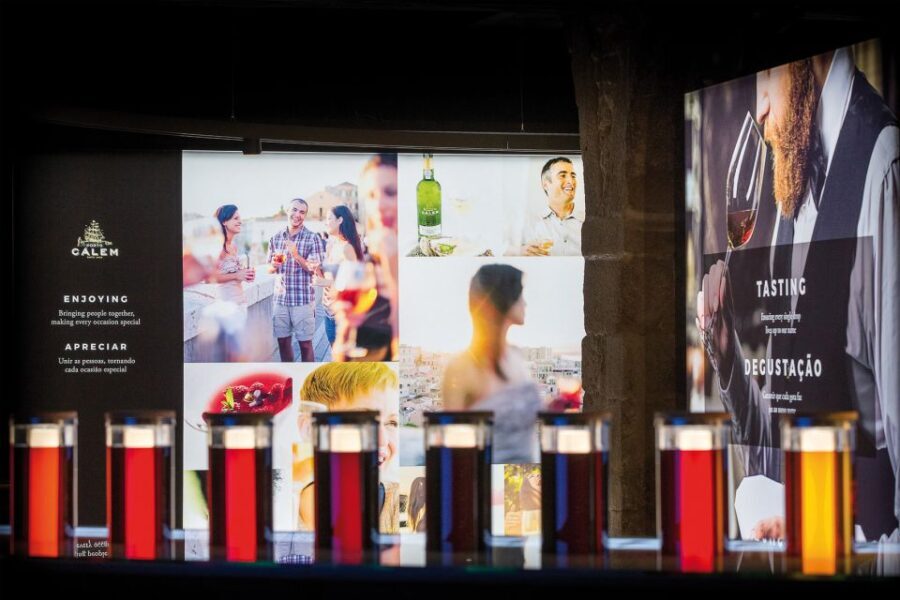
This is the default option and the one I’d point most people toward — our full review of the Cálem cellar tour goes deep on the museum content and what the two pours actually taste like. For around $23 you get the complete Cálem experience without paying for add-ons you might not need. The slots fill up by midday in summer, so if you want a specific time, book a day or two ahead rather than walking up.
2. Cálem Cellar Tour with Fado Show and Tasting — about $33
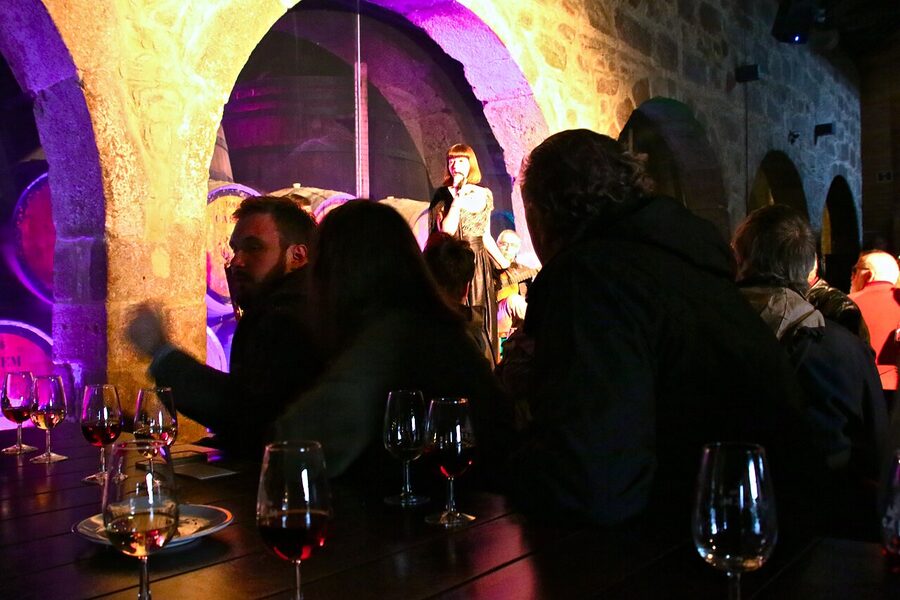
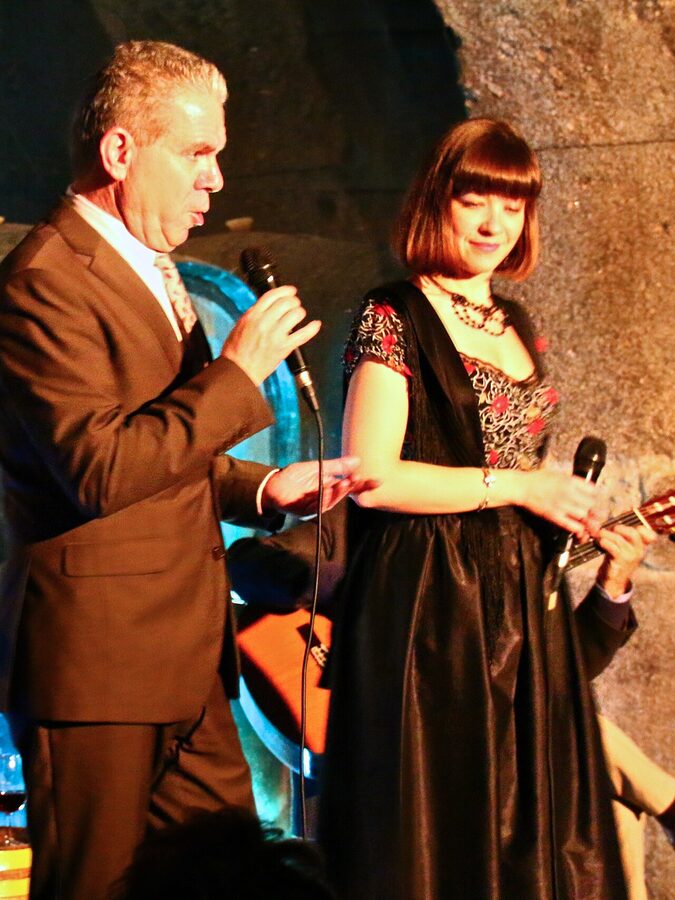
The fado upgrade is worth it if you’re trying to fit two things into one evening — see our detailed take on the Cálem fado tour for which slots have the best singers. You skip the museum on this version and get a live fado performance after the cellar walk while you drink your two ports. The performance runs about thirty minutes, sometimes solo guitar and voice, sometimes a duet. It’s a much shorter and more intimate version of a standalone Porto fado show, but the cellar setting makes up for the brevity.
3. Cálem Cellar Tour with Chocolate and Cheese Pairings — about $53
If you’re already going to book some kind of food experience in Porto, this is the version of the Cálem tour I’d push you toward — the chocolate and cheese pairing review walks through the specific combinations and which ones actually work. You’re paying double the standard price but you get an extra port (three instead of two), a proper cheese board, and a chocolate set chosen to match the wine styles. It’s also the one tour where you can show up not having eaten lunch and walk out genuinely fed.
The Cálem Tasting — What’s Actually in the Glass
.jpg)
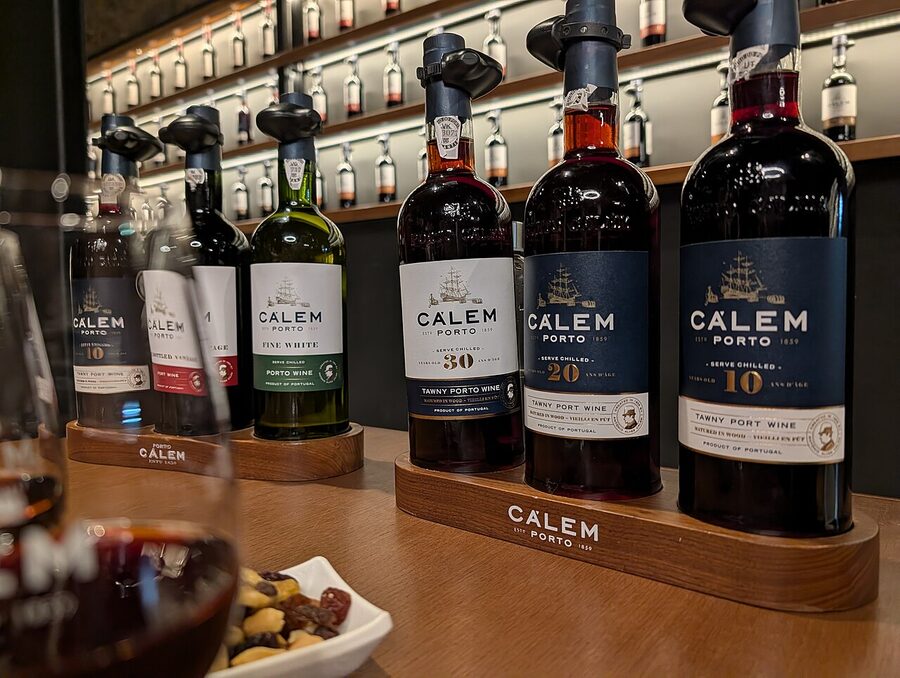
The two-glass tasting on the standard tour usually pairs a white port with a 10-year tawny. That’s a deliberate choice — they want you to taste the lightest and the most aged versions of port back-to-back so the contrast actually lands.
The white port is the surprise. Most people don’t even know it exists. It’s lighter, fruitier, served slightly chilled, and traditionally drunk as a pre-dinner aperitif with a slice of orange peel or a splash of tonic. The Cálem white isn’t fancy but it does its job — it resets your palate for the tawny that’s about to arrive.
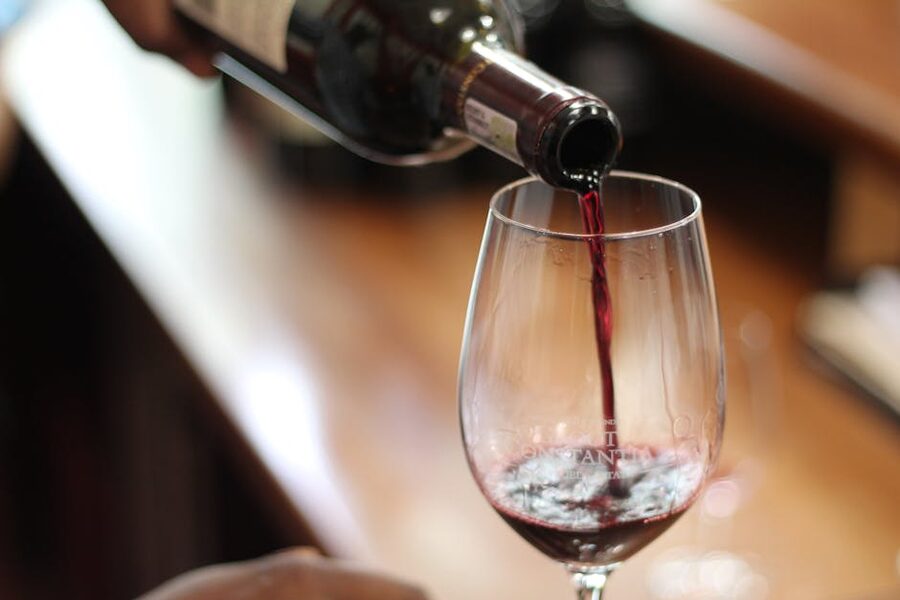
The 10-year tawny is the headline. This is the wine that gets people who think they hate port. It’s been aged in oak for a decade, which slowly oxidises it and concentrates the flavours — you get caramel, dried figs, walnut, sometimes a hint of orange peel. It’s served at room temperature, in a smaller glass than regular wine, and the first sip will probably surprise you with how warm it tastes. Not the temperature. The flavour itself reads as warm.
If you upgrade to the chocolate and cheese version, the third wine is usually a 20-year tawny or a vintage-style ruby. Both are notable steps up. The 20-year is more concentrated, more honeyed, with that slight rancio note that older tawnies develop. The ruby is sweeter and more like a fortified red wine — bigger, fruitier, less subtle.
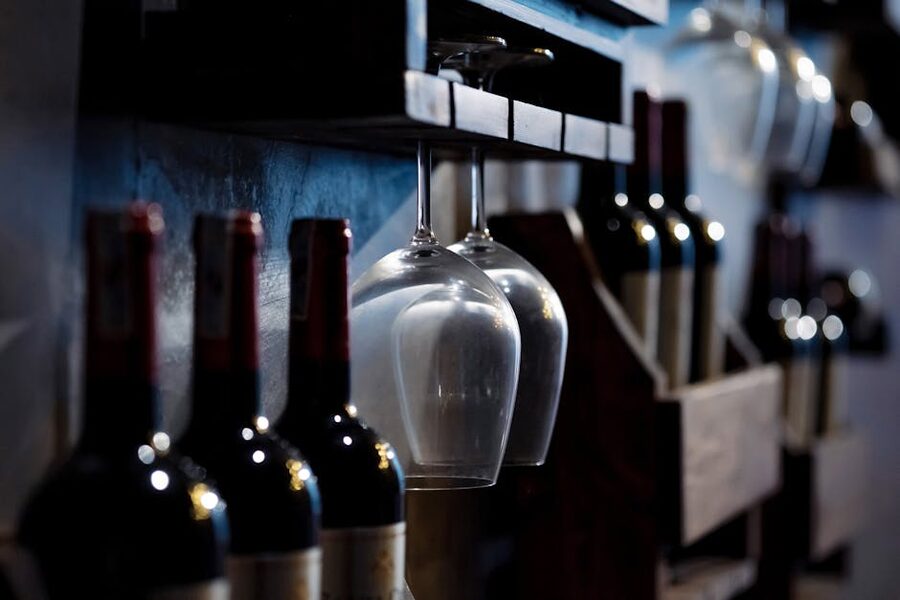
A note on temperature: red wine drinkers often serve all their port too warm. White port should be properly cold, almost fridge-cold. Tawny is best around 14-16°C — slightly cooler than room temperature in summer. Cálem’s tasting room hits the temperatures right, which is part of why the same wine tastes different at home if you don’t bother chilling it.
How to Book a Cálem Tour
You can book in three ways: directly on the Cálem website, through GetYourGuide, or by walking up. Each has trade-offs.
.jpg)
Booking online via GetYourGuide is what I’d suggest. The price is the same as direct, you get instant confirmation, and free cancellation up to 24 hours before is built into most tickets. If you’re booking the fado or chocolate-cheese version, online is the only sensible option because they sell out — these run fewer slots per day than the standard tour.
Booking direct on calem.pt works fine and is functionally identical. It’s slightly slower to load and the date picker is fiddly on mobile, but you’re not paying any markup with either method. Use whichever you prefer.
Walking up is fine for the standard tour outside July-August. There’s a ticket window at the entrance and tours run every 30 minutes. In high season this gets ugly — by 2pm on a Saturday in August you might be told the next available slot is at 5pm. Don’t risk it if you have other plans for the afternoon.
A practical note on timing: the morning tours (10am-noon) are noticeably quieter and the guides are more relaxed. The 3-5pm window is the busiest. If you’re cruise-ship visiting and have only one shot at a cellar tour, aim for 10am or 11am.
Where Cálem Sits and How to Find It
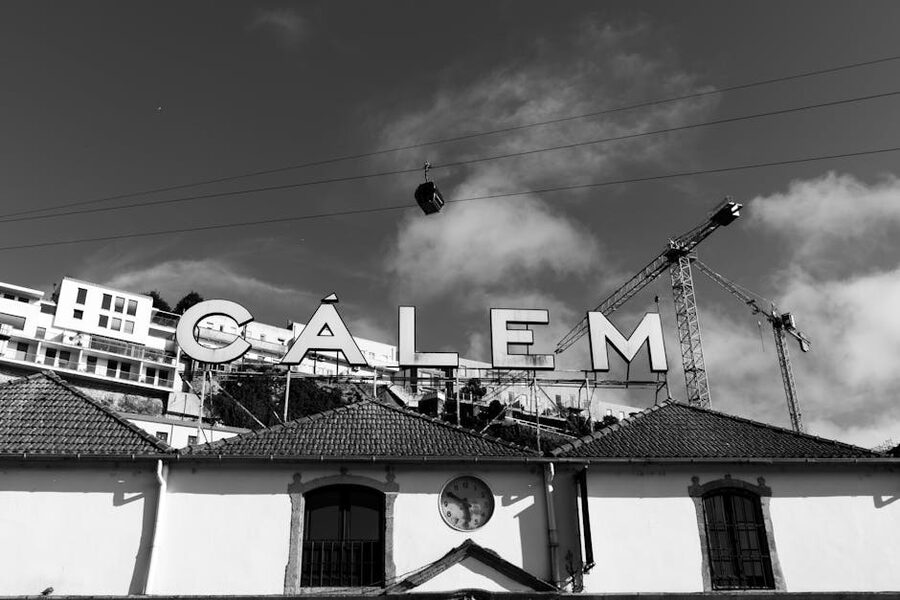
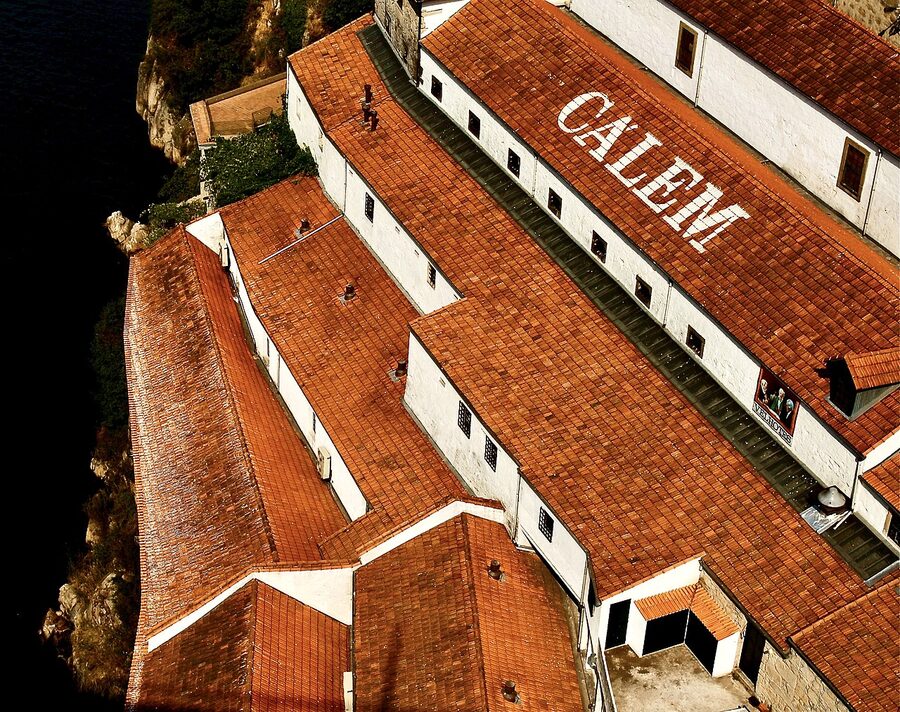
Cálem’s cellar is on the Vila Nova de Gaia waterfront — Avenida Diogo Leite — about a four-minute walk from the lower deck of the Dom Luís I bridge. If you’re coming from Porto’s old town (Ribeira), cross the lower deck of the bridge, turn left along the waterfront, and you’ll see the giant Cálem sign within five minutes.
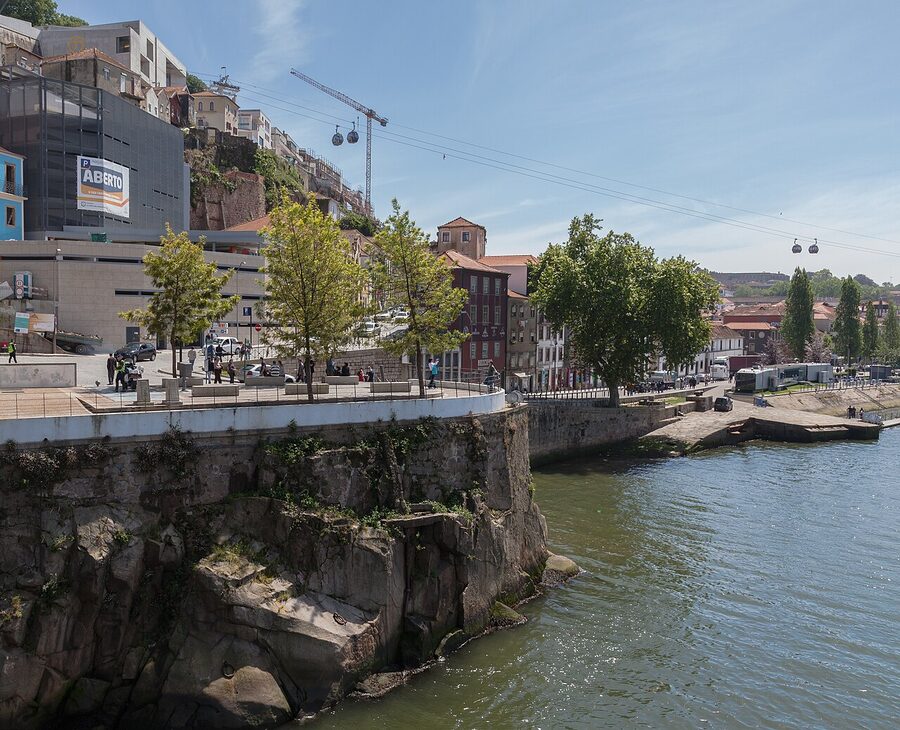

If you don’t fancy the walk across the bridge, the Gaia cable car (Teleférico de Gaia) drops you basically next door to Cálem. It costs around €6 one-way and takes a few minutes. It’s not worth it if you’re already in Ribeira, but if you’re coming down from Serra do Pilar or the upper deck of the bridge, it saves the walk down a steep hill.
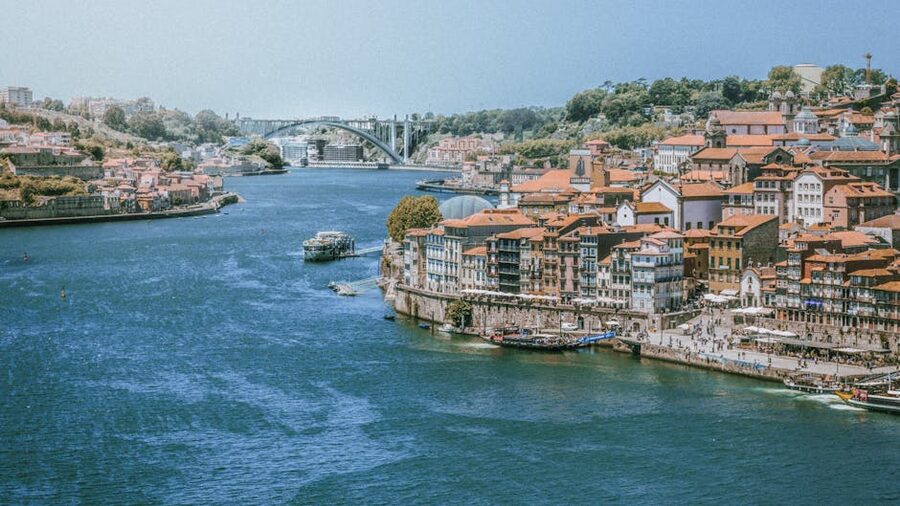
The walk from Ribeira is the better option in good weather — you cross the bridge, see Porto’s old town from above, and arrive at the cellars with the river still in view. About 8 minutes total. If you’re not staying in central Porto, an Uber from anywhere in the city centre runs about €5-7 and drops you directly at the door.
Combining Cálem with other Porto things
If you only have one day in Porto, fit Cálem into the afternoon side of a Gaia walk. Most people do something like: morning in the old town, lunch in Ribeira, walk over the lower deck of the bridge, do Cálem at 2pm or 3pm, then either continue along the Gaia waterfront for a cocktail or take a six bridges Douro river cruise from one of the Gaia piers (they leave every fifteen minutes from right next to the cellars).

If you’re more ambitious and want to compare cellars, you can do two in a day, but I’d cap it at two. Three is too much port wine for any reasonable schedule. Cálem in the morning followed by a more upmarket house in the afternoon — Taylor’s with their panoramic terrace is the natural pair — gives you a useful contrast between an everyday house and a premium one. They’re a 10-minute walk apart.
For a full day on the Gaia side, you can stack Cálem with the World of Discoveries museum a few blocks inland. That’s the local maritime-history museum, family-friendly, takes about 90 minutes. Combined with Cálem and a riverfront lunch you’ve got a solid seven-hour day on the Gaia side without ever crossing back.
A Quick Cálem Backstory
Cálem was founded in 1859 by António Alves Cálem. Compared to the British port houses — Taylor’s (1692), Cockburn’s (1815), Graham’s (1820) — Cálem is the new arrival. It’s also the most distinctly Portuguese of the major brands. While the British houses were set up to ship port to England and grew up with that market in mind, Cálem was founded to sell port to Brazilians. The first António Alves Cálem started by exporting to Rio. The Portuguese-Brazilian focus shaped the house style — slightly sweeter, more accessible, less austere than some of the British-tradition tawnies.
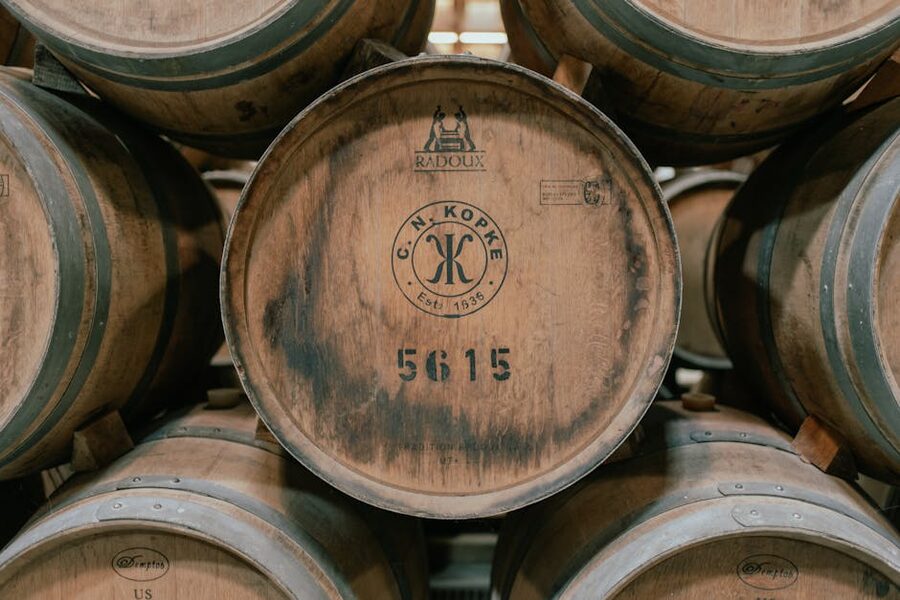
The brand is now owned by Sogevinus, a Portuguese group that also owns Burmester, Kopke, and Barros. Cálem produces around three million bottles a year. The Vila Nova de Gaia cellars hold roughly 25,000 barrels at any given time, ranging from young rubies that will ship in two years to old tawnies that have been in barrel for thirty.

The grapes themselves come from Cálem’s own quintas (estates) in the Cima Corgo and Douro Superior subregions of the Douro Valley — the upper, hotter, drier parts where the best port grapes grow. They’re harvested in September, fermented in stainless steel for three or four days, fortified with grape spirit at 77% alcohol, and then shipped down to Gaia in October to start aging. The wine never sees Porto until it arrives in the cellar where you taste it.
Cálem vs the Other Big Houses — Which Should You Pick?
If you only have time for one cellar in Porto and you’ve never had port before, Cálem is the right pick. It’s the cheapest, the museum component is genuinely useful for first-timers, and the tasting selection is conservative — meaning you won’t be served something so unusual it confuses your first impression of port.
If you’ve had port before and want a more premium feel, Taylor’s is the comparison most people draw. Taylor’s tours run a bit longer (about 90 minutes), include a self-guided component, end on a terrace with a famous panoramic view of the Porto skyline, and pour better wines on the standard tour. They’re roughly twice the price.
Sandeman’s tours are the most theatrical — guides dress in the famous black caped Sandeman uniform, and the cellars themselves are the most cinematic. The tasting selection is broad. Sandeman tends to sit between Cálem and Taylor’s on price.
Cockburn’s, Graham’s, and Croft are all strong second-tier choices. Graham’s has the best premium tour if you’re willing to pay €40+. Cockburn’s is the workhorse — solid product, slightly out of the way location. Croft is small and quiet, easier to get a calm experience without crowds.
For the broader picture of all the major houses and how they compare, our general port wine cellars guide covers all of them with prices, tour lengths, and which suit which kind of visitor.
What to Eat With Cálem Port After

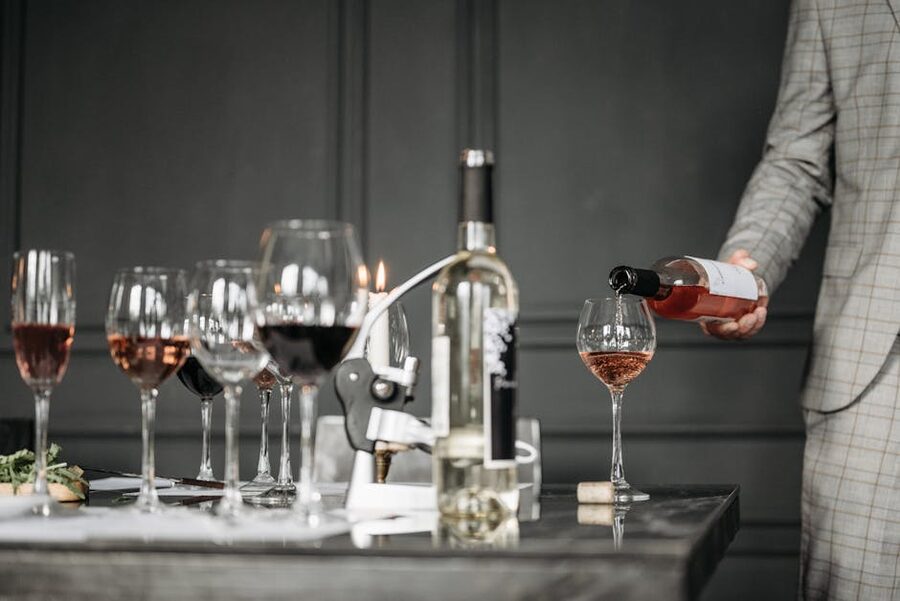
The standard answer is: white port goes with anything light (salted almonds, olives, fresh cheese), tawny goes with cheese and dessert, and ruby goes with chocolate and richer puddings. The most traditional Porto pairing is tawny with pastel de nata — the custard tart you’ve been eating for breakfast all week. The combination is genuinely better than either on its own.
If you want to extend the meal after the cellar, the Gaia waterfront has a strip of restaurants with river-facing tables. They’re more touristy than what you’d find in central Porto, but the views compensate. A few minutes’ walk inland gets you to better local options if you want serious food rather than scenic seating. A Porto food tour the next day is a solid follow-up if Cálem has put you in a tasting mood — they cover francesinha, tripas à moda do Porto, and the local pastries.
If you’re heading back into Porto proper after the tasting, the historic walking tours of Porto often include a couple of stops at lesser-known wine shops where you can try ports from smaller houses you won’t find on the Gaia waterfront. Worth doing the day after a Cálem tour rather than the same day.
Practical Stuff
Hours: Cálem opens at 10am daily and runs the last tour around 6pm in summer (5pm in winter). Open year-round. Closed Christmas Day.
Languages: English, Portuguese, Spanish, and French tours run throughout the day. German and Italian on some slots — book ahead if you need them. The English tours are the most frequent.
Group size: Standard tours run with 15-25 people. The fado version runs smaller — usually 30-40 because it’s a single seated show. Chocolate and cheese tastings run smaller, around 12-15.
.jpg)
Accessibility: The cellar floor is uneven stone in places, and there are a few short steps between sections. There’s a wheelchair-accessible route that skips the steepest part of the cellar walk — call ahead or note it in your booking and they’ll arrange it.
Photography: Allowed throughout. No flash inside the cellar (it disturbs other groups and the wine doesn’t appreciate it either). Phones are fine.
Children: The museum and cellar walk are family-friendly. Children can join the tour for free; they obviously don’t taste, but staff will pour them a small juice or water. Don’t bring under-fives — the cellar is dark and the museum has limited interactivity for that age.
Combining with the Porto Card: The Porto Card doesn’t include Cálem — port wine cellars in general don’t accept the card. If you’re trying to maximise pass value, do Cálem standalone and use the card for the museums and transport on a separate day.
One More Thing About the Cálem Experience
.jpg)
Most people who book a port cellar tour in Porto only do one. If that one is going to be Cálem, here’s the suggestion: book the morning standard tour, ask your guide which port they personally drink at home, and then go to the shop afterwards and buy a small (375ml half-bottle) of whatever they recommended. You’ll have a real Cálem connection to take home for under €20, and you’ll have something to drink that night with whatever cheese you can find at a Porto supermarket.
The real test of whether a cellar tour worked isn’t whether you enjoyed the tasting. It’s whether you walked out actually wanting to drink port again. Cálem has that conversion rate. My friend, the one I started this whole thing talking about — she now keeps a bottle of 10-year tawny in her flat in London. She’d never had port before that tour. That’s the point.
Other Porto Guides Worth a Read

If you’re building a longer Porto trip around the Cálem visit, the obvious next stops are the things on the same waterfront. A six bridges Douro cruise leaves from the pier next door — fifty euros gets you 50 minutes on the river right after the tasting, perfect for working off the wine. If you want to stay on land, the hop-on hop-off bus stops at the Gaia waterfront and links the cellar district to Foz do Douro and the Atlantic coast for half a day’s sightseeing without effort.
For the Porto side, the Clérigos Tower is the obvious viewpoint pair — climb up first, look down on Gaia and the cellars, then come down and cross the bridge. Livraria Lello is the famous bookshop on the same side, ten minutes’ walk from Clérigos. A tuk-tuk tour is the easy way to see both sides if you’re short on time or feet — most routes include a stop at the Gaia waterfront and you can ask to get off at Cálem and rejoin a later tuk-tuk if the company runs that way.
For a longer trip, the Douro Valley day trip is the natural extension of a Cálem visit — you’ve seen where the wine is aged, now go see where the grapes are grown. Braga and Guimarães gets you the historic side of the north of Portugal in a single day if wine isn’t really your thing and you want a different angle on the region. And if you’re heading on to Lisbon afterwards, the standalone Porto fado show is a longer-format alternative to the cellar version of fado you might have caught on the upgraded Cálem tour.
Affiliate disclosure: this guide includes affiliate links to GetYourGuide. If you book a tour through one of these links we earn a small commission at no extra cost to you. It helps fund what we do.