
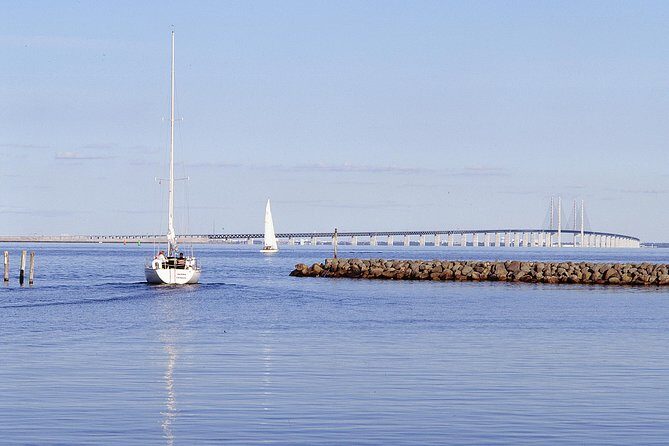
Halfway across the Øresund Bridge, the road dips and disappears underwater. The 8km crossing isn’t a single bridge at all. It’s a bridge for the first 5km, then an artificial island called Peberholm, then a 4km tunnel under the shipping channel into Copenhagen. Most people on the bus don’t realise it’s happening until the daylight drops away.
That weird piece of engineering is what makes a Lund and Malmö day trip from Copenhagen possible. You can be in another country in 30 minutes by train. Sweden’s third-largest city and one of Northern Europe’s oldest universities, both visited and back in time for dinner in Nyhavn.

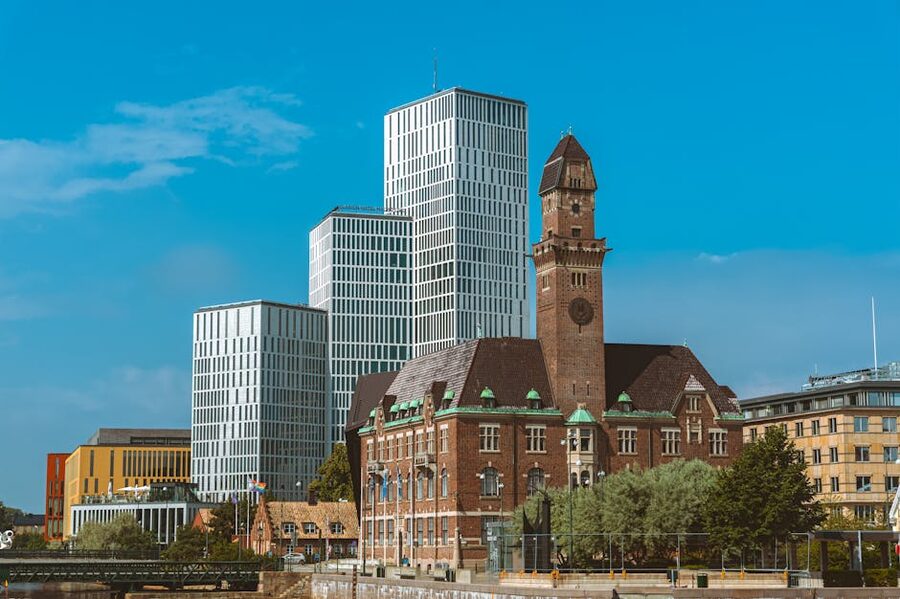
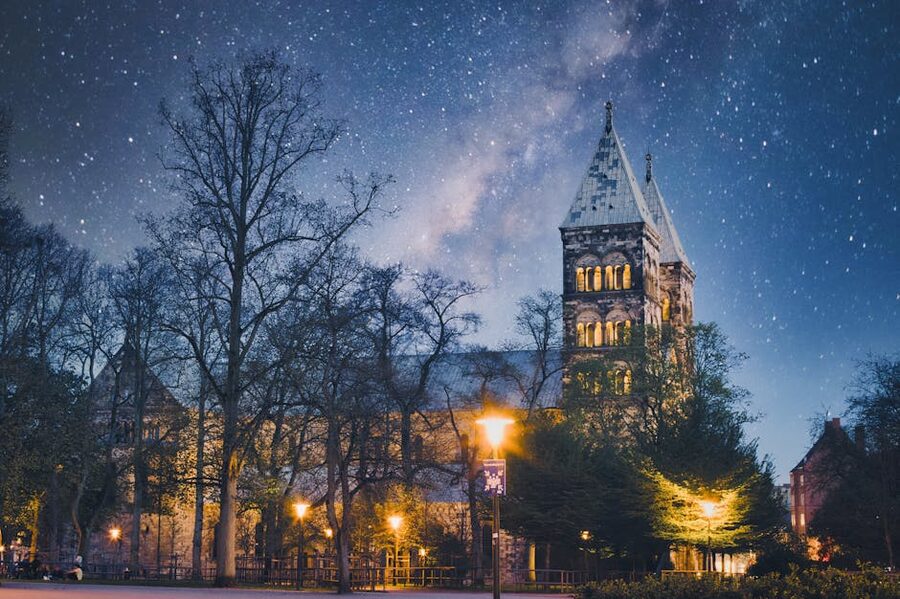
Best overall: Lund and Malmö 2-Country Tour: 9 hours, both cities plus a Helsingør stop with the Hamlet’s castle photo-op. Around $131. Good guides, no logistics to figure out.
Hamlet add-on: Hamlet and Sweden Tour: 8 to 9 hours, includes the Kronborg Castle stop and the ferry crossing instead of the bridge. About $143.
Sweden-only short option: Malmö & Lund Tour Crossing the Øresund Bridge: 6.5 hours, just the two Swedish cities, around $114. Best if you only have half a day.
- The Three Tours Worth Booking
- 1. From Copenhagen: Lund and Malmö 2-Country Tour: 1
- 2. Hamlet and Sweden Tour: 3
- 3. Malmö & Lund Tour, Crossing the Øresund Bridge: 4
- Or Skip the Tour and Take the Train
- What it costs DIY
- What’s Actually Worth Seeing in Malmö
- Stortorget and the Town Hall
- Lilla Torg
- St Peter’s Church (Sankt Petri Kyrka)
- Malmöhus Castle (only if you have a full day)
- The Turning Torso (the photo, not the visit)
- Where to eat in Malmö
- Lund: Why It’s Worth the Extra 14 Minutes
- Lund Cathedral and the Astronomical Clock
- Kungshuset and Lundagård
- Lilla Fiskaregatan and the colourful streets
- What to eat in Lund
- The Bridge Itself: A Short Detour into Engineering
- How to Time Your Day
- When to Go and What to Wear
- Money, Passports, and Other Practical Stuff
- Combining With Other Things in Copenhagen
- Common Questions
- Do I need to book a tour or can I just turn up?
- Can I do this trip in winter?
- Is the Øresund Bridge worth it just for the bridge?
- Can I just go to Malmö without Lund?
- What’s the cheapest way to do this?
- Is it safe to walk around Malmö?
The Three Tours Worth Booking
I’ll keep this short. Three operators run the Lund-Malmö day trip from Copenhagen and they cover slightly different ground. Pick by what you want to see, not by what’s cheapest.
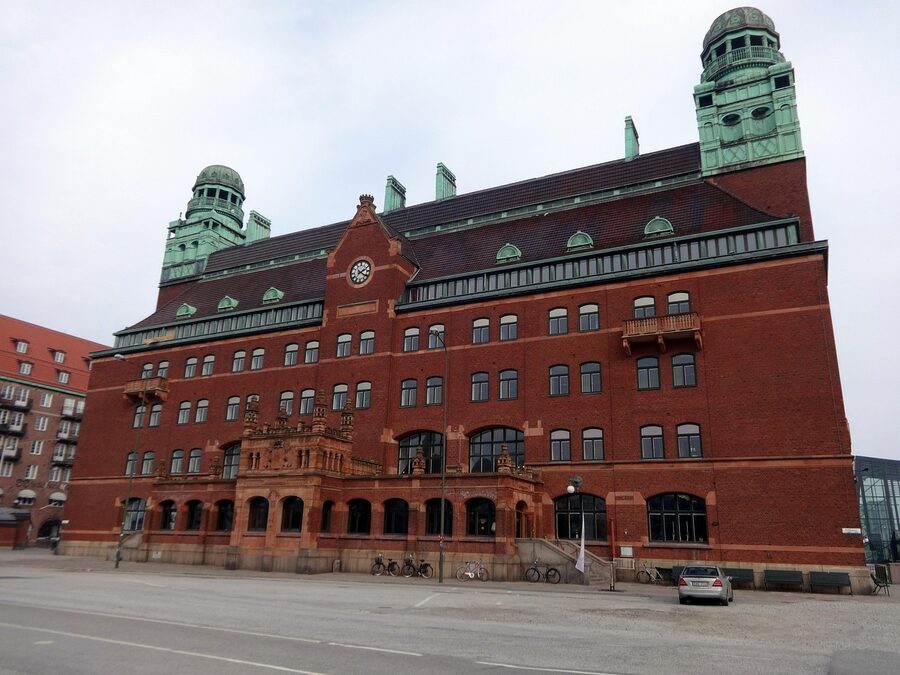
1. From Copenhagen: Lund and Malmö 2-Country Tour: $131

Nine hours, three countries-worth of stops if you count the Helsingør castle photo stop on the Danish side. You cross the Øresund both ways: bridge over, ferry back (or vice versa, depending on the day). Our full review of the Lund and Malmö 2-country tour goes through what each stop actually involves, but the short version is: this is the most generous itinerary of the three and the per-hour value is the best.
2. Hamlet and Sweden Tour: $143
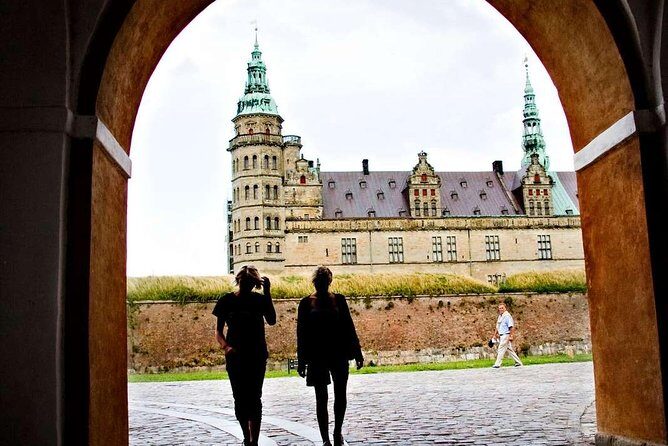
Eight to nine hours, run by Enjoy The Tours with guides like Steen, Crispin, or Andy who get repeat name-drops in the reviews. The route does Kronborg Castle (Hamlet’s Elsinore) on the Danish side, then the ferry across to Helsingborg in Sweden, then drives down to Lund and Malmö. Our Hamlet and Sweden Tour review covers what you actually see at Kronborg and how much time you get at each stop.
3. Malmö & Lund Tour, Crossing the Øresund Bridge: $114
Wi-Fi-equipped bus, a friendly guide, both directions across the bridge, and decent free time in each city. One winter visitor wrote that they did this in February in heavy snow and the guide kept everyone engaged the whole way. Our Malmö and Lund Tour review goes into the pacing in more detail. If you want the bridge experience without the Helsingør detour, this is the most efficient way to do it.
Or Skip the Tour and Take the Train
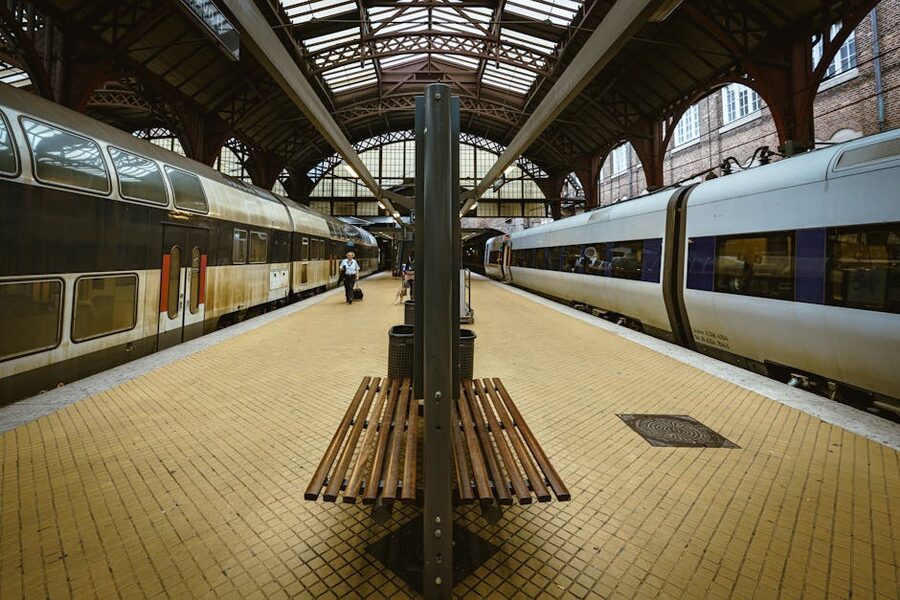
Honest take: if you’re confident with public transport and don’t mind doing your own walking tour, you can do this trip yourself for a fraction of the guided price. Train from Copenhagen Central to Malmö takes 41 minutes and runs every 20 minutes. From Malmö to Lund it’s another 14 minutes. The whole route is operated by Öresundståg trains and you don’t need to book ahead.
What you lose: the Hamlet/Kronborg stop (you can do that on a separate Helsingør day trip), the bridge crossing (you go through the tunnel by train, which is dark), and the running commentary on what you’re seeing. What you gain: total flexibility and probably 60% off the price.
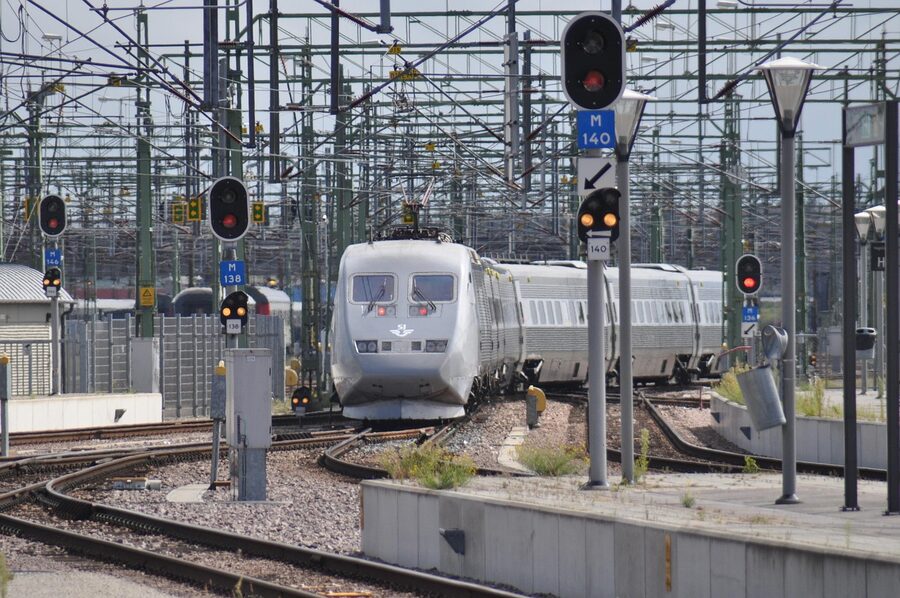
One thing the guided tours genuinely do better: the Øresund Bridge experience. By car or bus you go up onto the bridge, across, then down into the tunnel. By train you only see the tunnel and a glimpse of the bridge from inside. If the bridge itself is the reason you’re going, take a tour or rent a car for the day.
What it costs DIY
One-way Copenhagen to Malmö is around 111 SEK (about $11). Malmö to Lund is around 50 SEK ($5). Round trip with the Lund leg added is roughly $30 to $35 in train fares per person. Compare that to the $114 to $143 for a guided tour and you’re saving $80 to $110 per person. For a couple, that’s the price of a really good dinner in Copenhagen.
What’s Actually Worth Seeing in Malmö
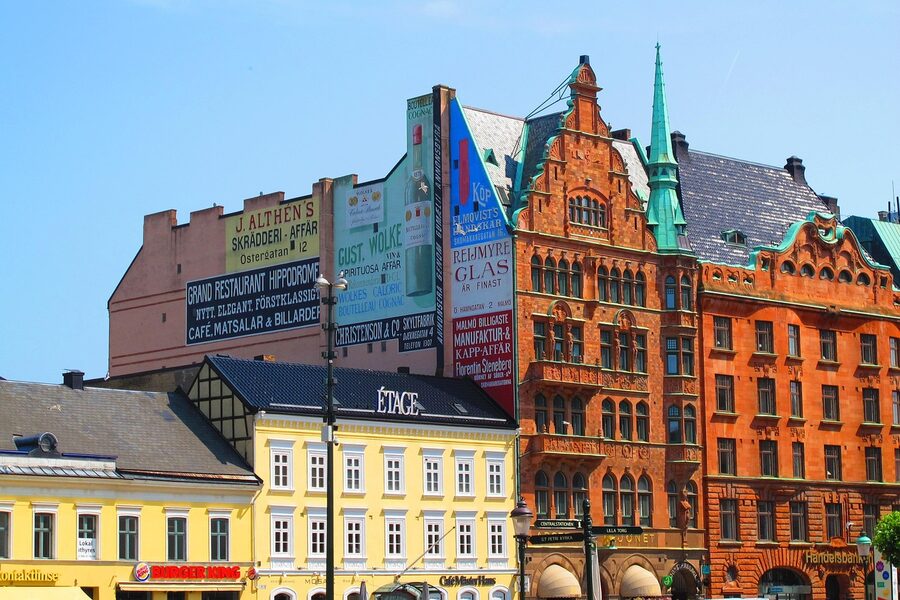
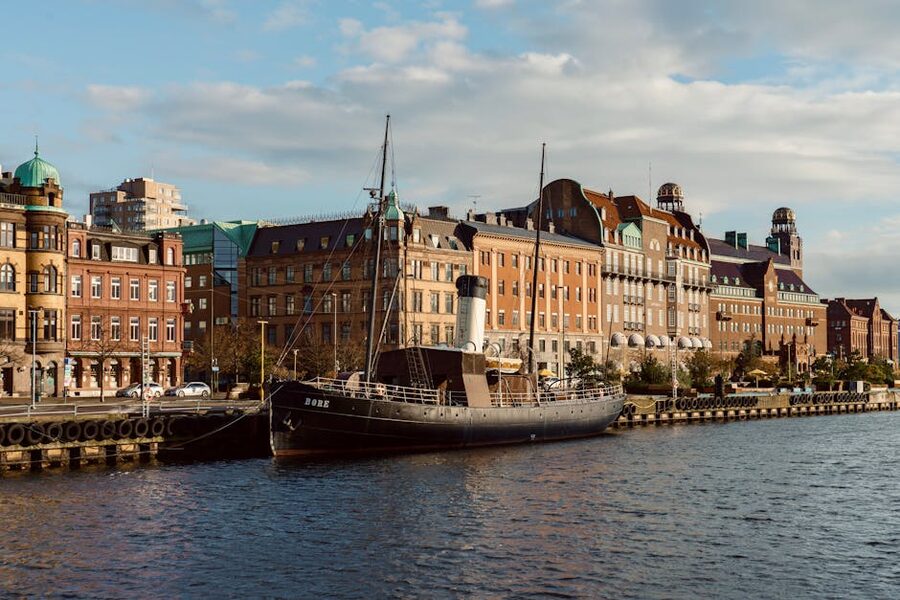
Malmö is Sweden’s third-largest city and most of what’s worth seeing on a half-day visit sits inside the Old Town, walkable in 90 minutes if you don’t stop. Here’s what I’d actually prioritise.
Stortorget and the Town Hall
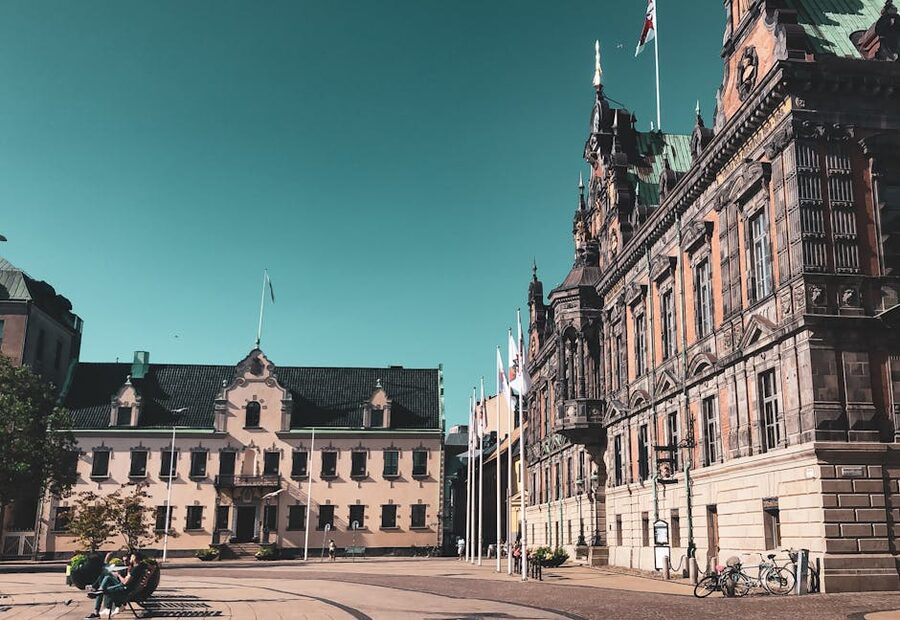
The main square. Built in the 1500s when Malmö was still part of Denmark (it didn’t become Swedish until 1658). The Renaissance-style Town Hall is the standout building, but the whole square works as a single architectural composition. There’s a passageway off the square called Lejonet Passagen with whimsical figurines playing musical instruments, easy to miss if you’re not looking for it.

Lilla Torg
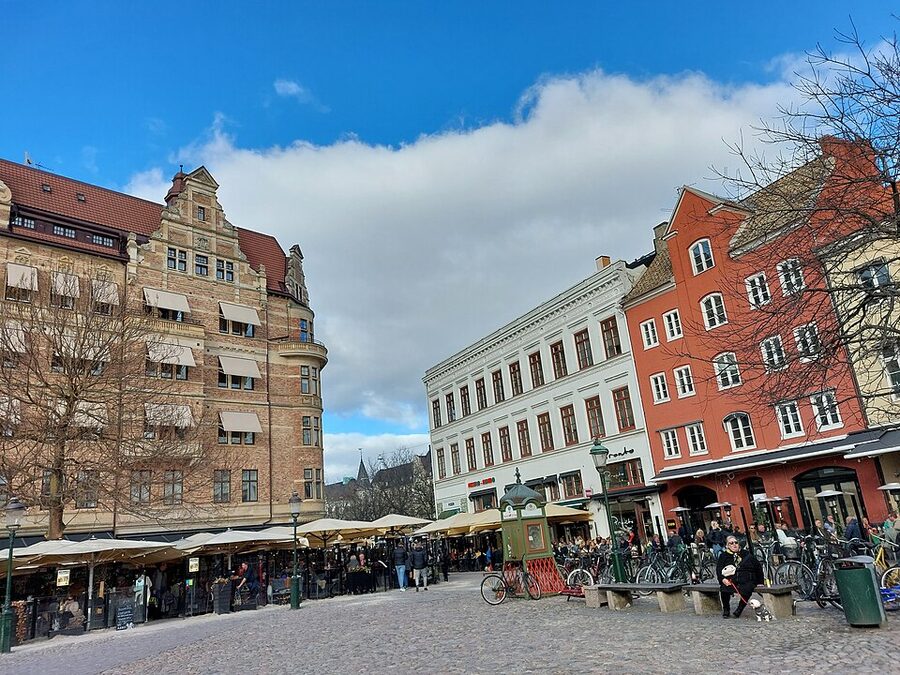
“Little Square,” a few minutes’ walk southwest of Stortorget. This is the one tourists end up loving most. Cobblestones, half-timbered facades, restaurant tables sprawling everywhere when the weather plays along. Even if you’re not eating, sit down and order a coffee and a kanelbulle (cinnamon bun). That’s a fika and it’s the most Swedish thing you can do in 20 minutes.

St Peter’s Church (Sankt Petri Kyrka)
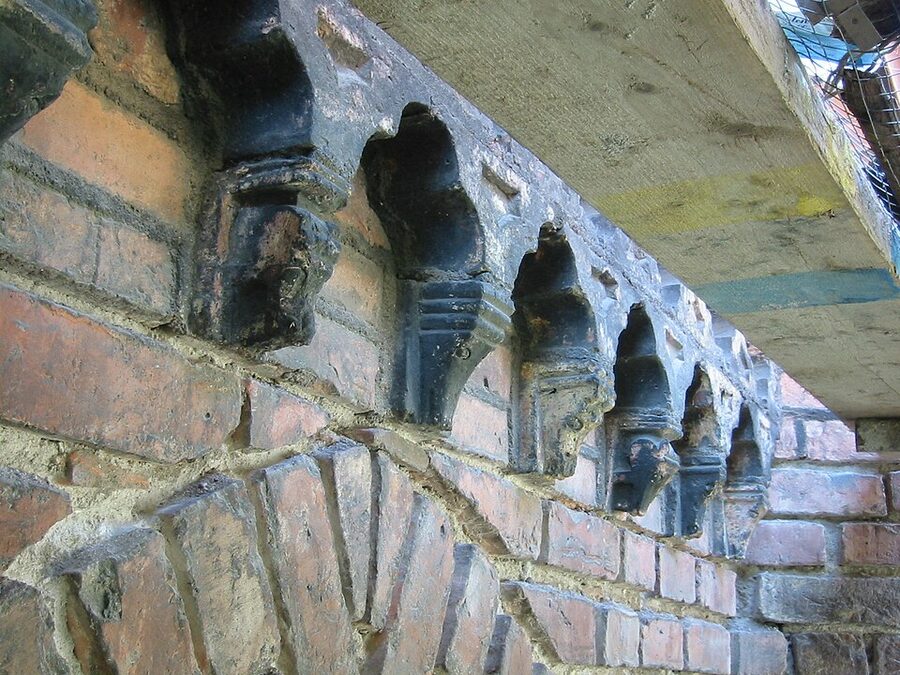
Two minutes north of Stortorget, on Göran Olsgatan. Brick Gothic, late medieval murals, and that 1611 altarpiece I mentioned. It’s free, it’s quiet, and most tour groups walk past without going in. If you’re on a guided tour you may not stop here, but if you’re DIY-ing it, take ten minutes.

Malmöhus Castle (only if you have a full day)
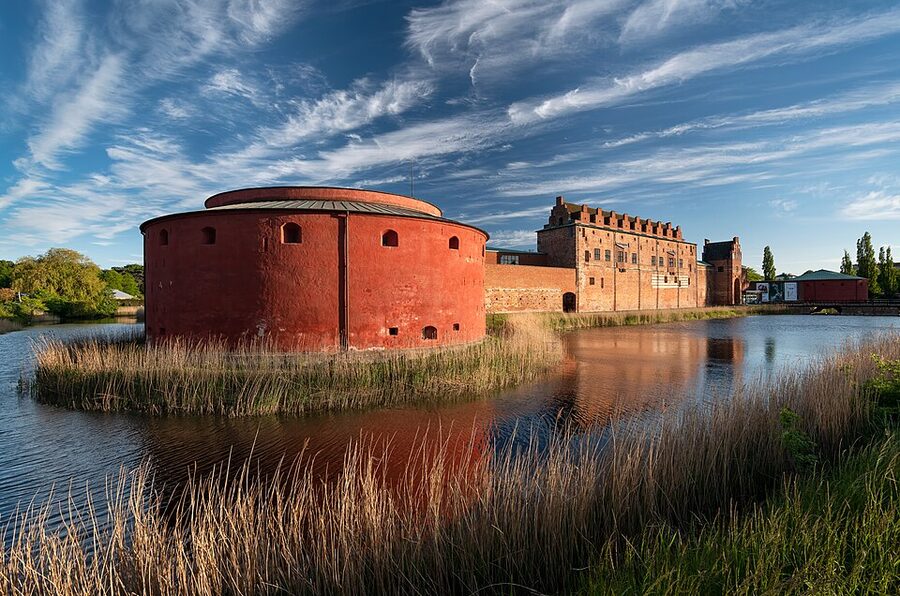
About 15 minutes’ walk west of the Old Town, in a park called Slottsträdgården. The castle dates to the 1530s and is the oldest preserved Renaissance castle in the Nordic region, which sounds impressive until you actually walk around it. It’s a low brick fortress, not a Disney spire. The interior houses Malmö Museum (free entry on Tuesdays in 2026, otherwise about 50 SEK). Worth doing if you have the time, easy to skip if you don’t.
The Turning Torso (the photo, not the visit)
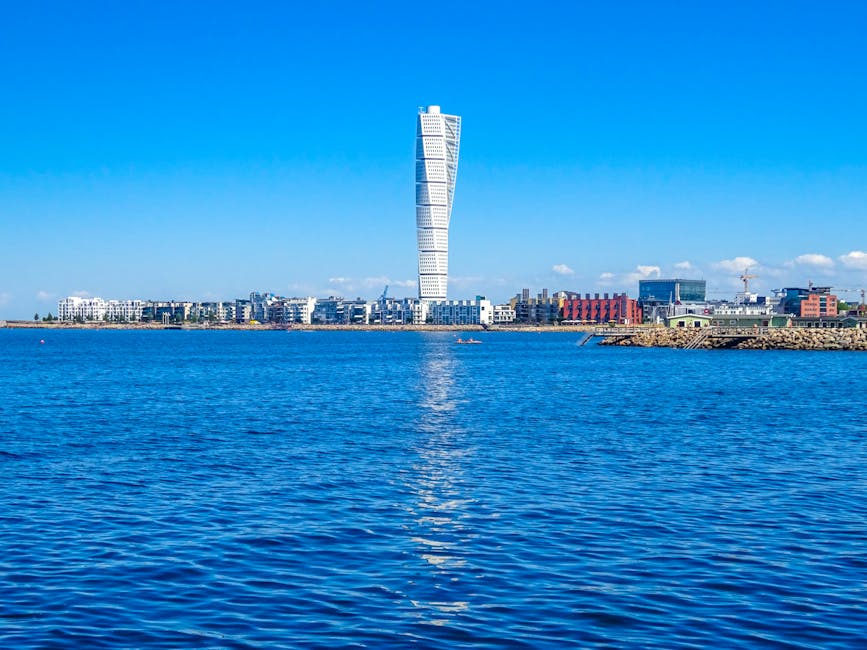
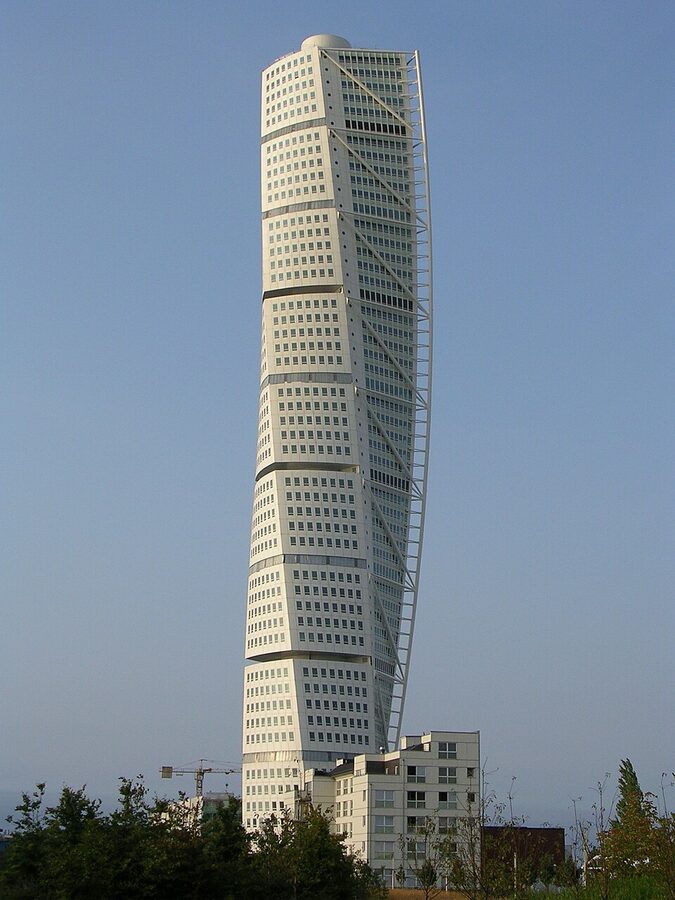
Calatrava’s twisting 190m skyscraper completed in 2005, the tallest building in Scandinavia and instantly recognisable. The catch: it’s a residential building. You can’t go inside. The viewing experience is photographing it from outside, which means walking 20 to 25 minutes north of the Old Town to the Västra Hamnen district.
If you’re on a guided tour with limited Malmö time, you’ll see it from the bus window and that’s it. If you have a full day and you’re a building geek, walk up there. The waterfront promenade (Sundspromenaden) is genuinely nice, especially on a sunny day.

Where to eat in Malmö
If you’re looking for Swedish meatballs, the Spoonery on Lilla Torg gets the local nod. Around 145 SEK for a plate of köttbullar with mash, lingonberry jam, and pickled cucumber. Not the cheapest in town but the meatballs are made in-house and the portions are honest. For something quicker, the food hall at Saluhallen Malmö (in a converted brick warehouse near Gustav Adolfs Torg) has stalls doing everything from smørrebrød to Persian flatbreads. Pick a stall, eat at the communal tables.
Lund: Why It’s Worth the Extra 14 Minutes
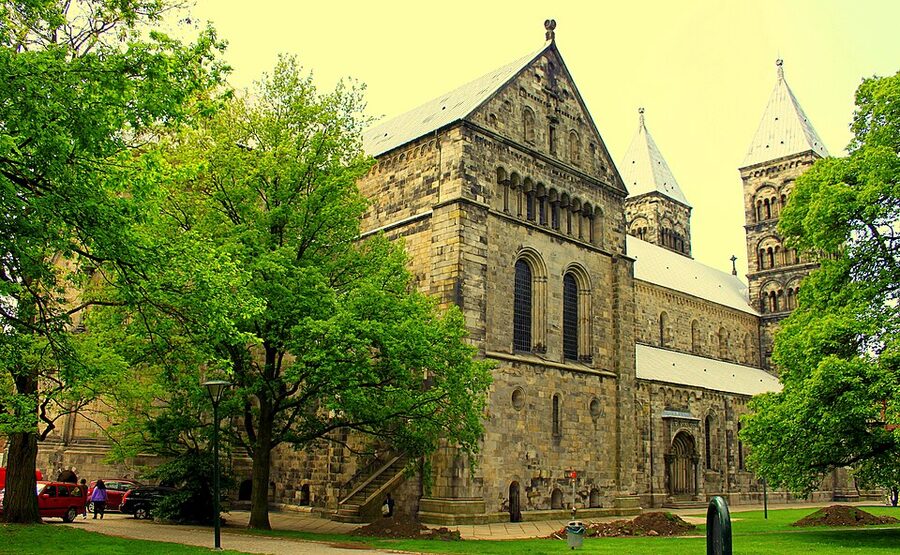

Lund is what most people don’t expect. After Malmö’s modern multicultural buzz, you walk out of Lund station and you’re in a small medieval university town with cobblestone alleys, hollyhocks growing six feet high in summer, and a cathedral that predates everything else on this trip. It’s the prettiest stop of the day. Don’t skip it.
The cathedral dates to the 1080s. The university was founded in 1666, making it one of the oldest in Northern Europe, but still 600 years younger than the cathedral that sits 50 metres from the main university building. That fact alone tells you what kind of town this is.
Lund Cathedral and the Astronomical Clock
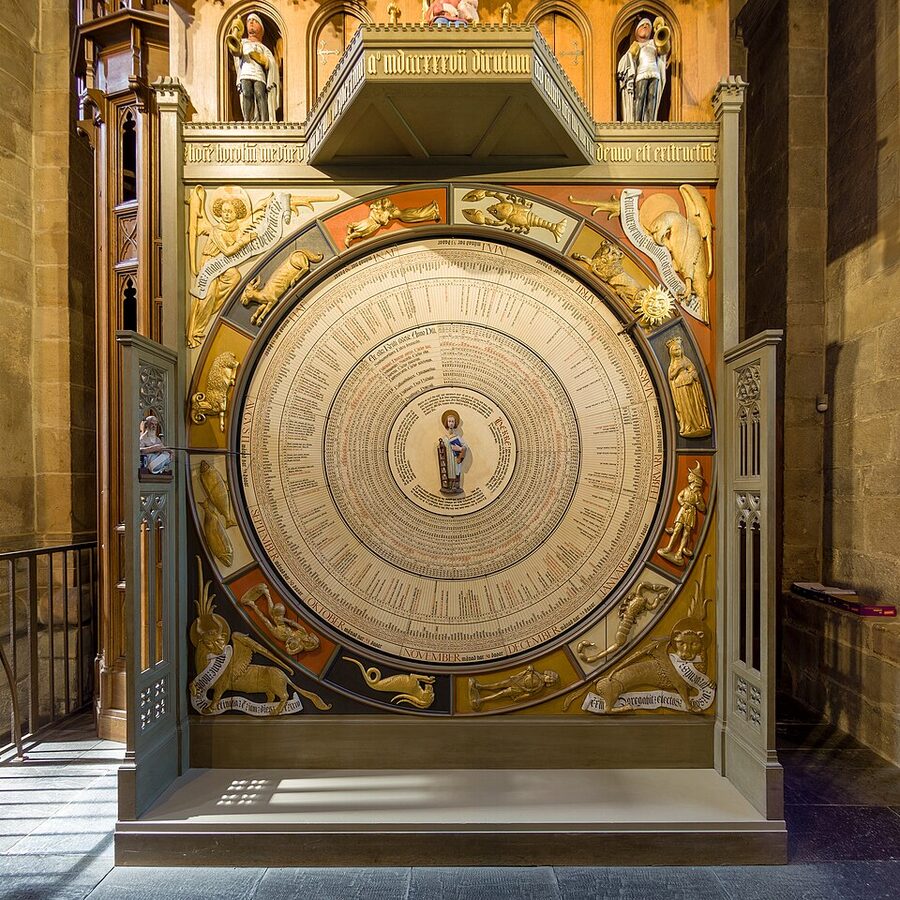

Free entry. The exterior is striking but the interior is what to come for. The crypt under the choir is one of the most atmospheric medieval spaces in Scandinavia, with massive Romanesque columns and a 12th-century legend about a giant called Finn who supposedly built the cathedral. The astronomical clock on the north transept wall plays a full chime sequence at 12 and 3 on weekdays. If you can possibly time your visit for one of those slots, do it. Set your watch by the clock and don’t be late.
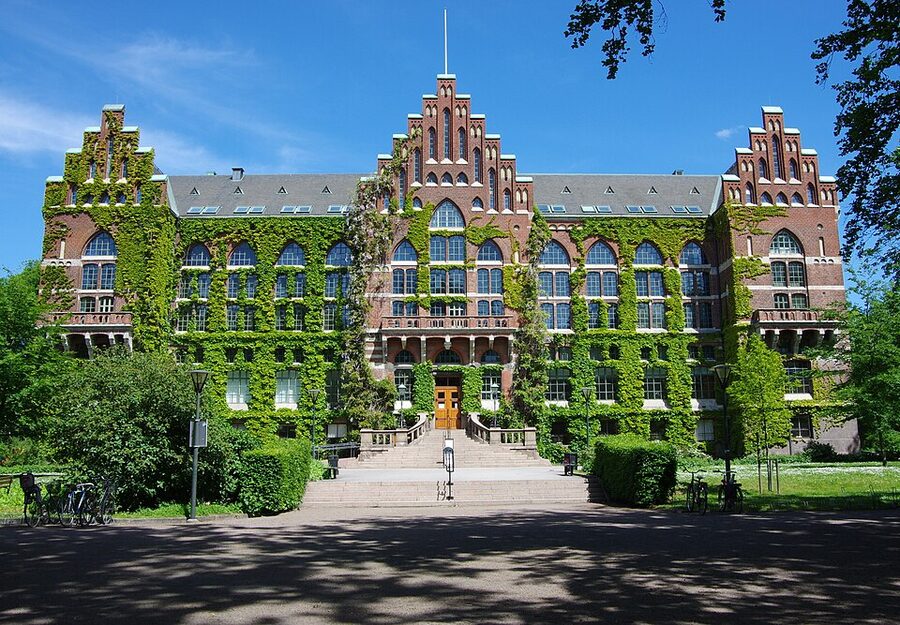

Kungshuset and Lundagård
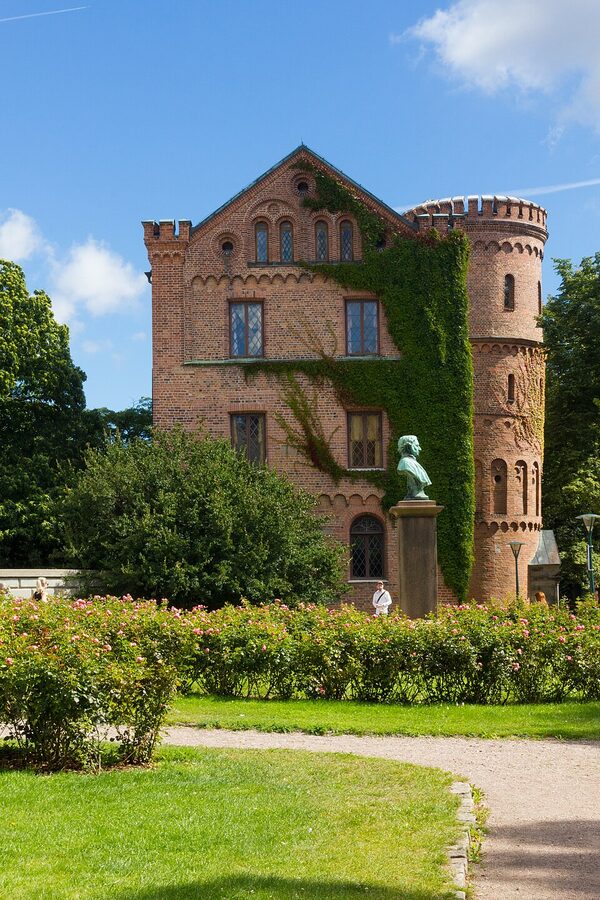

Behind the cathedral sits Lundagård, the central park of the university campus. Kungshuset is the castle-looking building on the south side. The whole area is studded with 18th and 19th-century academic buildings, plaques, and the occasional bronze statue of someone famous you’ve never heard of. Walk through it for 20 minutes. Sit on a bench. Watch students cycle past with stacks of books on the rear rack. This is what Sweden actually looks like when there are no tourists in the frame.
Lilla Fiskaregatan and the colourful streets
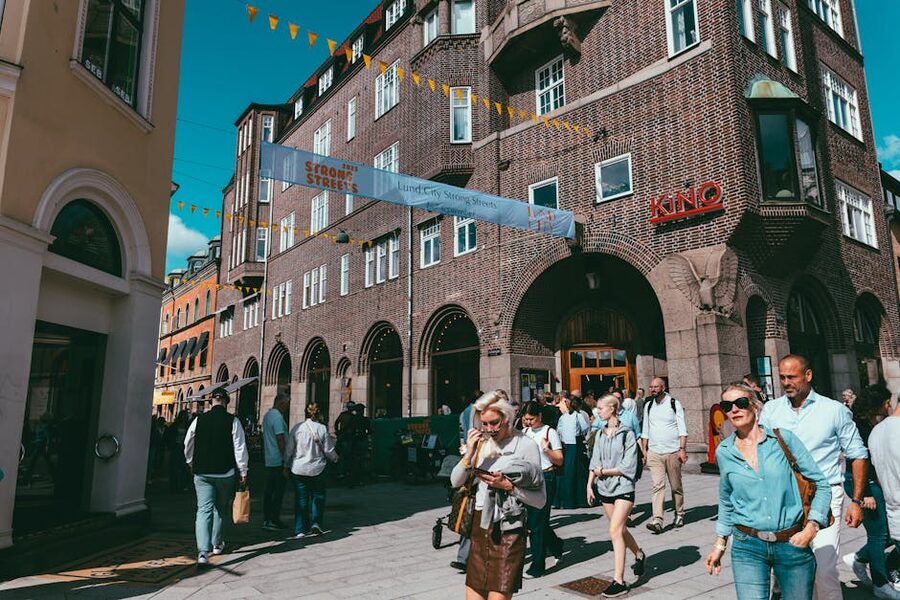
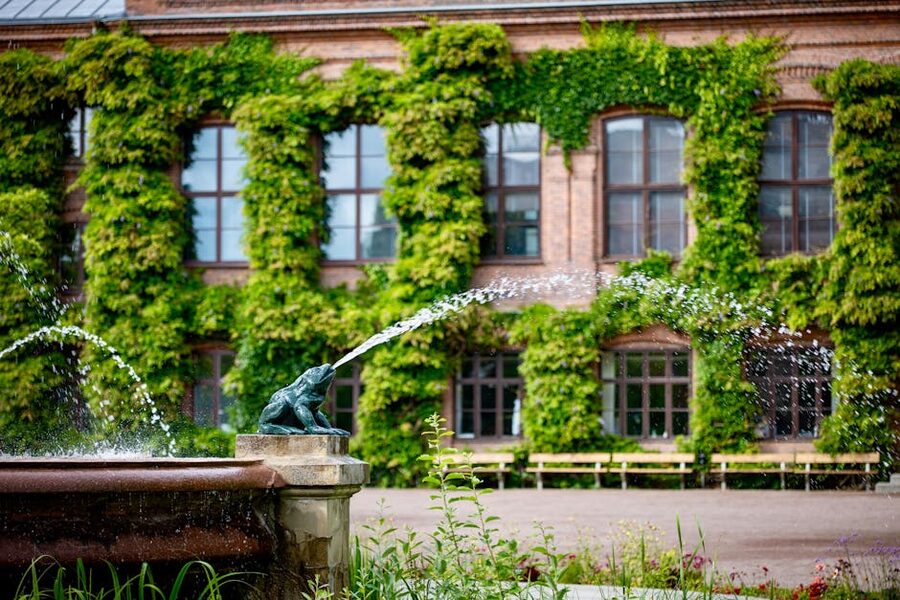
From Lund station, the route into Old Town goes through Bantorget (a small park with a fountain), then up Lilla Fiskaregatan, which is the main pedestrian shopping street. You’ll come out at Stortorget. Yes, every Swedish town has a Stortorget. The City Hall sits with its big “LUND” sign. From there you walk towards the cathedral.
The streets to wander after the cathedral: Hospitalsgatan (colourful houses with hollyhocks if you visit in summer), Hjortgatan, and Adelgatan. Get lost. The town centre is small enough that you can’t really go wrong.
What to eat in Lund
Saluhallen Lund (the food hall on Mårtenstorget, not to be confused with the one in Malmö) is your best bet for a quick lunch. Open Monday to Saturday. Pick a stall (the smørrebrød place is excellent) and eat standing at the counter. Around 100 to 150 SEK for a proper plate. For something sit-down, Bantorget 9 does Skåne classics with a modern twist. Fancier and pricier (mains 250 SEK and up) but the dining room is in a 1850s building with high ceilings and good light.
The Bridge Itself: A Short Detour into Engineering
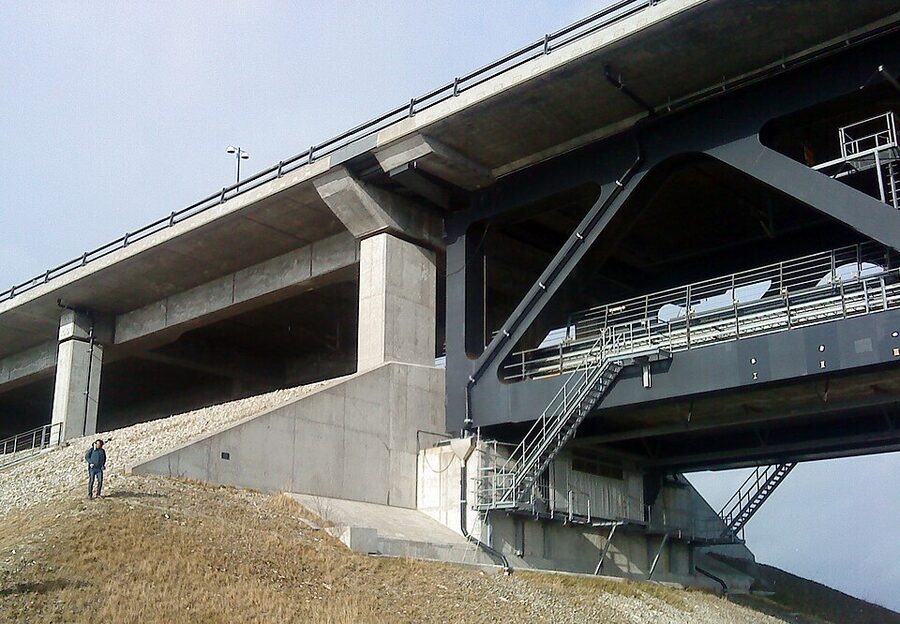

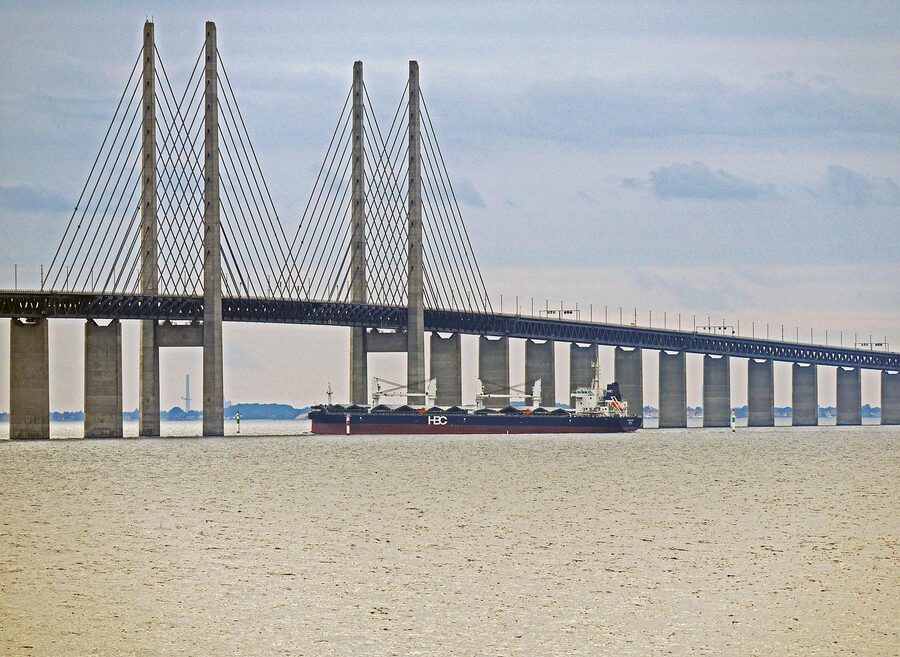
I mentioned the bridge-to-tunnel switch in the opening. Here’s the why behind it. Copenhagen Airport (Kastrup) is right at the southern tip of the Danish island of Amager. A high bridge across the full 16km strait would have interfered with flight paths. A full tunnel was too expensive. The compromise: bridge for the eastern half, then drop into a tunnel for the western 4km, with an artificial island called Peberholm as the transition point.
The bridge section is 7,845 metres long. The tunnel (Drogden Tunnel) is 4,050 metres. The total crossing including approach roads is just over 16km. It opened in 2000 and the project came in marginally under budget, which might make it the only piece of Scandinavian infrastructure ever to do so.
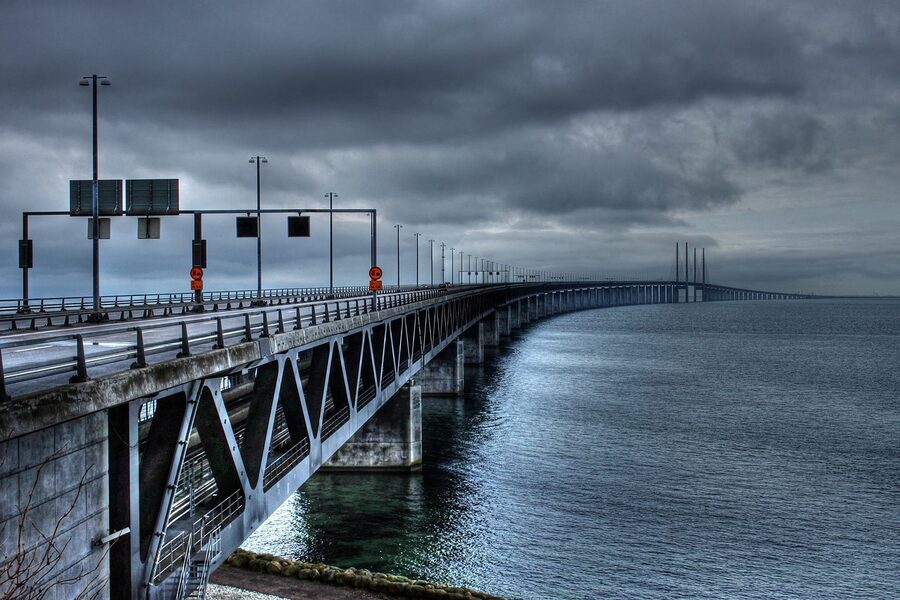
The cable-stayed bridge section in the middle has 204m pylons and a 490m main span. From distance it looks delicate. From a boat underneath it looks impossibly heavy. There’s no public access onto the bridge as a pedestrian. You cross it by car, bus, or train, full stop. The closest you can get on foot is from the Lernacken visitor area on the Swedish side, which is a 15-minute walk from a bus stop and worth doing only if you’re a bridge nerd.
How to Time Your Day
The day trip works best as a 9am-to-7pm operation. Earlier than 9 and Malmö isn’t really open. Later than 7 and you’re rushing for the last useful train back. Here’s the rhythm I’d suggest if you’re DIY-ing it.
9:00: Train from Copenhagen Central. Coffee on board.
9:45: Arrive Malmö Central. Walk into Old Town.
10:00 to 12:00: Stortorget, Lilla Torg, St Petri, casual wander.
12:00: Fika or early lunch on Lilla Torg.
13:00: Train to Lund. 14 minutes.
13:15 to 16:30: Lund Cathedral (aim for the 3pm clock chime), Kungshuset, Lundagård, colourful streets, Saluhallen for a snack.
16:30: Train direct from Lund back to Copenhagen Central. About 52 minutes.
17:30: Dinner in Copenhagen.
If you’re going Hamlet+Sweden, the timing is fixed by the tour. They typically leave Copenhagen at 8 or 8:30am and return between 5 and 6pm.
When to Go and What to Wear

Swedish weather doesn’t take kindly to being underdressed. Even in summer, evenings drop into single digits Celsius (around 10C / 50F is normal for a July night). Bring a layer regardless of when you visit. October to April you want a proper jacket, hat, gloves, and waterproof shoes. The wind off the Øresund cuts through everything.
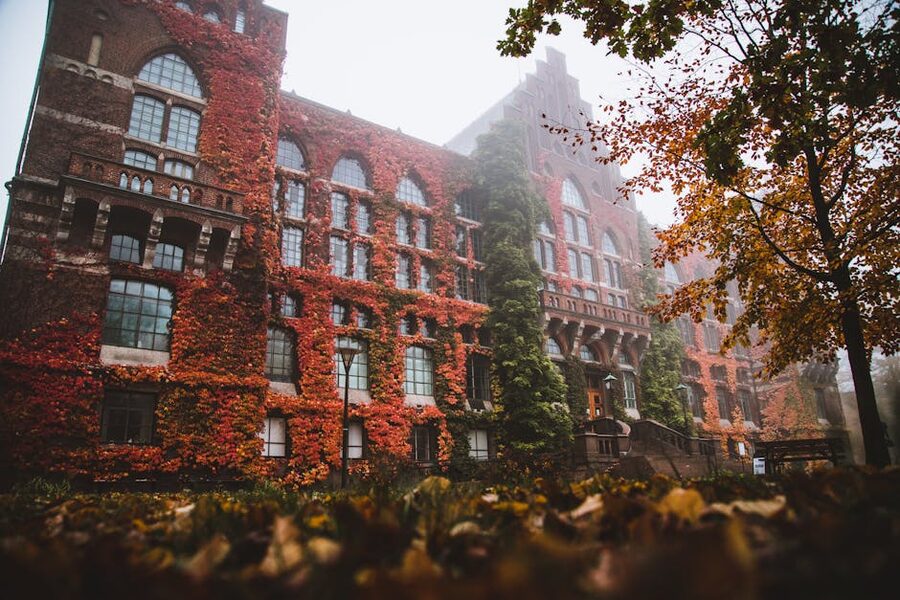
The most overrated time to go is December. Yes, the Christmas markets are pretty. But the daylight is gone by 3:30pm and you’ll spend half your day in the dark. The most underrated time is late September to mid-October. Autumn colours, no crowds, still mild enough to walk, and the light is gorgeous. If you have flexibility, that’s when I’d plan it.
One practical thing: most museums in Sweden are closed on Mondays. If you want to do Malmöhus Castle Museum or Kulturen open-air museum in Lund, plan for a Tuesday-Sunday visit.
Money, Passports, and Other Practical Stuff
Sweden uses the Swedish krona (SEK), Denmark uses the Danish krone (DKK). They look similar, they spend differently, and most places in Malmö won’t take DKK and vice versa. Bring a card with no foreign transaction fees and pay with that. Sweden is one of the most cashless countries on earth and many places, including some museums, no longer take cash at all.
Both countries are in the Schengen Area, so technically there’s no border control. In practice, since the 2015 migration crisis there are sometimes spot ID checks on the trains in both directions. Bring your passport. A driving licence won’t cut it for non-EU citizens.
Both countries have free public toilets in train stations (Malmö Central, Lund Central, Copenhagen Central all have them). Restaurants and cafés in both cities are slightly more relaxed about non-customers using the toilet than in, say, Paris, but it’s still polite to buy something.
Tipping: not expected in either country. A 5 to 10% round-up at restaurants is appreciated for good service. Don’t tip taxis, hotel staff, or guides unless they’ve genuinely gone above and beyond.
Combining With Other Things in Copenhagen
If you only have three or four days in Copenhagen, the Sweden day trip is one of those things you do or don’t do based on whether you’ve ever been to Sweden before. If yes, skip it and use the day for Frederiksborg or LEGOLAND. If no, do it. The contrast between Copenhagen’s hyggelig prettiness and Malmö’s gritty modernity tells you something useful about Scandinavia that one city alone won’t.
If you’re stitching this together with other day trips, the obvious pairing is the three-castle day trip out to Kronborg, Frederiksborg, and Roskilde. Different direction (north into Denmark instead of east into Sweden), different historical mood. Or pair this Sweden trip with a Carlsberg brewery tour on a different day, which gives you a half-day commitment instead of a full one. For getting around Copenhagen itself between day trips, the Copenhagen Card covers most major sights and free public transport, and the Hop-On Hop-Off Bus covers Carlsberg, Christiansborg, the Little Mermaid and Nyhavn in a single loop.
Within Copenhagen on the day before or after Sweden, the canal cruise is a one-hour commitment that gives you Copenhagen from the water (the city was built on the harbour, so this is genuinely the right way to see it). The Tivoli Gardens trip is an evening activity if you have spare hours. A guided Copenhagen walking tour on your first morning sets you up to navigate the rest of your stay efficiently. And if you’d rather see the city by bike, a Copenhagen bike tour is the local way to do it (90% of locals commute by bike, and they make this look effortless).
Common Questions
Do I need to book a tour or can I just turn up?
You can absolutely just turn up at Copenhagen Central and buy a train ticket on the day. Trains run every 20 minutes and you don’t need a reservation. The tour is for people who want a guide, want the Hamlet stop, or want the bridge crossing experience by road.
Can I do this trip in winter?
Yes, but expect short daylight, cold winds off the Øresund, and many fewer outdoor cafés open. Both cathedrals stay open year-round. Lund is genuinely magical with snow on it. Malmö is a bit grim in February. Pack accordingly.
Is the Øresund Bridge worth it just for the bridge?
If you’re a civil engineering enthusiast, yes. If you’re not, the bridge experience is honestly less dramatic from inside than the photos make it look. The view of the bridge from the Copenhagen waterfront on a clear day is arguably better than the view from on top of it. Take the train (which uses the tunnel), not a tour, if you can’t decide.
Can I just go to Malmö without Lund?
Sure, but I wouldn’t. Malmö alone doesn’t quite justify a full day from Copenhagen, since you’ll see everything in three hours and then be at a loose end. Adding Lund gives the day a proper shape: modern industrial city in the morning, medieval university town in the afternoon, two contrasts in one day.
What’s the cheapest way to do this?
One-way Öresundståg train tickets, no advance booking, one fika instead of a sit-down lunch, free entry to both cathedrals and St Petri. You can do the whole day for under $40 per person if you really stretch it. Most people will spend $60 to $80 once a sit-down lunch and a couple of museum entries are factored in.
Is it safe to walk around Malmö?
Yes, in the daytime tourist areas covered above (Old Town, Lilla Torg, Stortorget, Slottsparken). Like any city of 350,000 people Malmö has rougher neighbourhoods on the periphery. None of those are anywhere near where the day trips go. Use normal city sense and you’ll be completely fine.
Disclosure: We use affiliate links throughout the site. If you book a tour through one of our links, we earn a small commission at no extra cost to you. The opinions are our own and based on real experience.