
You’re somewhere on the top deck, somewhere between Skansen Kronan and the river, when it lands. Two hours in. You’ve already been to Liseberg, Universeum, the cobbled lanes of Haga, and the maritime cranes at Lilla Bommen, and your watch still says it’s morning. That’s the payoff of doing Gothenburg by hop-on hop-off bus: this city is spread across 14 islands and a river, and trying to walk it the way you’d walk Stockholm’s old town will eat your day before lunch.
The tickets are simple, the buses are frequent, and there are two competing operators (plus a separate boat option). Below is what each one actually covers, what to skip, and which one I’d book first.
For Linnégatan and the rooftop view: 24-Hour Gothenburg Hop-On Hop-Off Bus, $38. Retractable roof for Scandinavian weather.
If you want the river instead: Gothenburg Hop-On Hop-Off Boat, $40. Four river stops including Lilla Bommen and Nya Älvsborg fortress.

Gothenburg’s main HoHo route runs through the historic core, then loops south to the amusement parks and the museum quarter, then back along Avenyn to the central station. One full lap is about 50 minutes if you don’t get off, which most people misuse the first day by trying to ride the whole loop in one sitting. Do yourself a favour and treat the bus as a connector, not a tour.

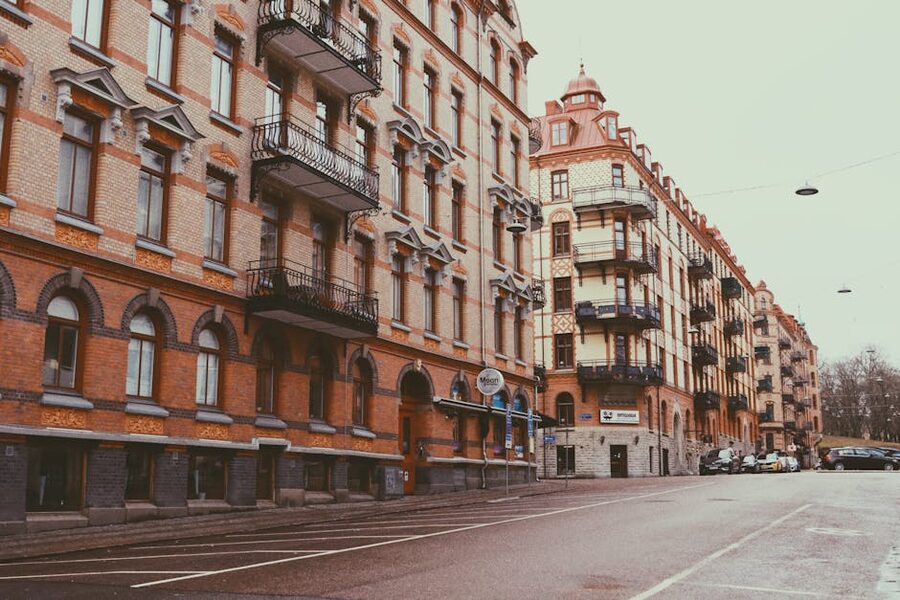
- How the Gothenburg HoHo system actually works
- Where the bus actually stops
- Kungsportsplatsen and Stora Teatern (start point)
- Avenyn and Götaplatsen
- Liseberg and Universeum (the museum quarter)
- Haga and Järntorget
- Skansen Kronan and Slottskogen
- Lilla Bommen and the Maritime Museum
- The three best Gothenburg HoHo tickets to book
- 1. City Sightseeing Gothenburg Hop-On Hop-Off:
- 2. 24-Hour Gothenburg Hop-On Hop-Off Bus (Stromma):
- 3. Gothenburg 24h Hop-On Hop-Off Boat:
- How to book and what 24 versus 48 hours actually buys you
- Bus, Paddan boat, or amphibious? Picking your mode
- What to do at each stop in 30 minutes or less
- Quick stops (15-30 minutes is enough)
- Half-day or longer stops
- Best time of day, best time of year
- Getting to and from the bus loop
- What the HoHo doesn’t cover
- Can you skip the HoHo and just use trams?
- The Go City Pass question
- A short history of why Gothenburg is laid out like this
- What to expect from the audio commentary
- Practical tips before you book
- If you’re combining HoHo with other Gothenburg tours
- One last thing about ticket validity
- Putting it all together: more Gothenburg booking guides
How the Gothenburg HoHo system actually works
There are two competing bus operators (Stromma’s red bus and City Sightseeing’s green bus) plus a Paddan-operated boat that’s marketed as a HoHo. They use different tickets, different stops, and different schedules. You can’t pool them. Pick one before you arrive.
Here’s the practical breakdown:
- City Sightseeing (green bus): 8 stops, 50-minute loop, audio in 7 languages, daily departures roughly 10:30 to 16:00 in shoulder season. The most-booked of the three.
- Stromma red bus: also 8 stops, same loop length, retractable roof, audio in 6 languages. Departure point at Stora Teatern by Kungsportsplatsen.
- Paddan HoHo Boat: 4 stops on the river and harbour, 50-minute loop. Different network, different ticket.
The two buses cover almost identical ground. The green bus has a small edge on language coverage and is the one you’ll see referenced most often when you search “how to book a hop-on hop-off bus” on the Sweden side of the planet. The red bus’s retractable roof is genuinely useful in October and April, when the sky over Gothenburg can switch from clear to grey in twenty minutes. If you’re booking for July, it doesn’t matter much.

Where the bus actually stops
Both bus operators cover the same eight-ish stops with minor variations. Here’s what matters about each, and what’s worth getting off for.
Kungsportsplatsen and Stora Teatern (start point)
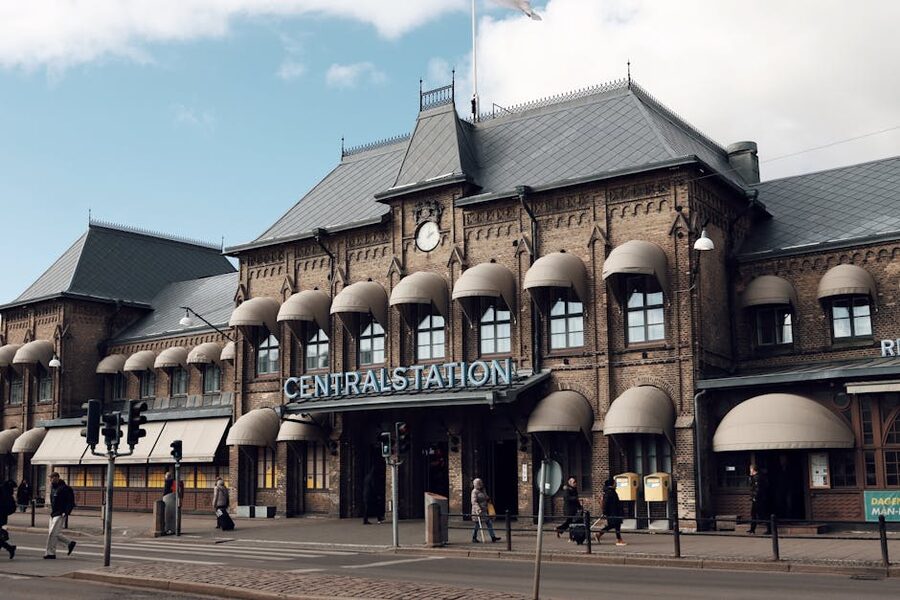
This is where most loops begin. It’s central, on the moat-canal, and within five minutes of Brunnsparken (the tram interchange) and the start of Avenyn. If you’re arriving at Central Station, take any tram three stops to Kungsportsplatsen and start your loop here. If your hotel is in Haga or near the river, board further round.
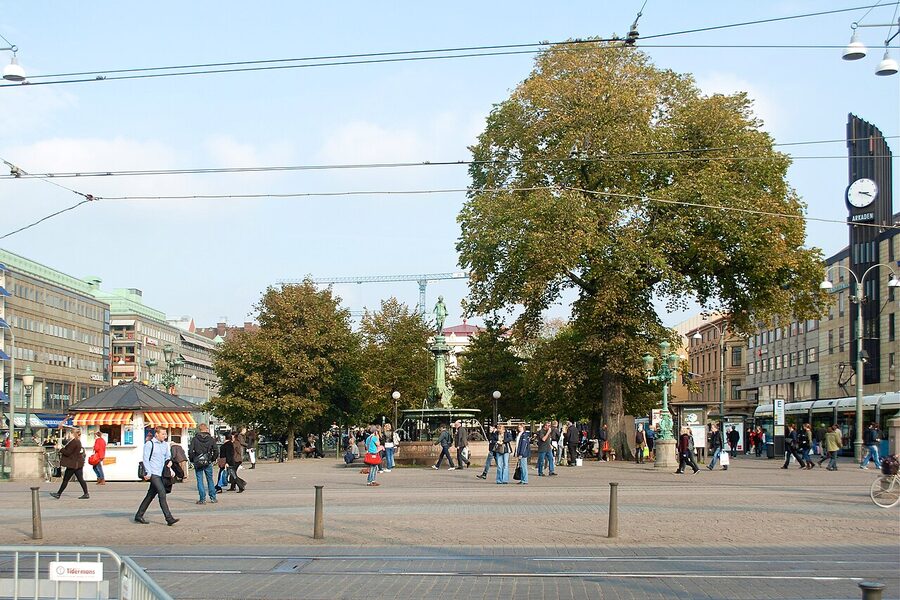

Avenyn and Götaplatsen
Avenyn is Gothenburg’s main boulevard, and Götaplatsen is where it ends, fronted by Carl Milles’ Poseidon fountain and the Gothenburg Art Museum. This is the stop most people get off at first. Worth doing. The art museum is good (Nordic light section especially), and the walk back down Avenyn to the centre takes about 15 minutes if you stop for a coffee.


Liseberg and Universeum (the museum quarter)
Both the City Sightseeing and Stromma buses make a stop within a few minutes’ walk of Liseberg and Universeum. If you bought a separate Liseberg or Universeum ticket, plan to spend three hours plus here. The HoHo isn’t going to wait for you. If you want a one-ticket-fits-all approach to this part of town, the Gothenburg Go City Pass bundles both venues plus the HoHo bus, which is the combination most people end up regretting they didn’t buy on day one.

.jpg)
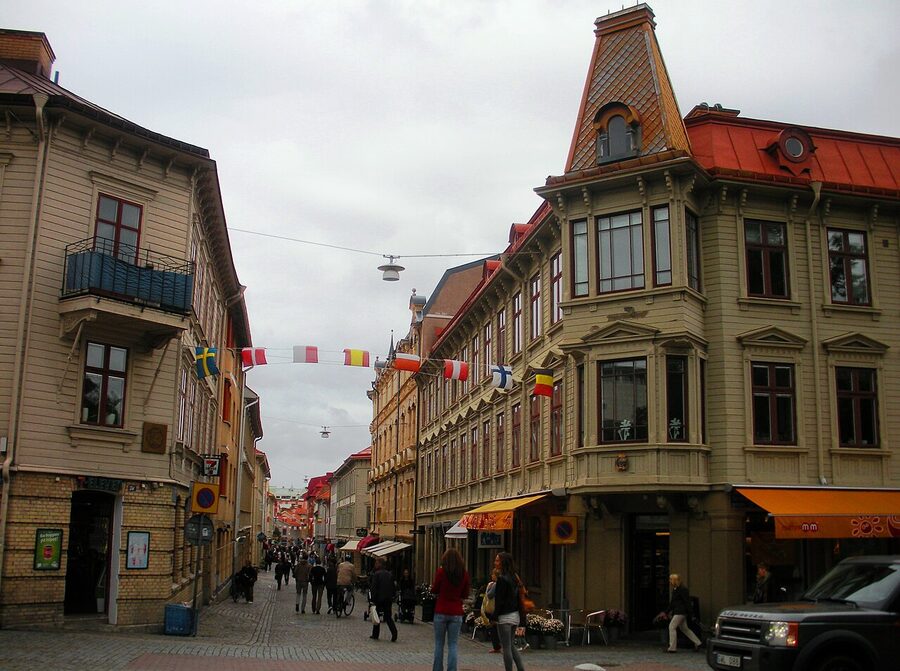
Haga and Järntorget
Haga is the historic 19th-century working-class district, now full of cafés and the kind of cinnamon buns (hagabullen) that are bigger than your face. Järntorget is the square at its eastern edge, with trams in every direction. This is the stop I’d get off at for lunch. Skip the first café you see; walk one block in to Husargatan and pick whichever is busiest with locals at 2pm.

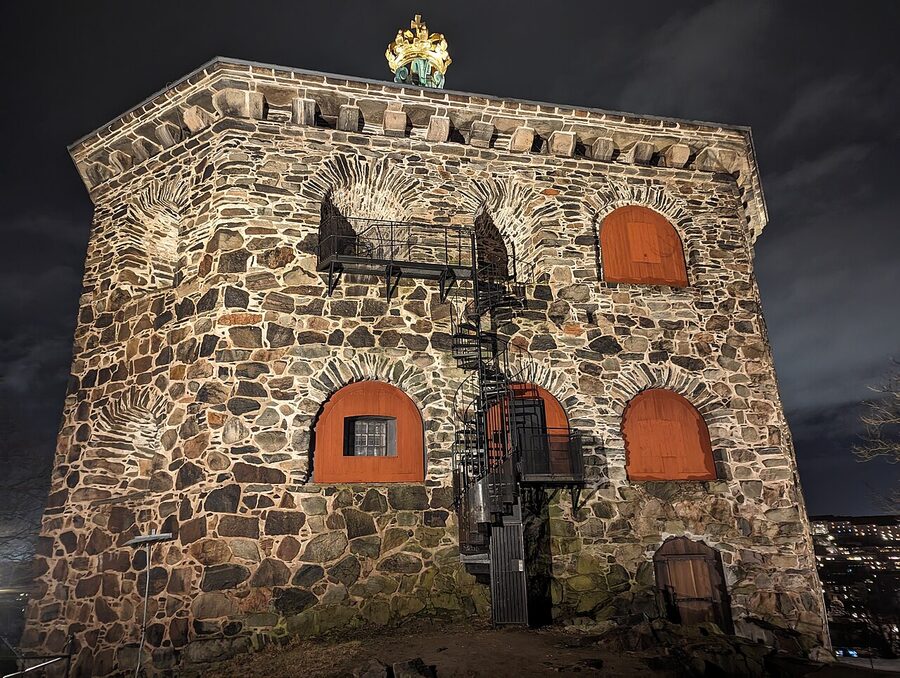
Skansen Kronan and Slottskogen
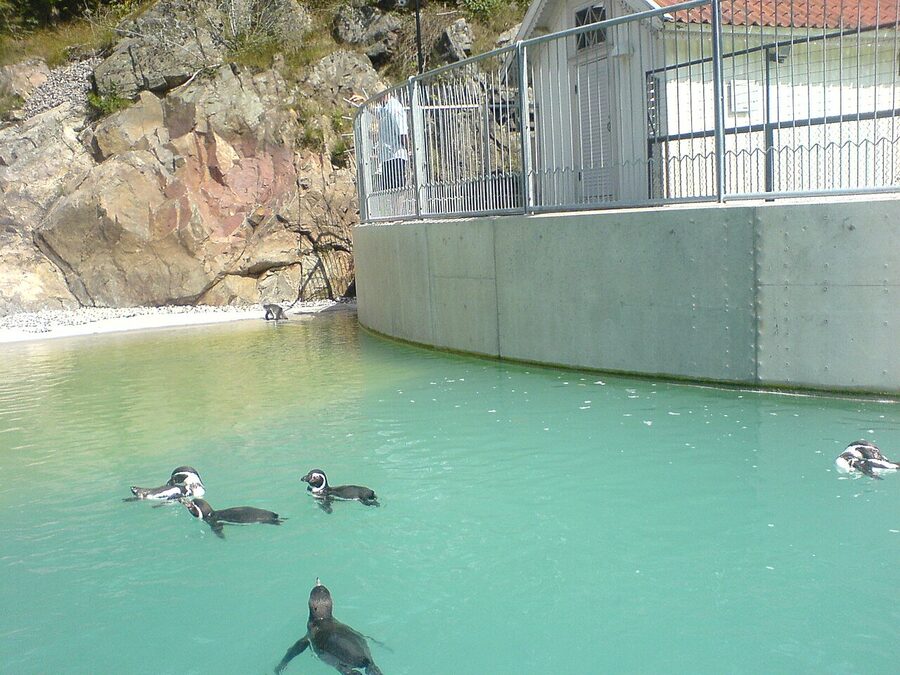
Skansen Kronan is the squat 17th-century crown-shaped fortress on the hill above Haga. The walk up is steep but short (10 minutes from the bus stop), and the view is the best free city panorama you’ll get. Slottskogen is Gothenburg’s Central Park, with free penguins (yes, really, at the small zoo) and a deer enclosure. Family stop.
Lilla Bommen and the Maritime Museum
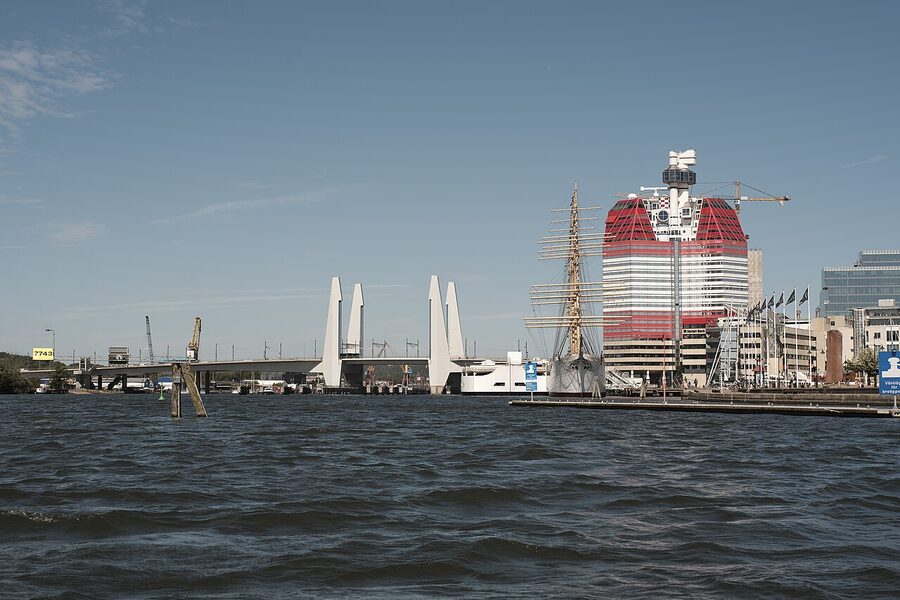
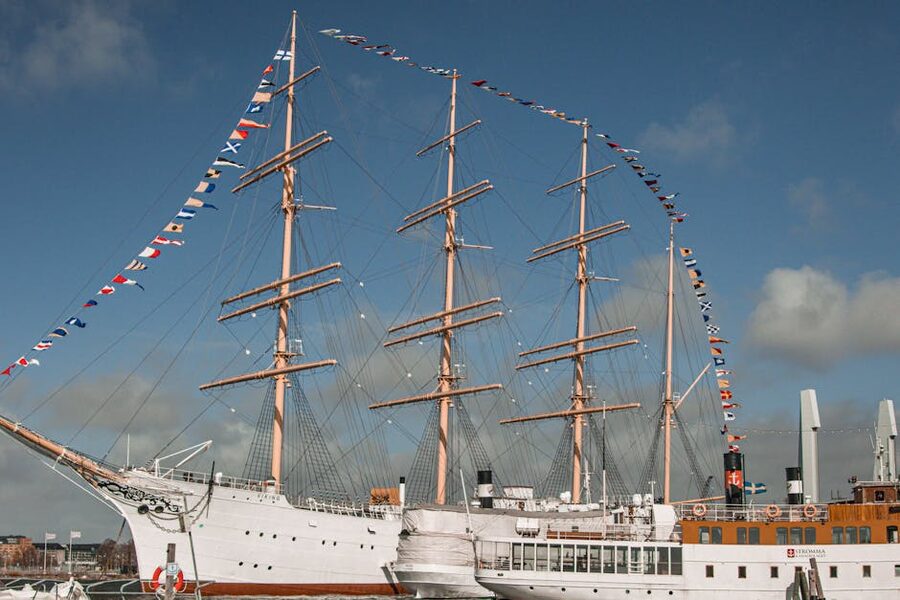
Lilla Bommen is the harbour quarter at the bottom of the Götaälvbron bridge. The signature building is the Lipstick (the red-and-white Skanskaskrapan office tower), and right alongside is the Barken Viking, a four-mast tall ship that’s now a hotel and restaurant. The Maritime Museum (one of the largest floating museum collections in the world) is a 10-minute walk further west. Both HoHo operators stop here, and it’s the obvious place to combine your bus loop with a Gothenburg archipelago cruise in the same afternoon.

The three best Gothenburg HoHo tickets to book
Three options are worth your money. The two bus tickets cover most of the same ground, so the choice mostly comes down to which audio language you need and whether you care about a roof. The boat is a different category, so book it as a complement, not a substitute.
1. City Sightseeing Gothenburg Hop-On Hop-Off: $38
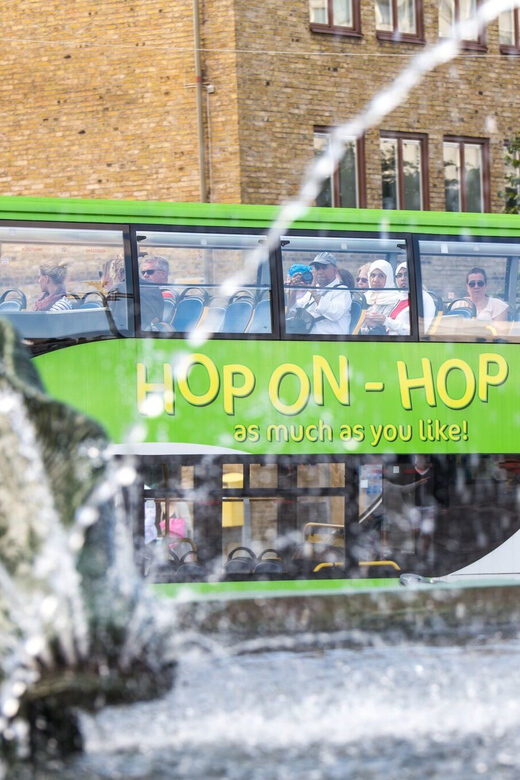
This is the default pick for most travellers, and it’s the one I’d book if you’ve never used a HoHo before. Eight stops, a clean 50-minute loop, audio commentary in seven languages, and the schedule is dense enough that you almost never wait more than 30 minutes for the next bus. The trade-off is the published end time around 4pm, which sometimes shifts by a stop in shoulder season. Read the full review for the timing details that catch most first-time bookers out.
Check Availability
Read our full review
2. 24-Hour Gothenburg Hop-On Hop-Off Bus (Stromma): $38

The Stromma version is the one to pick if you’re booking for April, October, or any week where the forecast says “occasional showers.” The retractable roof closes in about a minute, which I appreciated when a Gothenburg drizzle hit just past Götaplatsen one September afternoon. Stops are nearly identical to City Sightseeing’s, but you also get a closer drop-off for Linnégatan, the most underrated eating street in the city. Our deeper Stromma review covers the roof timing and the multi-destination Bus & Boat ticket if you’re heading to Stockholm or Malmö after.
Check Availability
Read our full review
3. Gothenburg 24h Hop-On Hop-Off Boat: $40
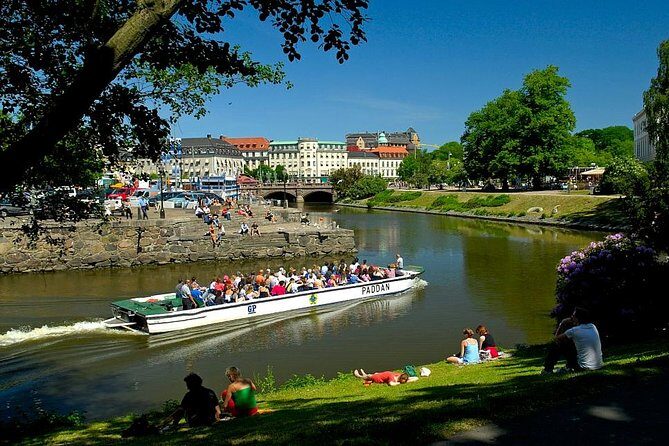
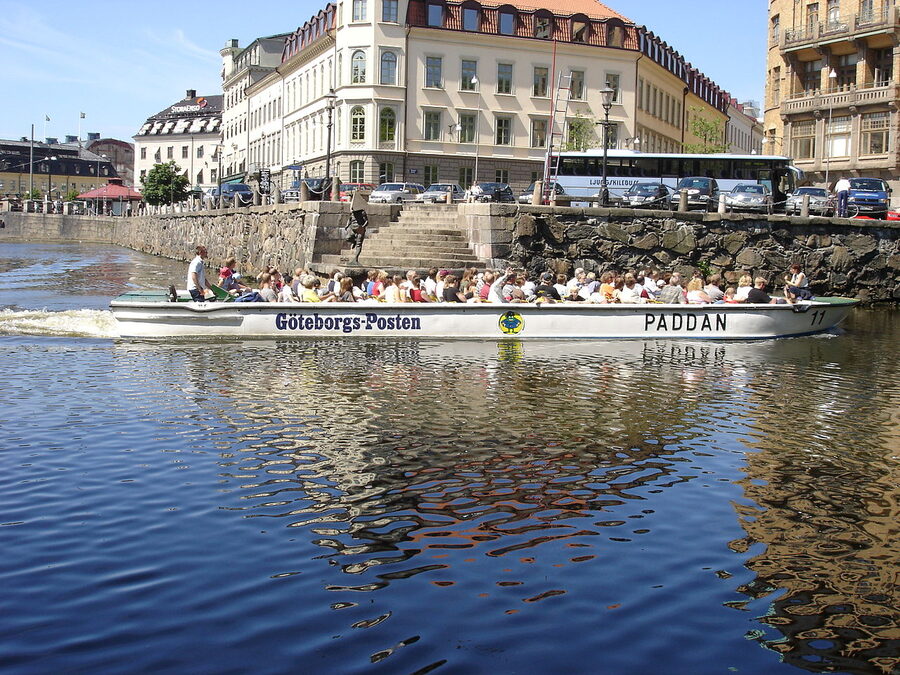
This isn’t a bus, but it’s marketed alongside the HoHo system and answers the same problem: how do you cover the river side of Gothenburg without paying for a sit-down cruise? Four stops, a 50-minute loop, and a real onboard guide instead of a recording. Bring a windproof; the open-deck section past Älvsborg gets cold even in July. Our full Paddan boat review covers the timing and seasonal cancellations to watch for.
Check Availability
Read our full review
How to book and what 24 versus 48 hours actually buys you
Tickets are sold as 24-hour or 48-hour passes on both bus operators. The 24-hour ticket activates the first time you scan it on board, not when you buy it. Buy online a day or two before to lock in the price (paper tickets bought from the driver run a few krona more in summer).
The 48-hour ticket only makes sense if:
- You’re staying out by the airport or in a suburb and the HoHo is also your daily transit
- You want to do Liseberg and Universeum on separate days without re-buying a transit ticket between
- You’re city-passing the rest of your sightseeing and just want flexibility
If you’re staying centrally and have only two days, you don’t need 48 hours of HoHo. One full day of bus loop plus a half-day of trams (which is a separate ticket) covers it. The exception is if you’re using a city pass that bundles the HoHo and you’ve already paid for it; then ride it as much as you want.
Bus, Paddan boat, or amphibious? Picking your mode
Gothenburg has three sightseeing modes that all run on the hop-on hop-off principle, and people get them confused.
- Hop-on hop-off bus: best for hitting Liseberg, Universeum, Götaplatsen, and Haga in one day. Land routes only.
- Hop-on hop-off boat: best for the river, Lilla Bommen, the harbour side, and the Älvsborg fortress. Doesn’t reach the museum quarter.
- Amphibious bus (Ocean Bus): a single 90-minute fixed loop that drives the historic core and launches into the river. Not a hop-on; you ride it once. We’ve covered the booking detail in how to book the Gothenburg amphibious bus, which is the closest comparison to Stockholm’s amphibious tour for anyone who’s done that.
The combination most travellers end up wishing they’d booked: HoHo bus on day one, amphibious bus mid-morning on day two as a victory lap. The boat HoHo is a nice-to-have if you want to spread the river content over two visits, but it doesn’t replace either bus.

What to do at each stop in 30 minutes or less
If you’re trying to ride the loop and actually see things, you need a plan for what counts as a quick stop versus what eats your day. Here’s the honest read.
Quick stops (15-30 minutes is enough)
- Götaplatsen: walk up the steps, look at the Poseidon, photograph the museum facade. Done.
- Skansen Kronan: walk up, look at the view, walk down. The fortress interior is closed most of the year so you’re really there for the panorama.
- Lilla Bommen: photo at the Skanskaskrapan and the Barken Viking, then back on the bus. The Maritime Museum is a separate trip you’d plan for half a day.
- Brunnsparken: pure interchange. Get off only if you’re switching to a tram or running into a department store.
Half-day or longer stops
- Liseberg: do not get off here unless you’ve blocked at least three hours. The amusement park ticket is separate and the queues at peak summer can hit 90 minutes for headline rides.
- Universeum: science centre and rainforest. Easily half a day if you’ve got kids. The Universeum ticket guide covers the timing strategy.
- Haga: lunch and a wander. 90 minutes if you’re efficient, longer if you’re stopping for the cinnamon bun. Pair with the guided Haga walking tour if you want context for the building styles.
- Slottskogen: full afternoon if you’re chasing the penguins, the deer enclosure, and a walk through the natural history museum.

Best time of day, best time of year
The first bus of the day is the smartest one to catch. Both operators start around 9:30 to 10:00 in summer (later in winter), and the early run gets you to Liseberg or Universeum before the queues build. The 4pm last bus catches a lot of people out: if you’re at Götaplatsen with two stops still to go, you might be walking back to the centre.
Best months: late May through August, when both operators run their full schedules and the open top deck is actually useful. April and September are fine if you’re prepared for cold-and-clear or grey-and-windy. October to March, frequencies drop and one of the two operators usually reduces to weekends only, so check before you book.


Getting to and from the bus loop
From the airport (GOT, Landvetter), the Flygbussarna airport coach runs every 15-20 minutes to Nils Ericson Terminalen, the long-distance bus station next to Central Station. From there, walk five minutes (or take any tram one stop) to Brunnsparken or Kungsportsplatsen and join the HoHo loop. From the cruise terminal at Frihamnen, both bus operators offer a free shuttle to the closest HoHo stop; confirm pickup time with the operator the day before.
If you’re driving, don’t. Park at one of the P-houses near Heden or Centralstationen and walk to the start point. The loop covers everywhere you’d want to drive to anyway.

What the HoHo doesn’t cover
This is where the HoHo bus shows its limits: it’s a bus tour, not a transit network. Three things sit just outside the loop and most travellers don’t realise until they’ve used up their pass.
- The southern archipelago islands (Brännö, Styrsö, Vrångö): you reach these with the Styrsö ferry from Saltholmen, end of tram line 11. The HoHo doesn’t go there. Plan a separate half-day, or book a guided archipelago cruise if you’d rather not figure out the ferry timetable yourself.
- Volvo Museum: out at Arendal, Hisingen island. Tram or shuttle bus, not HoHo.
- Älvsborg fortress: only the Paddan HoHo Boat goes here. The land buses don’t.

Can you skip the HoHo and just use trams?
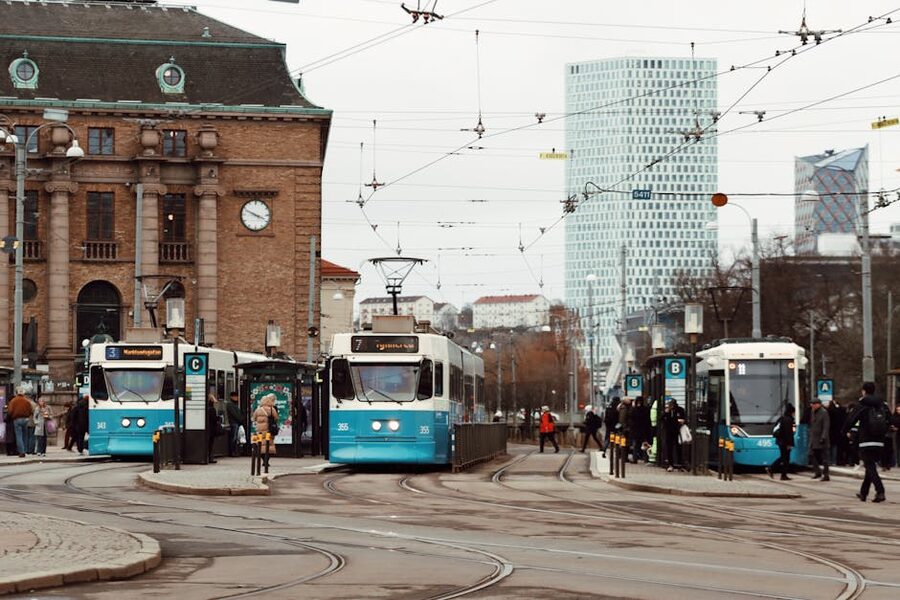
Honest answer: yes, if you’re a confident transit user and don’t care about commentary. A 24-hour Västtrafik travel card runs roughly half the price of a HoHo ticket and covers all trams, buses, and ferries within Zone A (which includes the entire central area and Saltholmen for the archipelago).
What you lose with the tram-only approach:
- Top-deck views (Gothenburg trams are single-deck and the windows are designed for grey-day visibility, not photography)
- Audio commentary at every stop
- The dedicated stops at Skansen Kronan and Slottskogen south gate (trams stop further away)
What you gain: a much later operating window (trams run past midnight), more frequencies, and the option to take the tram out to Saltholmen for the archipelago. If you’re staying four days or longer, I’d buy a multi-day Västtrafik card and use the HoHo for one focused day, not the whole trip.

The Go City Pass question
The HoHo bus is bundled into the Gothenburg Go City Pass, which also covers Universeum, Liseberg one-day entry, the Maritime Museum, the Aeroseum, and a stack of smaller venues. Whether it pays off depends on how many of those you’d visit anyway.
Rough maths from a recent trip: HoHo $38, Universeum entry around $27, Liseberg around $50, Maritime Museum $15. That’s $130 in entries before you’ve added the World of Volvo or the boat. The 2-day pass typically lands around $115, which means you’re saving real money if you do at least three of those venues. Walk through the full breakdown in our Gothenburg Go City Pass guide.
A short history of why Gothenburg is laid out like this
One thing the audio commentary glosses over: Gothenburg was built on a Dutch grid because Gustavus Adolphus invited Dutch engineers to design it in 1621. They drew straight canals and a moat where you’d expect winding medieval streets, which is why the city centre still feels strangely rectangular and easy to navigate compared to Stockholm or Malmö. The original moat is still there. You cross it three times on the HoHo loop without realising.
The Haga district was added later, in the 18th and 19th centuries, as the working-class quarter outside the moat. The wooden upper floors on stone bases (those landshövdingehus houses) date from a 1875 building rule that allowed three storeys of wood as long as the ground floor was stone. Three storeys of wood saved money. Hence the look.
What to expect from the audio commentary
Both operators provide audio commentary via a hand-held earpiece (City Sightseeing) or in-bus headphones (Stromma). Quality is honest: useful at the major stops, repetitive at the minor ones, and occasionally out of sync with where the bus actually is if traffic backs up around Brunnsparken or Liseberg. Treat it as supplementary, not as a guided tour.
The translation quality varies by language. English and German are professional; the other languages have been recorded by reliable native speakers but with occasional weird emphases. Spanish on the green bus is the strongest of the smaller-language tracks I’ve sampled. If you’re Italian, lower your expectations and bring a guidebook.
Practical tips before you book
- Book online the day before. The price is the same, you skip the queue at the start point, and you lock in the operator with the best schedule for your arrival time.
- Activate on first scan, not first purchase. A 24-hour ticket bought at 6pm activates when you board the next morning, not at 6pm.
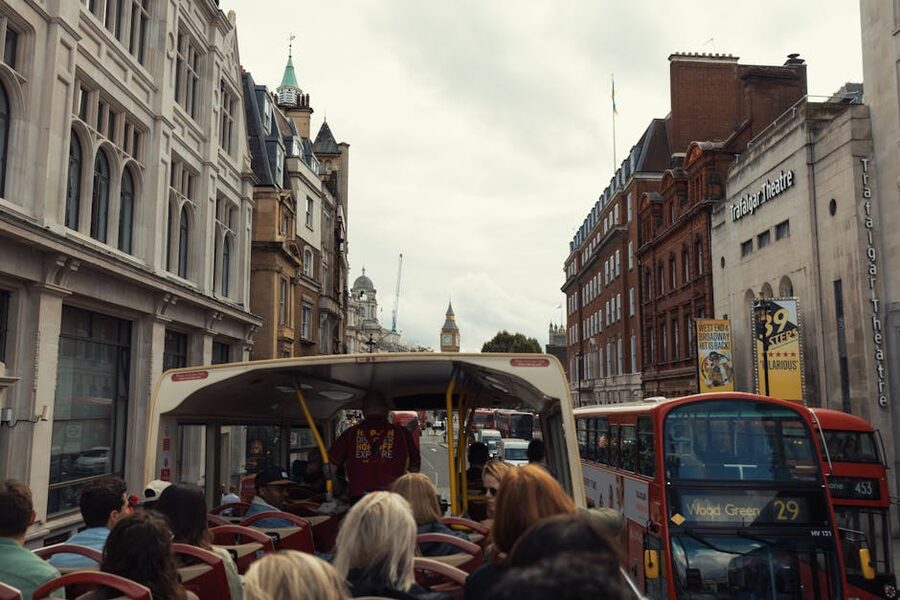
- Sit upstairs unless it’s actively raining. Both bus rooflines obscure half the view from the lower deck.
- Bring earphones that fit your ears. The provided earbuds are functional, not great.
- Don’t try to do the whole loop in one sitting on day one. You’ll burn out before Götaplatsen.

If you’re combining HoHo with other Gothenburg tours
The HoHo bus pairs naturally with the boat-based tours and with the museum-quarter tickets. The combinations that make the most sense in one trip:
- HoHo bus + amphibious bus + walking tour Haga: covers the historic core, the river, and the food street in one packed day. The amphibious bus is the standout if you’ve never seen a vehicle drive into a river before.
- HoHo bus + archipelago cruise: best for travellers who want both the city and the islands. Take the HoHo in the morning, the cruise in the afternoon.
- HoHo bus + Universeum + Liseberg via the Go City Pass: the family combo. Two full days of attractions on one digital pass.
If you’re doing Stockholm before or after, the equivalent there is the Stockholm hop-on hop-off bus, which has a similar 24-hour structure but covers a denser old town and longer waterfront. Useful for the comparison if you’re trying to figure out how much time to budget per city.
One last thing about ticket validity
Both bus operators sell the 24-hour ticket as “24 hours from first scan.” The 48-hour version is “48 hours from first scan.” That sounds obvious until you realise the day-counter is rolling, not calendar-based. Scan at 11am Tuesday, your 24-hour ticket dies at 11am Wednesday. Ride one bus at 10:50am Wednesday and you’re golden for the rest of that loop. Plan accordingly.
Refunds: free cancellation up to 24 hours before the start time on both major operators if you book through GetYourGuide or Viator. Direct bookings on the operators’ own sites are usually less flexible.
Putting it all together: more Gothenburg booking guides
The HoHo bus is the spine of a Gothenburg sightseeing day, but it’s not the whole skeleton. If you’re planning a multi-day trip, pair it with the Ocean Bus amphibious tour for the river-and-land combo, then book the Paddan canal cruise for the moat system the buses skim past. For the museum quarter, the Universeum ticket guide covers the rainforest and the Nordic wildlife floor in detail, and the Haga walking tour fills in the historical context that the audio commentary on the bus glosses over. If you’re spreading the cost over multiple attractions, the Go City Pass guide walks through whether the bundle pays off for your itinerary. And for the archipelago side of Gothenburg, the archipelago cruise guide covers the half-day boats that the HoHo bus simply can’t reach. For Sweden-wide planning, the Stockholm hop-on hop-off bus and the Stockholm Pass are the two articles to read next if your trip continues east.
Affiliate disclosure: links to GetYourGuide and Viator earn us a small commission if you book through them, at no extra cost to you. We only recommend tours we’d book ourselves.