
The first thing you notice is the click and screech of a swing bridge cranking open above your head. Then the cold canal air, the faint smell of fish drifting over from Feskekôrka, and that very Swedish moment where the guide says, in a voice that gives nothing away, “now please duck.” Welcome to the Paddan, Gothenburg’s 50-minute canal cruise through a 17th-century moat the Dutch dug when this city was barely a city.
Longer route: Paddan Cruise on the River Säveån, $43. Two hours that adds the green Säveån river loop, locals call it Gothenburg’s Amazon.
For groups: Lets Boat Self-Drive Electric Boat, $99 for up to 12. No license needed, you skipper your own crew through the canals at your own pace.
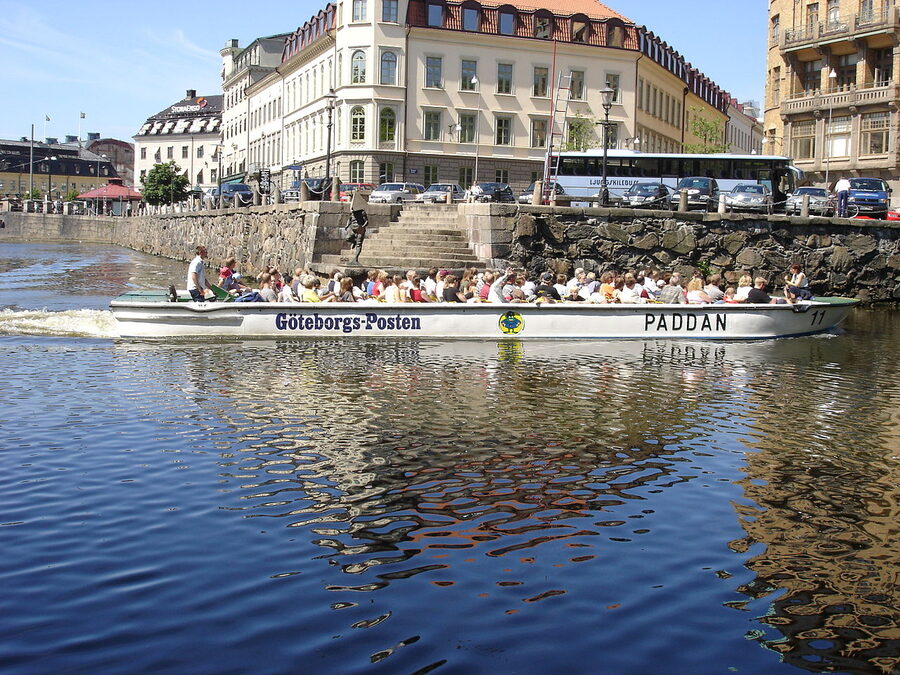

I’ll be honest, I almost skipped this one. A canal tour sounded like a touristy thing to tick off, the kind of activity you do because you’ve already seen the harbour and ridden the trams and run out of ideas. I was wrong. The Paddan is the single best way to actually understand the shape of Gothenburg, why the streets bend the way they bend, why there’s a fish church next to a parliament building, why the tram lines do what they do. You climb out 50 minutes later and the city has rearranged itself in your head.

.jpg)
- What you actually book when you book “the canal cruise”
- In a Hurry: 3 Ways to Get on the Water
- 1. Paddan City Canal Sightseeing Cruise:
- 2. Paddan Cruise on the River Säveån:
- 3. Lets Boat Self-Drive Electric Boat: per group
- How to actually book it
- Where the boat actually leaves from
- What to bring
- The Cheese Slicer and the eight bridges
- What you actually see, in order
- The 17th-century origin story (worth reading before you go)
- When to go: month by month
- Two practical things nobody mentions
- The self-drive option, briefly
- Combining the canal cruise with other Gothenburg things
- The Stockholm comparison, for context
- Should you bother if you’ve only got one day in Gothenburg?
- The water-based way to see the city
What you actually book when you book “the canal cruise”
The phrase “Gothenburg canal cruise” gets used loosely. Search for it and the first results are often the Göta Canal, a four-day, cross-country trip on a different scale entirely. That’s not what we’re talking about here.
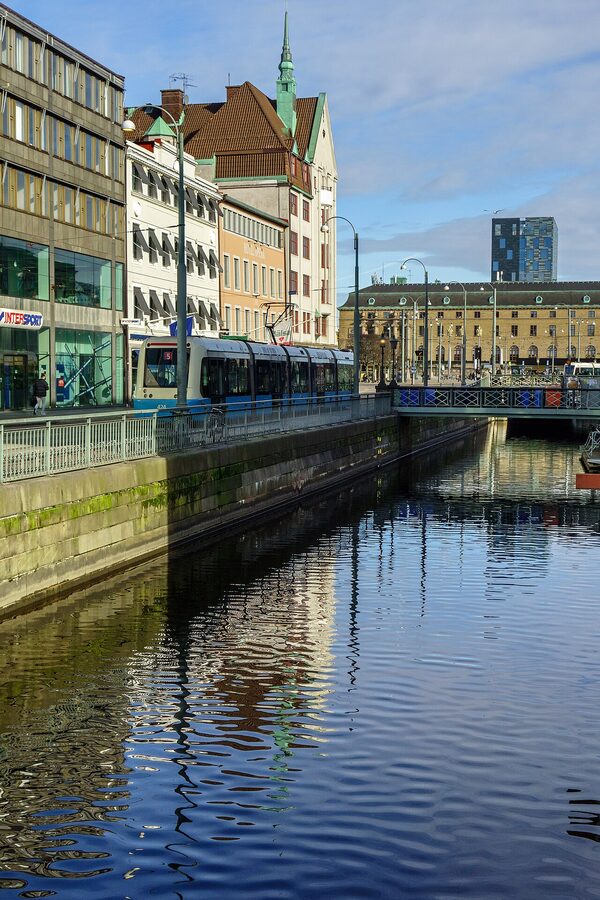
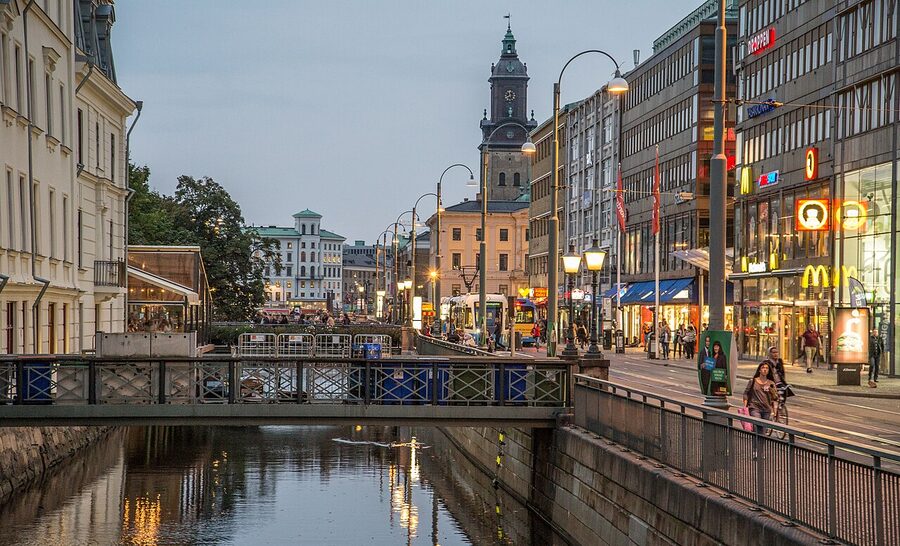
The Paddan is the city tour. Fifty minutes, flat-bottomed open boat, leaves from a quay right at Kungsportsplatsen in the middle of town. It threads the old defensive moat (the Dutch engineers who designed Gothenburg in 1621 modelled it on Amsterdam, you’ll see the family resemblance immediately), pops out through Stora Hamnkanalen, ducks under the Cheese Slicer bridge, brushes past Feskekôrka, and finishes with a quick run into the harbour to look up at the cargo cranes and Lilla Bommen before swinging back.

Two operators run a “Paddan” branded canal trip. The original is Strömma’s classic city loop, 50 minutes, $30 a head when you book online. The longer version goes further upstream into the Säveån river and runs about two hours, but it’s the same boat style and the same 1939 fleet. You can book either through the same platform.
Then there’s the self-drive option, where you skipper a small electric boat yourself. That’s a different experience entirely, more of a private mini-cruise for a small group. I’ll come back to it.
In a Hurry: 3 Ways to Get on the Water
1. Paddan City Canal Sightseeing Cruise: $30

This is the one almost everyone means when they say “the Paddan.” Live commentary in English and Swedish, the guide is the show as much as the canal is, and our full review of the Paddan canal cruise covers the route in more detail. The boats fill up in summer, so book a morning slot if you can.
Check Availability
Read our full review
2. Paddan Cruise on the River Säveån: $43
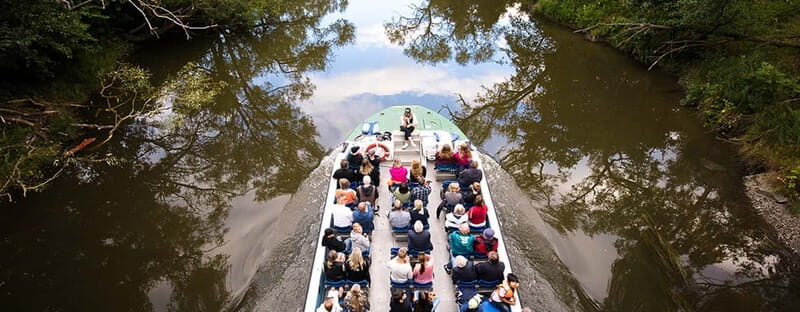
If 50 minutes feels too short, this is the upgrade. Same Paddan boats, same guides, but you get the moat-canal section AND the Säveån river loop. Our full review of the Säveån Paddan cruise covers the river-side highlights. Best in late spring and summer when everything’s green.
Check Availability
Read our full review
3. Lets Boat Self-Drive Electric Boat: $99 per group
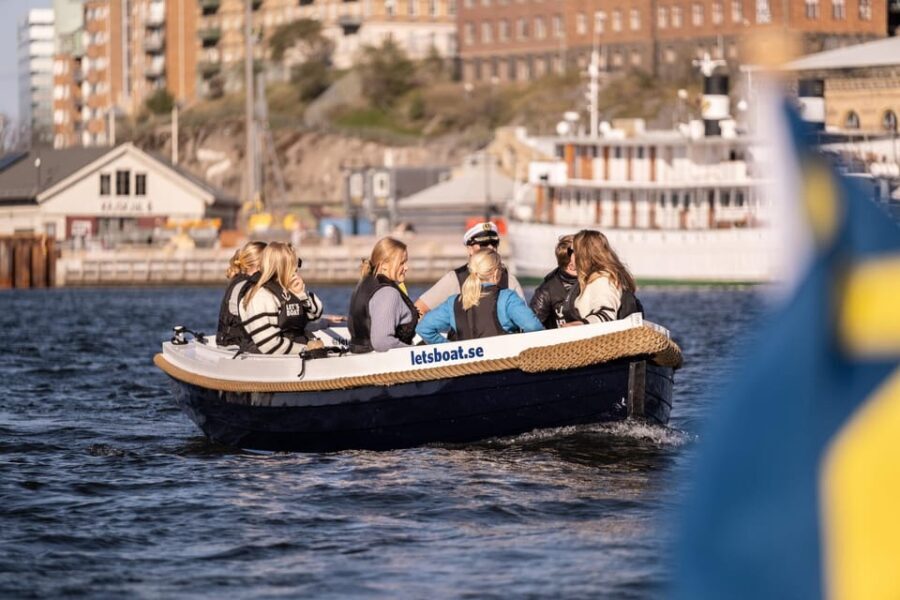
$99 splits across up to 12 people, which makes it the cheapest per-person option if you’re a family or a friend group. No experience needed, no license, the boat comes with a digital guide. It’s worth reading our Lets Boat self-drive review for what to expect on the controls. Bring a coat, the canal is cold even in July.
Check Availability
Read our full review
How to actually book it
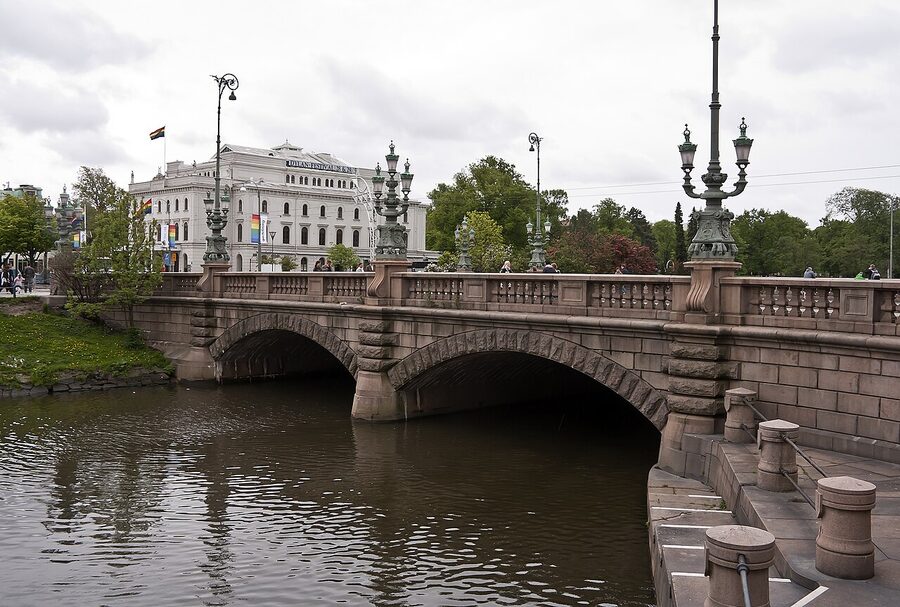

You can walk up and buy a ticket at Kungsportsplatsen, no problem. The kiosk is right there, the boats run every 30 to 60 minutes from late April through mid-September. But online tickets are usually a few euros cheaper, and in peak summer the busiest departures (mid-morning and the 3pm slot) sell out a few hours ahead.
Booking ahead also picks your departure time, which matters more than you’d think. The light at noon is flat. The light at 5pm in July, low and golden raking across the canal water, is the postcard. Book that one.
Refunds are flexible: most online platforms let you cancel up to 24 hours ahead for a full refund. Worth knowing if Gothenburg weather decides to hand you a sideways rainstorm.
Where the boat actually leaves from
Kungsportsplatsen, on the south side of the moat-canal in central Gothenburg. Tram stop “Kungsportsplatsen” drops you 30 seconds from the boarding point. If you’re walking from Central Station, it’s about 12 minutes south down Östra Hamngatan, you’ll see the canal and then the boats.
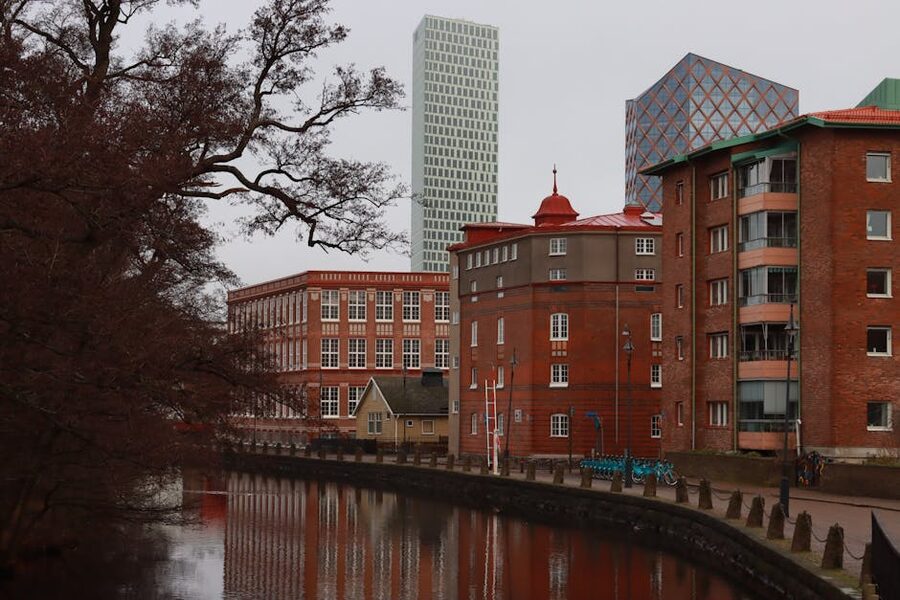
What to bring
A jacket, even on warm days. The canal cuts through stone and runs cool, plus once you’re out on Stora Hamnkanalen the wind picks up. Sunglasses for the harbour stretch. A small daypack you can sit on your knees, the boat seats are bench-style and there’s no overhead storage.
And, weirdly important, something on your head that comes off. Hats and the Cheese Slicer bridge do not get along.
The Cheese Slicer and the eight bridges
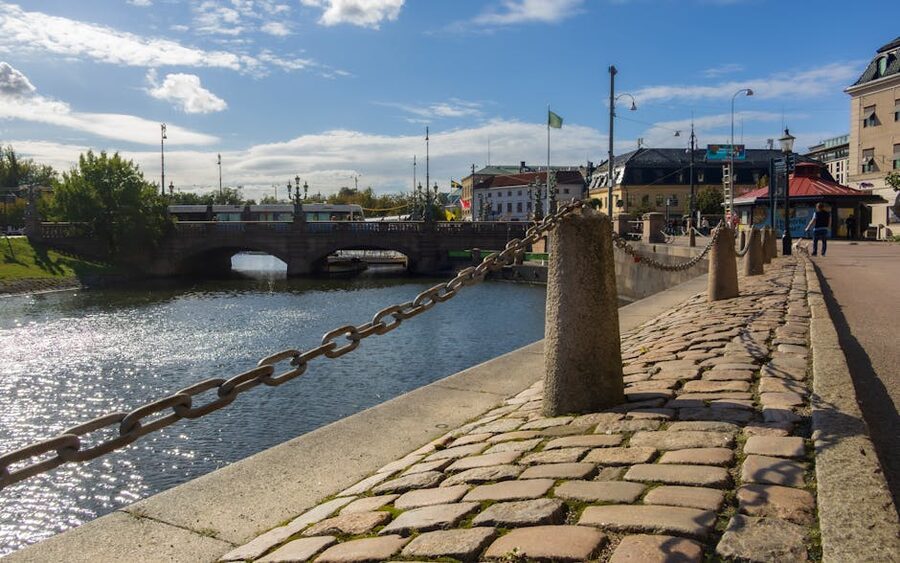
The route goes under about 20 bridges in total, but the eight in the inner canal stretch are the famous ones. They were built when the boats people used were a lot smaller, and nobody updated the bridges when the modern Paddan rolled out.
The Osthyveln, the “Cheese Slicer,” is the one that gets every photo. The clearance is so low that on a still summer day with the water at full height, the bench seats inside the boat have to be vacated and everyone lies flat on the boards. The guide tells you when. Children love it. Tall adults look haunted afterwards. I’m 6 foot and I genuinely thought my nose was going to scrape the underside the first time, it doesn’t, but it feels like it will.
Some Paddan boats have a sliding canopy that retracts before the low bridges. Some don’t, those are the open ones. The route’s the same on both, the open ones are nicer in summer, the canopy ones are nicer when it’s drizzling.
What you actually see, in order
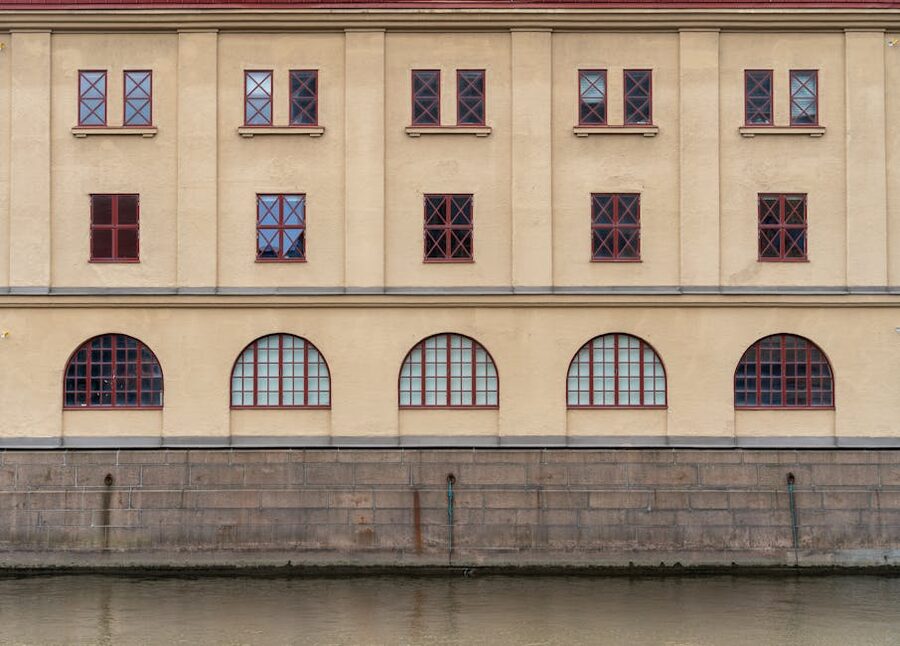
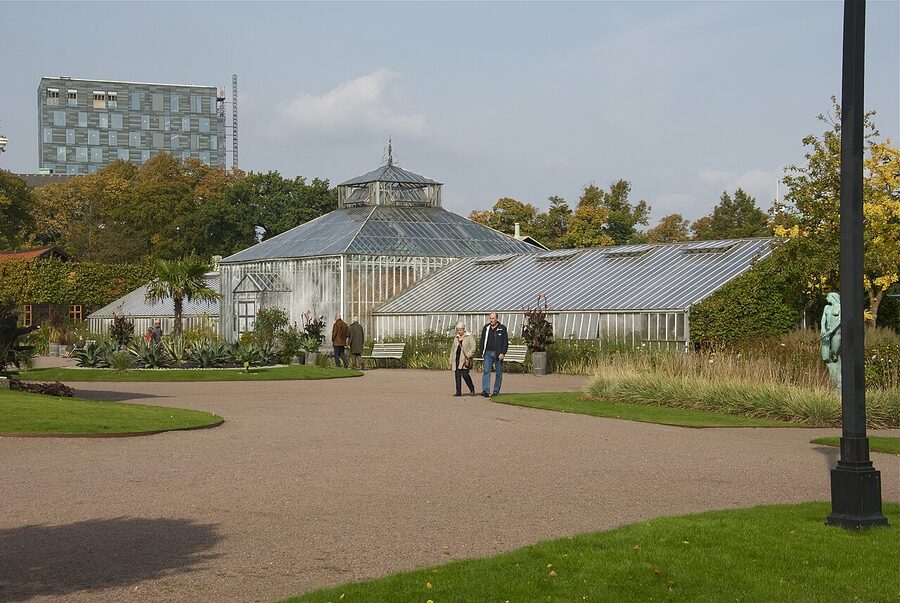
The route loops out from Kungsportsplatsen counterclockwise. First leg is along the inner moat, which is the original 1620s defensive ditch the Dutch designed. The boat slides past Trädgårdsföreningen park on one side and the bastion remains on the other. The guide will point out where the city walls used to stand. They’ve been gone for 200 years, but the canal is still where they were.

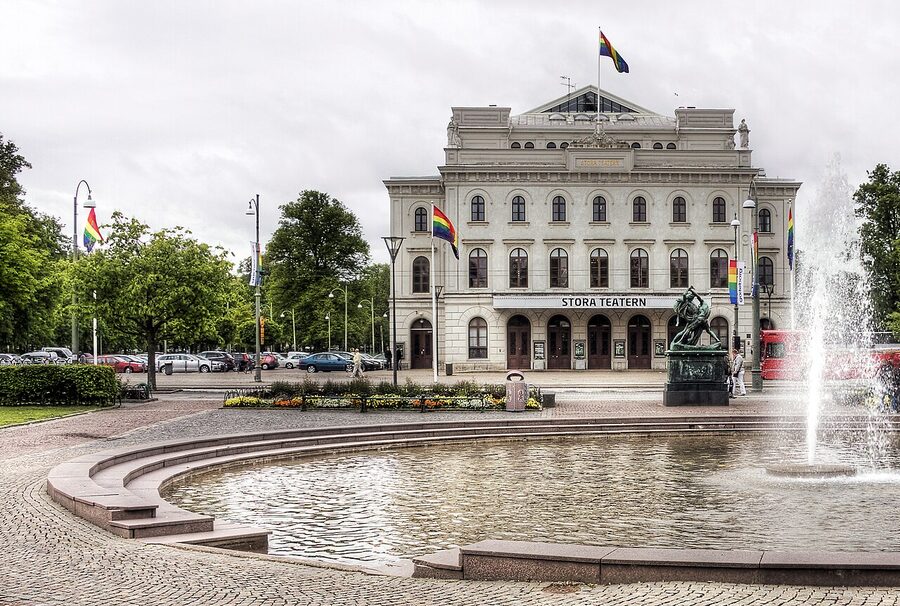
Then the boat threads under the first low bridges and turns into the section that runs past Stora Teatern, the grand theatre with its yellow facade. The guide will tell you Greta Garbo trained there. Believe it or don’t, she did.

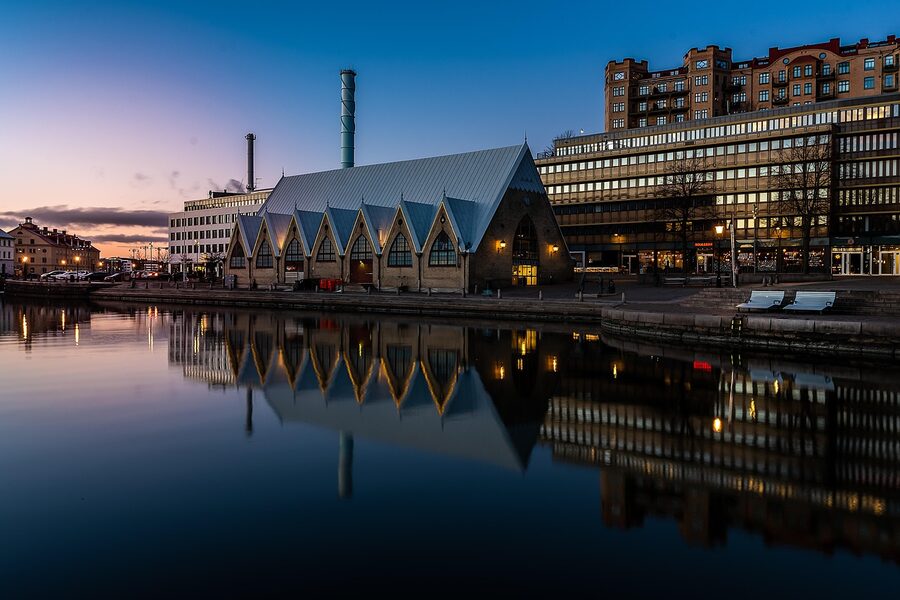
After Stora Teatern the boat reaches Feskekôrka, the fish market that genuinely looks like a Lutheran church because someone in 1874 thought “what if the cathedral but for haddock?” It’s still the city’s working fish hall, you can buy a smörgås from the back of it any morning. From the boat you get the full Gothic side profile, which the street view obscures.
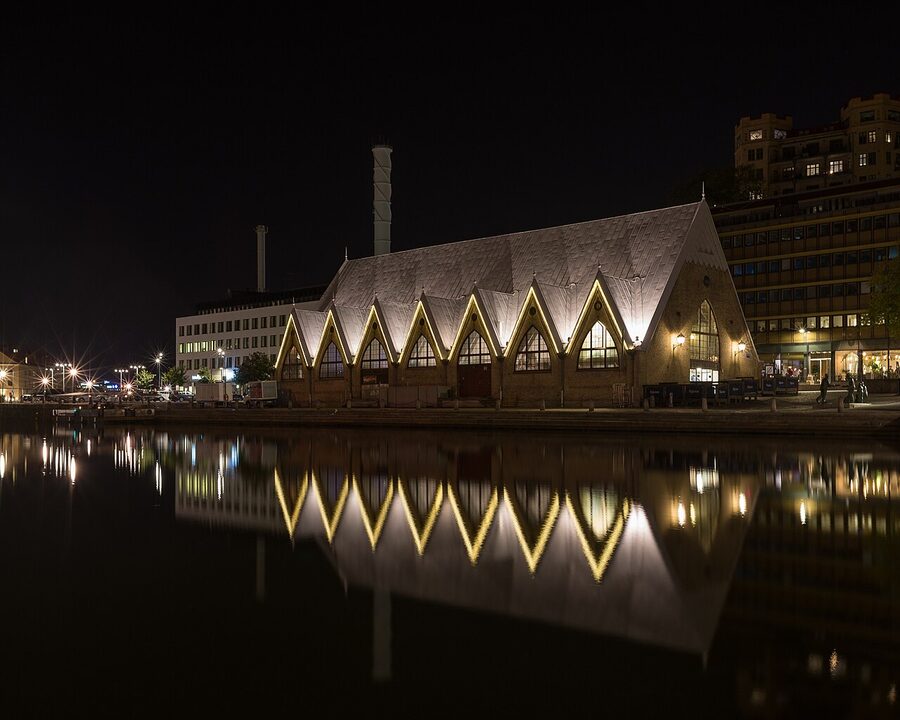

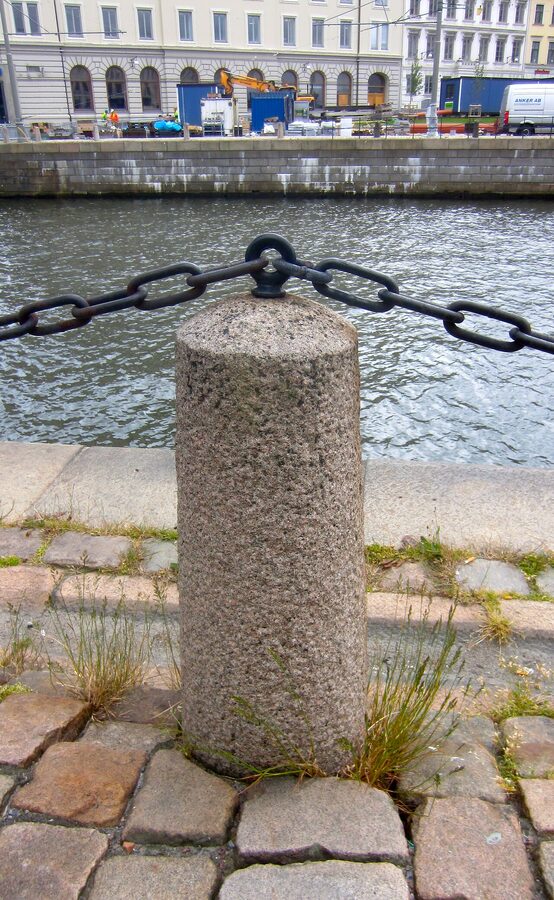
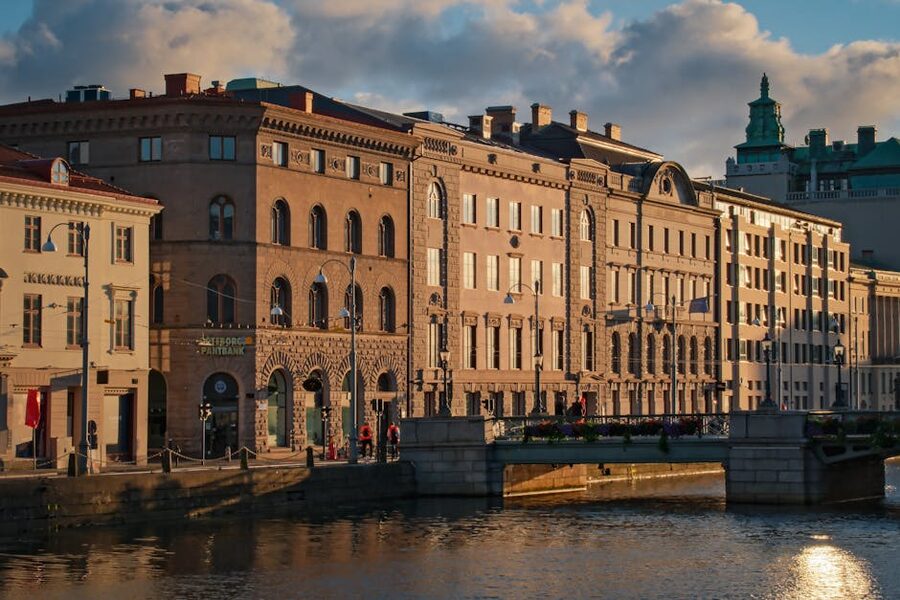
From Feskekôrka the canal feeds into Stora Hamnkanalen, the wide central waterway. This is where you finally raise your head. The buildings get older and grander, the bollards along the embankments are the original cast-iron ones from when ships actually moored here, and the water opens up.

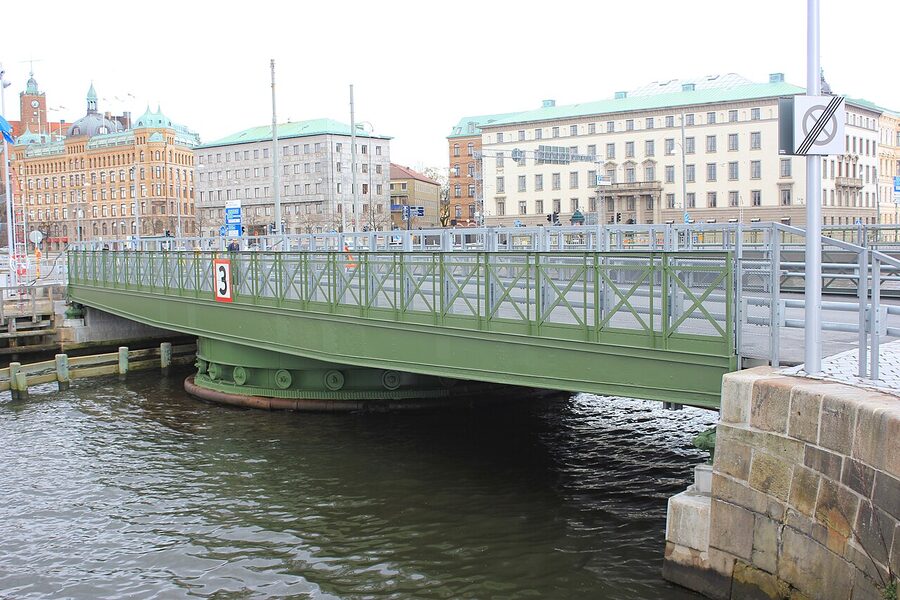
And then the swing bridge. Stora Bommens Bro, mechanical, hand-cranked from a little control hut, opens for the boat with a metallic shriek you can hear two streets away. There’s something extraordinary about being on a 50-minute tourist boat and watching a piece of working civic infrastructure rotate out of your way.

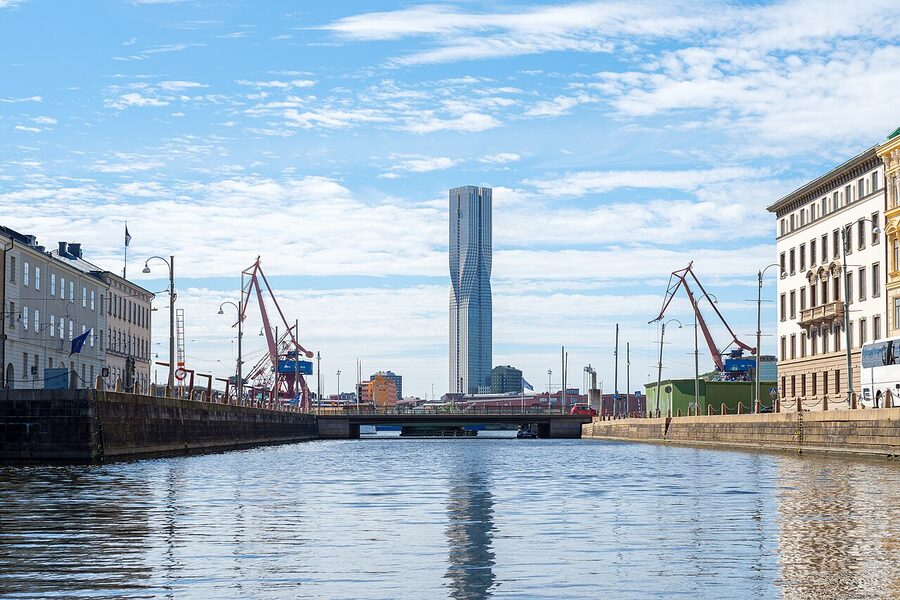
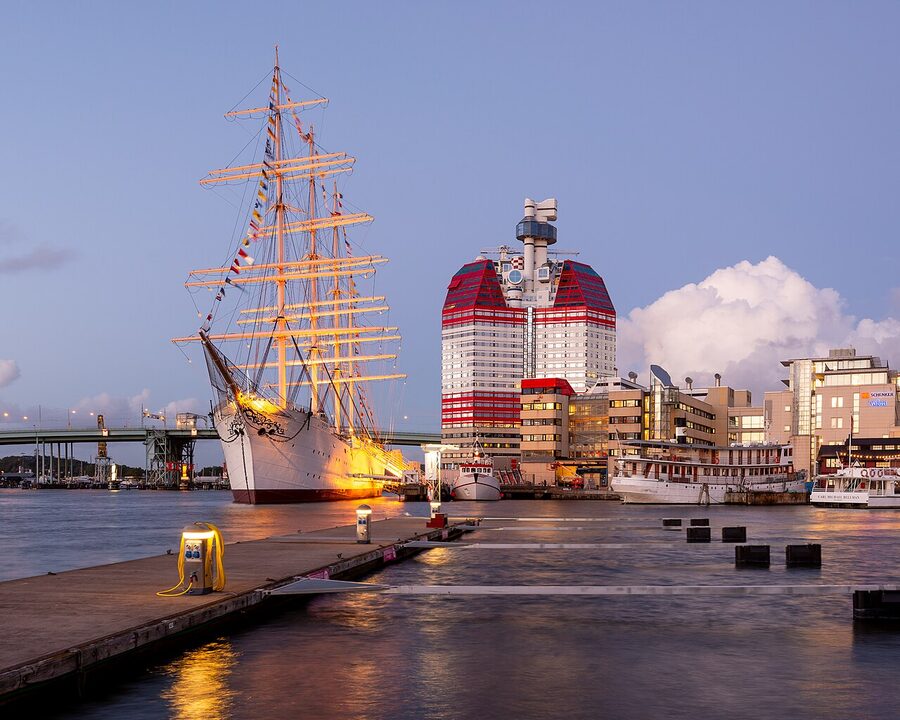
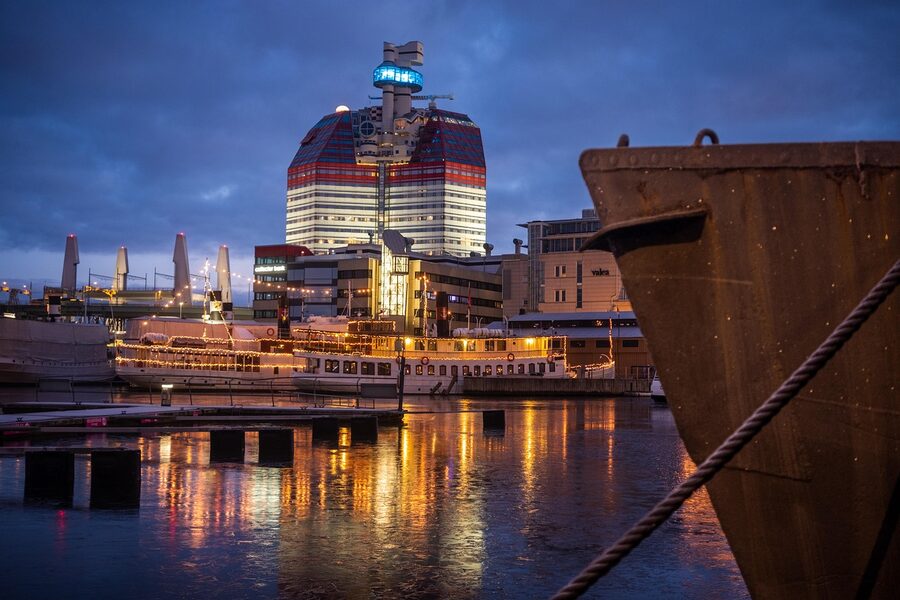
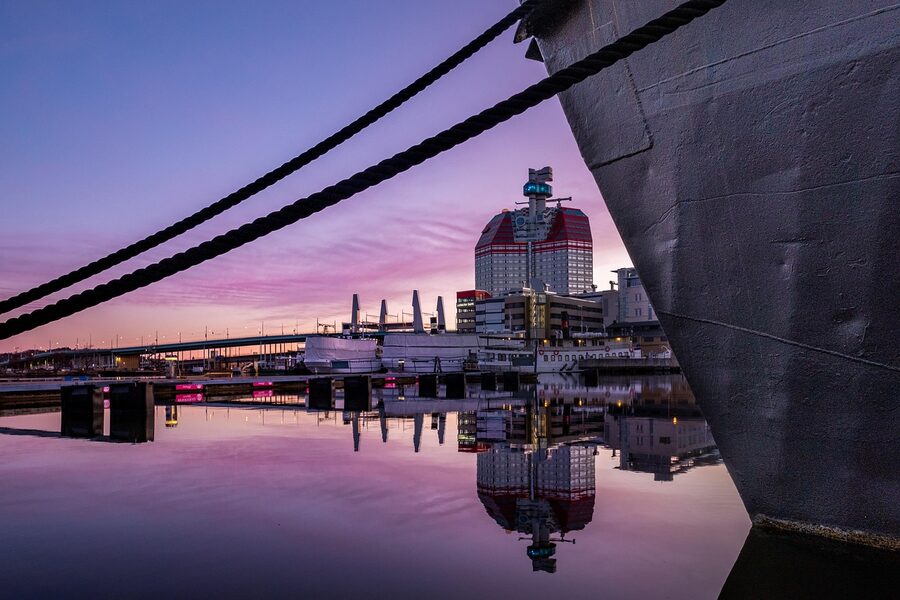
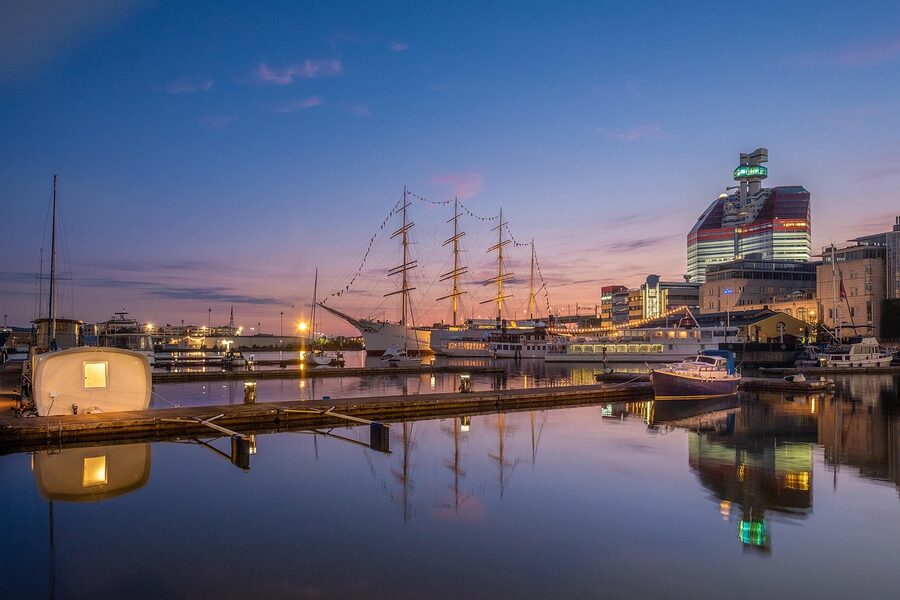
Beyond the swing bridge you’re in the Göta älv, the actual river. The boat takes a brief loop into the harbour to look up at Lilla Bommen and the famous “Lipstick” skyscraper, the cargo cranes from when this was a working port, and the sailing ship Barken Viking moored permanently as a hotel. Then back through the bridge, down the canal, past everything in reverse order with the guide telling different stories on the way home.

The 17th-century origin story (worth reading before you go)
You’ll get more out of the cruise if you know the basics of why the canals exist. Short version: Gothenburg was founded in 1621 by King Gustav II Adolf as Sweden’s western trading port, but Sweden didn’t have engineers who knew how to build a fortified water city. So the Swedes hired Dutch engineers, who arrived with the Amsterdam playbook and just applied it. Square grid. Defensive moat. Inner canals for goods movement. Bastion forts at the corners. The whole thing is essentially a Dutch town from the 1620s that happens to be in Sweden.

The defensive walls came down in the 1810s when Sweden stopped worrying about invasions and started worrying about commerce. The walls turned into promenades. But the moat stayed because canals are useful even when they’re not military, and 200 years later it became the Paddan route.
The Paddan boats themselves started running in 1939, partly as a tourist novelty, partly to make use of the canal infrastructure that was no longer doing its original job. The original wooden Paddans were small, low, flat-bottomed because they had to be: any normal pleasure boat couldn’t fit under the Cheese Slicer. Modern Paddan boats are basically the same dimensions for the same reason.
When to go: month by month
The Paddan runs roughly late April to mid-September, then closes for winter. Outside that window the canals freeze in patches and the boats are pulled out for maintenance.
Late April to early May: cold, occasionally drizzly, half-empty boats. If you don’t mind a jacket the entire ride, this is the cheapest, quietest time.
Mid-May to mid-June: the sweet spot. The trees along the moat have leafed out, the cherry blossoms behind Stora Teatern peak in early May, the sun is high enough to light the route properly. Crowds haven’t fully arrived yet.
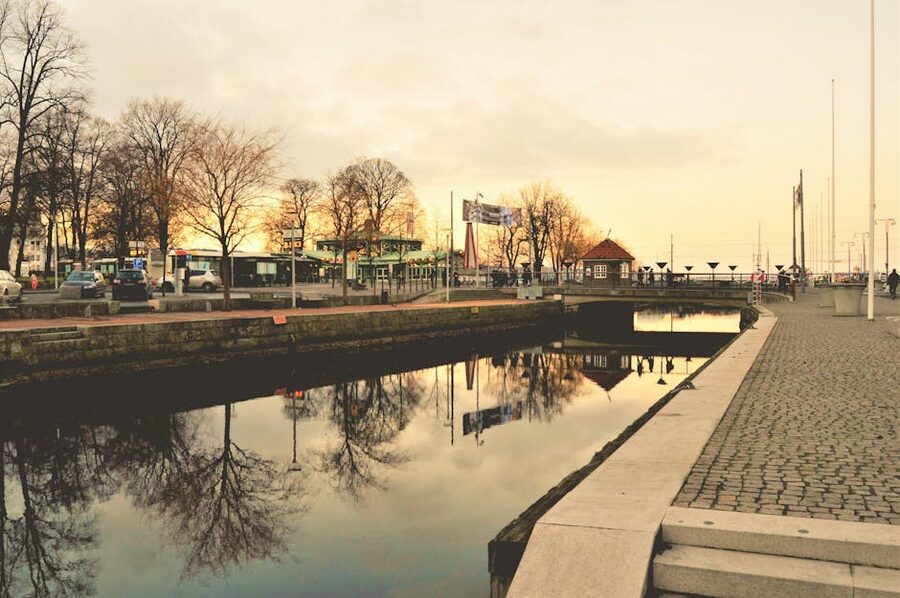
Late June to mid-August: peak. Departures every 30 minutes, English commentary on every run, but the boats fill up and you’ll want to book a slot. The 5pm and 6pm departures get the long Scandinavian evening light, which is the postcard.
Late August to mid-September: shoulder season again, school’s back, prices drop slightly, light gets more golden. Personally my favourite. The first week of September often has clearer skies than peak July.
The Säveån river version (the longer two-hour Paddan) is much more weather-dependent because half of it is open river. Don’t book it on a cold or rainy day, you’ll be cold and rained-on for two hours.
Two practical things nobody mentions
First: bathrooms. There are none on the boat. The trip is 50 minutes (or two hours on the Säveån version) and you can’t get off mid-route. Use the facilities at Kungsportsplatsen before you board, the public toilets are at the corner of Stora Hamngatan, free.
Second: seating. The Paddan benches run lengthways down the boat, two rows facing inwards. The view is over your shoulder for half the trip, and you’ll twist around constantly. The bow seats face forwards and are the best in the boat. Show up 15 minutes early to grab them. The crew won’t let you board until 10 minutes before departure but the queue order matters.
The self-drive option, briefly
If you’d rather skipper your own boat, Lets Boat is the rental outfit working out of the same canals. You hire a small electric boat (no license, no experience required, the controls are basically a throttle and a steering wheel), pick up to 12 mates, and pootle around the canal at your own pace.
This is great for groups who want to bring a picnic, take photos at their own pace, and not be on someone else’s schedule. It’s not great if you actually want the historical commentary, because there isn’t any beyond a digital guide on a phone.
The boats are quiet (electric, no engine noise, you can hear the water against the hull) and surprisingly easy to handle. You have to stay clear of the Paddan boats, which have right of way, and you can’t go under the very lowest bridges. But for two hours, $99 split four or six ways, you’ll have a better story than the cruise.
Combining the canal cruise with other Gothenburg things
The Paddan slot is short enough that you can comfortably do something else with the same morning. A few combinations that work well in practice.
Canal cruise then Haga. Haga is the old wooden-house quarter, 10 minutes’ walk from the Paddan dock. After 50 minutes on the water you’re ready for a fika and Haga’s cafés are the obvious answer. Our guide on how to book a walking tour of Haga covers the best routes through it. Together that’s a perfect three-hour slot.
Canal cruise then archipelago. The Paddan is the city’s water; the archipelago is the city’s actual sea. Doing both on the same trip is genuinely the only way to understand Gothenburg’s relationship to water, the Dutch-engineered moat in the morning, the southern islands in the afternoon. We’ve covered how to book the archipelago cruise separately.
Canal cruise plus the amphibious bus, do not double up. The amphibious bus also dunks into a canal and does a guided loop. There’s significant route overlap with the Paddan in the harbour section. If you’ve already done the Paddan, the amphibious bus mostly delivers the road portion, which is interesting in its own right but the canal bit will feel familiar. Pick one or build a buffer day. We have a guide to the Gothenburg amphibious bus if you want the comparison.
Canal cruise and Universeum. Universeum is the science centre across town, about 15 minutes by tram from Kungsportsplatsen. Pair them on a rainy day, the Paddan boats run light rain or shine and Universeum is fully indoors. Our notes on getting Universeum tickets have the booking timing.
The Stockholm comparison, for context
If you’ve already done a boat tour in Stockholm and you’re wondering if Gothenburg adds anything, yes. Different cities, different waters. Stockholm’s boat tours are mostly archipelago-flavoured even when they advertise themselves as city tours, you spend a lot of time on open water between islands.
Gothenburg’s canal cruise is a tighter, denser experience. Compact 17th-century city, eight bridges in 50 minutes, you’re nose-to-the-wall with old buildings and ducking under low bridges constantly. It’s more architectural, less open-water. Both are worth doing if you’re hitting both cities; they don’t substitute for each other.
Should you bother if you’ve only got one day in Gothenburg?
Yes. Specifically yes. The Paddan in 50 minutes does what most one-day visitors take six hours of walking to half-do: it gives you the geography of the city, what’s where, what each district looks like, why the bridges and trams are arranged the way they are. After the cruise you’ll know exactly which neighbourhood you want to wander next.
Skip it only if it’s actively raining. There’s no shelter on the open boats and 50 minutes of cold rain is genuinely miserable. In light drizzle they hand out plastic ponchos and it’s fine.
The water-based way to see the city
Gothenburg has more boat options than any Swedish city its size, partly because of the canal grid, partly because of the river, partly because of the archipelago. If you want to make a theme of it, our archipelago cruise guide is the natural follow-up to this one for the proper sea view, and the amphibious bus is the same idea but with wheels for half the route. If you’re saving on entries, the Gothenburg Go City pass bundles the Paddan with most of the city’s other major attractions including Universeum, the maritime museum, and the hop-on-hop-off bus, which works out cheaper than buying singles if you’re doing more than two of them. For getting around between water excursions, our hop-on hop-off bus guide handles the road version and our Haga walking tour handles the on-foot version. The four together (boat, amphibious, bus, walk) cover Gothenburg as completely as you can in a long weekend.
This article contains affiliate links. We earn a small commission if you book through them, at no additional cost to you. Tour prices are correct at time of publication and may change.