
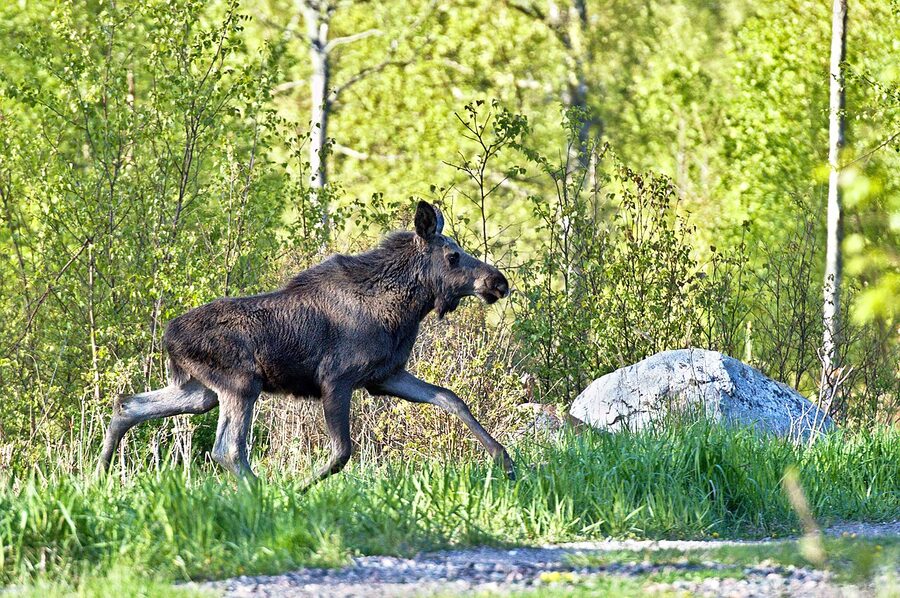
Wet pine. That smell hits first, sharper than you expect, after the guide whispers stop and the bus engine ticks somewhere a hundred metres back through the trees. Then the wind drops and there’s nothing, just the bog cooling off after a long May afternoon, and your own breath sounding embarrassingly loud. Forty metres in front of you, behind a screen of birch saplings, a shape steps out of the trees like it was waiting for the silence to start.
That’s a moose, in case you’ve never met one. Sweden has the highest density of them in Europe, around 350,000 of them, more per square kilometre than any other country, and the easiest way to actually meet one without your own car and four free days is the day-trip safari from Stockholm. This guide covers how to book it, what the day actually looks like, which operator I’d pick first, and the things nobody tells you until you’re standing at the edge of a forest clearing at 8pm in your borrowed thermal jacket.
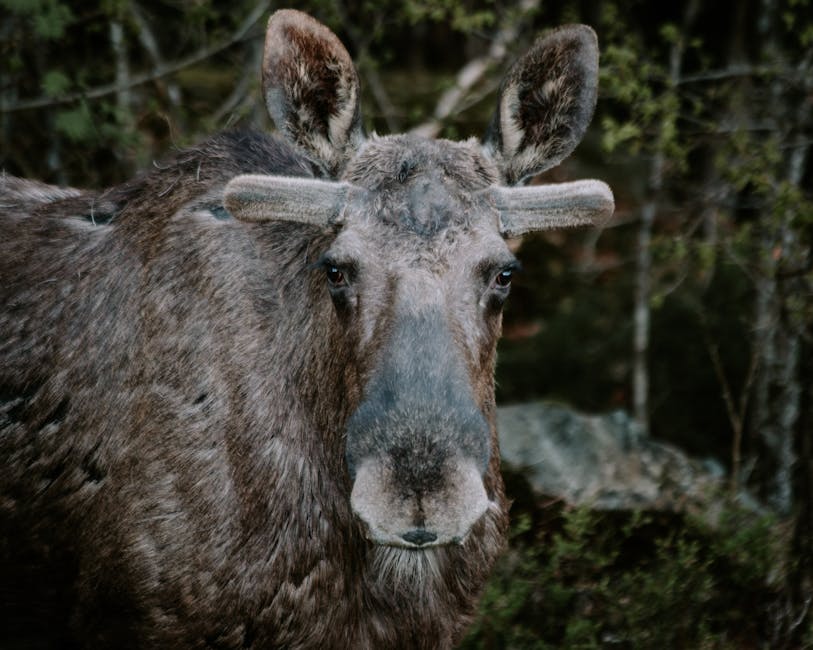
Deepest wilderness: Moose Safari in the Wild Sweden Tiveden, $134. Longer drive, older forest, smaller group with David as your guide.
Tyresta evening: Evening Wildlife Safari with Campfire Dinner from Stockholm, $167. Closest park to the city, snowy in winter, magical in midsummer light.

- How a moose safari from Stockholm actually works
- Sighting odds, and what “95% success rate” actually means
- The three Stockholm safaris worth booking
- 1. From Stockholm: Moose & Wildlife Safari with Campfire Dinner: 0
- 2. Moose Safari in the Wild Sweden Tiveden: 4
- 3. Evening Wildlife Safari with Campfire Dinner from Stockholm (Tyresta): 7
- What to bring (the list operators don’t fully tell you)
- Best season to go
- Tiveden vs Tyresta vs the unnamed forest tracts
- The campfire dinner, and why it’s actually good
- What you’ll see besides moose
- About the moose itself
- How to actually book
- The bit nobody warns you about
- A bit of context: the moose in Swedish life
- Combining the safari with other Stockholm days
- If you want to go deeper into Swedish wildlife
- Where to point your trip after the safari
How a moose safari from Stockholm actually works
The basic shape is the same across every operator. You’re picked up in central Stockholm in the early afternoon, around 1:30pm or 2pm depending on the season, in a small minibus with seven other guests. Drive to a forest the operator knows well. Walk a short way in. Wait, mostly. Eat dinner cooked over a fire. Drive back. You’re back in Stockholm somewhere between 9:30pm and midnight, depending on which forest and how the evening went.
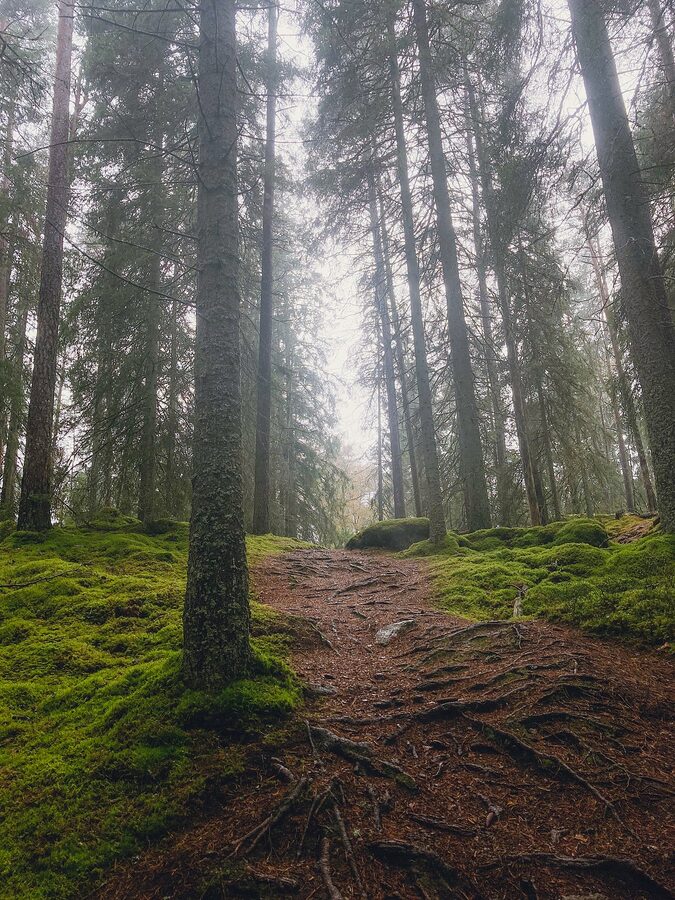
What changes between operators is the forest. The Stockholm-based safaris head to Tyresta National Park, an hour southeast, or to private forest tracts an hour or so north of the city. The Tiveden operators drive much further, around three hours each way, into the older forest near Lake Vättern. Longer drive, but a wilder place with a higher chance of spotting boar and beaver alongside the moose.
Moose are crepuscular. That means they sleep through the warm middle of the day in deep cover and become active around dusk and dawn. Every safari is built around this. Nobody runs morning trips. The whole day’s logistics, the dinner timing, the bus departure, the route into the forest, all of it is engineered to put you at the edge of a likely clearing at 7pm or 8pm with the light dropping and the wind in your face. Anyone offering a midday moose safari hasn’t met a moose.
Sighting odds, and what “95% success rate” actually means
Operators quote sighting rates in the 90s. That’s true if you understand what they’re measuring. They’re saying: across all the trips we ran this season, this percentage spotted at least one moose. Not necessarily a close moose. Not necessarily a moose you got a good photo of. The number includes the brown back disappearing into the trees 200m off, and that counts.
What I’d actually quote you, after talking to a few guides off the record: somewhere between 85% and 95% chance of seeing one moose, depending on weather and season. About 60% chance of seeing two or more. The genuinely magic encounter, the one where a cow walks out with calves and stays for ten minutes while you barely breathe, happens maybe one trip in five. That’s worth knowing before you go. The good trips are extraordinary; the average trip is one distant glimpse and a great campfire dinner. Both are fine, but adjust expectations.
Weather matters more than people admit. Heavy rain dampens scent and muffles sound, so the moose move more freely and you’re more likely to encounter one. A still warm evening, paradoxically, is worse, because every sound you make travels and the animals stay deep in cover. Wind direction is the biggest thing the guide is reading the whole time, and there’s a real reason you keep being shuffled around by twenty metres at a time.
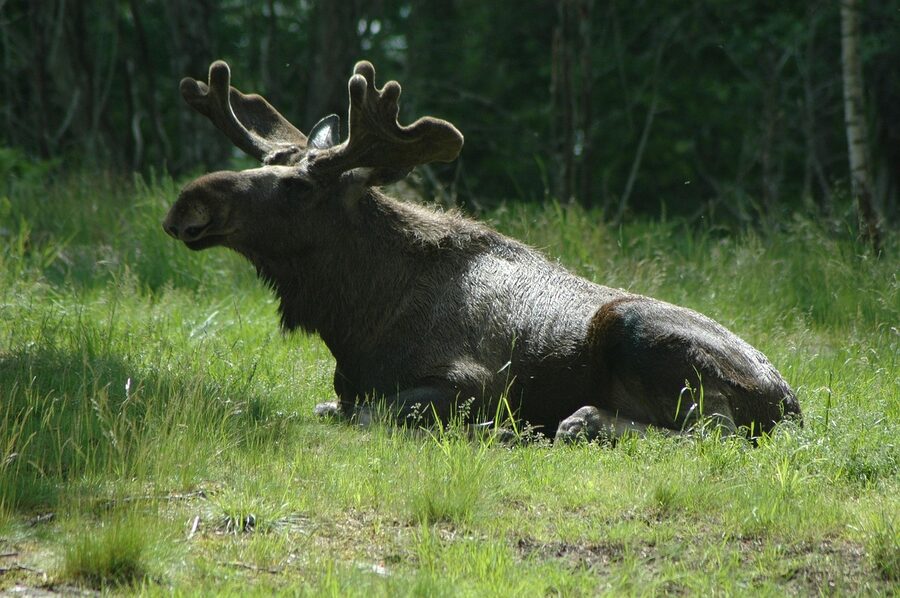
The three Stockholm safaris worth booking
I’ve narrowed this to three. There are more operators running variants, but these are the ones with the longest track record, the highest repeat ratings, and the guides who actually know the specific patch of forest they’re working.
1. From Stockholm: Moose & Wildlife Safari with Campfire Dinner: $160
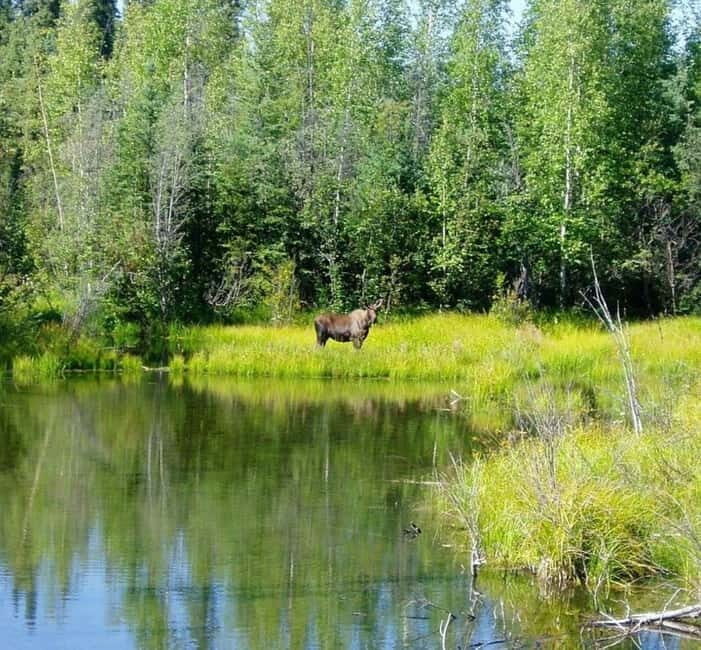
This is the one I’d send a friend on first. Five hours total, eight guests max, and the Jesper-led trips in particular have a reputation for finding moose where other operators have given up. Our full review goes into the dinner specifics, but the short version: hot stew over an open fire in a wooden cabin, vegetarian option if you ask ahead, and the fika round at the end is generous.
Check Availability
Read our full review
2. Moose Safari in the Wild Sweden Tiveden: $134
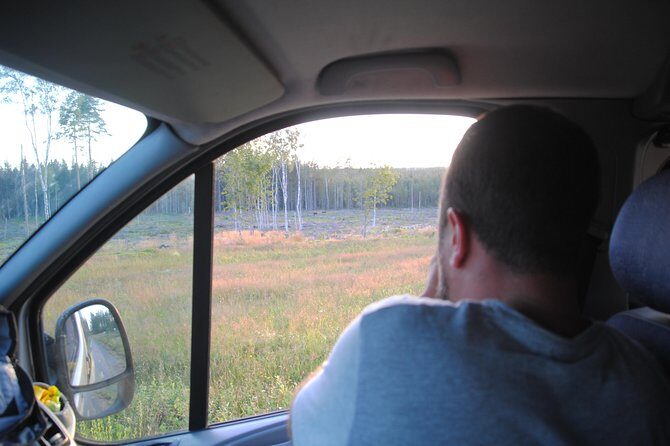
The catch is the drive: roughly three hours each way to Tiveden, which makes for a long day. The payoff is one of the most pristine forests in southern Sweden, rocky outcrops, beaver ponds, and a moose density that’s genuinely higher than the closer-in Stockholm parks. My write-up of this tour covers David’s quirks and the small-group feel; eight people maximum, and you’ll know everyone’s name by the end.
Check Availability
Read our full review
3. Evening Wildlife Safari with Campfire Dinner from Stockholm (Tyresta): $167
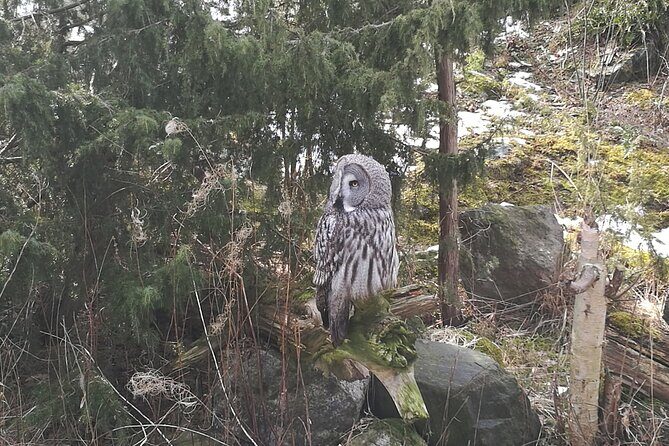
This one runs into Tyresta National Park, the closest big forest reserve to Stockholm. Daniel and Oscar’s trips lean a bit more on owl-spotting and beaver activity if the moose aren’t cooperating, which is a useful fallback. My review of this safari covers the snowy winter variant, which I’d actually pick over summer if you’re choosing dates.
Check Availability
Read our full review
What to bring (the list operators don’t fully tell you)
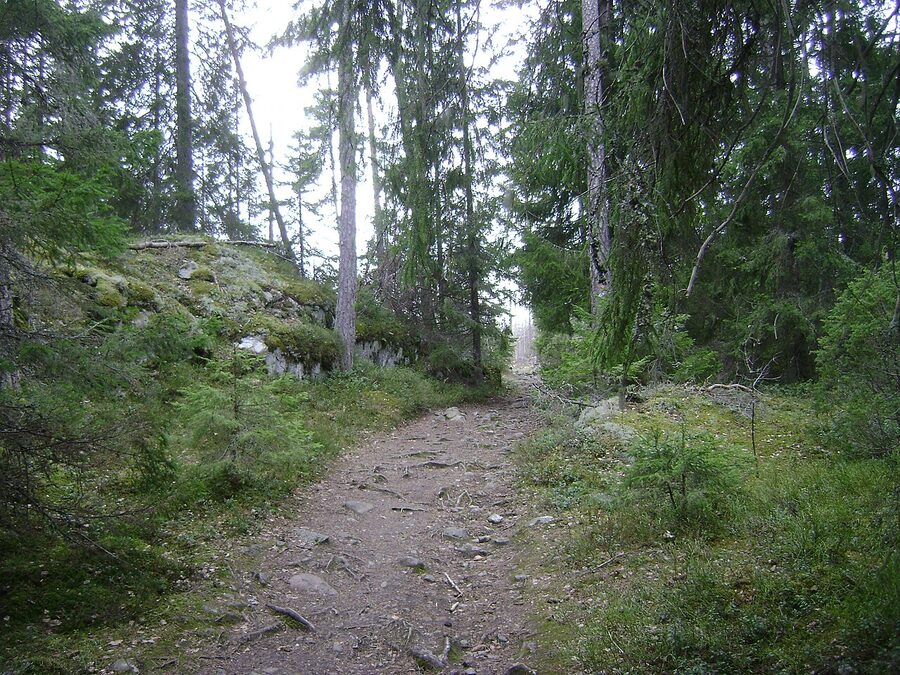
The booking confirmation will tell you to wear warm clothes and closed shoes. That’s true and not enough. Sweden’s evening forest in May or June drops to single digits even when the city is in shorts weather. Layers, not bulk. A long-sleeve thermal under a fleece under a wind-shell is better than one heavy coat, because you’ll be sitting still in the cold and you can’t generate body heat by walking.
Bring these even if not asked:
- Insect repellent. The same conditions that bring moose to lake edges bring mosquitoes and ticks. Aerogel-based repellent or DEET. Skip the citronella stuff, which the Swedish forest mosquitoes treat as cologne.
- Binoculars. Operators have a couple to share but you’ll fight for them. Even cheap 8x21s improve the experience by a lot. The far-end sightings turn into actual moose with binoculars instead of brown smudges.
- A real camera if you have one. Phone cameras are useless for moose at 40m in low light. If you have any zoom lens at all, bring it. If not, just enjoy the experience and take a wide shot of the forest.
- Snacks. Dinner is around 8pm. The bus leaves Stockholm at 2pm. That’s six hours from your last meal, and you’re walking and waiting in cold air. A flapjack helps.
- A small dry bag. Forest floors are wet even in summer. You’ll be sitting on logs and rocks. A waterproof seat liner of any kind is gold.
What not to bring: perfumes, scented deodorants, anything strongly fragranced. Moose have an excellent sense of smell. The whole exercise is about getting close without being detected, and your supermarket body spray works against you.
Best season to go
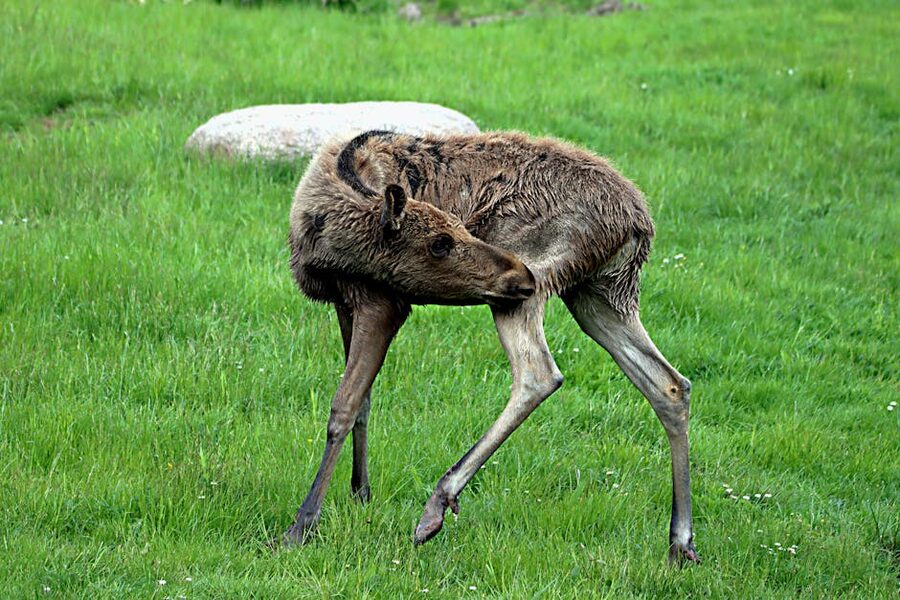
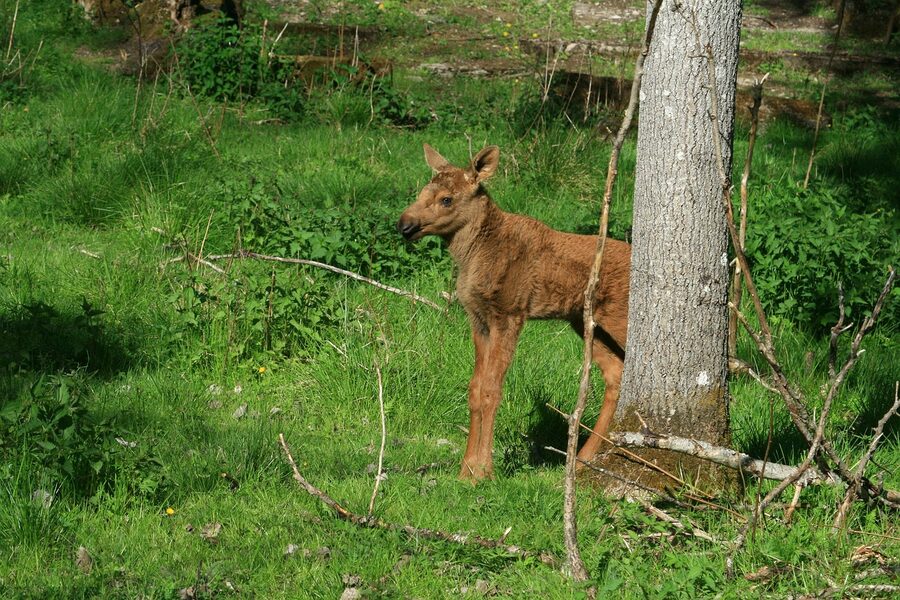
Late May to mid-July is genuinely the best window. The cows give birth in May and the calves are out by late May, often shadowing the mother through forest clearings. Foliage is still thinner than full summer, so visibility through the trees is better. Daylight runs late, which means the bus can stay in the forest until 10pm and still drive back without anyone needing headlamps.
August into early September is also strong. The bulls’ antlers have finished growing and they’re starting to think about the rut. Calves are bigger, more visible at the forest edge. Mosquitoes thin out. Worth booking around the third week of August if you can.
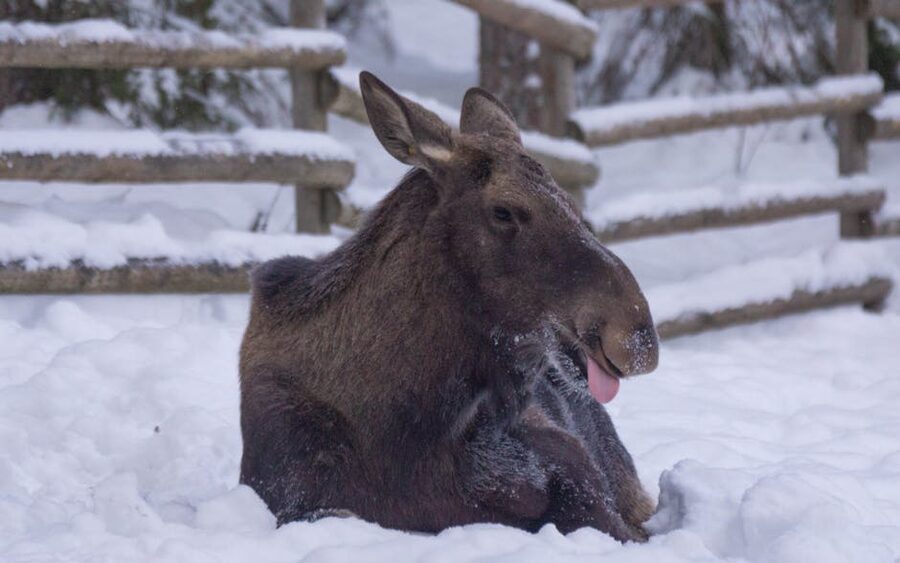
Late September through October is the rut itself, when bulls fight and the forest gets noisy. Some operators do shorter winter trips through the snow, which has its own atmosphere but lower sighting odds. Snow makes tracks visible, but moose move less and tend to bed down deeper.
December and January I’d skip unless you’re already in Stockholm and want a forest experience more than a guaranteed moose. The cold is brutal, the light is short, and the moose are conserving energy in places you can’t easily reach. A northern lights tour from Kiruna is probably a better use of a winter night, and there’s a husky sled equivalent if wildlife-on-snow is what you’re after.
Tiveden vs Tyresta vs the unnamed forest tracts
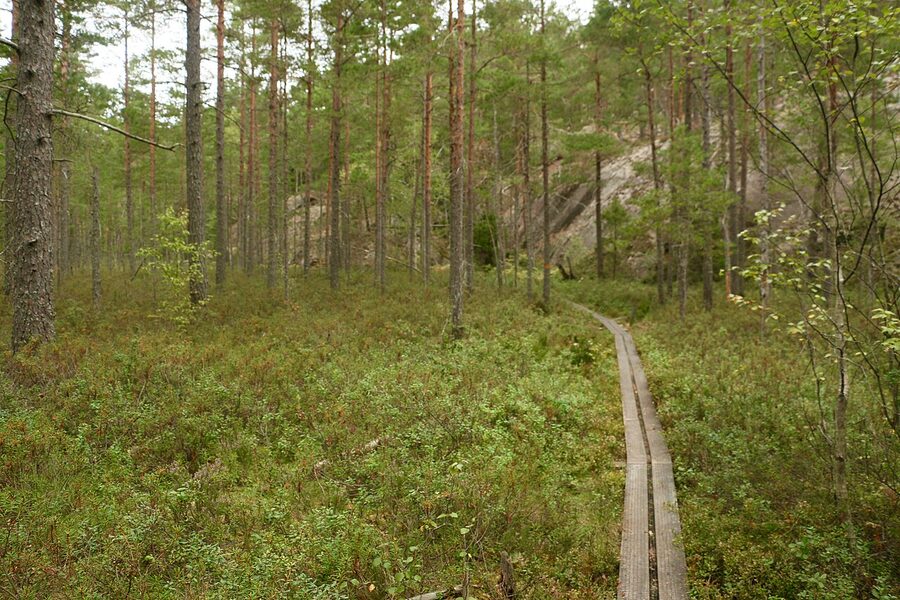
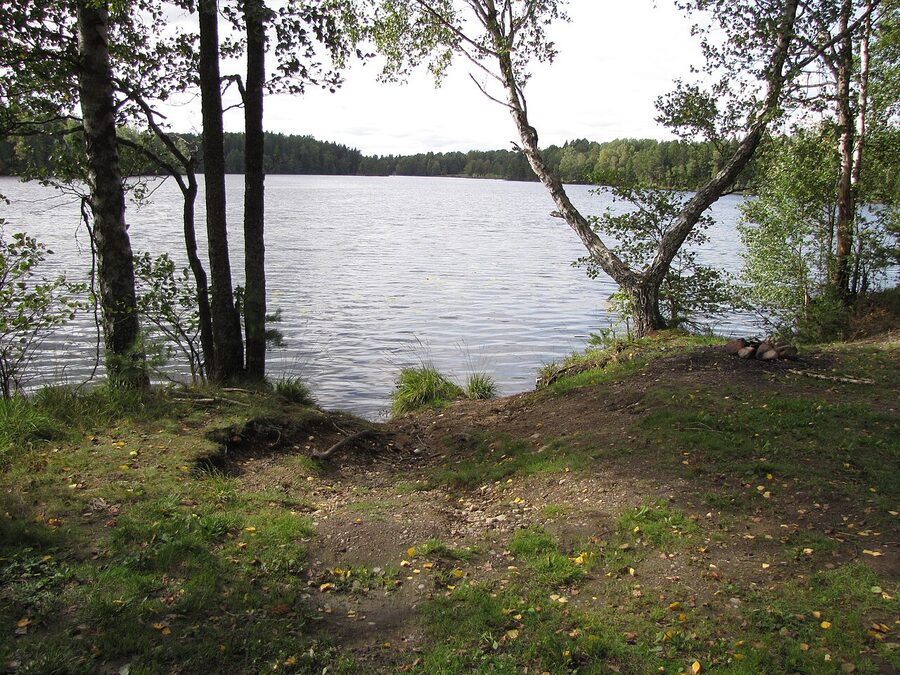
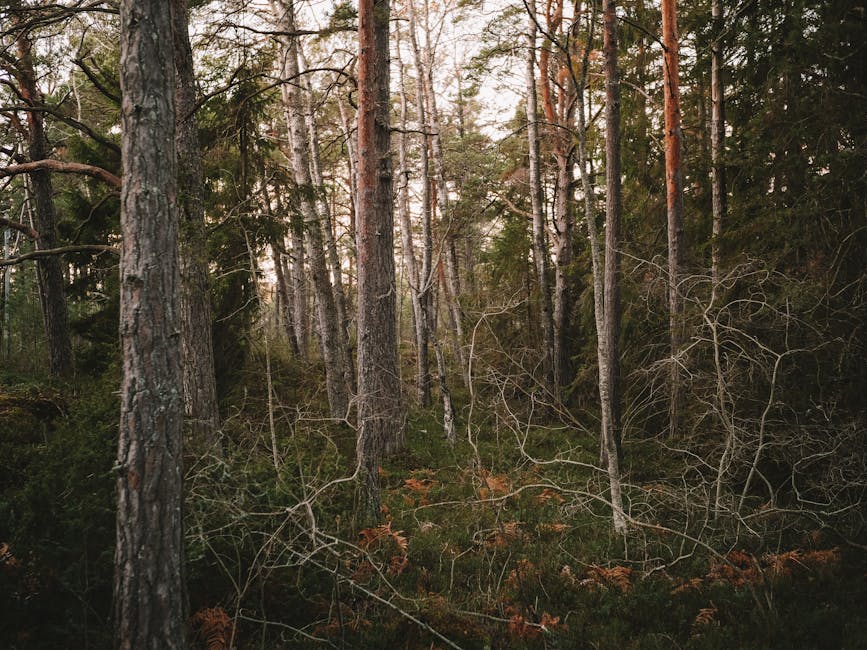
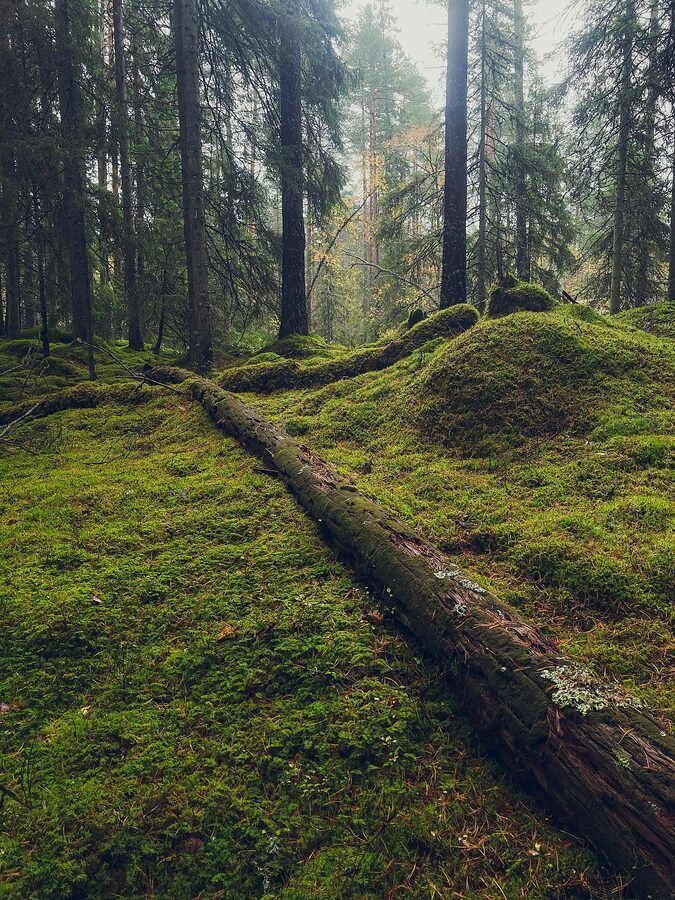
Tiveden is the wildest of the three options and it’s where you should go if you have the day to spare and the patience for a longer drive. The forest is older, around 1,300 hectares of protected old-growth pine and granite outcrops, and the moose density per square kilometre is among the highest in southern Sweden. Beaver ponds, capercaillie if you’re lucky, and a real wilderness feeling that you don’t get in the closer-in parks.
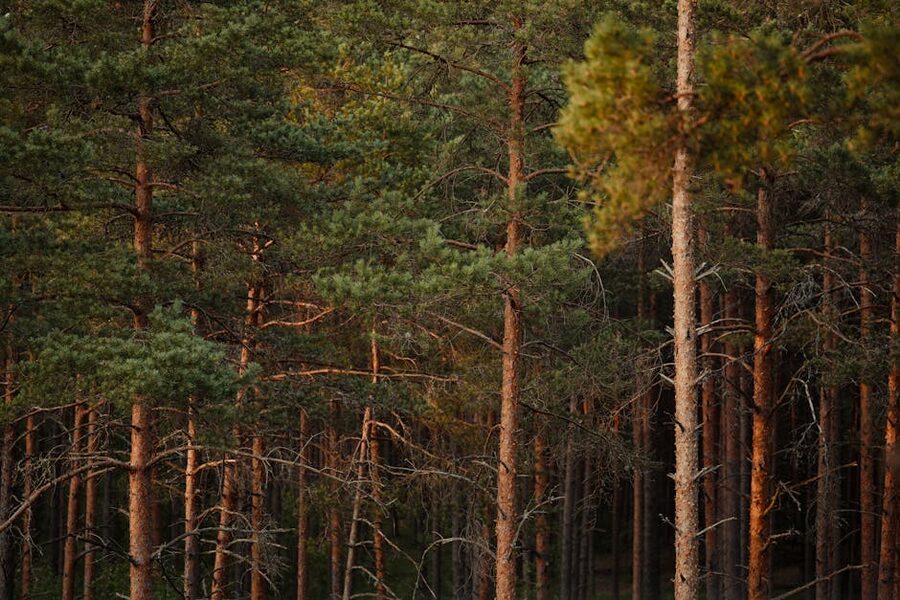
Tyresta is the practical choice. An hour out of Stockholm, 47 square kilometres of mixed pine and birch forest, and a high enough moose population that the evening trips do well. The 1999 fire burnt through a chunk of it and the regrowth has created excellent grazing edges, which is part of why the Tyresta operators have such consistent sighting rates. You’ll be back in the city by 10pm, which matters if you’ve got an early morning the next day.
The northern private forest tracts that the Jesper-led safari uses don’t have a name on the booking page on purpose. Operators protect their best spots. Local farmers have agreements that allow guided access to fields and forest edges that aren’t open to the public, and that’s part of why this operator’s sighting rate stays high even on bad weather days. The trade-off: less of a “national park” feeling, more of a “guided private wildlife reserve” feeling. Better for sightings, less for the wilderness aesthetic.


The campfire dinner, and why it’s actually good
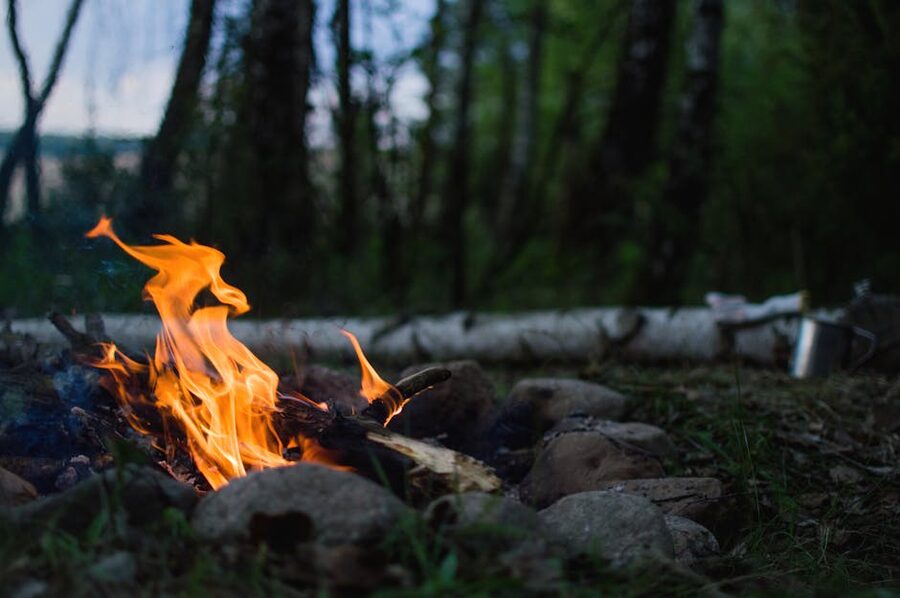
I went into my first moose safari mildly cynical about the included dinner. “Camp dinner” sounded like sausages on sticks. It isn’t. The Tyresta operators usually serve a full beef-and-vegetable stew cooked over an open hardwood fire in a windbreak shelter, with rye bread, salad, lingonberry sauce, and a hot drink. Vegetarian option is properly thought-through, not just “stew without the meat”, usually a bean and root-vegetable braise.
The Tiveden trip’s dinner is closer to a Swedish husmanskost meal: pork, potatoes, dill, rye, and the tea is brewed in a sooty kettle hanging over the fire. Both are better than the Stockholm hotel breakfast you probably had that morning. Don’t skip dessert; the cinnamon buns warmed at the fire’s edge are the one moment of the trip that nobody photographs because everyone is eating them.
The dinner usually happens before the actual safari time, around 6pm to 7pm, so that the wait at the forest edge from 7:30pm onward isn’t ruined by hunger. Some operators flip this and serve the dinner after the wait, around 9pm. I prefer the first format, but ask when booking if it matters to you.
What you’ll see besides moose
This is undersold. The moose is the headline, but the supporting cast on a Tyresta or Tiveden trip routinely includes roe deer, red deer, wild boar (mostly tracks and rooting evidence, occasionally the animal), beaver (lodges and chewed wood, sometimes the creature on a lake at dusk), capercaillie if you’re very lucky in spring, and a list of owls including Ural owl and pygmy owl that the guides will point out on the drive in.
The beaver evidence alone is worth the trip if you’ve never seen it. A whole birch tree dropped neatly across a stream, gnawed through with a chainsaw-style bite pattern, the lodge built up out of branches and mud at the lake’s far edge. Beavers are mostly nocturnal but you’ll occasionally see one swim across a pond at the same dusk window when the moose are emerging.
The bird life is a serious bonus and the guides are usually birdwatchers who happen to lead moose tours. Bring binoculars partly for the moose and partly for the woodpecker that lands on the pine ten metres above your head while you’re waiting silently. A 90-minute wait in a forest clearing is never as boring as it sounds, because something is always moving.
About the moose itself
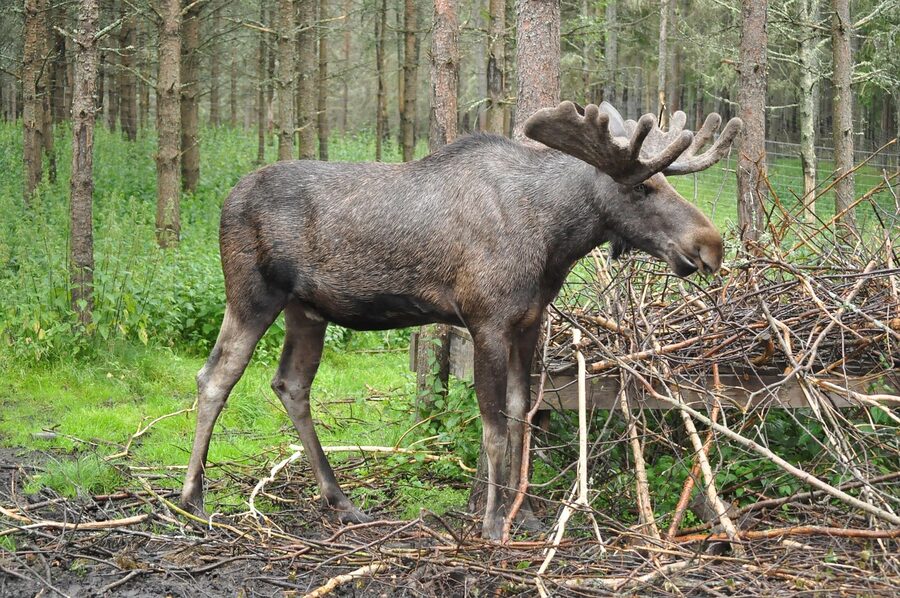
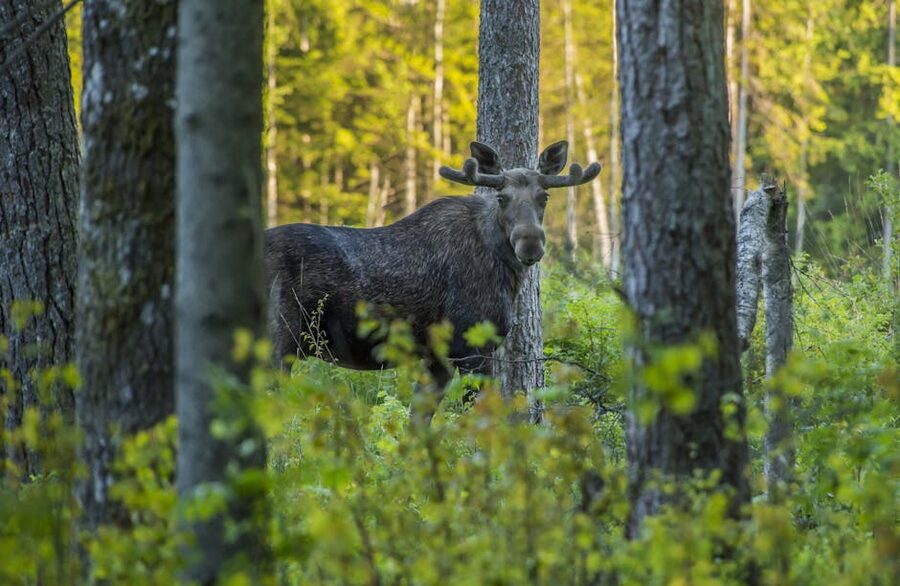
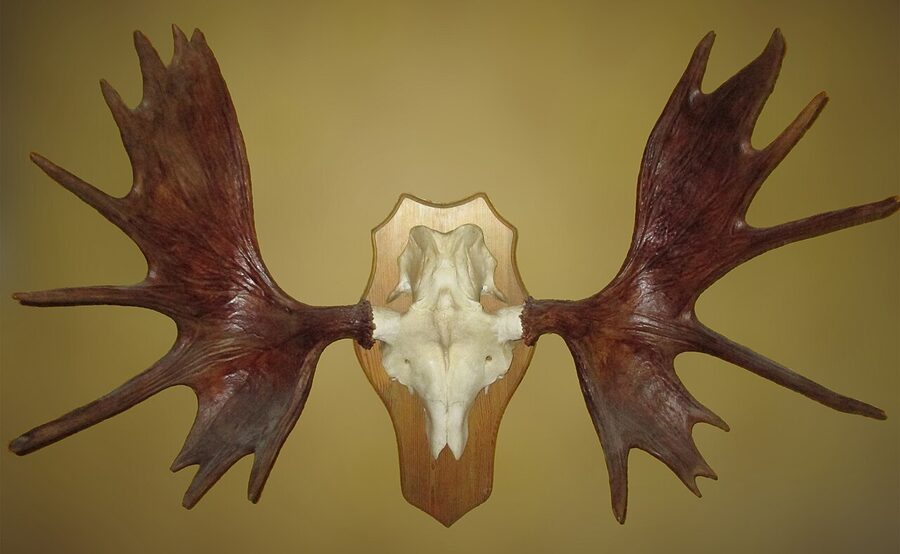
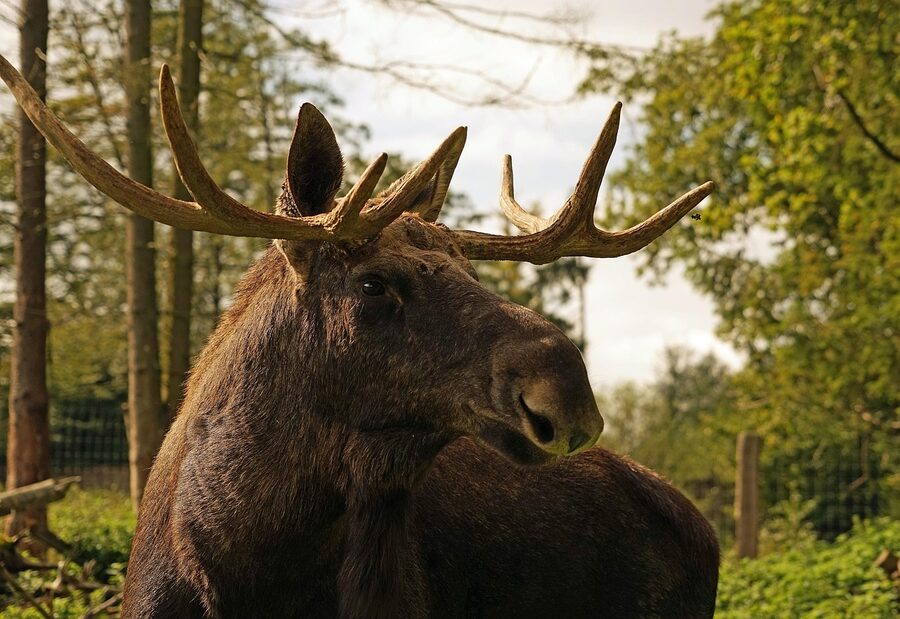
Worth knowing what you’re actually looking at. Moose are the largest member of the deer family on Earth. A full-grown bull in Sweden weighs 380 to 700kg, stands 2.1m at the shoulder, and his antlers can spread 1.6m wide in a good year. Cows are smaller, around 270 to 400kg, but if you only see one of those it’s still the biggest wild animal you’ll have stood near in your life unless you’ve been on safari in Africa.
Sweden’s moose population sits around 350,000 in summer, down from over 400,000 a decade ago after the wolf population recovered and changed the predation pressure. Every autumn around 80,000 are taken by hunters in the licensed cull, which sounds catastrophic until you do the maths and realise it’s the population’s ceiling for the forest to support. The cull is what keeps moose-vehicle collisions from being even worse, and it’s what keeps the population healthy through winter.
You’re unlikely to see one running. The trotting stride at full speed is around 56 km/h, and it can swim 20 km in open water without resting. Mostly what you’ll see is a moose standing very still and then walking very deliberately. They look slow. They are not. The sense of them being unhurried at all times is part of why they’re a calming animal to watch, and why the encounter feels almost ceremonial.

How to actually book
Both GetYourGuide and Viator carry the same operators at essentially the same prices. Free cancellation up to 24 hours before is standard. Book on whichever platform you have credit with or trust.
What I’d actually do, in order:
- Book three to six weeks ahead for May to August. The Jesper-led trip in particular fills early. Mid-week (Tuesday to Thursday) has more availability than weekends.
- Pick the date based on weather forecast in the week before, not the month before. If you can stay flexible, a forecast of light cloud and 10 to 15°C in the evening is the sweet spot. Avoid scorching dry warm evenings if you have a choice.
- Confirm pickup point in writing. Most operators meet at central Stockholm (Cityterminalen or the Norrmalmstorg area). The exact spot can shift by season; the email you get the day before is the authoritative one.
- Eat properly at lunch. Dinner is at 7pm to 8pm at earliest. Don’t be the person whose stomach is the loudest sound in the forest at 6pm.
- Don’t tip in advance. A 50 to 100 SEK tip in cash to the guide at the end is appreciated and standard. Card tipping isn’t really a thing here.

The bit nobody warns you about
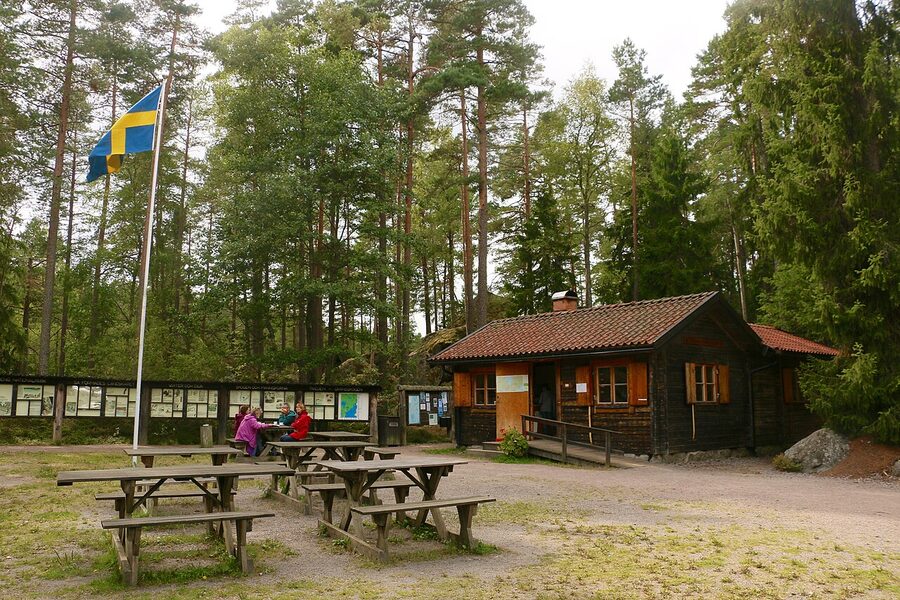
The wait. Most of the actual safari experience is sitting still on a log at the edge of a clearing, sometimes for 90 minutes, watching nothing happen. The guide whispers updates that mostly amount to “give it time”. The cold creeps up your spine. The bugs notice you. You start to wonder if this is going to work, and then a branch snaps somewhere off to your left and the whole forest reassembles itself around the sound.
That waiting is the trip. If you’re someone who needs constant action you’ll find it hard. If you can settle into it, the patience is its own reward, and the moose when it comes feels earned in a way that a zoo encounter never does. Bring a friend you can sit silently with. The trip is harder if you’re with someone who needs to fill silence.
The other thing nobody mentions: the drive back to Stockholm at 10pm or 11pm, after a long day in the forest with your face slightly windburned and a stew warm in your stomach, is one of the more peaceful hours you’ll have. Most of the bus dozes. The driver knows the road. The summer light is still in the sky over Tyresta as you pull onto the motorway. That part isn’t on the booking page either.
A bit of context: the moose in Swedish life
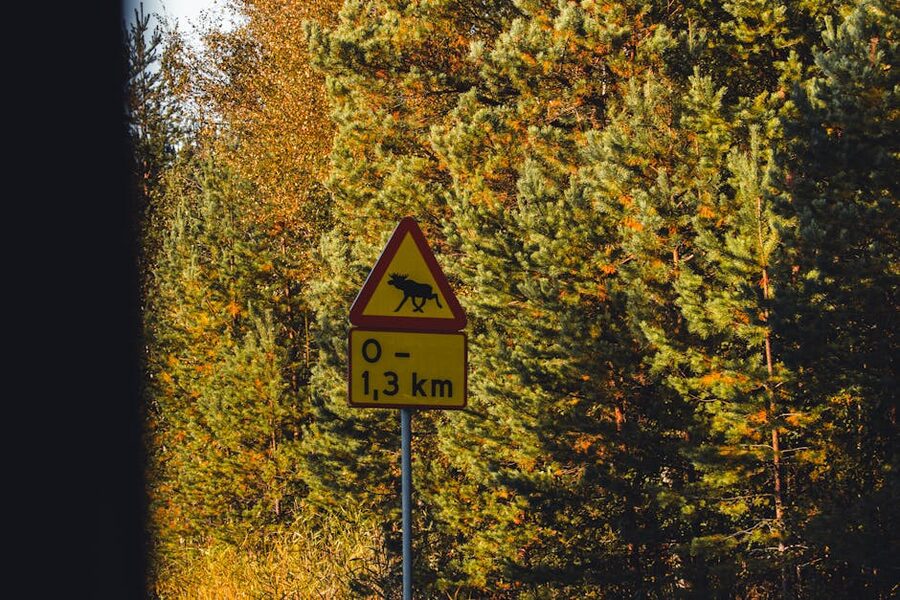
The moose, älg in Swedish, is on every road sign warning, every children’s book, every gas-station souvenir mug. It’s effectively the national animal in popular culture even though the lynx claims that title officially. There are over 4,500 moose-vehicle collisions a year in Sweden, mostly at dawn and dusk, which is part of why the rural-roadside fencing project has been running since the 1980s and why your safari minibus drives noticeably slowly through forest sections after dark.
Moose hunting season opens the second Monday in October in most of southern Sweden and runs through January, with strict licensed quotas that the local viltvårdsområden (game-management areas) administer. Around 80,000 animals are taken annually, which sounds extreme until you understand the population scale and that the alternative is starvation through winter. Hunters and conservationists in Sweden are mostly the same people, which surprises Anglo visitors.
The Sami in the far north have a different relationship with the animal again, and the place to learn that side of it is via the Lapland tours rather than the Stockholm-based ones. If you find the moose half of this trip more compelling than the campfire half, consider following it with a few days in Kiruna for the wider Arctic-wildlife angle.
_p%C3%A5_Orn%C3%B6.jpg)

Combining the safari with other Stockholm days
Worth thinking about how a moose safari fits into a wider trip. The safari eats most of an afternoon and evening, and you’ll be tired the next morning. I’d front-load Stockholm sightseeing in the days before. The other three articles in this batch all pair well: the Viking Museum on Djurgården is a good rainy-day rest the day after a long forest evening, and the Sigtuna and Uppsala day trip covers the deeper-history angle on a different full day.
If you’re staying in central Stockholm and want a single big-nature day to pair with city stuff, the safari is the best single use of an afternoon-evening you can book. It also slots well around museum days because museums close around 5pm and the safari pickup is around 2pm, so you can do an early-museum-then-bus combination.

If you want to go deeper into Swedish wildlife
The moose safari is the gateway. If you catch the bug, the next steps look like this: a multi-day wildlife safari into the central Swedish forests (some operators run two- and three-night versions out of Tiveden with overnight camp stays); the wolf-tracking expeditions in the same regions, which are quieter and serious about the science; or, for the bigger northern animals, a winter trip up to Kiruna for husky sled and reindeer experiences. Each is a proper trip rather than a half-day, and each is worth its own planning.
If wildlife isn’t quite your thing but the wilderness side of the safari is, the Stockholm archipelago trips give you a different version of the wild Sweden experience, water and granite and pines instead of forest and moose. The closest land-based parallel is probably the Tiveden hike-only day trip, which a few operators offer without the moose component, but I’d argue if you’ve come this far you may as well take the moose chance.
Where to point your trip after the safari
If the safari has cemented Stockholm in your itinerary and you want to fill out the rest of the visit, the museums on Djurgården are the obvious next move. The Vasa Museum is the city’s must-do, and the Skansen open-air museum next door has its own captive moose if you want to cheat your sighting odds. The Viking Museum covers the saga side of Sweden’s past in a couple of compact hours. For broader context across multiple attractions, the Stockholm Pass is worth the maths if you’re hitting more than three paid sites in a few days, and a bike tour of the city on your day off from the forest is the easiest way to cover ground without a museum-sore back. The Sigtuna and Uppsala day trip goes deeper into the country in the opposite direction from Tiveden, and if your Sweden trip continues south to Malmö, the Disgusting Food Museum is a solid quirky-museum afternoon down there.
Affiliate disclosure: links to GetYourGuide and Viator may earn us a small commission at no extra cost to you. We only recommend tours we’d actually book ourselves.