
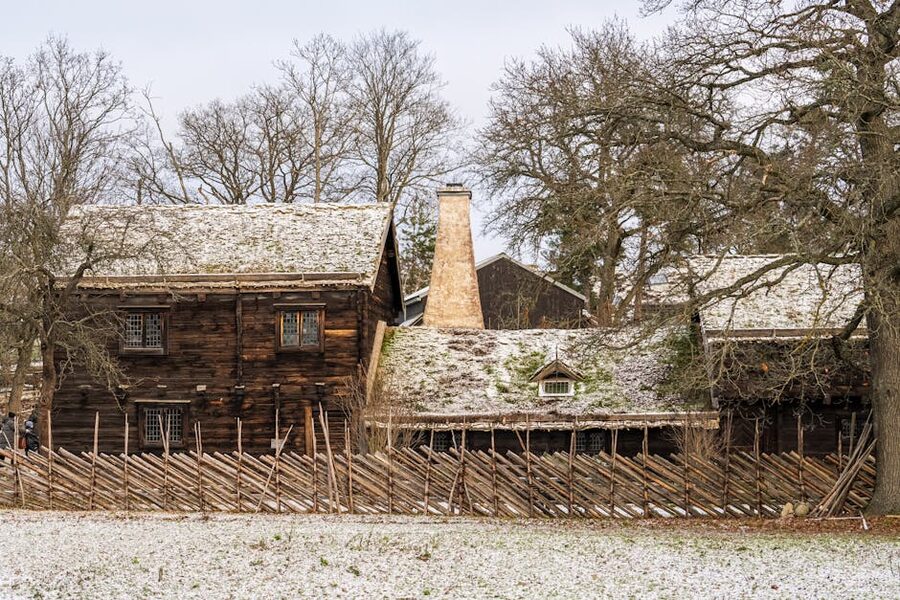
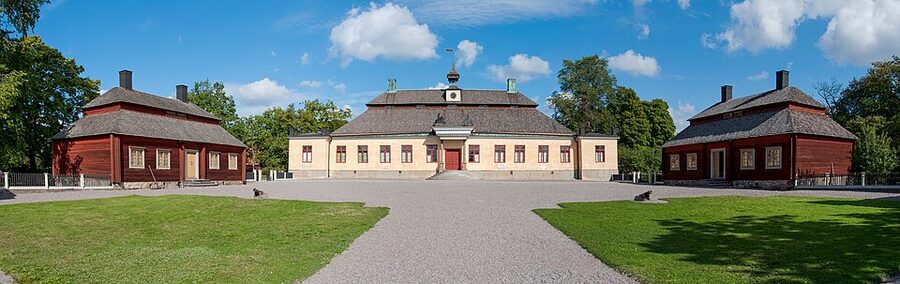
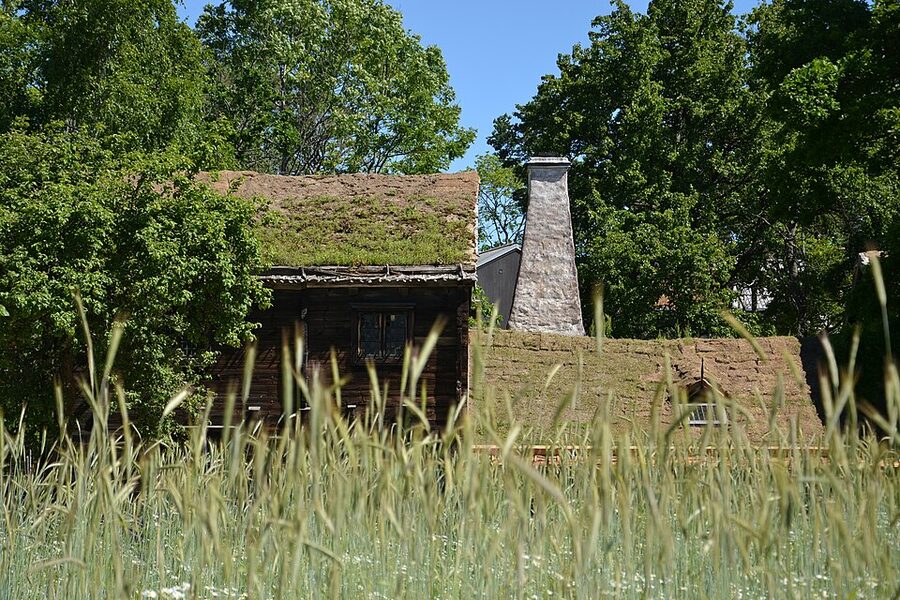
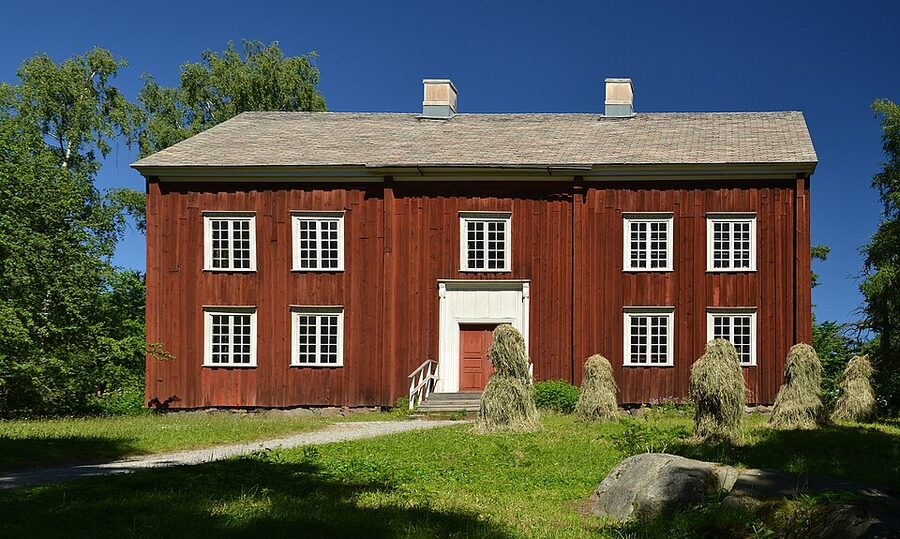
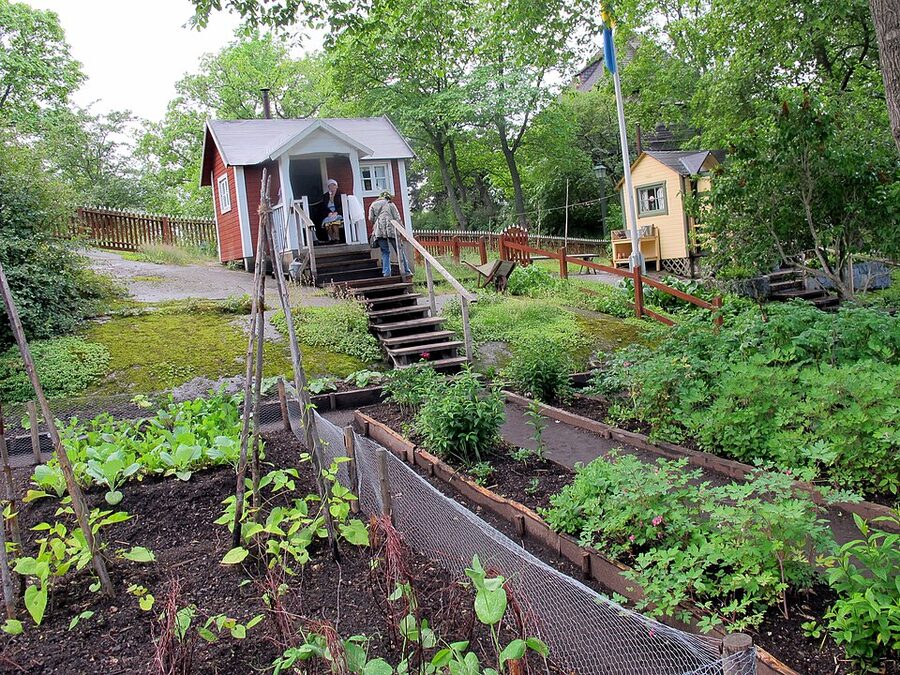
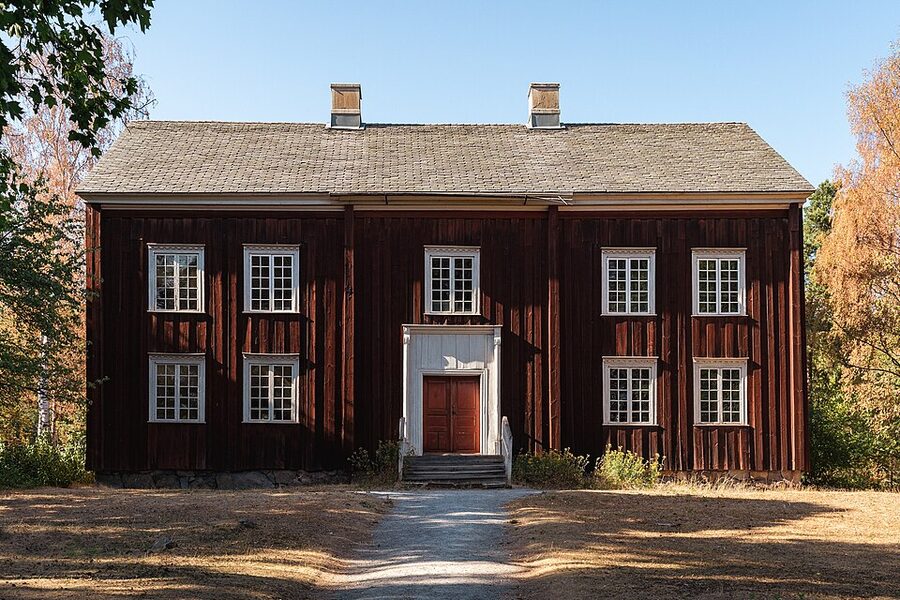
You walk through the gate at Skansen and within five minutes you’re standing in 1850s rural Sweden. A red farmhouse with a turf roof. Smoke drifting from a brick chimney. The smell of woodsmoke and birch. Reindeer somewhere off to your left. That’s the payoff. The whole hill on Djurgården island is one big time machine, and you don’t need a guide or a podcast to feel it.
This guide covers what a Skansen ticket actually gets you, when to go, how to combine it with the Vasa Museum next door, and the best way to book.
_3.JPG)
- In a Hurry: Three Quick Picks
- What a Skansen ticket actually includes
- Should you book online?
- Three good ways to book Skansen
- 1. Skansen Open-Air Museum Admission Ticket: from
- 2. Skansen Aquarium Entry Ticket: from
- 3. Private Vasa and Skansen Tour: from 9
- Pair Skansen with the Vasa Museum
- The Nordic zoo is the wild card
- Skansen Aquarium
- Seasonal Skansen: pick your season carefully
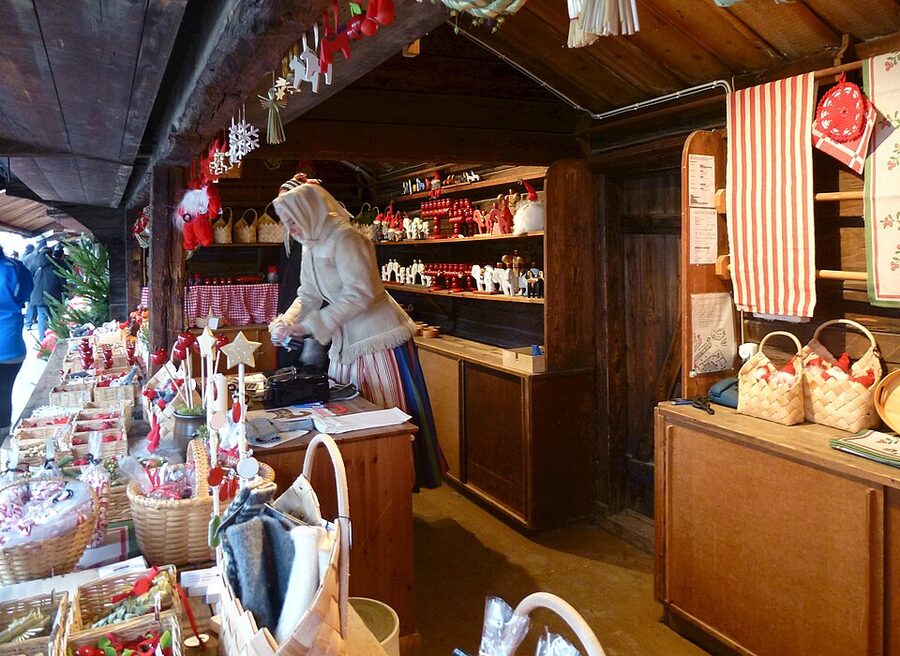
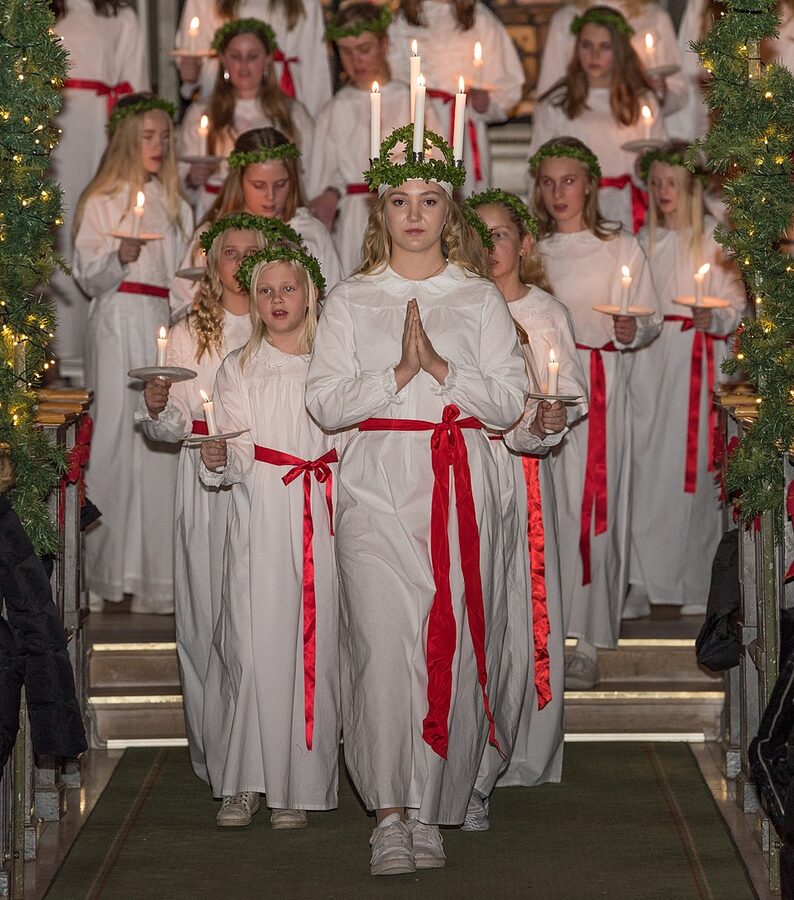
- December: the Christmas market and Lucia
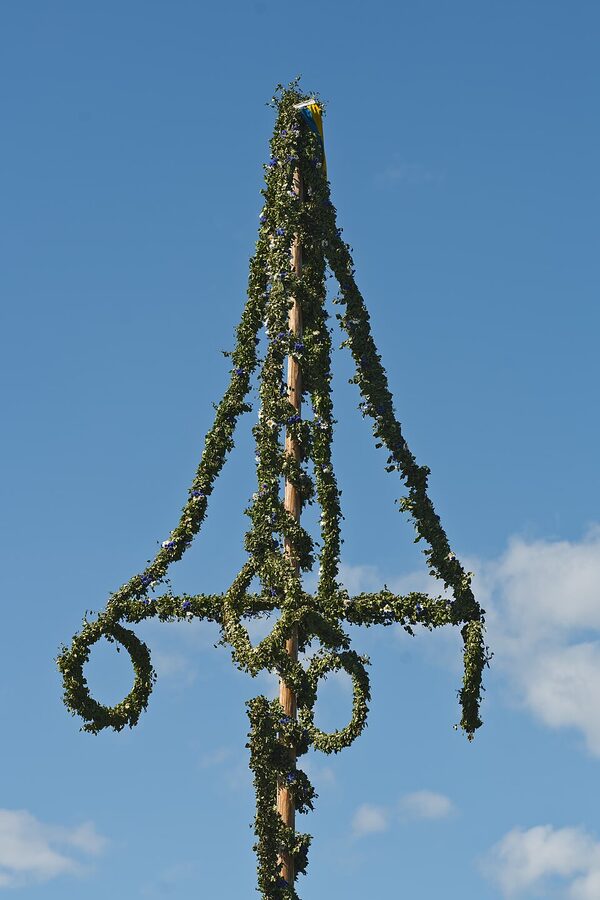
- Midsummer: the maypole and the dancing
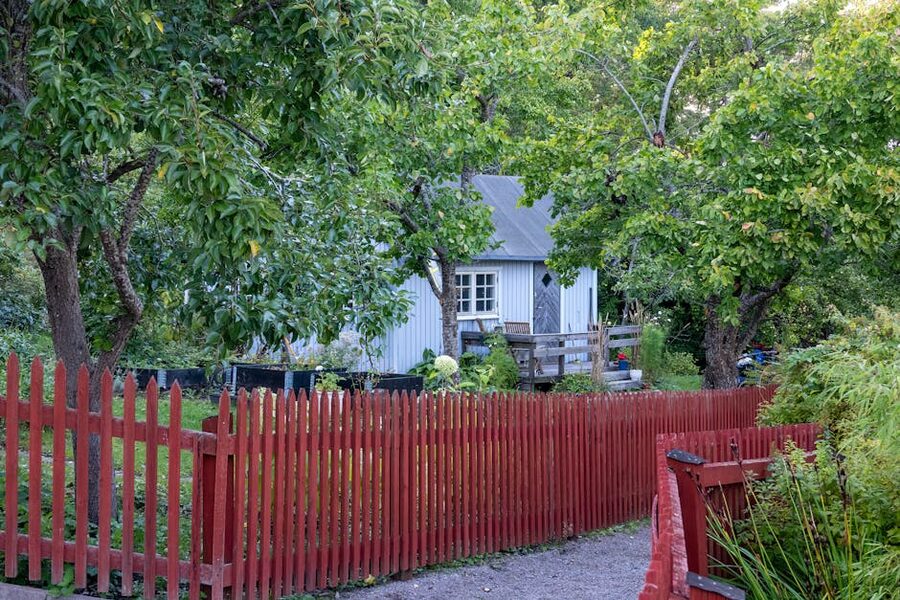
- Summer (June through August)
- Winter (January, February, early March)
- Getting to Skansen
- The story behind Skansen (it’s worth knowing)
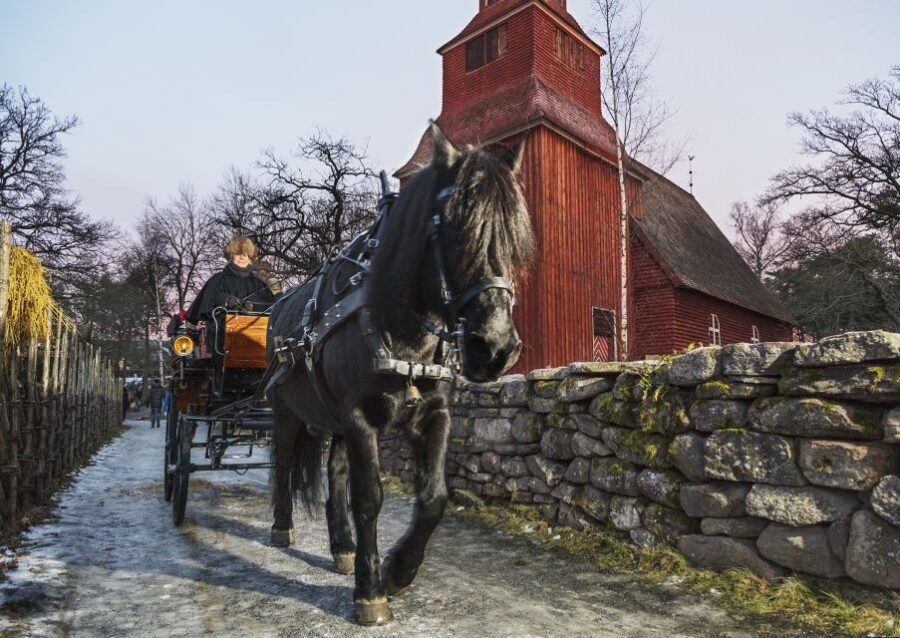
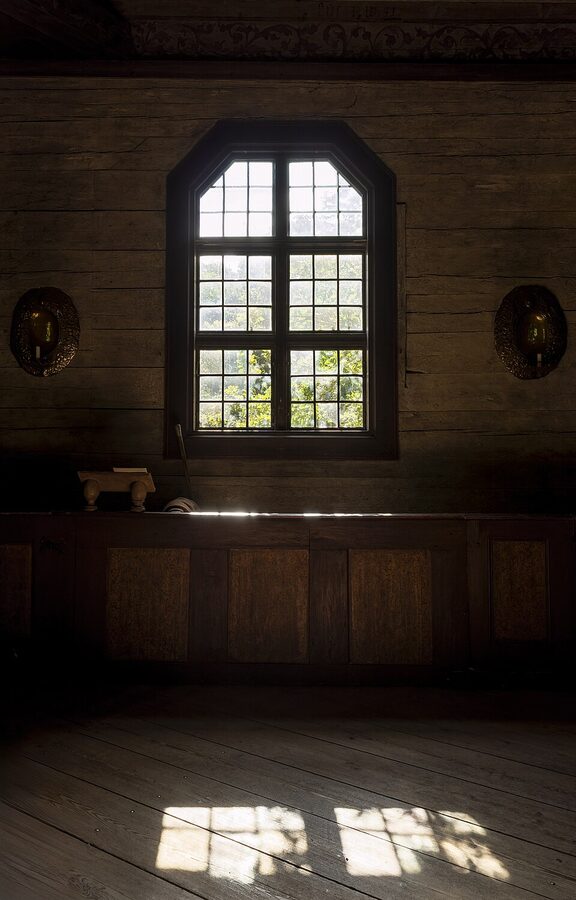
- The Seglora Church
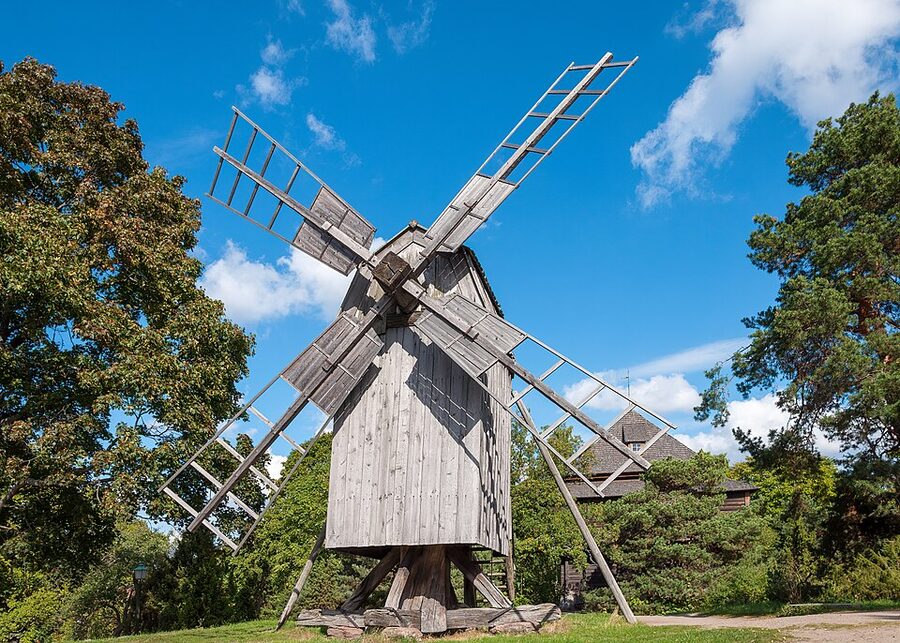
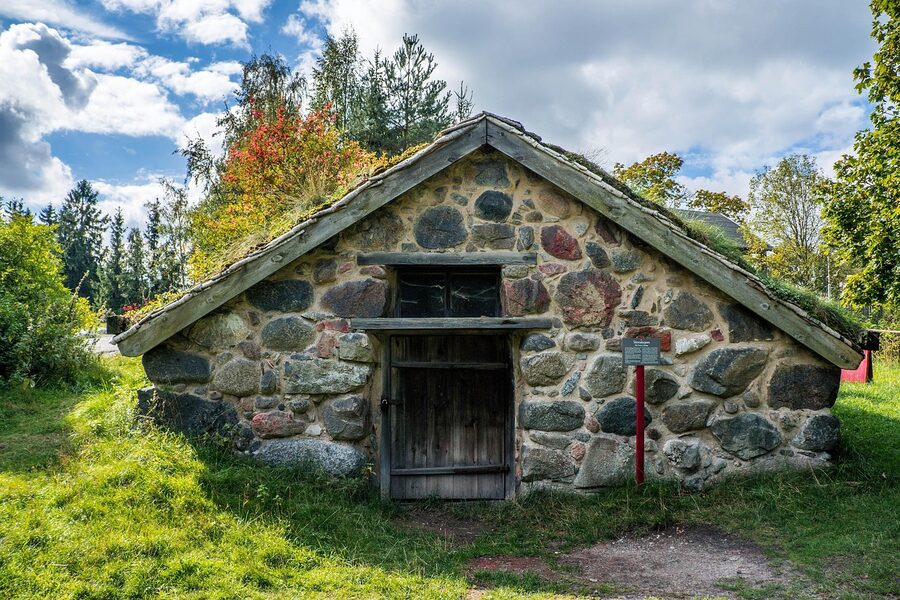
- The windmill and the rural buildings
- Demonstrations and crafts you’ll actually find
- Practical tips I’d give a friend
- How Skansen fits into a Stockholm trip
- One more thing on the Christmas market
- Frequently asked, briefly answered
- Open-air, by way of the rest of Northern Europe
In a Hurry: Three Quick Picks
Best value: Skansen Open-Air Museum Admission Ticket from $27. The simplest option. One ticket, full day, all 150 buildings and the Nordic zoo included.
Add the aquarium: Skansen Aquarium Entry Ticket from $18. Separate ticket inside the grounds, good shout if you’ve got kids and the weather turns.
Skip the planning: Private Vasa and Skansen Tour from $429. A guide, fast-track entry to both, and a car between sites. Pricey but it removes every logistics headache in one go.
What a Skansen ticket actually includes
A standard adult ticket runs around 220 SEK on the gate (about $22-27 depending on the day, and pricier in peak summer and during the Christmas market). Children 4 to 15 are roughly half. Under 4 is free. The ticket is valid for one day from when you scan it.
What you get:
- Entry to all 150 historic buildings (most are open and staffed in summer, fewer in winter)
- The whole Nordic zoo: brown bears, wolves, lynx, wolverines, elk, reindeer, the mountain goat enclosure, plus farm animals
- Access to demonstrations, glassblowing, traditional baking in the Old Town quarter
- Entry to seasonal events that don’t have separate ticketing
What’s not included: the Skansen Aquarium (separate ticket, around 130-160 SEK), some special events (the big Christmas market and certain concerts have their own pricing), and food anywhere on site.

.jpg)
Should you book online?
Yes, almost always. Two reasons. First, Skansen runs surge pricing on busy days (think Midsummer’s Eve, Lucia, Christmas market weekends, the first warm Saturday in May), and online tickets often beat the gate price even before you factor in queue time. Second, even outside surge dates, the gate queue at the main entrance can swallow 20-30 minutes on a sunny weekend.
The gate accepts cards (Sweden is essentially cashless and Skansen is no exception). If you forget to book, you’ll get in. You’ll just wait, and possibly pay more.
Three good ways to book Skansen
I’ve worked through the main options. There are really three sensible routes depending on whether you want bare-bones admission, a combo, or someone else handling the day.
1. Skansen Open-Air Museum Admission Ticket: from $27
This is the straightforward admission ticket and it’s what I’d book for almost any visit. Our full review covers the timed-entry windows during peak periods and how the day flexes when bad weather hits. It operates daily, including the day of arrival in most cases.
2. Skansen Aquarium Entry Ticket: from $18

Good news for families and rainy days: the aquarium is small but well kept, with lemurs, alligators, and tropical fish under one roof. Our full review is honest about the size, this is a 30-to-45-minute stop, not a half day. Pair it with the main Skansen ticket for the most value.
3. Private Vasa and Skansen Tour: from $429

This is the move if you’ve got mobility concerns, limited time in Stockholm, or simply prefer not to plan. Both Vasa and Skansen are on Djurgården, but the walk between them is roughly 15-20 minutes, and there are climbs at Skansen. Our review notes the price tag is steep per person but reasonable as a per-couple total.
_1.JPG)
Pair Skansen with the Vasa Museum
This is the single best piece of advice for a one-day visit to Djurgården. Skansen and the Vasa Museum are 750 metres apart on the same island. Both are world-class. Both can be done in a single, pleasantly tiring day. If you have one day on Djurgården, do both. If you have one day in Stockholm, still do both.
For full ticket details on the Vasa side, see our companion guide on how to get Vasa Museum tickets in Stockholm. The short version: Vasa is timed entry, smaller crowds before 11am or after 3pm, and you can do it in 90 minutes if you’re efficient.
_2.JPG)


If you’re hopping between Djurgården attractions over a couple of days, the Stockholm hop-on hop-off bus stops right outside Skansen and the Vasa, plus Gröna Lund and the ABBA Museum. The combo bus-and-boat ticket is the better value for an island-heavy itinerary.
The Nordic zoo is the wild card
People show up expecting old buildings and end up spending two hours with the bears.
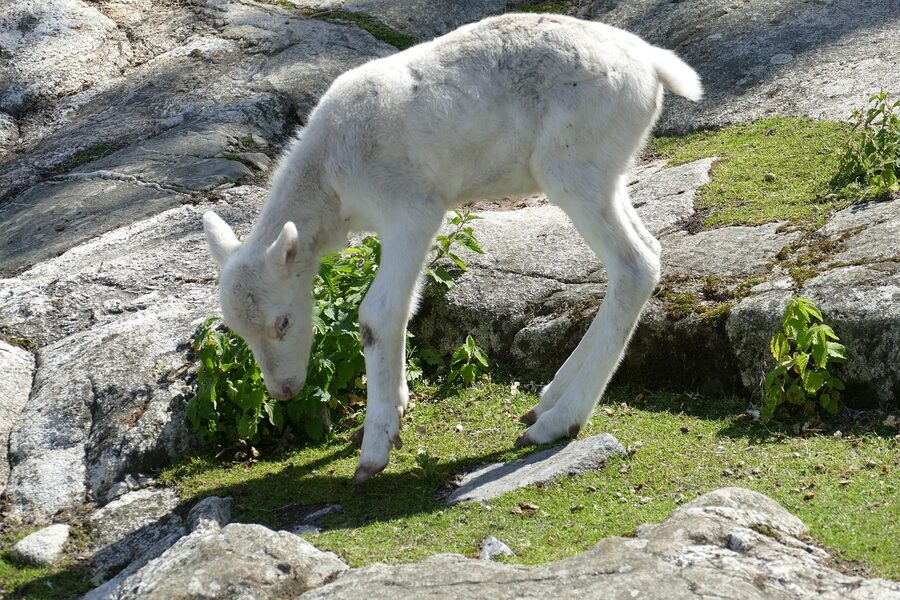
The animal section at Skansen isn’t a backdrop. It’s a proper Nordic-fauna zoo, with brown bears, grey wolves, lynx, wolverines, elk, reindeer, seals, otters, and a Mountain Goat habitat that’s become an Instagram staple. The animals are housed in spacious, naturalistic enclosures (a refreshing change from the cramped cages of older European zoos) and you can stand at most paddocks for as long as you want.

,_Skansen,_Stockholm,_Sweden_julesvernex2.jpg)



.jpg)
Skansen Aquarium
The aquarium is genuinely small (think one well-curated floor rather than a SeaLife-sized warehouse) and the ticket is separate, currently around 130-160 SEK on top of your Skansen entry. It’s housed in a building inside the grounds, and the highlight is the lemur enclosure where the animals roam free above your head. Worth it as a 30-minute add-on if you’ve got kids or it’s pouring rain. Skip if you’ve already booked time at one of the bigger Stockholm aquariums.
Seasonal Skansen: pick your season carefully
Skansen is essentially a different attraction four times a year. This is one of the few places in Europe where I’d genuinely tell you the season changes the answer to “is it worth it?”.
December: the Christmas market and Lucia

.jpg)

The Christmas market is the biggest single event of the year and the prices reflect it. Tickets are typically a few kroner higher and the place is heaving from about 1pm. My advice: arrive at opening, do the buildings and the zoo first while the market is still setting up, then loop back to the stalls late afternoon when the lanterns kick in.
Midsummer: the maypole and the dancing
.jpg)
Midsummer (Midsommar) is the one Swedish festival you’ve maybe seen depicted in films, and Skansen is where Stockholmers actually go to celebrate it. They raise the maypole, dance the Små grodorna ring (the “little frogs” song that everyone sings while pretending it’s their first time), and the whole hilltop fills with families and tourists in roughly equal measure. Book ahead. This is the second-busiest day of the Skansen year after the Christmas market opening.
Summer (June through August)

Winter (January, February, early March)
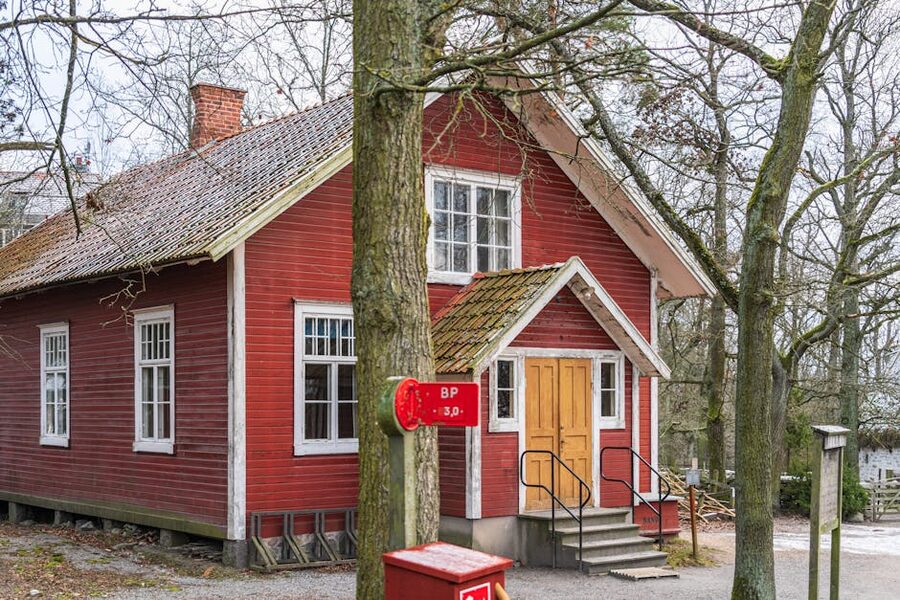
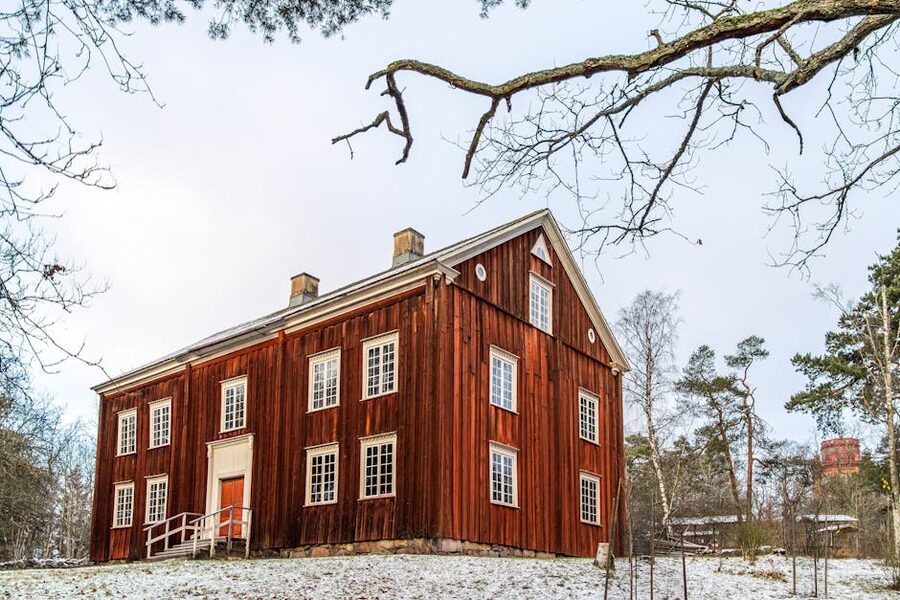
Honest assessment: if you’re in Stockholm for one day in late January or February and the forecast is foul, swap Skansen for the Vasa Museum and the ABBA Museum, both indoor, both world-class, both within five minutes of Skansen’s gate. Save Skansen for a better day or a different season.
Getting to Skansen
Three sensible routes from central Stockholm.
Tram 7 runs from Sergels Torg in the city centre directly to the Skansen stop on Djurgården. It’s the most reliable option in winter when the ferry stops running, and the SL pass covers it.
The Djurgården ferry from Slussen (south side) or Nybroplan (Östermalm) is the scenic choice in spring, summer, and autumn. The crossing takes 8-10 minutes and the views back at Gamla Stan are the kind of thing that justify a Stockholm trip on their own. Also covered by the SL pass.
Walking from Östermalm or the Strandvägen waterfront takes about 25-30 minutes from the city centre, depending on your starting point, and the route goes through some of the prettiest parts of the city. Lazy weather day, this is the best option.


The story behind Skansen (it’s worth knowing)
The reason Skansen exists at all is one slightly obsessive 19th-century academic.
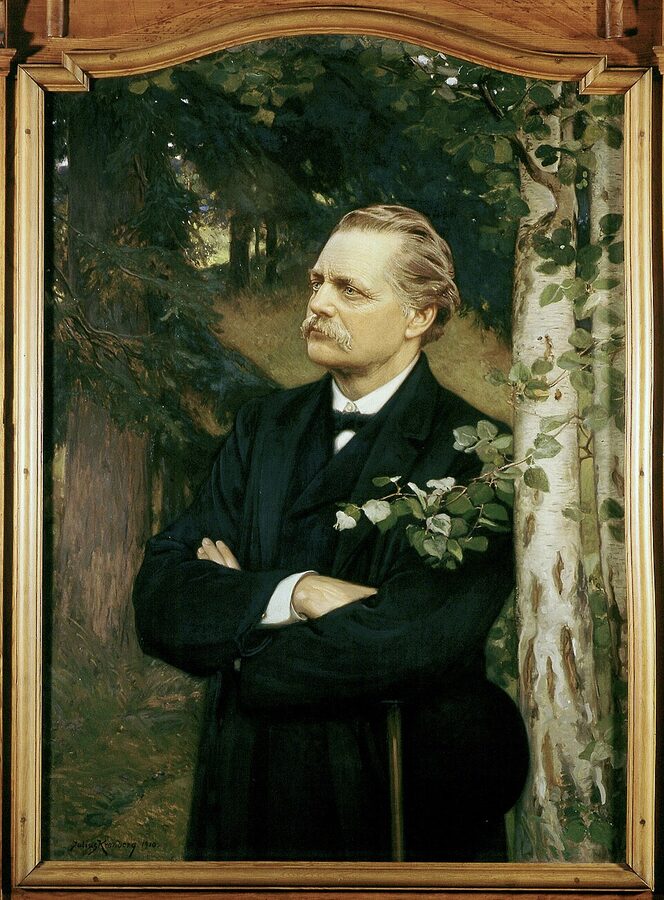
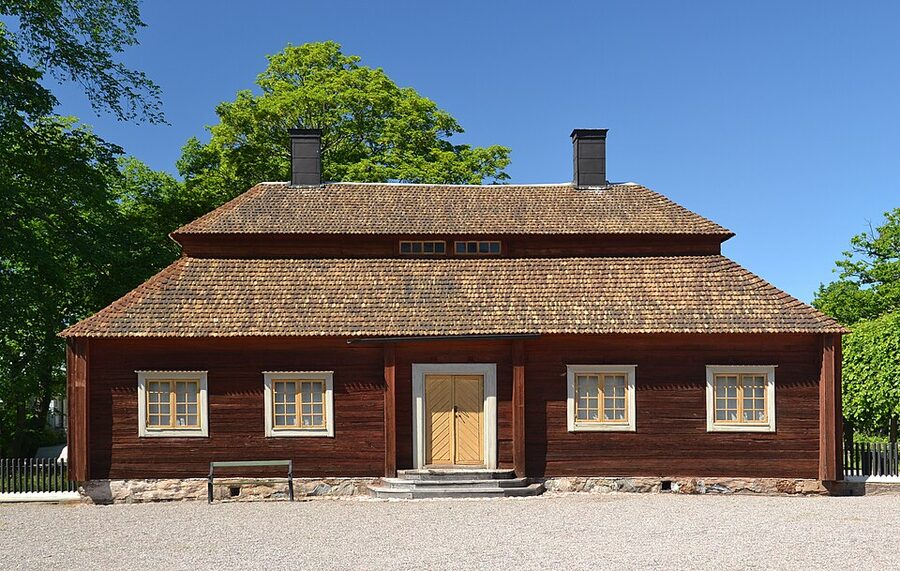
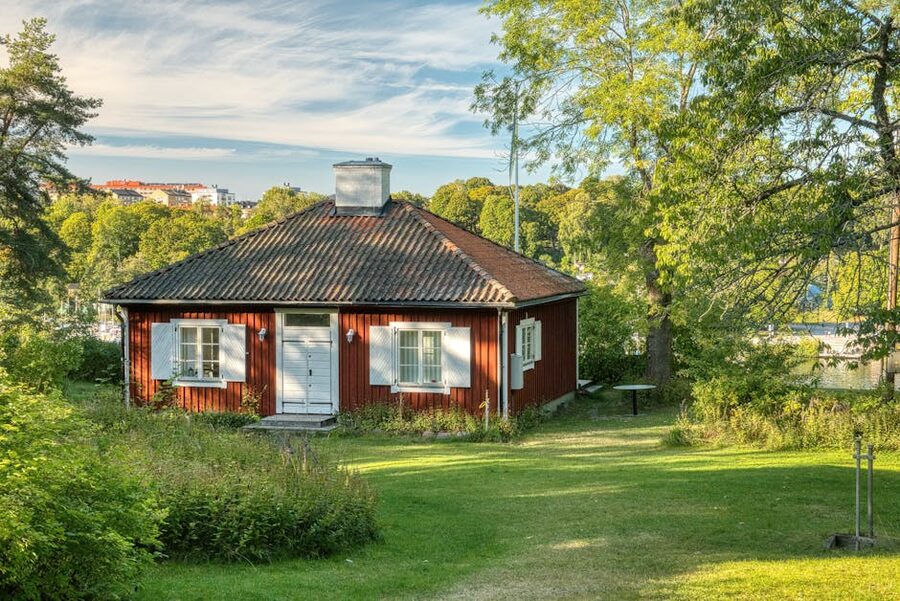
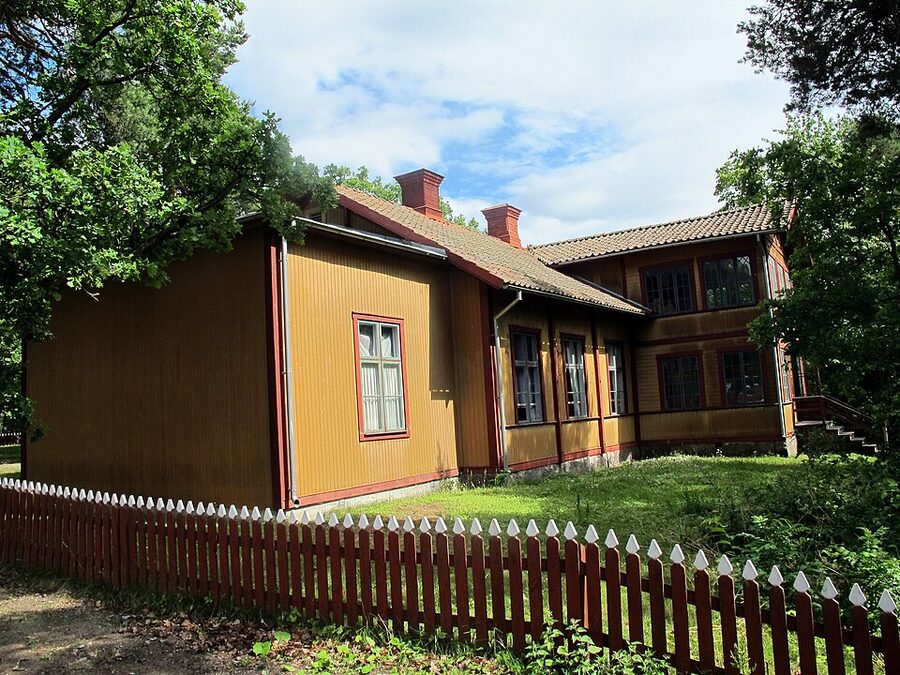
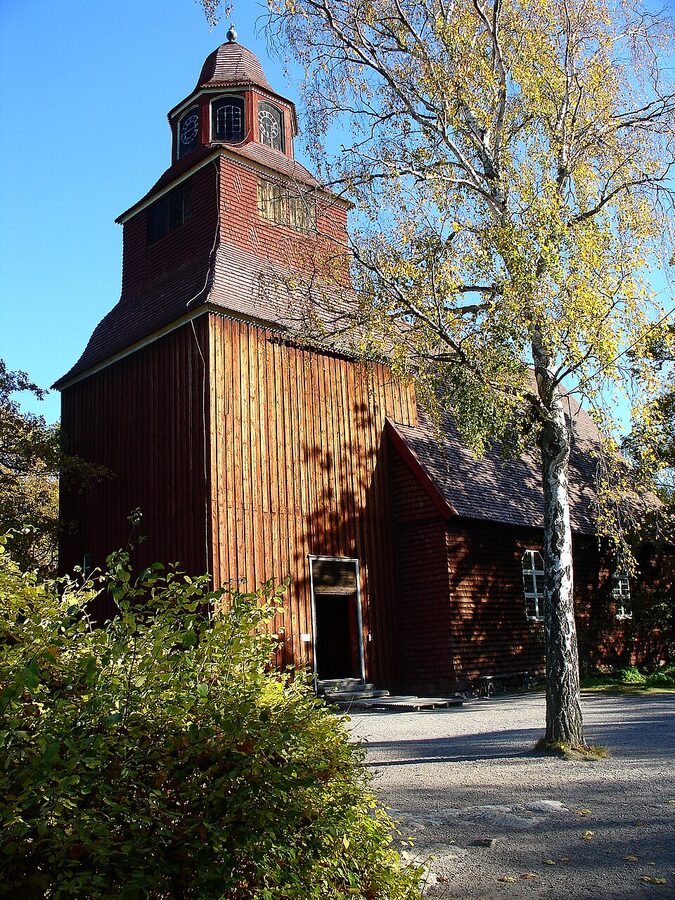
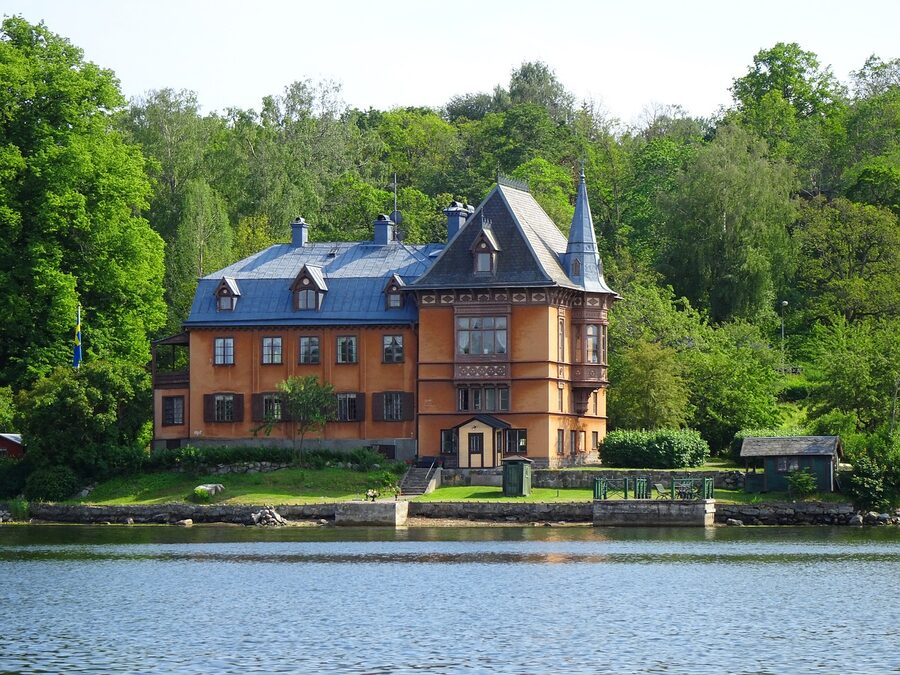
Artur Hazelius was a linguist and folklorist who watched mid-19th-century Sweden urbanise faster than anyone expected. Farmhouses, churches, and entire crafts traditions were getting bulldozed for railways and factories. Hazelius decided that if rural Sweden was going to disappear, he’d at least save the buildings. Between roughly 1885 and 1891, he travelled the country buying farmhouses, a 17th-century church from Seglora, a bell tower from Hälsingland, and a whole quarter of Stockholm’s old wooden city. He had each one disassembled beam by beam, transported to the hill on Djurgården, and reassembled.
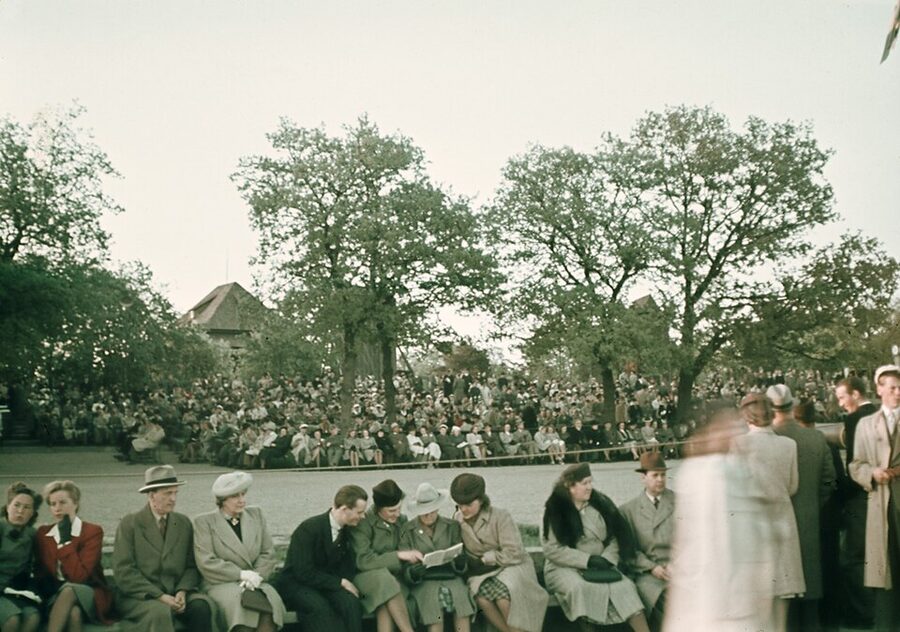
Skansen opened on 11 October 1891 as the world’s first open-air museum. Every other one in Europe (and there are dozens) is a copy of the model Hazelius invented here.
The Seglora Church


The windmill and the rural buildings

Demonstrations and crafts you’ll actually find
Skansen does the thing other open-air museums often fake. The crafts are real, the staff are skilled, and most of what you watch being made is actually for sale or being used.

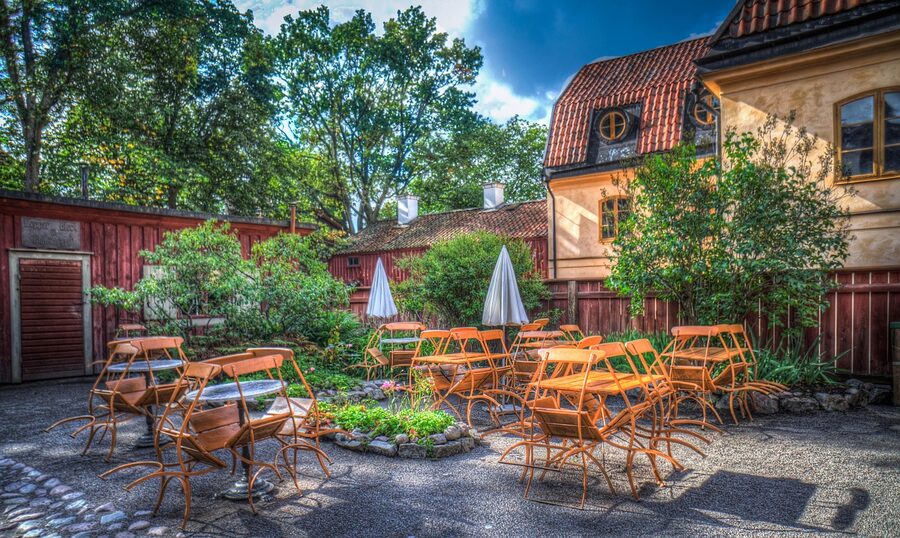
What’s running on any given day depends on the season and the weather. The traditional bakery in the Old Town quarter is one of the most reliable, with cardamom-spiced kanelbullar coming out of a wood-fired oven roughly every 90 minutes. The printer’s shop will set type for you on a vintage press. In summer, you’ll often catch folk dancing on the central stage near the Solliden restaurant.
Practical tips I’d give a friend
- Allow at least four hours. Three hours feels rushed. Six hours feels right if you want to do the buildings, the zoo, and have a proper lunch.
- Wear real walking shoes. The hill is steeper than it looks and the cobbles are unforgiving. In winter, anything with grip.
- Cash is pointless. Cards, Apple Pay, Google Pay everywhere. Some smaller stalls only take cards.
- The food on site is overpriced. The bakery is fine, the main restaurants are tourist-priced. If you’re price-sensitive, eat in town first or pack snacks.
- Bring layers. The summer wind off the water is colder than you think. The winter wind is exactly as cold as you think.
- Toilets are at the main entrance and at Solliden. Plan ahead, the buildings between them mostly aren’t equipped.
- Check the events calendar before booking. Concerts, school holidays, and festivals can change the day’s character entirely.
How Skansen fits into a Stockholm trip
If you’ve got a single day in Stockholm and want one really memorable cultural stop, this is the one I’d pick over almost any of the indoor museums (controversial, given the Vasa is also exceptional). If you’ve got two days, do Skansen and the Vasa Museum on day one and Gamla Stan on day two. Three days, add the Stockholm archipelago for a half-day boat trip out to the islands.
For a guided take on Gamla Stan that pairs nicely with a Skansen day, our Stockholm walking tour guide covers the best routes through the Old Town. If you want to see Stockholm by water, the boat tour guide covers the under-the-bridges canal cruises that show you why this is called the “Venice of the North”.
For a darker after-hours look at the city’s old town, the Stockholm ghost walk through Gamla Stan covers the 1520 Bloodbath and other things you won’t hear at Skansen.

One more thing on the Christmas market
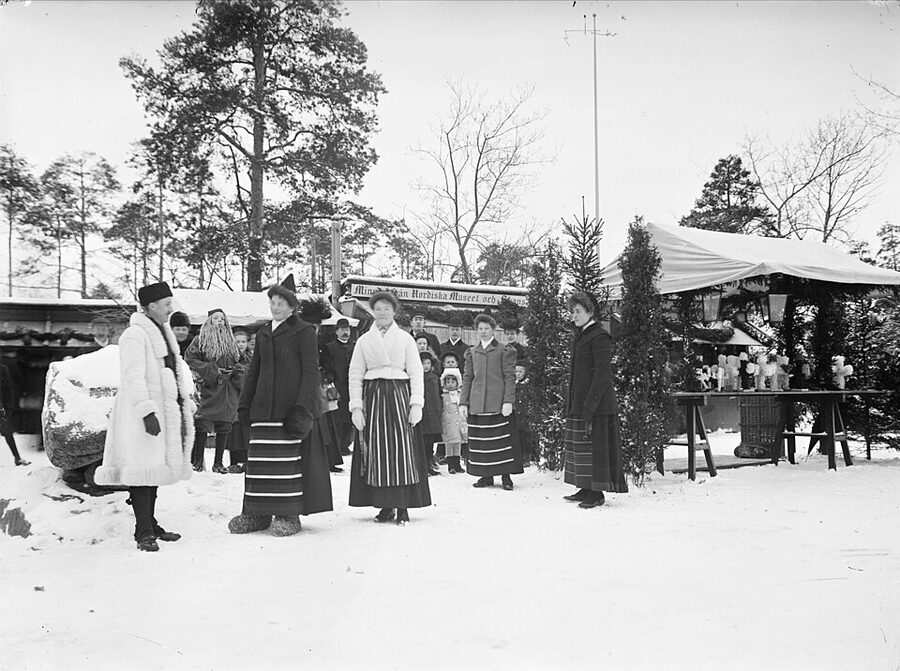
The Skansen julmarknad has been running, in some form, since 1903. It’s one of the oldest continuously operating Christmas markets in Europe, and it’s the one Stockholmers actually go to (rather than the more touristy Stortorget market in Gamla Stan). The four weekends before Christmas are the proper window. Friday afternoons are quietest. Saturday afternoons are absolute bedlam. Plan accordingly.
Glögg (Swedish mulled wine) is around 50-70 SEK a cup. The cinnamon buns are warm. The candles flicker. If you can pick one Stockholm experience for early December, this is the one.
Frequently asked, briefly answered
Is Skansen worth visiting in winter? Yes, with caveats. Bears hibernate, hours shrink, several smaller buildings close. But the snow on the wooden farmhouses is unbeatable and the crowds are minimal. Pair with an indoor backup plan if the weather is awful.
How long should I plan? Four hours minimum. Six hours if you’re a museum person. A full day if you want to do the zoo, the buildings, lunch, and a coffee stop without rushing.
Can I leave and come back? Yes, your ticket is valid for the full day. Get your hand stamped at the gate on the way out.
Is the Skansen Aquarium included? No, it’s a separate ticket. Buy at the aquarium entrance inside the grounds.
Is it accessible? Mostly yes for the main paths. Several historic buildings have steep wooden steps and aren’t accessible. The Skansen website has a detailed accessibility map worth checking before you go.
Are there places to eat inside? Several restaurants and stalls. The big one is Solliden, which has a reliable buffet for around 250-350 SEK. The bakery in the Old Town is the cheaper, better option.
Best photo spot? The view from the top of the hill near Solliden, looking back across Stockholm harbour with the wooden buildings in the foreground. Pure Sweden tourism postcard.
Open-air, by way of the rest of Northern Europe
If Skansen lands well, you’re a candidate for similar attractions across the Nordics and beyond. Copenhagen’s Tivoli Gardens is a different kind of historic outdoor attraction (more amusement park than museum, but also opened in the 19th century and still going strong). For a darker, more historical-walking-tour angle to layer onto a Nordic trip, our Copenhagen alternative walking tour guide covers the city’s underground side.
If a Skansen day was the highlight of your Stockholm trip and you’ve got a longer Europe itinerary, equivalents worth booking ahead include the Krakow Jewish Quarter walking tour for a deep heritage angle, and the historical-walking-tour cluster I’d point any Skansen fan toward, including the London Jack the Ripper tour for a darker after-dark take on a European old town.
For city-pass-style transport across Stockholm during a busy two- or three-day trip, the Stockholm hop-on hop-off bus stops at Skansen, the Vasa, the ABBA Museum, and Gröna Lund (the amusement park), making island-heavy days much easier.
Most importantly: if you’ve got time for one more Djurgården visit, do the Vasa Museum. It’s 750 metres from Skansen’s gate. Whatever you’ve heard about it being good, it’s better.
Affiliate disclosure: this guide contains affiliate links to GetYourGuide and Viator. We get a small commission if you book through them, at no extra cost to you. Editorial picks are based on our own research and our reviews of the actual products listed.