
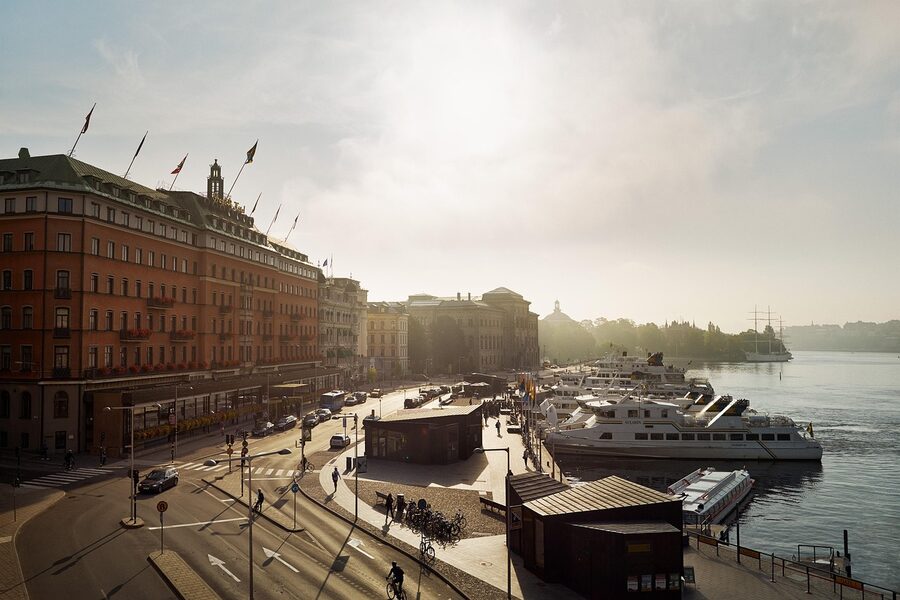
You can see Stockholm on foot in a long, satisfying day: Gamla Stan, a stretch of harbour, the steps up to Stortorget, maybe Skansen if you push it. Now picture a different version of the same day. You’re on a bike, gliding along Strandvägen with the masts of the Djurgården ferries on your left and the embassies on your right. Twenty minutes later you’re on a forest path behind Rosendal, then crossing a bridge to Långholmen, then clipping under Västerbron with all of Södermalm rising on your right. Same eight hours, more than twice the city.
That gap, between what you discover walking and what you discover on two wheels, is the whole reason a guided bike tour makes sense in Stockholm. With over 760 km of marked bike paths and a layout of fourteen islands stitched together by bridges, this is one of the most cycling-friendly capitals in Europe. The hard part is choosing which tour to book. Below is what you actually need to know.

- In a Hurry? Three Stockholm Bike Tours to Book Now
- Walking Stockholm vs Biking Stockholm: Why It Matters
- What a Stockholm Bike Tour Actually Costs
- Three Stockholm Bike Tours Worth Booking
- 1. Stockholm: Guided Bike Tour:
- 2. Stockholm: Top Highlights Bike Tour:
- 3. Stockholm’s Best Bike Tour:
- The Djurgården Loop: Why Every Tour Goes There
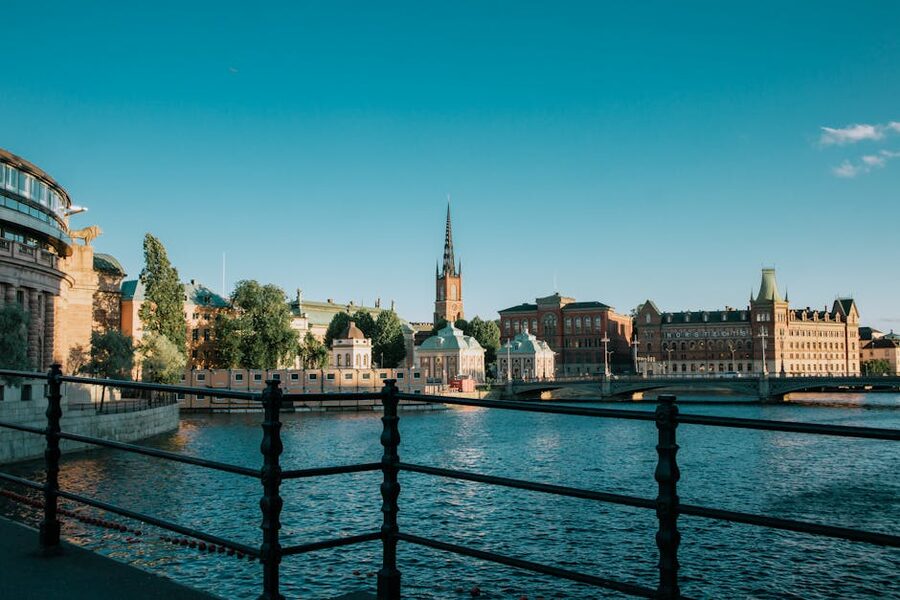
- Gamla Stan, Riddarholmen and the Old City Loop
- Södermalm: Hills, Viewpoints, and Why You Want an E-Bike
- Långholmen and Reimersholme: The Tour That Goes Further
- Best Time of Year for a Stockholm Bike Tour
- What to Bring (and What to Skip)
- Booking Tips and What Goes Wrong
- Combining a Bike Tour with the Rest of Stockholm
- What I’d Tell a First-Timer
- Other Stockholm Guides Worth a Look
In a Hurry? Three Stockholm Bike Tours to Book Now
Most reviewed: Stockholm: Guided Bike Tour, around 2 to 3 hours, ~$62. The default pick if you can’t decide. Hits Gamla Stan, the Royal Palace, Djurgården back paths.
Best value: Stockholm: Top Highlights Bike Tour, ~2 hours, ~$44. Same core route, smaller group, lower price. Best for first-timers on a tight schedule.
Highest rated: Stockholm’s Best Bike Tour, 3 to 3.5 hours, ~$55. Goes wider into Norrmalm, Kungsholmen, Vasastan and Östermalm. Pick this one if you want depth, not just hits.
Walking Stockholm vs Biking Stockholm: Why It Matters
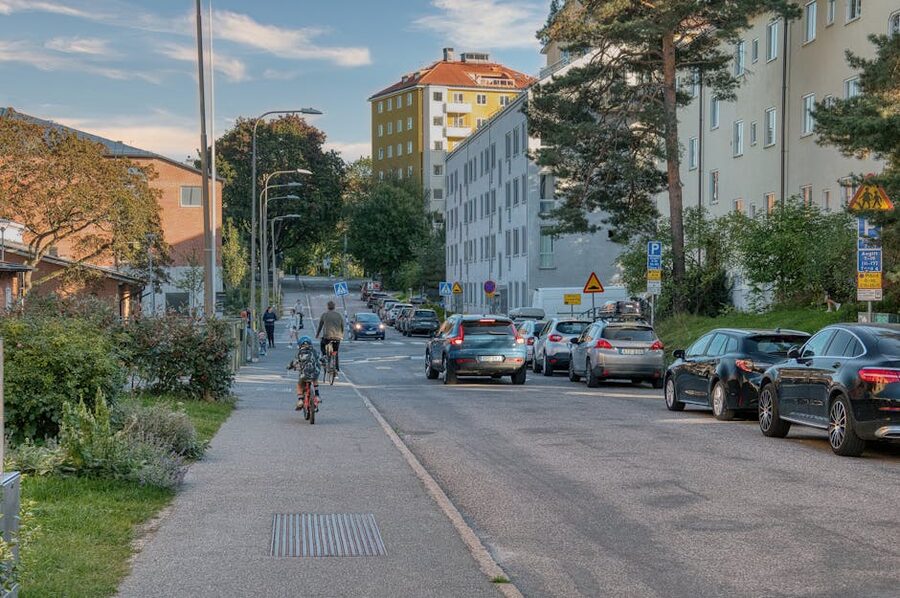
If you only have a day or two, the calculation is simple. On foot, you’ll do Gamla Stan in the morning (an hour to walk it properly), maybe Stadshuset, lunch, and then either Vasa Museum on Djurgården or wandering Södermalm. That’s it. You’ll have seen the postcard.
On a bike, that same day stretches. The Djurgården loop alone, which is impossible on foot in any reasonable time, opens up Rosendal, Thielska Galleriet, the back paths of the old royal hunting grounds, the harbour stretches no walking guide ever takes you down. Add Långholmen, the prison-island-turned-park nobody mentions in the guidebooks, and Skinnarviksberget on Södermalm for the city’s best free viewpoint. That’s the bike-tour version of the same trip.
.jpg)
I’d go further. Walking gives you the centre. Biking gives you Stockholm as a city of islands, which is what it actually is. You feel the bridges under your wheels. You notice that Söder is high and Norrmalm is flat, that Djurgården is genuinely green, that Långholmen is a real island and not a metaphor. This is the shape of the city, and you don’t get it any other way short of taking a harbour boat tour or visiting the Stockholm archipelago for a weekend.
What a Stockholm Bike Tour Actually Costs
Pricing in 2026 sits in a tight band. Most guided 2 to 3-hour tours run between 400 and 700 SEK (about $40 to $70). The cheaper end is normally a 2-hour highlights ride with a slightly larger group; the upper end gets you a smaller group, longer route, and usually a better-quality bike. E-bike upgrades, useful if you have any worries about the climbs on Södermalm or Skinnarviksberget, run an extra 100 to 200 SEK on top.
If you’d rather do it yourself, multi-day rentals work out cheaper per day. Expect 250-350 SEK for a full day from a regular shop, less if you book three or more days. The trade-off is no guide, no route knowledge, no stories about Långholmen’s prison years or why the embassies all sit on Strandvägen. For a first-time visitor, the guided tour is worth the extra money. You’re not just paying for the bike.
One booking note. Most operators offer free cancellation up to 24 hours before, which matters in a city where the weather can flip in an afternoon. Book on a sunny forecast, cancel if rain rolls in, rebook for the next day. I do this without guilt and you should too.
Three Stockholm Bike Tours Worth Booking
I went through every Stockholm bike tour worth recommending and pulled the three that consistently come up. Different lengths, different group sizes, different routes. None is a bad pick.
1. Stockholm: Guided Bike Tour: $62
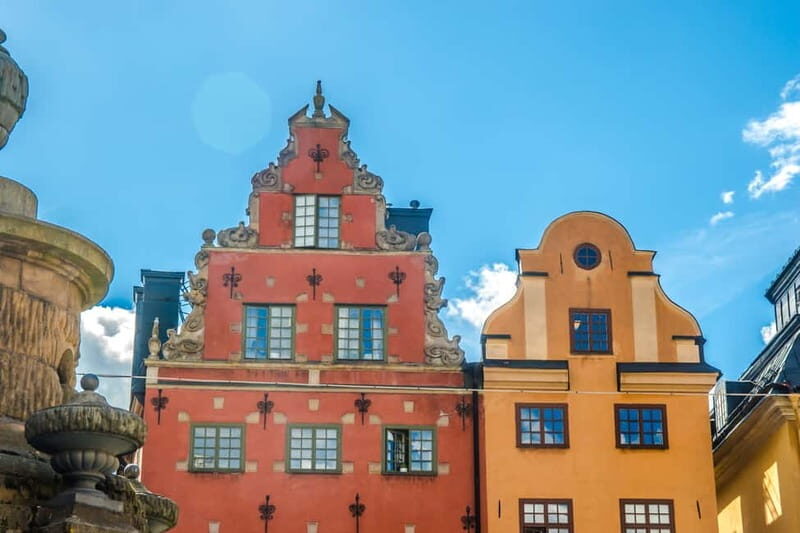
This is the one I send first-timers to. It’s the most-reviewed Stockholm bike tour by a margin, and there’s a reason: it covers the unique island layout (Gamla Stan, the Royal Palace, Djurgården) in a tight 2 to 3-hour window without feeling rushed. Our full breakdown covers the meeting-point logistics and the e-bike upgrade options. Pace is easy, group sizes stay manageable, and the route hits the bits you actually came to see.
2. Stockholm: Top Highlights Bike Tour: $44
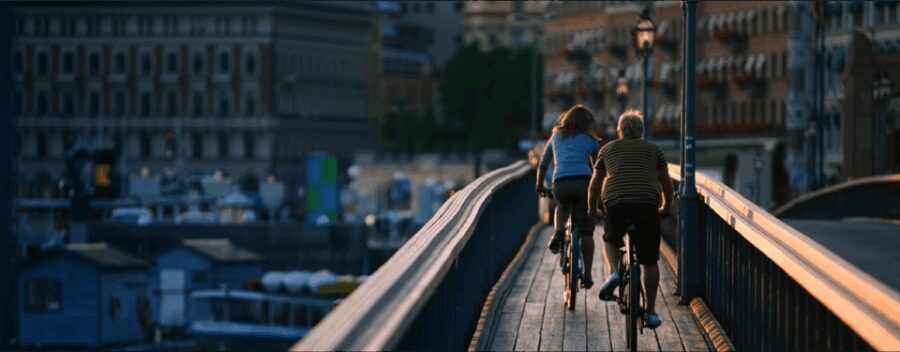
If $44 is the right price point and you’ve got an afternoon to fill, this is the better deal. The tour leans into Stockholm’s “Venice of the North” identity and crosses three or four islands in a brisk two hours. Our review notes it works especially well as a morning warm-up before a museum day. Same Gamla Stan and Royal Palace stops as the longer tour, just compressed.
3. Stockholm’s Best Bike Tour: $55
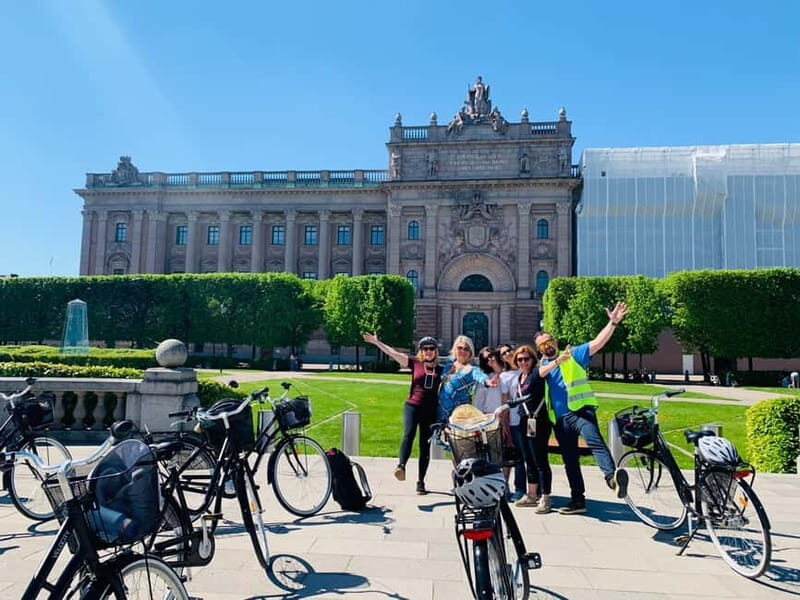
The serious option. This tour runs longer (3 to 3.5 hours) and pushes north-west into Norrmalm, Kungsholmen and Vasastan, neighbourhoods most short tours skip. Our review calls out the calibre of the guides, which is what you’d expect at this rating. Pick this if you’d rather see four neighbourhoods properly than seven in a blur.
The Djurgården Loop: Why Every Tour Goes There
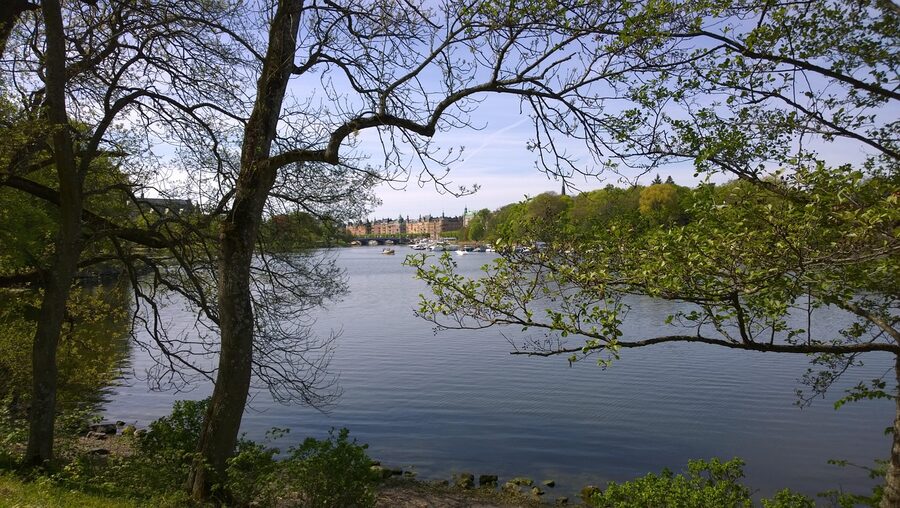
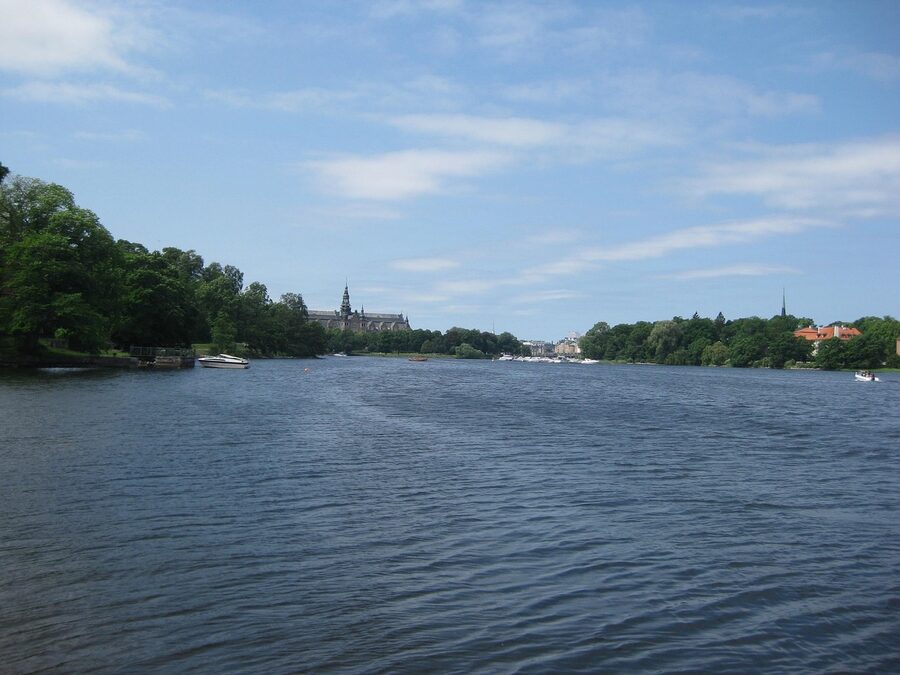
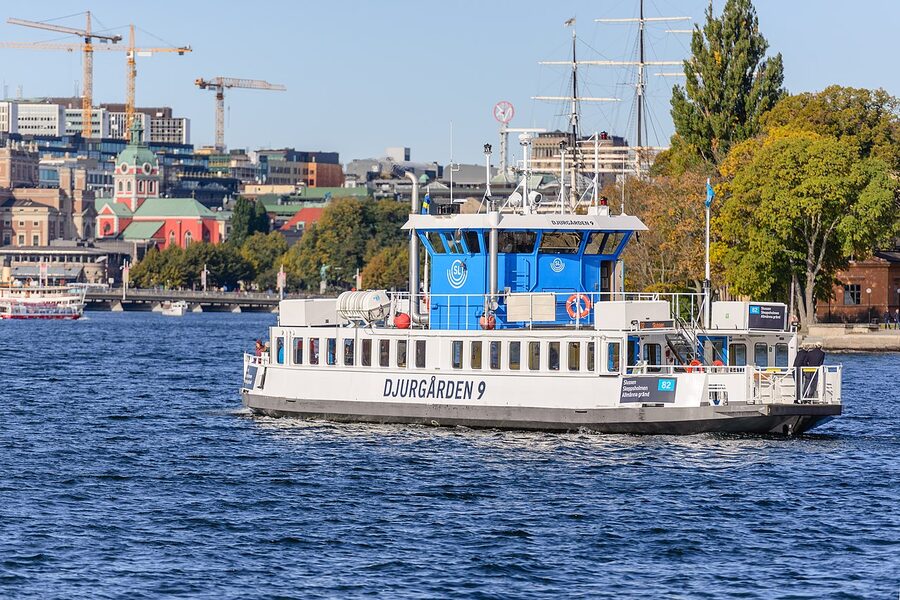
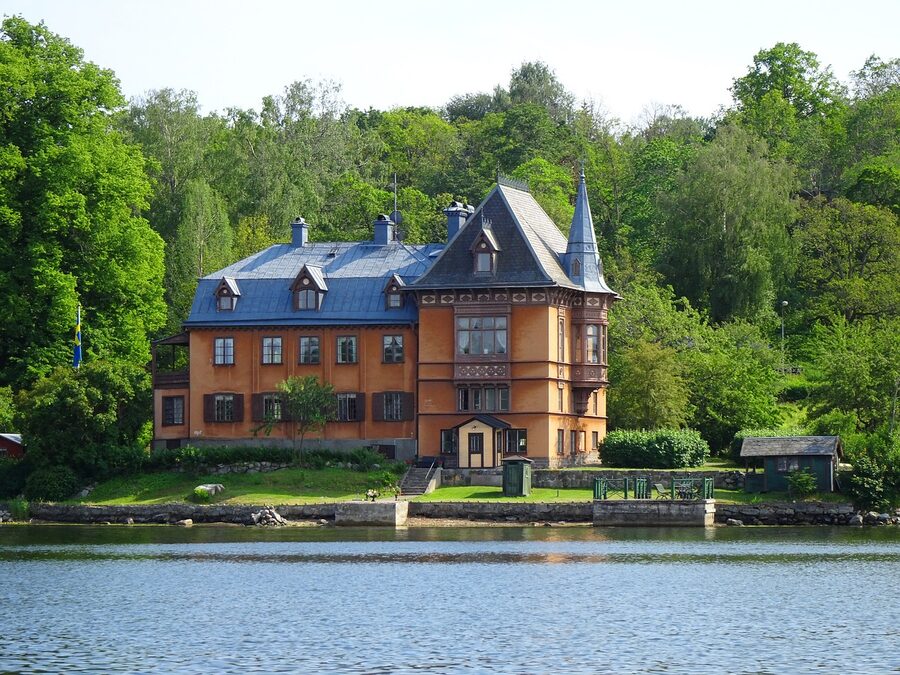
Djurgården, pronounced more or less “yer-gore-den”, is the green island east of the city centre. Once a royal hunting reserve, now a public park you ride straight into via a bridge. Every Stockholm bike tour I’ve ever seen pivots around Djurgården for a reason: it’s flat, beautiful, has separated bike paths through woodland, and squeezes most of Stockholm’s headline museums into one peninsula.
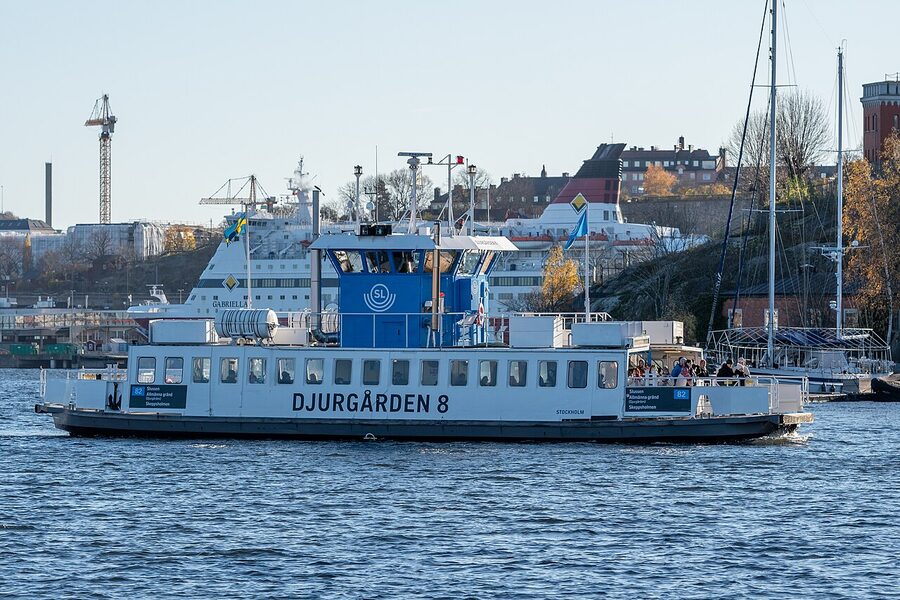

The standard loop drops you past the Vasa Museum, the ABBA Museum and Skansen open-air museum without you having to dismount, then snakes round the back of the island past Rosendal Palace and the garden café. Most guided tours pause at Rosendal for water or a coffee break, which is a smart call: it’s the prettiest stop on the route and a hundred kronor for a kanelbulle (cinnamon bun) and a coffee feels like a deal here.
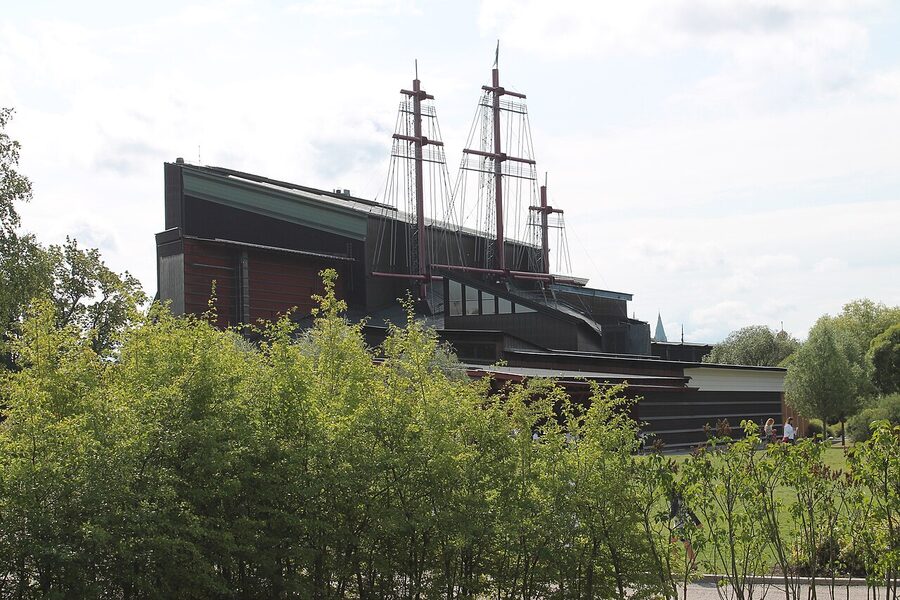

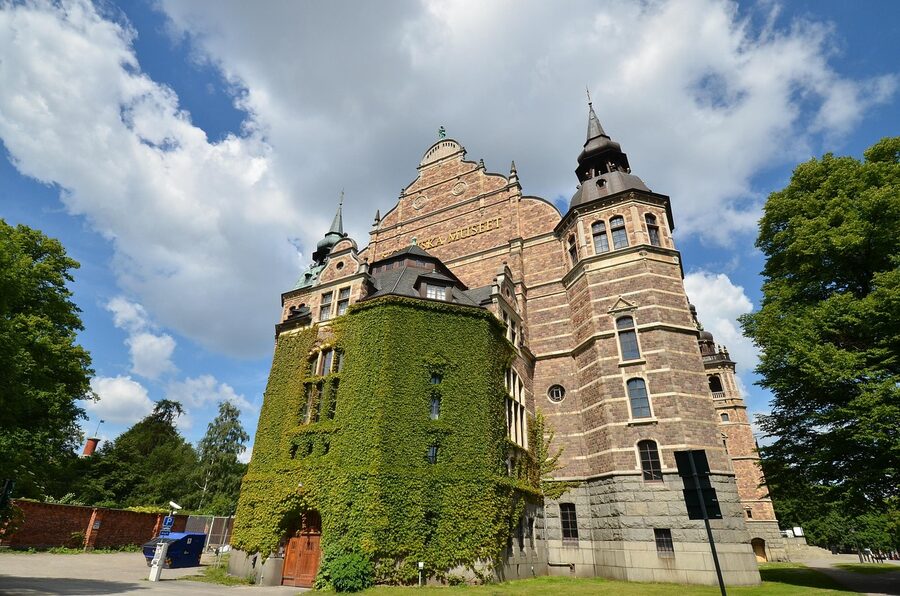
If you skip the bike tour and try to do Djurgården on foot, you’ll see Skansen, Vasa, and a slice of waterfront. That’s it. The back paths, the gardens, the harbour stretches looking back at Skeppsholmen, you simply won’t reach them. This is the heart of the contrast: same destination, completely different experience.

Gamla Stan, Riddarholmen and the Old City Loop
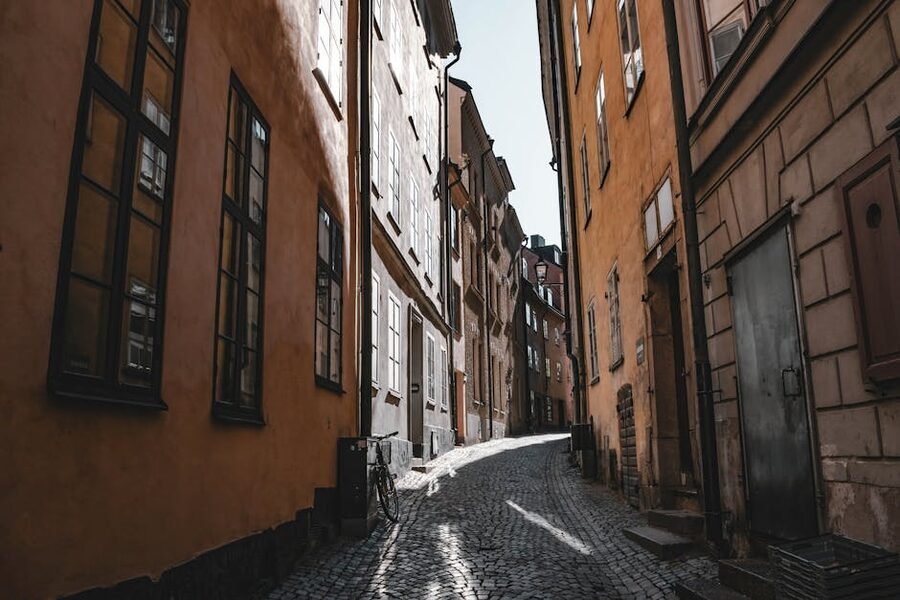
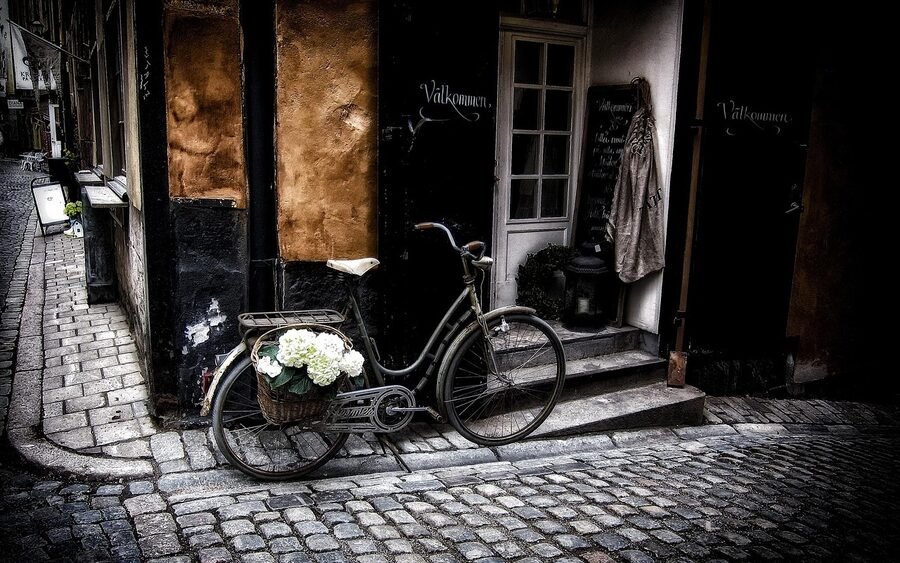
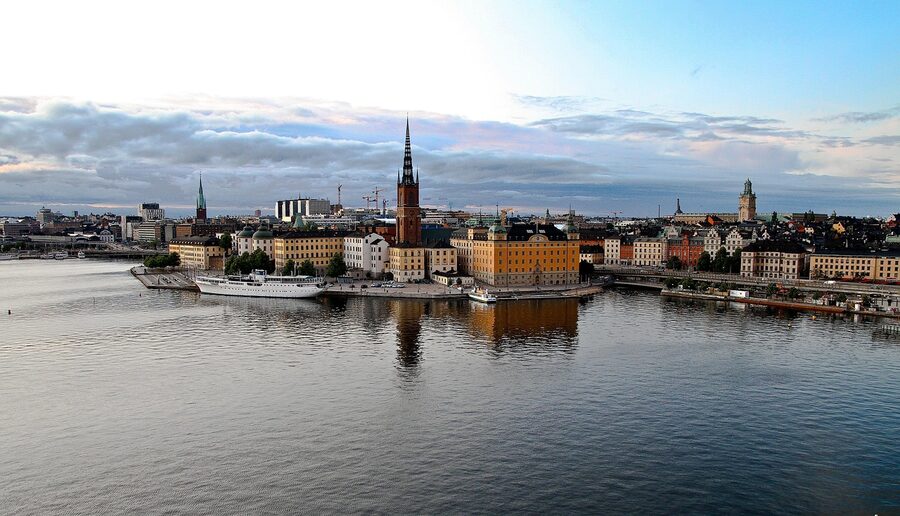
The other half of any decent Stockholm bike tour is Gamla Stan, the medieval old town, and the small adjoining island of Riddarholmen. This is where most tours start. The cobbles are the obvious worry; they aren’t smooth, and the narrowest streets put you in pedestrian territory, so you’ll be walking the bike for short stretches, not riding it. That’s fine. It’s also unavoidable.
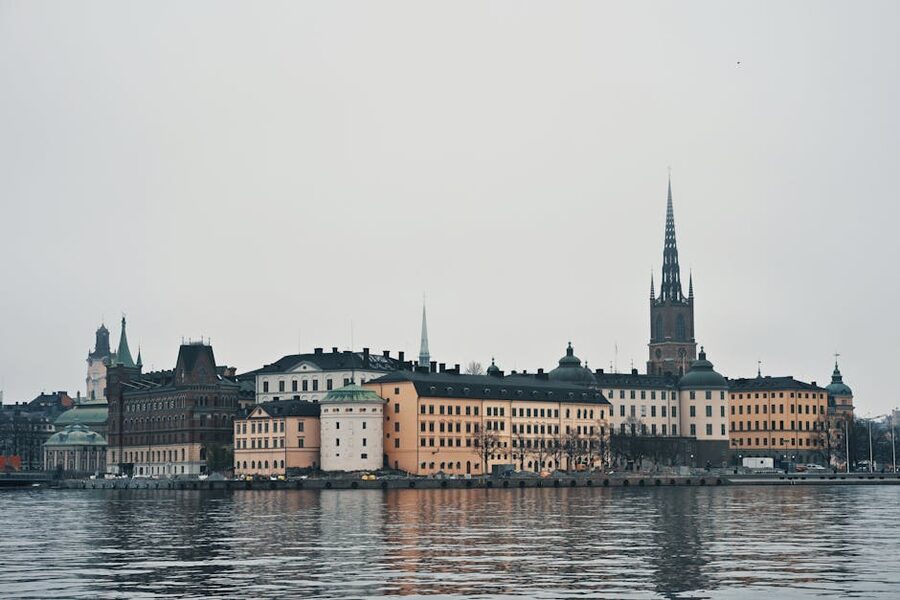
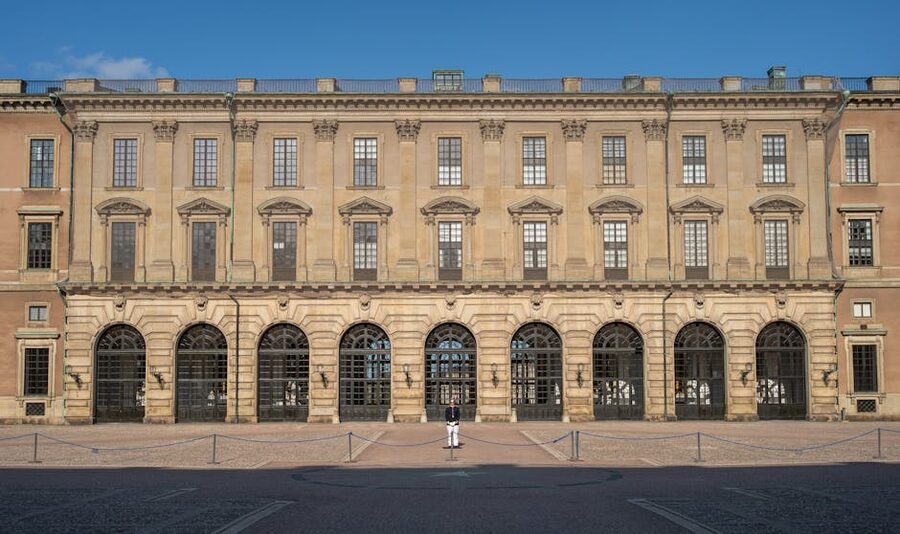
The Royal Palace sits on the Gamla Stan island. Tours don’t usually go inside, you’ll just ride past the western façade and the courtyard. If you want the full Changing of the Guard experience, you’d plan a separate visit; the bike tour treats the palace as a 5-minute photo stop, no more.
Södermalm: Hills, Viewpoints, and Why You Want an E-Bike
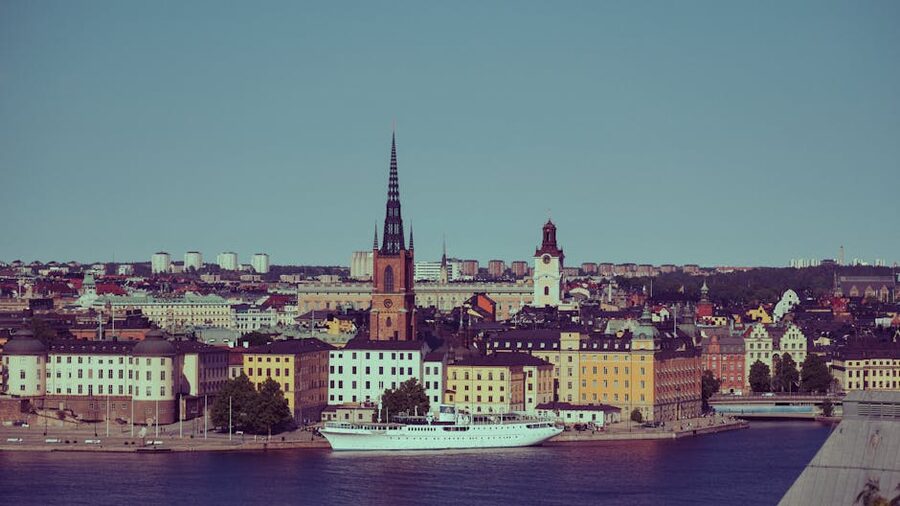
Södermalm (called “Söder” by everyone who lives here) is Stockholm’s bigger southern island, and it’s where the topography gets honest. Söder sits on a granite ridge. The streets rise and fall sharply. The viewpoints are spectacular but you’ve got to climb to them.
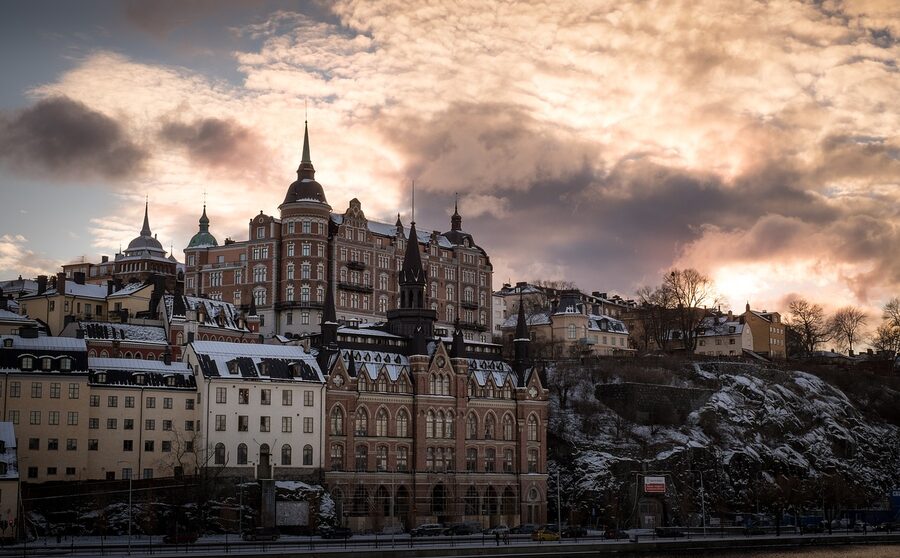
This is the section where the e-bike upgrade pays off. If you’re not a confident rider or you’ve not cycled in a while, the climb up to Skinnarviksberget on a regular bike will leave you sweating. An e-bike turns it into a glide. The 100 to 200 SEK extra is, in my opinion, the single best money you can spend on a Stockholm bike tour. Don’t be proud.
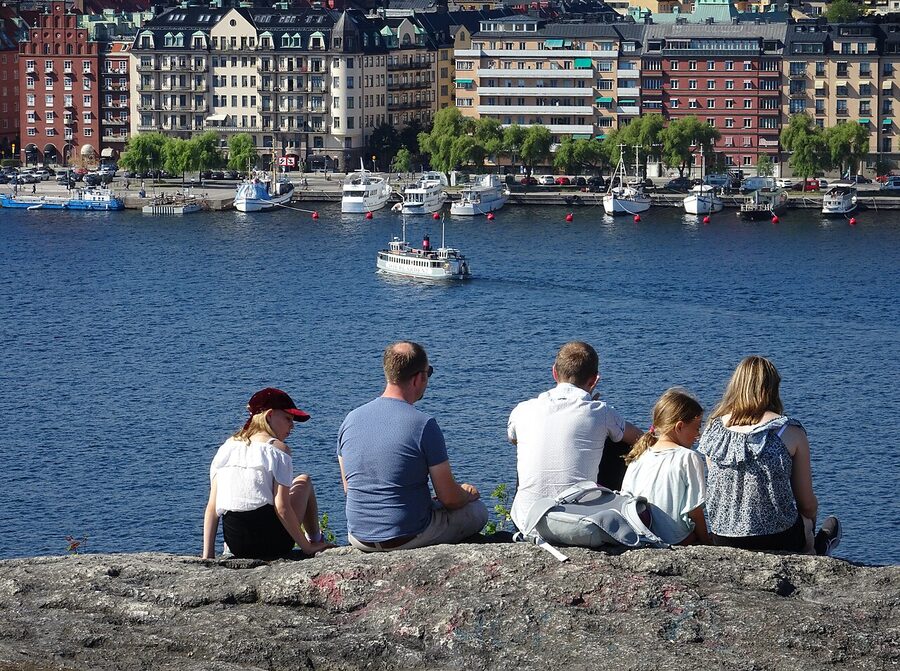

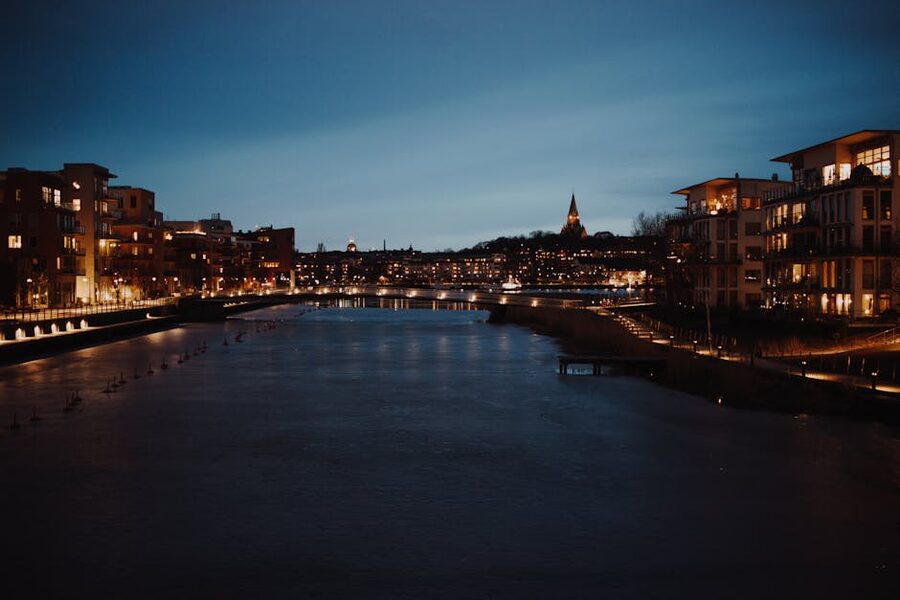
Söder is also where you find the ghost-walk routes through the older alleys, and where most of Stockholm’s nightlife happens. If you’ve got the time, follow up the bike tour with a Stockholm ghost walk in the same neighbourhood. You’ll cover the area twice, once by day on wheels, once by night on foot, and the two readings of Söder don’t overlap at all.
Långholmen and Reimersholme: The Tour That Goes Further
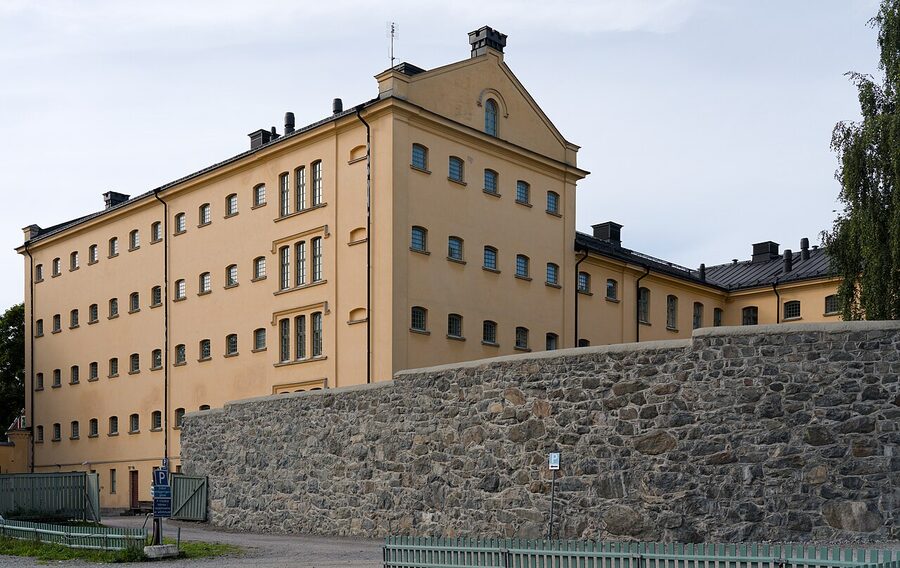
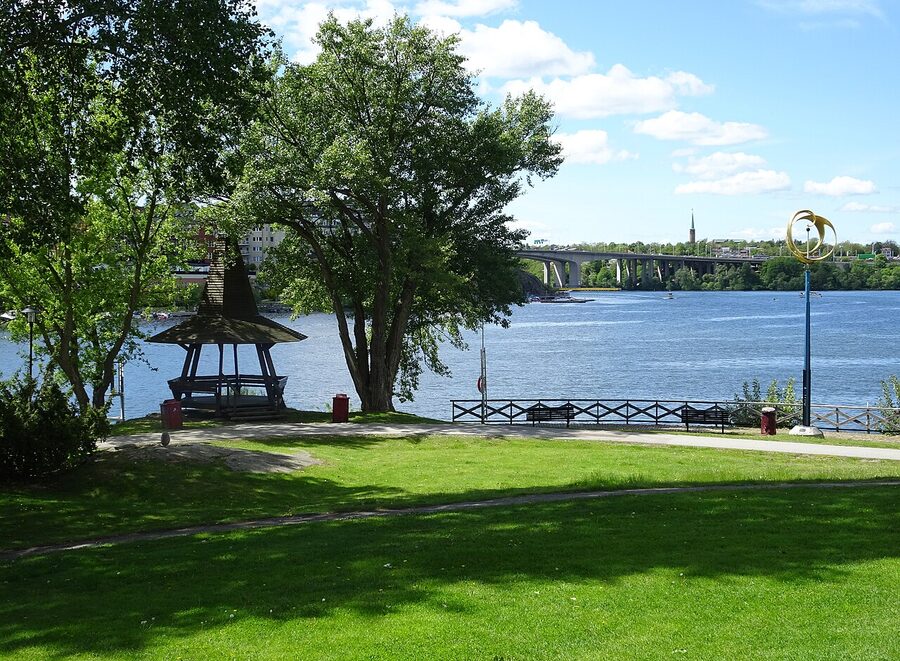
Here’s where a longer bike tour earns its money. Långholmen, “long island”, sits in the water just north of Söder. It used to be a prison; now it’s a public park with a small swimming beach, a youth hostel in the old prison wing, and bike paths that loop the whole island in about 25 minutes. Almost no walking guide ever brings tourists here. Most short bike tours skip it too.

Reimersholme is even smaller and more obscure: a quiet residential island just west of Långholmen, connected by a low bridge, dotted with 1940s-era apartment blocks and waterside paths. There’s nothing on it except locals walking dogs and the occasional bike tour rolling through. That’s the appeal.

If a tour description mentions Långholmen or Reimersholme by name, that’s a quiet sign you’re with a guide who actually knows the city, not just one who can recite the Vasa Museum’s Wikipedia page. I’d pay the upgrade for it.
Best Time of Year for a Stockholm Bike Tour
Stockholm is brilliant on a bike between mid-May and late September. The light is long, the paths are dry, the temperatures sit in a comfortable 15 to 25°C range. Peak summer (July to early August) is busier but the city is in full hug-me mode: outdoor cafés on Strandvägen, locals swimming off Långholmen, the parks full.
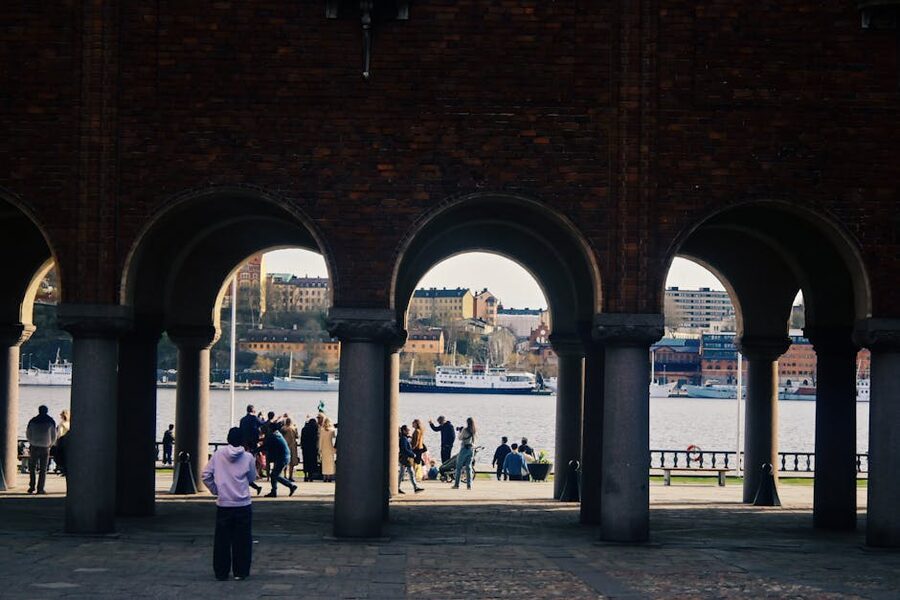
Shoulder seasons are the value plays. Late April, early May, and late September give you a much quieter ride at a slightly lower price (some operators run shoulder-season discounts, ask). The downside is the weather flip: a 22°C day can turn into 11°C and drizzle within the same afternoon. Pack a layer.
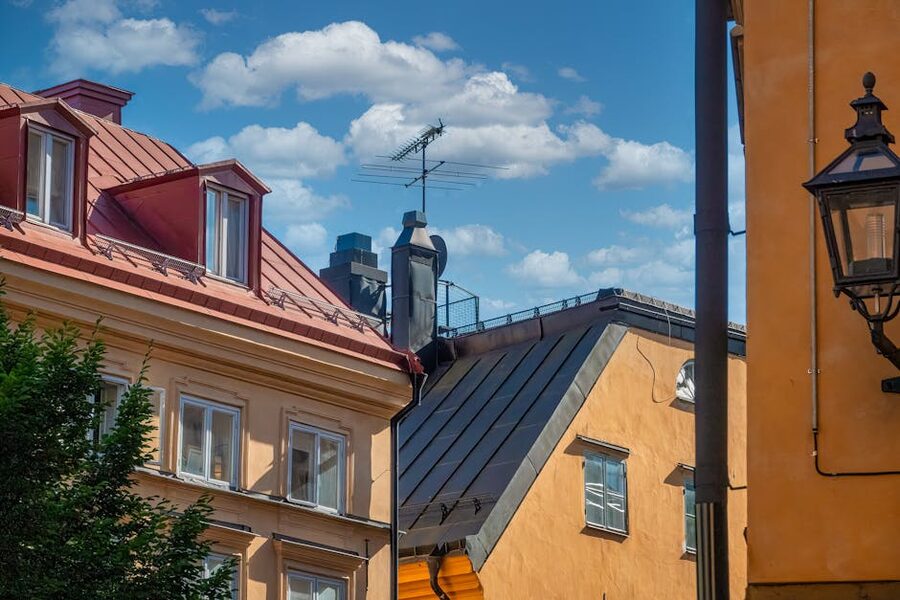
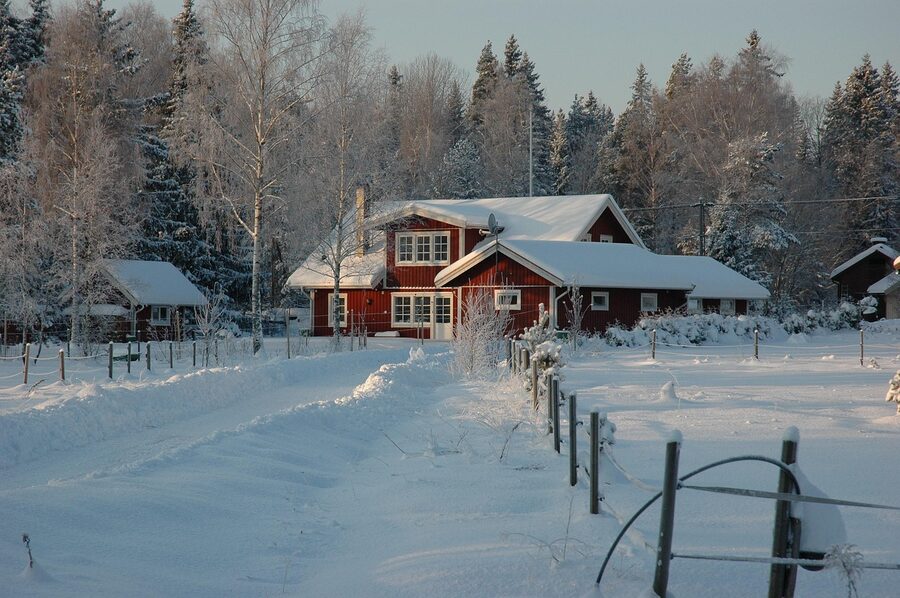
October to April is technically possible but I wouldn’t book one. By October the daylight has shrunk fast, by November the cold rain comes in for the season, and by December the paths can be icy. There are winter cycling tours for the brave, but if you’ve come all the way to Stockholm in February, do an indoor museum day and a walking tour instead. The bike tour will still be there in May.
What to Bring (and What to Skip)
Bike tours in Stockholm operate at a relaxed pace. You don’t need cycling gear. What you do want:
- A light layer. The wind off the water cuts harder than you’d expect, even in July.
- Sunglasses, year-round. Glare off the harbour is brutal.
- A water bottle. Most operators provide bikes with bottle cages; not all hand out water.
- Your phone, fully charged, with offline maps as backup. Tour groups occasionally lose people, mostly at the Rosendal stop. It’s fine, you can rejoin.
- Something small in your bag for a snack break. Tours are 2 to 3 hours and skip lunch.
What you don’t need: cycling shorts, your own helmet (operators provide), a gel saddle (the bikes are already comfortable), or a ticket to anywhere. Tours don’t include museum entry. If you want to spend a couple of hours inside the Vasa Museum or ABBA Museum after, plan a separate visit.
Booking Tips and What Goes Wrong
A few things to know before you click “book”:
Book the time slot, not just the day. Stockholm summer tours fill up. The 10am slot fills first because it’s the coolest part of the day; the 1pm slot stays open longer but it’s also the hottest and the cobbles can radiate. I’d aim 10am or 4pm.
Read the meeting point. Most operators meet near Kungsträdgården, which is central and easy. A few meet on Skeppsholmen, which is also central but you’d want to allow an extra 10 minutes to walk in. Mistaking the two is the most common booking error and operators will not wait for late arrivals beyond about 5 minutes.
Double-check group sizes. Some tours cap at 8, some go up to 14. The smaller cap matters more than you’d think on cobbles; a group of 12 strung out behind one guide will lose stragglers in Gamla Stan.

If it rains, it rains. Tours run in light rain. They cancel for thunderstorms, sometimes for heavy rain. Check the operator’s exact policy: most refund or rebook free up to 24 hours before. A few don’t, and that’s a meaningful difference if the forecast is sketchy.
Combining a Bike Tour with the Rest of Stockholm
A bike tour fits cleanly into a day-one or day-two itinerary. It gives you the geography of the city in one go, which makes everything else easier to plan. Here’s how I’d stitch it together if I had three days.
Day one: morning bike tour (orientation, the islands, the postcard). Afternoon Vasa Museum, then Skansen if you’ve got the legs. Day two: hop-on hop-off bus if the weather turns, or a deep-dive walking tour of Gamla Stan. Day three: the Stockholm archipelago, hands down the best day-trip option, or the amphibious bus if you want a different angle on the water.
If you want to layer a food experience, a Stockholm food tour works well on the same day as a morning bike ride: ride 10 to 12, eat 1 to 4. You’ll have earned the kanelbulle. And if you’re working out the budget, our Stockholm Pass guide covers when the all-inclusive city pass actually saves you money (it’s not always).
Worth noting too: the cluster of bike-tour articles I keep referring to. If you’re doing other northern European capitals on the same trip, the same logic that makes a Stockholm bike tour worthwhile carries over to Copenhagen (even flatter), Amsterdam (the original cycle city), and Porto (hillier, more dramatic). All four reward the same approach: book early, take the e-bike upgrade, get someone local to show you the routes.
What I’d Tell a First-Timer
Book the morning slot. Pay the e-bike upgrade if you’ve not been on a bike in a year or more. Pick the tour that mentions Långholmen or Skinnarviksberget by name. Bring a layer, a water bottle, and a small bag for a snack. Don’t try to ride in Gamla Stan, walk it. Skip the longer self-guided rentals for your first day; you don’t yet know the city, and the time you’d save isn’t worth what you’d miss.
And if it rains hard, cancel and rebook. Stockholm in good weather on a bike is one of the best 3-hour experiences you can have in any European capital. In bad weather it’s wet, slow, and you can’t see the views. Wait for the sun.
Other Stockholm Guides Worth a Look
Once you’ve done the bike tour you’ll have a sense of which corners of Stockholm to come back to. From here I’d point you at the Vasa Museum and Skansen on Djurgården, the ABBA Museum if that’s your thing, and a harbour boat tour for the same islands seen from the water. For the city after dark, the ghost walk reuses some of the same Söder territory you’ll cover on a bike. And for an excuse to ride further, the archipelago is the obvious next move.
Affiliate disclosure: This guide includes affiliate links to GetYourGuide and Viator. If you book through them we may earn a small commission, at no extra cost to you. Prices and availability change; we keep this guide updated, but always confirm details on the operator’s page before booking.