
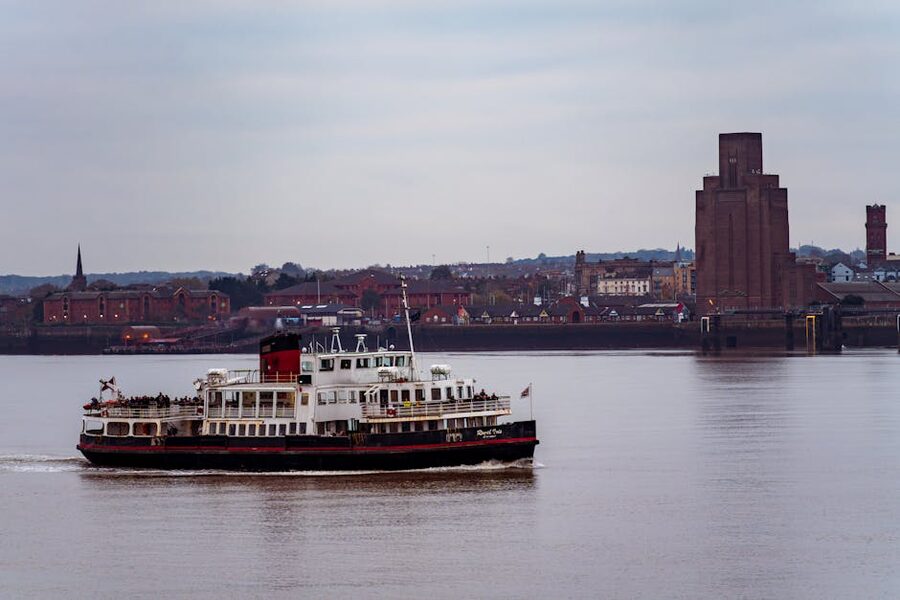
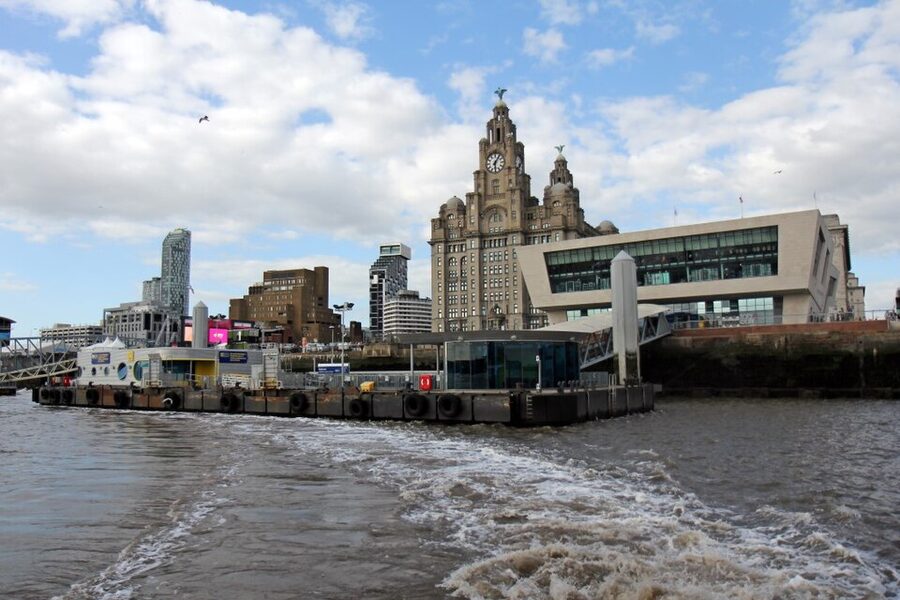
From the deck of a Mersey ferry, Liverpool looks like a working port that happens to have grown a city behind it: the rust-red Liver Building, the dock walls, the cargo cranes still trundling out toward Seaforth. From the top deck of an open-top bus an hour later, Liverpool is a totally different city, all Beatles tour stops and Anfield scarves and the Anglican cathedral looming over Hope Street. Same place, two completely different angles, and the combo tour gives you both for less than the price of two cinema tickets.
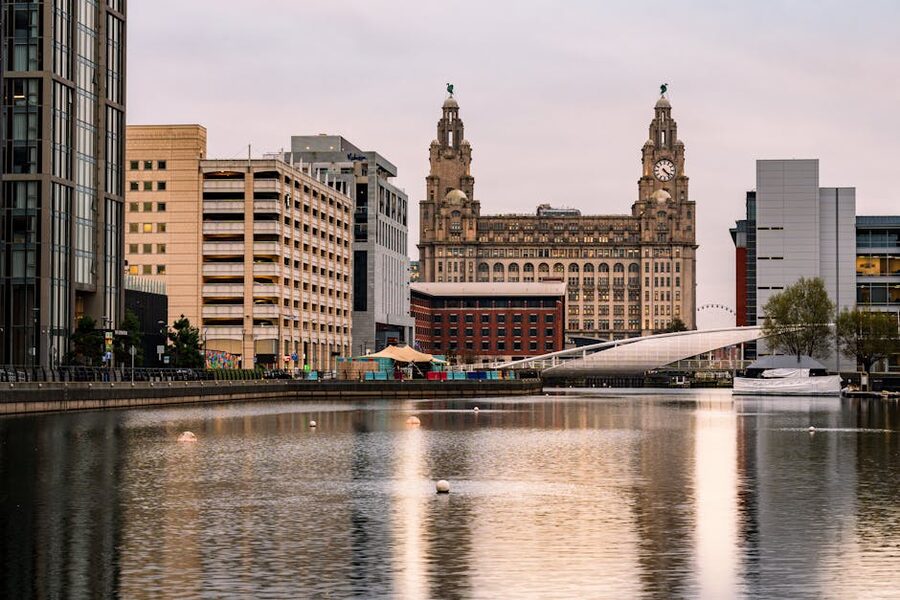
I had done the bus first on my last trip and skipped the ferry, which I now think was a mistake. Liverpool was built by the river. You only really feel that when you are on it.
Premium pick: Do The Double: River Cruise and Open-Top Bus, $34. Same combo via Viator with live in-person commentary on the bus instead of recorded.
Cruise only: Mersey River Sightseeing Cruise, $17. Skip the bus if you would rather walk the city centre yourself.
- Why both at once actually makes sense
- The three I would pick
- 1. Liverpool River Cruise and Hop-On Hop-Off Bus Tour:
- 2. Do The Double: 50-min River Explorer plus 50-min Open-Top Bus:
- 3. Mersey River Sightseeing Cruise (no bus):
- What you actually pay (and what is in each ticket)
- Where to start and how to time the day
- The cruise route, in order
- The bus stops, and which actually matter
- Seasons, weather, and the open-top question
- What I would pair the combo with
- A short history of why the river matters
- Practical bits I wish I had known first time
- Other Liverpool guides worth a look
Why both at once actually makes sense
The case against combo tickets is usually that they bundle two things you did not both want. This one is different because the two halves answer different questions.
The cruise tells you what Liverpool was. You sail past the dock walls Brunel and Hartley engineered, the empty Stanley Dock that ran cotton from Mississippi plantations, the cruise terminal where the Lusitania sailed from in 1915 and never came back. The commentary covers the immigrant departures, the slave-trade money that built the Georgian streets, the fact that nine million people left for North America from these piers between roughly 1830 and 1930. None of that hits you the same way from a bus window.
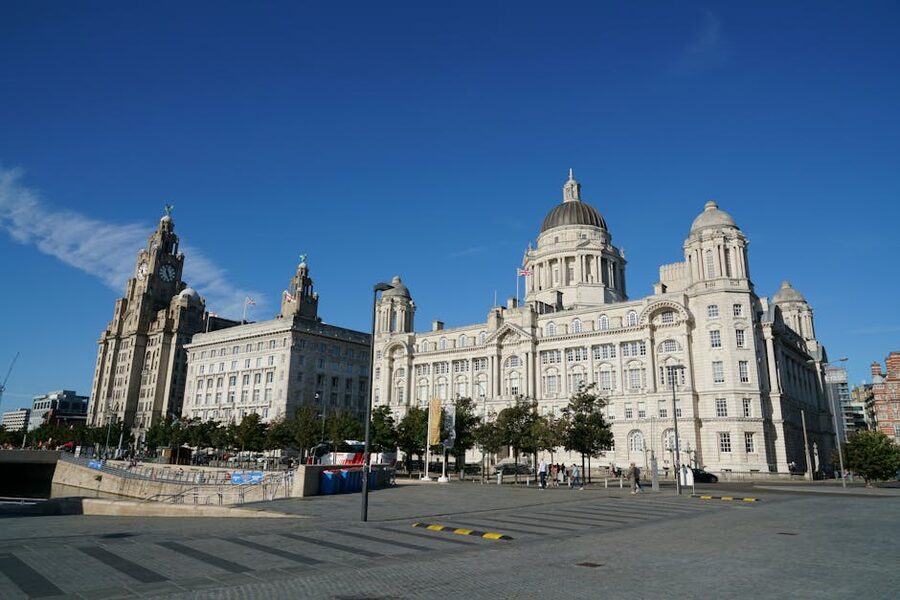
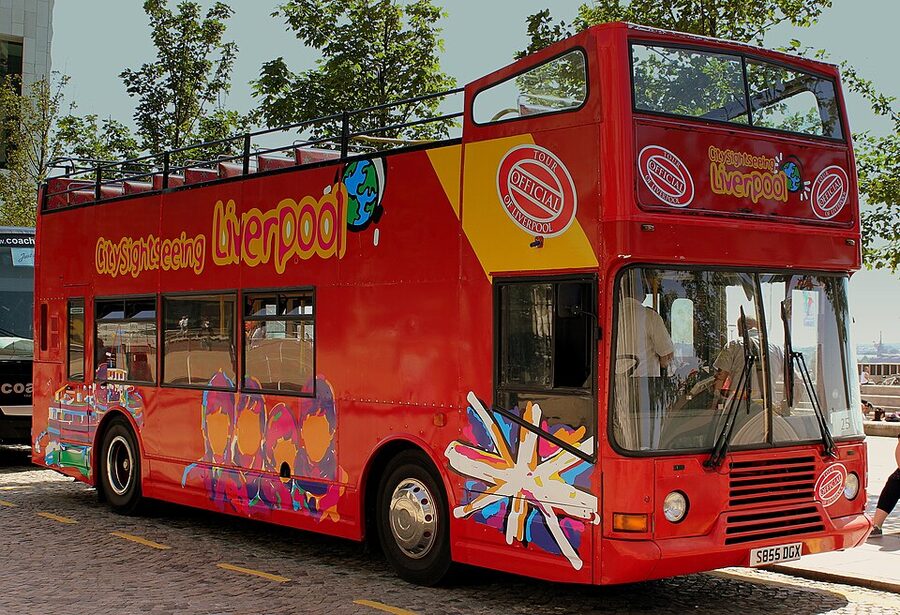
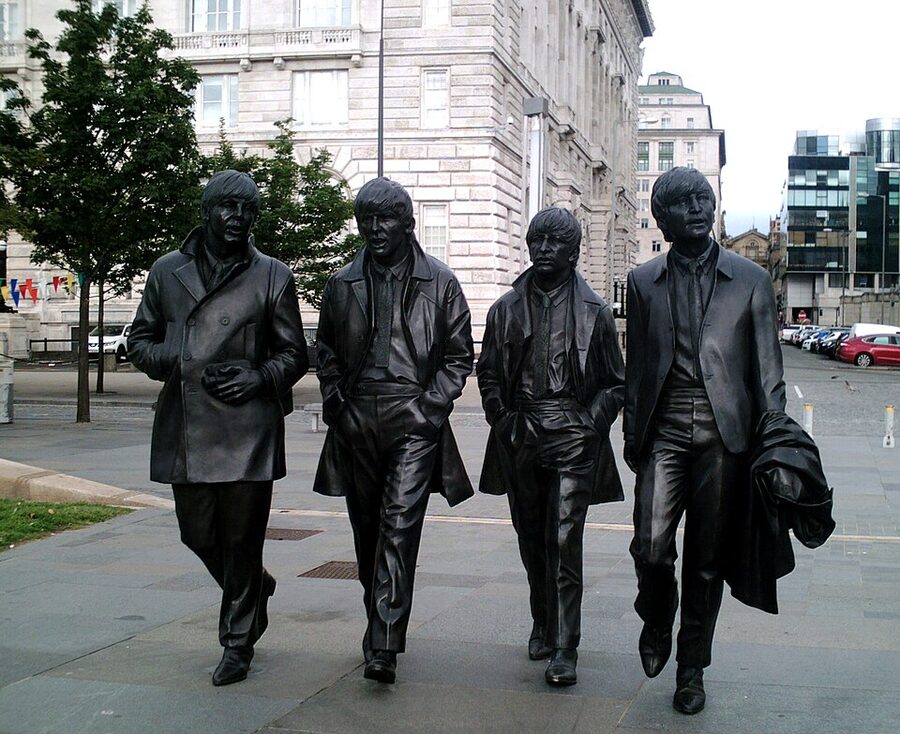
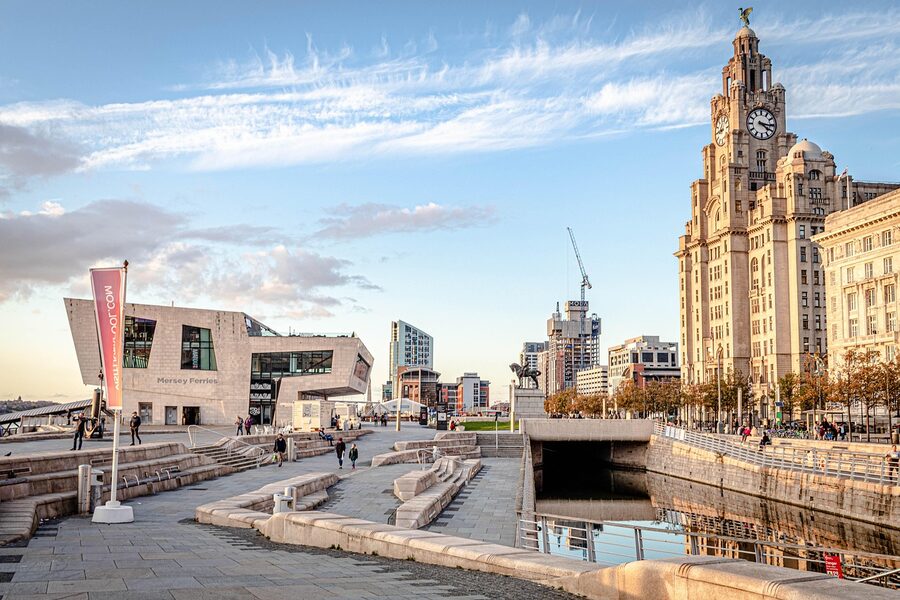
The bus tells you what Liverpool is. The Beatles statue at Pier Head, the Cavern Quarter on Mathew Street, Liverpool ONE shopping streets, the two cathedrals (one Anglican, one Catholic, both stuck on the same Hope Street so you genuinely walk between them), Anfield and Goodison further out. Most of these are walkable from the centre, but the cathedrals and Anfield are not, and the bus saves you an hour each way to those.
.jpg)
The combo also fixes the day logistics for you. You arrive at the waterfront, do the cruise first while you are fresh, then hop on the bus and let it take you out to the bits you would otherwise need a taxi or two for. By the time you are back at Pier Head you have seen everything you booked Liverpool for, and you still have the rest of the day for one museum or a Beatles walk.
The three I would pick
1. Liverpool River Cruise and Hop-On Hop-Off Bus Tour: $33
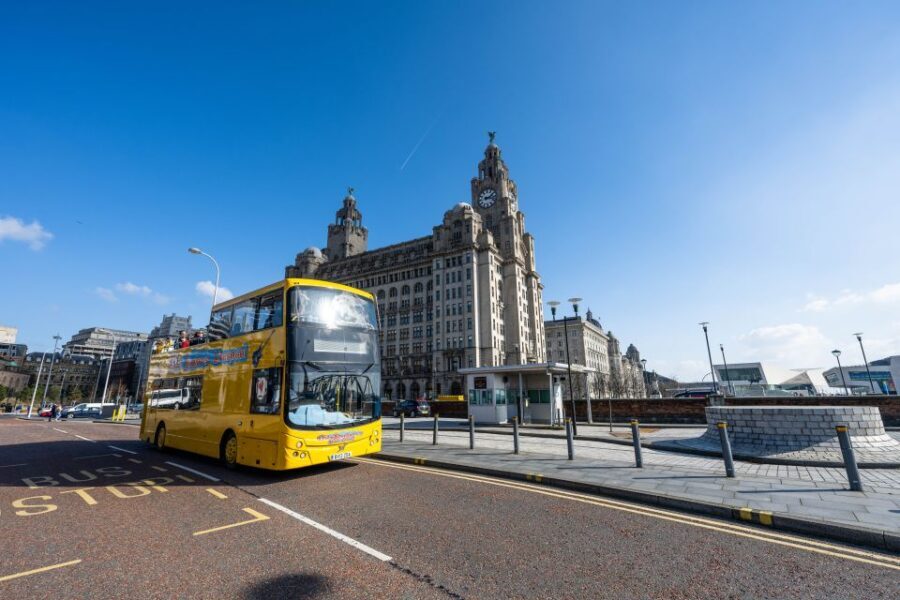
This is the booking I would make first. It pairs the City Explorer red-bus pass with a Mersey Ferries cruise from Pier Head, both on a flexible two-day window so you can split them across afternoons if your morning runs long. Our full review goes into the small differences between the GYG version and booking the components separately, and the answer is roughly: book the combo unless you already know you only want one half.
Check Availability
Read our full review
2. Do The Double: 50-min River Explorer plus 50-min Open-Top Bus: $34
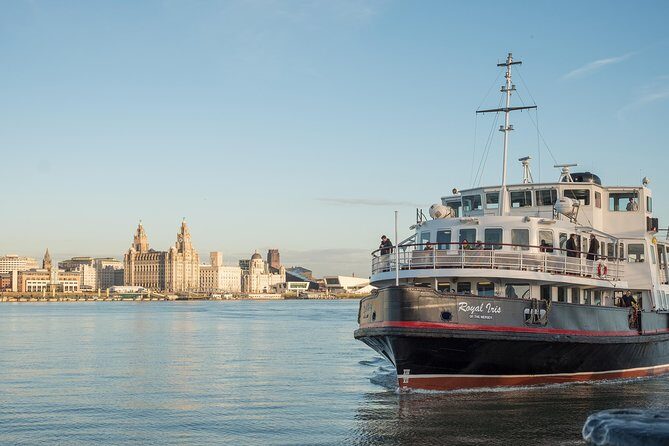
Same products, different reseller, with one meaningful difference: the bus runs with a live guide rather than headphone audio. If the weather is decent and the guide is on form, that alone makes the upgrade worth it. Our review of this version covers the crew quality (consistently warmer than recorded audio) and the timing logistics.
Check Availability
Read our full review
3. Mersey River Sightseeing Cruise (no bus): $17

If you would rather walk the city centre yourself (it is a flat, compact grid and most of the centre fits inside a 30-minute walking radius), book the cruise as a standalone for half the combo price. The full cruise review covers timetables, the seating tip (book the front upper deck if you can), and the audio guide that runs through the whole loop.
Check Availability
Read our full review
What you actually pay (and what is in each ticket)
Prices on the booking sites are quoted in dollars on GYG and Viator and pounds on Mersey Ferries own site. Do not assume the combo is always cheapest, do the maths once.
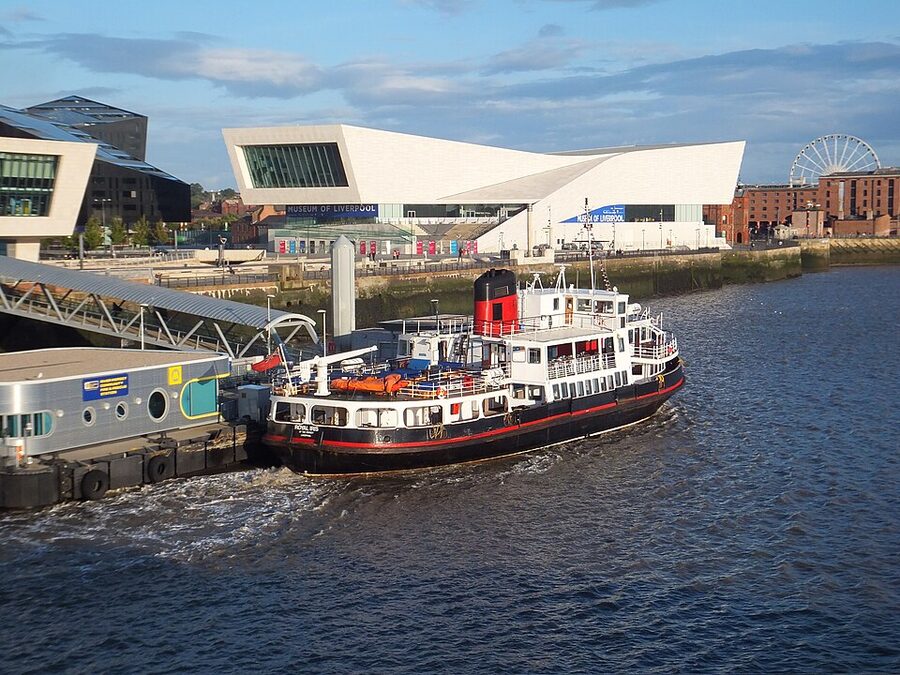
Mersey River Explorer Cruise (the boat half): £14 adult, £9 child (5-15), £12.50 senior or student, free for under-fives. The family ticket is £39 (two adults plus up to two children) or £42 with three children. Tickets are valid for 12 months, which surprises people, you can book in advance and use it whenever you arrive.

City Explorer Hop-On Hop-Off (the bus half): £15 adult, £11 child, £13 concession (seniors, students, NHS, emergency services with ID), £35 family (2+2) or £40 (2+3). The bus is a single 24-hour pass on the City Explorer red route. Other operators in town sell longer 48-hour passes if you stay overnight.
Combo: the GetYourGuide bundle works out at roughly £25 to £26 adult depending on the exchange rate the day you book, and the family equivalent is around £75. So you save about £4 per adult versus buying the components separately at full gate price. Worth it for the convenience even before the discount.
.jpg)
Where to start and how to time the day
Both halves leave from Pier Head, basically the same spot. Walk five minutes along the riverside and you will see the ferry terminal on the water side and the bus stop on the road side. Trains arrive at Liverpool Lime Street about 15 minutes walk inland, or you can take the Merseyrail underground from Lime Street to James Street and surface right next to the dock.
My order, after trying it both ways: cruise first, bus after.
Reasons. The cruise runs hourly on a fixed timetable, so it is harder to slot into a flexible afternoon. Doing it first locks in the bit that has to happen at a specific time. The bus is hop-on hop-off all day, so you can structure the rest of the day around stops and breaks. And the cruise commentary works better when you do not yet have a mental map of the city, the bus then fills in the geography you have just heard about.

The cruise route, in order
You leave Pier Head heading north (downriver toward the Irish Sea), turn at the Seaforth container docks, then come back south past Liverpool, cross to Seacombe on the Wirral side, and back. The whole loop is fifty minutes if you stay onboard, or you can hop off at Seacombe to visit the U-Boat Story exhibit and the Spaceport (planetarium) and rejoin a later sailing on the same ticket.
The good bits in order:
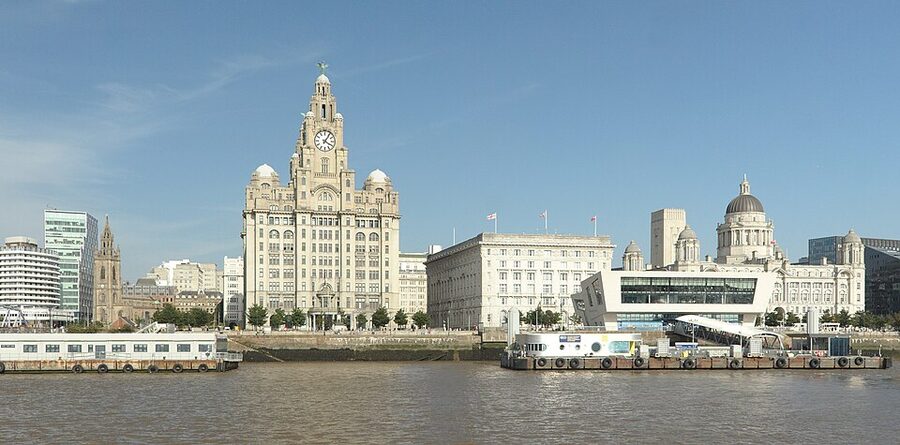
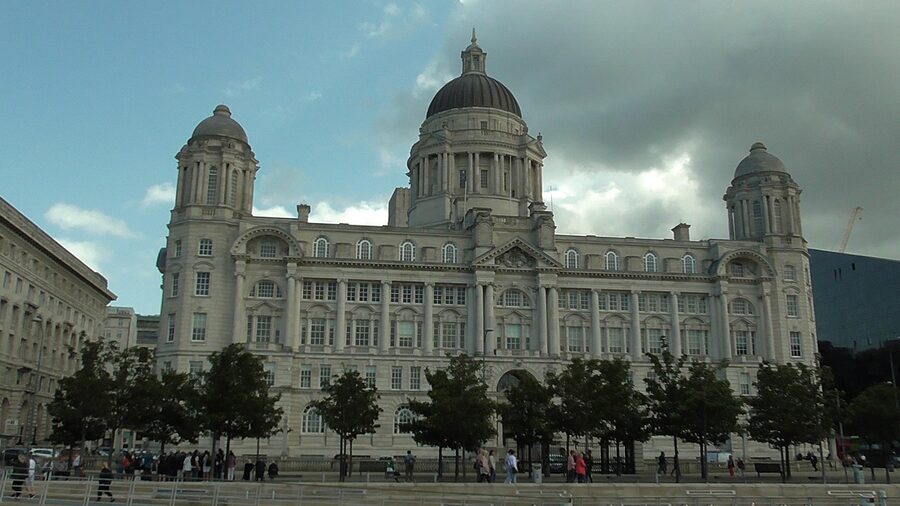
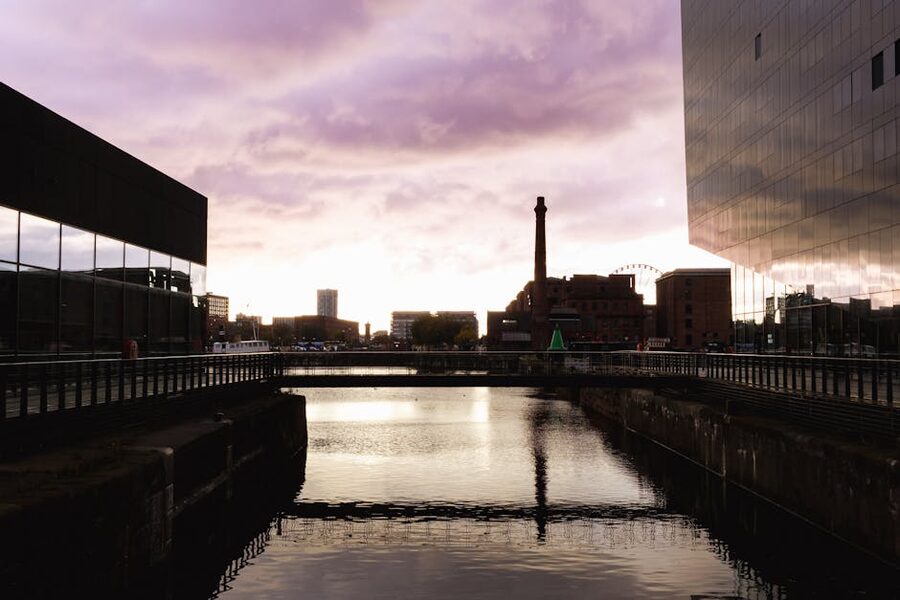
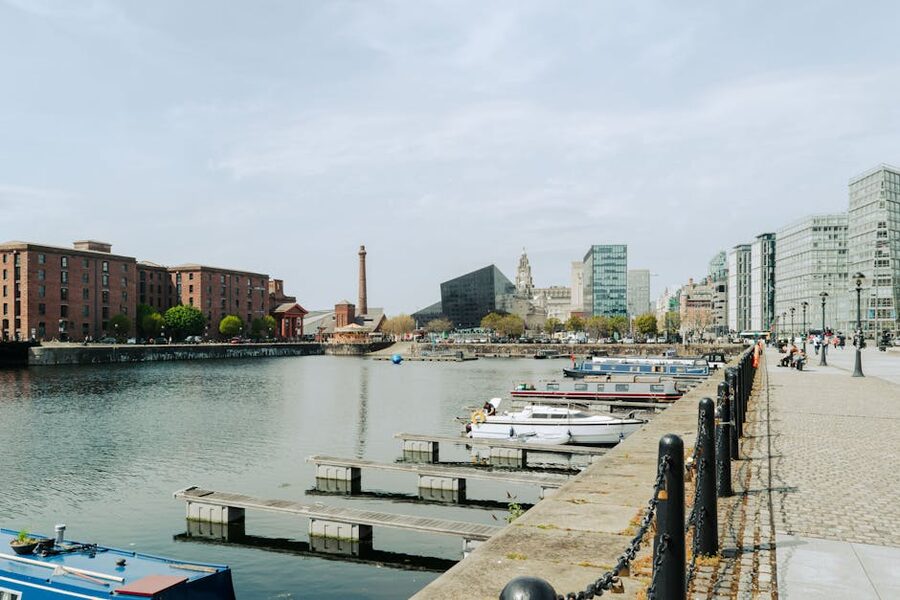
- The Three Graces from the water. Three minutes in, you get the postcard angle, Liver Building, Cunard Building, Port of Liverpool Building. Phones come out, this is the shot.
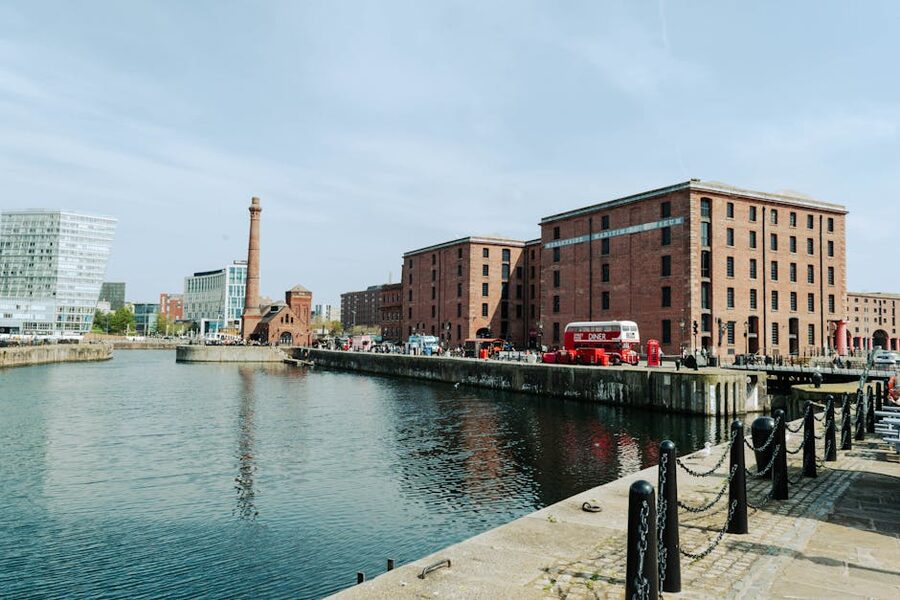
- The dock walls. About fifteen minutes in, you pass the original Stanley Dock complex, including the Tobacco Warehouse (the world largest brick building when it opened in 1901, now luxury flats).
- The Seaforth turnaround. The container terminal is genuinely huge and weirdly impressive in a working-port way. Most river cruises do not show you a working dock.
- The Wirral side. The return passage runs close to Seacombe with the Liverpool skyline in front of you. Best photo angle of the whole trip is from this stretch, save your camera battery.
One thing the commentary will not dwell on but is worth knowing. The cruise is the same boat that runs Mersey Ferries regular commuter service, just with a longer scenic route added. So you are on a real working ferry, not a tourist-only vessel, which is part of the charm.
The bus stops, and which actually matter
City Explorer Liverpool route has 11 stops on a single loop. Not all of them are worth getting off at, here is the practical filter.
Worth a stop, every visit:
- Royal Albert Dock. Where the bus starts and ends. Tate Liverpool, Maritime Museum, the Beatles Story all sit around the dockside.
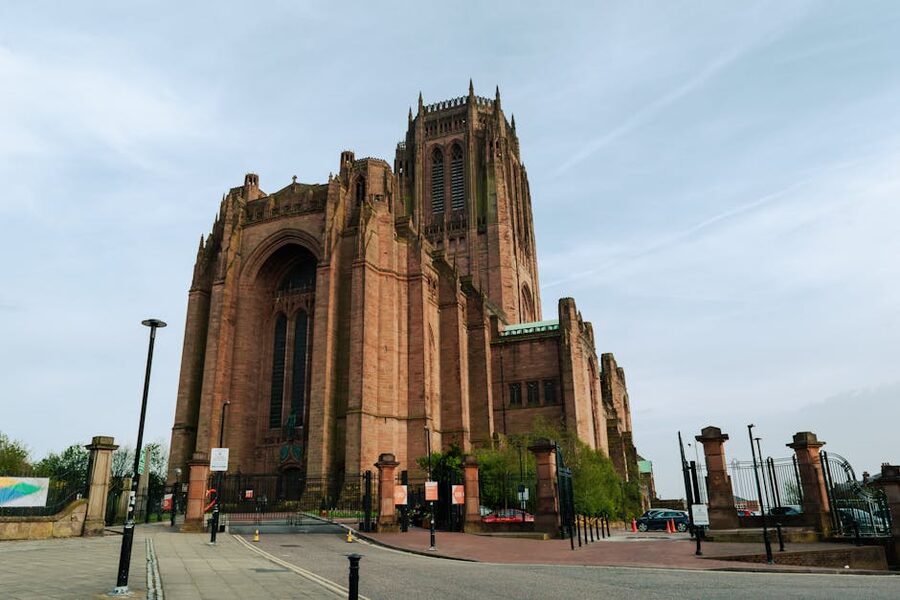
- Liverpool Cathedral / Hope Street. The Anglican cathedral is the largest in Britain and the fifth-largest in the world. Free entry, lift up the central tower for £6.50.
- William Brown Street. St George Hall, the World Museum, the Walker Art Gallery, the Central Library, all clustered in one block. The library domed reading room is one of those Instagram corners that is actually as good in person.
Worth a stop if you have the time:
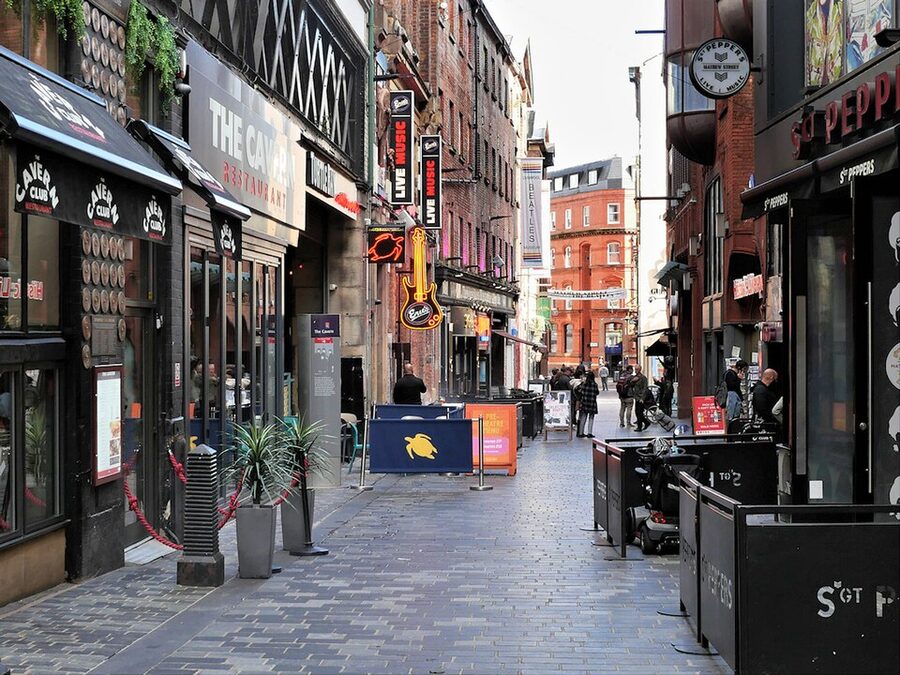
- Cavern Quarter / Mathew Street. The original Cavern was demolished in 1973, the current one is a faithful reconstruction in the original cellar. Worth a quick look. The street itself is touristy but fun.
- Liverpool ONE shopping district. Useful if you want to stop for lunch or a Marks & Spencer sandwich, otherwise skip.

Skip unless you are a fan:
- Anfield Stadium. Brilliant if you support Liverpool FC or are doing the stadium tour, otherwise it is a long detour for the outside of a football ground. If you do go, book the stadium tour separately, the bus only drops you at the gates.
- Chinatown gate. The arch is impressive, the surrounding area is small.
The bus runs roughly every 25 to 30 minutes in season, which means a missed connection costs you half an hour. Plan two stops max if you only have a half-day. Three stops fills a full afternoon comfortably.
Seasons, weather, and the open-top question
City Explorer open-top buses run year-round but the timetable shrinks in winter. From late March to late September the buses run between roughly 10am and 4pm with frequent departures. From October through March they finish at 3pm and gaps between buses can stretch.
The cruise also runs year-round, with hourly weekday sailings between 10am and 4pm in summer, and a 10am to 3pm weekend window. Some winter Sundays the cruise drops to half-hourly or pauses entirely in bad weather, the operator decides on the day.
About the open-top bit: Liverpool weather in spring and autumn is a coin flip. The buses have a covered lower deck, but you will lose half the point of the bus if you spend it inside. Pack a light waterproof and accept that you might do half the loop wet. April and September are the best months in my experience, May and June can be bright but cold on the water. The cruise is fine in any weather, the bar inside has tea and the indoor seating is heated.
What I would pair the combo with
Liverpool earns a full day if you are combining the boat and the bus, but you will have time for one or two extra stops. A short list of what works:
The Beatles Story (Albert Dock). Properly done audio-tour museum that takes 90 minutes, conveniently right next to where the cruise leaves from. £19 adult and worth it if you have any interest in the band. Most people use the morning before the cruise or fit it between cruise and bus.
.jpg)
Maritime Museum and International Slavery Museum. Free entry, both housed in the same Albert Dock warehouse. The Slavery Museum on the third floor is unflinching about Liverpool part in the Atlantic trade and is one of the most thoughtfully done exhibits in any UK city museum. Do not skip it because it is free, do it because it is good.
A Beatles walking tour, if the bus glimpse left you wanting more. The dedicated Beatles walking tour is the proper deep dive, and the audio commentary on the bus is mostly a teaser by comparison.
A short history of why the river matters
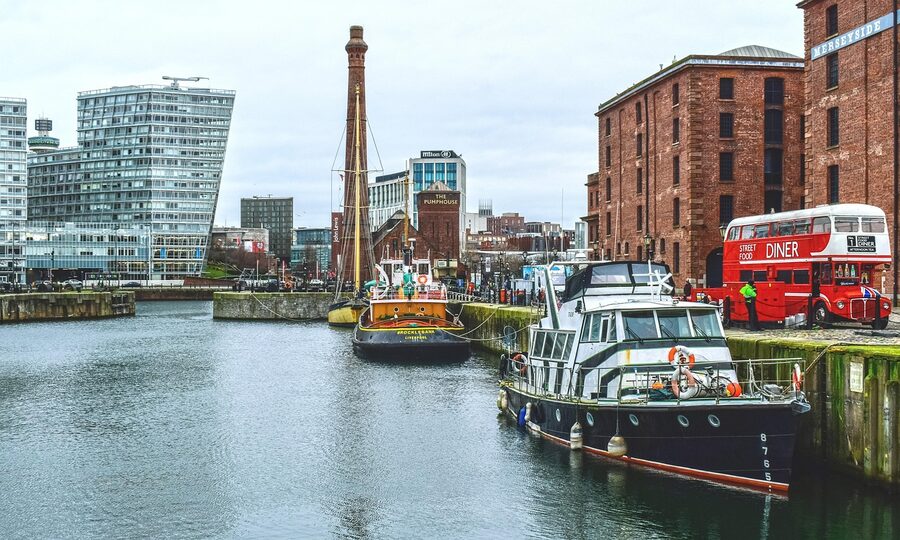
Liverpool got rich because of where it sits. The Mersey is one of the few deep-water estuaries on the west coast of England, sheltered from Atlantic storms by the Wirral peninsula and tidal enough to scour itself clean. By 1700 the city was a small port. By 1800 it was the gateway for British trade with the Americas. By 1900 it was the second city of the British Empire and the busiest port outside London.
Half that wealth came from legitimate cotton, sugar, tobacco, and steamship lines. The other half came from the slave trade, which Liverpool ran more aggressively than any other British port between roughly 1730 and 1807. The Three Graces, the dock complex, the Georgian terraces around Hope Street, all of them paid for by what the Slavery Museum does not dance around.
The 20th century was harder. Containerisation killed the port between the 1970s and 1990s, the city lost a third of its population, and Albert Dock sat derelict until the Tate moved into the warehouses in 1988. The recovery since is genuine: the waterfront is a UNESCO World Heritage site (added 2004, removed 2021 over the Liverpool Waters development, which locals are still arguing about), and tourism is now the city third-largest employer.
You can read all that on a museum board. Or you can hear it told over fifty minutes of Mersey commentary while you are staring at the actual Stanley Dock, which is a different thing.
Practical bits I wish I had known first time
Cruise tickets are valid 12 months. So if you book ahead and the weather is awful on the day, just rebook for another time without paying again. The combo bus pass is more time-limited (24 hours from first scan), so be careful which one you start.
The cruise queue forms early. Show up ten minutes before the hourly sailing. Five minutes is usually fine, but the upstairs front benches go first and they are the best seats.
Bring a card and cash. Most things take card, but the small bar onboard the ferry is sometimes cash-only depending on the boat. £10 in change covers any eventuality.
The bus audio is in eight languages. Pick the language up at the gate, headphone jack on the seat. The English commentary is the best, the others are clearly translations.
The bus does not go to Anfield directly. It drops you near Anfield Road, then you walk five minutes to the stadium. Match days the bus diverts entirely, check the City Explorer board on the morning if there is a Liverpool fixture.
If you have a transfer to make. Liverpool Lime Street is 15 minutes walk inland from Pier Head, or one stop on the underground Merseyrail (James Street to Lime Street). Do not waste an Uber on it, the underground is £2.50.
Other Liverpool guides worth a look
Liverpool has a small but solid cluster of dedicated articles on the site. If you came here for the cruise and the bus, the natural next reads are the dedicated Beatles walking tour guide (the proper version of what the bus only hints at) and the Anfield stadium tour booking guide if a football pilgrimage is on the list. For the rest of the UK, the Thames river cruise guide is the closest parallel article (boat plus city, London edition), and the London hop-on hop-off bus guide covers the same logic at a much bigger scale. If you are heading north afterwards, the new York walking tour and the York sightseeing boat cruise sit on the River Ouse and pair nicely with this Liverpool combo as a back-to-back northern weekend. For something further afield, the Edinburgh Forth Bridges cruise covers the other great UK engineering-on-water trip, the Oxford city and university tour is the south-of-England equivalent of a guided combo, and the Gothenburg canal cruise and Malmo Rundan boat tour are the closest European parallels to the Mersey ferry route in tone and length.
This article contains affiliate links. If you book through them we may earn a small commission at no extra cost to you, which helps keep the site going.