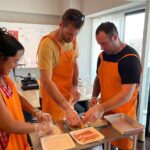
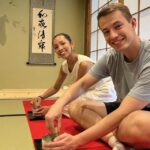
Chef Yuki’s class is about more than rolling rice and fish into shape. You’ll practise nigiri, thin rolls and thick rolls, then sit down to eat what you’ve made. It’s a useful way to learn Japanese cooking by doing it, rather than just watching someone else handle the knife.
I like two things in particular: Yuki teaches each step clearly and patiently, and the optional sake pairing gives you a simple lesson in how serving temperature changes a drink’s character. The class has also included miso soup and tamagoyaki, so the meal can reach beyond sushi.
One point to weigh is the location. This class is in Higashi Osaka, not central Osaka, and the supplied details give more than one address. Allow time to get there and check your booking confirmation carefully for the meeting instructions.
What to know before you book
- Make several kinds of sushi: The class covers nigiri, hosomaki and futomaki, with tamagoyaki technique included in the course description.
- Learn with chef Yuki: She has more than a decade of experience and teaches in English and Japanese.
- Choose the sake add-on: It includes three 45 ml servings per person: two chilled sakes and one warm sake.
- Expect a meal, not just a demo: Lunch is included, and past classes have also featured miso soup.
- Set aside three hours: The activity is scheduled from 10:00 to 13:00 or 16:30 to 19:30.
- Plan for Higashi Osaka: The class is outside central Osaka, with a pickup and walk from Higashi-Hanazono Station described in the address details.
👉 See our pick of the The Top 15 Workshops & Classes In Osaka
- What to know before you book
- A hands-on lesson, not a sushi demonstration
- What Yuki’s teaching adds
- From rice and fish to a proper lunch
- The sake pairing: three small pours, one useful comparison
- Three hours in Higashi Osaka
- Is the price worth it?
- Who will get the most from this class
- Should you book Yuki’s sushi class?
- FAQ
- How long is the sushi class?
- Where does the class take place?
- What sushi will I learn to make?
- Is lunch included?
- Is the class taught in English?
- What is included in the sake pairing?
- How much does the class cost?
- What is the cancellation policy?
- The Best Of Osaka!
- More Workshops & Classes in Osaka
- More Tours in Osaka
- More Tour Reviews in Osaka
A hands-on lesson, not a sushi demonstration
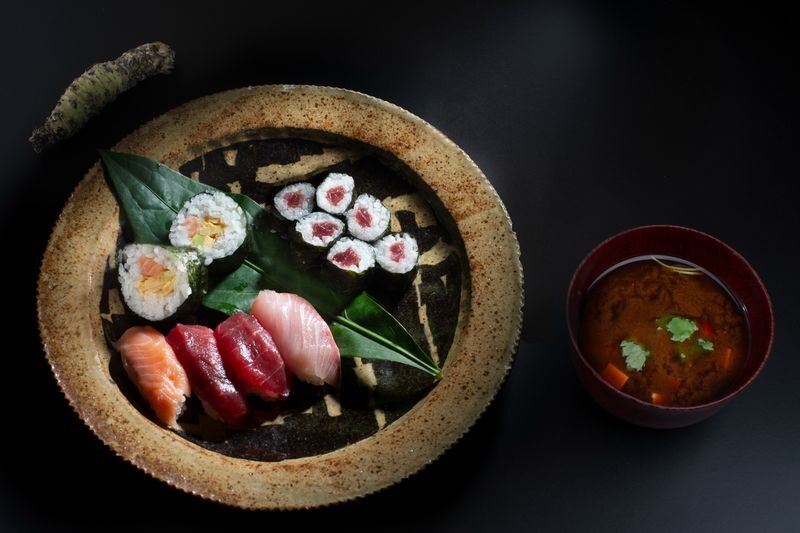
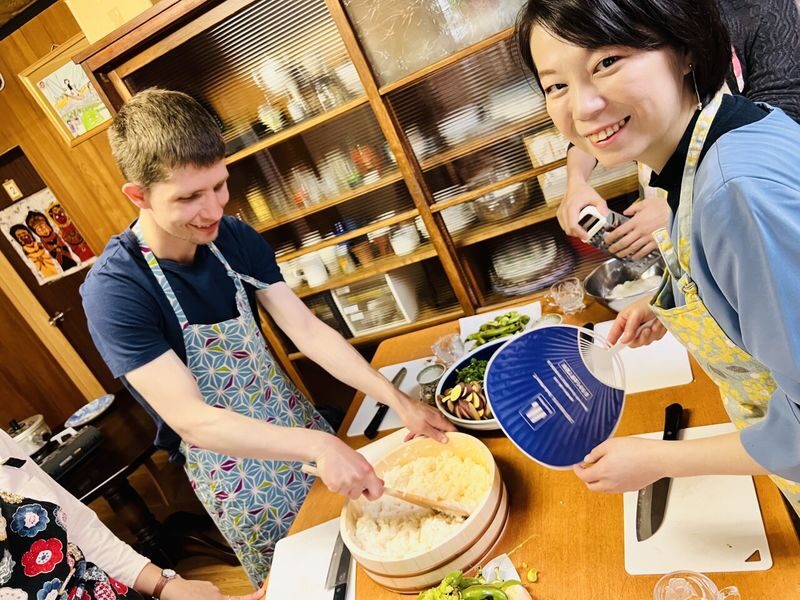
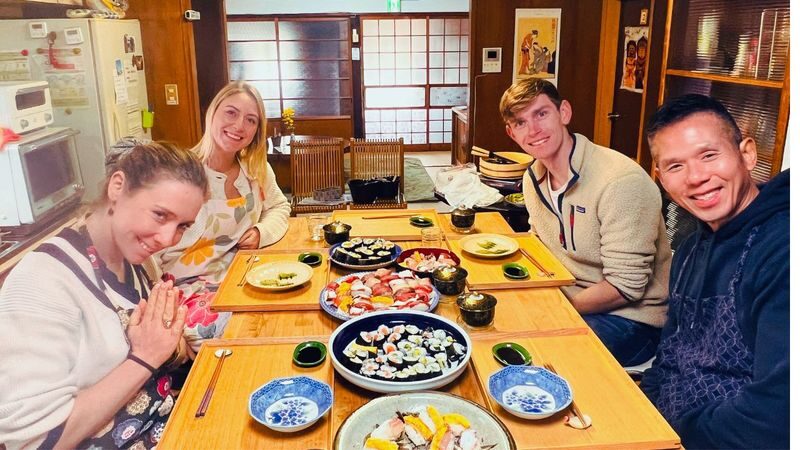
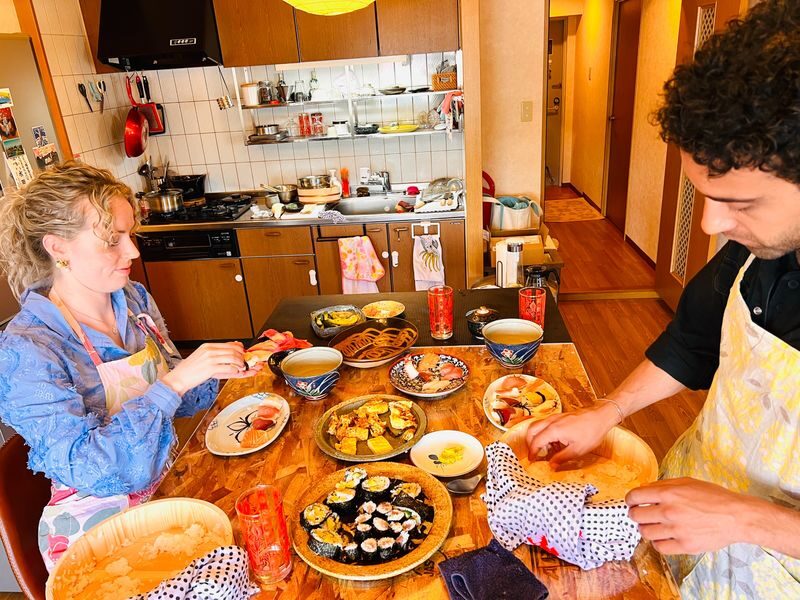
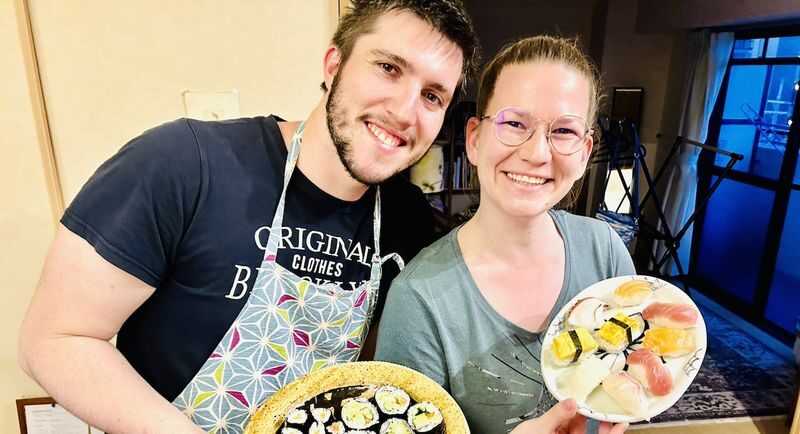
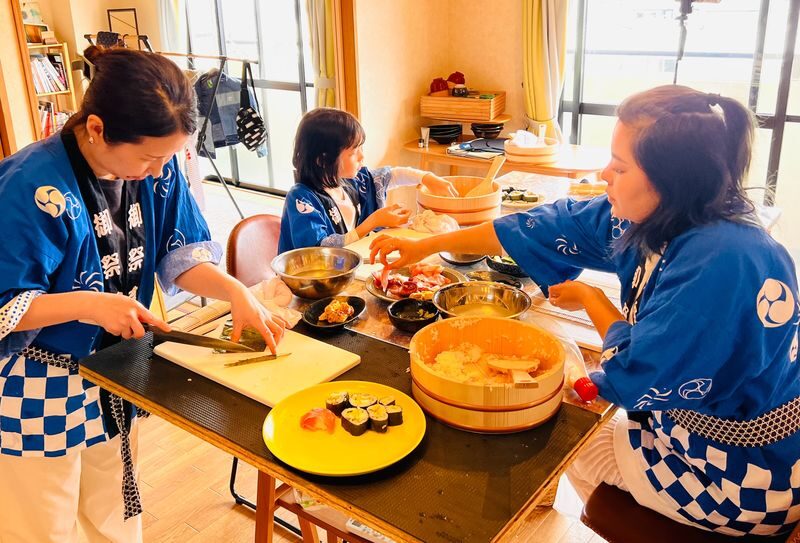
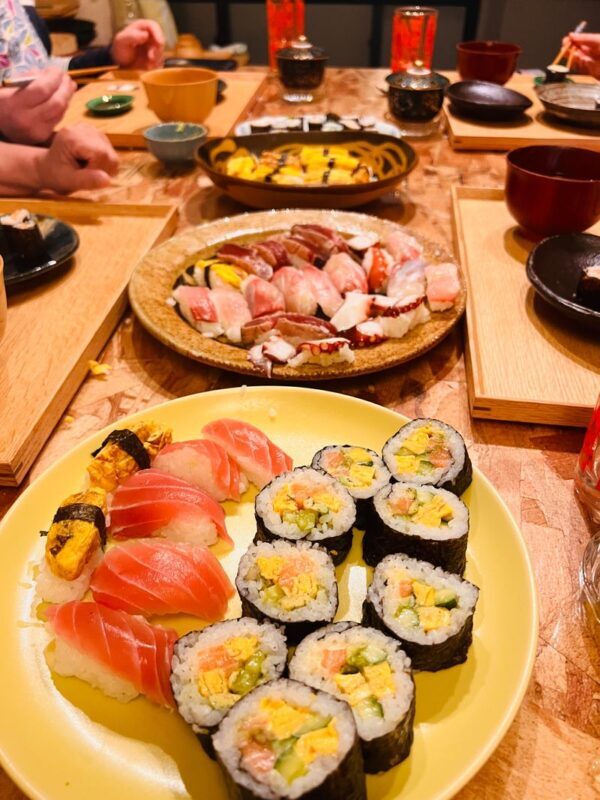
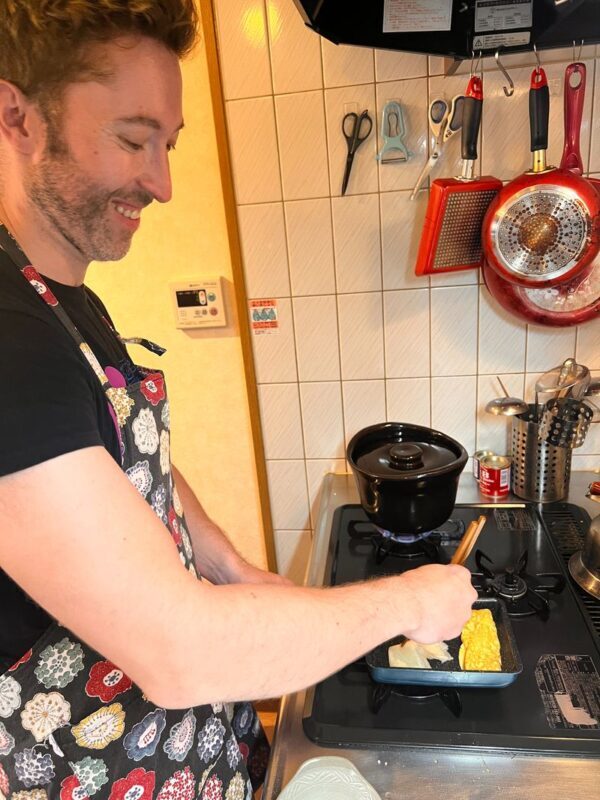
The point of this class is to put your hands to work. Instead of sitting back while a chef makes sushi for you, you’ll practise shaping nigiri and rolling sushi yourself, with Yuki guiding you through the process. That makes the lesson useful for beginners and for anyone who wants to understand why sushi takes more care than simply adding rice to a sheet of seaweed.
The course description highlights nigiri, hosomaki and futomaki. Nigiri asks for a neat, consistent shape; hosomaki is the slim roll; and futomaki is the larger roll, with room for a mix of fillings. Tamagoyaki, the Japanese rolled omelette, is also part of the stated techniques. In one class, a participant was especially pleased to get their first omelette roll right, which gives you a sense of the small but satisfying milestones that can make a cooking lesson worthwhile.
Past classes have also included miso soup, and one attendee singled it out as a favourite. The precise menu can change with the season and ingredient availability, so don’t treat every dish as guaranteed. Still, the overall format is clear: you make food, learn the techniques and eat lunch as part of the class.
You can also read our reviews of more tours and experiences in Osaka


What Yuki’s teaching adds
A cooking class is only as useful as the person leading it. Here, Yuki is described as an experienced chef with more than ten years in the field and training from a sushi master. The practical benefit is her teaching style: she explains steps clearly, works patiently with beginners and keeps the mood relaxed.
That matters when a task depends on touch and timing. Sushi rice can be overworked, a roll can be uneven, and a first attempt at nigiri may not look like the neat pieces in a restaurant window. You’re there to practise, not to pass a sushi exam. Yuki’s role is to show you what to do and help you correct your method as you go.
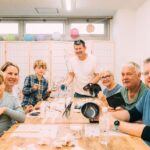
English instruction is available, alongside Japanese. English-speaking participants have described being able to follow the explanations, and the class is presented as suitable for beginners. The setting is also described as small and personal rather than a large-group class. One past participant called it one-on-one with their own group, but no fixed group size is specified, so check before booking if the number of people matters to you.
The atmosphere seems to be part of the appeal. Some classes have run longer than expected because conversation carried on, and the mood was compared to spending time with friends. That sounds pleasant if you want a social cooking lesson. If you prefer a tightly timed, formal demonstration, this relaxed approach may feel less structured.
From rice and fish to a proper lunch
The most rewarding part is the sequence from preparation to eating. You learn a few core forms, make the food yourself and then sit down to lunch. That turns the lesson into more than a short technique demo, and helps you notice the small choices that change the finished result.
For sushi at home, the practical takeaways are the shapes and methods: how to form nigiri, roll thin hosomaki and build a larger futomaki. The class description also calls out tamagoyaki, which takes practice and can be tricky for a first-timer. Several past participants said they left feeling more confident about making sushi at home. Recipe instructions have also been provided in class, according to one participant, though you should confirm what materials are included if having a printed or digital recipe matters to you.
The portion size may be generous. People have described making more food than they could finish, so arrive ready for a filling meal rather than a light snack. Lunch is included in the price. The menu can vary by season and ingredient supply, so the exact fish, fillings or side dishes aren’t fixed.
This is a good format if you learn best by trying things with a teacher beside you. It is less suited to someone mainly seeking a sushi meal or a professional chef’s performance. You’ll be making the food yourself, and your pieces may not come out identical. That’s part of the value: you see how the technique works and get a chance to improve.
The sake pairing: three small pours, one useful comparison
The standard sushi course starts at US$94.85. A second option, from US$106.19, adds a sake pairing. The pairing includes three 45 ml servings per person: two chilled sakes, Junmai and Junmai Ginjo from the same brand, followed by one warm sake. Comparing two styles from one producer gives you a more direct sense of how their character differs, while the warm serving shows how heating can shift the flavours.
The provided food-and-sake tip is simple: take a bite of sushi first, savour it, then sip the sake and notice what changes. Light, dry sake is suggested with white fish or shellfish. The class gives you a chance to try combinations for yourself, rather than relying on a general rule.
The add-on costs about US$11.34 more at the stated starting prices. That is reasonable if you’re curious about sake and want a guided tasting alongside lunch. If you don’t drink alcohol, or would rather spend the time focused on cooking, the standard course still includes the core lesson and lunch. The listed pairing is three small servings, not a full sake tasting session.
Three hours in Higashi Osaka
The activity is listed as three hours, with start times of 10:00 and 16:30. Those times correspond to return times of 13:00 and 19:30. The overview also describes a 2.5-hour class, so use the three-hour schedule as your planning window and follow the final time confirmed with your booking.
The itinerary is simple: meet, go to the class in Nukatacho, cook and eat, then return to the starting point. This isn’t a sightseeing tour with several stops. The main event is the class itself, so you’re paying for instruction, food and time with the chef rather than transport between attractions.
The meeting and venue information needs a little attention. The meeting details give 4-19 Nukatacho, while the cooking-class address is also listed as Higashi Osaka-shi Yoshida 4-5-40. The directions say Yuki will meet participants at Higashi-Hanazono Station and walk with them to the venue. Because these details don’t all point to one clearly stated meeting location, check the instructions sent after booking rather than relying on a single address copied from the page.
The location information says the trip from Namba Station takes about 20 minutes by train. That is a useful starting point, but you’ll still need to factor in the walk and make sure you know exactly where to meet. Arrive one minute before the selected start time. Late arrivals and no-shows are not refundable, so this is not an activity to squeeze between plans with a tight connection.
You can also read our reviews of more tours and experiences in Osaka


Is the price worth it?
At a starting price of US$94.85, this costs more than a casual lunch, but it includes a guided cooking lesson and lunch. You’re also learning several forms of sushi rather than paying only for a meal. If you enjoy cooking, want a cultural activity with real participation or hope to repeat the recipes at home, the price can make sense.
The value is stronger if you take advantage of the teaching. Ask questions, pay attention to the shaping and rolling techniques, and notice how Yuki explains each step. The class is not simply a novelty where you make one roll and leave. It covers multiple styles and may include miso soup and tamagoyaki, though the menu can change.
The sake pairing raises the starting price to US$106.19. For a modest increase, you get three measured pours and a guided comparison of chilled and warm sake. I’d choose it if you’re interested in Japanese drinks and will enjoy matching them with sushi. Otherwise, the base class looks like the better-value option.
There are a few limits to keep in mind. The activity is in Higashi Osaka, so it takes planning if you’re staying in central Osaka. The exact dishes may vary, and the class schedule is not entirely consistent between the stated three-hour duration and the 2.5-hour description. Confirm the timing and meeting point before setting your day around it.
Who will get the most from this class
This suits first-time sushi makers, home cooks and food-minded visitors who want to learn by doing. The instruction is described as beginner-friendly, and the class has worked well for people who arrived without much experience. It may also suit couples, friends or families looking for a shared activity, though children aged 1 to 13 must be accompanied by a paying adult. Children aged 14 and older pay the adult rate; children aged 0 to 6 are listed as free.
It’s also a thoughtful option if you have dietary needs, but don’t assume every request can be met. A past class was adapted for a participant with celiac disease, but that was a specific accommodation, not a stated guarantee. Contact the provider before booking to ask whether your needs can be handled.
Skip it if you want a large, polished group production, a restaurant meal without any effort or a class in central Osaka. The personal, practical format is the main draw, and the location is part of the cost in time. It also helps to arrive with a little patience: sushi takes practice, and the pleasure is in getting a feel for the method, not producing perfect pieces at once.
Should you book Yuki’s sushi class?
Book it if making sushi is more appealing than simply ordering it, and you have room in your Osaka schedule to travel to Higashi Osaka. Yuki’s patient, clear teaching, the range of sushi techniques and the included lunch make this a solid choice for beginners and curious home cooks.
Choose the sake option if you’re interested in comparing chilled and warm styles with food. Before you pay, check the precise meeting point and confirmed duration, since the address details vary and the class is described as both 2.5 and three hours. If those details work for your plans, this is a rewarding way to take home skills as well as a full meal.
Sushi making class in Osaka: Mastering Sushi (3 Hours)
“She is amazing! She is very knowledgeable and explains what to do thoroughly. It is such a fun class! She is very encouraging and very kind. I lear…”
FAQ
How long is the sushi class?
The activity is scheduled for three hours, with sessions from 10:00 to 13:00 or 16:30 to 19:30. The description also calls the class 2.5 hours, so confirm the final timing after booking.
Where does the class take place?
The class is in Higashi Osaka at Yuki Wada Cooking Classes. The supplied details list a venue address in Yoshida and a meeting address in Nukatacho, and say Yuki will meet participants at Higashi-Hanazono Station for a walk to the venue. Check your confirmation for the exact meeting instructions.
What sushi will I learn to make?
The class description includes nigiri, hosomaki and futomaki. Tamagoyaki technique is also mentioned, and past classes have included miso soup.
Is lunch included?
Yes. Lunch is included, and you eat the food prepared during the class. The menu may change with the season and ingredient availability.
Is the class taught in English?
English and Japanese instruction are available. The class is described as suitable for beginners.
What is included in the sake pairing?
The pairing includes three 45 ml servings per person: chilled Junmai and Junmai Ginjo from the same brand, plus one warm sake.
How much does the class cost?
The sushi course starts at US$94.85. The sushi course with the sake pairing starts at US$106.19.
What is the cancellation policy?
A full refund is available if you cancel at least 24 hours before the activity date, using the destination’s local time.