Crispy tempura is a lesson in timing: cold water, a gentle hand, and batter that stays light instead of turning chewy. In Higashi-osaka, chef Yuki teaches that craft in a small home-kitchen class, then helps you turn your work into tempura donburi, bonito miso soup, and cabbage coleslaw.
I like two things especially: the practical cooking tips you can use at home, and the chance to sit down for a meal with Yuki after cooking. The class is limited to six people, which gives the session a personal feel rather than the pace of a large demonstration.
One consideration: this class is outside central Osaka, and the advertised timing can be confusing. The activity includes about two hours of cooking and 30 minutes to eat, while the available departure-to-return windows span three hours. Plan your train journey around the meeting time you book.
- Key points to know before booking
- A home-kitchen class with a real meal at the end
- Turning tempura into a complete donburi
- Bonito miso soup and cabbage with an izakaya touch
- Step by step, with room to learn
- The meal is part of the experience
- Getting to Nukata from central Osaka
- Is .59 good value?
- Who will enjoy this class most?
- Should you book Yuki’s tempura class?
- FAQ
- How long does the cooking class last?
- What dishes will I prepare?
- Where does the class meet?
- How do I get there from Namba?
- What times can I book?
- Are children allowed?
- The Best Of Osaka!
- More Cooking Classes in Osaka
- More Tours in Osaka
- More Tour Reviews in Osaka
Key points to know before booking
 1 / 10
 2 / 10
 3 / 10
 4 / 10
 5 / 10
 6 / 10
 7 / 10
 8 / 10
 9 / 10
 10 / 10
- Learn the cold-water tempura technique: Yuki shows you how to keep batter light by using ice-cold water and mixing gently.
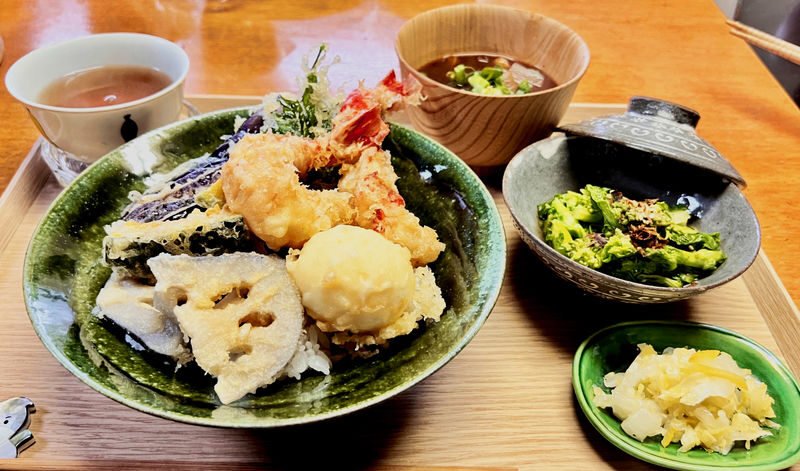
- Make three parts of a Japanese meal: The menu pairs crispy tempura donburi with hand-shaved bonito miso soup and izakaya-style nappa cabbage coleslaw.
- Cook in a small group: The class is limited to six people in a contemporary apartment with mountain views.
- Take home usable skills: Clear, step-by-step instruction and a recipe make it easier to repeat the dishes after your trip.
- Allow time for the trip to Higashi-osaka: Nukata Station is about a five-minute walk from the address, and the train from Osaka Namba takes about 30 minutes.
- Check the duration when booking: The package is named a three-hour class, with about two hours of cooking and 30 minutes for the meal.
👉 See our pick of the The Top 15 Workshops & Classes In Osaka
A home-kitchen class with a real meal at the end
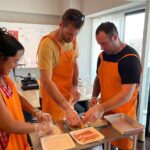
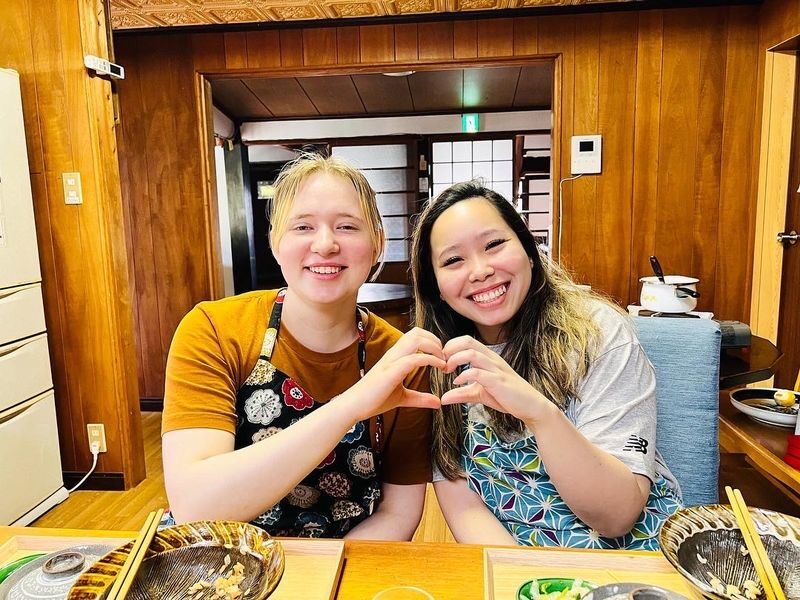
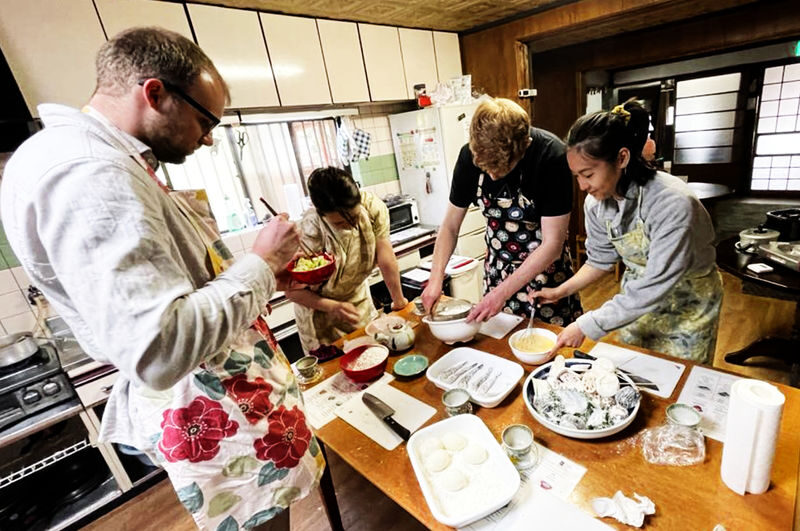
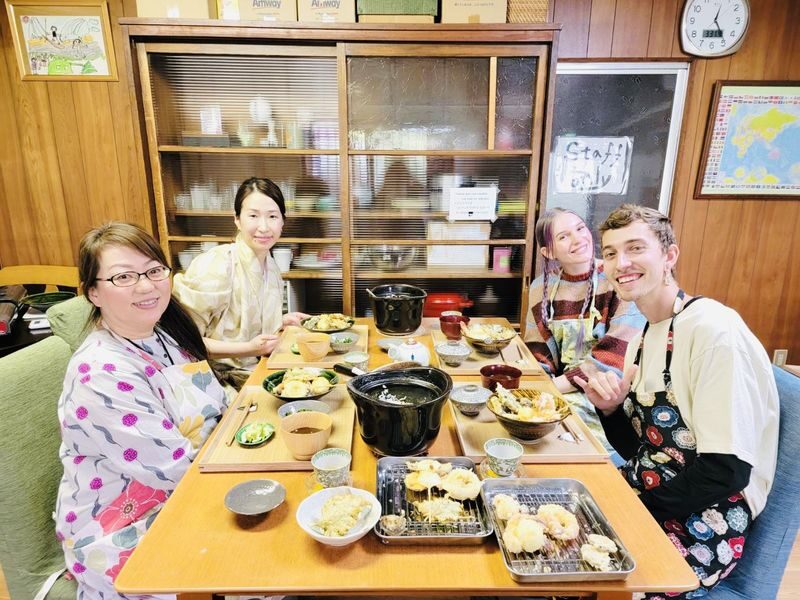
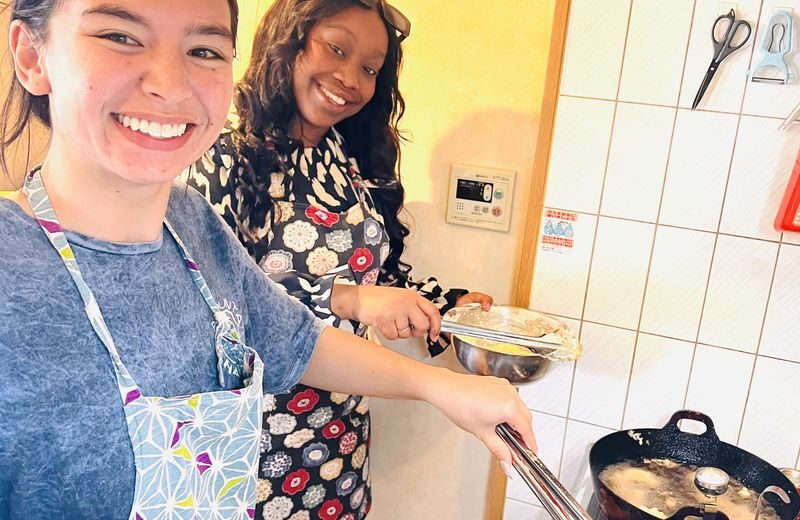
This is not a quick demo where you watch a chef cook and then leave with a few notes. Yuki guides you through preparing a full meal, with the work divided into approachable steps. You then sit down together over tea and eat what you have made.
The setting is a contemporary apartment in Higashi-osaka, with mountain views. That change of scene is part of the appeal: you are not just passing through another restaurant, but spending time in a home kitchen and learning how a few familiar dishes come together.
Yuki has experience as an izakaya chef and is described as Michelin-seasoned. Her teaching style is practical and patient. You can expect clear explanations as you work, rather than a lesson that assumes you already know your way around Japanese ingredients or cooking methods.
The class is limited to six participants. That small cap should make it easier to follow each step and ask questions, though it is still a shared class, not a private session. If you want an activity that combines cooking, a meal, and a little conversation with a local host, this format fits well.
You can also read our reviews of more cooking classes in Osaka


Turning tempura into a complete donburi
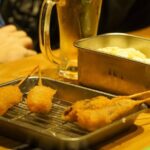
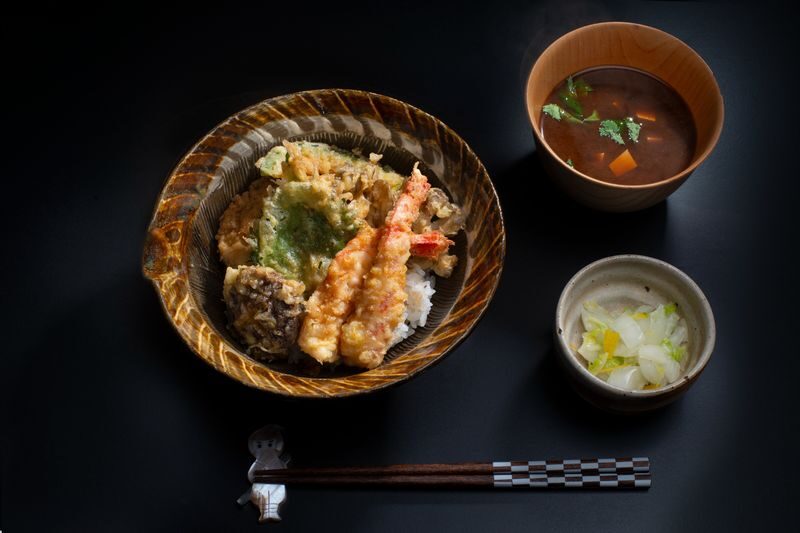
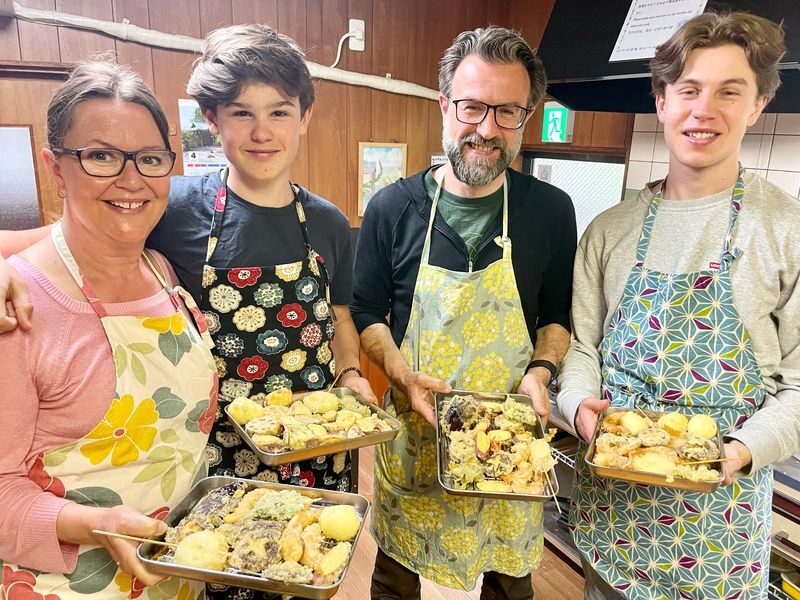
The main dish is crispy tempura donburi: tempura served over a bowl of rice. The focus is not only on frying ingredients, but on getting the batter right. Yuki’s core tip is simple and useful: use ice-cold water and mix the batter gently. Stirring too much can activate gluten, making the coating heavier and less crisp.
That is the sort of small technique that makes a cooking class worth its time. You can find a recipe for tempura in many places, but understanding why cold water and a light touch matter gives you a better chance of reproducing the result in your own kitchen. It is also a lesson you can apply to future batches, not just the meal you make in class.
The donburi format makes the dish feel like a meal rather than a standalone cooking exercise. You will prepare the components and bring them together in a bowl, with the tempura as the crisp, freshly cooked element. The supplied details do not specify which ingredients are used for the tempura, so the exact selection may depend on what is fresh and seasonal.
Bonito miso soup and cabbage with an izakaya touch
The class also covers hand-shaved bonito miso soup. Bonito, or dried fish, is shaved by hand for the soup, adding a traditional preparation step alongside the main frying lesson. The menu is a useful contrast: tempura asks for careful attention to texture, while soup brings a different set of ingredients and techniques to the meal.
A nappa cabbage coleslaw, prepared in an izakaya style, rounds out the menu. It adds a fresh side to a meal built around hot, crisp tempura and savory soup. The details do not specify a dressing or a fixed recipe, so it is best to think of this as a chance to learn Yuki’s approach rather than expect a particular version of coleslaw.
Together, the three dishes give you a broader lesson than a tempura-only class. You work across frying, soup, and a vegetable side, then eat them as one meal. That variety is appealing if you want practical ideas for building a Japanese-style lunch or dinner at home.
Step by step, with room to learn
Yuki’s instruction is designed to be easy to follow. The class is practical, and the process is explained as you prepare each part of the meal. That matters if you are new to Japanese cooking: you can concentrate on the task in front of you without needing to know specialist terms in advance.
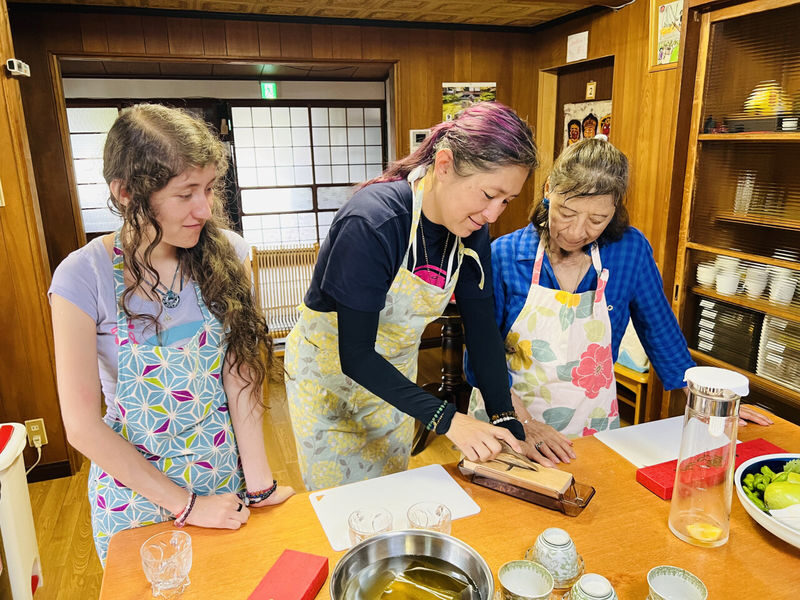
The small group also helps keep the experience personal. With no more than six participants, the setting gives Yuki room to guide people through the work and help with the cooking. Past participants have found her patient and kind, and appreciated that the instructions were clear. You should expect to take part, not just observe.
A recipe is provided at the end, giving you a reference once you are home. That is a meaningful extra for anyone who wants to put the lesson to use. Cooking techniques are easier to remember when you have tried them, but a written recipe helps with details like proportions and sequence later on.
Casual clothing is suggested. Cooking can involve hands-on work, so wear something comfortable that you do not mind spending time in around a kitchen. No special outfit is required.
The meal is part of the experience
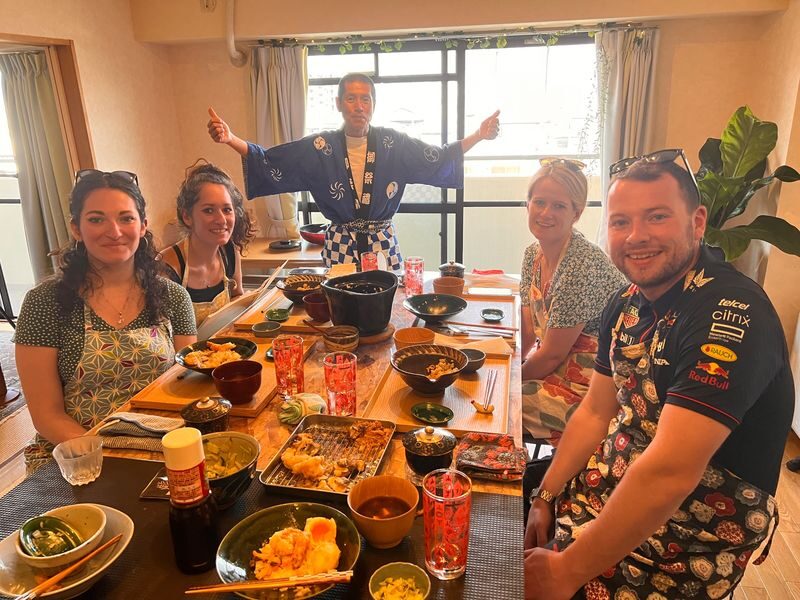
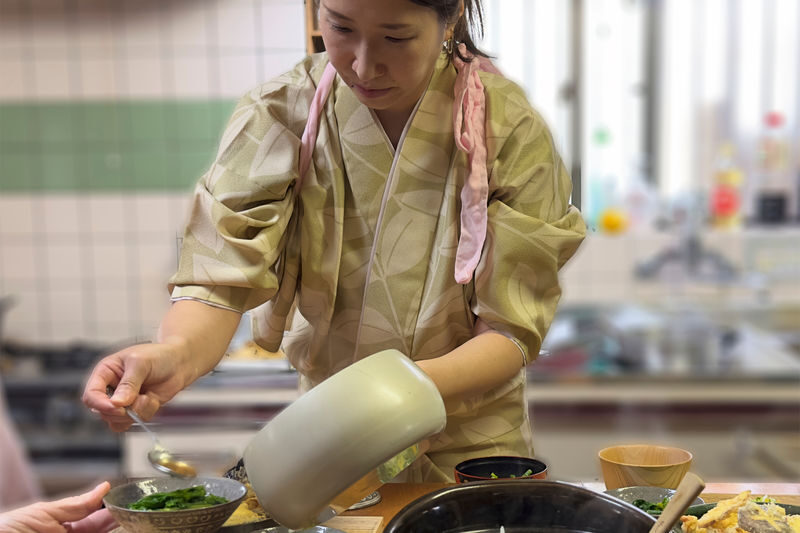
After cooking, the group sits down to eat together, with tea and time to relax. The meal is not an optional add-on: it is the payoff for the preparation and a chance to enjoy the food while it is fresh.
The social side is a quiet strength here. Sharing a table with Yuki gives you time to talk about the meal and Osaka, rather than moving straight from the last cooking step to the door. If you prefer a cooking class that is all business and no conversation, this may feel more leisurely than you need. If you like meeting your host and eating what you have made, the shared meal is a good reason to choose this over a purely instructional session.
Lunch or dinner is included depending on the time you book. The available start times are 10:00 and 16:30, with listed return times of 13:00 and 19:30. The package information also mentions drinks or alcohol at selected bars, but does not clarify what drinks are served during the class, so check the booking details if that matters to you.
You can also read our reviews of more tours and experiences in Osaka


Getting to Nukata from central Osaka
The class meets at 4-19 Nukatacho, Higashi-osaka, in a white building near Nukata Station. From Osaka Namba, take the Kintetsu Nara Line toward Kintetsu Nara and get off at Nukata. The ride is about 30 minutes and costs around ¥430; from the station, it is about a five-minute walk.
The provider also offers an optional station pick-up and neighborhood tour. This can be useful if you would like help finding the class or want some local context before cooking, but it is optional. Transport to and from the meeting point is not included in the price, and hotel pick-up and drop-off are not provided.
The directions say to arrive 10 minutes early, while the meeting instructions also say to arrive one minute before departure. I would follow the more cautious 10-minute recommendation, especially if you are unfamiliar with Nukata Station. The class starts at the time selected at booking, and late arrivals or no-shows are not refundable.
The area is outside Osaka’s central sightseeing districts, so allow for the train ride in both directions. That is not a major burden, but it does make this a planned half-day activity rather than a quick stop between nearby attractions.
Is $94.59 good value?
The listed starting price is US$94.59 per adult. For that, you get a guided, small-group cooking session, instruction in three dishes, and a meal at the end. You are paying for both the food and the time with Yuki, not simply for a restaurant lunch.
Value depends on what you want from your time in Osaka. If your priority is the lowest-cost meal, this will not compete with eating at a casual restaurant. If you want to learn techniques you can use again, meet a local cooking host, and prepare food yourself, the price is easier to justify. The small group and recipe add to that practical value.
The listed package is called a three-hour class, while the activity description gives two hours for cooking and 30 minutes for the meal. The start and return times span three hours, which likely includes the full scheduled visit. The general overview also describes the experience as two hours, so check the exact duration and timing shown for your chosen date before booking.
A full refund is available if you cancel at least 24 hours before the activity date, based on local time. The voucher is valid only for the selected date and time, and you can present it on your phone.
Who will enjoy this class most?
I would choose this class if you enjoy cooking as much as eating, want a close-up look at Japanese home cooking, or would like to bring a practical recipe back from your trip. It suits beginners particularly well: the instructions are clear, the techniques are explained step by step, and you do not need to arrive with cooking experience.
It is also a good fit for couples, friends, or families with older children who can take part in a cooking session. Children aged 0 to 13 must be accompanied by a paying adult. Children under four are welcome, but the provider asks that two adults accompany them so one adult can focus on the child while the class continues.
You may want to skip it if you have only a short stop in Osaka, do not want to travel beyond the central districts, or would rather spend the time eating out than cooking. The class is also not a private experience, and the ingredient selection may vary with what is fresh and seasonal.
Should you book Yuki’s tempura class?
Book it if you want more than a recipe demonstration. You will practice a useful tempura technique, make a three-part Japanese meal, and eat it in Yuki’s home kitchen. The small group and patient, clear instruction make it especially appealing for beginners and curious home cooks.
Think twice if your schedule is tight or you are looking for an activity right in central Osaka. The trip to Nukata adds planning time, and the class occupies a substantial part of the day. For a relaxed, hands-on meal with skills you can take home, though, this is a rewarding way to spend a few hours.
Osaka Cooking Class: Crispy Tempura Donburi & Miso soup
“Yuki was amazing! The food she taught us to make was delicious and she was very good at explaining the process! She was also very nice and personab…”
FAQ
How long does the cooking class last?
The package is named a three-hour class. The activity is described as about two hours of cooking followed by a 30-minute meal, while the listed start and return times span three hours.
What dishes will I prepare?
You will learn to make crispy tempura donburi, hand-shaved bonito miso soup, and izakaya-style nappa cabbage coleslaw.
Where does the class meet?
The meeting address is 4-19 Nukatacho, Higashi-osaka, Osaka 579-8021. It is in a white building about a five-minute walk from Nukata Station.
How do I get there from Namba?
Take the Kintetsu Nara Line from Osaka Namba toward Kintetsu Nara and get off at Nukata Station. The ride takes about 30 minutes and costs around ¥430, followed by a five-minute walk.
What times can I book?
The listed departure times are 10:00 and 16:30. Return times are listed as 13:00 and 19:30, depending on the departure time and schedule available when you book.
Are children allowed?
Yes. Children aged 0 to 13 must be accompanied by a paying adult. Children under four are welcome, but the provider asks that two adults accompany them.