A pair of chopsticks begins as plain wood here, and you shape it yourself with hand tools under an instructor’s guidance. You choose the wood, shave and sand it, then take home something made for daily use rather than another souvenir destined for a drawer.
I like two things about this workshop: you can choose from 30 kinds of wood, with three options included in the base price, and you can add a name engraving in English, Japanese, or Hiragana. One consideration: the advertised starting price does not cover premium wood or engraving, and the Suita location may be out of the way if you are staying elsewhere in Osaka.
- Key points to know before you book
- From a plain piece of wood to your own chopsticks
- Choosing wood without losing track of the price
- Shaping and sanding: the hands-on middle
- Engraving makes the souvenir personal, for an added fee
- A practical keepsake, not just a workshop souvenir
- Who will enjoy the workshop most
- Getting to MatchaExperience Osaka in Suita
- Is the price worth it?
- Should you book Chopstick Making Osaka?
- FAQ
- Where does the chopstick-making workshop take place?
- What is included in the package?
- How old do participants need to be?
- How many types of wood can I choose from?
- Is name engraving included?
- What will I do during the workshop?
- Can I take my chopsticks home?
- Is the workshop suitable for beginners?
- What is the cancellation policy?
- The Best Of Osaka!
- More Tours in Osaka
- More Tour Reviews in Osaka
Key points to know before you book
 1 / 10
 2 / 10
 3 / 10
 4 / 10
 5 / 10
 6 / 10
 7 / 10
 8 / 10
 9 / 10
 10 / 10
- Start with three included wood choices: Pick from those or pay extra for a premium type, with about 30 kinds available overall.
- Shape the chopsticks yourself: You shave and sand raw wood, with an instructor explaining the steps.
- Add an optional personal touch: Name engraving in English, Japanese, or Hiragana is available for an additional fee.
- Take your work home: You leave with your finished pair, making this both a craft activity and a practical keepsake.
- Bring children aged 7 or older: The workshop is open to participants from age 7, and families have found the hands-on process enjoyable.
- Check the extras before you choose: Wood upgrades and engraving can add to the starting price of $12.50.
👉 See our pick of the The Top 15 Workshops & Classes In Osaka
From a plain piece of wood to your own chopsticks
The appeal is in the making. Rather than buying a ready-made pair, you start with raw wood and gradually bring it into shape, guided by an instructor. That small shift changes the souvenir: you leave with an object you made, and a better sense of the care behind an everyday Japanese utensil.
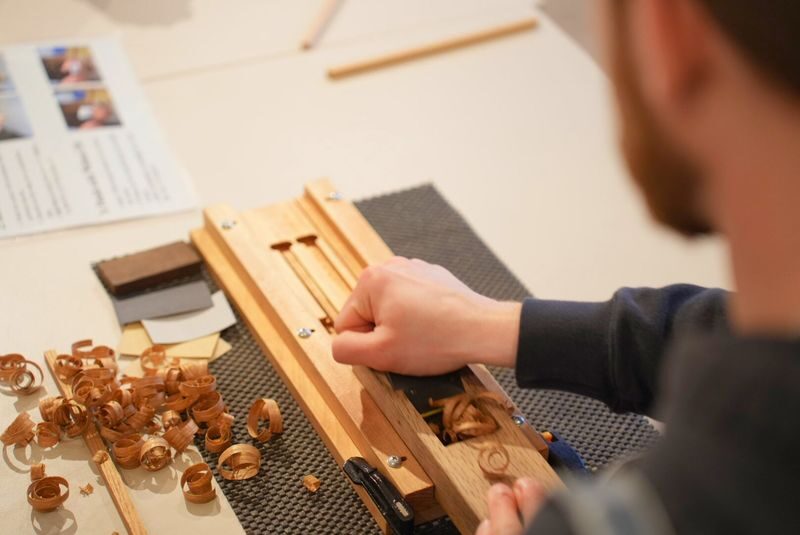
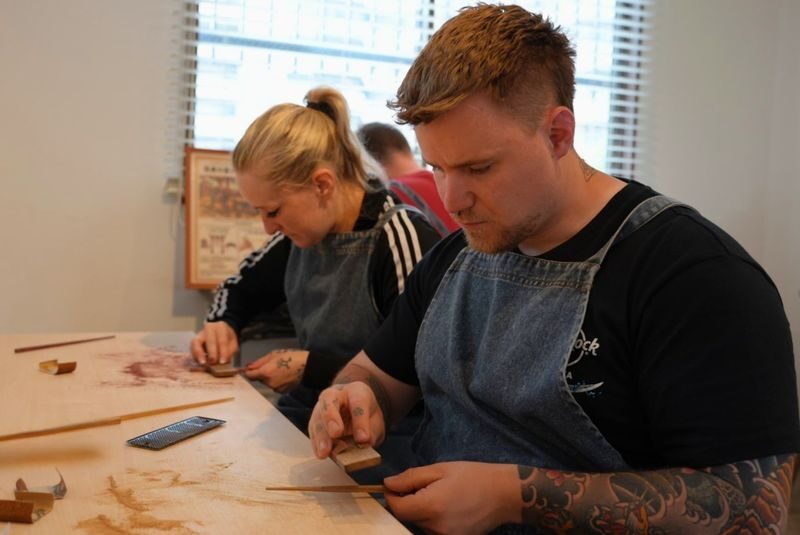
The process is beginner-friendly, but it still asks for a little patience. You shape and shave the wood by hand, then sand it smooth. The final look depends partly on your own care and persistence, especially during sanding, so this is not a quick button-pushing activity.
There is no stated fixed workshop duration. One useful detail is that the pace can depend on your woodworking skills and how much time you want to spend refining the surface. If you like to work carefully, allow room in your schedule rather than planning a tight appointment immediately afterward.
The finished pair is yours to take home. That makes the activity especially appealing if you value souvenirs you can actually use. You might also keep some of the wood shavings as a small reminder of the work, as participants have done.
You can also read our reviews of more tours and experiences in Osaka.


Choosing wood without losing track of the price
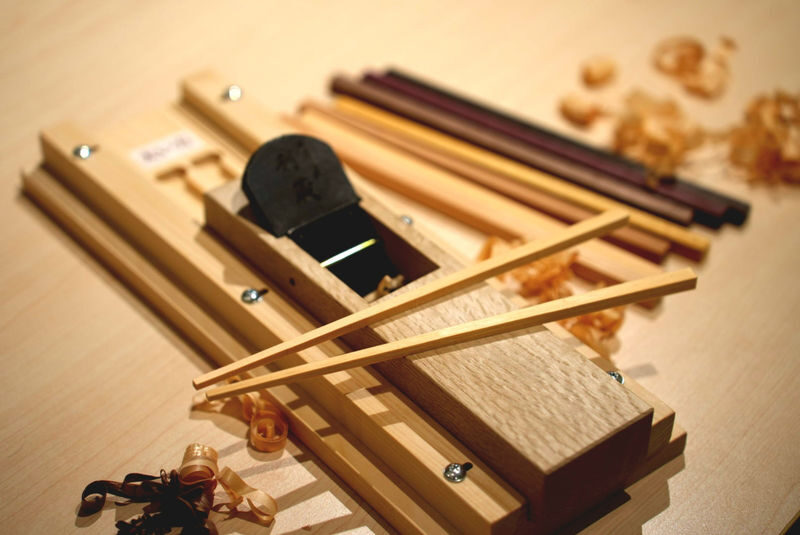
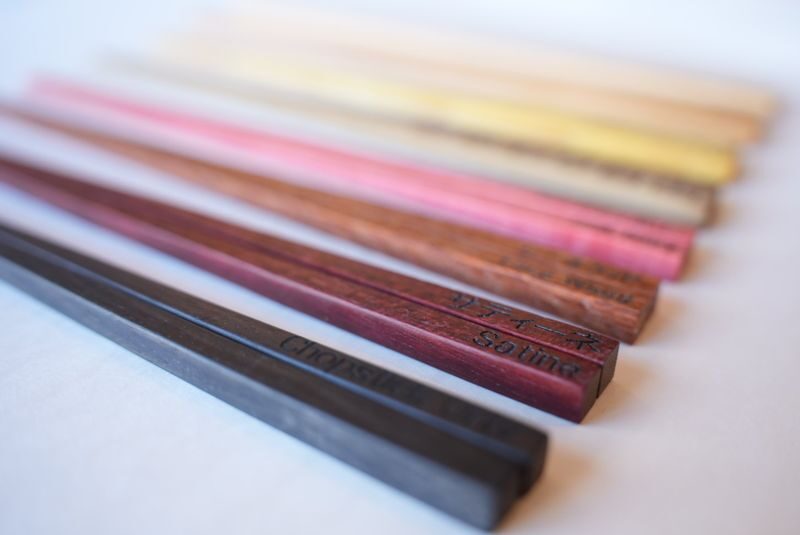
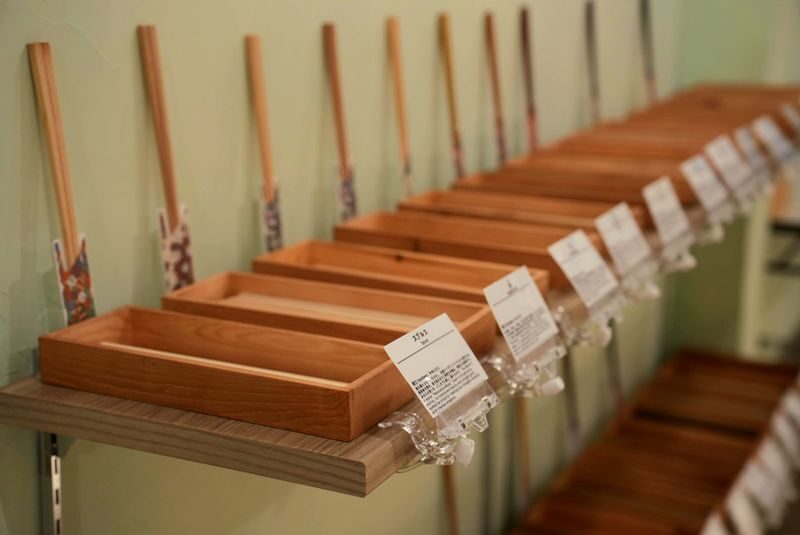
Wood selection is part of the fun, and the range is unusually broad for a short craft activity: about 30 kinds are offered. Three choices are included in the basic package. Other woods are available for an extra charge, so ask which selections carry a fee before settling on a favorite.
That pricing detail matters. The advertised rate starts at $12.50, an accessible entry price for a guided, hands-on activity, but it is not necessarily the final cost if you want a premium wood or personalized engraving. A visitor who expected every selection and customization to be included could find the extras a surprise.
I would decide what matters most before arriving. If the process itself is the main attraction, one of the included woods may be all you need. If you want a particular type of wood or a more personal keepsake, treat the added cost as part of the total rather than an unexpected afterthought.
Some participants have chosen Japanese walnut, for example, and described how an oil finish brought out the wood’s appearance. The specific selection and finish available may vary, so think of that as an example, not a promise about your own session.
Shaping and sanding: the hands-on middle
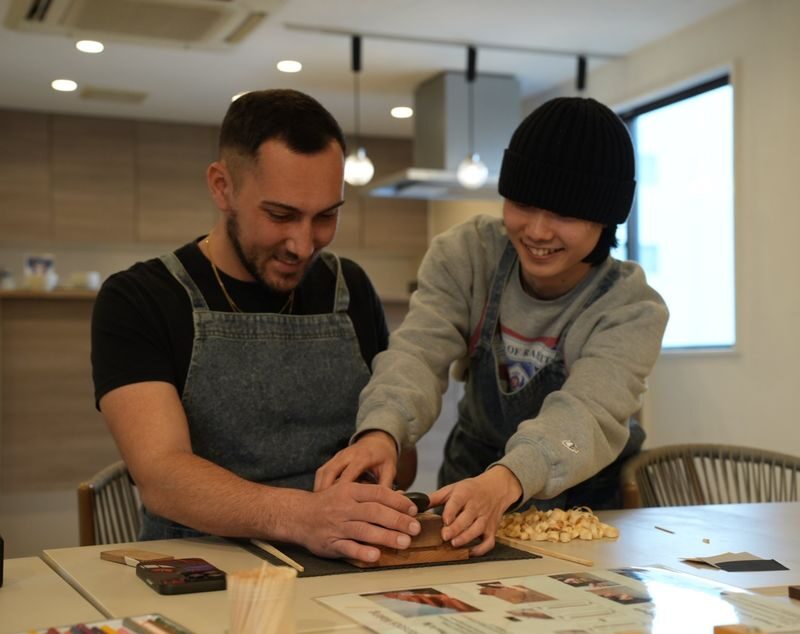
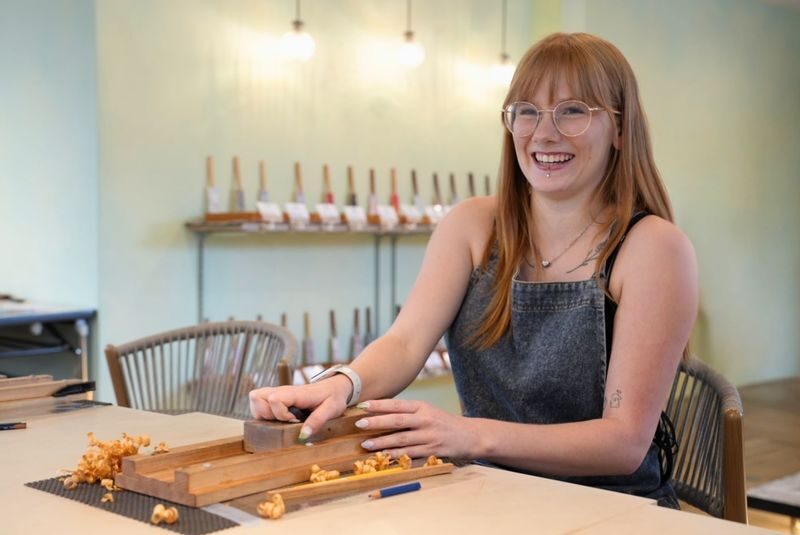
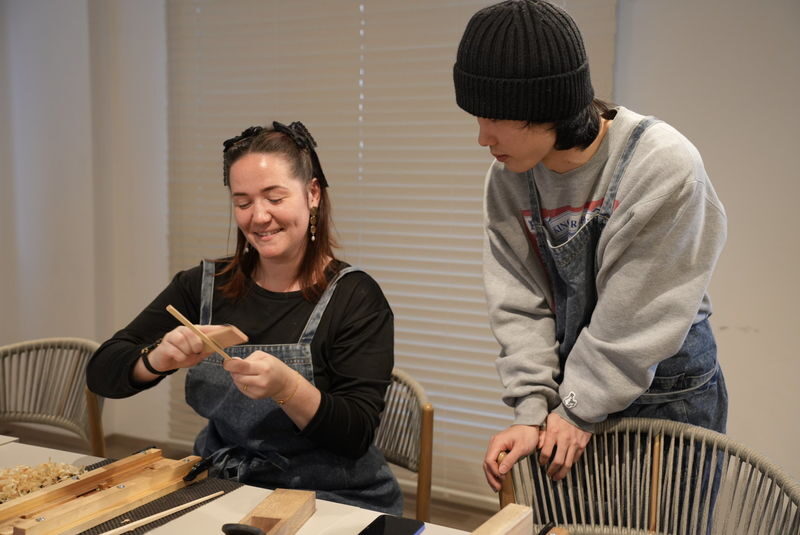
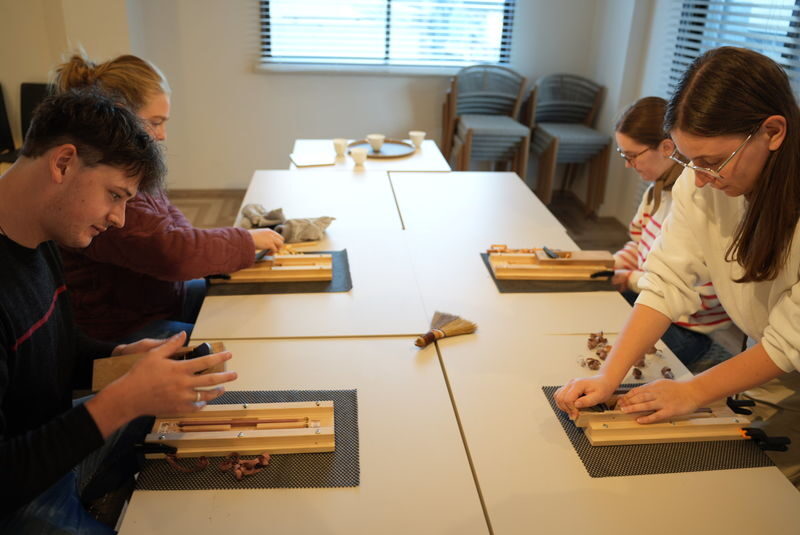
Once you have chosen your wood, the workshop moves into shaping. The instructor shows you how to work the material down, and you use the tools to create the form of your chopsticks. Instructions are described as clear and simple, making the activity approachable even if you have never done woodworking.
The work is steady rather than strenuous. You will need to pay attention to the shape and keep sanding until the surface feels smooth. That is where the activity can stretch out: some people will finish sooner, while others will want extra time to refine their pair.
The instructor’s role is to make the steps manageable without doing the work for you. Names mentioned by participants include Kazuki, Diana, and Masaki, though the instructor may vary by session. English support has been available, with accounts ranging from basic English to very good English. The activity also offers Japanese-speaking guidance.
Most of all, the workshop gives you a quiet break from sightseeing. The setting has been described as intimate and relaxed, and the task is easy to follow at your own pace. It is a welcome change from spending the day moving between crowded attractions, especially if you want to make something with your hands.
Engraving makes the souvenir personal, for an added fee
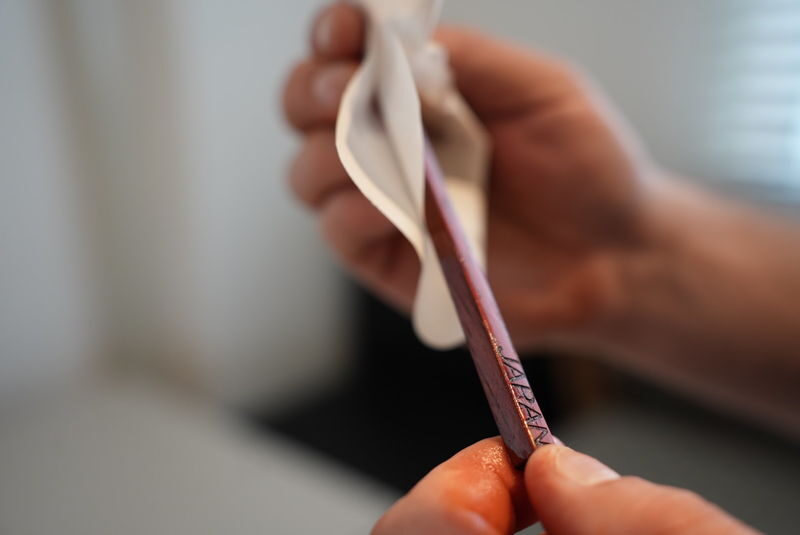
After shaping and sanding, you can choose to have your name engraved. English, Japanese, and Hiragana are listed as options, and the engraving is done by laser. You may also be able to select small graphics or designs, depending on the options available at the workshop.
This is an extra-cost option, not part of the included package. That distinction is worth confirming when you book or arrive, particularly if you are bringing children who may have their hearts set on a personalized pair. The added expense can feel worthwhile if the chopsticks are intended as a gift or a lasting reminder of your visit.
The engraving is not just decoration. It turns a pair of handmade chopsticks into something distinctly yours, especially if you choose to use Japanese writing. You can keep the design simple or explore what is offered, but check both the available choices and the price before deciding.
A practical keepsake, not just a workshop souvenir
The best part of this activity may be that the result has a purpose. You can take your finished chopsticks home immediately and use them, rather than packing away an object that only recalls the trip. For a gift, the combination of wood choice, hand shaping, and optional engraving gives you a personal story to go with it.
It also offers a small introduction to traditional Japanese craftsmanship through the act of making. This is not a broad cultural lecture or a formal demonstration of every stage of chopstick production. It is a focused, accessible craft session: choose the material, shape it, smooth it, and finish the pair with guidance.
That focus is a strength if you want to spend time doing rather than watching. It may be less satisfying if you expect an in-depth history lesson or a highly structured class with a set timetable. The main value is the chance to make a useful object and learn the process through your own hands.
Who will enjoy the workshop most
Families, couples, and friends looking for a shared activity are a natural fit. Participants aged 7 and up can take part, and the steps are simple enough for beginners. Children can see a clear result from their effort, which helps make the activity feel rewarding rather than like a lesson they are waiting to escape.
It also suits solo visitors who enjoy quiet, practical crafts. The workshop is self-paced, and the atmosphere has been described as welcoming. Still, one participant felt that solo attendees or couples were not always guided closely through every crucial step. If you want frequent one-to-one instruction, make that preference clear to the instructor rather than assuming the workshop will be fully hands-on from start to finish.
There has also been an account of staff supporting a participant with a physical disability while preserving their independence. That is encouraging, but it is not a guarantee of specific access arrangements. If you or someone in your party needs particular support, contact the provider ahead of time to discuss it.
Getting to MatchaExperience Osaka in Suita
The meeting point is MatchaExperience Osaka, the same venue name used for sushi cooking, calligraphy, and tea ceremony activities. The address is 3-35-5 Tarumicho, 3F, Suita, Osaka 564-0062, Japan. Take care with the location: the workshop is in Suita, not at an unspecified central Osaka meeting point.
Some visitors have found the studio difficult to locate, and the area may be inconvenient if you are staying elsewhere in Osaka. Check the map and address carefully before setting out, and leave time to find the third-floor venue. A participant who misread the meeting point and travel time missed the activity, a preventable snag with a little planning.
The booking voucher is valid only for the specified date and time, if a time is listed. Confirmation is expected within minutes; if it does not arrive, contact customer support. You can cancel for a full refund at least 24 hours before the activity date, using the destination’s local time.
Is the price worth it?
At $12.50 to start, this can be a good-value activity if you are content with one of the included wood choices and do not need engraving. You are paying for a guided process and a finished object you can take home, not simply admission to watch a craft demonstration.
The total can rise if you choose premium wood and add a laser-engraved name or design. That is the main budget caveat, and it explains why the experience may feel less inexpensive once you customize it. Ask about the extra charges before making your selections, then decide whether the personalization is worth the cost to you.
Value also depends on how much you enjoy the making. If you like slow, hands-on work, the time spent shaving and sanding is part of the point. If you mainly want an inexpensive souvenir and would rather not spend time crafting, buying a ready-made pair may suit you better.
Should you book Chopstick Making Osaka?
Book this workshop if you want a small, practical souvenir you make yourself, enjoy simple crafts, or need a family activity that gives children a clear task and result. The instruction is designed for beginners, and the choice of wood and optional engraving let you make the final pair your own.
Think twice if you are short on time, staying far from Suita, or counting on all wood choices and engraving being included in the base price. Check the meeting point, allow time to find the studio, and set a budget for possible extras. If those details work for you, this is a pleasing way to turn a quiet stretch of an Osaka visit into something you can use long after the trip.
Chopstick Making in Osaka
“Kazuki was great. The process was laid out and explained well. The workshop time does seem a little dependent on your woodworking skills/patience….”
FAQ
Where does the chopstick-making workshop take place?
It meets at MatchaExperience Osaka, 3-35-5 Tarumicho, 3F, Suita, Osaka 564-0062, Japan.
What is included in the package?
The package includes admission to the activity and an English- or Japanese-speaking guide. Personal expenses and tips are not included.
How old do participants need to be?
Participants must be at least 7 years old.
How many types of wood can I choose from?
About 30 types of wood are available. Three choices are included in the package, while premium wood choices cost extra.
Is name engraving included?
No. Name engraving is available for an additional fee. The listed language options are English, Japanese, and Hiragana.
What will I do during the workshop?
You choose a piece of wood, shape and shave it by hand, sand it smooth, and finish your chopsticks with an instructor’s guidance.
Can I take my chopsticks home?
Yes. You can take your finished chopsticks home after the workshop.
Is the workshop suitable for beginners?
Yes. The activity is described as beginner-friendly, with tools and materials provided and an instructor guiding the process.
What is the cancellation policy?
You can receive a full refund if you cancel at least 24 hours before the activity date, using the destination’s local time.