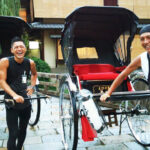
Arashiyama’s bamboo grove is lovely on foot, but it can feel crowded and tiring. A rickshaw takes you along a dedicated route through the bamboo, while your guide pulls the cart, shares local details and can help take photos. It’s a novel way to see a famous corner of Kyoto without walking every step.
I like two things in particular: the ride combines bamboo, shrine and river scenery, and the guides often take thoughtful photos, so you can enjoy the view instead of juggling a phone. One consideration: the ride is brief at 30 minutes, and the rickshaw itself draws attention. If you prefer to stay unnoticed, the attention from passersby may feel awkward.
- The 30-minute route covers key sights: Expect the Bamboo Grove, Nonomiya-jinja Shrine and Rakushisha, with a return to Togetsukyo.
- You can choose a longer ride: Options run from 30 minutes to 180 minutes, and routes and finish points can be adjusted.
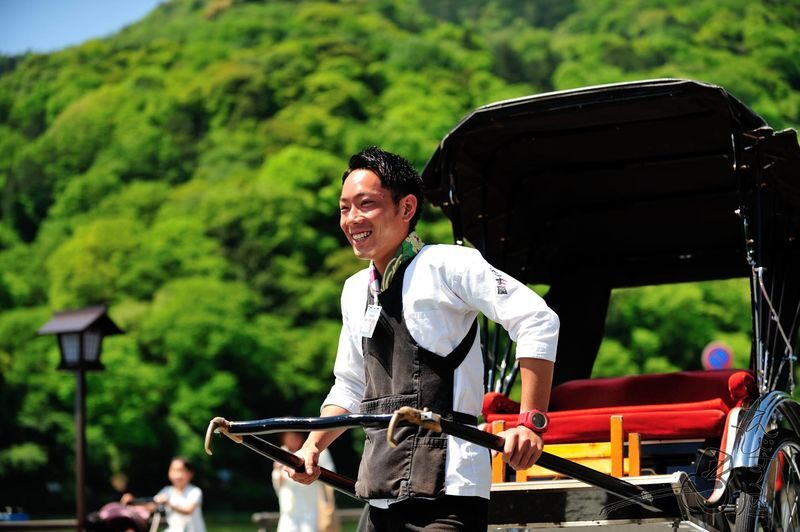
- The guide does the pulling: You sit back while your guide steers through Arashiyama and explains the area.
- Photos are part of the appeal: Guides often take pictures of you and your party along the way.
- The starting point is easy to find: Meet north of Togetsukyo Bridge at Ebisuya Arashiyama Rickshaw.
- The seat has limits: It is 74 cm wide and seats up to two adults; staff may split riders between carts if safety requires it.
- A different way into Arashiyama’s bamboo
- The Bamboo Grove, with less footwork
- Shrine paths and the quieter side of the route
- Togetsukyo Bridge, river and mountain views
- Choosing 30, 70, 120 or 180 minutes
- Guides, stories and photos
- Is the ride worth the price?
- Practical details before you set off
- Who should book this Arashiyama ride?
- FAQ
- Where does the rickshaw tour meet?
- How long can I book the ride for?
- What sights are on the 30-minute route?
- Is a guide included?
- Are attraction admission fees included?
- How many people can sit in one rickshaw?
- Can children join the ride?
- Is the ride suitable during pregnancy?
- What is the cancellation policy?
- The Best Of Kyoto!
- More Tours in Kyoto
- More Tour Reviews in Kyoto
A different way into Arashiyama’s bamboo
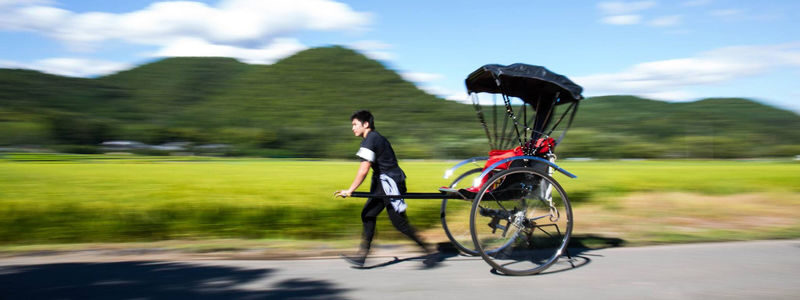
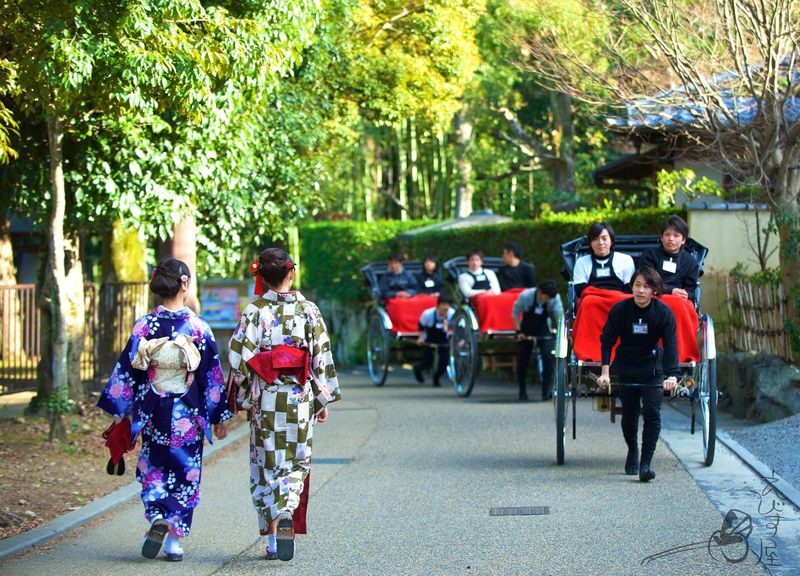
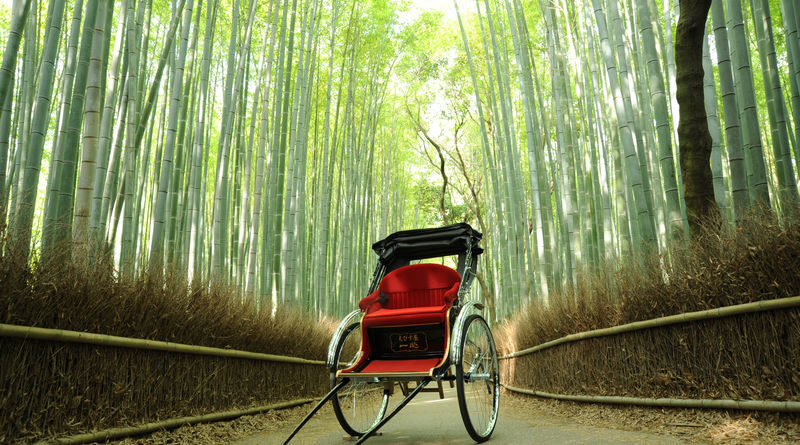
Arashiyama is a popular Kyoto day trip for good reason. Its bamboo grove, temples, river and wooded hills give you a lot to see in a compact area. A rickshaw tour changes the pace: instead of threading through the area on foot, you ride with a local guide doing the work.
The short route sets off from the north side of Togetsukyo Bridge. From there, the guide pulls you toward the Path of Bamboo, Nonomiya-jinja Shrine and Rakushisha before returning to Togetsukyo. The exact route can be adjusted within your booked time, so tell the guide what interests you and where you would like to finish.
This is not a private sightseeing car. You are close to the street, open to the weather, and part of the scene. That closeness is part of the charm: you can notice the rhythm of the cart, hear your guide as you go, and take in the area at a slower pace than a walk through the busiest lanes.
👉 See our pick of the We Rank Kyoto’s 15 Top Workshops & Classes
The Bamboo Grove, with less footwork
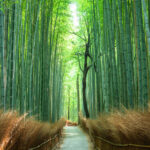
The Bamboo Grove is the star attraction, and the rickshaw gives you a distinct way to see it. A dedicated rickshaw path through the grove offers a route that differs from the main flow of people on foot. It can help you get some breathing room, though it does not make the grove private or guarantee a crowd-free visit.
Bamboo is the sort of place that rewards a pause. Looking up through the tall stalks gives the path a hushed, almost theatrical feel, even when the area is busy. From the rickshaw seat, you can take in the scale without having to walk the entire route, which is welcome if you have already been on your feet all day or are visiting with family.
There is a trade-off. People may stop to photograph the rickshaw as it passes, and one rider found that attention uncomfortable. If you are camera-shy, this is worth weighing before you book. If you enjoy being part of the scene, the ride can make for memorable photos of your own.
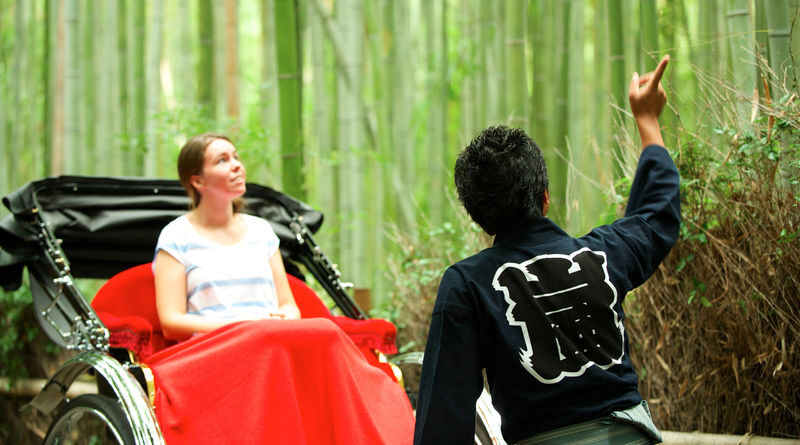
Your guide may take pictures for you, a service that comes up again and again as a strong part of the experience. Some guides are especially adept at finding a good angle with a phone. If you want photos while you are seated, say so; one rider wished they had asked about getting off for pictures. Do not assume a stop or photo setup is included unless you have discussed it with your guide.
You can also read our reviews of more tours and experiences in Kyoto.
Shrine paths and the quieter side of the route
Nonomiya-jinja Shrine is one of the named stops on the 30-minute route. It sits within the bamboo area and gives the ride a cultural point of focus beyond the grove itself. Your guide can explain the sights and local architecture as you pass; the precise commentary will depend on who is working that day and the language you speak.
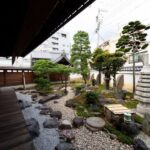
The route also includes Rakushisha, a historic thatched-roof cottage associated with the haiku poet Mukai Kyorai. It offers a change of mood from the bamboo path and a glimpse of Arashiyama’s literary associations. Attraction admission is not included, so the ride should not be mistaken for a ticket to enter every site along the way.
If a particular temple, quiet mountain area or stretch of town matters to you, ask about it before setting off. The route can be customized within your time and the finish point can be changed to suit your interests and convenience. A 30-minute ride allows less room for detours than the longer options, so be clear about priorities.
Togetsukyo Bridge, river and mountain views
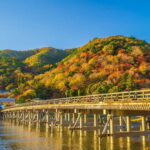
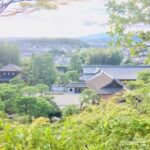
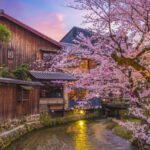
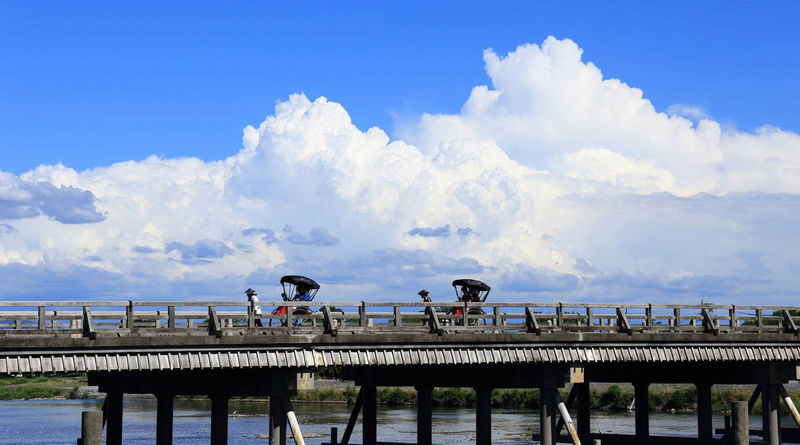
Togetsukyo Bridge is both the meeting point and the 30-minute tour’s usual end point. The bridge spans the Katsura River, with mountains forming a striking backdrop. It is an easy landmark to use when arranging the rest of your time in Arashiyama, and the ride’s drop-off can be convenient if you want to continue exploring nearby.
The tour is not only about the bamboo. The wider Arashiyama setting includes river, mountain, garden and pastoral views, and longer rides give you more time to take in these different surroundings. The exact sights depend on the route you arrange, so a longer package does not mean a fixed set of stops. Discuss what you want to see before departure.
If you are considering the 30-minute option, think of it as a focused introduction rather than a full area tour. It can cover the bamboo route and nearby sights, with time for commentary and photos. The 70-minute ride gives you more room to talk with the guide and ask for route changes. The 120- and 180-minute options make more sense if you want a broader look at Arashiyama or have several places in mind.
Choosing 30, 70, 120 or 180 minutes
The listed starting price is $63.19, and the available packages are 30, 70, 120 and 180 minutes. That starting price is not a full price comparison across all durations, so check the price for the exact option and date you want before booking. A longer ride costs more, but it also buys time for additional scenery, conversation and a more tailored route.
The 30-minute tour is a sensible choice if you mainly want the bamboo experience, a few photos and a break from walking. It is also a practical way to try a rickshaw without giving up much of your day. Several riders have found the short ride enough for the grove and parts of town, while others who booked it wished they had extended their time.
The 70-minute tour is a good middle ground if you want more than a quick pass through the bamboo. You have additional time to chat with the guide, ask questions and shape the route. The 120- and 180-minute rides are best for visitors who want a fuller circuit and are comfortable making the rickshaw ride a major part of their Arashiyama visit.
You may be able to discuss extending your ride with the staff, and one rider reported paying by card for extra time. Do not treat that as guaranteed availability. If the duration matters, book the package that gives you enough time from the start.
Guides, stories and photos
The guide can make this more than a scenic transfer. English- and Japanese-speaking guides are included, and visitors have also described communicating in simple Mandarin, Korean and other languages. Language ability varies by guide, so if you need a particular language, ask the operator ahead of time rather than assuming it will be available.
Guides named by riders include Yuya, Aki, Shin, Daichi, Saku, Yuta and Hajime. These names are useful examples of the staff, not a promise that you will be assigned a particular person. Guides have been praised for friendly conversation, local explanations and taking photos, with some adding small personal touches such as a welcome sign or birthday greetings.
The photo help is practical, not just a bonus. You can have pictures taken with your family or travel companion while you sit in the rickshaw, rather than having to ask strangers or rely on a timer. If you have a particular shot in mind, speak up. Guides can only work with the time and route available, and a clear request is more useful than hoping they guess what you want.
Is the ride worth the price?
At first glance, a short rickshaw ride may seem costly for the time involved. The value is not simply the distance covered. You are paying for a guide who pulls the cart, a distinct route through the bamboo, local commentary, the chance to customize the ride and help with photos.
The value is strongest if you want an unusual experience, are tired of walking, or are travelling with parents or children who would appreciate a seated way to see the area. Families have found it a pleasant shared activity, and it can suit a solo visitor who wants someone else to take pictures. A rider with family members who had mobility issues also found the service useful, though the seat and transfer process may still need consideration.
If your main goal is to cover as many sights as possible for the lowest cost, walking may suit you better. Attraction admissions are not included, and a rickshaw cannot replace time spent exploring a temple or garden on foot. Think of it as a guided scenic ride, not an all-access pass to Arashiyama.
Practical details before you set off
Meet at Ebisuya Arashiyama Rickshaw, north of Togetsukyo Bridge, and arrive 10 minutes before your scheduled time. You can search Google Maps for Ebisuya Arashiyama Rickshaw. The driver wears the character 嵐 on their back, which helps identify the staff at the meeting point.
Present your mobile voucher. The voucher is valid only for the date and time specified, and late arrivals or no-shows are not refundable. Changes are allowed until 24 hours before the activity starts, subject to stated exceptions; a full refund is available if you cancel at least 24 hours before the activity date, using local destination time.
The rickshaw seat is 74 cm wide and holds up to two adults. If staff have a safety concern, they may place two riders in separate rickshaws and charge a fare difference. Children aged 0 to 5 may join free if they do not need a separate seat; children aged 6 and older pay the adult rate. People in the first 16 weeks of pregnancy are not permitted to ride.
The activity is listed as stroller- and wheelchair-accessible, but the seat dimensions and the physical act of boarding matter. If you have specific mobility needs, contact the operator before booking. Storage is available at the venue; ask staff on site about rates.
Who should book this Arashiyama ride?
Book it if you want to experience the Bamboo Grove in a way that is more personal and less tiring than walking, or if photos and local conversation are part of the fun for you. The 30-minute ride is a neat sampler; the 70-minute option is a stronger pick if you want space for a slower pace and some route flexibility.
Skip it if you would rather stay out of sight, prefer independent exploration, or need a low-cost way to cover the area. For everyone else, this is an appealing use of an hour or less, with the option to make it a much longer outing. Choose your duration with care, tell your guide what you want to see, and arrive early enough to start relaxed.
Kyoto Arashiyama Rickshaw Tour
“this was a highlight of our trip. I would definitely recommend. the only part I disliked was trying to be upside on our package throughout our trip…”
FAQ
Where does the rickshaw tour meet?
Meet at Ebisuya Arashiyama Rickshaw, on the north side of Togetsukyo Bridge. Search for Ebisuya Arashiyama Rickshaw on Google Maps, and look for your driver wearing the character 嵐 on their back.
How long can I book the ride for?
The package options are 30, 70, 120 and 180 minutes. The 30-minute route is the shortest option and usually returns to Togetsukyo.
What sights are on the 30-minute route?
The sample route includes the Path of Bamboo, Nonomiya-jinja Shrine and Rakushisha, starting north of Togetsukyo Bridge and ending at Togetsukyo. Routes and finish points can be adjusted within the booked time.
Is a guide included?
Yes. The ride includes an English- or Japanese-speaking guide. If you need another language, check with the operator because language ability can vary by guide.
Are attraction admission fees included?
No. Admission to attractions is not included in the rickshaw tour price.
How many people can sit in one rickshaw?
The seat is 74 cm wide and can seat up to two adults. Staff may split two customers into separate rickshaws if they have a safety concern, with a fare difference.
Can children join the ride?
Children aged 0 to 5 can join free if they do not occupy separate seats. Children aged 6 and older are charged the same rate as adults.
Is the ride suitable during pregnancy?
People in the first 16 weeks of pregnancy are not permitted to ride a rickshaw.
What is the cancellation policy?
You can receive a full refund if you cancel at least 24 hours before the activity date, using destination local time. Booking changes are allowed until 24 hours before the start, with some exceptions.