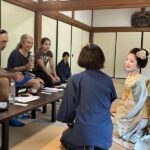
The draw here is the 150-year-old Kyomachiya, a traditional Kyoto townhouse, where you can learn to prepare matcha with the Kamogawa River nearby. I like the mix of a hands-on tea lesson and a setting that gives the ceremony a sense of place, rather than putting it in a generic classroom.
I also like that you can add calligraphy and take your brushwork home, along with wearing a haori for photos. One point to watch: the tea-only package does not include calligraphy, and the activity name can make the options easy to confuse. Check the exact package before paying.
- What to know before you book
- A Kyoto townhouse sets the tone
- Choosing your package carefully
- The tea lesson: matcha, sweets, and a little practice
- Calligraphy: try the brush, take home your work
- Haori and photos are part of the visit
- Is 50 minutes enough?
- What the price gets you
- Who will enjoy this most
- Should you book it?
- FAQ
- Where does the activity take place?
- How long is the tea-only activity?
- Does the tea-only package include calligraphy?
- What is included in the tea-only package?
- Is a haori provided?
- Are sweets served with the matcha?
- Can I buy matcha to take home?
- Do infants and children need to be counted when booking?
- What is the cancellation policy?
- The Best Of Kyoto!
- More Tours in Kyoto
- More Tour Reviews in Kyoto
What to know before you book
 1 / 10
 2 / 10
 3 / 10
 4 / 10
 5 / 10
 6 / 10
 7 / 10
 8 / 10
 9 / 10
 10 / 10
- A historic townhouse by the river: The session takes place at 橙家, in a 150-year-old Kyoto machiya near the Kamogawa River.
- Tea is hands-on: You learn about matcha and its preparation, then have a chance to make it yourself and enjoy it with a traditional sweet.
- Calligraphy is a separate choice: Book the calligraphy package or the combined tea-and-calligraphy package if you want both.
- A haori is provided: Wear this traditional Japanese jacket during the session, with time set aside for photos.
- Fifty minutes includes more than the lesson: For the tea-only package, the stated duration covers choosing and putting on a haori, the session, and photos.
- Tea may be available to take home: Premium Uji matcha can be purchased, with a limit of one per group.

👉 See our pick of the We Rank Kyoto’s 15 Top Workshops & Classes
A Kyoto townhouse sets the tone
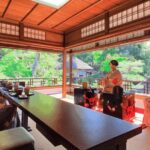
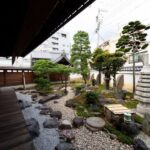
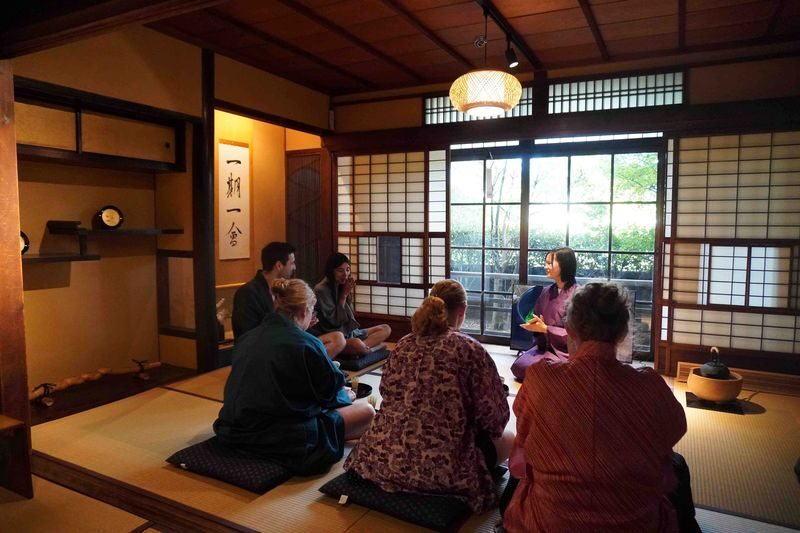
The address is 橙家, at 420 Shimoninomiyacho in Shimogyo Ward, Kyoto. The activity is built around its old townhouse setting, not simply the tea or brushwork. You get a glimpse of a traditional Kyoto home while taking part in two arts that reward patience and attention.
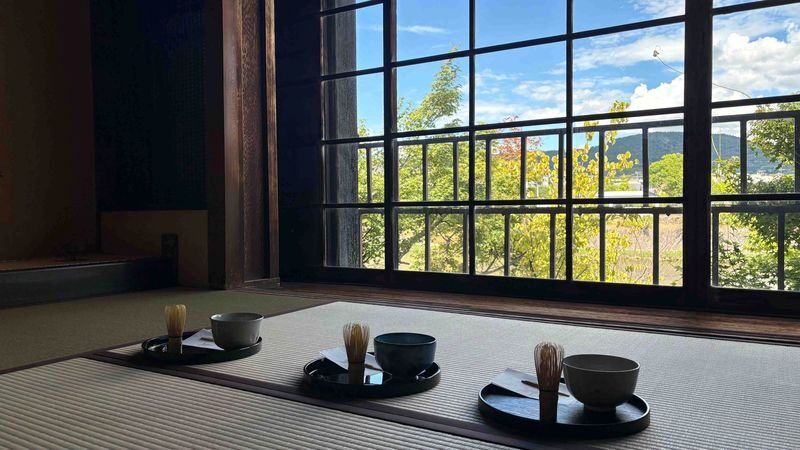
That matters if you are choosing between a short cultural activity and another stop at a crowded sight. Here, the house itself is part of the experience. The calm atmosphere and river-side location give you a quieter change of pace, and the old rooms provide a memorable backdrop for photos.
The building’s low ceilings are worth keeping in mind. One participant found them low enough to duck under, which is a useful reminder to watch your head as you move through a traditional house. The historic setting may also mean less space and fewer modern conveniences than a purpose-built venue.
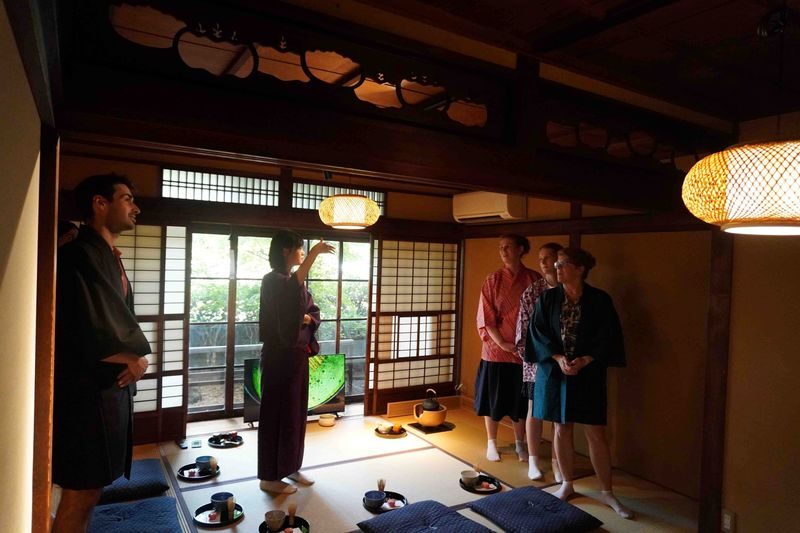
Staff speak English, and visitors have described instructors explaining the house, tea, and calligraphy in detail. Names mentioned by people who took the activity include Mika, Mao, Misako or Masako, and the calligraphy teacher Yuhiro. Staff assignments can vary, so do not book expecting a particular instructor.
You can also read our reviews of more tours and experiences in Kyoto.



Choosing your package carefully
There are three listed choices: Authentic Tea Ceremony with Kamogawa River View, Authentic Japanese Calligraphy Experience, and Authentic Tea Ceremony and Japanese Calligraphy Experience. The starting price is $37.59, but that figure is not enough to tell you the cost of every option. Compare the selected package and final price before confirming.
The tea-only package includes the tea ceremony lesson, traditional Japanese sweets, English-speaking staff, and haori rental. It does not include the Japanese calligraphy lesson. Calligraphy paper, or washi, is also listed as not included, so check what materials are supplied for your chosen option before booking.
The combined option is the one to choose if you want both activities. It costs more than the lowest advertised starting price, and the actual package price is not specified here. One person who expected tea with a calligraphy booking had to pay an additional 5,000 yen to add the tea ceremony. That is a preventable surprise: select the combined package if you want the complete pairing.
The tea lesson: matcha, sweets, and a little practice
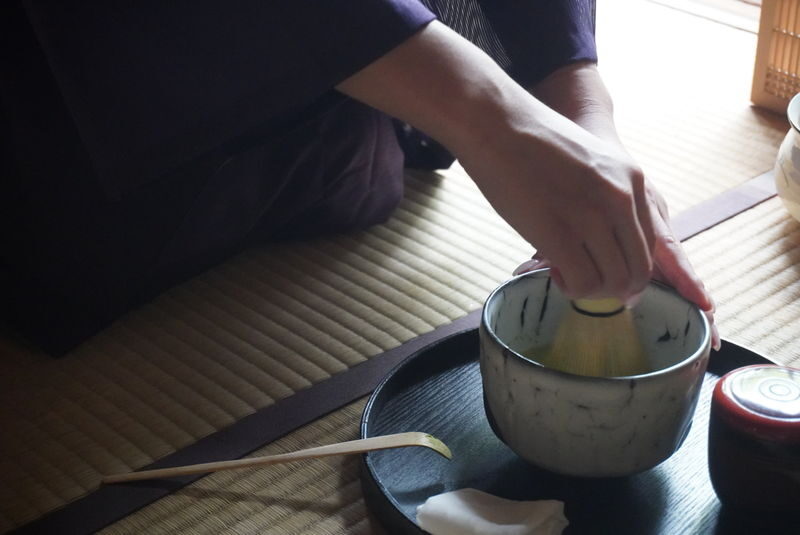
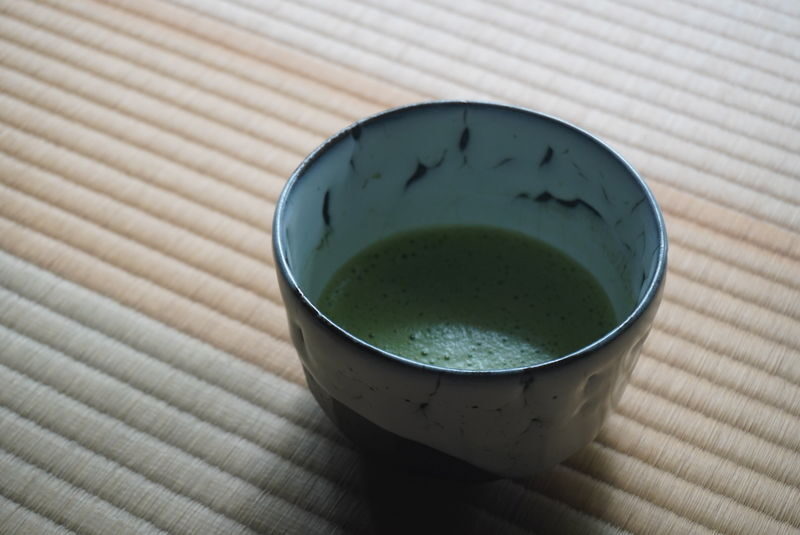
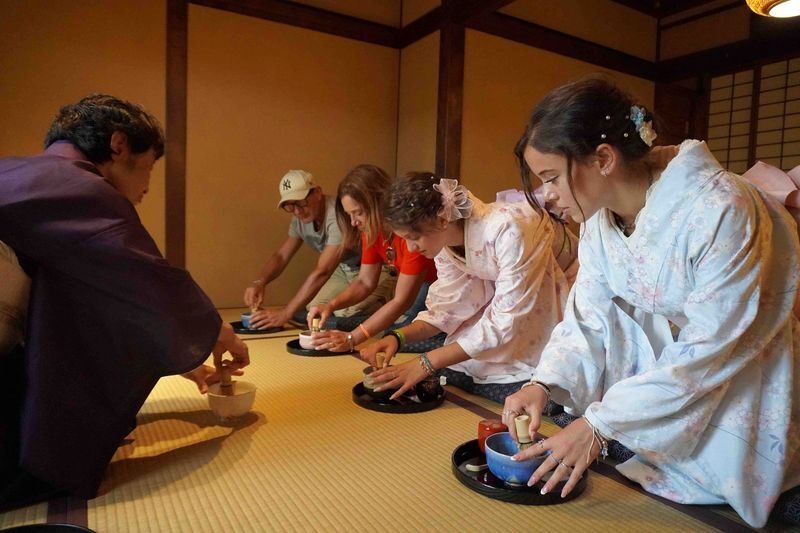
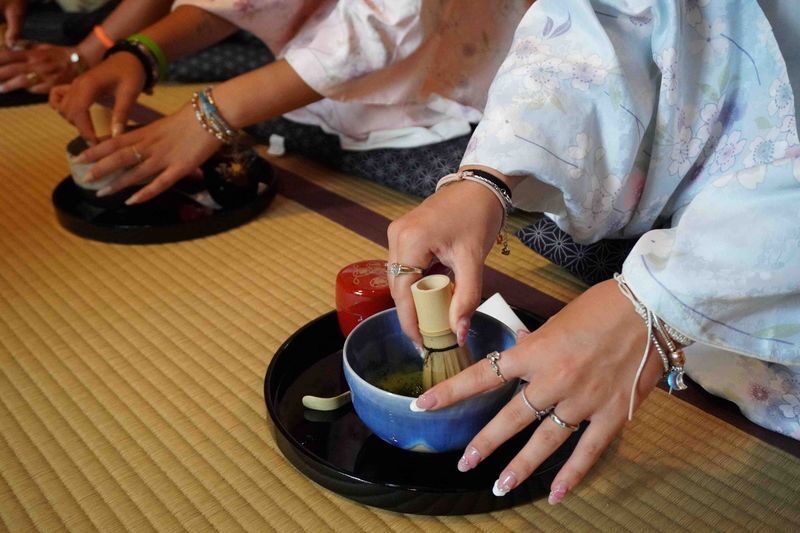
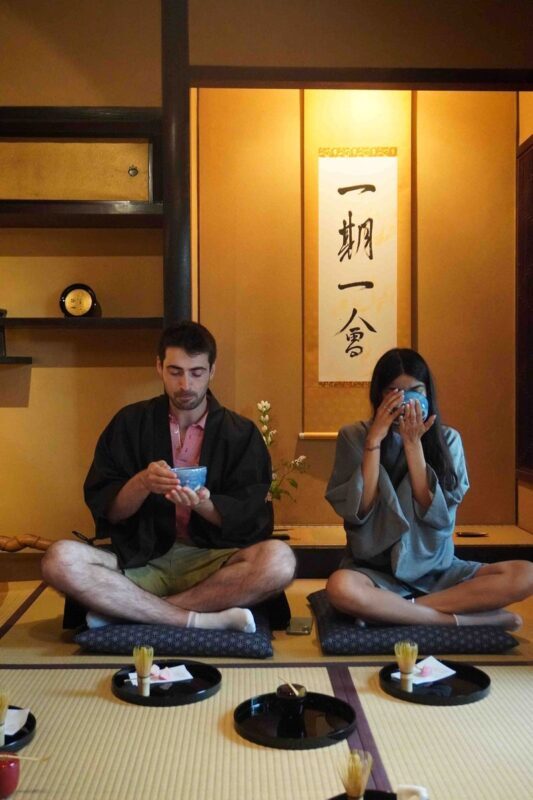
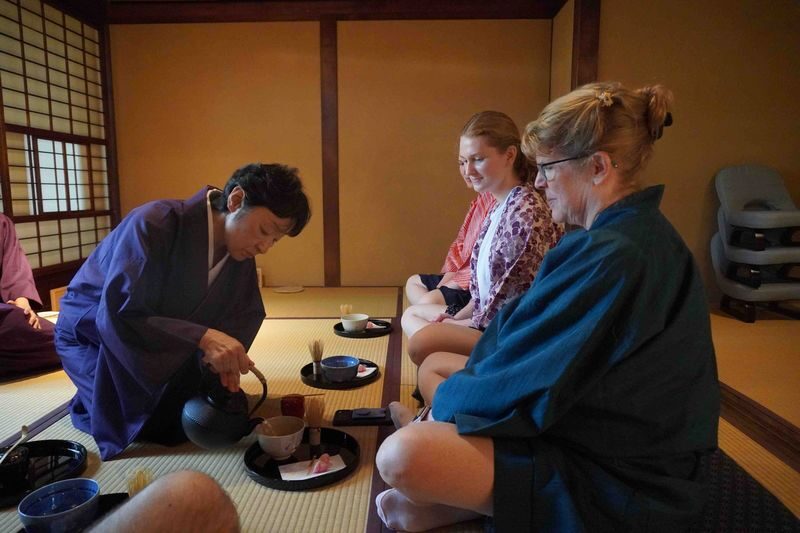
The tea portion introduces you to matcha and the customs around preparing and serving it. The instructor explains the process, then demonstrates how to make the tea before you have a go yourself. You also receive a traditional Japanese sweet, a small counterpoint to matcha’s distinctive, sometimes bitter flavor.
The explanation is part of the value. You are not just handed a bowl and asked to pose with it. Instructors have discussed the history of the house and tea ceremony, as well as how matcha is prepared. One account described an audiovisual introduction to matcha, though the precise teaching format may vary.
If you have never made matcha, the chance to try the movements yourself makes the lesson more memorable than a demonstration alone. And if you already drink matcha, you may enjoy learning about its preparation in a traditional setting. Still, this is a short introduction, not an advanced tea-practice course.
The tea is premium Uji matcha, and you can purchase some to take home. The stated limit is one per group, so treat it as a small souvenir rather than a shopping stop. If you dislike matcha, consider that carefully: tea is central to the tea-only activity, and the accompanying sweet does not turn it into a different kind of tasting.
People have also had different expectations of the word traditional. The experience presents Japanese tea culture in a welcoming, visitor-friendly lesson. It may not match the formality or depth of a specialist tea ceremony, particularly if you have already attended one. Go for an accessible introduction in a historic house, not an expert-level study of tea.
Calligraphy: try the brush, take home your work
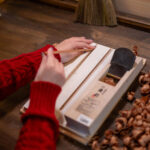
The calligraphy option gives you a chance to practise Japanese brush writing and create a piece to take home. You choose characters and learn how to handle the brush with an instructor’s guidance. The activity is both quiet and hands-on, though the brush can be harder to control than it looks.
That challenge is part of the fun. Participants have enjoyed trying more difficult characters and getting help with writing their names correctly. A calligraphy teacher can explain the meaning and form of the characters as well as show you how to write them. Your finished work will be personal, even if your strokes are not perfect.
Be precise when selecting your package. Calligraphy is not included with the tea-only option, and washi paper is listed as an exclusion. Since the listing does not spell out exactly what paper or other supplies are provided in each package, check the inclusions for your selected option if taking home your work is important to you.
For a more complete cultural session, the combined package joins brushwork with the tea ceremony. Some combined sessions have included the calligraphy lesson, an introduction to the townhouse, and tea, but do not assume every group follows the same order. The appeal is the contrast: brushwork asks you to slow down and focus, while preparing and tasting tea brings the session to a close.
Haori and photos are part of the visit
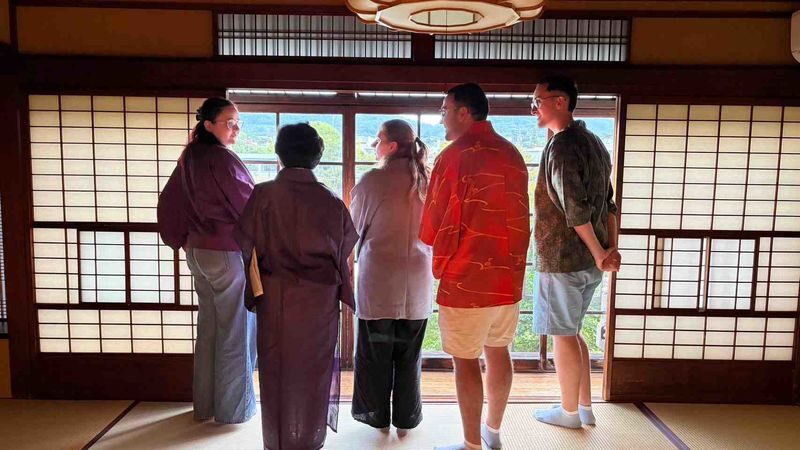
A complimentary haori rental is included, and the activity allows time for choosing one, getting dressed, and taking photos. It is a simple way to add a traditional touch to the visit without booking a full kimono rental elsewhere. The haori is a jacket, not a full kimono experience, so set your expectations accordingly.
The townhouse and river view provide the setting for photos, and instructors may help take them. This can be handy if you are travelling as a couple or family and want a picture with everyone in it. The photo time is also one reason the 50-minute duration should not be read as 50 minutes of instruction.
Is 50 minutes enough?
For the tea-only option, the stated total is 50 minutes, including haori selection, dressing, and photos. That leaves a compact window for the cultural introduction and tea lesson. Some people have found the activity shorter than expected, so it is best viewed as a focused taste of Kyoto culture rather than a leisurely half-day visit.
The combined package offers more to do, but the precise duration for that option is not separately specified. If you want time for questions and practice, allow room in your schedule rather than booking a tight connection or another timed activity immediately afterward.
The format suits a rainy day particularly well, since the main activities take place inside. It can also work as a pause between sightseeing stops. Families have taken part, and infants and children must be included in the passenger headcount. That instruction matters even if a child will not take part in every activity.
What the price gets you
At a starting price of $37.59, the tea-only session can be good value if you want a short lesson, traditional sweets, haori rental, and time in an old Kyoto house. The setting adds something a simple matcha demonstration would not. You are paying for a cultural introduction in a distinctive place, as well as the hosted activity.
The best value depends on what you want to do. If calligraphy matters to you, the tea-only price is not the right comparison. Choose the combined package and check its total price. A higher price may be worthwhile for two activities and a take-home piece, but the cost is harder to judge if you expected both from the start.
There is a useful caution here: at least one person considered the combined experience expensive for the time, while others found it fairly priced and especially enjoyed the instructors and setting. The activity is short, so its value rests on the quality of the teaching and the atmosphere, not on a long itinerary or extensive sightseeing.
Who will enjoy this most
I would choose this for a first introduction to matcha, a hands-on cultural activity, or a calm indoor stop during a Kyoto visit. It is especially appealing if you like the idea of a traditional house and want more than a quick photo in costume. The combined package makes sense if you also want to try calligraphy.
It may be less suitable if you want a long, formal tea ceremony, already have extensive experience with tea practice, dislike matcha, or are focused on keeping costs low. Calligraphy alone is a distinct activity, so confirm the package rather than relying on the overall title.
The most consistently praised features are the warm, patient instructors, the townhouse atmosphere, and clear explanations that leave room for questions. English support is part of the activity, though one person found that some explanations felt less natural when read from notes. If nuanced discussion is important to you, ask questions as you go and allow for some variation in teaching style.
Should you book it?
Book the tea-only package if you want a compact matcha lesson in a traditional Kyoto townhouse, with sweets, a haori, and river-side photos. Choose the combined option if you want both tea and brushwork, and check the price and paper inclusions before booking. For a short, calm cultural stop, this offers a pleasing sense of place. Just make sure the package matches the experience you have in mind.
Authentic Tea Ceremony, Calligraphy in Kyoto with River View
“It is truly very worthwhile, and the old house is also very beautiful.”
FAQ
Where does the activity take place?
It meets at 橙家, at 420 Shimoninomiyacho, Shimogyo Ward, Kyoto, Japan, 〒600-8132.
How long is the tea-only activity?
The stated duration is 50 minutes. That total includes choosing and putting on a haori and taking photos.
Does the tea-only package include calligraphy?
No. The Japanese calligraphy lesson is not included in the tea-only package. Choose the calligraphy or combined package if you want that activity.
What is included in the tea-only package?
It includes English-speaking staff, a tea ceremony lesson, traditional Japanese sweets, and haori rental.
Is a haori provided?
Yes. Haori rental is included, with time to choose and wear one during the activity.
Are sweets served with the matcha?
Yes. Traditional Japanese sweets are included with the tea ceremony.
Can I buy matcha to take home?
Premium Uji matcha may be available to purchase. The stated limit is one per group.
Do infants and children need to be counted when booking?
Yes. Infants and children must be included in the passenger headcount.
What is the cancellation policy?
A full refund is available if you cancel at least 24 hours before the activity date, using destination local time.