Nara’s deer, Osaka’s neon-lit Dotonbori, and Kobe’s harbor make an ambitious day out from Kyoto. You’ll travel between the three cities by coach, with a bilingual English- and Spanish-speaking guide and time to explore several famous sights.
I like the mix of hands-on encounters and city scenery: Nara Park puts you among free-roaming deer, while Kobe adds a change of pace with Chinatown and a harbor stop. I also like that the tour gives you a simple way to see several places without arranging separate transport.
The trade-off is a tight schedule. You’ll have about an hour to an hour and 45 minutes at each stop, and a day split between two languages may mean more time listening on the bus than you’d like. This works best if you value coverage over lingering.
- Nara Park includes 1 hour 45 minutes, with a guided stroll around the exterior of Todaiji Temple and time among the deer.
- Dotonbori gets 1 hour 15 minutes, enough for a walk through Osaka’s famous neon-lit food district, but not a long meal.
- Osaka Castle is a self-guided stop, focused on the grounds and gardens; admission is not included.
- Kobe adds two different stops, a guided hour in Nankin-machi and 45 minutes to explore the port on your own.
- The guide speaks English and Spanish, so you should be comfortable with a bilingual tour.
- The day is transport-heavy, with several coach rides and a listed return to Kyoto around 6:05 p.m.
- One day, three Kansai cities
- Nara Park: deer and Todaiji’s outer setting
- Dotonbori: Osaka’s food-and-neon hour
- Osaka Castle: grounds, not a full castle visit
- Kobe Chinatown and the port
- The coach, bilingual guiding, and group pace
- Is 9 good value?
- Practical details before you book
- Who should book this day trip?
- FAQ
- Where does the tour depart from?
- What time does the tour return to Kyoto?
- Which stops are included in the timed itinerary?
- Are meals and monument admission included?
- What languages does the guide speak?
- Is the tour suitable for wheelchair users?
- The Best Of Kyoto!
- More Tours in Kyoto
- More Tour Reviews in Kyoto
One day, three Kansai cities
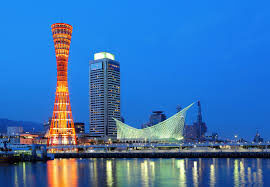
This trip covers a lot of ground. Starting in Kyoto, you travel to Nara, Osaka, and Kobe, then return to Kyoto in the early evening. The coach carries you between stops, sparing you the work of planning several train connections, but it also means that much of the day is spent in transit.
The schedule gives you a taste of each city rather than a full visit. You get time for Nara’s deer and temple setting, Osaka’s street life and castle grounds, and Kobe’s Chinatown and port. If you want to spend half a day at Osaka Castle or linger over lunch in Dotonbori, this won’t be the right format.
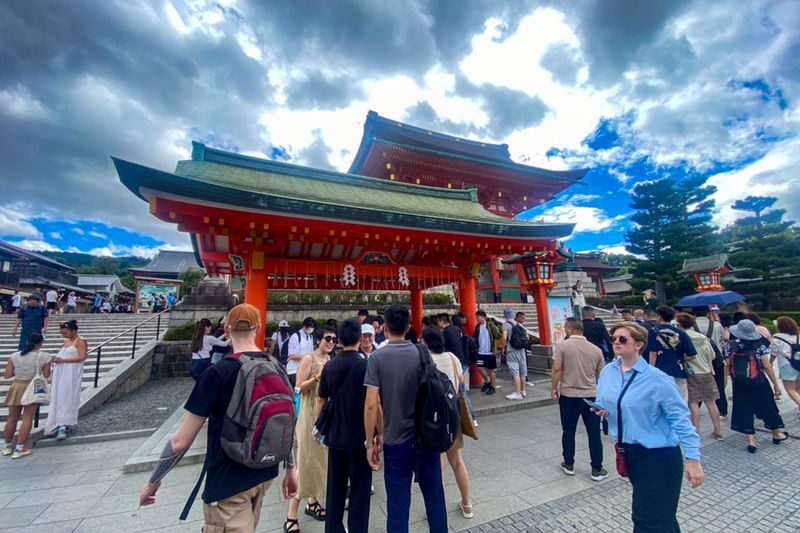
There’s one itinerary detail worth checking before you book: the tour’s overview refers to Fushimi Inari, and one account of the trip mentions its torii gates, but the timed itinerary provided for this package does not list a Fushimi Inari stop. The scheduled stops are Nara Park, Dotonbori, Osaka Castle, Kobe’s Nankin-machi, and Kobe Port. If Fushimi Inari is a must for you, confirm the route for your date rather than assuming it is included.

👉 See our pick of the We Rank Kyoto’s 15 Top Workshops & Classes
Nara Park: deer and Todaiji’s outer setting
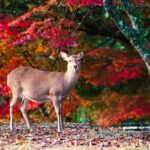
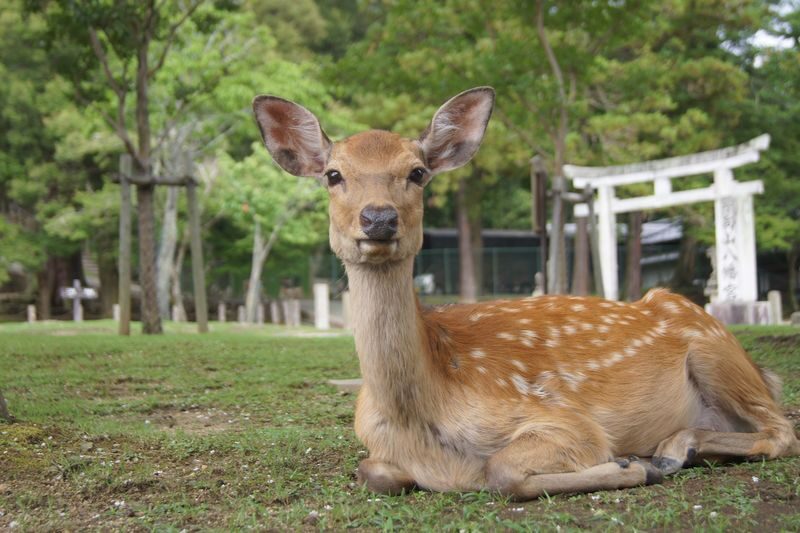
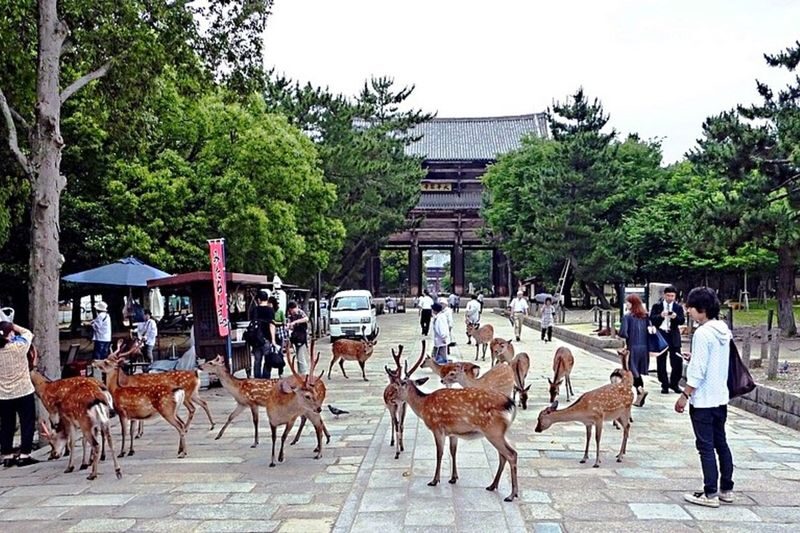
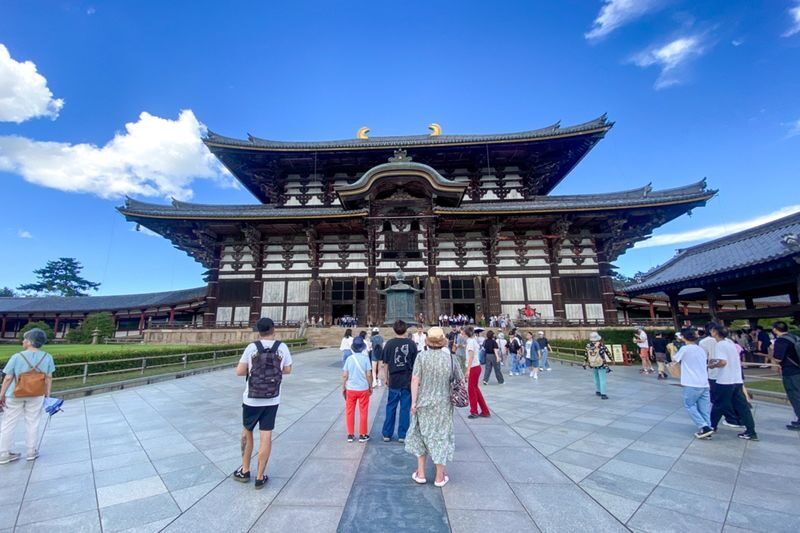
Your first major stop is Nara Park, with 1 hour 45 minutes set aside. A guide leads a walk around the exterior of Todaiji Temple, then through the park, where deer roam freely. For many people, this is the day’s most distinctive encounter: the animals are part of the everyday scene, not something viewed from behind a fence.
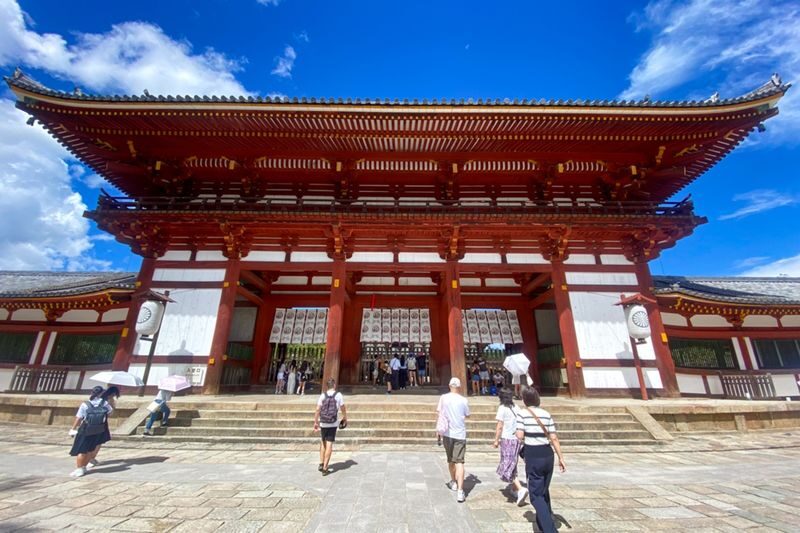
Keep a little perspective on the stop. You’re not promised entry to Todaiji, and admission to monuments is not included. The plan specifically describes an exterior walk, so treat this as a chance to see the temple’s setting and explore the park, not as a full temple visit.
The deer make the experience lively, but they also call for attention. Follow your guide’s instructions and give the animals room. The allotted time is generous compared with some of the later stops, though it still needs to cover both the temple area and the park.
You can also read our reviews of more tours and experiences in Kyoto.

Dotonbori: Osaka’s food-and-neon hour
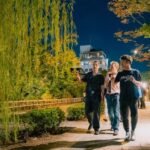
After another coach ride, you reach Dotonbori for 1 hour 15 minutes. The Glico sign is the named landmark, and the guided walk takes you through one of Osaka’s best-known entertainment districts, where bright signs and street-food stalls create a very different mood from Nara.
This is a good place to see Osaka at street level. You can take in the canal-side district, look at the signs, and sample food if you’re quick. But meals are not included, and the stop is short. If you plan to eat, decide in advance what you’d like to try rather than spending most of the hour choosing.
A guide can help you orient yourself, but don’t expect a leisurely food tour. The schedule is designed to move the group along to the next stop. If tasting several dishes is a priority, you may prefer to return to Dotonbori on another day with more time.
Osaka Castle: grounds, not a full castle visit
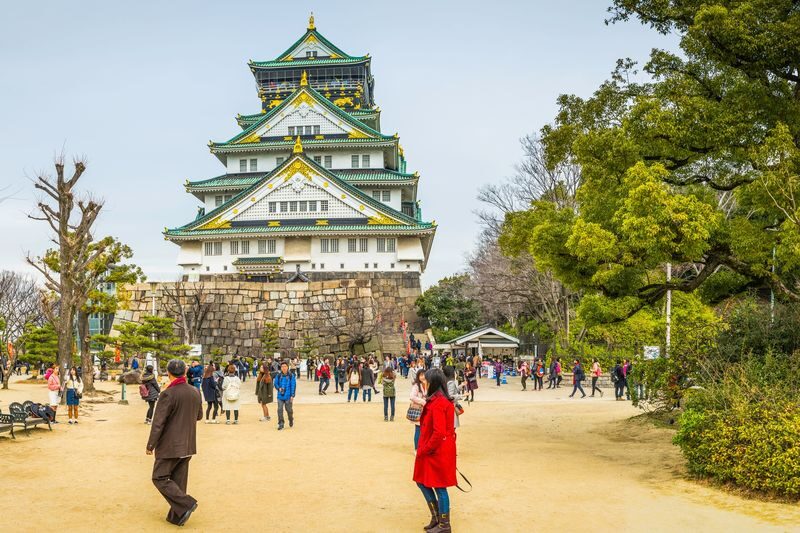
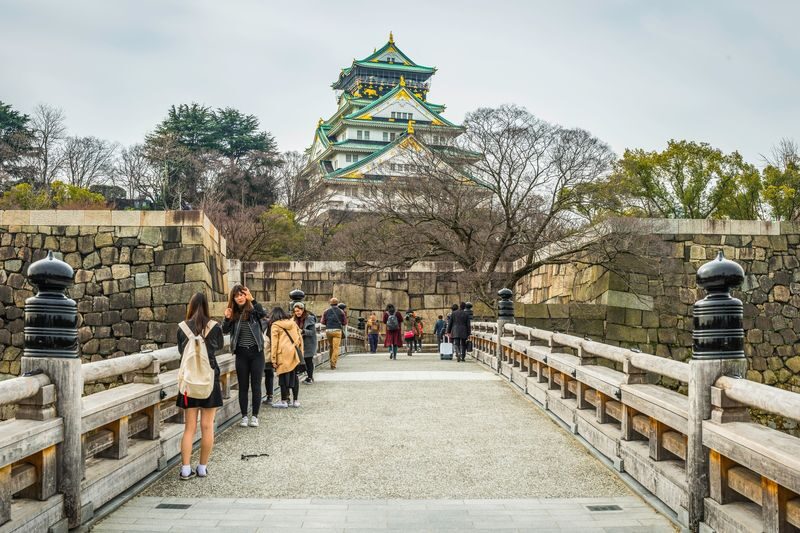
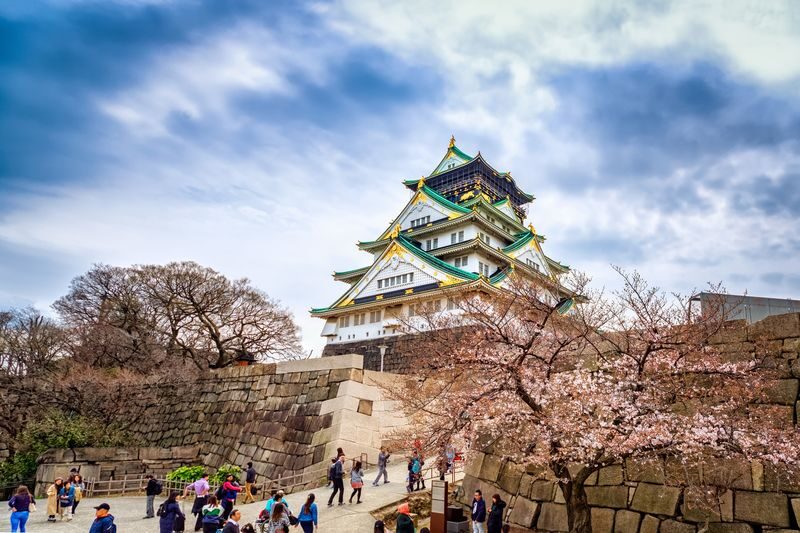
The tour allows one hour at Osaka Castle, and this stop is self-guided. You’ll have time to walk around the castle area and its gardens, but admission to monuments is not included. The distinction matters: the tour provides a look at the grounds, not a guaranteed visit inside the castle.
This pause in the schedule gives you room to set your own pace. You can focus on the exterior and gardens, take photographs, or simply enjoy a quieter stretch after the busy streets of Dotonbori. If you want to go inside, check admission details and whether the schedule allows enough time before counting on it.
The castle stop also shows the tour’s basic compromise. You see a major Osaka landmark without having to organize transport, but one hour is not enough to explore every part of the site in depth. Treat it as an introduction.
Kobe Chinatown and the port
Kobe brings two contrasting stops. First comes Nankin-machi, the city’s Chinatown, with a guided hour to walk around. This gives you a look at a compact urban district and another chance to find a snack, though your own food and drinks are extra.
Then you have 45 minutes at Kobe Port, on your own. The harbor offers a change of scenery after the busy city stops, and the self-guided format lets you choose where to spend your brief time. The tour describes this as a chance to enjoy the port; it does not include a boat ride or another specific harbor activity.
The shorter port visit is best understood as a final look at Kobe, not a full exploration. Keep an eye on the time and return to the meeting point promptly. The schedule may shift with traffic or weather, so the exact length of each visit can change.
The coach, bilingual guiding, and group pace
Transport is a strong practical reason to consider this trip. You avoid planning separate journeys among Kyoto, Nara, Osaka, and Kobe, and round-trip transfers from the meeting point are included. In return, expect a long day with several coach legs: about an hour to Nara, an hour onward to Osaka, then shorter rides between Osaka and Kobe’s stops.
The guide is listed as speaking English and Spanish. That can be helpful if you use either language, but a bilingual tour may include explanations in both. One account of a trip led by a guide named Angeles described long bus commentary and uneven attention across a group of 48. That is not a guarantee of what you’ll encounter, but it is a useful reminder: guide style and audibility can affect the day, especially in a large group.
The same account described a delayed departure after the guide had trouble locating the bus. Another reported that punctuality at each stop matters because small delays can eat into already limited visit time. I’d arrive early, keep track of the agreed meeting time, and use the coach rides to rest rather than count on a quiet, uninterrupted commentary.

Is $129 good value?
At a starting price of $129, you’re paying for a full day of transport and a guide, not a package of meals or museum entries. The value lies in the convenience of linking several cities in one day. If arranging the route yourself feels like a chore, or you have only one free day, a coach tour can make the region easier to sample.
The price is less compelling if you prefer to travel slowly or want to go inside multiple attractions. Admission fees, meals, beverages, and personal expenses are extra, and the short stop lengths may leave you wishing you had chosen just one or two cities. Bring money for food and any entry you decide to pay for.
The tour’s value also depends on what you want from the guide. If you’re happy with practical orientation and broad context, the bilingual format may suit you. If detailed commentary in one language is a priority, check whether the operator can confirm how explanations are handled on your departure.
Practical details before you book
The coach departs at 7:30 a.m. from outside Hotel Keihan Kyoto Grande, at 31 Higashikujo Nishisannocho, Minami Ward. Be there at least 10 minutes early for check-in. The listed return is around 6:05 p.m. at Kyoto Station, though the meeting and return details name both Kyoto Station and the hotel area, so confirm the precise drop-off point before travel.
The tour has no age limit, and children aged 0 to 2 go free. It is not recommended for wheelchair users or people with reduced mobility. The itinerary includes walking at several stops, and the day’s schedule may change because of traffic or weather.
Cancellations made at least 24 hours before the activity date qualify for a full refund under the stated policy. The voucher is valid only for the date and time booked.
Who should book this day trip?
I’d consider this tour if you’re based in Kyoto, want a guided introduction to several Kansai highlights, and are willing to trade depth for variety. It is especially appealing if Nara’s deer are high on your list and you’d like to add quick visits to Osaka and Kobe without planning the transport yourself.
I’d skip it if you want long museum visits, a slow lunch, or a full day in any one city. The coach makes the route manageable, but the schedule is packed. Before booking, confirm whether Fushimi Inari is actually included on your date and make sure a bilingual tour suits you. If those points fit, this is a practical way to get a broad first look at Nara, Osaka, and Kobe in one day.
Kobe, Nara Park & Osaka from Kyoto
“I have used various Japanese tour services and their timing is on point, we received numerous emails asking us to be on time etc. we arrived well a…”
FAQ
Where does the tour depart from?
Meet the guide outside Hotel Keihan Kyoto Grande, at 31 Higashikujo Nishisannocho in Kyoto. Arrive at least 10 minutes before the 7:30 a.m. departure.
What time does the tour return to Kyoto?
The listed return time is about 6:05 p.m. The return details name Kyoto Station, while also referring to the Hotel Keihan Kyoto Grande area, so confirm the exact drop-off point.
Which stops are included in the timed itinerary?
The timed itinerary includes Nara Park, Dotonbori, Osaka Castle, Kobe Chinatown Nankin-machi, and Kobe Port. Fushimi Inari appears in the overview and in one trip account, but not in the timed itinerary, so confirm whether it is planned for your date.
Are meals and monument admission included?
No. Meals, beverages, admission to monuments, and personal expenses are not included.
What languages does the guide speak?
The guide is listed as English- and Spanish-speaking. The tour is bilingual, so expect the guide to provide information in those languages.
Is the tour suitable for wheelchair users?
The activity is not recommended for wheelchair users or people with reduced mobility.