Nishiki Market is more than a covered shopping street: it is where you can see Kyoto’s food culture at work, with local ingredients, specialist shops, and plenty to catch your eye. This private market walk and cooking class turns that visit into lunch: you choose ingredients, then learn to make a Japanese rice bowl with an English-speaking instructor.
I like two things about the setup. First, a guide can explain unfamiliar foods and help you shop with purpose, rather than leaving you to guess what you are looking at. Second, the class uses the ingredients bought at the market, so the walk and meal connect in a satisfying way.
One consideration: you have about two and a half hours, and the market visit comes before the cooking. If you want time to browse every stall, plan another visit. You may also be invited to buy items at market shops, so be ready to say no if you are not interested.
- The market walk has a purpose: You shop for the ingredients you will use in your donburi.
- Three donburi styles are offered: Choose tempura, chicken and egg, or seafood.
- It is a private tour: Package options are available for one to six people, so you can share the experience with your own party.
- Taxi fare is included: Your guide takes you from Nishiki Market to Cooking Sun’s machiya studio.
- Dietary needs can be accommodated: Vegetarian, allergy, gluten-intolerance, and other dietary requests are accepted.
- It finishes with lunch: You eat the meal you prepared, with past classes also including items such as miso soup.
- Nishiki Market, Kyoto’s working pantry
- Choose your donburi before the shopping
- From the market to Cooking Sun’s machiya studio
- Cooking a lunch you can repeat at home
- Private pacing, with a clear time limit
- What to know before you book
- Who will get the most from this Kyoto food tour?
- Should you book it?
- FAQ
- Where does the tour meet?
- What time does the activity run?
- How long is the tour?
- Which donburi can I choose?
- Is there a vegetarian option?
- Is the tour private?
- Is the taxi to the cooking studio included?
- What does the price include?
- Can children join?
- What is the cancellation policy?
- The Best Of Kyoto!
- More Private Tours in Kyoto
- More Tours in Kyoto
- More Tour Reviews in Kyoto
Nishiki Market, Kyoto’s working pantry
 1 / 5
 2 / 5
 3 / 5
 4 / 5
 5 / 5
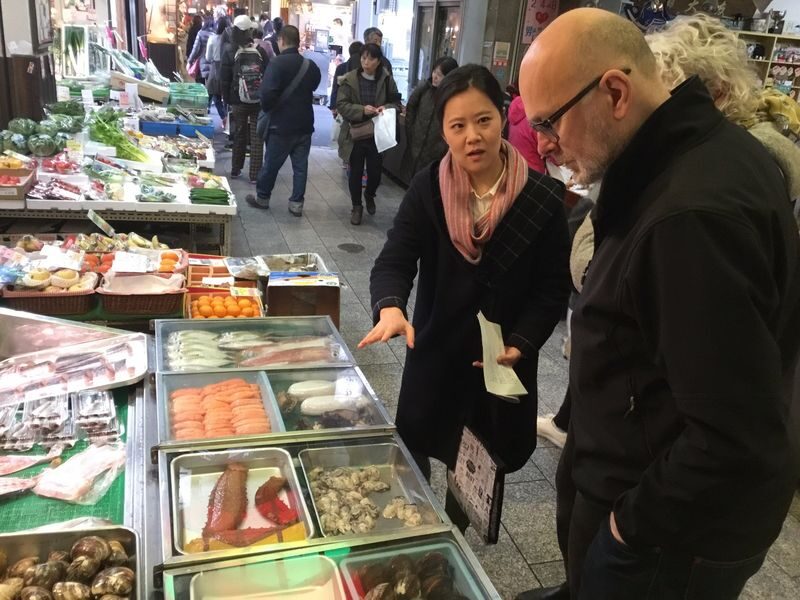
The tour starts at Nishiki Market’s western entrance, in central Kyoto. The market has more than 400 years of history and is often called the kitchen of Kyoto. For a visitor, its value is not just the long past: it is a chance to see the foods and specialist shops that shape daily cooking in the city.
A guide makes a real difference here. Market stalls can be full of unfamiliar ingredients and prepared foods, and it is not always clear what is seasonal, how something is used, or what is worth tasting. English-speaking guides have explained local products, market history, and Kyoto food customs, while helping visitors communicate with shopkeepers.
Many stalls offer samples, so you may get a taste of the market as well as a look around. The guide’s job is not simply to lead you from one end to the other. You’ll stop at selected shops to buy ingredients for the dish you have chosen, and you can ask questions as you go.
The market visit is also a practical introduction to the class. Rather than arriving at a kitchen to find a pre-set pile of ingredients, you see some of the shopping behind the meal. That small step helps explain how Japanese home cooking starts with the ingredients themselves.
👉 See our pick of the We Rank Kyoto’s 15 Top Workshops & Classes
Choose your donburi before the shopping
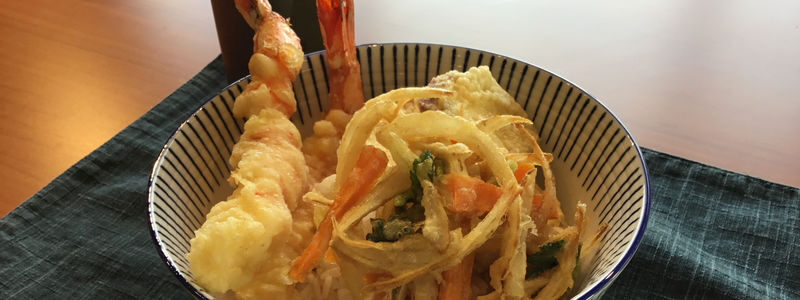
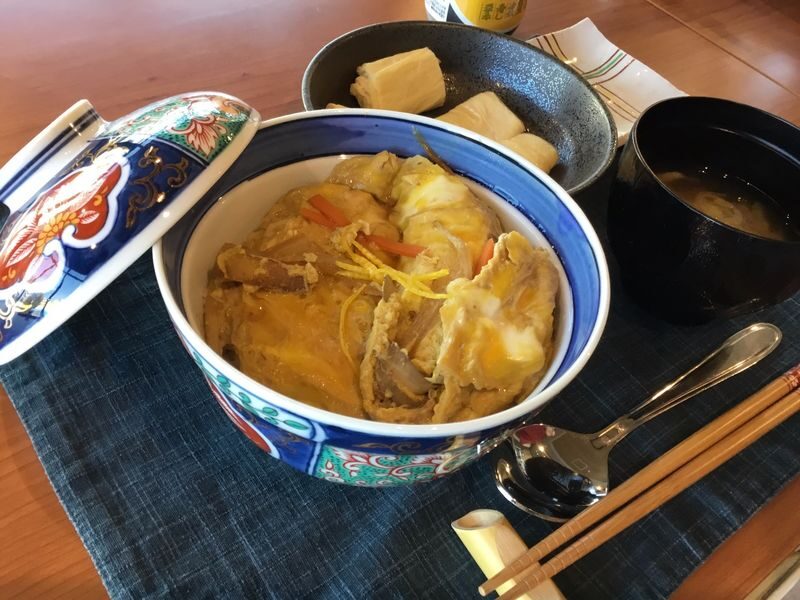
At the beginning of the tour, you choose the kind of donburi you want to make. Donburi means a bowl of rice topped with meat, seafood, and/or vegetables. The three listed choices are tendon, tempura over rice; oyakodon, chicken and egg over rice; and kaisendon, a seafood rice bowl.
The menu choice gives the market walk a clear focus. If you choose tempura, you can shop for the ingredients that will go into that dish. A seafood bowl offers a different way to learn about Japanese ingredients, while oyakodon is a classic combination of chicken, egg, and rice.
Vegetarians can choose tendon, and the activity can accommodate allergies, gluten intolerance, and other dietary requirements. Contact the operator with needs before the tour so the team can plan for them. The provided information does not specify every possible substitution, so ask directly if you have a strict restriction or several dietary needs.
The market portion is not designed as an open-ended shopping spree. Your guide takes you to selected stalls, explains the ingredients, and helps you buy what the class needs. You may see tempting extras along the way, but the cooking ingredients are included in the experience price.
You can also read our reviews of more private tours in Kyoto


From the market to Cooking Sun’s machiya studio
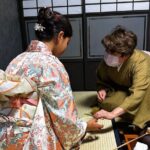
After shopping, you travel by taxi to Cooking Sun Machiya Studio, with the fare included. The shift from a busy market street to a dedicated kitchen gives the experience a useful rhythm: first you look and choose, then you slow down and prepare.
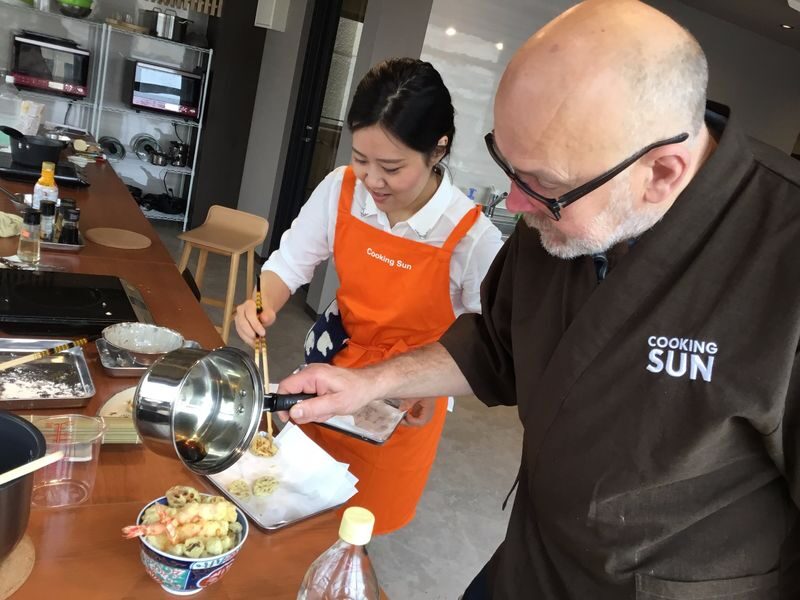
The class is led by an English-speaking instructor. Guides named in past experiences include Momo, May, Keiko, Myo, and Yukari, but you should not expect a particular instructor unless the operator confirms one. What matters most is the teaching format: visitors have described clear, step-by-step guidance, with cooking tasks explained in a way that works for beginners and children.
The studio has been described as clean and organized, with a professional kitchen setup. That matters if you are new to Japanese cooking. A good lesson makes each step manageable, explains what you are doing, and leaves room for you to take part rather than simply watch a chef work.
You will use the ingredients bought at Nishiki Market, along with the provided kitchenware. The class focuses on preparing your chosen donburi, though past sessions have also included miso soup, a rolled egg, and other dishes. Menus can vary, so treat those extras as possibilities, not a guaranteed part of every class.
Cooking a lunch you can repeat at home
Donburi is a useful dish to learn because it combines familiar building blocks: rice, a topping, and seasonings. You are not only making a meal to eat on the spot. You also come away with a basic idea of how a Japanese rice bowl is assembled, which can help you recreate a version at home.
The instructor guides you through the preparation, so you do not need prior cooking experience. Families have included children as young as eight in classes, and the activity information allows children aged zero to five to join free when sharing an adult’s ingredient set. For young children, that means a shared portion rather than a separate set of ingredients.
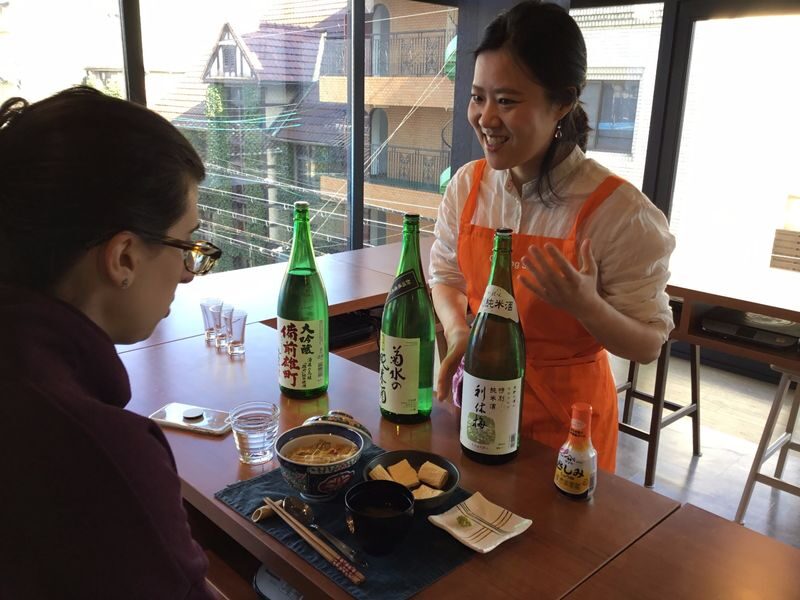
Once the cooking is done, you sit down and eat what you have made. Some past menus have paired donburi with miso soup and dessert, but the exact meal may differ. Come hungry: this is a proper lunch, not a short demonstration followed by a token tasting.
The meal is also a natural place to ask about the cooking and ingredients you have just handled. If you are curious about how a dish fits into Japanese food culture, you will have had the market context and the hands-on practice to make the answer more memorable.
Private pacing, with a clear time limit
The activity is listed for Monday through Friday, from 11:30 a.m. to 2 p.m. That makes it a midday plan rather than a morning market outing or a long afternoon class. It can fit neatly between other Kyoto stops, but you should avoid booking another tight commitment immediately afterward.
The private format is a major plus if you want to move at your own pace or are travelling as a family. Package choices run from one to six people. The price starts at $189.55 for one person, and the final cost depends on the package you select. Check the booking page for your party’s total before paying.
The price includes the market tour, instructor, cooking course, donburi ingredients, kitchenware, and taxi transport during the tour. That makes the value easier to judge than a cooking class that charges separately for food or local transport. You are paying for a guided market introduction as well as a meal and lesson.
At the same time, this is a relatively costly lunch if your main aim is simply to eat donburi. Its value is in the combination: local context, help understanding the market, ingredients selected there, and a guided class. If you already know Nishiki Market well or prefer an independent meal, you may get less from the package.
What to know before you book
Meet at Nishiki Market’s western entrance at 11:30 a.m. The meeting address is 510-1 Nakauoyacho, Nakagyo Ward. From Kyoto Station, take the Karasuma Line subway toward Kyoto International Conference Center, get off at Shijo Station, then walk about seven minutes. Arrive five minutes early so you can find the meeting point without rushing.
The market is a popular stop, and the guide will lead the walk and shopping before the taxi transfer. Bring comfortable shoes and keep your shopping expectations flexible: the point is to select ingredients for lunch, not to spend the whole session browsing.
One small caution comes from the market format itself. You may be taken to particular shops, and you might be encouraged to buy something beyond the cooking ingredients. One person found that pressure uncomfortable. You are not required to make extra purchases, so a polite no is entirely reasonable.
The voucher is valid only on the date and time booked, and you can present it on your phone. Confirmation is expected within 24 hours. A full refund is available if you cancel at least 48 hours before the activity, using destination local time.
You can also read our reviews of more shopping tours in Kyoto

Who will get the most from this Kyoto food tour?
This is a good fit if you want a practical food experience rather than a lecture or a simple tasting walk. The market guide helps make the stalls legible, and the cooking lesson gives you something to do with what you have learned. It is especially well suited to curious cooks, first-time visitors to Kyoto, and families whose children like hands-on activities.
It is also a sound choice for a solo visitor. The one-person package means you can join without needing to form a group, and the private format keeps the experience focused on your party. If you are travelling with friends or family, the class can be a shared lunch and an easy way to spend a few hours together.
You may want to choose another activity if you are looking for a long, free-form market tour or a highly advanced cooking lesson. The schedule is compact, and the focus is one donburi meal. Those who want to learn several Japanese dishes can look at the provider’s other classes, including sushi, bento, izakaya cooking, and wagyu kaiseki.
Should you book it?
Book this tour if you want to understand Nishiki Market with a local guide and then turn that visit into a meal you make yourself. The best value comes from the combination of market interpretation, ingredient shopping, taxi transfer, and a relaxed, guided cooking session.
Skip it if you only want a quick lunch, prefer to browse independently, or need a class that guarantees a particular menu or instructor. For most curious eaters, though, it offers a useful and enjoyable way to connect Kyoto’s food shops with what lands in your bowl.
Donburi Cooking Course and Nishiki Market Private Tour
“The class was very well organized and friendly. I had a wonderful time. Learning to cook tempura donburi and miso soup was a real pleasure. The coo…”
FAQ
Where does the tour meet?
Meet at the western entrance of Nishiki Market, at 510-1 Nakauoyacho, Nakagyo Ward, Kyoto.
What time does the activity run?
It runs from 11:30 a.m. to 2 p.m., Monday through Friday. Arrive five minutes before the scheduled start.
How long is the tour?
The scheduled activity lasts two and a half hours.
Which donburi can I choose?
The listed options are tendon, tempura over rice; oyakodon, chicken and egg over rice; and kaisendon, a seafood rice bowl.
Is there a vegetarian option?
Yes. Vegetarian customers can choose tendon. The activity can also accommodate allergies, gluten intolerance, and other dietary requirements.
Is the tour private?
Yes. It is described as a private tour, with package options for one to six people.
Is the taxi to the cooking studio included?
Yes. Transportation fees during the tour, including the taxi transfer to Cooking Sun Machiya Studio, are included.
What does the price include?
It includes the Nishiki Market tour, donburi cooking course, English-speaking instructor, ingredients, kitchenware, and transportation fees during the tour.
Can children join?
Yes. Children aged zero to five can join free when sharing an adult’s set of ingredients.
What is the cancellation policy?
You can receive a full refund if you cancel at least 48 hours before the activity date, using destination local time.