Bon Odori is a Japanese festival dance that works best when you stop worrying about perfect steps and join the circle. At EBISUZA, you learn simple moves, then have room to express yourself to a steady rhythm that the activity description compares to samba. Beginners are welcome, and you do not need dance experience to take part.
I like two things here: the session brings a traditional festival dance within easy reach of central Osaka, and it offers more than a quick step lesson. The instructor, Sensei Shyu, is noted for singing and playing traditional instruments, and the session can include a chance to try them. The personal, family-style welcome is another reason this could feel special, especially if you are exploring Osaka on your own.
One point to check before booking: the advertised duration is one hour, while the available departure and return times suggest a 90-minute slot. Confirm the time shown for your booking, arrive five minutes early, and keep in mind that late arrivals and no-shows are not refundable.
- A short walk from Tsutenkaku: EBISUZA is about one minute from the tower and three minutes from Ebisucho Station.
- A dance you can learn quickly: Bon Odori uses simple steps and a repeating rhythm, so you can join in without dance training.
- More than movement: The session can cover the dance’s background and traditional instruments, with Sensei Shyu singing and playing.
- A friendly fit for solo visitors: A warm welcome and a shared dance circle can make this a sociable cultural activity.
- A modest price: From $18.95 per person, with one drink included.
- Plan around the booked time: Choose from set departure slots, and check your confirmation for the exact schedule and duration.
- Bon Odori, learned one simple step at a time
- Near Tsutenkaku, in Osaka’s Ebisuhigashi district
- What happens during the dance session
- The schedule: allow enough time
- What the price covers, and what it does not
- Who will get the most from it
- Should you book the EBISUZA Bon Odori experience?
- FAQ
- How long does the Bon Odori experience last?
- Where does the experience take place?
- Do I need dance experience?
- What is included in the price?
- What should I wear?
- Can children take part?
- The Best Of Osaka!
- More Tours in Osaka
- More Tour Reviews in Osaka
Bon Odori, learned one simple step at a time
 1 / 7
 2 / 7
 3 / 7
 4 / 7
 5 / 7
 6 / 7
 7 / 7
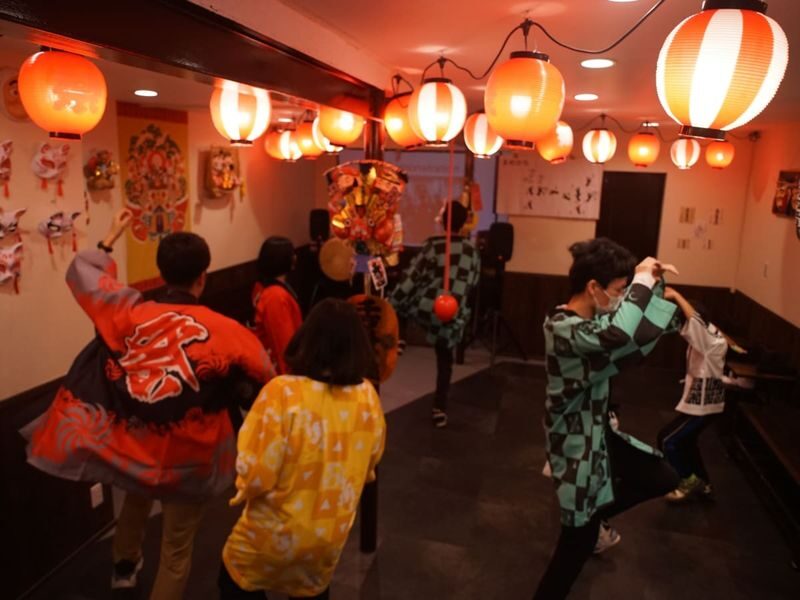
Bon Odori is a traditional Japanese dance performed in a circle, often as part of festival celebrations. The point is not to perform a polished routine. You learn the basic steps, follow the rhythm, and add your own small flourishes as you grow more comfortable.
That makes this a useful cultural activity for people who feel hesitant about joining a dance. The steps are described as easy to pick up, and the rhythm is compared to samba. You do not need to know Japanese dance forms beforehand, and there is no age limit. Children under 16 must come with a guardian.
The circle format matters. Instead of facing an audience or needing a partner, you move with the group and learn by following along. If you miss a step, the dance keeps going. That is part of its appeal: the session invites participation rather than testing your technique.
Bon Odori is not the same as watching a stage show or visiting a museum exhibit. You take part in the cultural practice yourself. If you are hoping for a quiet lesson with a formal demonstration and no interaction, this may not be the right fit. If you like the idea of trying a traditional dance in a welcoming setting, it offers a memorable change of pace from sightseeing.

👉 See our pick of the The Top 15 Workshops & Classes In Osaka
Near Tsutenkaku, in Osaka’s Ebisuhigashi district
EBISUZA is at 1-3-13 Ebisuhigashi, Naniwa Ward, Osaka. It is a one-minute walk from Tsutenkaku Tower and about three minutes on foot from Ebisucho Station, so you can fit the session around nearby sightseeing without setting aside half a day for transport.
You make your own way to the venue. There is no guide to meet you elsewhere, so use the exact address and arrive at least five minutes before your selected departure time. The set options are 14:30, 16:30, and 18:30, though the choices available can depend on the duration and schedule attached to your booking.
The location makes this an easy add-on to an Osaka day, but do not assume you can arrive whenever you like. Your voucher is valid only for its specified date and time. If you miss the start, the stated policy is that latecomers and no-shows cannot receive a refund.
You can also read our reviews of more tours and experiences in Osaka.



What happens during the dance session
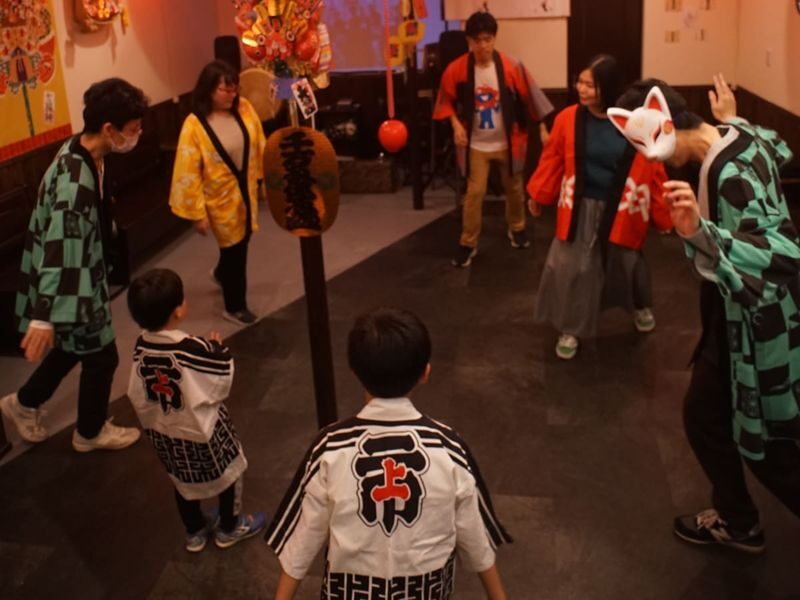
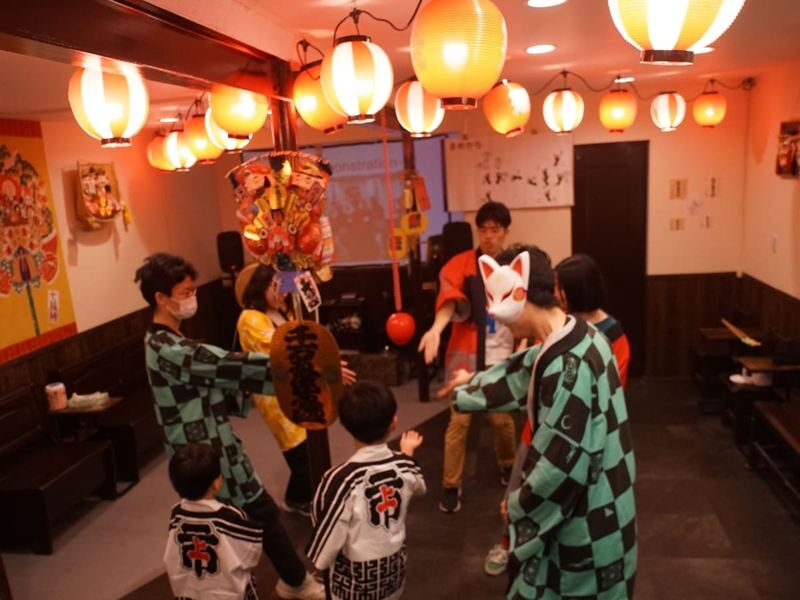
The experience begins at EBISUZA, where English-speaking staff help you take part. You learn Bon Odori and other traditional festival dances, starting with their basic movements and rhythm. The focus is on joining in, not mastering a long routine.
The session can also introduce the history of Bon Odori. That context gives the steps more meaning: you are not just copying hand and foot movements, but learning about a dance associated with festivals across Japan. The exact amount of explanation and instruction may vary, but the experience is designed to make the dance accessible to newcomers.
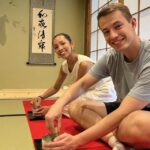
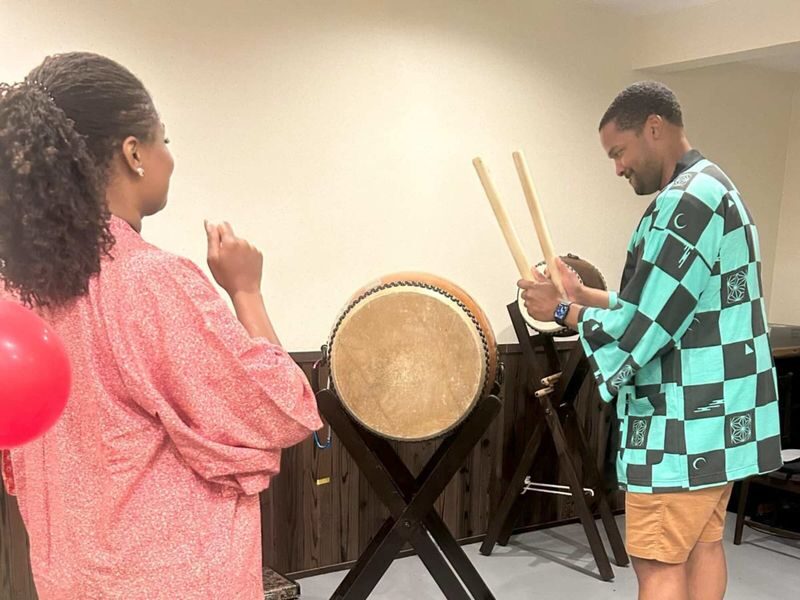
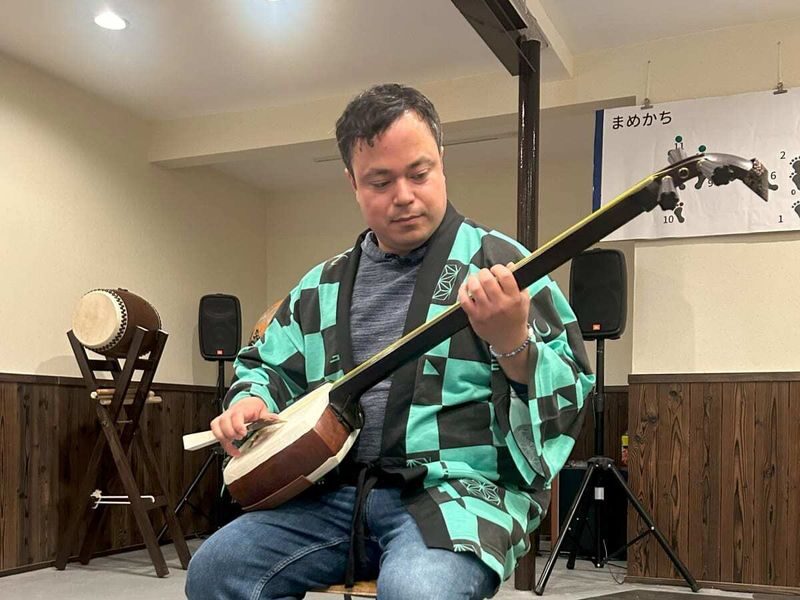
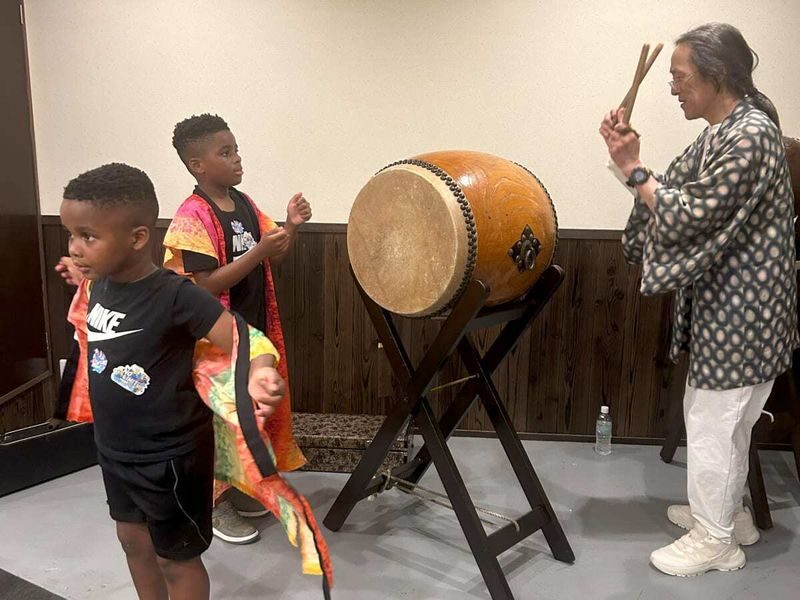
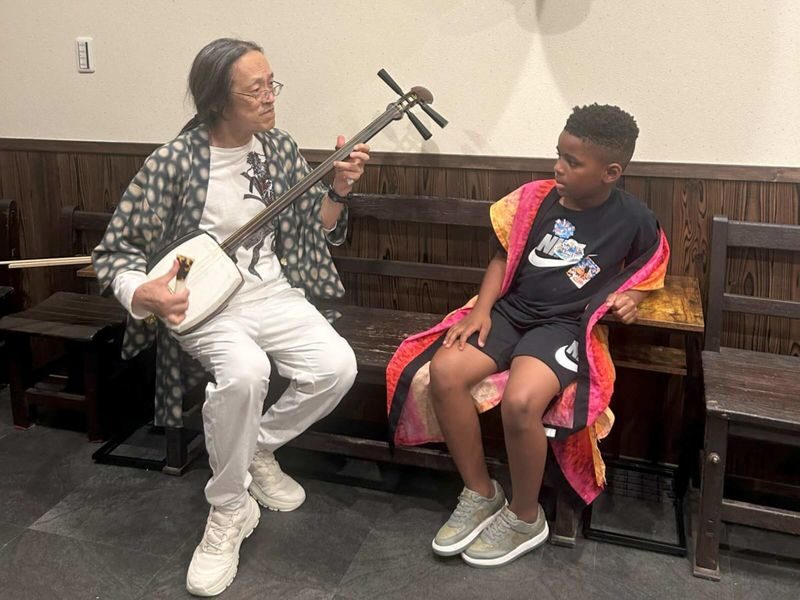
A particularly appealing detail is the role of Sensei Shyu, who sings and plays an instrument. Traditional music helps explain why the dance feels communal and rhythmic, rather than like a set of steps performed in silence. You may also get to try traditional instruments firsthand, adding a practical element to the cultural lesson.
The instructor’s family may be part of the experience, too. That can make the session feel more like joining a shared activity than attending a formal class. It is a meaningful distinction if you are travelling alone or want an encounter that feels personal. The experience is not guaranteed to be identical every time, so treat the family element and instrument participation as possible highlights rather than fixed parts of every session.
Happi coats and masks are available to rent. They can add a festival touch to your photos and help you feel part of the occasion, but the information does not say they are included in the base price. Wear comfortable clothing either way; you will be moving, and restrictive clothes can make even simple steps less fun.
The schedule: allow enough time
The experience is sold as a one-hour activity, but the listed schedule also shows a 90-minute span between departure and return options: 14:30 to 16:00, 16:30 to 18:00, or 18:30 to 20:00. That is a discrepancy worth checking when you book. The actual duration can depend on the option you select, and your confirmation should give the relevant time.
A practical way to plan is to leave a little breathing room before and after the session. Do not book a tight connection or a dinner reservation that depends on finishing at the earliest possible minute. The activity is held rain or shine, and its schedule may change due to traffic or weather conditions.
Because it takes place indoors at a fixed address, this is a useful rainy-day choice in Osaka. Still, rain or shine means you should be ready to go even if the weather turns. Comfortable clothing is the main preparation mentioned, and no special dance equipment is required.
What the price covers, and what it does not
The experience starts at $18.95 per person. That is a reasonable price for a short, instructor-led cultural activity, particularly because the session includes English-speaking staff and one drink. The value depends on what you want from your Osaka visit: this is not a long tour or a high-production show, but it offers direct participation in a traditional dance.
The chance to hear live singing and instruments, learn some background, and try the basic movements gives the hour more substance than a brief photo opportunity. If the session includes time with Sensei Shyu and his family, that personal exchange may be the part you remember most. At this price, it can be a good use of an evening or afternoon, especially if you are already near Tsutenkaku.
Be aware that happi coats and masks are described as available to rent, not as part of the included package. If wearing one matters to you, check the rental details before setting your budget. The listed price is per person, so count each participant separately.
If you cancel at least 24 hours before the activity date, you can receive a full refund. The cancellation deadline uses local destination time. Confirmation is expected within minutes; if it does not arrive, contact customer support rather than waiting until the day of the session.
Who will get the most from it
I would put this on the shortlist for anyone who wants to take part in Japanese culture rather than only observe it. The easy steps make it approachable for first-time dancers, and the circle format is less intimidating than performing alone. Solo visitors may especially appreciate the social nature of the activity, while families can consider it as long as participants under 16 are accompanied by a guardian.
It also suits anyone with limited time in Osaka. A one-hour experience close to Tsutenkaku is easier to fit into a day than a distant workshop or a lengthy excursion. You can pair it with a visit to the tower area, then continue with other plans nearby.
This is less suitable if you want a quiet, private lesson, a long course in Japanese dance, or a guaranteed performance by the instructor. The session centres on participation and shared rhythm. You should also be comfortable with a little uncertainty in the schedule, since the stated duration and listed time windows do not fully match.
Should you book the EBISUZA Bon Odori experience?
Book it if you like the idea of learning a simple festival dance, meeting an instructor who sings and plays traditional instruments, and joining a circle rather than watching from the sidelines. The location and starting price make it a practical cultural stop near Tsutenkaku, and the potential for a warm, personal welcome gives it appeal beyond the dance steps.
Before you pay, confirm the duration and the exact start and end times for your chosen slot. If you want an active, beginner-friendly taste of Japanese festival culture, this is a sensible choice. If your priority is a guaranteed, tightly timed performance or an in-depth dance course, look elsewhere.
EBISUZA: Bon Odori (traditional Japanese dance) experience
“Very enjoyable experience, it's nice to meet Sensei Shyu. He sings so good and plays instrument as well. Definitely try this and maybe join in on f…”
FAQ
How long does the Bon Odori experience last?
It is advertised as one hour. The listed departure and return options can span 90 minutes, so check the duration and schedule shown for your booking.
Where does the experience take place?
It takes place at EBISUZA, 1-3-13 Ebisuhigashi, Naniwa Ward, Osaka. The venue is about a one-minute walk from Tsutenkaku and a three-minute walk from Ebisucho Station.
Do I need dance experience?
No. The steps are described as simple and beginner-friendly, and the experience is open to participants of any age.
What is included in the price?
The package includes English-speaking staff and one drink. Happi coats and masks are available to rent.
What should I wear?
Wear comfortable clothing so you can move easily during the dance.
Can children take part?
There is no age limit, but participants under 16 must be accompanied by a guardian.