Mount Fuji is the star of this long day out, but the route gives you more than a distant peak: you’ll see Kamakura’s bronze Great Buddha, cross Lake Ashi by boat and visit two Fuji-viewing spots. It’s a broad sampler of Japan’s sacred, rural and mountain scenery, all from a Tokyo meeting point.
I like the contrast between the stops: the Great Buddha offers a striking dose of Kamakura history, while Oshino Hakkai’s spring-fed ponds feel quieter and more rural. I also like having a guide and bus take care of a route that would be complicated to stitch together in one day on your own.
The trade-off is time. With long drives linking five stops, the schedule can feel hurried, and traffic or weather may alter the plan. Choose this for variety and convenience, not for a leisurely visit to each place.
- At a glance
- One day, five stops, plenty of road time
- Kamakura’s Great Buddha, a brief but memorable stop
- Lake Ashi by boat, with a tight clock
- Oshino Hakkai’s spring-fed ponds and free lunch time
- Oishi Park and the final Fuji views
- Guides, transport and the value of the price
- Who should book this day trip
- Should you book it?
- FAQ
- How long is the tour?
- Where does the tour depart from?
- Is lunch included?
- Which admissions are included?
- Is the guide available in English?
- Is the tour wheelchair-accessible?
- Can I cancel for a refund?
- The Best Of Fujiyoshida!
- More Tours in Fujiyoshida
- More Tour Reviews in Fujiyoshida
At a glance
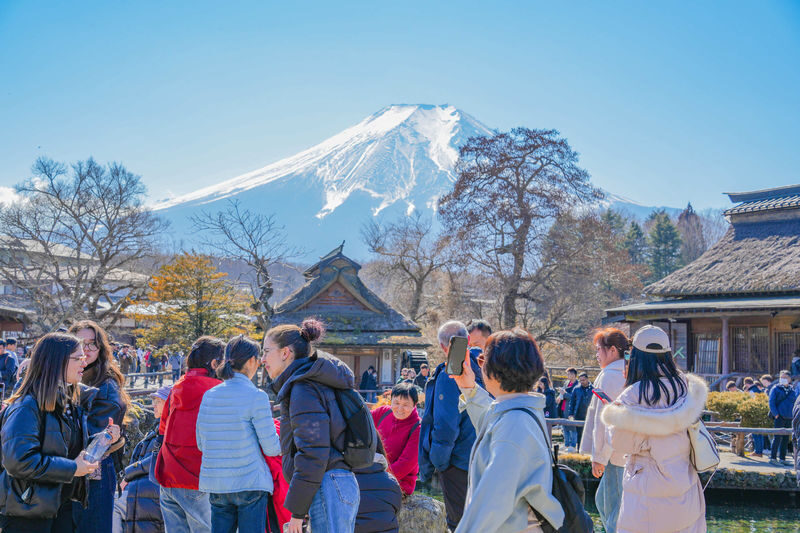
- A 13-meter Buddha in Kamakura: The Kotoku-in admission is included, with about 20 minutes set aside for the visit.
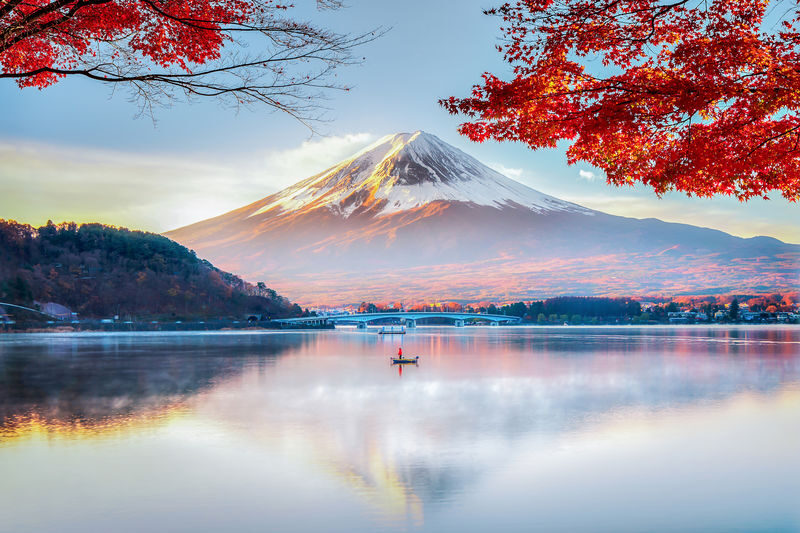
- A short Lake Ashi cruise: The included boat ride takes around 10 minutes, from the lake’s Hakone side to Moto-Hakone.
- Two chances to see Fuji: Oshino Hakkai and Oishi Park are the main Fuji-viewing stops, though clouds can hide the mountain.
- A long day on the road: Expect an 11-hour outing, leaving Ginza at 7 a.m. and aiming to return around 6 p.m.
- Lunch is a choice, not a given: It is included only with the premium option. The standard package gives you free time to find your own meal.
- Guide quality can shape the day: Guides such as Jorge, Raul, Beru and Francisco have been praised for their explanations and friendly help, but the experience depends on the person leading your departure.

👉 See our pick of the 8 Most Highly Rated Private Driver Services In Fujiyoshida
One day, five stops, plenty of road time
This tour tries to connect places that sit in different parts of the region, and the bus is what makes the ambitious plan possible. You leave Ginza at 7 a.m. and travel first to Kamakura, then on toward Hakone, Oshino Hakkai and Lake Kawaguchi before heading back to Tokyo.
The listed itinerary includes about 1.5 hours to reach Kamakura, two hours to Lake Ashi, another 1 hour and 10 minutes by bus, and then shorter drives between later stops. The return leg from Oishi Park is listed at 2.5 hours. That is a lot of sitting, so think of this as a sightseeing day with short walks and views from the bus, not a hike or a slow village stay.
The order and timing can change because of traffic, weather, local events or other operating conditions. That flexibility matters on a route this full. If a delay develops, a stop may be shortened or the schedule adjusted. One traveler reported missing the boat after traffic disrupted the day, so don’t treat every activity as guaranteed to happen at precisely the stated time.
You can also read our reviews of more tours and experiences in Fujiyoshida.

Kamakura’s Great Buddha, a brief but memorable stop
The first major stop is Kotoku-in Temple, home to Kamakura’s roughly 13-meter bronze Great Buddha. The statue is an enduring symbol of Japanese culture and history, and seeing it in person gives you a tangible connection to the region’s past. Admission is included, and the visit is described as guided.
You have about 20 minutes here. That is enough to see the statue and take a few photos, but not much time for a slow visit or an extended look around. The schedule lists the stop as the Great Buddha visit, rather than a broader tour of Kamakura, so don’t expect a town walk or time to explore other temples.
This is an important distinction when you book. The title includes Kamakura, but the itinerary allocates the short stop to Kotoku-in. If Kamakura is a priority in its own right, you may prefer a separate day with more time. If the Buddha is the main draw and you’re happy with a quick visit, this stop delivers a powerful sight without requiring you to plan local transport.
Lake Ashi by boat, with a tight clock
After Kamakura, the bus heads toward Hakone and Lake Ashi. The included cruise crosses the lake to Moto-Hakone and takes about 10 minutes. It’s a short ride, not a long boat excursion, but it gives you a different view of the surrounding mountains and valleys from the water.
Mount Fuji may appear in the distance when conditions are clear. Weather can change the view, and Fuji is not something a tour can promise on any given day. Even without a clear sighting, the cruise offers a brief break from the bus and a look at the Hakone area from the lake.
The short duration is the key thing to understand. You are not being given hours to explore the lakeshore or spend time in Moto-Hakone. The plan moves on by bus after the cruise, and traffic can affect whether the boat fits into the day. If this particular ride is the main reason you are considering the tour, be aware that the route is tightly timed.
Oshino Hakkai’s spring-fed ponds and free lunch time
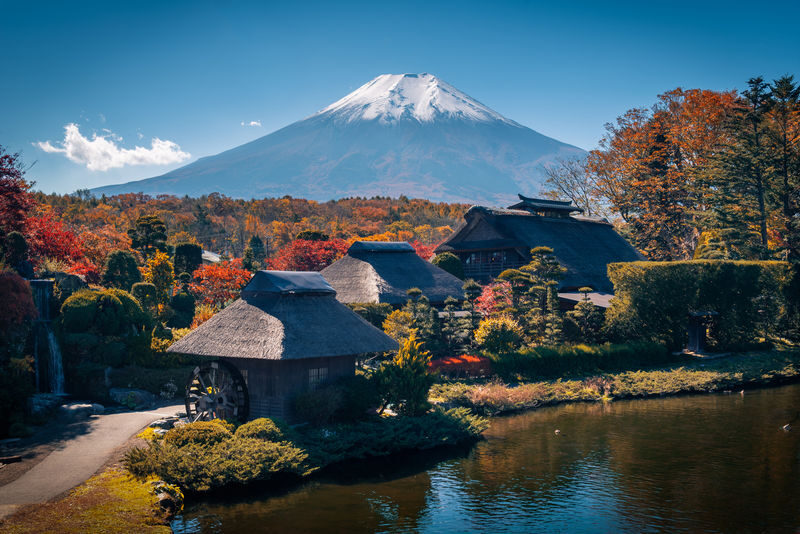
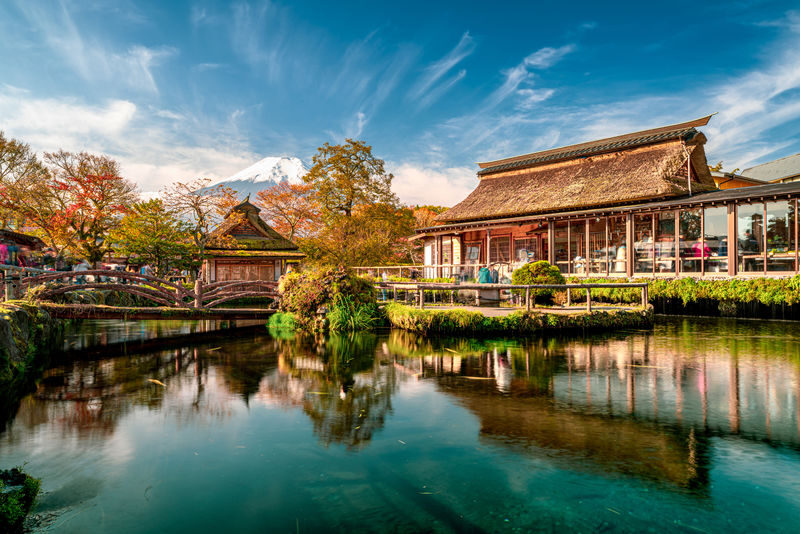
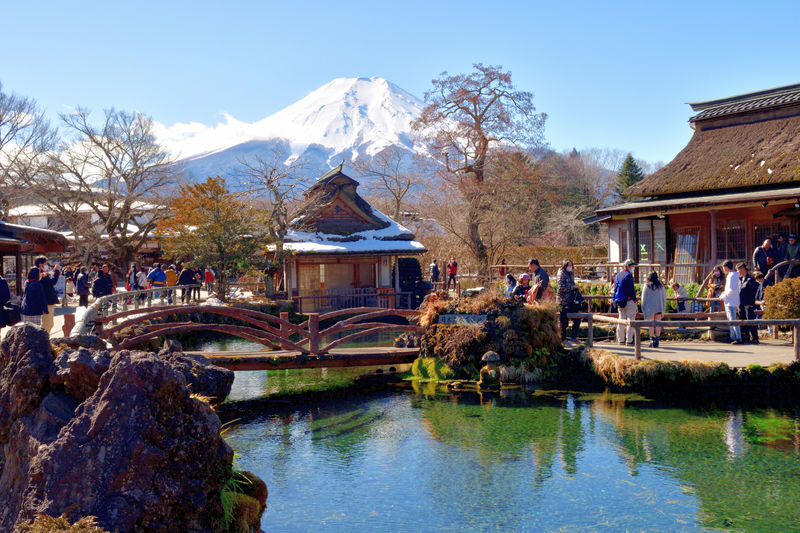
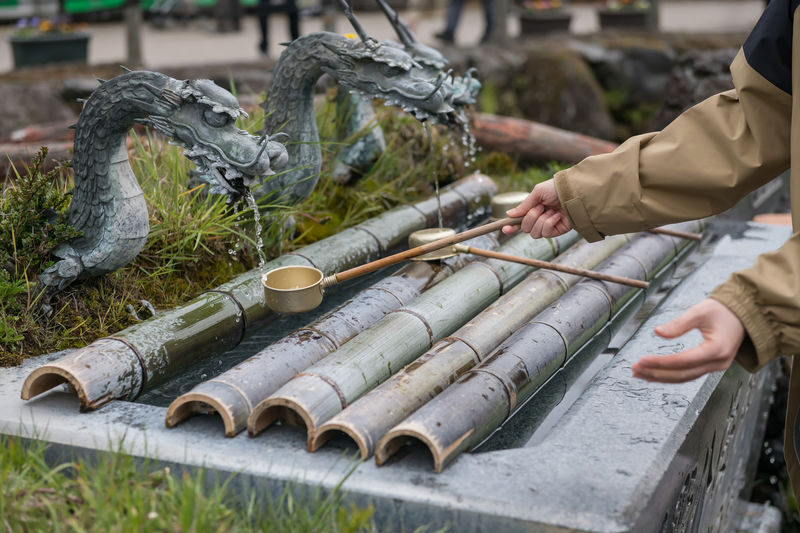
Oshino Hakkai is a village known for clear ponds fed by underground springs from Mount Fuji. The stop lasts about 1 hour and 30 minutes and is self-guided, giving you more room to wander than at the earlier stops. You can take in the ponds, look for Fuji views and use the time to eat.
The village offers a change of pace after the road and boat. Its water is part of the appeal: the ponds are connected to springs flowing from Fuji, making this a place to pause and see how the mountain shapes the region beyond its famous outline. This is also one of the better opportunities to explore at your own speed, within the limits of the group’s departure time.
Lunch depends on the package. The standard option does not include a meal, so you’ll need to use your free time to buy one yourself. The premium option includes a traditional Japanese lunch. If you choose the standard package, allow some of that 90-minute window for food rather than assuming every minute is available for sightseeing.
A few practical touches can help. Bring a water bottle, as suggested for the tour, and wear a hat or cap and sunglasses. The day includes time outdoors, and the tour’s stops are not all sheltered. Keep an eye on the meeting time, too: the stop is self-guided, so you are responsible for returning to the bus promptly.
Oishi Park and the final Fuji views
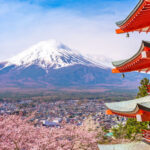
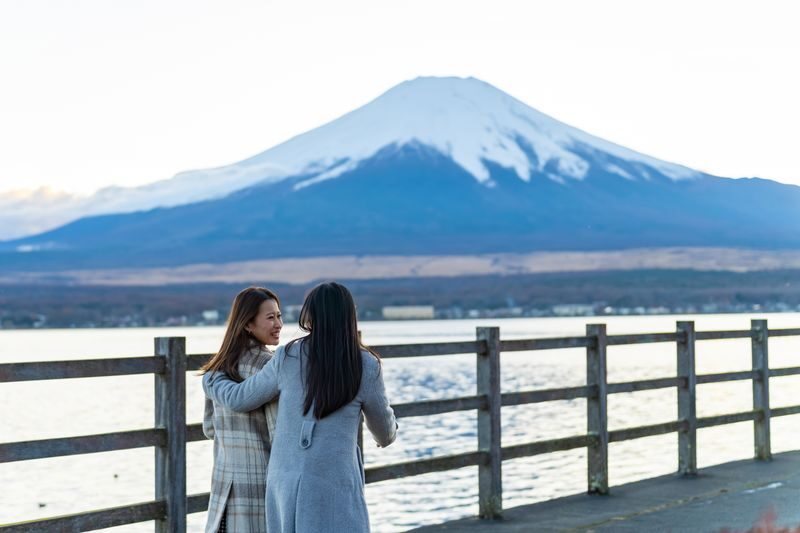
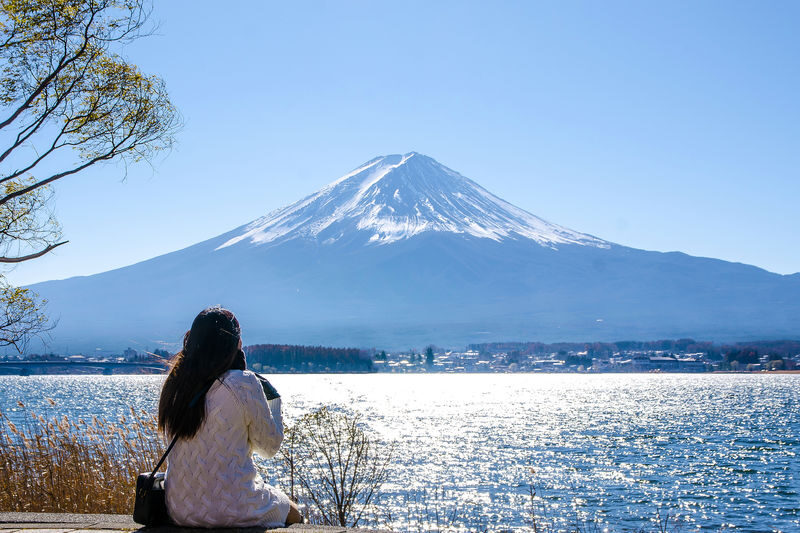
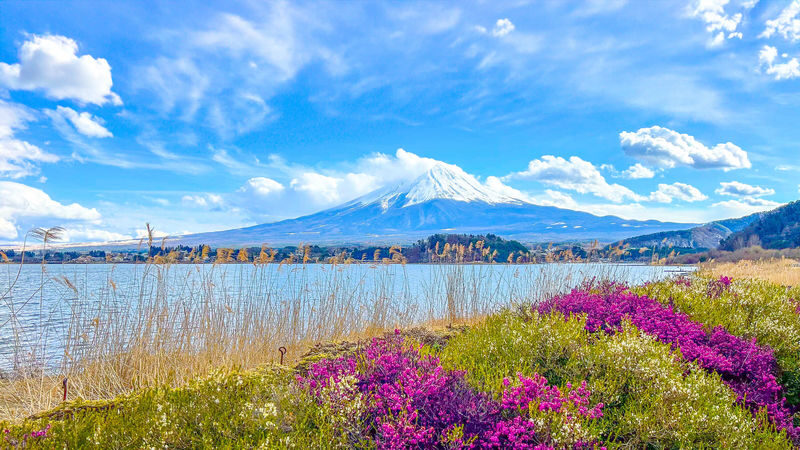
The last sightseeing stop is Oishi Park beside Lake Kawaguchi. You get about 45 minutes to enjoy the views and take photos, with Mount Fuji as the main attraction when the sky cooperates. After a day of moving between sites, the park gives you one last chance to look toward the mountain before the long drive back to Tokyo.
Oishi Park is useful as a photo stop because it offers an open setting by the lake. But the view is weather-dependent. Several factors can change what you see, and a cloudy day may leave Fuji hidden. If the mountain is visible, this can be the most satisfying place to pause and frame it; if not, the lakeside setting is still part of the visit.
The drive back is scheduled at roughly 2.5 hours, with arrival in Ginza around 6 p.m. Treat that return time as an estimate rather than a firm promise. Traffic can stretch a day that is already full, so avoid making tight evening plans that depend on arriving exactly on schedule.


Guides, transport and the value of the price
The tour includes round-trip bus transport, a professional guide who speaks English and Spanish, admission to Kotoku-in and the Lake Ashi cruise. At a starting price of $83.30, that can be good value if you want to see several distant places without arranging separate transport and tickets. The premium option costs more and adds lunch; check the current price for your date and package before booking.
The guide can make a real difference on a day with so much time in transit. Guides named in feedback include Jorge, Raul, Beru, Francisco, Ethan and Gabriel. Strong guides have been praised for sharing Japanese culture and Mount Fuji’s significance, giving useful food tips and helping with questions. The guide assigned to your departure may be someone else, so a particular name is not something you can count on.
The main criticism is the pace. Some people have found the stops rushed, while others felt the time was sufficient. That difference may come down to traffic, the day’s schedule and what you want to do at each stop. A short visit to the Buddha and a 10-minute cruise are fixed constraints, while the longer Oshino Hakkai stop provides more breathing room.
For me, the price makes the most sense if convenience is your priority. Doing Kamakura, Hakone, Oshino Hakkai and the Lake Kawaguchi area in one day by public transport would take careful planning and likely involve compromises of its own. On this tour, you trade control and lingering time for a ready-made route and a guide who can explain what you’re seeing.
Who should book this day trip
This is a good fit if you have limited time in Tokyo and want a taste of several regions in one outing. It also suits you if you prefer a guide, want the bus transfers arranged and are comfortable with short visits and a full schedule. The mix of a temple statue, a lake cruise, village ponds and Fuji-viewing stops keeps the day varied.
It is less suitable if you want to explore Kamakura at length, spend a long time on the lake or have a relaxed day with few transfers. It is also a gamble if your main goal is a clear view of Mount Fuji, since weather can obscure the mountain. The tour offers several chances to see it, but no guarantee.
The activity is not wheelchair-accessible. Children aged 0 to 2 can join free. Meet at Ginza Inz 2, across the street from Tokyo Hands, and arrive at least 10 minutes before departure. The guide waits with an Amigo Tours sign; you can reach the meeting point from Ginza Station Exit C9 or JR Yurakucho Station Central Exit.
Should you book it?
Book this tour if your ideal day is a broad, guided sampler and you accept that the schedule may be brisk. The Great Buddha, Lake Ashi cruise, Oshino Hakkai and Oishi Park make for a varied route, and the bus saves you the work of connecting distant stops yourself.
Skip it if you want depth over variety or need a guaranteed Fuji view. For the best chance of enjoying the day, choose the premium lunch option if you want a meal arranged, pack water and sun protection, and leave your evening plans flexible.
Mount Fuji, Kamakura, Lake Ashi & Big Buddha
“I thoroughly enjoyed the experience. It's a very comprehensive tour of Mount Fuji. Both our guide (Jorge) and our driver (Kondo) were extremely fri…”
FAQ
How long is the tour?
The tour is scheduled for about 11 hours, departing at 7 a.m. and returning to Ginza at around 6 p.m. Traffic and weather may change the schedule.
Where does the tour depart from?
Meet at Ginza Inz 2, across the street from Tokyo Hands. The meeting point is accessible from Ginza Station Exit C9 or JR Yurakucho Station Central Exit.
Is lunch included?
Lunch is included only with the premium option. With the standard option, you have free time to find and buy your own meal.
Which admissions are included?
Admission to Kotoku-in Temple and the Lake Ashi cruise is included. Admission to other monuments not mentioned in the tour details is not included.
Is the guide available in English?
Yes. The tour includes an English- and Spanish-speaking guide.
Is the tour wheelchair-accessible?
No. This activity is not wheelchair-accessible.
Can I cancel for a refund?
You can receive a full refund if you cancel at least 24 hours before the activity date, based on local time at the destination.