Kinkaku-ji’s gold-leaf pavilion, Kiyomizu-dera’s wooden stage and Uji’s tea-town calm make an appealing trio for one day. This tour links them by bus from Osaka or Kyoto, so you can spend less time working out connections and more time choosing what to see at each stop.
I like two things in particular: the mix of temple visits and Uji’s matcha culture, and the generous blocks of free time for wandering, snacks and photos. Guides including Sarah, Amanda, Joy and Nox have been praised for clear introductions and useful local suggestions, though the guide you meet will depend on your departure date.
The tradeoff is that the main sites are self-guided, and admission, meals and drinks cost extra. If you want a guide beside you through every temple, this may feel more like a well-organized transfer day than a fully escorted tour.
- At a glance
- Three different sides of Kyoto and Uji in one day
- Kinkaku-ji: a short visit with a big visual payoff
- Kiyomizu-dera: temple, hillside streets and snack stops
- Uji: river views, matcha and Byodo-in
- What the guide does, and what you do yourself
- The bus makes a full day feasible
- Is .85 good value?
- Who should take this tour?
- Useful details before you book
- Should you book it?
- FAQ
- How long is the tour?
- Which places does the tour visit?
- Can I depart from Osaka or Kyoto?
- Is the tour fully guided inside the temples?
- Are temple admission fees included?
- Are meals and drinks included?
- What is included in the tour price?
- How early should I arrive, and what happens if I am late?
- Can I cancel or change my booking?
- The Best Of Kyoto!
- More Tours in Kyoto
- More Tour Reviews in Kyoto
At a glance
- Three distinct stops: Kinkaku-ji, Kiyomizu-dera and Uji, including Byodo-in and the Uji River area.
- Two guide languages: Choose an English- or Chinese-speaking guide when booking.
- Time to explore independently: The schedule allows 40 minutes at Kinkaku-ji, 2 hours 30 minutes around Kiyomizu-dera and 1 hour 30 minutes in Uji.
- Transport is included: Round-trip transfers, fuel, tolls and parking are covered.
- Plan for extra costs: Admission to all three temples, meals, drinks and personal purchases are not included.
- A practical day trip: Departures are available from Osaka or Kyoto, with the listed return points at Kyoto Station or Kintetsu-Nippombashi Station.

👉 See our pick of the We Rank Kyoto’s 15 Top Workshops & Classes
Three different sides of Kyoto and Uji in one day
This is a sampler tour, not a slow temple retreat. In about eight and a half hours, you move from Kyoto’s famed golden pavilion to its steep old lanes and then south to Uji, where tea culture and the river give the day a quieter finish.
The variety is the point. Kinkaku-ji is a striking visual stop; Kiyomizu-dera brings architecture, city views and traditional streets; Uji offers a change of pace, with the Uji River and Byodo-in as its main draws. The tour is useful if you have limited time or would rather leave the transport puzzle to someone else.
The schedule is structured around independent visits. Your guide can introduce the stops and provide context, but you should be ready to make your own route choices once you arrive. Some guides have been described as leading the group to the entrance and then setting a meeting time, while the experiences shared by others suggest a stronger emphasis on explanations and tips. Do not book expecting a continuous guided walk through every site.
You can also read our reviews of more tours and experiences in Kyoto.


Kinkaku-ji: a short visit with a big visual payoff
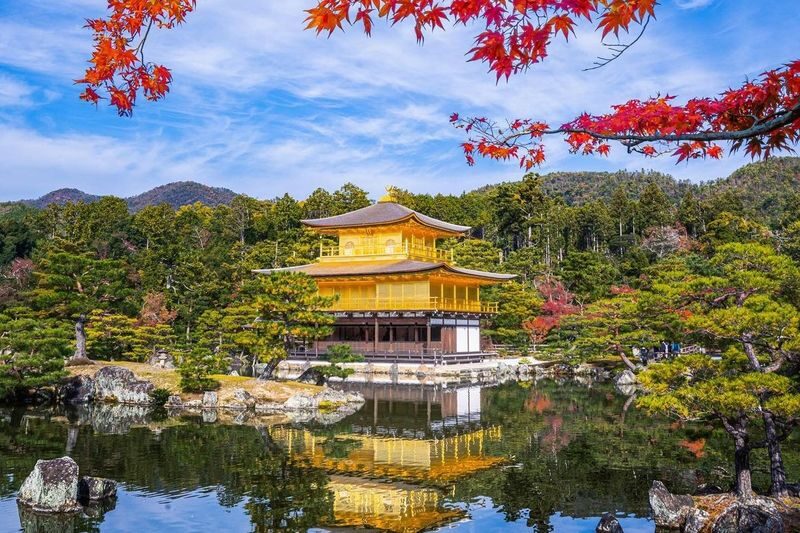
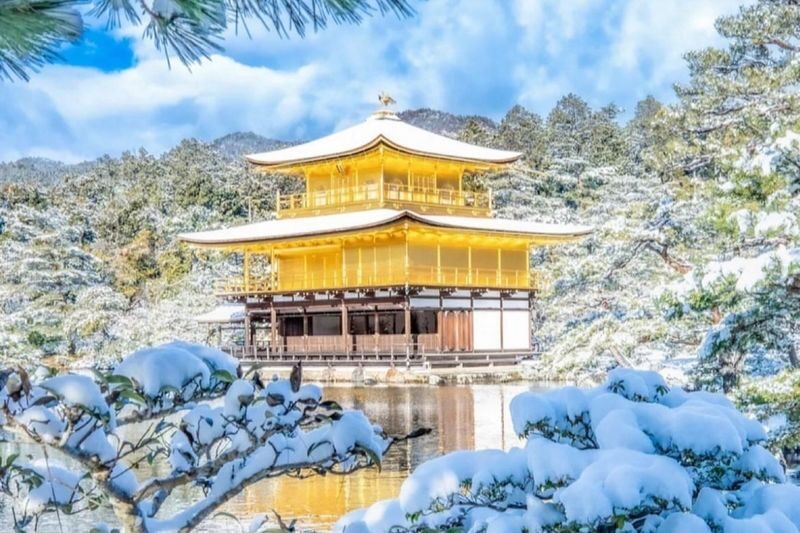
The first stop is Kinkaku-ji, also known as the Golden Pavilion. Its gold-covered Shariden, or reliquary hall, is the showpiece, and sunlight can make the building seem almost startlingly bright. The temple was designated a UNESCO World Heritage Site in 1994.
You have 40 minutes here, so think of this as a focused visit rather than time to linger. The pavilion and its setting are the reason to come; take your photos, enjoy the view and keep an eye on the clock. A short stop can work well at a site with one clear visual highlight, but it leaves little room for a long pause or a leisurely exploration.
Admission is not included. Budget for the entrance fee separately, and check the day’s meeting instructions before you wander off. At every stop, the bus departure time matters: the group continues on schedule, and late arrivals or no-shows are not refundable.
Kiyomizu-dera: temple, hillside streets and snack stops
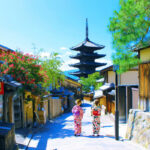
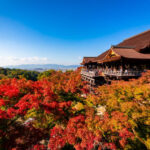
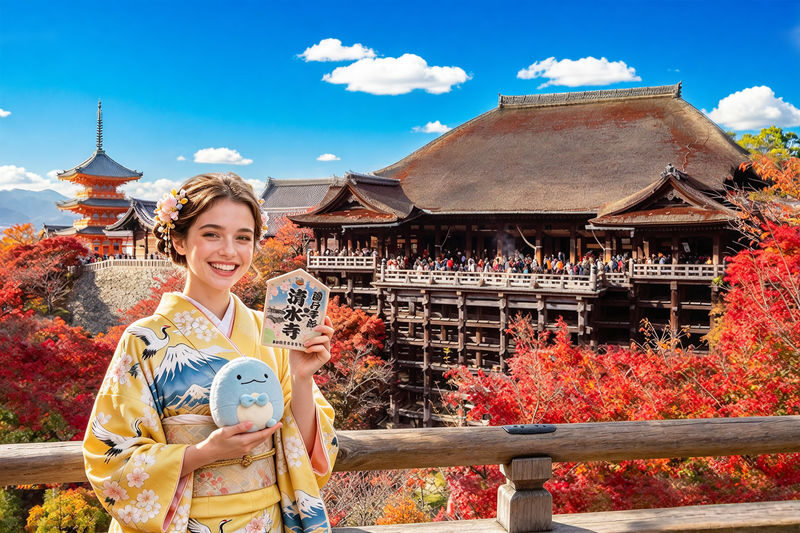
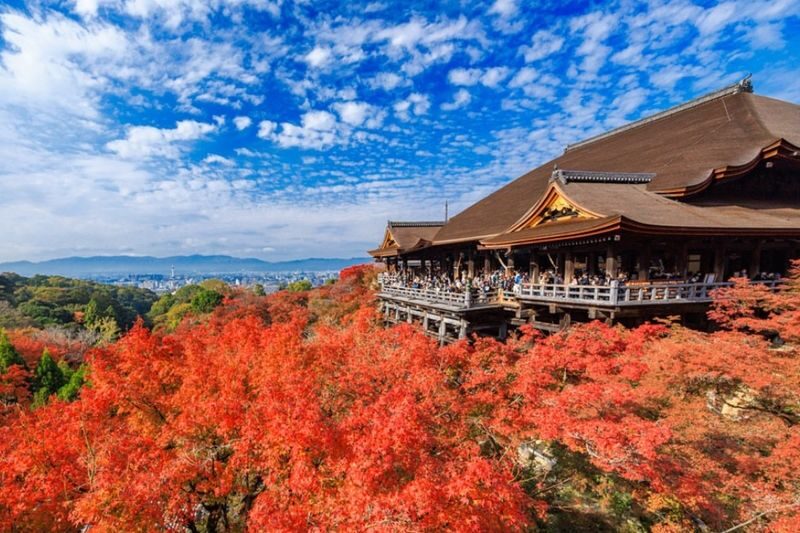
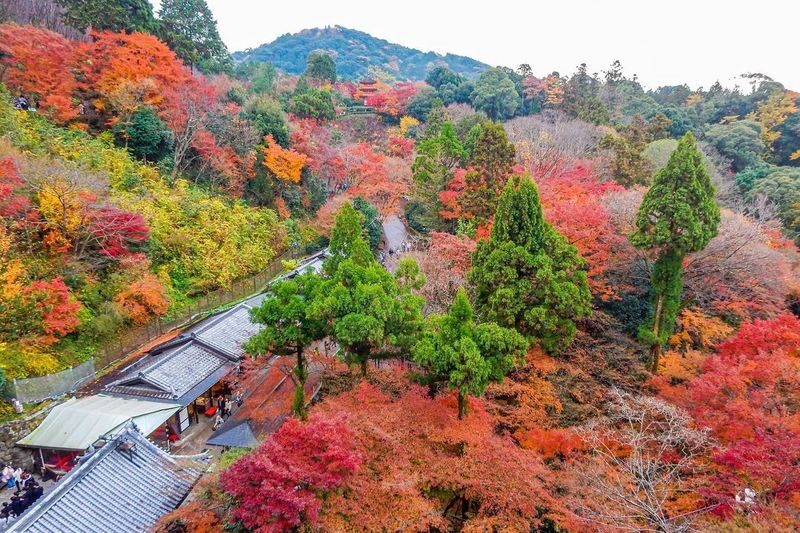
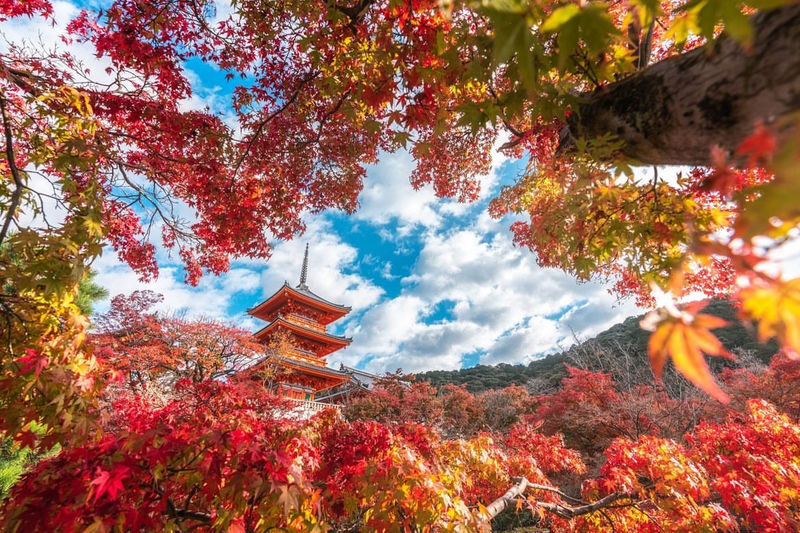
The longest visit is at Kiyomizu-dera, with 2 hours 30 minutes to explore the temple and the surrounding area. One of Japan’s oldest wooden structures, the temple is also a UNESCO World Heritage Site. Its broad wooden stage is the signature view, looking out over Kyoto, and the setting changes character with the seasons: cherry blossoms in spring and autumn foliage draw large crowds.
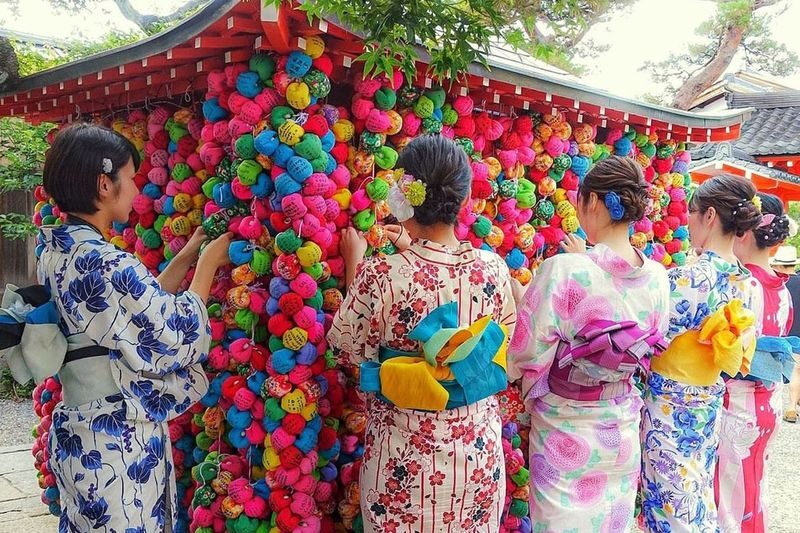
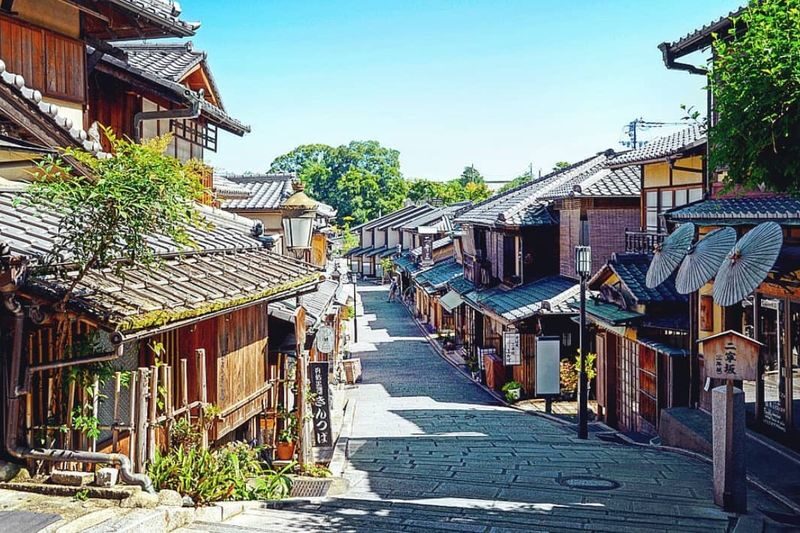
This is the part of the day where a little planning pays off. The Kiyomizu Stage is a natural priority, but the stop also includes time to walk Ninen-zaka and Sannen-zaka, historic streets lined with shops and places to eat. You can sample local snacks, browse at your own pace or pause for a meal. The tradeoff is that these lanes and the temple can be busy, especially in peak blossom and foliage seasons.
The time is generous compared with the other stops, but it is not unlimited. Decide whether the temple, street browsing or food matters most to you, then allow time to get back to the bus. If you arrive without a plan, it is easy to spend too long browsing and rush the temple, or the reverse.
You may also see Yasaka Koshindo listed among the tour’s points of interest. The activity information also mentions a Monkey Shrine, but it does not give a specific stop duration or explain how it fits into the day. Treat these as possible landmarks rather than guaranteed, separately timed visits, and ask your guide about the route when you meet.
Uji: river views, matcha and Byodo-in
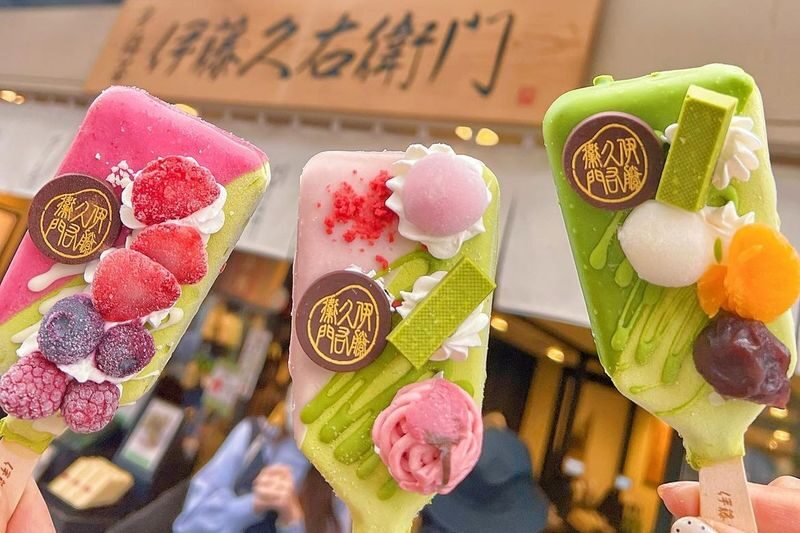
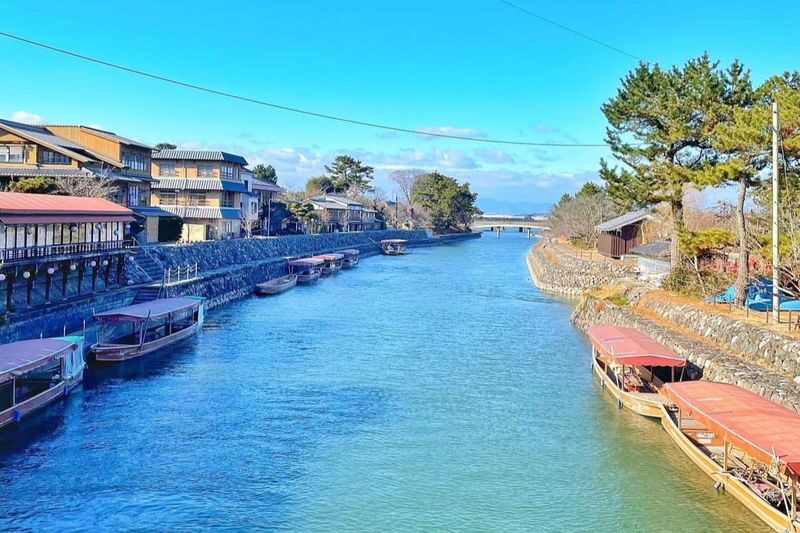
Uji provides the day’s change of rhythm. The town is known for its matcha culture and the Uji River, and the schedule gives you 1 hour 30 minutes to visit the area. Byodo-in, a UNESCO World Heritage Site, is the main historical stop; the river and the town’s tea shops add a different flavor from central Kyoto.
This is a short window for several possibilities. You could focus on Byodo-in, stroll near the river, or spend some of your time on Byodo-in Omotesando, the approach lined with shops and matcha treats. The tour information also names Uji Shrine and Furitsu Uji Park, but with only an hour and a half, you will need to choose rather than assume you can see everything at a relaxed pace.
Matcha desserts are a natural reason to save time for a snack. Meals and drinks are at your own expense, so bring spending money and do not count on a meal being included. Byodo-in admission is extra, too.
Uji works particularly well as a contrast to the busier Kyoto stops. Yet it is the easiest place to shortchange if you want to see every named attraction. Ask the guide which route makes sense for the day, then pick one or two priorities.
What the guide does, and what you do yourself
The tour includes an English- or Chinese-speaking guide, but the visits are described as self-guided. That distinction matters. You can expect introductions, historical context and practical directions, but you should not assume the guide will walk beside you and explain each room, path or feature inside the temples.
The guide can make a real difference before and between the stops. Guides named in accounts of the experience include Sarah, Amanda, Joy, Nox, Tina and Theodore. Their roles have included explaining the sites, sharing food and dessert recommendations, answering questions and helping with photos. Names are examples, not a promise of who will lead your departure.
A few practical questions are worth asking early: where exactly is the meeting point, what time must you be back at the bus, and which parts of each stop will be introduced together? One account of the tour found the drop-off directions too brief, while other descriptions suggest guides explain the attractions on the bus and point out the entrance before giving free time. A quick check at each arrival can help you use the time well.



The bus makes a full day feasible
Kinkaku-ji, Kiyomizu-dera and Uji are spread across the region. Getting between them by public transport can mean extra route planning and connections, particularly if you are trying to fit all three into one day. A shared bus takes that work off your hands and includes tolls, parking and fuel in the price.
That convenience comes with the usual group-tour limits. The day follows a set schedule, and traffic or weather can change the timing. You may have to leave a place just as you are getting comfortable, and the bus journey itself is not a substitute for time on foot. Take the schedule seriously and return to the meeting point promptly.
Departures are offered from Osaka or Kyoto. The listed return points are Kyoto Station, around 16:30 to 17:30, and Kintetsu-Nippombashi Station in Osaka, around 17:30 to 18:30. The activity information lists departure times of 08:00 and 09:00, so check the time and meeting location for the specific package you choose. Arrive 15 minutes early; late arrivals and no-shows cannot be refunded.
Is $44.85 good value?
At a starting price of $44.85, the tour can be a good deal if you value transport convenience and want to visit all three areas in one day. Round-trip transfers, a guide, fuel, tolls and parking are included. You avoid arranging the intercity and local connections yourself, and the schedule makes it possible to visit Kyoto’s landmark temples and Uji without booking separate transport.
But the base price does not cover admission to Kinkaku-ji, Kiyomizu-dera or Byodo-in. You also pay separately for meals, drinks and personal purchases, including any matcha treats you choose. The true cost will therefore be higher than the advertised starting price, and the final amount depends on what you visit and eat.
The value is strongest for a first visit, a short stay or a day when you want someone else to manage the route. It is weaker if you prefer a detailed guided tour inside each site, want to linger, or are happy to organize your own transport and pace. Compare the full day’s likely costs, not just the starting fare.
Who should take this tour?
I would consider it if you want a broad first look at Kyoto and Uji, especially from Osaka, and are comfortable exploring independently after a guide’s introduction. Families and mixed-age groups may appreciate the bus transfers, though infants and children must be included in the passenger headcount, and the same price applies to every age.
It also suits visitors who like choice. At Kiyomizu-dera, you can balance the temple with old streets and snacks; in Uji, you can decide whether the river, temple or tea shops deserve your limited time. If you are a careful planner, make a short list of priorities before departure.
I would skip it if you want long, unhurried visits or expect an expert to accompany you throughout every attraction. With three stops, a fixed timetable and separate entry fees, this is an efficient overview, not a deep exploration of each place.
Useful details before you book
The tour has a minimum group size of two and offers instant confirmation. Your mobile voucher is valid only on the date and time booked. The guide’s contact information is sent by email around 18:00 on the afternoon before the trip, so check your inbox and spam folder.
Free cancellation is available if you cancel at least 24 hours before the activity date, in local destination time. Booking changes are generally allowed until 24 hours before the activity starts, subject to stated exceptions. Confirm the terms for your chosen package before paying, especially if you are booking through a pass or a promotion.
Should you book it?
Book this day trip if you want three classic stops without arranging the transfers yourself, and you are happy to explore the temples and town on your own after the guide’s introduction. The best reasons to go are the mix of Kinkaku-ji, Kiyomizu-dera and Uji, plus the chance to taste matcha in its home region.
Go in with a plan, extra money for admissions and food, and realistic expectations about the guide’s role. If you want a slower pace or continuous guided interpretation, choose a tour built around fewer stops. If you want a practical, well-connected sampler, this one makes good use of a day.
One-day tour of Kyoto’s Kinkaku-ji, Kiyomizu-dera, and Uji
“Tour guide Nox was friendly and professional. The one-day tour of Kinkaku-ji, Kiyomizu-dera, and Uji featured vivid explanations, a smooth and thou…”
FAQ
How long is the tour?
The tour is listed as 8.5 hours, with a scheduled day from 08:00 to 16:30. Return times depend on the destination and are listed as approximately 16:30 to 17:30 at Kyoto Station or 17:30 to 18:30 at Kintetsu-Nippombashi Station in Osaka.
Which places does the tour visit?
The main stops are Kinkaku-ji, Kiyomizu-dera and Uji. In Uji, the listed points of interest include Byodo-in, the Uji River, Byodo-in Omotesando, Uji Shrine and Furitsu Uji Park.
Can I depart from Osaka or Kyoto?
Yes. Departure options are listed from Osaka or Kyoto. The exact meeting location and departure time depend on the package you select.
Is the tour fully guided inside the temples?
The visits are described as self-guided. The tour includes an English- or Chinese-speaking guide, but you should expect free time to explore rather than assume the guide will accompany you throughout each site.
Are temple admission fees included?
No. Admission to Kinkaku-ji, Kiyomizu-dera and Byodo-in is not included.
Are meals and drinks included?
No. Meals, beverages and personal expenses are at your own cost. Uji is known for matcha desserts, which you can buy during your free time.
What is included in the tour price?
The price includes an English- or Chinese-speaking guide, round-trip transfers to and from the meeting point, tolls, parking and fuel.
How early should I arrive, and what happens if I am late?
Arrive at the meeting point 15 minutes before departure. Late arrivals and no-shows are not refundable.
Can I cancel or change my booking?
A full refund is available if you cancel at least 24 hours before the activity date, using destination local time. Changes are generally allowed until 24 hours before the activity starts, but some booking types and conditions are excluded.