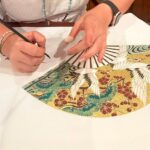
Shibori is not just tie-dye with a few rubber bands. At Kyoto Shibori Museum, you’ll use a traditional folding and dyeing process to make a patterned silk scarf or cotton furoshiki, then see the intricate craft behind the technique in the museum upstairs.
I like two things in particular: you make a useful keepsake yourself, and the museum visit is included, so you leave with a better sense of the skill behind the patterns. Staff teach in English, and the workshop suits beginners as well as people who already enjoy making things.
One consideration: you choose from the available project and pattern options when you arrive, and the class’s dye work involves hot liquid. Staff explain the process and supervise you, but it’s worth keeping in mind if you’re booking with young children.
- What makes this Kyoto shibori class worth your time
- Start with a choice of cloth and technique
- Folding, dyeing, and the pattern reveal
- Use the drying time to visit the upstairs museum
- How the price adds up
- Fit it beside Nijo Castle
- Who should book the class
- Should you book Kyoto Shibori Museum?
- FAQ
- What can I make in the class?
- How long does the class take?
- Is the museum visit included?
- Is instruction available in English?
- Can I take my finished work home?
- How do I get to Kyoto Shibori Museum?
- The Best Of Kyoto!
- More Museum Experiences in Kyoto
- More Tours in Kyoto
- More Tour Reviews in Kyoto
What makes this Kyoto shibori class worth your time
 1 / 6
 2 / 6
 3 / 6
 4 / 6
 5 / 6
 6 / 6
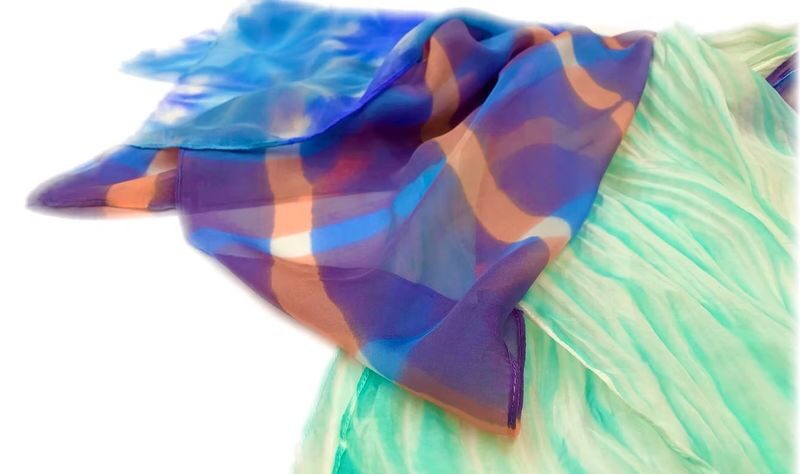
- Make your own scarf or furoshiki: Choose a silk scarf technique or a cotton furoshiki project, then take your finished work home the same day.
- See the reveal: Once you unfold the dyed cloth, the pattern appears. The staff even make space for a short video of this moment.
- Museum admission is included: Your class includes access to the upstairs exhibits, which explain the tools, techniques, and craft behind shibori.
- Get English-language instruction: Staff can explain the process in English, and reservations are recommended.
- Pair it with Nijo Castle: The museum is about a five-minute walk from the castle and Nijojo-mae Station.
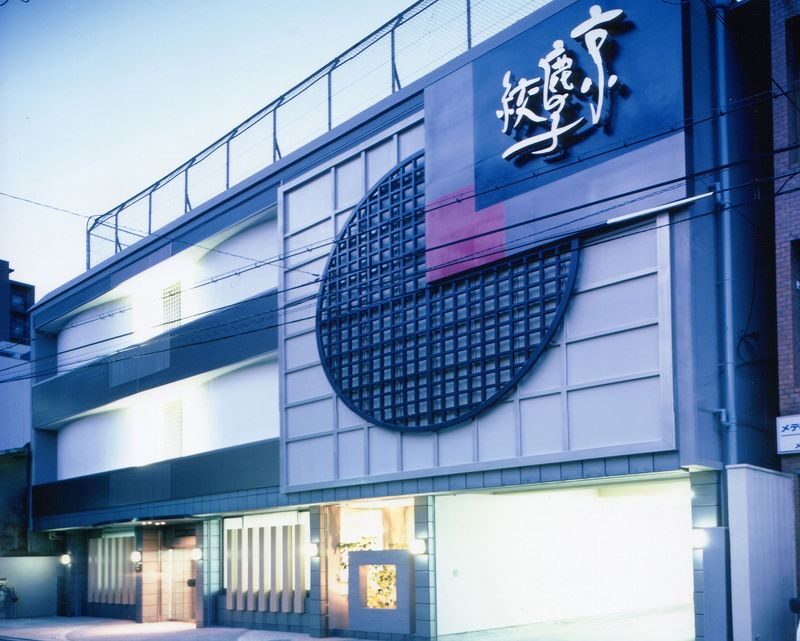
- Expect a small-scale craft setting: The museum is Japan’s only museum dedicated to shibori, with exhibits, a shop, and staff who can explain the art.

👉 See our pick of the We Rank Kyoto’s 15 Top Workshops & Classes
Start with a choice of cloth and technique
At the museum, you choose which project to make. The options include Itajime shibori and Kyo-arashi shibori silk scarves, as well as a large cotton furoshiki. The exact selection of designs and colors is made on the day, so arrive ready to pick from what’s available rather than expecting to reserve a particular pattern in advance.
Shibori is a family of resist-dyeing methods. The fabric is folded or otherwise prepared before it goes into the dye, and the parts protected from the color create the finished design. That preparation is what makes the process different from a casual tie-dye activity: the folds and technique shape the pattern, and small choices can produce a striking result.
The staff guide you through each step. You don’t need sewing skills or an artistic background to take part. The process is explained and supervised, so you can focus on following the technique rather than worrying about getting it perfect. If you already sew or work with textiles, you may find the craft’s range of methods especially interesting.
The listed choices are not all the same project in a different size. Silk scarves and a cotton furoshiki have different uses, and the scarf courses use different shibori techniques. If you have your heart set on one type of cloth, ask what is available when you arrive.
You can also read our reviews of more museum experiences in Kyoto



Folding, dyeing, and the pattern reveal
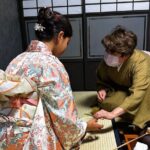
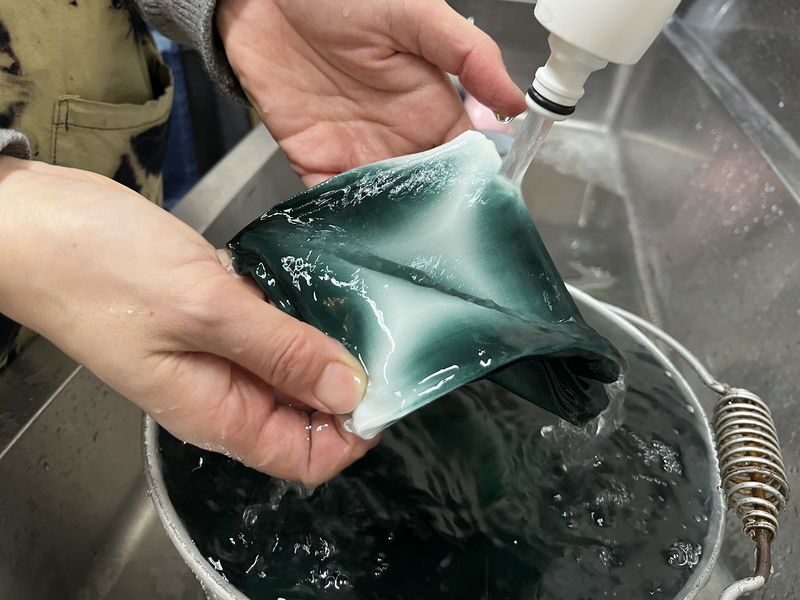
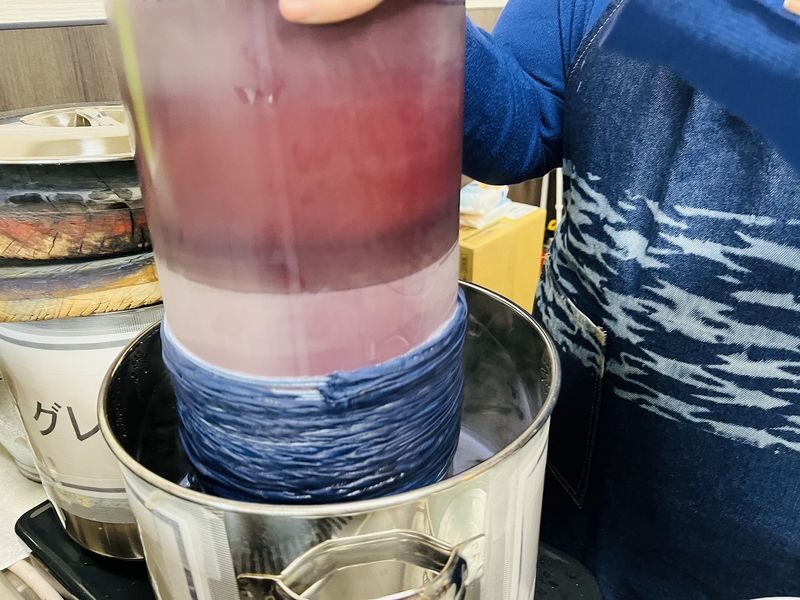
The hands-on part is the heart of the visit. You prepare the fabric according to your chosen method, then work with the dye under staff supervision. The dyeing portion takes about 15 to 20 minutes, and the full class is about an hour, according to the timing described by participants.
The work is yours, but you are not left to guess your way through it. Instructors explain the steps, help you make choices, and keep an eye on the process. English-speaking staff make this a practical choice if you don’t speak Japanese. Yamamoto-san has led sessions, though you should not assume a particular instructor will be there on your date.
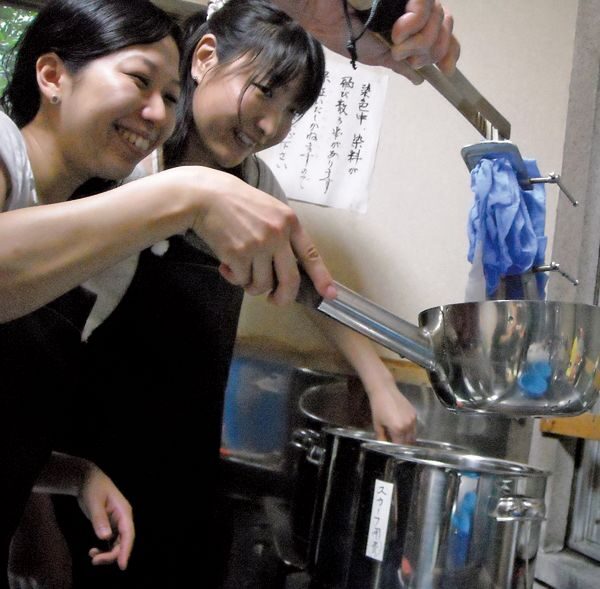
The dye is hot, so follow the staff’s instructions closely. An instructor warns participants about the risk of burns and supervises the work. This is a hands-on craft, not a sit-back-and-watch demonstration, but the guidance makes the process manageable for beginners.
Then comes the satisfying part: unfolding the cloth to see what the folds have made. The finished pattern is a result of the technique and your choices, so it feels more personal than buying a ready-made souvenir. Staff can help you record the reveal, a nice touch if you want to keep the moment as well as the scarf.
Your finished piece can go home with you that day. One participant described having a scarf ironed and wrapped in plastic before leaving. That detail may depend on the session, but the important practical point is that you don’t need to return later to collect your work.
Use the drying time to visit the upstairs museum
While the cloth dries, you can explore the museum upstairs. Admission is included in the class, a saving of 1,000 yen compared with paying the museum fee separately. This makes the workshop more than a short craft lesson: you get a close look at the finished art and the processes that produce it.
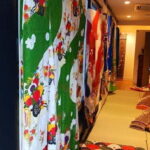
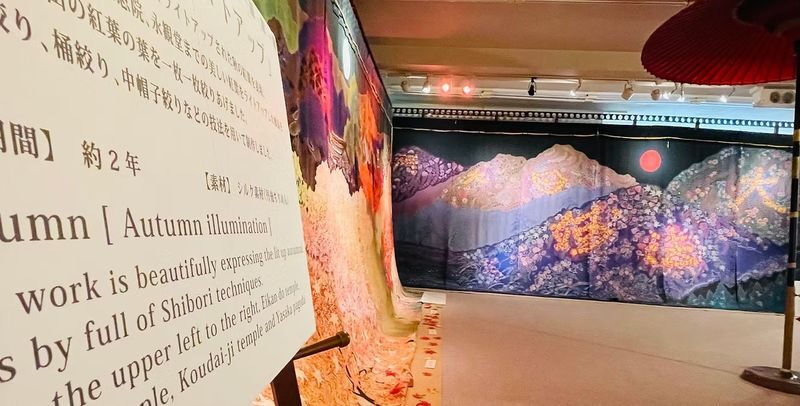
The collection includes examples of shibori work, displays of tools used in the craft, and an English-language video about its history and methods. The museum is small, so don’t expect a sprawling gallery. Its scale is part of the appeal: you can take time with the details and get a clear picture of how much skill goes into complex fabric designs.
The exhibits help put your own scarf in context. Your work is a beginner’s project, but the pieces on display show how far the techniques can go when practiced by experienced artisans. You’ll see why shibori is more than a pattern-making trick. The folds, dye, and careful handling of cloth are part of a specialized art with many different forms.
Staff are happy to explain what you’re seeing. The museum and shop are part of a family-run business that has been in the same family for three generations. That personal connection gives the visit a sense of continuity, while the workshop offers a direct way to engage with the craft rather than only viewing it behind glass.
How the price adds up
The class starts at $41.75. For that, you get the workshop, English-speaking staff, taxes, and admission to the museum. Since museum entry alone costs 1,000 yen, the included visit adds real value, particularly if you’re interested in learning about textile craft rather than simply making a souvenir.
You also leave with the piece you made. A handmade scarf is not a cheap substitute for a store purchase, and it’s not a museum-only experience: the value is in spending time with the technique, seeing the work up close, and bringing home something you shaped yourself.
There are still extra costs to plan for. Transport, meals, and drinks are not included, and there is no hotel pickup or drop-off. If you’re comparing activities by price alone, consider that the class combines instruction, a take-home item, and museum entry. If you only want to buy a scarf, the workshop may be more time and expense than you need.
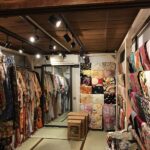
The gift shop offers shibori pieces and other handmade work. You might find it tempting after seeing the care that goes into the craft. Browsing is optional, though, and the class does not depend on making a purchase.
Fit it beside Nijo Castle
The museum is at 127 Shikiamicho, Nakagyo Ward, southeast of Nijo Castle. It’s about a five-minute walk from the castle or Nijojo-mae Station, which makes it easy to combine the class with a castle visit. Doing the workshop first can be a neat way to begin a day in this part of Kyoto, then continue on foot to the castle.
Karasuma-oike Station is about a 10-minute walk away, and Omiya Station is about 15 minutes on foot. From Kyoto Station, take bus 9 or 50 to Horikawa-oike, a ride of about 20 minutes, followed by a five-minute walk. Bicycle parking and space for two cars are available.
The session lasts about an hour, but leave extra time for the museum and shop. The class itself is compact; the exhibits can make you want to linger. A reservation is recommended, and the voucher is valid only for the specified date and time, if one is shown.
There is no age limit listed for the activity. That makes it a possible family outing, but children still need to follow instructions around the hot dye. Staff supervise the process, and the class is designed to be easy to follow. If you’re booking with children, consider whether they’ll enjoy a careful, step-by-step craft activity.
You can also read our reviews of more tours and experiences in Kyoto


Who should book the class
This is a strong choice if you want a Kyoto activity that puts you in touch with a traditional craft and gives you something practical to take home. It’s especially appealing if you like textiles, sewing, design, or hands-on workshops, but you don’t need previous experience. The instructors guide you through the work, and the museum gives beginners a way to understand what they’ve just tried.
It also works well for a couple or a small family looking for a shared activity that isn’t another temple visit. The workshop is manageable in length, and its location makes it easy to pair with Nijo Castle. Solo visitors are welcome, too, so you don’t need to build a group around it.
You may want to skip it if you’re short on time, uninterested in crafts, or hoping for a long, highly customizable class. You make one project, choose from what’s available on the day, and spend roughly an hour in the workshop. The museum is compact rather than a large attraction.
Should you book Kyoto Shibori Museum?
Book it if you want to learn a traditional fabric technique, make a souvenir with your own hands, and see the craft’s more intricate side in a specialist museum. The included admission and same-day take-home piece make the starting price easier to justify, and the English-language instruction helps keep the class accessible.
If you’re already planning to visit Nijo Castle, this is a useful nearby addition. Reserve ahead, especially if the class is a priority, and arrive open to the available patterns and project choices. You’ll get the most from it if you treat the scarf as both a keepsake and a first lesson in a much larger art.
Shibori Class in KYOTO SHIBORI MUSEUM
“It was an amazing experience! Workers were very friendly and helpful. They made the experience enjoyable.”
FAQ
What can I make in the class?
You can choose an Itajime shibori silk scarf, a Kyo-arashi shibori silk scarf, or a large cotton furoshiki. You choose your preferred course on arrival.
How long does the class take?
The full class takes about an hour. The dyeing portion takes around 15 to 20 minutes.
Is the museum visit included?
Yes. Admission to the museum is included with the class. The listed museum admission fee is 1,000 yen.
Is instruction available in English?
Yes. All courses are available in English, and English-speaking staff are included. A reservation is recommended.
Can I take my finished work home?
Yes. You can take your finished piece home on the same day.
How do I get to Kyoto Shibori Museum?
The museum is about a five-minute walk from Nijo Castle or Nijojo-mae Station. It is also about 10 minutes on foot from Karasuma-oike Station and 15 minutes from Omiya Station.