A monk spent more than 30 years cutting Aonodomon tunnel through the rock at Yabakei. That hand-carved passage is one of the striking details on this day trip, which links a dramatic gorge, a broad autumn overlook, Japan’s highest pedestrian suspension bridge and a major shrine in Oita.
I like that one bus day covers four very different stops, and that the English-speaking guide can add context, help with photos and share practical food tips. The bridge ticket is included, and you get time to explore rather than being rushed through every stop at once.
The trade-off is a long day with a firm schedule: the stops have set time limits, and traffic can shorten them or delay your return. Autumn color is also weather-dependent, so the tour cannot promise peak foliage on your date.
At a glance
- Aonodomon is a hand-cut tunnel with a story that gives the Yabakei gorge visit more than a photo stop.
- Hitome Hakkei offers a view of eight notable sights, with time for lunch and a look around the river area.
- Kokonoe Yume Bridge crosses a valley with views of waterfalls and fall color, but it can be very windy and cold.
- Usa Shrine adds a cultural stop after a day focused mostly on nature.
- The route runs from Fukuoka with transport and an English-speaking guide, so you avoid planning several regional transfers.
- The schedule is compact, and foliage timing depends on the weather and local conditions.
- From Fukuoka into Oita’s autumn country
- Aonodomon: a tunnel cut by hand
- Hitome Hakkei: eight views, one lunch break
- Kokonoe Yume Bridge: high views and cold fingers
- Usa Shrine: a quieter cultural finish
- How the guide and group shape the day
- Is the price good value?
- What to bring and what to check
- Should you book this Fukuoka day trip?
- FAQ
- Where does the tour depart from?
- How early should I arrive?
- What is included in the tour price?
- Is lunch included?
- How long is the stop at each attraction?
- Will the tour run if it rains?
- Is peak autumn foliage guaranteed?
- Can I bring luggage or a stroller?
- Can children aged 0 to 2 join?
- Where does the tour return in Fukuoka?
- The Best Of Fukuoka!
- More Tours in Fukuoka
- More Tour Reviews in Fukuoka
From Fukuoka into Oita’s autumn country
 1 / 9
 2 / 9
 3 / 9
 4 / 9
 5 / 9
 6 / 9
 7 / 9
 8 / 9
 9 / 9
This is a full-day bus trip from Fukuoka to a group of Oita’s best-known nature and heritage stops. It is built for people who want to see a lot in one day without arranging separate buses, tickets and connections themselves.
The route begins at either the Fukuoka Central Post Office in Tenjin or Hearts Bus Station Hakata. The departure information gives 08:00 and 08:20 start times, so check your assigned meeting point and time before the day. Look for the TOURSTORY flag and arrive at least 10 minutes early. Late arrivals and no-shows are not refundable.
You will spend much of the day on the bus. That is the price of covering several sites spread across the region, but it also makes this outing useful if Fukuoka is your base and you do not have a car. The scheduled return is around 17:30, with a later Hakata stop listed at 17:50. Traffic can change the timing, so keep evening plans flexible.
The group vehicle is assigned according to the number of people booked that day, with capacity up to 45 passengers, excluding the driver. You are not guaranteed a particular vehicle. If you need to bring luggage or a stroller, contact the operator the day before, since space depends on the bus.

👉 See our pick of the 7 Top-Rated Fukuoka Workshops & Classes
Aonodomon: a tunnel cut by hand
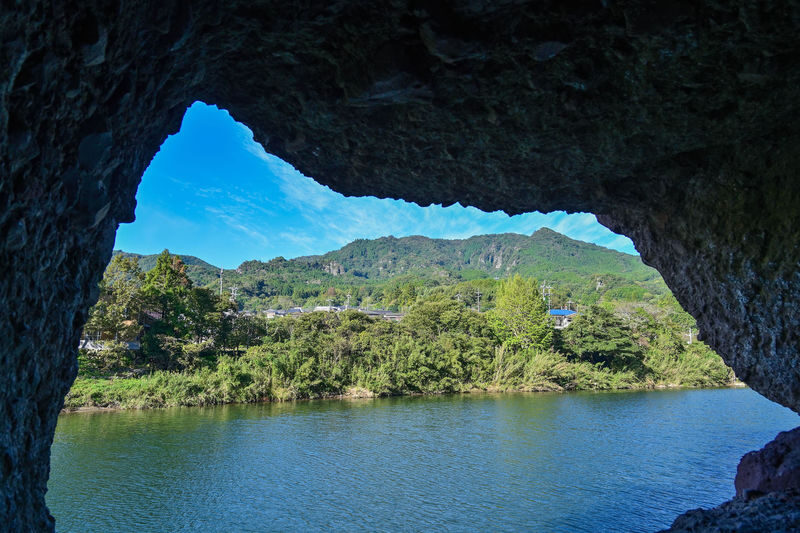
The first sightseeing stop is Aonodomon, where the route allows about an hour. The tunnel was carved through the cliffs by a single monk over more than 30 years. That history gives the walk a human scale: this is not just a natural opening in the rock, but the result of sustained work in a difficult place.
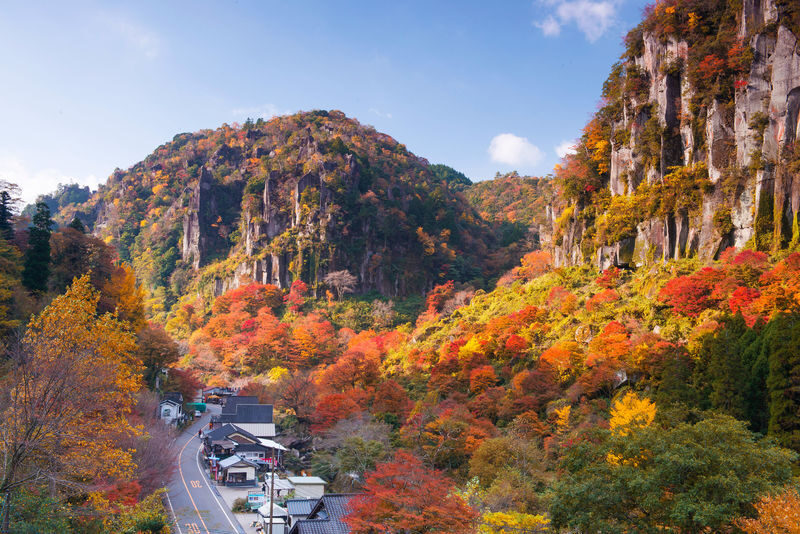
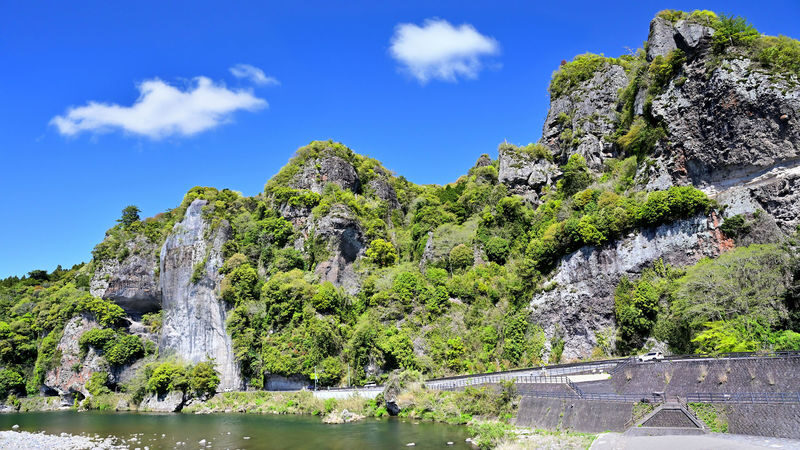
The setting is Yabakei Gorge, known for steep rock faces and autumn color. The crisp air and the contrast between the tunnel and surrounding cliffs make this a satisfying start to the day. Take time to notice the stonework and the scale of the gorge rather than treating the stop as a quick photo opportunity.
An hour is a generous portion of the schedule compared with the later bridge stop. Some people may prefer more time at Hitome Hakkei or Kokonoe Yume Bridge, so be aware that the tour balances its stops rather than giving every location equal time. Keep an eye on the guide’s return instructions: the group needs to move together to stay on schedule.
You can also read our reviews of more tours and experiences in Fukuoka.

Hitome Hakkei: eight views, one lunch break
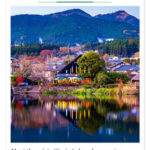
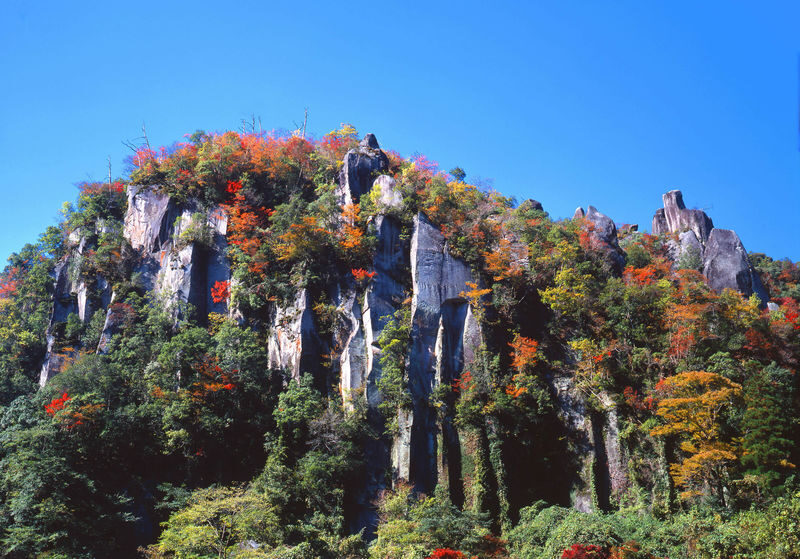
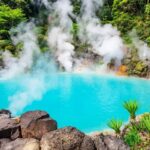
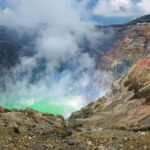
The tour allows about 90 minutes at the Hitome Hakkei observation area. The name points to eight striking views, with rock formations, river and valley scenery gathered into a single broad outlook. In autumn, red and gold leaves add color to the cliffs and slopes.
Do not assume the observation deck is the only worthwhile part. The river area and both sides of the water are also worth exploring if time and conditions allow. This stop is the main chance to pause, eat and enjoy the scenery at a slower pace.
Lunch is at your own expense. Food queues can eat into the break, so decide early whether you want a full meal or a quicker snack. One practical approach is to bring something small for the bus and use the stop to see the riverbank and observation area, especially if the meal line is long. The tour does not include meals or drinks.
The schedule is still limited. If you want to linger over lunch, browse souvenirs and walk the river, you may have to choose among them. Follow the guide’s meeting time closely. A late return here can affect the time available at the bridge or shrine.
Kokonoe Yume Bridge: high views and cold fingers
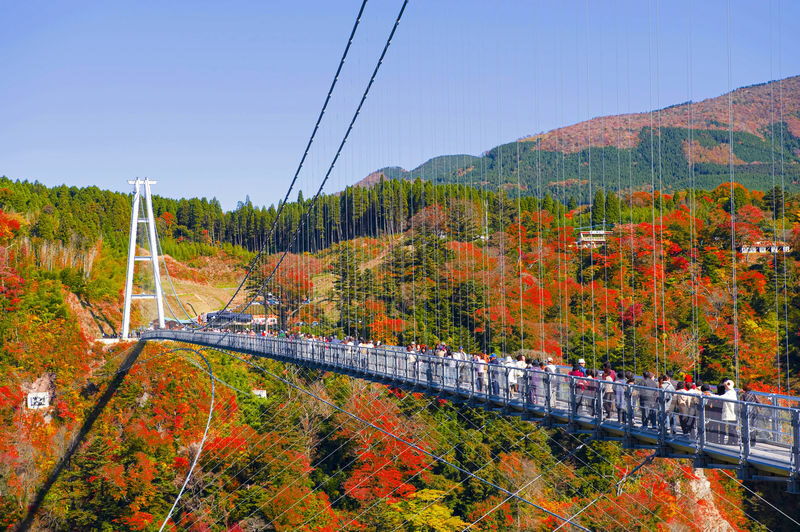
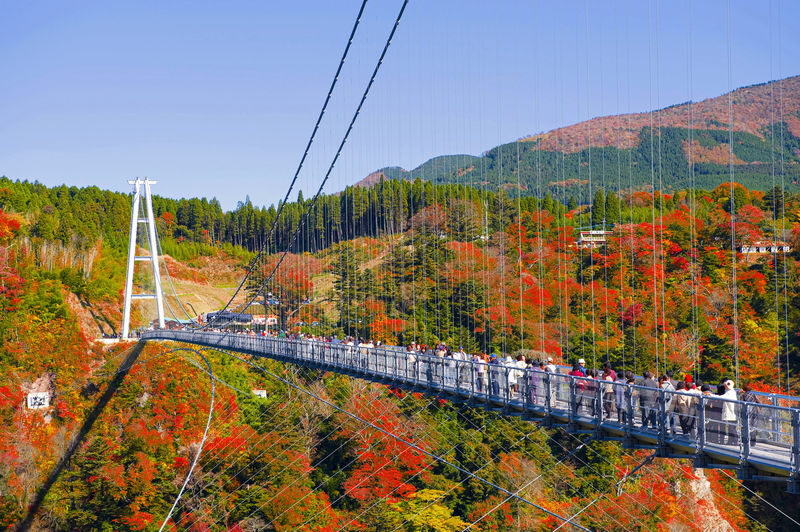
Kokonoe Yume Otsuribashi is the day’s signature stop for many visitors. The pedestrian suspension bridge crosses a valley high above the ground, with views toward waterfalls and wooded slopes. The stop lasts about 50 minutes, including time to cross and take in the scenery.
The height is part of the appeal, but the bridge can be windy, especially in November. Bring a warm layer and protect your hands. A phone is useful for photos, but hold it securely: wind and cold make fumbling with a device an avoidable risk. The crossing offers a different perspective from the gorge viewpoints, with open views over the valley rather than close-up rock formations.
Admission to Kokonoe Yume Otsuribashi is included. The listed package does not name separate admission tickets for the other stops, so do not assume that every possible attraction or optional activity is covered. The agency handles the included attraction admission on site; the mobile voucher is not a ticket for direct entry.
The scheduled 50 minutes is enough for the bridge visit, but not necessarily a long stop for extra exploration. There is an additional observation deck opposite the bridge that may require an extra payment. If that is important to you, ask the guide about timing and cost on the day rather than counting on it as part of the package.
Usa Shrine: a quieter cultural finish
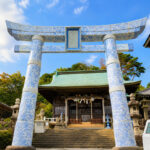
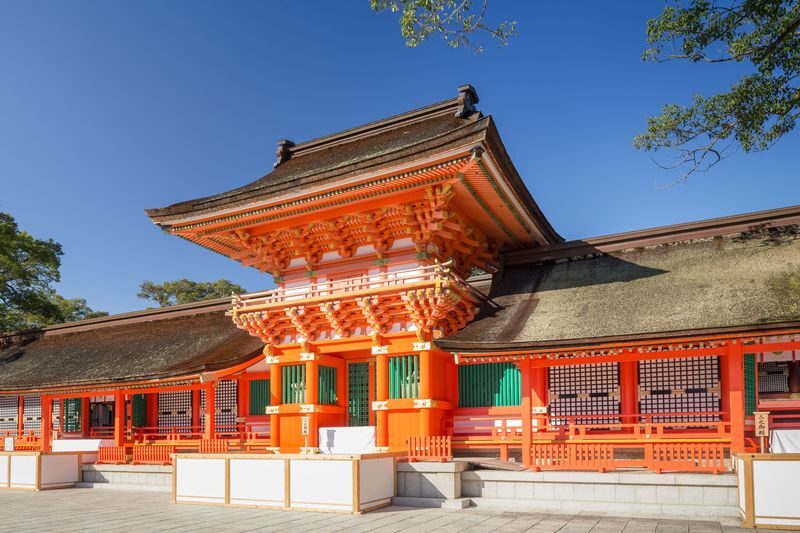
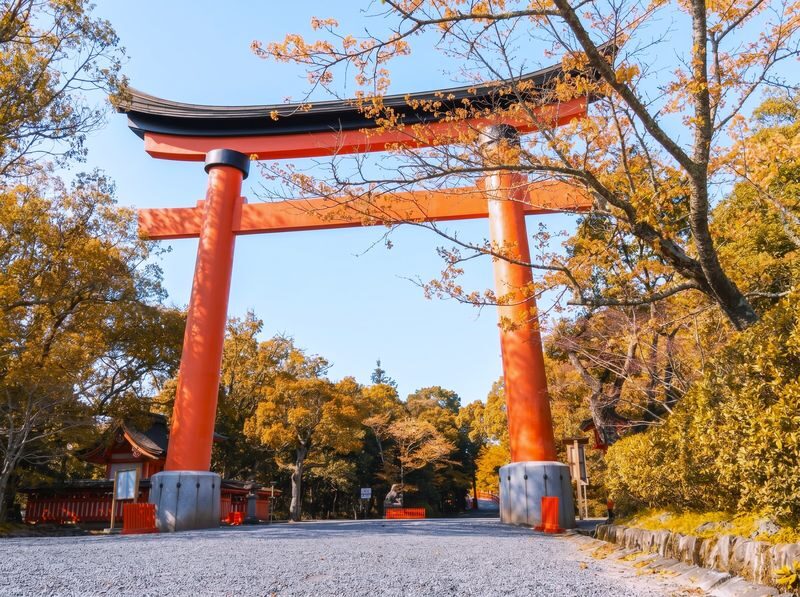
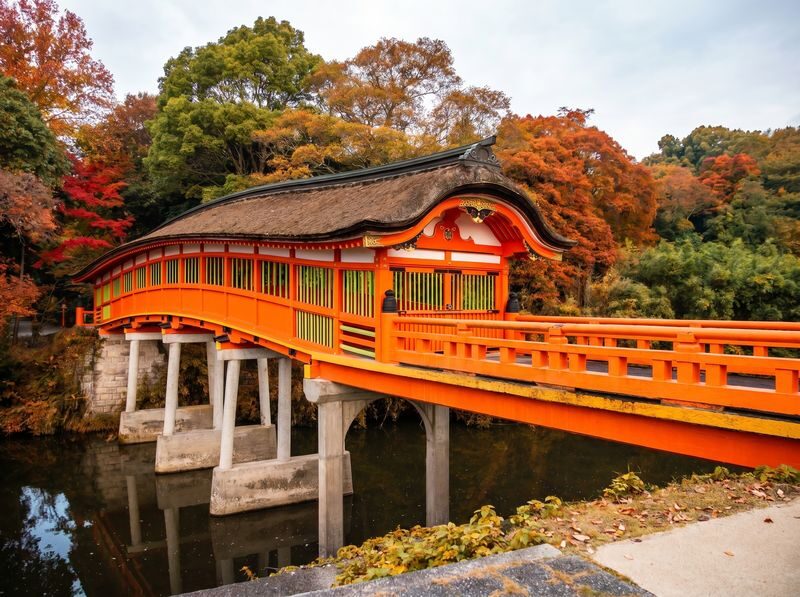
Usa Shrine gives the trip a change of pace after a day of cliffs, river views and open heights. The stop lasts about an hour. It is a historic shrine and a place to notice the cultural side of Oita, rather than treating the region as scenery alone.
You can use this time to walk the grounds at a measured pace and take in the setting. The tour does not specify a guided ritual or a special ceremony, so think of this as a visit to the shrine itself, with the guide providing context as the group moves through the day.
Its position late in the itinerary is useful. By then, you have seen several natural highlights, and the shrine gives the day a more reflective close before the drive back to Fukuoka. As with every stop, keep to the agreed meeting time.
How the guide and group shape the day
The guide matters on a route with several stops and little room for missed connections. English-speaking guides on this tour have included Yusuke, Tae and Mr Parks. Yusuke has been noted for offering clear explanations, helping with photos and sharing food recommendations around Fukuoka. The guide on your date may differ, but the tour is set up to provide English-language assistance.
The bus format keeps the trip simple: one meeting point, round-trip transport and a guide to coordinate the stops. It also means you are moving at a group pace. Some guides may explain in more than one language, and the pace can feel brisk if you want to linger over every view.
The operator may adjust the order of stops to respond to traffic or crowds. That flexibility can help protect your time at the main sights, but the itinerary and pickup or drop-off schedule are not fixed guarantees. Japanese law limits vehicle operation to 10 hours, and the guide may adjust the plan to keep within operating conditions.
Rain alone does not automatically cancel the tour. The operator can cancel for unforeseen events or extreme weather, and conditions can still affect the route on the day. Expect the possibility of damp paths or muted colors if rain is in the forecast.
Is the price good value?
The price information shows a starting figure of $51.25, while the English-speaking Oita Autumn Scenic Day Tour package is shown from $73.19. Prices can vary by package and date, so check the amount for your chosen option before booking.
For the right visitor, the value comes from covering four dispersed stops in one day, with round-trip transport, an English-speaking guide and admission to Kokonoe Yume Otsuribashi included. You also avoid organizing regional transport and timing each connection yourself. Meals, drinks, personal expenses, travel insurance and hotel pickup or drop-off are not included.
If you are comfortable with a compact schedule and want an efficient autumn outing from Fukuoka, the cost can make sense. If you prefer long walks, relaxed meals or hours at one location, a self-guided trip or private tour may suit you better, though it would require separate planning.
The tour’s rating is 4.7 out of 5 from 14 ratings, and the provider, TOURSTORY JAPAN, has a 94% good review rate across 2,432 reviews. The most consistently praised features are the guides’ English, helpfulness and explanations, along with the scenic route. The main caution is the pace: the stops are timed, and traffic can compress the day.
What to bring and what to check
Autumn weather can change quickly, and the bridge is especially exposed. Pack a warm jacket, and consider gloves if your hands get cold easily. Comfortable walking shoes are sensible for the gorge, viewpoints, bridge and shrine grounds.
Bring money for lunch, drinks and personal purchases. A snack can help if the meal queue is slow or the return drive is delayed; one November outing encountered more than an hour of traffic. That is not a promise of a delay, just a good reason not to arrive hungry and without a backup.
Foliage timing varies with the climate. The tour runs as an autumn special, generally from October to November, but the colors may be early, late or less abundant than expected. Book for the route and the range of scenery, not solely for a guarantee of peak leaves.
The activity is stroller-friendly but not wheelchair-accessible. Children aged 0 to 2 can join free if they do not occupy a separate seat. If you need space for a stroller or luggage, confirm with the operator the day before, as the vehicle depends on group size.
Should you book this Fukuoka day trip?
Book it if you want a broad look at Oita’s autumn scenery and cultural sites without arranging transport yourself. The mix of a monk-carved tunnel, river gorge, high suspension bridge and shrine gives the day more variety than a foliage-only outing, and an English-speaking guide helps make the long bus day easier to manage.
Think twice if you need a slow pace or want to spend a long time at any one stop. The schedule is tight, lunch is not included, and the colors depend on the season’s weather. For a practical day out from Fukuoka, though, this is a strong option, especially if you are happy to trade lingering time for a lot of ground covered.
Autumn Limited: Kokonoe Bridge, Usa Shrine, Yabakei from Fukuoka
“The entire itinerary and attractions were well arranged.”
FAQ
Where does the tour depart from?
The listed departure points are Fukuoka Central Post Office in Tenjin and Hearts Bus Station Hakata. The departure information gives 08:00 and 08:20 times, so confirm your assigned location and time before travel.
How early should I arrive?
Arrive at your meeting point at least 10 minutes before departure and look for the TOURSTORY flag. Late arrivals and no-shows are not refundable.
What is included in the tour price?
The tour includes round-trip transfers, an English-speaking guide and admission to Kokonoe Yume Otsuribashi. Meals, beverages, personal expenses, insurance and hotel pickup or drop-off are not included.
Is lunch included?
No. Lunch and drinks are at your own expense. You have about 90 minutes at Hitome Hakkei, where you can use the time for food and sightseeing.
How long is the stop at each attraction?
The scheduled stops are about one hour at Aonodomon, 90 minutes at Hitome Hakkei, 50 minutes at Kokonoe Yume Otsuribashi and one hour at Usa Shrine. The operator may adjust timings for traffic, weather and on-site conditions.
Will the tour run if it rains?
The tour is not automatically canceled because of rain. The operator may cancel for unforeseen events or extreme weather, and conditions may affect the itinerary.
Is peak autumn foliage guaranteed?
No. Foliage timing depends on climate conditions, so the tour may not coincide with peak color or the leaves may be less abundant than expected.
Can I bring luggage or a stroller?
You should contact the operator about bringing luggage or a stroller because available space depends on the vehicle assigned that day. The activity is stroller-friendly but not wheelchair-accessible.
Can children aged 0 to 2 join?
Yes. Children aged 0 to 2 can join free of charge if they do not occupy a separate seat.
Where does the tour return in Fukuoka?
The listed return stops are Fukuoka Central Post Office at about 17:30 and Hearts Bus Station Hakata at about 17:50. Traffic and weather may change the schedule.