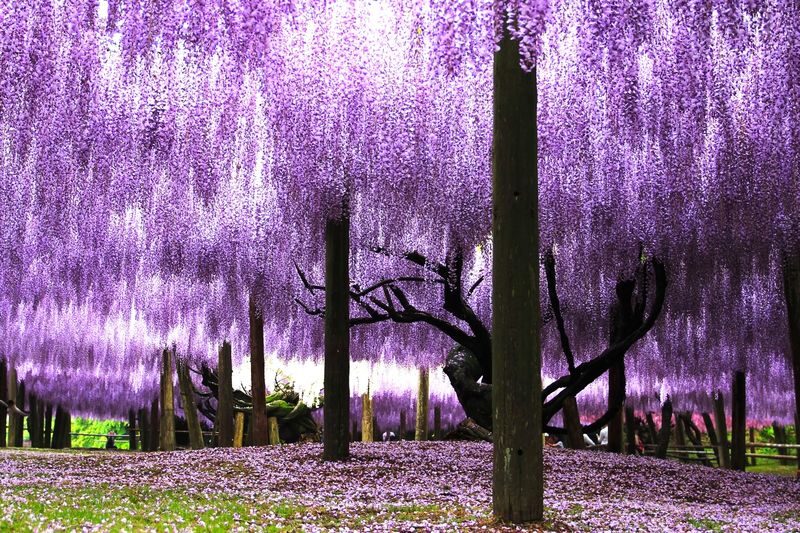
Kawachi Fujien gives this day trip its seasonal pull: in spring, wisteria hangs in long flower-filled tunnels; in autumn, more than 700 maple trees turn the garden red and gold. The tour also links the garden with local harvests and Kokura Castle, all from a morning departure near Hakata Station.
I like the contrast between the two versions, and the useful mix of garden time, regional food stops, and a landmark castle. One thing to weigh: the autumn schedule allows just an hour at Kawachi Fujien, and the meeting point can be tricky to spot in the morning crowd.
- Key points at a glance
- Two seasons, two different days out
- Starting from Hakata Station
- Autumn’s mandarin orchard and market
- A lunch break before Kokura Castle
- Kawachi Fujien in spring and autumn
- What the guide and group format add
- Is the price good value?
- Practical details before booking
- Who should book this day trip?
- FAQ
- Where does the tour depart from?
- What time does the autumn tour leave and return?
- What is included in the autumn package?
- How much fruit can I take home from autumn mandarin picking?
- What are the seasonal package options?
- Is lunch included?
- Is there an age limit?
- What is the cancellation policy?
- The Best Of Fukuoka!
- More Tours in Fukuoka
- More Tour Reviews in Fukuoka
Key points at a glance
 1 / 10
 2 / 10
 3 / 10
 4 / 10
 5 / 10
 6 / 10
 7 / 10
 8 / 10
 9 / 10
 10 / 10
- Spring pairs wisteria with strawberries: See Kawachi Fujien’s flower displays and pick strawberries during the spring option.
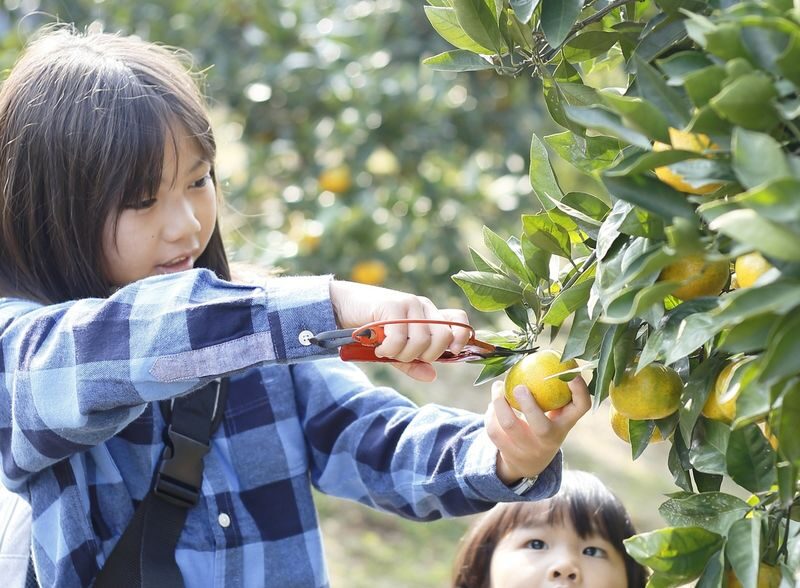
- Autumn brings mandarin picking: Pick fruit at Taiyouen and take home a 1.5-kilogram bag.
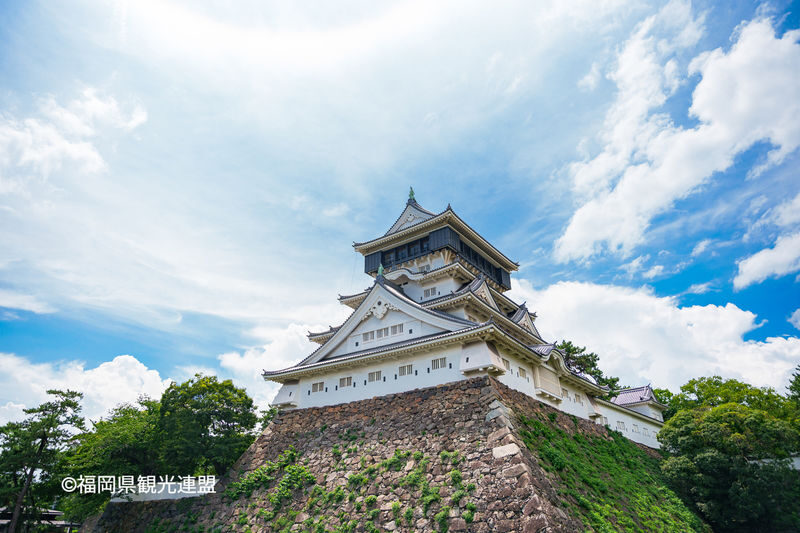
- Kokura Castle is included: Admission is covered, with about an hour to explore.
- The autumn route makes a full day of it: It runs from 08:45 to about 18:30, with a market, lunch break, castle, and garden.
- Transport and a guide are part of the price: The tour departs from Hakata Station and includes an English- or Chinese-speaking guide.
- Garden time is limited: The autumn itinerary sets aside one hour at Kawachi Fujien, so plan to move at a steady pace.

👉 See our pick of the 7 Top-Rated Fukuoka Workshops & Classes
Two seasons, two different days out
This is one tour with two seasonal packages, rather than a single itinerary that visits both wisteria and autumn foliage. Spring costs from US$75.85 and combines Kawachi Fujien with strawberry picking. Autumn costs from US$60.05 and includes mandarin picking, Kokura Castle, and the garden’s maple foliage.
That distinction matters when you compare prices and decide what to book. The autumn route is described in detail, with timed stops; spring-specific timing is not provided. Spring visitors have described strawberry picking and a visit to Kokura Castle, but you should not assume that every stop or time slot matches the autumn schedule.
The garden is the shared anchor. Kawachi Fujien is known for its spring wisteria, while the autumn visit focuses on the more than 700 maple trees on the grounds. If your dates are fixed, choose the season that fits them, then keep an eye on the timing of the flowers and leaves. Seasonal displays do not follow a calendar with clockwork precision.
You can also read our reviews of more tours and experiences in Fukuoka.

Starting from Hakata Station
The bus leaves at 08:45 from the Hakata Station Chikushi Gate Parking Area, in front of the LAWSON on the first floor of the Oriental Hotel Fukuoka Hakata Station. The meeting point is specific, but locating a tour group in a busy station area can still take a moment.
Arrive with enough time to find the parking area rather than assuming the hotel entrance itself is the pickup point. The morning gathering has felt confusing to some people, especially when the group is large. Clearer meeting instructions are worth checking before the day, and the tour provider is confirmed by email before departure.
From Hakata, the bus saves you the effort of arranging transport between several stops in and around Kitakyushu. That is the main practical value of a full-day coach tour: you can see places that would take more planning to connect on your own, while leaving the driving to someone else. The trade-off is a fixed schedule, with less freedom to linger or change plans.
Autumn’s mandarin orchard and market
The autumn day begins at Taiyouen, where the schedule allows an hour for mandarin picking. You can pick fruit from the trees and take home a 1.5-kilogram bag, a welcome edible souvenir and a hands-on change from sightseeing.
After the orchard, the bus stops for 30 minutes at Michi-no-Eki Munakata, a highly regarded roadside market in Kyushu. The draw is local food, fresh seafood, and regional products. Half an hour is enough for a quick look and perhaps a purchase, but not a slow browse if the market has caught your interest.
These first two stops give the autumn route a local-food thread. The orchard is participatory; the market is a chance to see what the region sells and eats. Keep expectations sensible, though: this is a brief market visit within a packed day, not a dedicated food tour.
A lunch break before Kokura Castle
At around 12:45, the schedule sets aside an hour for lunch and free time at Riverwalk Kitakyushu. You choose how to use the break, with time for a meal and a look around the shopping complex. Lunch and personal purchases are not included in the tour price, so set aside spending money.
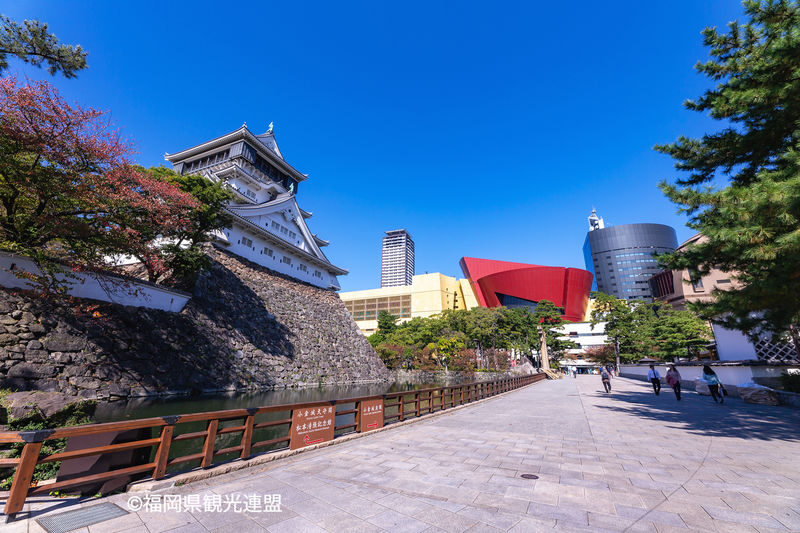
Kokura Castle follows at about 14:00, with an hour allocated for the visit. The admission fee is included. The stop adds a built landmark to a day otherwise shaped by gardens, fruit, and seasonal scenery, and gives you a chance to see traditional Japanese architecture.
An hour is a useful introduction, but it is not a long visit if you prefer to take your time at each exhibit or explore every part of the site. In spring, people have particularly enjoyed the castle’s hands-on features, including games and kimono rentals. Those details come from spring visits and should not be taken as a guarantee of what is available on every date.
Kawachi Fujien in spring and autumn
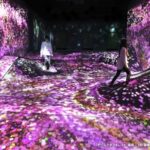
The garden is the trip’s main event, but the view changes sharply with the season. In spring, Kawachi Fujien’s wisteria is the reason to come. Its flower-covered trellises and tunnel have made a strong impression, and the garden can feel especially atmospheric in rain. But bloom timing varies: flowers were not yet at their best on some visits, while other dates brought particularly fine displays.
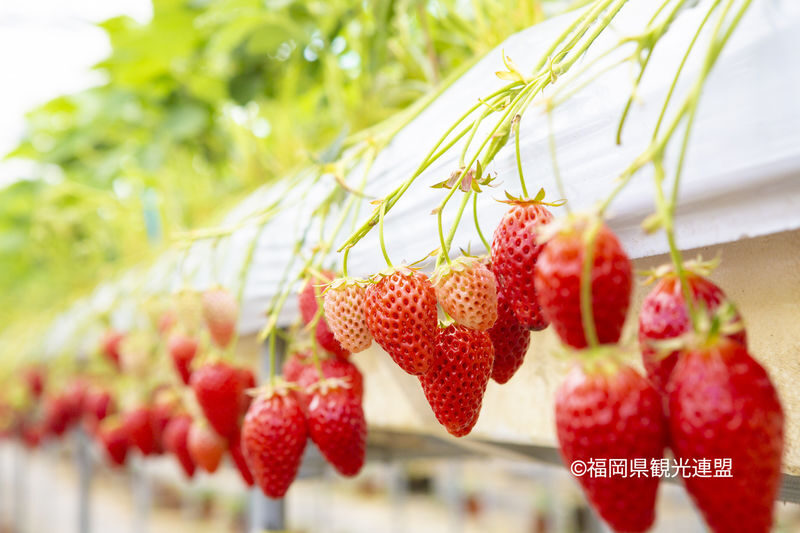
Spring also includes strawberry picking. The activity has been described as all-you-can-eat on at least one departure, and the fruit as large, sweet, and juicy. The package is named Wisteria & Strawberries, but exact spring timings and picking conditions are not specified here. If strawberry picking is your main reason to book, check the current package details for the date you want.
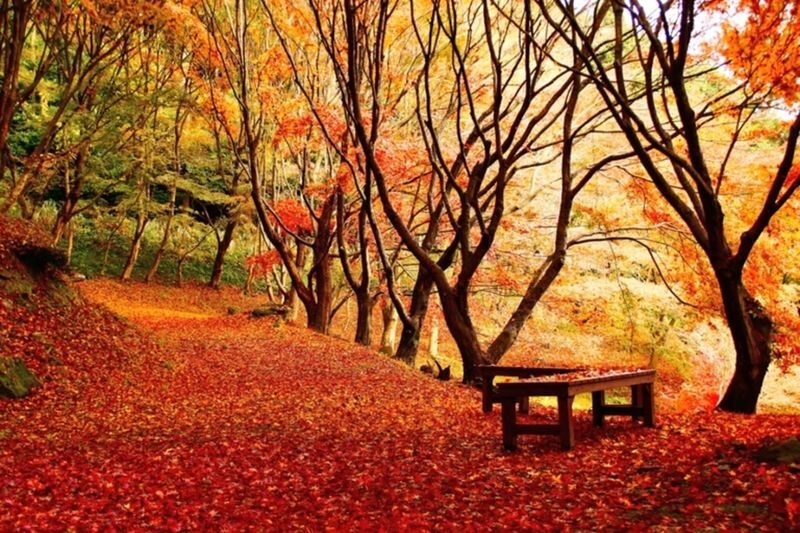
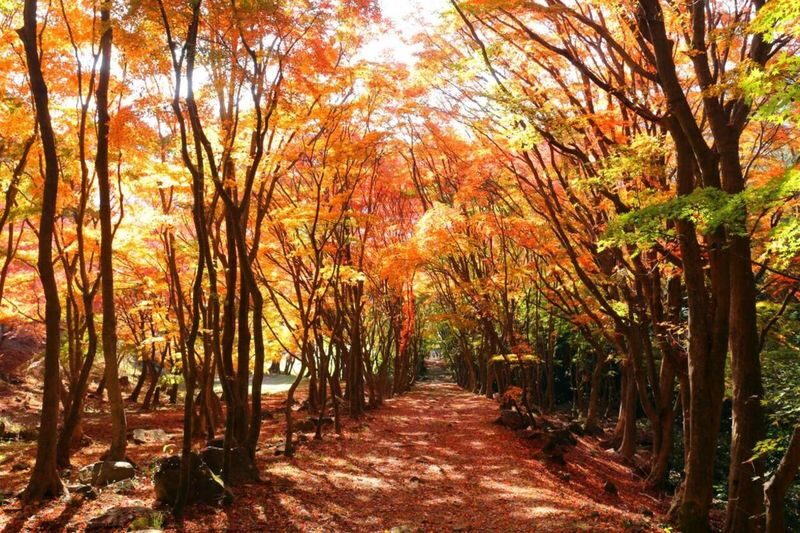
In autumn, the garden visit is scheduled for about 16:00, after the castle. The focus shifts to more than 700 maple trees, with red and gold foliage as the season advances. The tour includes garden admission, so you do not need to buy a separate entry ticket.
The autumn schedule gives you an hour at the garden. That is enough for a purposeful walk and photos, but it can feel short if the paths are crowded or you like to stop often. Spring visitors have also found one hour tight when the wisteria drew a crowd. If unhurried garden time matters most to you, this fixed group schedule may be a compromise.
Weather is part of the calculation. Rain has not stopped people from enjoying the spring garden, but it can affect comfort and the pace of a day outdoors. The schedule may change with traffic and weather, so treat the printed times as a plan rather than a promise.

What the guide and group format add
An English- or Chinese-speaking guide is included. On past spring departures, guides have included Naoko, Teddy, Jason, and Shuji. Their names are not a promise about who will lead your tour, but the accounts of those outings point to the kind of support that can make a coach day easier: trip explanations, helpful messages, photo assistance, and food suggestions.
Some departures have had about 30 people. A group of that size can make the morning meeting feel hectic, and it means moving together at each stop. In return, you get organized transport and a guide who can help the group stay on schedule. People have described the day as relaxed despite the number of stops, though the garden’s one-hour limit is the place where that pace may feel most noticeable.
The guide’s language is English or Chinese, not necessarily both on every departure. If you need a particular language, confirm it for your date rather than relying on experiences from another group.
Is the price good value?
The autumn option starts at US$60.05; spring starts at US$75.85. Both prices include bus transport as part of the day trip, an English- or Chinese-speaking guide, and admission to the attractions included in the chosen package. In autumn, that means the mandarin picking activity, Kokura Castle, and Kawachi Fujien.
The price makes most sense if you want to visit several stops without arranging the transport yourself. You also avoid paying separately for the included admissions. Lunch, shopping, and other personal costs are extra, so the advertised price is not the whole day’s budget.
Spring costs more, but the draw is different: the wisteria season and strawberry picking. Compare the seasonal price with what matters most to you, rather than treating the autumn and spring packages as identical tours at different rates. If you mainly want a long, unhurried stay in the garden, a fixed-route bus tour may not offer enough time, whatever the price.
Practical details before booking
The tour begins and ends at the Hakata Station meeting point, with a scheduled return around 18:30. The autumn route lists departure at 08:45 and includes a full day of stops. Traffic and weather can change the schedule, so avoid planning a tight connection immediately after the return.
There is no age limit listed. Confirmation is sent 48 hours before departure; if it does not arrive, contact customer support. The voucher is valid only on the date and time specified, and cancellations made at least 24 hours before the activity date, in local destination time, receive a full refund.
Who should book this day trip?
I would look at this tour if you want to combine a seasonal garden visit with food picking and a castle, and you value having the transport arranged. It suits people who like a varied day more than a single long stop, and it can be a practical choice for families or mixed-age groups, since no age limit is specified.
Choose spring for the wisteria and strawberry experience, while accepting that bloom timing and crowd levels can vary. Choose autumn if mandarin picking, the roadside market, and maple color sound more appealing. In either season, go in expecting a busy, structured day, not hours of free time at the garden. If that balance works for you, the tour offers a straightforward way to see several sides of the Fukuoka and Kitakyushu area in one trip.
YokaBus Kawachi Wisteria Garden, Seasonal Fruit Picking and Kokura Castle
“The meeting arrangements were very poor! Everything else was satisfactory.”
FAQ
Where does the tour depart from?
It departs from the Hakata Station Chikushi Gate Parking Area, in front of the LAWSON on the first floor of Oriental Hotel Fukuoka Hakata Station.
What time does the autumn tour leave and return?
The autumn schedule lists an 08:45 departure and a return around 18:30. Traffic and weather may change the schedule.
What is included in the autumn package?
It includes admission to Taiyouen mandarin picking, Kokura Castle, and Kawachi Fujien, plus an English- or Chinese-speaking guide.
How much fruit can I take home from autumn mandarin picking?
The autumn package includes a 1.5-kilogram bag of mandarins to take home.
What are the seasonal package options?
The spring option is Wisteria & Strawberries, from US$75.85. The autumn option is Vibrant Foliage & Mandarin Harvest, from US$60.05.
Is lunch included?
No. The autumn schedule includes an hour for lunch at Riverwalk Kitakyushu, but lunch and other personal expenses are not included.
Is there an age limit?
No age limit is listed for this activity.
What is the cancellation policy?
You receive a full refund if you cancel at least 24 hours before the activity date, using the destination’s local time.