Fukuoka’s countryside makes a sweet case for a day out: you get time to pick and eat strawberries, then learn how plant dye turns plain fabric into a personal souvenir. The headline crop is Amaou, a large, sweet local variety, but the farm offers 12 kinds to try.
I like the two-hour picking session, which gives you time to compare varieties instead of simply grabbing a few berries and moving on. I also like that the sakura dye workshop adds a cultural, hands-on finish to a food-focused day. One consideration: the bus runs from morning until early evening, and lunch and drinks are on your own.
- Twelve strawberry varieties: The farm’s selection includes Amaou, and the picking season runs from mid-December through early May.
- Amaou with a name that tells a story: Its name takes the first syllables of akai, marui, ookii, and umai, meaning red, round, big, and tasty.
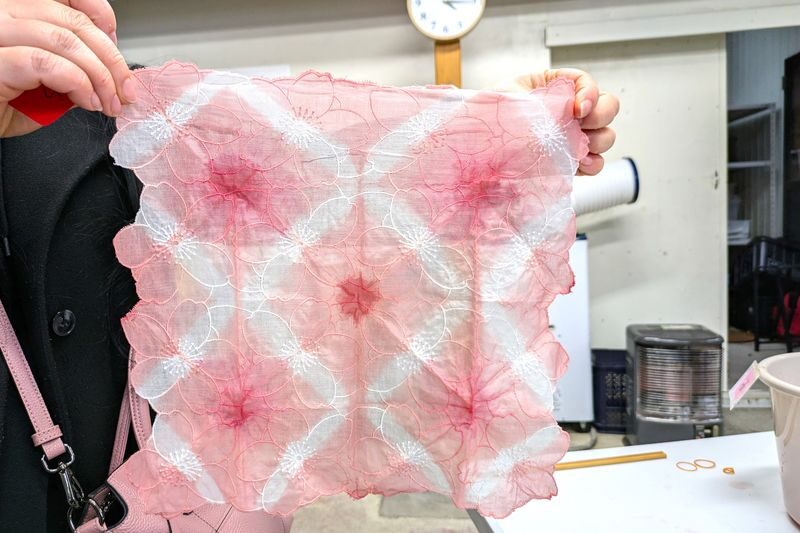
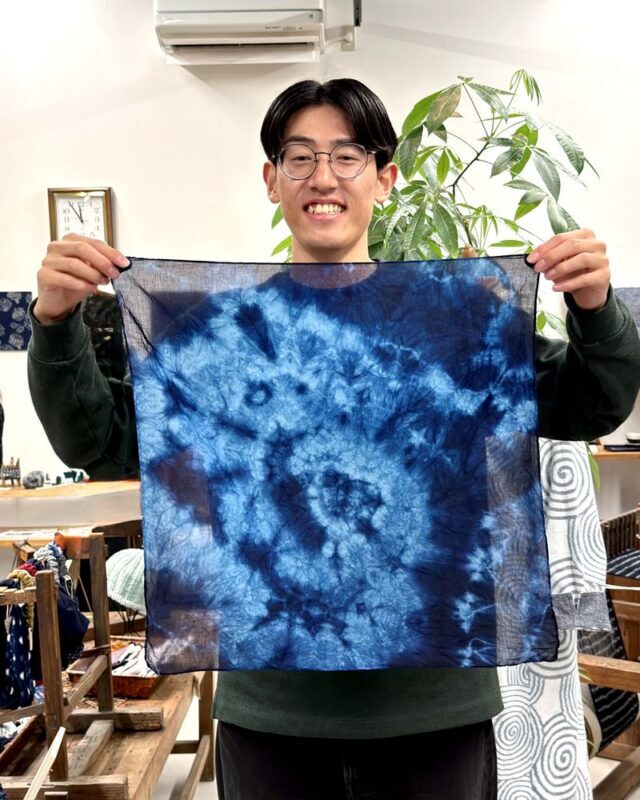
- A craft to take home: At the dye workshop, you can make a dyed item such as a handkerchief.
- Three countryside stops: The schedule includes Sanren Suisha no Sato Asakura and Nukumori Batake, with time to explore on your own.
- Convenient Hakata departure: Round-trip bus transfers, tolls, parking, attraction admission, and an English-speaking guide are included.
- Strawberry season starts with Amaou
- From Hakata Station to the Fukuoka countryside
- A slow lunch break at Sanren Suisha no Sato Asakura
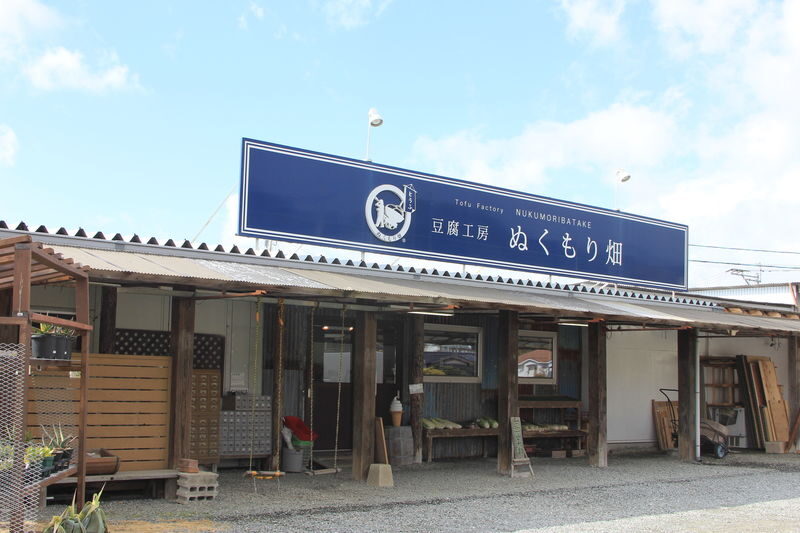
- Lunch is your choice at Nukumori Batake
- Turning fabric into a sakura-dyed keepsake
- What the price includes, and what it does not
- Who will enjoy this day trip most
- Should you book the Fukuoka strawberry and dye tour?
- FAQ
- Where does the tour depart from?
- What time does the tour return?
- When is strawberry picking available?
- How many strawberry varieties can I try?
- Is lunch included?
- What is included in the tour price?
- Is there an age limit?
- Is the tour guaranteed to depart?
- Can I get help in Chinese?
- The Best Of Fukuoka!
- More Tours in Fukuoka
- More Tour Reviews in Fukuoka
Strawberry season starts with Amaou
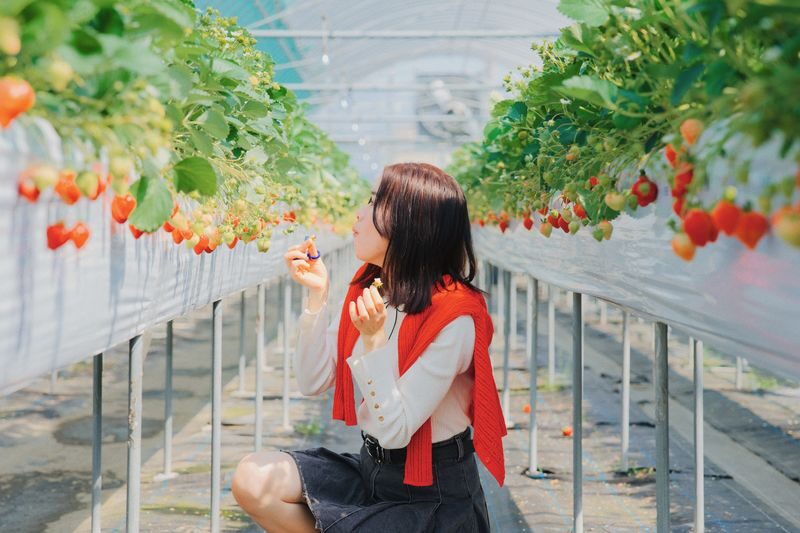
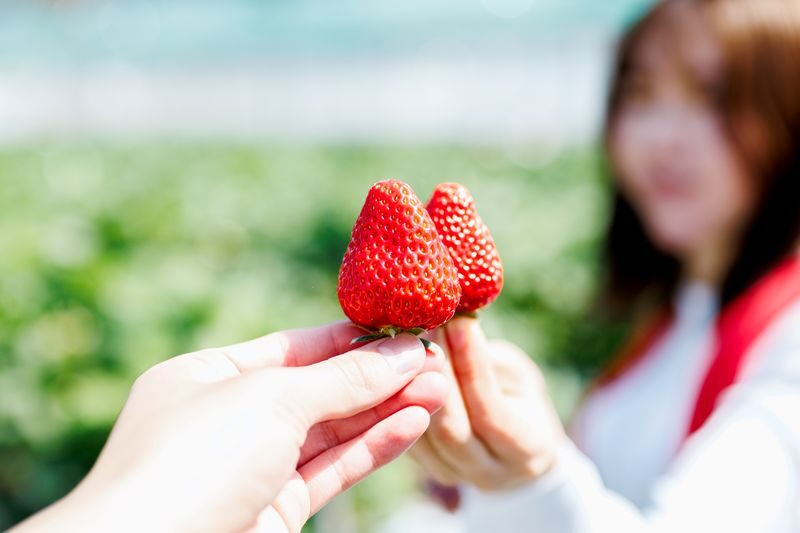
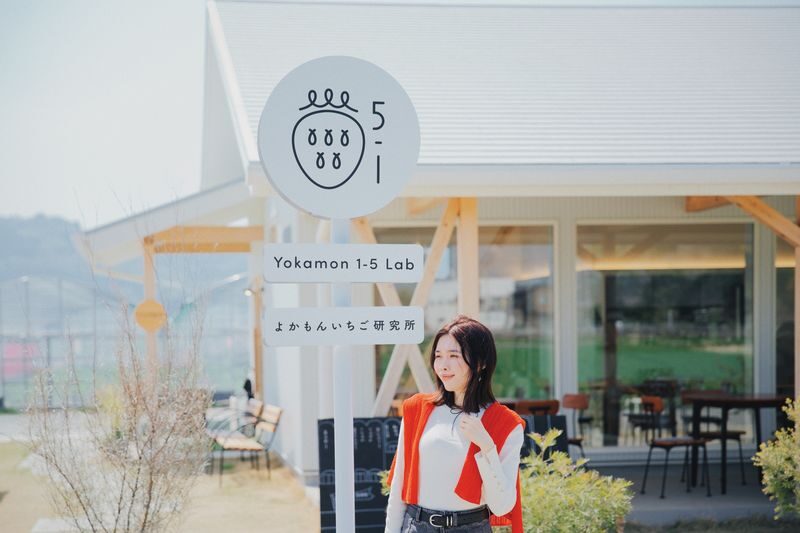

The day’s main event is at Yokamon Ichigo, where you get a guided visit and a scheduled strawberry-picking session. The farm offers 12 varieties, including Amaou, so you can compare different berries rather than assume every strawberry tastes the same.
Amaou is Fukuoka’s famous large strawberry. Its name is built from the first syllables of four Japanese words: akai (red), marui (round), ookii (big), and umai (tasty). It is also described as recognized by Guinness World Records. The combination of size, sweetness, and local identity makes it a particularly satisfying one to look for, but the other varieties are part of the fun. Try them side by side and notice how your favorites differ.
Picking is scheduled from about 10:00, with the farm visit running until 12:30. The activity is described as a two-hour picking and tasting experience, so expect the morning stop to center on hands-on time rather than a quick photo and departure. The season runs from mid-December through early May. If your dates fall outside that window, this may not be the right tour.
The strawberries are the strongest reason to book, especially if you enjoy tasting local produce at its source. Just keep in mind that this is a seasonal farm activity. The exact varieties available can depend on the season, and no specific quantity or picking limit is provided, so don’t plan your day around taking home a particular number of berries.

👉 See our pick of the 7 Top-Rated Fukuoka Workshops & Classes
From Hakata Station to the Fukuoka countryside
The meeting point is at Hakata Station’s Chikushi Gate, in front of LAWSON Oriental Hotel Fukuoka Hakata Station, on the first floor. Arrive 15 minutes before the stated 08:45 departure. The schedule lists the bus portion at 09:00, so the practical plan is simple: find the meeting point early, check in, and be ready to leave with the group.
Starting at Hakata Station saves you the work of arranging separate transport to the farm and later stops. Round-trip transfers, toll fees, and parking are included in the price. For a day with several destinations spread across Fukuoka Prefecture, that convenience matters. You can enjoy the countryside without spending the morning coordinating train times or figuring out a driving route.
An English-speaking guide accompanies the tour. If you would rather have assistance in Chinese, a Chinese-speaking assistant can be arranged on request. The published schedule gives a return time of around 18:00 at Oriental Hotel Fukuoka Hakata Station, making this a full day out rather than a short excursion.
Traffic and weather can change the schedule. That is worth remembering if you are planning a fixed dinner or another activity after the tour. I would leave some breathing room after the expected return rather than count on arriving at the station to the minute.
You can also read our reviews of more tours and experiences in Fukuoka.

A slow lunch break at Sanren Suisha no Sato Asakura
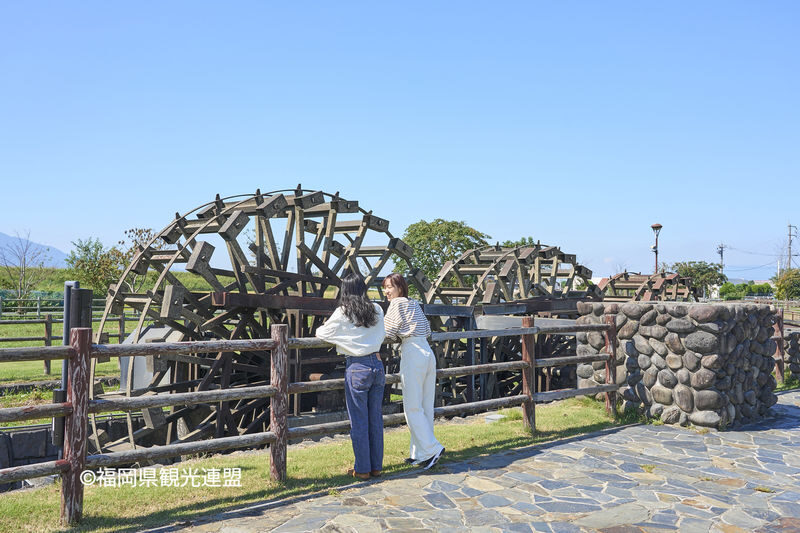
At around 12:30, the bus stops at Sanren Suisha no Sato Asakura for a self-guided visit. The site is described as a popular destination combining agricultural experiences and local culture. You have the chance to look around at your own pace, a welcome change after a guided farm visit.
This stop also provides a natural pause between the strawberries and the afternoon craft session. The schedule does not spell out specific activities or how long you will have at the site, so treat it as flexible exploration rather than a tightly programmed attraction. If there is something you especially want to see, ask the guide what fits the day’s timing.
The self-guided format is both a plus and a small uncertainty. You can choose how to spend your time, but you should not expect a detailed guided tour of the site. Keep an eye on the return time and any group meeting instructions, especially if you wander around.
Lunch is your choice at Nukumori Batake
The next scheduled stop is Nukumori Batake, at about 13:30. It is a tofu workshop and restaurant known for handmade tofu dishes and health-focused products. The stop is self-guided, and lunch is not included.
That arrangement gives you some freedom over what to eat and how much to spend. It also means you should budget for your meal and any drinks or personal purchases. The tour information does not specify a set lunch menu or whether a tofu-making activity is part of this visit, so think of the stop primarily as a chance to eat and explore rather than a promised cooking class.
For many people, a tofu-focused meal will be a welcome contrast to a morning of sweet fruit. If you have dietary needs or want to know what food is available on the day, check directly before booking; no dietary details are provided here. Since lunch is on your own, it is sensible to carry some spending money.
Turning fabric into a sakura-dyed keepsake
At about 15:00, the group visits Yumesaiku for the afternoon’s guided dyeing activity. The workshop is known for sakura and natural plant-based dyeing. You can make your own dyed item, such as a handkerchief, and see white fabric take on color through the dye process.
This is the cultural counterpoint to the farm. Instead of just looking at a finished craft, you take part in making one and leave with a souvenir connected to the day. The workshop draws on a long-standing Japanese dyeing tradition, while the simple, personal result is easy to pack and remember.
The listed workshop is Yumesaiku, though an Aizome experience at Ikeda Kasuri kobo may be offered as an alternative. The exact workshop can therefore vary. If you are booking mainly for sakura dyeing, confirm which craft stop is planned for your date rather than assuming the alternative will not be used.
The activity is guided, but the information does not specify how long the dye session lasts or which fabric items are available beyond examples such as handkerchiefs. Think of it as a focused introduction and practical craft, not a full-day textile course.
What the price includes, and what it does not
The one-day bus tour starts at US$78.85. The price includes admission to attractions, an English-speaking guide, round-trip transfers, tolls, and parking. You are paying for a full itinerary that combines farm time, countryside stops, and a guided craft activity, with transport between them handled for you.
That bundle can offer good value if you want all three elements in one day and prefer not to organize rural transport yourself. A recent five-star rating specifically praised the number of strawberry varieties and the value for money. Another noted that the bus was comfortable and spacious, and that the guide gave a dedicated introduction and helped make the schedule suitable for a family of different ages. Those details are useful signs of what the day can feel like, though they do not guarantee the same bus or exact itinerary every time.
The price does not cover meals, beverages, or personal expenses. Lunch at Nukumori Batake is yours to pay for, and you should allow extra for anything you choose to buy during the stops. The starting price is for the one-day bus tour package.
There is a minimum group size of 15. If the tour does not reach that number, you can choose an alternative date or request a full refund. Confirmation is due 48 hours before departure; contact customer support if it has not arrived. You can cancel for a full refund at least 24 hours before the activity date, using destination local time.

Who will enjoy this day trip most
I would choose this tour if I wanted a day that mixes eating, making, and seeing a little of the Fukuoka countryside without planning the route myself. Strawberry fans get the longest and most distinctive activity, while the dye workshop gives the day a memorable finish beyond the farm visit.
It can also work for families: there is no age limit, children aged 0 to 2 can join free, and the day includes a comfortable bus ride between stops. The schedule is long, though, and the minimum group requirement means the trip depends on enough people booking. Families should also remember that meals are not covered and that the countryside stops are self-guided.
This is less suitable if you want a short outing, a fully guided visit at every stop, or a tour with lunch included. It may also disappoint if you are visiting outside strawberry season or if the exact sakura dye workshop is essential to your plans and you have not confirmed the activity.
Should you book the Fukuoka strawberry and dye tour?
Book it if you want Amaou and other local strawberries, a hands-on craft, and transport from Hakata Station bundled into one day. The strongest value is the combination: two hours of seasonal picking, two countryside stops, and a guided dye activity for a starting price of US$78.85.
Skip it if you prefer to set your own pace all day, need lunch included, or have a tight evening schedule. Before booking, check that your dates fall within the mid-December to early-May picking season, ask which dye workshop is planned, and leave room for traffic on the return. If those details suit you, this is a practical way to pair Fukuoka’s famous berries with a craft you can take home.
YokaBus Fukuoka Strawberry Picking and Sakura Dyeing Experience
“Great value for money, with many varieties of strawberries to enjoy.”
FAQ
Where does the tour depart from?
Meet at Hakata Station Chikushi Gate, in front of LAWSON Oriental Hotel Fukuoka Hakata Station, on the first floor. Arrive 15 minutes before the 08:45 departure.
What time does the tour return?
The scheduled return is around 18:00 at Oriental Hotel Fukuoka Hakata Station. Traffic and weather may change the timetable.
When is strawberry picking available?
The picking season runs from mid-December through early May.
How many strawberry varieties can I try?
The farm offers 12 varieties, including Amaou.
Is lunch included?
No. Meals and beverages are not included, and lunch at Nukumori Batake is paid separately.
What is included in the tour price?
Admission to attractions, an English-speaking guide, round-trip transfers, toll fees, and parking fees are included.
Is there an age limit?
There is no age limit. Children aged 0 to 2 can join free.
Is the tour guaranteed to depart?
The tour requires at least 15 participants. If that minimum is not met, you can book an alternative date or request a full refund.
Can I get help in Chinese?
A Chinese-speaking assistant can be arranged upon request.