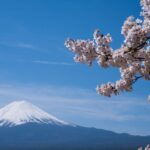
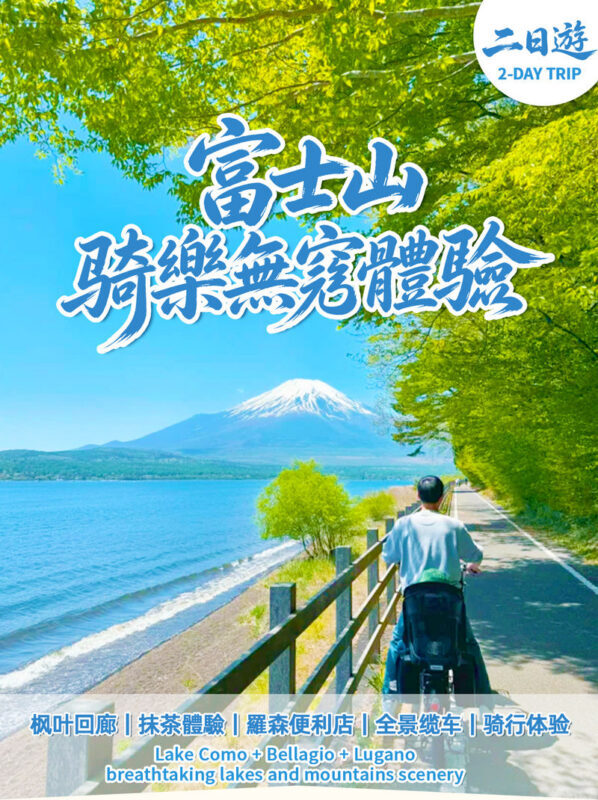
Mount Fuji is the star, but this two-day trip gives you more than a quick photo stop. You travel from Tokyo to the Fuji Five Lakes for a matcha lesson, a ropeway ride, cycling beside Lake Yamanaka and an overnight stay near the mountain.
I like the mix of quiet cultural moments and big Fuji views, and the chance to see the area from a bicycle as well as from the roadside. The tour also includes dinner, breakfast and a hot spring hotel, which saves you the work of arranging a night away from Tokyo.
The trade-off is the hotel. The accommodation is assigned by the operator, and past stays have drawn serious complaints about room cleanliness, food and bathhouse conditions. Book for the route and shared transport, not for a guaranteed luxury onsen.
- The highlights at a glance
- From Tokyo to Lake Kawaguchiko
- Matcha and the view from the Kachi-Kachi Ropeway
- Oshino Hakkai and the first night near Fuji
- Cycling beside Lake Yamanaka
- Convenience-store photos and the climb at Arakurayama
- Tenjoyama Park and the return to Tokyo
- Is 1.95 good value?
- Who should book this Fuji tour?
- FAQ
- Where does the tour depart from?
- What time does the tour leave Tokyo?
- What is included in the price?
- Is cycling guaranteed in bad weather?
- Can I expect a Mount Fuji view from my hotel room?
- How much luggage can I bring?
- The Best Of Fujiyoshida!
- More Cycling Tours in Fujiyoshida
- More Tours in Fujiyoshida
- More Tour Reviews in Fujiyoshida
The highlights at a glance
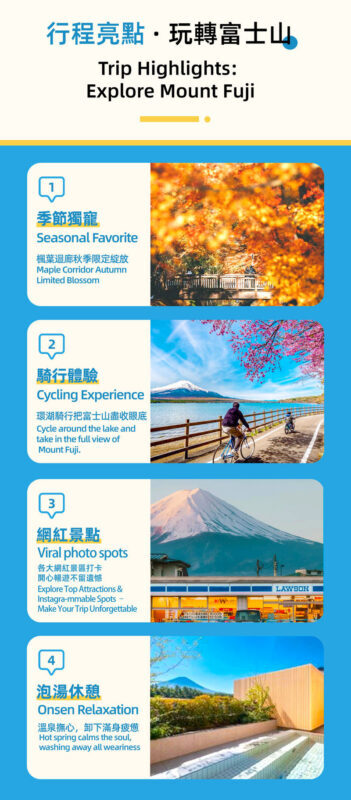
- Make matcha by Lake Kawaguchiko: Learn the basic preparation from an instructor, then enjoy a cup in a setting shaped by Fuji views and Japanese tea culture.
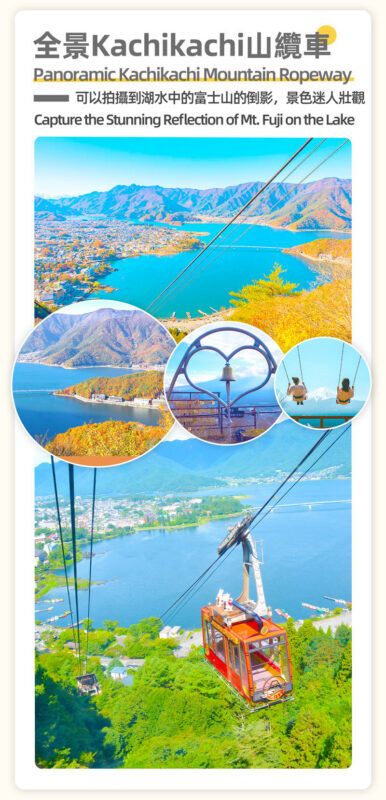
- Ride the Kachi-Kachi Ropeway: The summit lookout gives you a broad view over the lake and, on clear days, the Southern Alps.
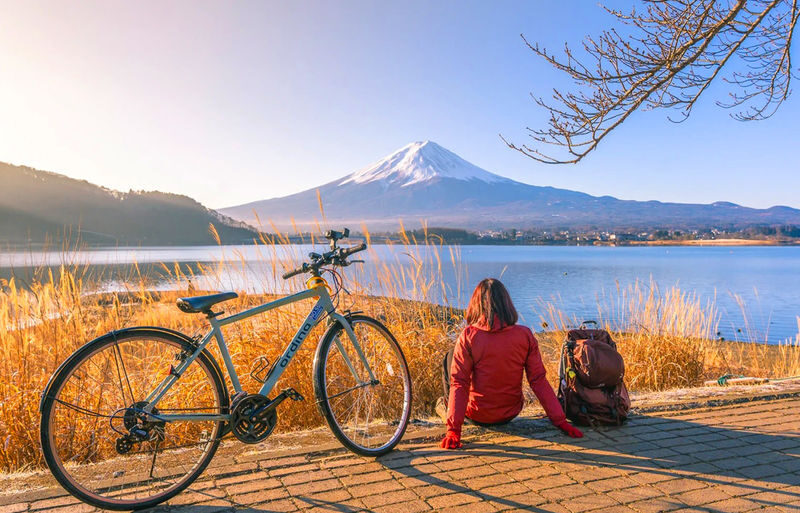
- Cycle beside Lake Yamanaka: A one-hour rental lets you follow part of the Olympic cycling course, with Shiratorihama and swans among the suggested sights.
- See Oshino Hakkai’s spring-fed ponds: Fuji snowmelt filters through underground layers before emerging at this group of eight clear springs.
- Climb to Arakurayama Sengen Park: The famous Fuji-and-town view comes after nearly 400 steps, so bring shoes you can walk uphill in.
- Expect a fixed group schedule: Transport and major admission costs are bundled, but each stop has a set time and the hotel experience may vary.

👉 See our pick of the 8 Most Highly Rated Private Driver Services In Fujiyoshida
From Tokyo to Lake Kawaguchiko
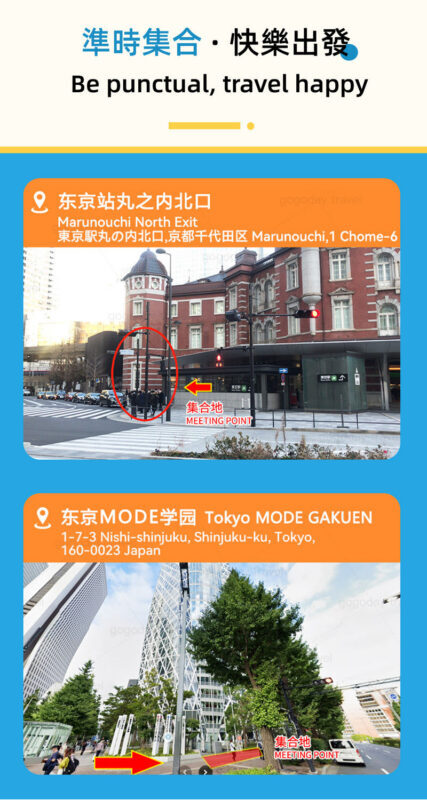
The trip starts at Tokyo Station Marunouchi North Exit, with a second departure time also shown in the tour details. Be sure to check the final meeting time and location in the message sent the evening before. The operator says vehicle and guide information usually arrives between 18:00 and 21:00, though peak-season delays are possible. Arrive at least 10 minutes early: late arrivals and no-shows are not refundable.
The drive is about two and a half to three hours each way, depending on traffic. That is a meaningful part of the day, but it is also the main reason this tour can fit several Fuji-area stops into two days without asking you to plan local buses or arrange a rental car. Toll, parking and fuel costs are included.
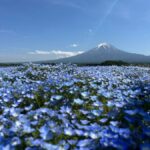
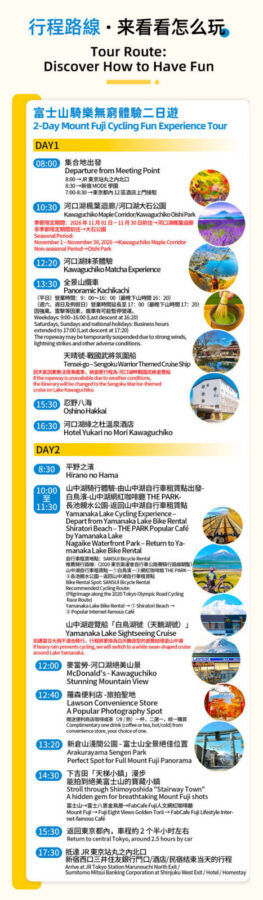
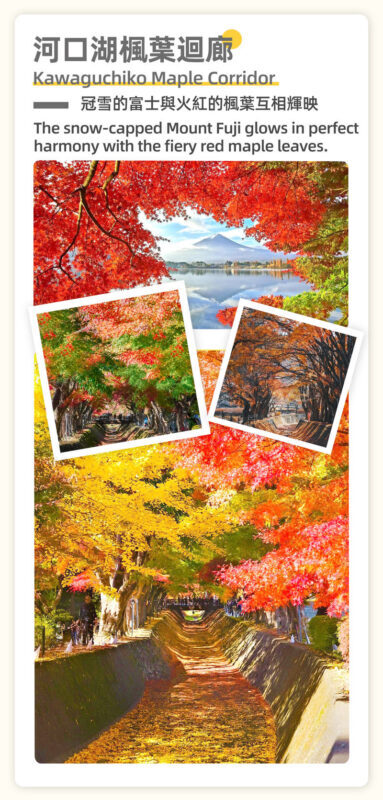
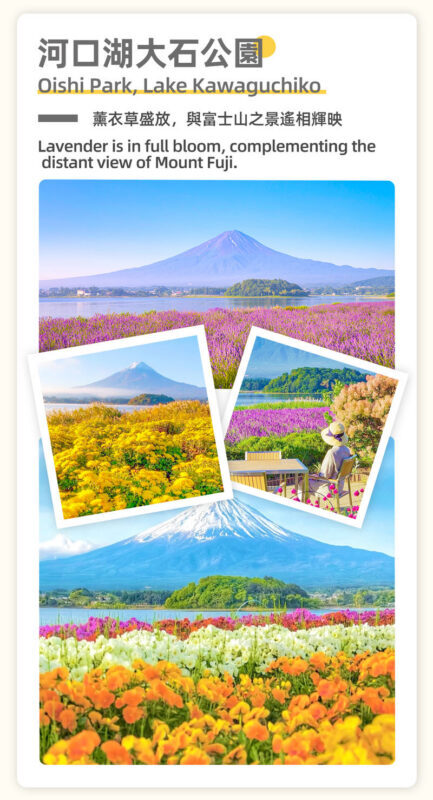
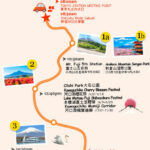
On Day 1, the first stop is the Lake Kawaguchiko Maple Corridor in autumn, when red leaves frame the mountain. The seasonal period supplied for this stop was October 26 to November 20, 2024, so check what is planned for your own departure date. Outside the maple season, the itinerary switches to Oishi Park, known for seasonal flowers such as lavender or kochia. The exact display depends on the time of year.
You have about 90 minutes here for a self-guided visit. That gives you room to walk and take pictures, but it is not a long, leisurely stop. Fuji visibility is weather-dependent, so keep your expectations flexible. A cloudy day can soften the view, while the park and lakeshore still offer a pleasant introduction to the area.
You can also read our reviews of more cycling tours in Fujiyoshida

Matcha and the view from the Kachi-Kachi Ropeway
Around midday, you get an hour for the matcha experience by Lake Kawaguchiko. An instructor guides you through making the tea, then you taste it. I like that this adds a hands-on pause to a day otherwise built around viewpoints and transport. The idea of ichi-go ichi-e, the value of a meeting that happens once, suits the unhurried ritual.
The hour is short, though. Think of this as an introduction to matcha and tea ceremony culture, not a full lesson in every custom. You also have some time to look toward the lake and Fuji, but the schedule does not promise a long lakeside walk.
Next comes the Kachi-Kachi Ropeway, with roughly 90 minutes set aside. The cable car climbs to a lookout above the lake, where you can take in the water and Fuji together. On a clear day, the Southern Alps may appear in the distance. There is also a bell called Tenjo no Kane, or Bell of Heaven, associated with wishes.
This is one of the tour’s strongest stops for a wide view, but it is especially dependent on visibility. Clouds can hide Fuji even when the ropeway is running. The tour includes admission, which makes the price easier to assess, but you should not treat a clear mountain view as guaranteed.
Oshino Hakkai and the first night near Fuji
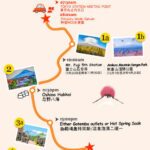
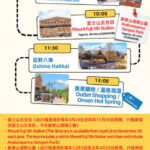
The schedule places Oshino Hakkai at about 15:30 on Day 1, with an hour to explore. The eight ponds are fed by snowmelt from Mount Fuji, filtered through the ground before reaching the surface. Their clear water is the draw, along with the chance to see the mountain reflected in the ponds when conditions allow.
You will have time to walk around and take photos, but this is a popular stop and the hour can pass quickly. Stay aware of your return time. The tour is a shared-car outing, not a private trip where you can extend a visit because the light looks just right.
At about 16:30, you head to the hotel. The package includes one night at Dadu Fuji Hot Spring Hotel or a similar nearby property, plus dinner and breakfast. A similar hotel may be used if the named one is full. The room arrangement is for two or three people, and the hotel is described as being at the foot of Fuji.
Here is where I would keep expectations measured. Some past stays have been praised for the guide and the day’s sights, while others describe poor room cleanliness, unpleasant bathhouse conditions, basic meals and no Fuji view from the room. One key distinction: the mountain may be visible from the dining area, but that does not mean your room has a view. The hotel name and facilities can vary, so if the overnight stay is central to your decision, ask what property is planned and check its current details before booking.
A hot spring can be a welcome way to rest after a full day, but this tour does not let you select your own hotel. Treat the included night and meals as practical conveniences, not the main reason to pay. Past feedback also suggests guide service can be a bright spot: names mentioned include Xiao Zhao, Ace, Xiao Hu, Sun and Ko. Assignments vary, so those names are examples, not a promise.
Cycling beside Lake Yamanaka
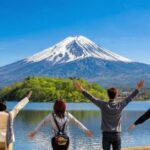
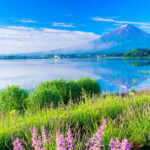
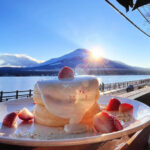
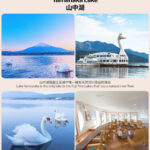
Day 2 begins at Hirano Beach, on the northeastern side of Lake Yamanaka. You get about 40 minutes at this photo spot, looking across the water toward Fuji. Early morning can bring crisp air, and on a still day the mountain may reflect in the lake. The scheduled time is relatively brief, so this is a chance to pause and take in the view rather than wander far.
Around 10:00, the tour includes a one-hour bicycle rental, with about 90 minutes allocated to the stop overall. The suggested route starts at the rental shop, then passes Shiratorihama, the cafe THE PARK and Nagaike Waterside Park before returning the bike. The route follows part of the Olympic cycling course and offers a more active way to see the lake than another roadside photo stop.
The cycling is a good fit if you want a little movement in the middle of a coach-based itinerary. You may spot swans at the water’s edge, a feature that makes the lake memorable in a different way from Kawaguchiko. The rental is included, but the time is fixed; this is not an all-day ride. If heavy rain makes cycling unsuitable, the activity changes to a swan-shaped excursion boat tour around the lake.
Convenience-store photos and the climb at Arakurayama
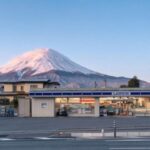
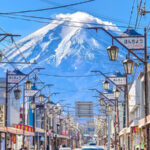
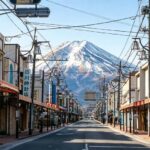
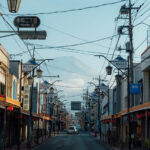
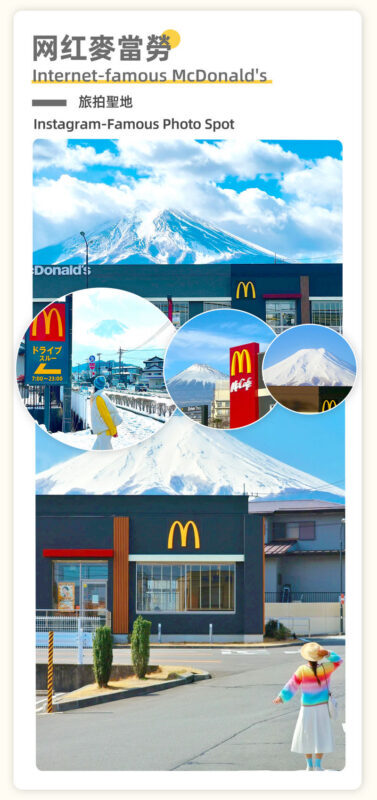
After the lake, the schedule includes a 30-minute stop near a McDonald’s on National Route 139 in Fujiyoshida, then another 30 minutes at Lawson Fujiyoshida Arakura. These stops reflect a modern side of Fuji tourism: the contrast of familiar shopfronts with the mountain in the background has become a popular photo setup.
At Lawson, a hot or iced coffee or tea is included, one per person, selected by the driver-guide. The stop is short, and the suggested photo setup involves standing across the street and waiting for a gap in foot traffic. Be considerate of other people and traffic, and do not block the pavement for a picture.
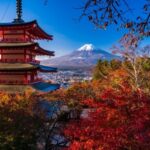
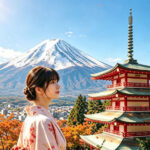
Arakurayama Sengen Park follows at about 13:20, with an hour to visit. The classic view combines Fuji, the town of Fujiyoshida and the Chureito Pagoda area. Getting to the overlook means climbing roughly 397 or 398 steps, depending on how the count is described. Take it steadily, especially if you are not used to stairs. Comfortable walking shoes matter more here than at the roadside photo stops.
The view is one of the tour’s signature scenes, but it is no secret spot. You share the steps and viewpoint with other people, and the mountain can again be obscured by weather. The stop’s one-hour limit also means you may need to choose between lingering at the overlook and exploring more of the park.
You can also read our reviews of more tours and experiences in Fujiyoshida
Tenjoyama Park and the return to Tokyo
The final listed attraction is Kawaguchiko Tenjoyama Park, with an hour scheduled from about 14:30. It offers another angle on Fuji and a traditional town setting, along with a Golden Torii associated with the sacred realm of the mountain. This is a useful last viewpoint, though you will already have taken in several Fuji panoramas by then.
The return journey is listed as leaving around 15:30, with arrival in Tokyo around 17:30. Traffic, weather, holidays and crowd levels can shift the timing. Avoid booking a tight evening connection or an important reservation right after the stated return time.
One detail to clarify before setting out: the attraction descriptions and day-by-day schedule do not line up perfectly in every place. The detailed schedule puts Oshino Hakkai on Day 1, while some summary text groups it with Day 2’s attractions. Trust the guide’s final timetable and the pre-trip message, and confirm any stop that is essential to you.
Is $271.95 good value?
The starting price is $271.95 for the pickup-and-drop-off-location option, based on two or three people sharing a room. Hotel pickup and drop-off is listed from $289.29. The base price includes one night, breakfast, dinner, the matcha experience, ropeway admission, a one-hour bicycle rental, a guide, tolls, parking and fuel.
That bundle can offer good value if you want to see several Fuji-area sights without organizing transport or paying separately for each included activity. You also avoid finding a hotel and arranging a return journey from the Fuji Five Lakes. The trade-off is limited control: you follow the fixed schedule, share the vehicle and accept the assigned accommodation.
Meals and drinks beyond the included dinner and breakfast are not covered, and personal expenses are extra. The tour allows one free piece of luggage per person, but you must provide the number of bags when booking. The operator may refuse a booking if the group or luggage exceeds the vehicle’s capacity, so pack with care.
Who should book this Fuji tour?
I would choose this tour if you want a broad first look at the Fuji Five Lakes, appreciate a mix of culture and outdoor activity, and value having transport, key admissions and an overnight stay bundled together. The matcha lesson and cycling help break up the procession of viewpoints, while Oshino Hakkai and Arakurayama add very different kinds of scenery.
It suits people comfortable with early starts, fixed stop lengths and a full two days on the road. It is less suitable if you need a flexible pace, want to choose your own hotel, or are booking mainly for a high-standard hot spring stay. The tour is not recommended for people with high blood pressure, epilepsy, heart disease, asthma, other serious medical conditions, pregnant people or people with disabilities. Anyone aged 70 or older must present a medical certificate, and children need a paying adult; children aged six and older pay the adult rate.
My advice: book for the route and the chance to see several sides of Fuji, not for a guaranteed room view or spa-quality hotel. If accommodation quality is a deal-breaker, arrange your own overnight stay and look for a day tour instead.
Mount Fuji Cycling Matcha Experience Hot Spring Two-Day Deep Dive Tour: Kawaguchiko & Matcha Experience & Ropeway & Hot Spring & Yamanakako Cycling & Oshino Hakkai & Arakurayama Sengen Park Two-Day Deep Dive Tour
“Thank you to our tour guide, Xiao Zhao, for his enthusiastic help in finding the location of the shop I wanted to buy from online. It turned out to…”
FAQ
Where does the tour depart from?
The listed meeting point is Tokyo Station Marunouchi North Exit. Tokyo Mode Gakuen also appears in the return information, so check the final meeting and drop-off details in the pre-trip message.
What time does the tour leave Tokyo?
Departure times of 08:00 and 08:30 are both shown. Confirm which one applies to your booking in the message sent the day before, and arrive at least 10 minutes early.
What is included in the price?
The package includes the matcha experience, Kachi-Kachi Ropeway admission, a one-hour bicycle rental, one night at Dadu Fuji Hot Spring Hotel or a similar property, breakfast, dinner, guide service, tolls, parking and fuel. Other meals, drinks and personal expenses are not included.
Is cycling guaranteed in bad weather?
No. If heavy rain makes the cycling activity unsuitable, the tour changes it to a swan-shaped excursion boat tour around Lake Yamanaka.
Can I expect a Mount Fuji view from my hotel room?
No room view is guaranteed. The hotel may vary, and the mountain may be visible from a shared area such as the dining hall rather than from your room.
How much luggage can I bring?
The tour allows one free piece of luggage per person. You should tell the operator how many pieces you plan to bring when booking, since luggage and group size must fit the reserved vehicle.