Nagoya makes more sense when someone helps connect its city center, historic sites, and lively Osu district. This three-hour private walk gives you a local host to help you find your bearings and shape the route around what you want to see, from Osu Kannon to the city’s specialist shops.
I like two things in particular: you can ask for a personal mix of history, food, and shopping, and your host can offer useful tips for the rest of your stay. Guides such as Anna and Takako-san have helped visitors with shrine etiquette, Nagoya Castle, local snacks, and even specific shopping requests. One thing to keep in mind: the route is flexible, so don’t assume every named sight will fit into three hours, and meals, admission, and transport are extra.
- Key points to know before you book
- A private introduction to Nagoya, not a fixed march
- Midland Square and the first view of the city
- Osu Kannon and the shops of Osu
- Nagoya Castle, shrines, and the route you request
- Local food advice, with your own tab
- What the guide can add, and what to ask for
- Price, timing, and practical details
- Who should book this Nagoya walk?
- FAQ
- How long is the tour?
- What is the starting price?
- Is the tour private?
- Is the guide English-speaking?
- Can I customize the route?
- Are Nagoya Castle and Osu Kannon guaranteed stops?
- Are food and drinks included?
- Is transportation included?
- Where does the tour meet?
- Is the tour wheelchair- and stroller-accessible?
- The Best Of Nagoya!
- More Private Tours in Nagoya
- More Tours in Nagoya
- More Tour Reviews in Nagoya
Key points to know before you book



- Osu pairs a historic temple with pop culture: Osu Kannon sits in a neighborhood known for cosplay, gaming goods, and specialist shops.
- Your route can reflect your interests: Share your must-sees and preferences after booking, then work with your host on a plan.
- Midland Square can help you get your bearings: The tour description highlights its open-air observation deck for a view across Nagoya.
- Nagoya Castle may be part of the day: Castle visits and explanations have featured on customized tours, but confirm your priorities with your host.
- Food is a suggestion, not an inclusion: Ask about Nagoya specialties such as Nagoya cochin chicken, Kuheiji sake, or red bean paste toast, then budget for your own meal.
- The tour is a walk, not a car tour: Public transport or local taxis may be used between stops, with fares paid separately.
👉 See our pick of the 13 Best Workshops & Classes In Nagoya
A private introduction to Nagoya, not a fixed march
This half-day tour is best understood as a guided introduction, rather than a set circuit with a guaranteed list of stops. You have three hours with an English-speaking local host, and you can share your interests in advance so the plan can focus on history, food, shopping, or cultural details.
That flexibility matters in Nagoya. A short visit can otherwise become a string of station exits and scattered attractions, with little sense of how the districts fit together. A local host can help you make choices, explain what you are seeing, and suggest what to do after the tour ends.
The format is private, for a group of one to eight. That makes it easier to ask questions and change the pace than on a large group tour. It also means the value depends in part on how clearly you communicate what you want. If you are keen on temples, say so. If you would rather shop for anime goods or taste local food, make that clear too.
After booking, you receive a short questionnaire about your preferences and must-sees. Your host then contacts you to plan a route. Treat this as a chance to set priorities, not as a promise that every request will fit. Three hours can pass quickly, especially if you stop to browse shops, take photos, or sit down to eat.
You can also read our reviews of more private tours in Nagoya
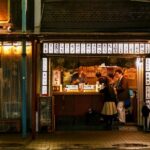

Midland Square and the first view of the city
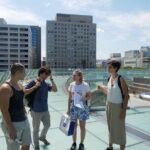
The tour’s suggested opening is a city overview from Midland Square, a skyscraper near Nagoya Station. The open-air observation deck is presented as a way to see the districts from above and get a quick sense of the city’s layout. That kind of orientation can be useful at the start of a short stay: you can ask your host what lies in each direction and decide which parts of Nagoya deserve more of your time.
The view is not the whole point. The real benefit is having someone beside you to answer practical questions as you look out over the city. Ask how to get to the areas you are interested in, what is worth returning to, and where a particular food or shopping stop might fit.
There is an important cost detail: admission to attractions is not included. If the observation deck is on your plan, check the current entry fee and opening conditions before you go. The same applies to any other attraction with a paid entrance.
A meeting near Nagoya Station is convenient if you are arriving by rail or staying in the central area. Hotel or apartment meet-up may also be arranged in a central location. Confirm the meeting place and time with the operator, and share your accommodation details if you want to ask about hotel pick-up.
Osu Kannon and the shops of Osu
Osu is the tour’s most distinctive pairing: a temple with centuries of history at the center of a neighborhood known for contemporary pop culture. Osu Kannon is described as around 700 years old, while the surrounding area is associated with cosplay, gaming goods, and specialist stores. The contrast gives you more to talk about than a quick temple stop alone.
You can take in the temple, then move into the shopping streets to browse. Osu is also linked to the annual World Cosplay Summit, so this is a particularly good part of the route if you are interested in Japanese pop culture. If shopping is high on your list, tell your host whether you want time to browse or would prefer a quicker walk-through with more stops elsewhere.
The area can suit very different interests. One person in your group may want to see the temple and learn how to show respect at a shrine, while another may want to look for costumes or gaming items. A private host can help balance those aims, though you should agree on priorities before the clock starts.
Do not expect a long, formal history lecture at every stop unless you ask for one. The quality of the experience depends on the route and the level of explanation you seek. One visitor found a tour light on context, while others valued detailed explanations of Nagoya Castle and local culture. When you plan, ask directly for historical background at Osu Kannon and any other site that matters to you.
Nagoya Castle, shrines, and the route you request
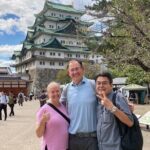
Nagoya Castle appears among the tour’s highlights, but the walk is personalized, and the three-hour route can change. Castle visits have been part of customized outings, including a short explanation of the site’s history. If the castle is a must-see, make that clear when you are contacted and confirm whether it fits alongside Osu and the other stops you want.
A host can add value through small cultural pointers as well as dates and names. Anna, for example, helped a visitor understand how to show respect at a shrine and gave a brief introduction to Nagoya Castle. Those practical details can make a visit feel less like checking a landmark off a list and more like understanding how to behave in the place.
There are limits. This is a three-hour walking experience, not an all-day tour by private vehicle. The route may use public transport or local taxis to cover ground between sites, and those fares are not included. Ask your host about likely transfers once your plan is set. If you want to see several distant places, be realistic about time and travel.
Weather and traffic can also affect the schedule. If the weather turns or a transfer takes longer than expected, a flexible plan is more useful than a rigid checklist. Prioritize one or two main interests, then leave room for a spontaneous stop if time allows.
Local food advice, with your own tab
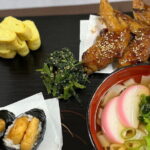
Food is one of the tour’s most appealing possibilities, but it is not part of the price. The description points to Nagoya cochin, a local chicken specialty, and Kuheiji sake as things you might try at a host’s favorite local haunt. Your host can also help you look for a local treat that suits your taste.
One visitor asked to try Nagoya’s red bean paste toast, and the guide was willing to add a stop even though it was not on the original route. That is a good example of how to use a private tour: mention a specific food you want to try instead of waiting for it to appear in the plan. Just remember that the meal and drinks are your expense, and a seated meal will use part of your three hours.
Food stops work best when you decide what matters more: a relaxed meal or covering more ground. If you want to taste several local specialties, ask your host what is practical and budget for the food separately. If you are short on time, a quick snack may leave more room for Osu or a cultural stop.
The host can also offer advice beyond the scheduled outing. Use that time to ask where to eat later, what local dish to order, or which area makes sense for your remaining days. The tour’s practical value may last longer than the walk itself if you come with questions.
You can also read our reviews of more tours and experiences in Nagoya



What the guide can add, and what to ask for
The strongest part of this format is the chance to talk with someone who knows the city and can respond to your interests. Several guides have been praised for adapting plans and answering questions. Shochan has helped groups get to know Nagoya through a tailored route; Takako-san has handled requests ranging from Nagoya Castle to a baseball team shop and a specific drugstore item. Other guides, including Gold, Atsumi, Saki, and Anna, have been described as friendly and helpful, with clear English noted in some cases.
Those details point to a useful approach: arrive with a short list of questions and a couple of priorities. You might ask about local customs, how to get around, what to eat, or which areas suit your interests. If you have a specific shopping goal, name it early. A host may be able to work it into the route, but no particular stop is guaranteed.
Guiding style can vary. Some people want conversation and practical help, while others want fuller historical explanations at each site. If you belong to the second group, say so while planning and again at the start. A private tour gives you a better chance to set the tone, but it does not automatically mean every stop will come with a detailed talk.
Price, timing, and practical details
The three-hour walking tour starts at US$66.15. Since the group size can be one to eight, check the booking details to understand how the displayed price applies to your party. For a private introduction, the price may be attractive if you are traveling with others and use the host’s local advice well. It is less of a bargain if you expect admission, transport, and food to be bundled in; they are not.
Departure options run from 08:00 through 17:00, with the exact choices for your return depending on the selected departure time and itinerary. The meeting point is in front of the tourist information center, with the Nagoya Station Tourist Information Center listed as the return point. A central hotel or apartment meeting can be arranged on request, and the host’s photo is sent before the experience.
The tour has no age limit and is listed as stroller- and wheelchair-accessible. It remains a walking tour, so discuss your needs and the route with the host in advance. Public transport or taxis can be used between sites, but a private vehicle is not included.
The booking can be changed up to 24 hours before the activity in eligible cases, and cancellation at least 24 hours before the activity date qualifies for a full refund. The voucher is valid only for the date and time booked. For bad weather or another unforeseen event, the operator may cancel and offer a reschedule or full refund.
Who should book this Nagoya walk?
I would consider this tour if you have a few hours in Nagoya and want a local introduction rather than a fixed sightseeing circuit. It suits first-time visitors who want help navigating the center, pop culture fans curious about Osu, and anyone who likes to ask questions as they go.
It is also a sensible choice if you have a particular goal, such as learning shrine etiquette, finding a local snack, visiting the castle, or locating a specific shop. The more clearly you communicate that goal, the more useful a tailored walk can be.
I would look elsewhere if you want a fully planned, transport-included tour with guaranteed entry to several attractions or a fixed historical itinerary. This experience gives you a private host and a flexible route, but you pay extra for admission, food, and transportation. Book it for the conversation, local guidance, and ability to shape your time, not for a packed checklist of sights.
Nagoya Midland Square & Osu Kannon Private Half-Day Tour
“Shochan helped us know the city better. She is also nice and helpful. It is a very nice adjusted tour to fit our group. 👍”
FAQ
How long is the tour?
The walking tour lasts three hours.
What is the starting price?
The tour starts at US$66.15. Check the booking details for how the price applies to your group.
Is the tour private?
Yes. It is a private experience for groups of one to eight participants.
Is the guide English-speaking?
Yes. An English-speaking guide is included.
Can I customize the route?
Yes. After booking, you receive a questionnaire about your interests and must-sees, and your host contacts you to plan a personalized route.
Are Nagoya Castle and Osu Kannon guaranteed stops?
No specific route is guaranteed. Nagoya Castle and Osu Kannon are among the places highlighted, but the itinerary can change. Tell your host which stops matter most.
Are food and drinks included?
No. Meals and beverages are not included. You pay separately for anything you order.
Is transportation included?
No. This is a walking tour and a private vehicle is not included. Public transport or local taxis may be used between sites, with fares paid separately.
Where does the tour meet?
The listed meeting point is in front of the tourist information center. A central hotel, apartment, or other central location may also be arranged.
Is the tour wheelchair- and stroller-accessible?
Yes. The activity is listed as wheelchair- and stroller-accessible.