Beppu’s hot spring steam and Yufuin’s quiet mountain setting make an appealing pair, but they sit far enough from Fukuoka that fitting both into one day takes planning. This coach tour handles the transport and links them with Nyoirin-ji’s thousands of frog ornaments and a stop near Mount Yufu.
I like two things in particular: the range of stops, from a working temple to volcanic hot springs, and the generous two hours in Yufuin, where you can choose your own lunch and browse at your own pace. Guides on different departures have included Daisy, Lily, Eiichi and Jimmy Liu, with many capable of explaining the day in Chinese and English.
The main compromise is the clock. Six stops in ten hours means set departure times and short visits at the temple, mountain trailhead, lake and hot springs. Traffic can stretch the day, and the Mount Yufu stop may become a view from the vehicle depending on the season and road controls.
- At a glance: frogs, mountain air and hot spring steam
- What the day feels like from Fukuoka
- Nyoirin-ji: a quiet temple with a playful side
- Mount Yufu: scenery without a summit hike
- Yufuin: two hours to eat, wander and choose
- Kinrin Lake: a brief pause for water and mist
- Beppu’s two hells: color, heat and steaming pools
- Is the .25 starting price good value?
- Practical details that can save you stress
- Who should book this Fukuoka day trip?
- FAQ
- Where does the tour depart from?
- How long is the tour?
- What languages are available from the guide?
- Are admission tickets to Umi Jigoku and Kamado Jigoku included?
- How much time is available in Yufuin?
- Does the Mount Yufu stop include a hike?
- Are meals and drinks included?
- The Best Of Fukuoka!
- More Tours in Fukuoka
- More Tour Reviews in Fukuoka
At a glance: frogs, mountain air and hot spring steam
 1 / 8
 2 / 8
 3 / 8
 4 / 8
 5 / 8
 6 / 8
 7 / 8
 8 / 8
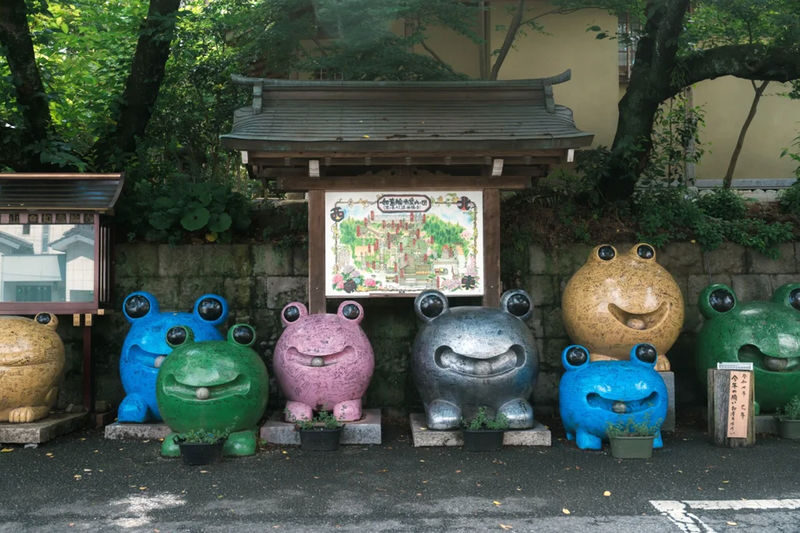
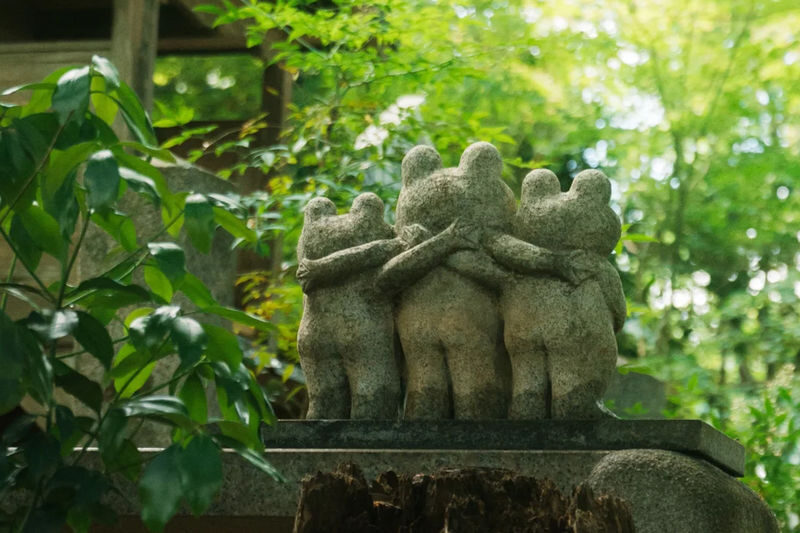
- Nyoirin-ji’s frog collection: A jade frog brought back from China inspired a collection of about 10,000 frog ornaments.
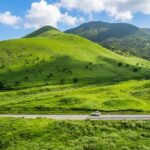
- Mount Yufu from its trailhead: A brief scenic stop, not a hike. Seasonal restrictions can change it to a drive-by.
- Two hours in Yufuin: The longest stop gives you time for lunch, shops and a stroll through this hot spring town.
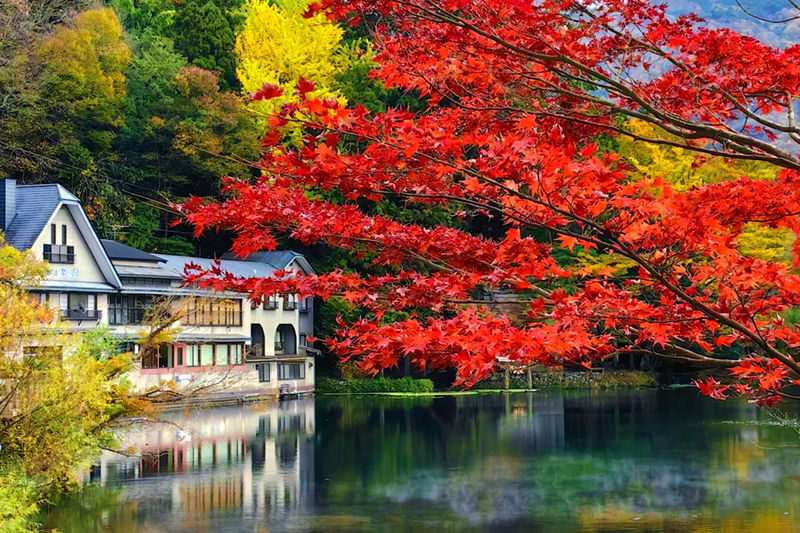
- Kinrin Lake in a short visit: The lake’s warm spring water can meet cooler water and create mist, but the effect varies with weather and season.
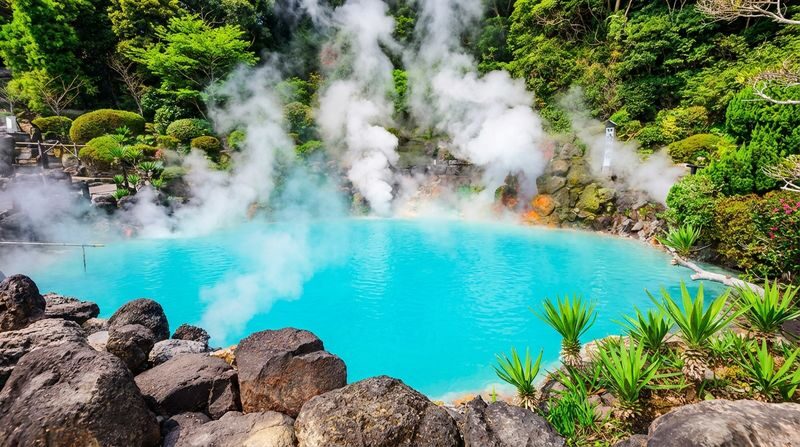
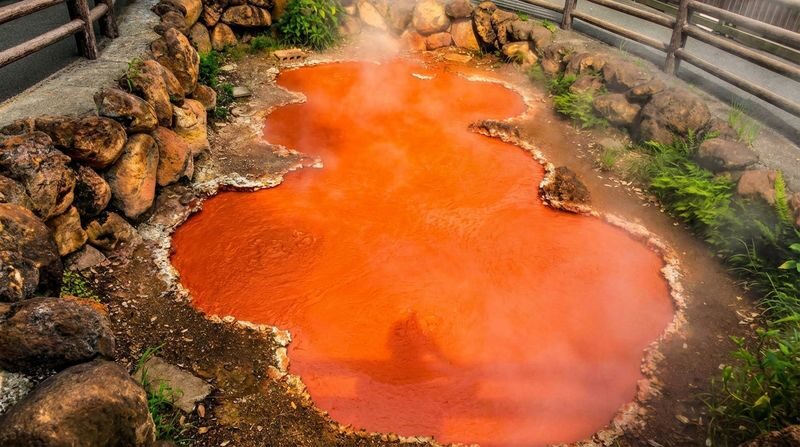
- Beppu’s Umi Jigoku and Kamado Jigoku: Two vivid geothermal stops, with an important ticket-price detail to confirm before booking.

👉 See our pick of the 7 Top-Rated Fukuoka Workshops & Classes
What the day feels like from Fukuoka
This is a full-day outing, scheduled from 8:30 a.m. to about 6:30 p.m. The coach leaves from the Lawson Fukuoka Oriental Hotel, near Hakata Station, and returns there. Being driven between sites is the tour’s central convenience: you avoid arranging separate trains, buses and connections to cover Yufuin and Beppu in one day.
The trade-off is that you follow the group’s timetable. Most stops are self-guided, so the guide’s job is to explain the places, keep everyone oriented and get the group back on the bus on time. Tour accounts describe guides sharing historical context, food suggestions and practical directions. That kind of help is especially useful in Yufuin, where two hours can disappear quickly if you have not decided whether lunch, shopping or the lake matters most.
The assigned guide and vehicle can vary by departure. Names associated with past outings include Daisy, Lily, Eiichi and Jimmy Liu. Some tours may have a driver who also acts as attendant when the group is small, so the amount of commentary can vary. Treat the guide as a helpful host, not as a substitute for a specialist guide at every stop.
You can also read our reviews of more tours and experiences in Fukuoka.

Nyoirin-ji: a quiet temple with a playful side
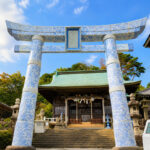
The first stop is Nyoirin-ji Temple in Ogori, known as Frog Temple. Its formal side is easy to miss if you focus only on the frog ornaments: the complex includes a Great Buddha Hall, Zen Hall and Sutra Repository, with restrained traditional architecture and a calm atmosphere.
The frog collection gives the visit its distinctive character. The temple’s association with frogs began after the abbot brought a jade frog back from China; the collection has since grown to roughly 10,000 frog ornaments. Look around the grounds rather than expecting one single display. Wind chimes and the temple setting add to the appeal, and autumn leaves are a seasonal draw, though their timing depends on the weather.
You have about 40 minutes here, without a guided walk built into the stop. That is enough for a look around and photos, but not a long, reflective visit. If you enjoy small cultural details and unusual temple traditions, this is a memorable opening. If your priority is grand temple architecture, keep expectations in proportion: the charm lies in the setting and frog theme, not in a huge complex.
Mount Yufu: scenery without a summit hike
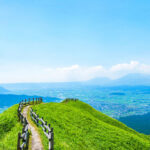
Next comes the Mount Yufu trailhead area, scheduled for about 30 minutes. The mountain sits in a volcanic zone, and its slopes and surrounding vegetation change with the seasons. The planned stop is scenic, with open meadow and woodland around the trailhead, but it is not time to climb the mountain.
There is a practical seasonal caveat. From June 1, traffic controls mean the stop changes to viewing Mount Yufu from the vehicle, with no getting out. In winter, the trailhead visit may be canceled and the extra time added to Yufuin instead. Check the day’s conditions and treat this as a bonus view, not the day’s main event.
That distinction matters when comparing this trip with a hiking excursion. The tour is built for a quick look at the countryside between towns, not for trail time. Bring a warm layer in winter or for a mountain outing, as the guidance recommends light clothing and suitable shoes while also preparing for colder conditions.
Yufuin: two hours to eat, wander and choose
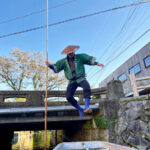
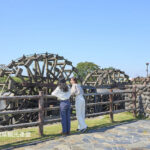
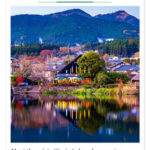
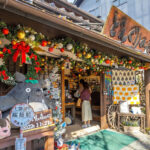
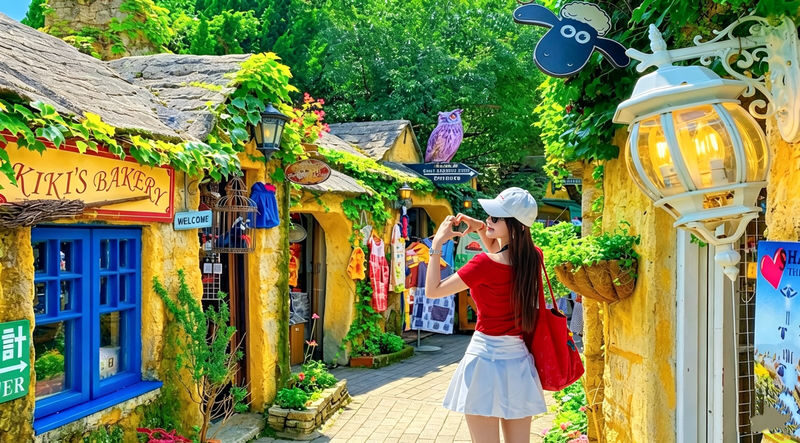
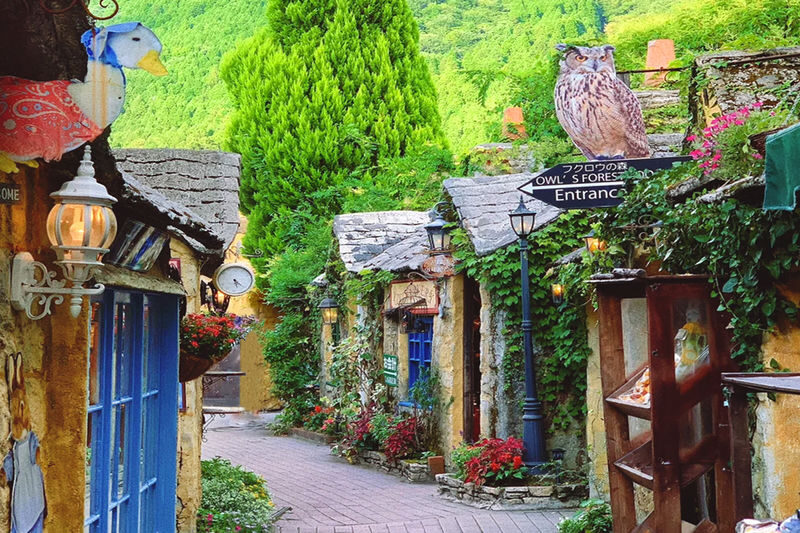
Yufuin is the day’s longest stop, with about two hours for independent exploring. This mountain hot spring town is known for its peaceful setting, hot spring baths and artistic atmosphere. Its mix of Japanese fantasy-town charm and English countryside touches has made it one of Kyushu’s best-known day-trip destinations.
Use the time with a plan, but leave room to follow your appetite. You can pick a local restaurant, sample snacks, browse shops or simply walk through town. Guides may share restaurant and food recommendations; past suggestions have included eel rice and places to eat around Yufuin. If you have a dietary need, tell the guide early and ask for options. A guide has helped a vegetarian group find lunch, but menus and availability can change.
Two hours is useful, not lavish. It gives you a real chance to eat and explore, yet you will need to choose rather than attempt everything. Decide whether lunch or shopping comes first, and keep an eye on the meeting time. Late arrivals cannot join the group again, and the coach will not wait.
Yufuin is also known for hot spring bathing, but the itinerary does not include a bath visit. The town’s onsen character is part of the setting; do not book this tour expecting a soak. If bathing is your priority, check whether you can fit it into the free time, but do not assume that two hours will allow a relaxed meal, shopping and a bath.
Kinrin Lake: a brief pause for water and mist
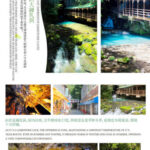
Kinrin Lake is scheduled for about 20 minutes, a short walk-and-look stop near Yufuin. Its name refers to the golden shimmer of fish scales on the water at sunset, as observed by Confucian scholar Mori Kuso. The lake was formerly known as Gakushita Pond, and its warm spring water mixes with cooler water, sometimes creating a veil of mist.
The mist is the lake’s signature sight, but it is not guaranteed at every hour or in every season. This visit is in the afternoon, not a dedicated sunrise outing, so think of Kinrin as a pleasant scenic pause rather than a promise of dramatic fog. Twenty minutes is enough to see the water and take photographs, but not to linger.
Beppu’s two hells: color, heat and steaming pools
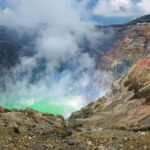
Beppu is famous for its hot spring activity, with more than 200 public baths across the city. The tour visits two of its named geothermal sights: Umi Jigoku, or Sea Hell, and Kamado Jigoku, or Cooking Pot Hell. These are viewing stops, not ordinary bathing pools. At Umi Jigoku, the striking feature is a blue hot spring pool; Kamado Jigoku takes its name from the old practice of using hot spring steam to cook offerings for the local shrine’s festivals. A large model cooking pot marks the entrance.
Each stop is scheduled for about 30 minutes. That is enough for a focused visit, but not a slow tour of every detail. Beppu’s local cooking method, Jigoku Mushi, uses high-temperature hot spring steam to cook ingredients. Food and drinks are not included, so bring money if you want to buy a snack or meal.
Confirm the admission arrangement before you pay. The package information says tickets to Umi Jigoku and Kamado Jigoku are included, but the individual stop descriptions also say tickets are at your own expense. Because those details conflict, ask the operator or booking platform to clarify exactly what your selected package covers. Do not assume the ticket cost is included until you have confirmation.
Is the $44.25 starting price good value?
At a starting price of $44.25, the appeal is clear: round-trip transport from Fukuoka, an English- or Chinese-speaking guide and a route that would be awkward to stitch together on public transport in one day. If both hells’ admission tickets are included in the specific package you choose, that adds value. If they are not, account for those costs separately.
The tour is most valuable if you want to see several places without managing transfers or renting a car. It is less compelling if you want a long visit at each site, a mountain hike or a hot spring bath. Meals, beverages, personal expenses and insurance are not included, so budget for lunch in Yufuin and any snacks or purchases along the way.
The day’s timing also affects value. Two hours in Yufuin is a useful block of free time, while the 20-minute lake stop and 30-minute temple and hell visits are intentionally brief. You are paying for a broad sampler and the transport between regions, not an in-depth visit to every attraction.
Practical details that can save you stress
Meet at the Lawson Fukuoka Oriental Hotel, at 4-23 Hakata Station Chuo-gai, and arrive at least ten minutes before the 8:30 departure. Late arrivals and no-shows are not refunded, and joining after the tour has left is not allowed. The tour is scheduled to return around 6:30 p.m., but traffic and weather can change the actual arrival time.
The operator sends departure information between 5 p.m. and 9 p.m. the day before. Check your email and spam folder. If no message arrives, look for the JRT tour guide flag at the meeting point on the morning of the trip.
Vehicle type depends on the group size, and seats are assigned first come, first served. If you need to bring luggage, arrange it in advance; unannounced luggage may be refused. Eating and drinking are not allowed in the vehicle.
The schedule may change because of traffic, weather, maintenance or other disruptions. During Japan’s Obon peak, August 8 to 16, congestion and crowds can affect timing. Avoid booking a same-evening flight, Shinkansen or dinner reservation, and bring a power bank and a snack. Seasonal foliage and other natural displays are never guaranteed.
Children aged 0 to 2 may ride free if they do not need their own seat; children aged 3 and older pay the adult rate. Insurance is not included, so arrange your own cover if you want it.
Who should book this Fukuoka day trip?
I would choose this tour if you have one day to get beyond Fukuoka and want a mix of temple culture, mountain scenery, a well-known hot spring town and Beppu’s geothermal sights. It is especially suited to visitors who prefer a driver and a clear timetable over working out regional transport themselves.
It is a weaker fit if you want to hike Mount Yufu, bathe in an onsen, or spend most of the day at one place. The best way to enjoy it is to treat the stops as an introduction, use Yufuin’s longer break wisely and accept that the day’s pace is shaped by the road.
Book it for convenience and variety, but verify the hell-ticket inclusion before checkout and leave your evening schedule open. If those terms work for you, this is a practical way to connect three very different sides of central Kyushu in one day.
Kyushu Fukuoka Classic Day Tour | Nyoirin-ji Temple & Mt. Yufu & Yufuin & Kinrin Lake & Umi Jigoku (Sea Hell) & Kamado Jigoku (Oven Hell) Day Tour (Chinese and English Tour Guides / Departure from Fukuoka)
“The tour guide Eiichi is very accommodating and well versed in English/Mandarin/Japanese. He is very knowledgeable with the attractions' history an…”
FAQ
Where does the tour depart from?
The meeting point is Lawson Fukuoka Oriental Hotel, at 4-23 Hakata Station Chuo-gai, Hakata-ku, Fukuoka. Arrive at least ten minutes before the 8:30 a.m. departure.
How long is the tour?
It is scheduled to run from 8:30 a.m. to about 6:30 p.m. Traffic and weather can affect the return time.
What languages are available from the guide?
The tour is described as offering English- or Chinese-speaking guides. The assigned guide varies by departure.
Are admission tickets to Umi Jigoku and Kamado Jigoku included?
The package details say both tickets are included, but the individual stop descriptions say admission is at your own expense. Confirm the arrangement for your selected package before booking.
How much time is available in Yufuin?
The schedule allows about two hours in Yufuin for independent exploring, including time for lunch, shops or a walk.
Does the Mount Yufu stop include a hike?
No. The scheduled stop is at the trailhead area and is intended for scenery, not a summit hike. From June 1, traffic controls may change it to viewing from the vehicle, and the stop may be canceled in winter.
Are meals and drinks included?
No. Meals and beverages are not included. You can use the free time in Yufuin to find lunch, and you may want to bring a snack for the day.